广告
加载中

第二十届HED中国峰会·上海圆满落幕 共话AI机遇与财富管理新范式

龚作仁 2026-06-23 16:29
龚作仁 2026/06/23 16:29

邦小白快读

EN
全文速览

本文是第二十届HED中国峰会上海站的内容整理,峰会围绕全球宏观趋势、AI投资、资产配置、财富管理等议题输出了大量可供普通投资者参考的实操观点,核心干货如下:

1. 宏观趋势判断:当前全球经济呈明显K型分化,AI、资源、军工是新债务周期下的三大核心配置方向,预计明年全球将转入加息周期,资金会持续向核心资产聚集。

2. 实操投资策略:配置层面可将美股硬科技作为长期成长底仓,阶段性博弈港股估值修复的波段收益;黄金适合作为底仓对冲信用货币风险,AI投资可重点把握国内具备优势的光模块等赛道,以及GPU等国产替代紧缺环节。

3. 投资注意事项:布局AI相关新质生产力标的要拉长投资周期,以产业规律为锚,避开短期炒作干扰;不要盲目追逐高票息长久期美债,需警惕极端行情下的尾部风险。

本次峰会围绕资管行业转型与AI投资机遇展开深度讨论,对资管品牌商把握行业趋势、布局业务有较高参考价值,核心干货如下:

1. 用户需求趋势:当前用户需求已经从购买单一投资产品转向长期组合配置,需求升级为保值增值、财富传承等长期目标,用户对风险认知的需求提升,倒逼机构升级服务模式。

2. 业务布局方向:AI是未来长期核心赛道,C端用户对AI相关投资产品的需求持续提升,资管品牌可提前布局AI相关指数产品,顺应市场从传统周期转向科技驱动的转型趋势。

3. 品牌与渠道建设:可参考头部机构的做法,搭建机构服务对接渠道,结合AI技术开发智能交易工具,提升服务能力,同时可布局离岸市场,打造新的增长曲线,未来行业洗牌加剧,品牌需要聚焦投研和服务打造差异化优势。

本次峰会分享了资管行业的最新机会与风险,对资管产品卖方(资管机构从业者)把握市场方向有较强指导意义,核心干货如下:

1. 市场增长机会:AI产业链迎来10-20年的长周期资本开支浪潮,光模块等优势赛道、GPU等国产替代环节都有明确增量空间;AI驱动量化投资还有较大发展空间,FOF进入精细化配置阶段,财富管理向买方投顾转型也带来大量结构性机会。

2. 核心风险提示:量化行业单策略收益持续衰减,需警惕极端行情下资产相关性趋同的尾部风险;长久期美债仍存利率上行风险,不要盲目追逐高票息;中国私募出海仍处起步阶段,面临人才、合规、投研能力三大核心痛点,需提前应对。

3. 可落地行动方向:量化机构需加快多策略转型,财富管理机构要加快从卖产品转向配组合的转型,打造自身核心竞争力。

本次峰会对AI产业链相关制造工厂把握市场需求、抓住产业变革机遇有较多参考价值,核心干货如下:

1. 产品生产与需求方向:AI浪潮是新一轮工业革命,资本开支周期至少持续10至20年,当前处于AI基建投入阶段,光模块、PCB、上游材料设备、GPU、先进封装、HBM存储等环节需求旺盛,国产替代需求迫切,相关环节的生产制造有明确的增量空间。

2. 商业机会梳理:全球AI产业高速发展,中国在光模块等领域已经具备全球竞争优势,当前半导体超级周期正在开启,存储与互联领域增速尤为迅猛,相关工厂可抓住国产替代和出口的双重机遇,提前布局产能,抢占市场份额。

3. 数字化转型启示:AI技术对全产业的驱动作用已经得到行业共识,AI相关制造工厂可抓住技术变革浪潮,加快推进自身数字化转型,提升生产效率,把握产业变革带来的长期发展机遇。

本次峰会明确了资管行业的发展趋势、核心痛点,对资管产业链相关服务商把握市场方向有较高参考价值,核心干货如下:

1. 行业发展趋势:当前资管行业整体正向AI驱动投资、多策略资产配置、买方投顾服务转型,量化行业持续升级,私募出海需求不断提升,FOF行业向定制化解决方案方向演进,行业转型带来大量服务需求。

2. 客户核心痛点梳理:量化机构需要提升算力与专属数据壁垒,解决行业容量瓶颈问题;出海私募面临境内外监管规则差异大、数据口径不统一、风控对账缺位等运营痛点;财富管理机构需要体系化投研工具和客户分层管理支持;FOF机构需要底层资产穿透和风险预判工具。

3. 服务商布局方向:可针对上述痛点开发对应产品,比如定制化AI投研工具、离岸合规运营服务、量化风险管控工具、底层资产穿透系统等,抓住行业转型带来的服务增长机会。

本次峰会汇聚了资管行业各类参与主体,明确了行业机构对平台的核心需求,可供资管平台调整布局、把握风向参考,核心干货如下:

1. 行业机构的核心需求:资管机构对AI技术服务、高质量投研数据有明确需求,出海机构需要离岸合规、数据对账等配套服务,中小资管机构需要渠道对接支持,财富管理机构需要客户分层管理和投研体系建设支持。

2. 平台可优化的运营方向:可参考财视中国的布局,搭建上市公司投融资与中小银行渠道对接平台,开发智能交易工具帮助机构平抑市场波动;同时可打造行业交流活动生态,连接行业各方主体,提升平台影响力。

3. 招商与风险规避:可围绕AI投资、财富管理转型等风口加大相关赛道机构的招商力度,同时平台要完善风险提示机制,帮助机构规避AI题材炒作、极端行情尾部风险、美债利率风险等,助力机构合规发展,规避行业系统性风险。

本次峰会梳理了当前全球资管与财富管理行业的最新发展动向,总结了行业新问题与新方向,对产业研究者有较高的研究参考价值,核心干货如下:

1. 产业发展新动向:投资端,AI已经成为全球资本的核心配置方向,驱动整个资管行业的投资范式变革;量化投资已经从早期的算力竞争,转向专属数据壁垒和人机协作能力的竞争,多策略转型已经从可选布局变为行业必选项;财富管理端,行业彻底从单一产品销售转向组合配置服务,买方投顾转型成为明确大趋势,FOF行业也进入了多资产配置的精细化2.0时代。

2. 行业新问题:中国私募出海仍处于起步探索阶段,面临复合型人才稀缺、境内外规则差异大、全球多资产投研能力不足三大核心痛点;量化行业整体面临容量瓶颈,单策略收益持续衰减;AI投资领域题材鱼龙混杂,短期炒作问题突出。

3. 新商业模式与方向:AI产业链迎来供应链重构国产替代的新机遇,财富管理转向定制化组合配置服务的新商业模式,跨市场全球配置成为行业长期发展方向。

返回默认
声明:快读内容全程由AI生成,请注意甄别信息。如您发现问题,请发送邮件至 run@ebrun.com 。

我是 品牌商 卖家 工厂 服务商 平台商 研究者 帮我再读一遍。

Quick Summary

This article summarizes key takeaways from the 20th HED China Summit held in Shanghai, where experts shared actionable insights for retail investors on global macro trends, AI investing, asset allocation and wealth management. The core findings are as follows:

1. Macro trend outlook: The global economy is experiencing a clear K-shaped divergence amid the new debt cycle. AI, resources and defense are identified as three core allocation directions. The global economy is expected to enter an interest rate hiking cycle next year, with capital continuing to flow into core assets.

2. Practical investment strategies: Allocate to U.S.-listed hard tech stocks as a long-term growth core position, and tactically trade for band gains from valuation recovery in Hong Kong stocks. Gold is suitable as a core holding to hedge against credit currency risks. For AI investment, focus on high-potential domestic segments including optical modules (where China holds a competitive advantage) and GPU, a tight link in the domestic substitution supply chain.

3. Key investment reminders: When positioning AI-related "new quality productivity" assets, extend your investment horizon and anchor decisions to industrial development rules to avoid disruption from short-term speculation. Do not blindly chase high-coupon long-duration U.S. Treasuries, as tail risks in extreme market conditions require extra caution.

This summit featured in-depth discussions on asset management industry transformation and AI-driven investment opportunities, offering high-value insights for asset management brands to map industry trends and plan business expansion. Core takeaways are as follows:

1. Shifting client demand: Client demand has evolved from purchasing standalone investment products to long-term portfolio allocation, with goals expanding to capital preservation, growth and wealth inheritance. Rising demand for better risk education is forcing institutions to upgrade their service models.

2. Business layout direction: AI is a core long-term growth track, and demand from retail clients for AI-related investment products continues to grow. Asset management brands can get ahead by launching AI-themed index products to align with the market’s shift from traditional cycle-driven growth to technology-led growth.

3. Brand and channel building: Following the lead of top industry players, brands can build institutional service对接 channels, develop AI-powered smart trading tools to upgrade service capacity, and expand into offshore markets to unlock new growth. As industry consolidation accelerates, brands must build differentiated competitive advantages through strong investment research and client services.

This summit shared the latest opportunities and risks in the asset management sector, offering strong guidance for asset management product sellers (industry practitioners) to navigate market direction. Core insights are as follows:

1. Market growth opportunities: The AI industry chain is entering a 10-20 year long wave of capital expenditure, with clear incremental growth space in competitive segments such as optical modules and domestic substitution areas including GPU. AI-driven quantitative investing still has substantial room to grow, the FOF sector is entering an era of refined allocation, and the wealth management industry’s shift to fiduciary advisory is creating abundant structural opportunities.

2. Core risk warnings: Returns on single strategies in the quantitative industry continue to decline, and market participants should guard against tail risks from converging asset correlations during extreme market conditions. Long-duration U.S. Treasuries still face upside interest rate risks, so investors should not blindly chase high coupons. Chinese private equity’s global expansion is still in its infancy, facing three core pain points: talent gaps, compliance challenges, and insufficient global investment research capacity, which require proactive preparation.

3. Actionable next steps: Quantitative firms should accelerate their shift to multi-strategy models, while wealth management institutions need to speed up their transition from product selling to portfolio allocation to build core competitive advantages.

This summit offers valuable insights for AI industrial chain manufacturing factories to grasp market demand and capture opportunities from industrial transformation. Core takeaways are as follows:

1. Production and demand outlook: The AI boom represents a new round of industrial revolution, with a capital expenditure cycle that will last at least 10 to 20 years. The sector is currently in the AI infrastructure construction phase, with strong demand for optical modules, PCBs, upstream materials and equipment, GPUs, advanced packaging, HBM memory and other segments. Demand for domestic substitution is urgent, creating clear incremental growth space for manufacturing in related links.

2. Mapping commercial opportunities: The global AI industry is growing rapidly, and Chinese manufacturers already hold global competitive advantages in fields such as optical modules. A super semiconductor cycle is now underway, with particularly fast growth in memory and interconnection segments. Relevant manufacturers can capture dual opportunities from domestic substitution and export, expand capacity in advance, and grab market share.

3. Insights for digital transformation: It is widely accepted that AI drives growth across all industries. AI-related manufacturing factories can leverage this technology wave to accelerate their own digital transformation, improve production efficiency, and capture long-term growth opportunities brought by industrial transformation.

This summit clarified the development trends and core pain points of the asset management industry, offering high reference value for service providers along the asset management industrial chain to orient their market strategy. Core insights are as follows:

1. Industry development trends: The asset management industry as a whole is shifting toward AI-driven investment, multi-strategy asset allocation, and fiduciary advisory services. The quantitative sector is continuously upgrading, demand from private equity for offshore expansion is growing, and the FOF industry is evolving toward customized solutions. All these shifts are creating substantial new demand for services.

2. Core client pain points: Quantitative institutions need to build up barriers in computing power and proprietary data to overcome industry capacity bottlenecks. Private equity firms expanding overseas face operational pain points including differing regulatory regimes onshore and offshore, inconsistent data standards, and gaps in risk control and reconciliation. Wealth management institutions need systematic investment research tools and client tiered management support. FOF institutions need tools for underlying asset transparency and risk forecasting.

3. Strategic layout direction: Service providers can develop targeted solutions for these pain points, such as customized AI investment research tools, offshore compliance operation services, quantitative risk management tools, and underlying asset transparency systems, to capture service growth opportunities brought by industry transformation.

This summit brought together all types of participants in the asset management industry, and clarified core demands of industry institutions for platforms, offering reference for asset management platforms to adjust their layout and follow industry trends. Core insights are as follows:

1. Core demands from industry institutions: Asset management institutions have clear demand for AI technology services and high-quality investment research data. Offshore-expanding institutions need supporting services such as offshore compliance and data reconciliation. Small and medium-sized asset management institutions need support for channel对接, while wealth management institutions need support for client tiered management and investment research system building.

2. Operational optimization directions for platforms: Following the layout example of China Finance View, platforms can build对接 platforms for listed company investment and financing and small and medium-sized bank channels, and develop smart trading tools to help institutions smooth market volatility. Platforms can also build an ecosystem of industry events to connect various market participants and boost platform influence.

3. Recruiting and risk mitigation: Platforms can step up recruitment of institutions in hot tracks such as AI investment and wealth management transformation. At the same time, platforms should improve risk warning mechanisms to help institutions avoid risks from AI题材 speculation, tail risks in extreme market conditions, and U.S. Treasury interest rate risks, supporting institutions to operate compliantly and avoid systemic industry risks.

This summit sorted out the latest development trends of the global asset management and wealth management industry, and summarized new industry issues and directions, offering high research reference value for industry researchers. Core findings are as follows:

1. New industrial development trends: On the investment side, AI has become a core allocation direction for global capital, driving a paradigm shift in investment across the entire asset management industry. Quantitative investing has evolved from an early competition in computing power to a competition in proprietary data barriers and human-AI collaboration capabilities, and multi-strategy transformation has shifted from an optional layout to an industry requirement. On the wealth management side, the industry has fully transitioned from single product sales to portfolio allocation services, with the shift to fiduciary advisory becoming a clear major trend. The FOF industry has also entered a refined 2.0 era of multi-asset allocation.

2. New industry problems: Chinese private equity’s global expansion is still in an early exploratory stage, facing three core pain points: a shortage of interdisciplinary talent, large discrepancies between domestic and foreign regulatory rules, and insufficient global multi-asset investment research capacity. The quantitative industry as a whole faces capacity bottlenecks, with single strategy returns continuously declining. The AI investment space is crowded with low-quality players, and short-term speculation is a prominent problem.

3. New business models and directions: The AI industrial chain is facing new opportunities for supply chain restructuring and domestic substitution. Wealth management is shifting to a new business model of customized portfolio allocation services, and cross-market global allocation has become a long-term industry development direction.

Disclaimer: The "Quick Summary" content is entirely generated by AI. Please exercise discretion when interpreting the information. For issues or corrections, please email run@ebrun.com .

I am a Brand Seller Factory Service Provider Marketplace Seller Researcher Read it again.

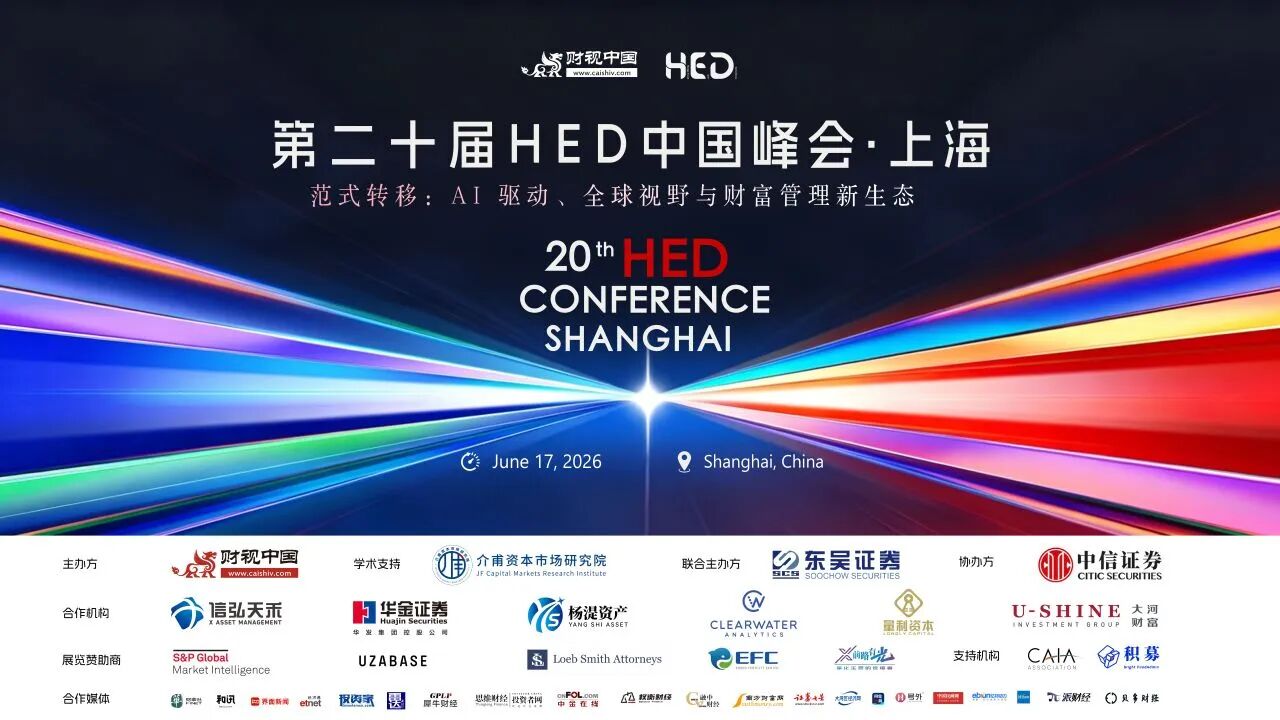
2026年6月17日,第二十届HED中国峰会·上海圆满落幕。本届峰会以全球宏观格局重构、AI技术发展与财富管理转型为背景,与会嘉宾共同探讨宏观经济趋势、全球资产配置、人工智能投资机遇、量化策略演进以及财富管理转型等核心议题,为资产管理行业高质量发展提供前瞻思考与可行性路径。

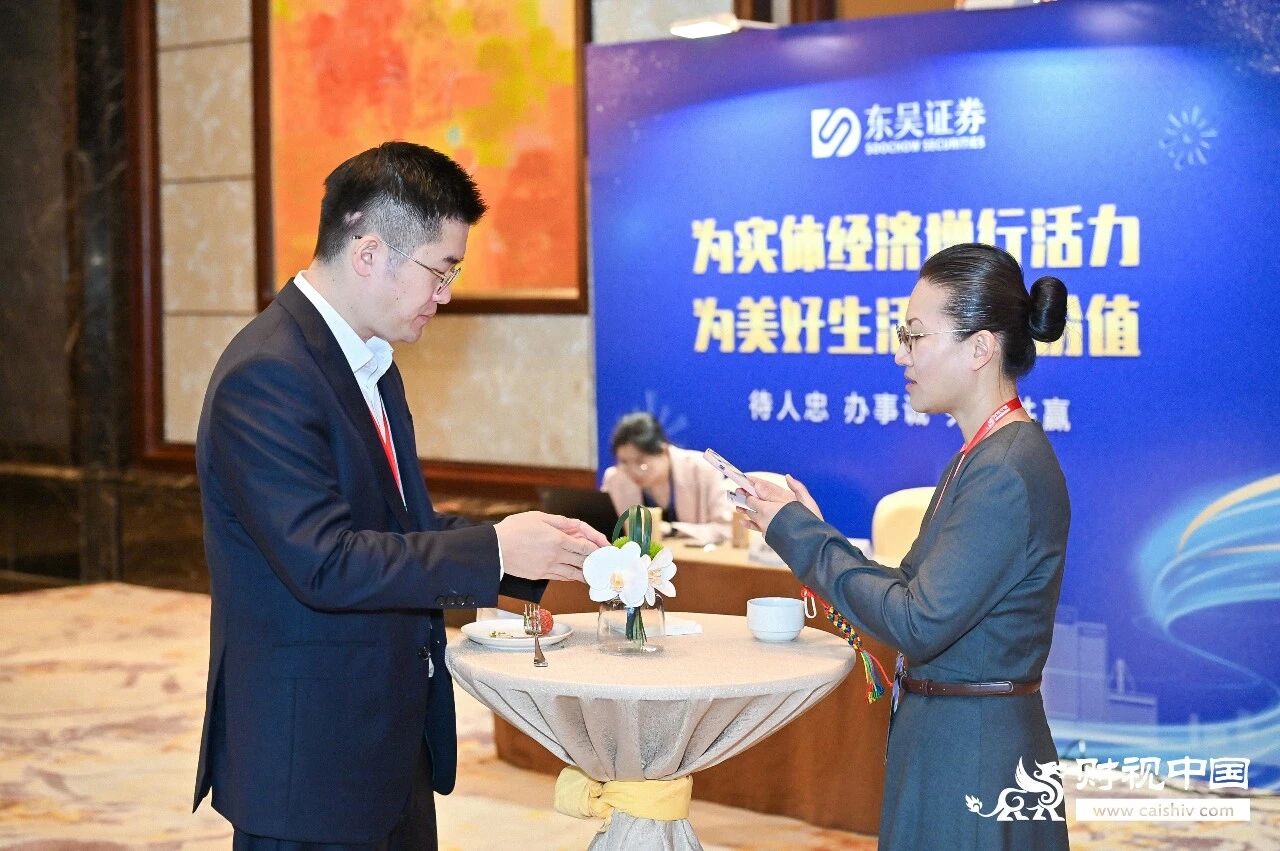
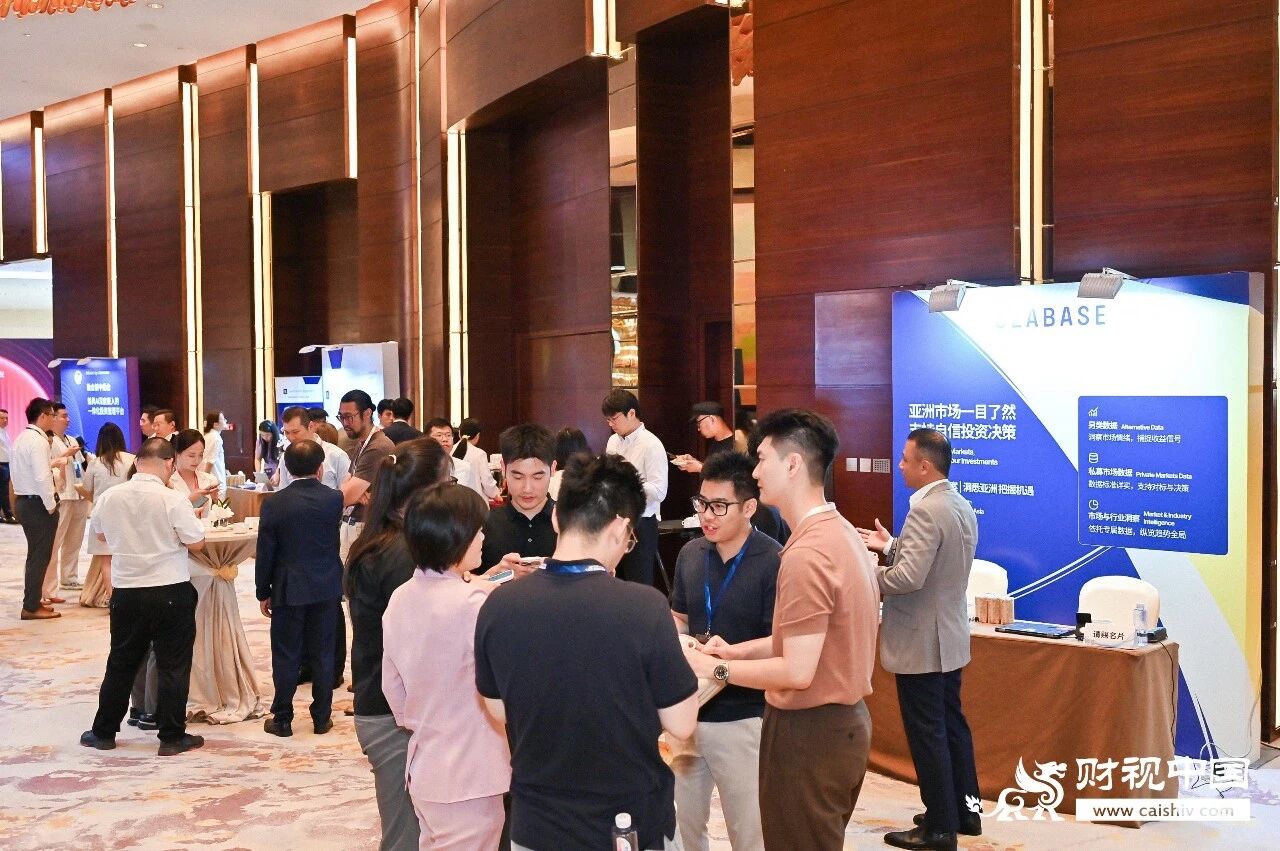
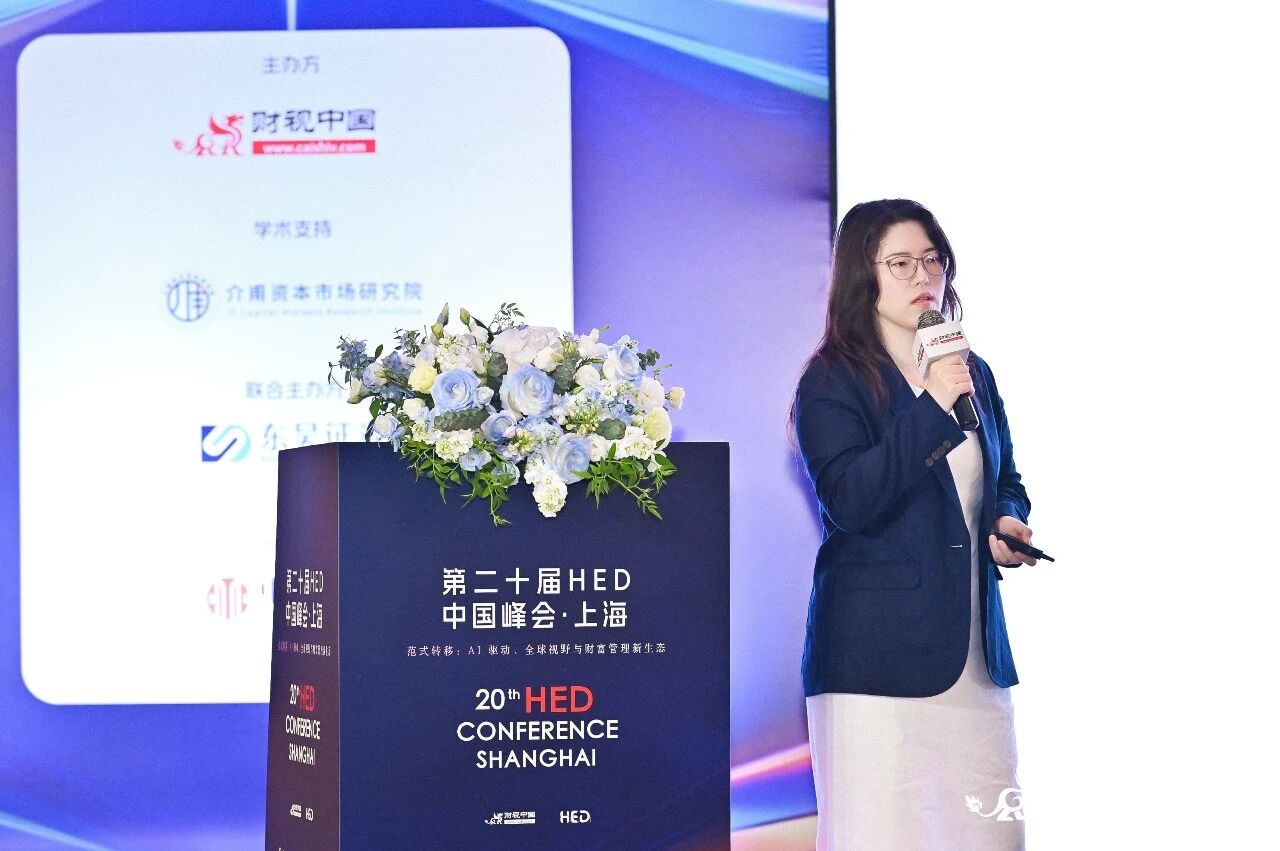
峰会由财视中国主办,东吴证券联合主办,中信证券协办,得到了学术支持单位介甫资本市场研究院,合作机构信弘天禾、华金证券、杨湜资产、Clearwater Analytics、量利资本、大河财富,展览赞助商标普全球市场财智、Uzabase、Loeb Smith、EFC、前路有光,以及支持机构CAIA支持平台积募的大力支持。

主论坛:把脉全球宏观走势,重探投资中国新逻辑

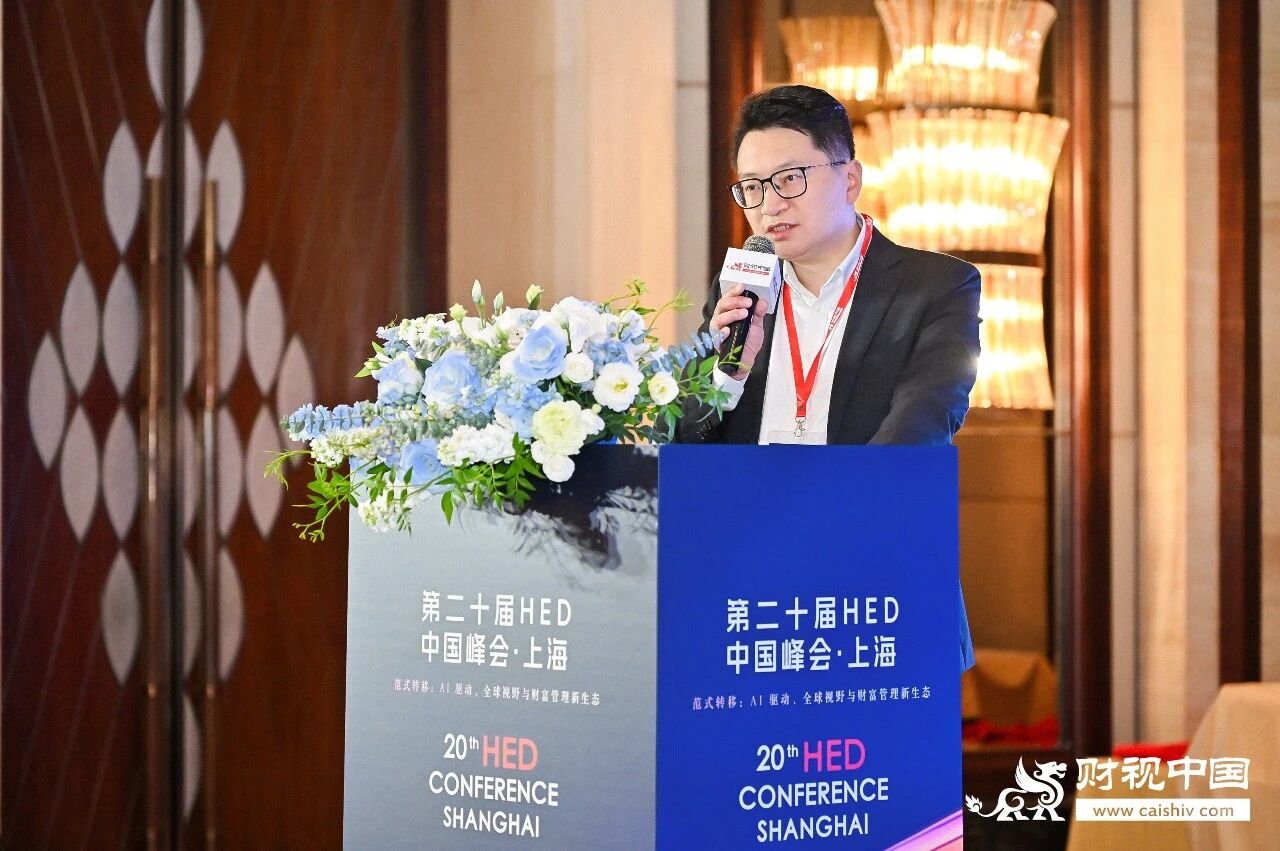
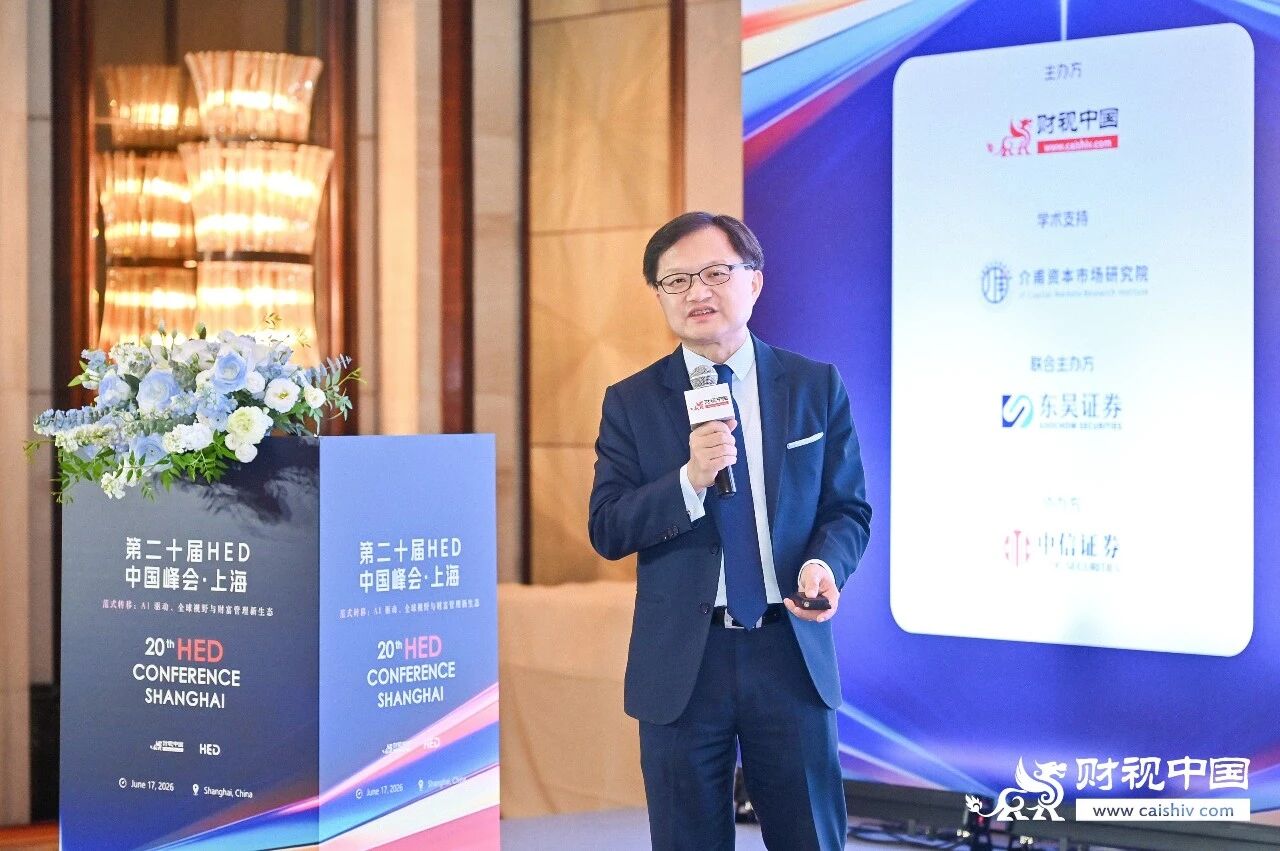
财视中国创始人兼首席执行官朱浩在峰会开幕致辞中表示,当前市场呈极致K型分化,人工智能等硬科技高歌猛进,传统行业承压,在此背景下,公司已搭建上市公司投融资及中小银行渠道平台,即将上线ETF智能网格交易系统,助力机构平抑波动。朱浩以“波动磨人性,周期见真知”寄语行业,共勉各方坚守长期主义,共促长远发展。

财视中国创始人兼首席执行官 朱浩

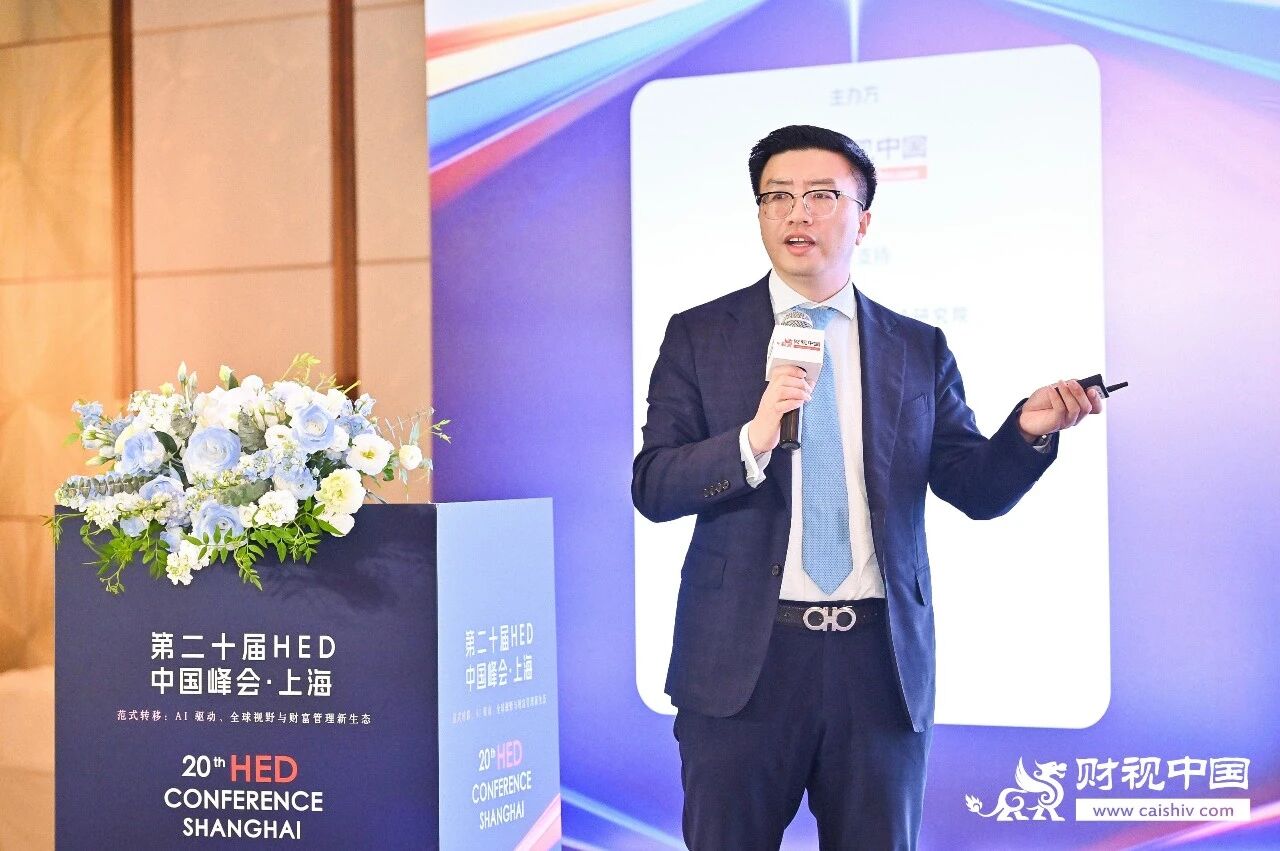
东吴证券策略联席首席、海外策略首席陈梦发表主题演讲“2026年全球市场展望—新债务周期下的‘生存三位一体’”,全面解读全球宏观与资本市场走向。她表示,宏观层面,当前全球经济具备较强反脆弱性,呈现明显K型分化,全球流动性处于中性水平,预计明年将转入加息周期,资金将持续流向核心资产。美国经济韧性超预期,消费保持稳健,就业市场维持紧平衡,年内美联储暂无加息条件,预计新任联储主席将依托数据制定货币政策。美元指数或将维持震荡偏强格局,市场看空美元逻辑并不充分。陈梦认为,中美经济处于复苏共振周期,双方均大力布局AI科技赛道。今年AI科技泡沫大概率不会大幅刺破。中长期来看,新债务周期下,从生存角度,AI、资源、军工是全球经济重构的三大支柱,三者互相嵌套,也是核心配置方向。

东吴证券策略联席首席、海外策略首席 陈梦

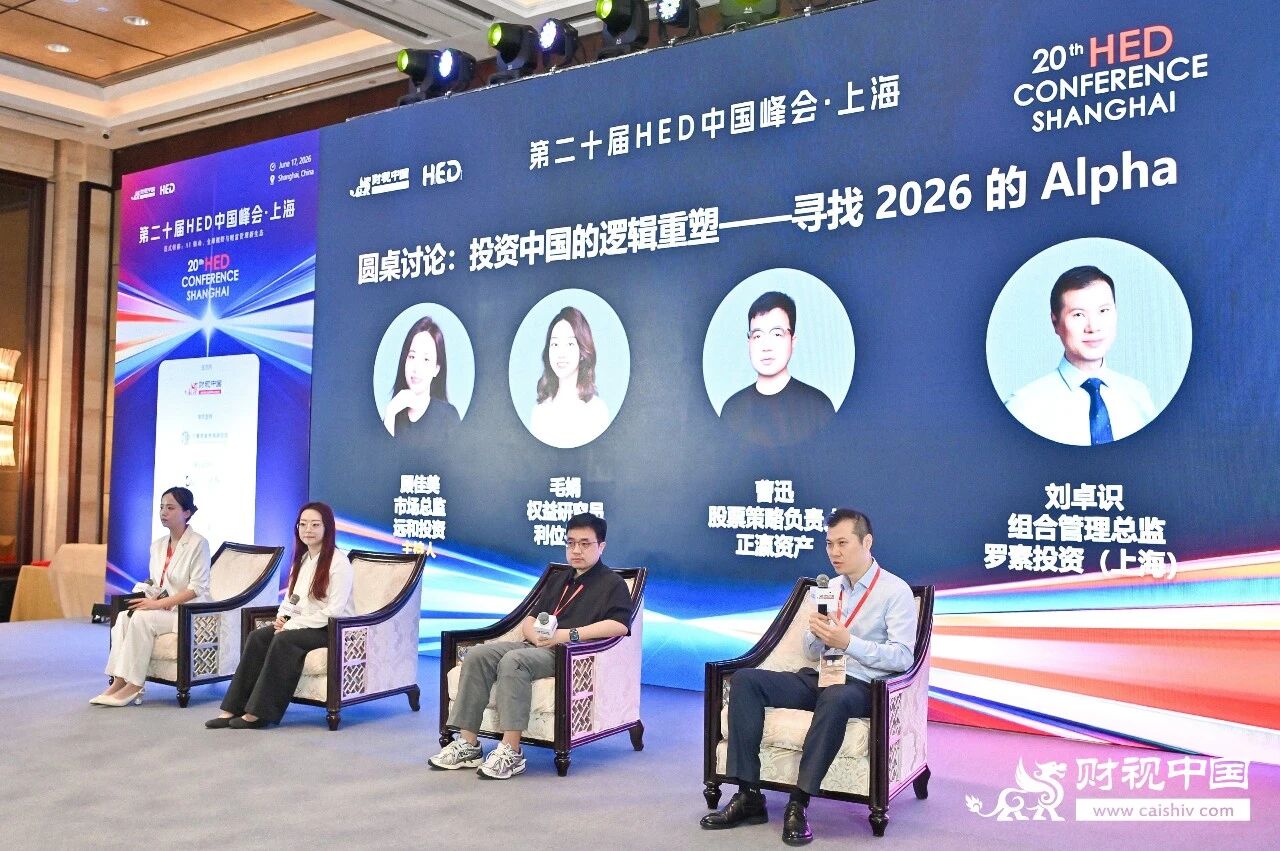
圆桌讨论“投资中国的逻辑重塑——寻找2026的Alpha”由远和资产市场总监顾佳美主持,利位投资权益首席投资官殷伟,正瀛资产股票策略负责人曹迅,罗素投资(上海)组合管理总监刘卓识共同参与,围绕中国经济转型升级、新质生产力发展以及资本市场估值重构等话题展开交流。在宏观层面,嘉宾认为外部不确定性加大,国内市场正加速从传统周期转向硬核科技驱动,量化策略主线未变,但已同步配置机器人、AI等新质生产力指数产品。针对新质生产力投资中题材鱼龙混杂的痛点,有嘉宾强调应拉长周期,以产业自身发展规律为锚,避免被短期炒作干扰。

圆桌“投资中国的逻辑重塑——寻找2026的Alpha”

三井住友保险(中国)首席投资官郑永强就“港美股与全球科技资产——中国资本的下一站?”作主题演讲。郑永强表示,纳斯达克与恒生科技两大市场存在根本性差异。美股以硬科技为核心,龙头企业聚焦AI与半导体,体量巨大且盈利强劲,其走势主要受美债利率和AI产业突破驱动,呈现“业绩加技术”的稳健轮动。相比之下,恒生科技以互联网平台和生活消费为主,行业分散,受国内政策、消费环境及汇率多重约束。在研发投入上,美股龙头常年保持高位,聚焦底层技术壁垒;港股则以应用和场景优化为主,企业研发投入整体偏低。基于此,郑永强提出“成长底仓加弹性波段”的策略组合,将美股作为具备长期成长确定性的底仓,同时阶段性博弈港股估值修复行情,赚取波段收益。

三井住友保险(中国)首席投资官 郑永强

上海淳阳基金董事长、首席投资官谢伟玉围绕AI产业链投资策略展开分享。谢伟玉认为,AI浪潮并非泡沫,而是以史为鉴的新一轮工业革命,其资本开支周期至少持续10至20年。当前阶段聚焦基建投入,虽然下游应用收入尚待爆发,模型用量已然激增,供给创造需求的逻辑已初步兑现。从产业链机会来看,应紧抓“最景气赛道”与“最紧缺环节”两条主线。一方面,中国在光模块、PCB及上游材料、设备等领域具备全球竞争优势,技术迭代带来明确的增量空间;另一方面,在GPU、先进封装与HBM存储等核心环节,国产替代需求迫切,追赶空间巨大。展望后市,半导体超级周期正在开启,存储与互联领域增速尤为迅猛。投资策略上,建议通过深度调研精准锁定微笑曲线两端的优质标的,利用高增长消化高估值,在泡沫破灭前充分拥抱AI这一代际性的投资机遇。

上海淳阳基金董事长、首席投资官 谢伟玉

平行分会场A:AI驱动量化进化,技术迭代重塑竞争壁垒

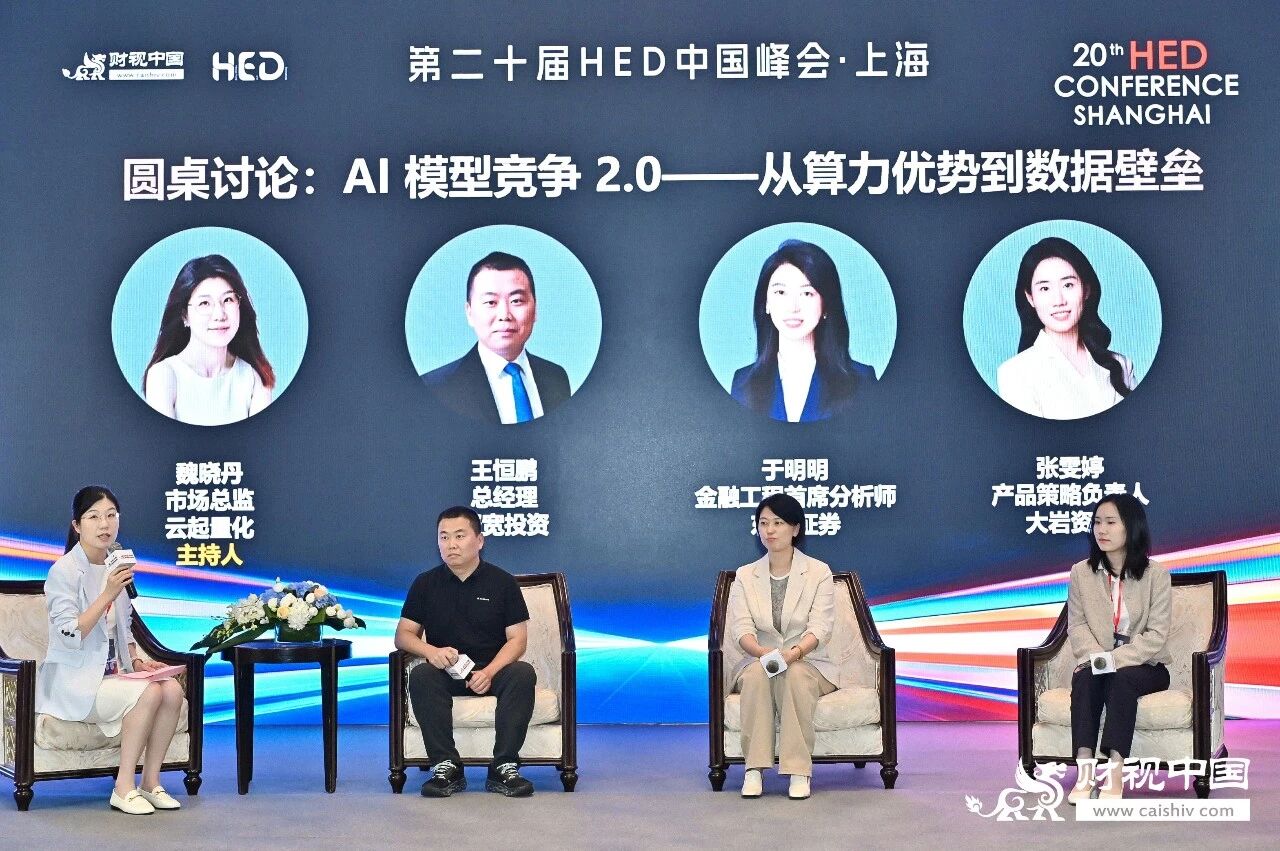
分会场A聚焦AI驱动与量化进化。圆桌讨论“AI模型竞争2.0——从算力优势到数据壁垒”由云起量化市场总监魏晓丹主持,她与聚宽投资总经理王恒鹏,东吴证券金融工程首席分析师于明明,大岩资本产品策略负责人张雯婷展开了讨论。嘉宾表示,当前国内量化行业算力红利远未见顶,与国际头部机构的投入规模仍有显著差距,算力消耗仍将持续快速增长。投研生产要素中,人才优先级高于算力,人才密度与投入强度直接决定迭代效率。未来,算力将逐步成为基础设施,机构专属知识库、定制化AI工具体系与人机协作能力,将构成差异化竞争的核心壁垒。

圆桌“AI模型竞争2.0——从算力优势到数据壁垒”

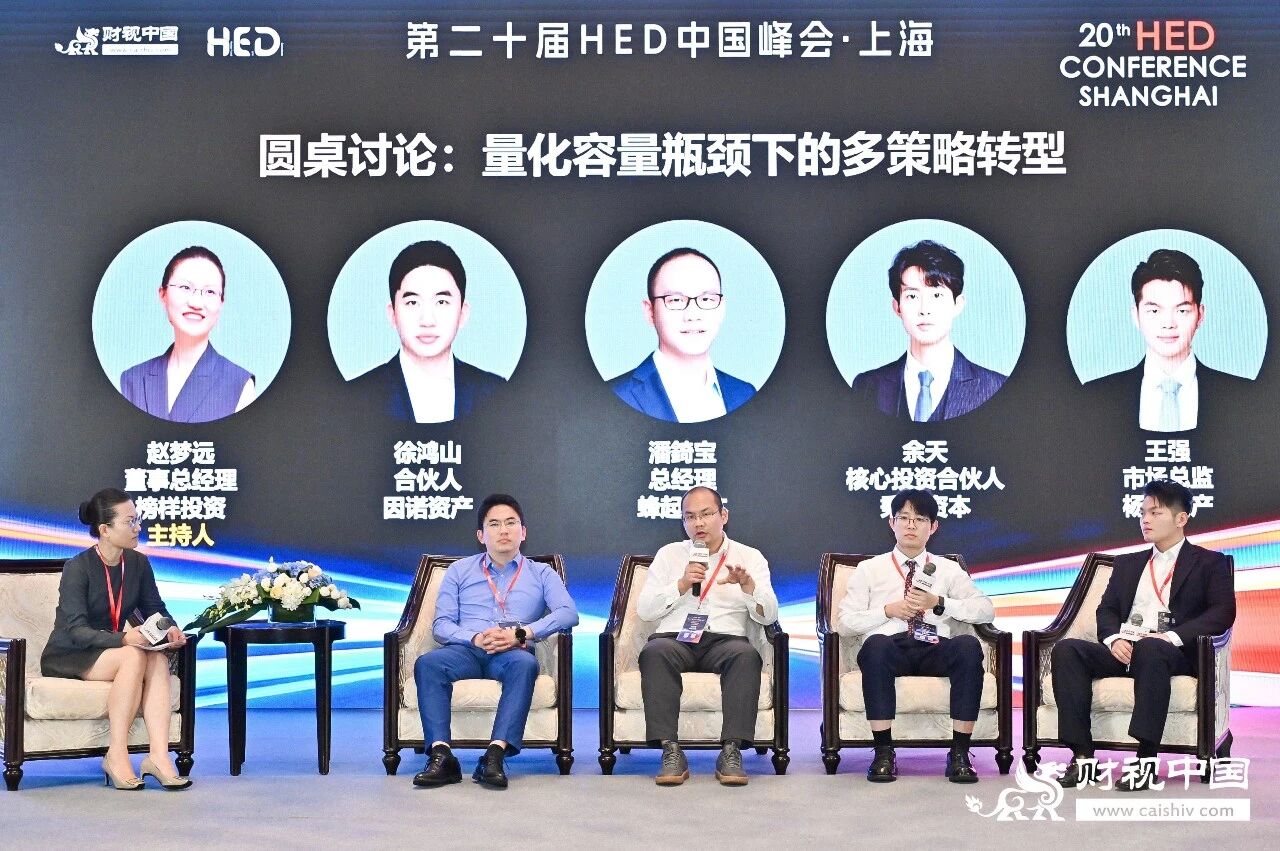
“量化容量瓶颈下的多策略转型”圆桌讨论中,主持人榜样投资董事总经理赵梦远,与因诺资产合伙人徐鸿山,蜂起资本总经理潘錡宝,秉昊资本核心投资合伙人余天,杨湜资产市场经理王强共同探讨量化行业容量约束、策略创新与收益来源多元化等方向。嘉宾表示,多策略融合、跨资产配置以及技术驱动创新将成为量化机构提升长期竞争力的重要路径。在行业容量承压、单策略收益衰减的背景下,多策略转型正从可选布局转向行业必选项。多策略的本质是从单赛道单点突破,转向体系化的组合构建与风控能力竞争。组合构建可依托自身资源禀赋,从资产类别、收益偏度等多维度搭配,以大类资产Beta为底仓叠加独立Alpha增厚,基于底层经济逻辑构建分散化的多资产体系。嘉宾同时提示,需警惕极端行情下资产相关性趋同的尾部风险,通过跨市场、跨周期分散提升组合韧性。

圆桌“量化容量瓶颈下的多策略转型”

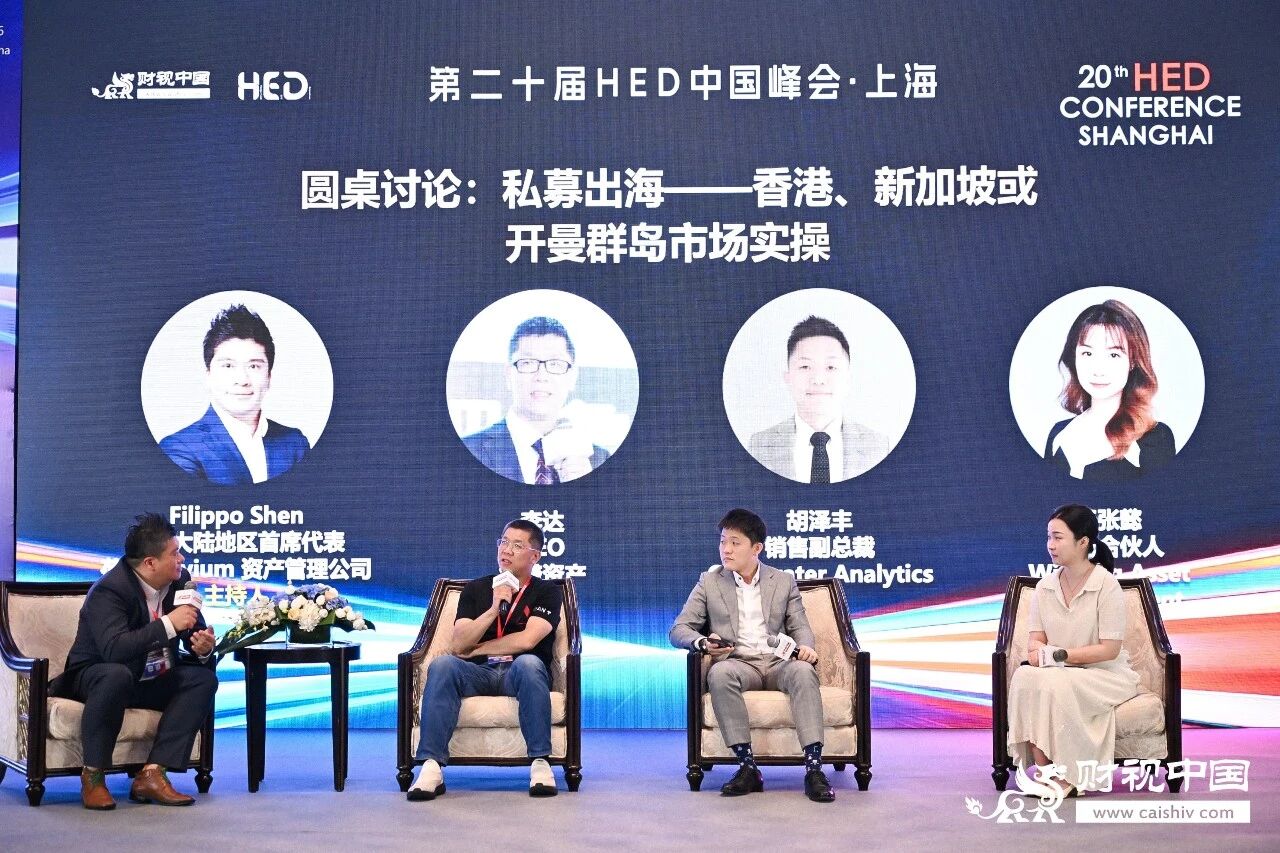
圆桌讨论“私募出海——香港、新加坡或开曼群岛市场实操”,由荷兰Privium资产管理公司中国大陆地区首席代表Filippo Shen主持,衍盛资产CEO李达,Clearwater Analytics销售副总裁胡泽丰,Winning Asset Management运营合伙人王张懿共同参与。嘉宾们结合实践经验表示,当前中国私募出海仍处于起步探索阶段,人才、合规运营、机构化能力是三大核心痛点。既精通本土投研逻辑、又熟悉海外规则与跨语言沟通的团队稀缺,需长期布局培养;运营层面,境内外监管规则、券商服务体系、净值披露机制差异较大,存在数据口径不统一、风控对账缺位等普遍问题。嘉宾表示,中国量化团队的A股策略能力已达世界级水平,但全球多资产投研能力与海外头部仍有差距,可依托离岸资产服务、中外市场融合策略打造差异化优势。

圆桌“私募出海——香港、新加坡或开曼群岛市场实操”

平行分会场B:聚焦大类资产配置,多元策略穿越周期波动

同一时间举办的“宏观、私行与大类资产配置”分会场同样设置了多场圆桌讨论。圆桌讨论“黄金与硬资产——对冲地缘风险的核心锚点”,由金和晟基金市场总监王子歆担任主持人,与从容投资董事长吕俊,利位投资总经理张晟刚,会世资产市场部负责人艾慧围绕黄金定价逻辑、硬资产配置价值及大类资产搭配思路展开讨论。嘉宾认为,黄金价格受美债实际利率、美元强弱、通胀水平、央行购金及地缘风险等多重因素驱动,其避险属性需结合具体场景判断,并非与地缘冲突直接挂钩。长期来看,全球央行持续增持黄金、美元信用逐步弱化的趋势未发生根本改变,适合作为资产组合的底仓配置,用于降低组合波动、对冲信用货币风险。针对硬资产,嘉宾指出工业金属供需错配逻辑突出,尤其是与AI算力、新能源相关的有色金属品种;原油等能源品种更适合作为交易型仓位。整体配置上,建议通过品类分散实现风险对冲与收益增厚的平衡。

圆桌“黄金与硬资产——对冲地缘风险的核心锚点”

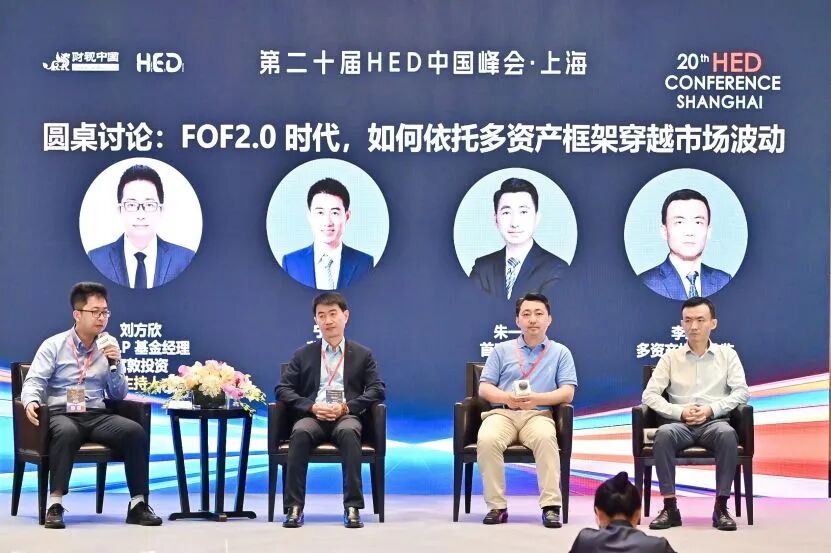
圆桌讨论“FOF2.0时代,如何依托多资产框架穿越市场波动”中,主持人富敦投资QDLP基金经理刘方欣,与盈诚投资董事长宁辰,苏豪汇升首席财富官朱一顺,法巴证券多资产投资总监李维围绕FOF组合构建、回撤控制及行业发展趋势展开深度交流。嘉宾表示,当前FOF行业已从单一管理人筛选进入多资产配置的精细化阶段。真正的有效分散需穿透底层资产,拆解收益与风险来源,通过多维度风险因子的搭配构建组合,替代高成本的一对一对冲。回撤控制方面,需结合结构化止损、衍生品对冲与动态择时等多种手段,借助量化工具提升风险预判精度。展望未来,各类资管机构将加速入局,行业竞争加剧,FOF将向定制化解决方案方向演进,系统化的多资产投研体系与客户需求匹配能力或成为核心竞争点。

圆桌“FOF2.0时代,如何依托多资产框架穿越市场波动”

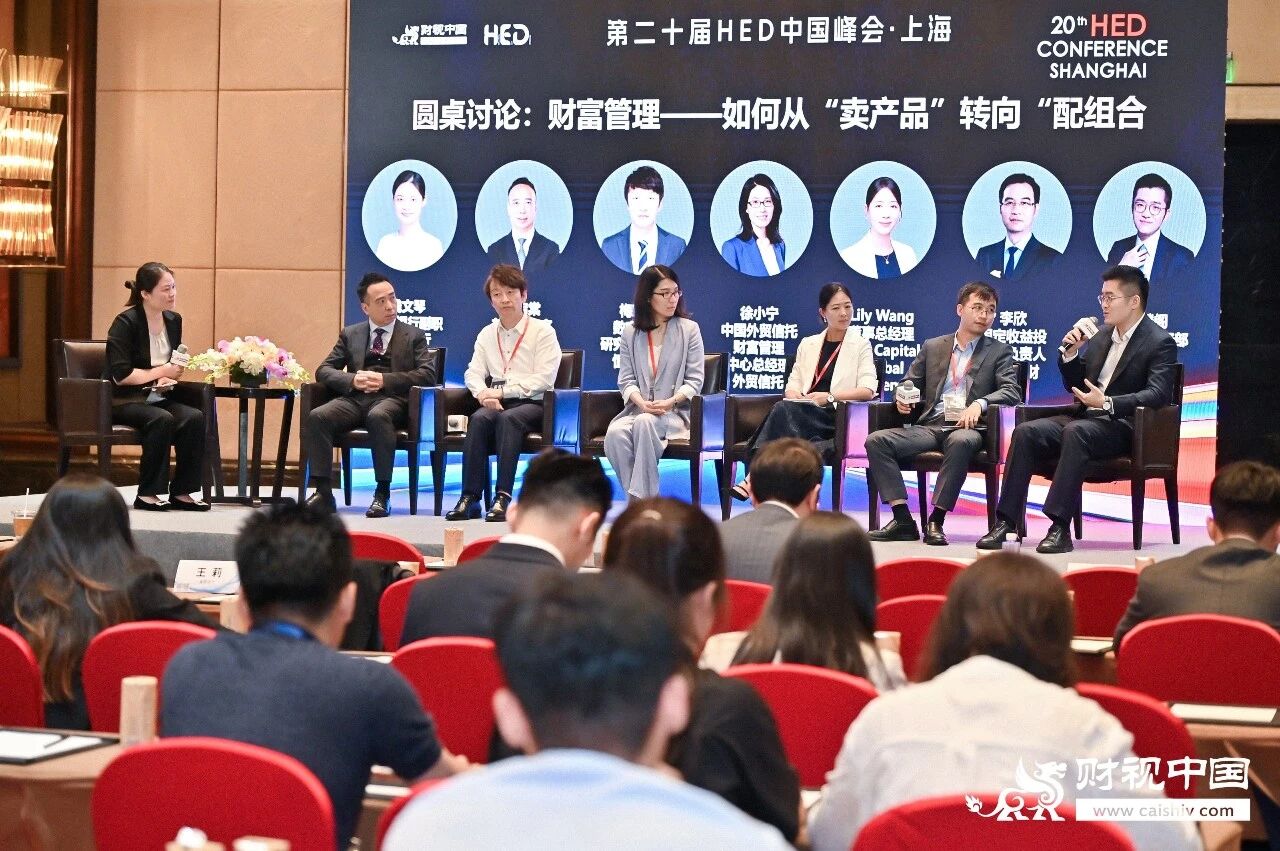
圆桌讨论“财富管理——如何从‘卖产品’转向‘配组合’”聚焦行业买方投顾转型趋势。由江苏银行私人银行副职钱文琴主持,KGI凯基首席投资官梁启棠,恒丰理财数字金融研究部总经理梅映昱,外贸信托财富管理中心总经理徐小宁,First Capital Global Management董事总经理Lily Wang,广银理财固定收益投资部负责人李欣,中邮理财多资产投资部投资经理冷麟阁共同参与讨论。嘉宾认为,在监管新规落地、资产普涨时代终结、客户需求升级的多重驱动下,行业正彻底告别传统单一产品销售模式,银行、理财子、信托、外资资管等机构依托自身禀赋,实现差异化转型。嘉宾提出,机构需打破部门壁垒,深耕投研体系建设,借助科技手段固化投资策略,同时做好投资者分层陪伴与前置风险教育,深度匹配客户保值增值、财富传承等长期需求。未来3-5年,行业竞争将告别粗放模式,聚焦投研实力、综合服务与生态协同的机构,将在行业深度洗牌中占据核心优势。

圆桌“财富管理——如何从‘卖产品’转向‘配组合’”

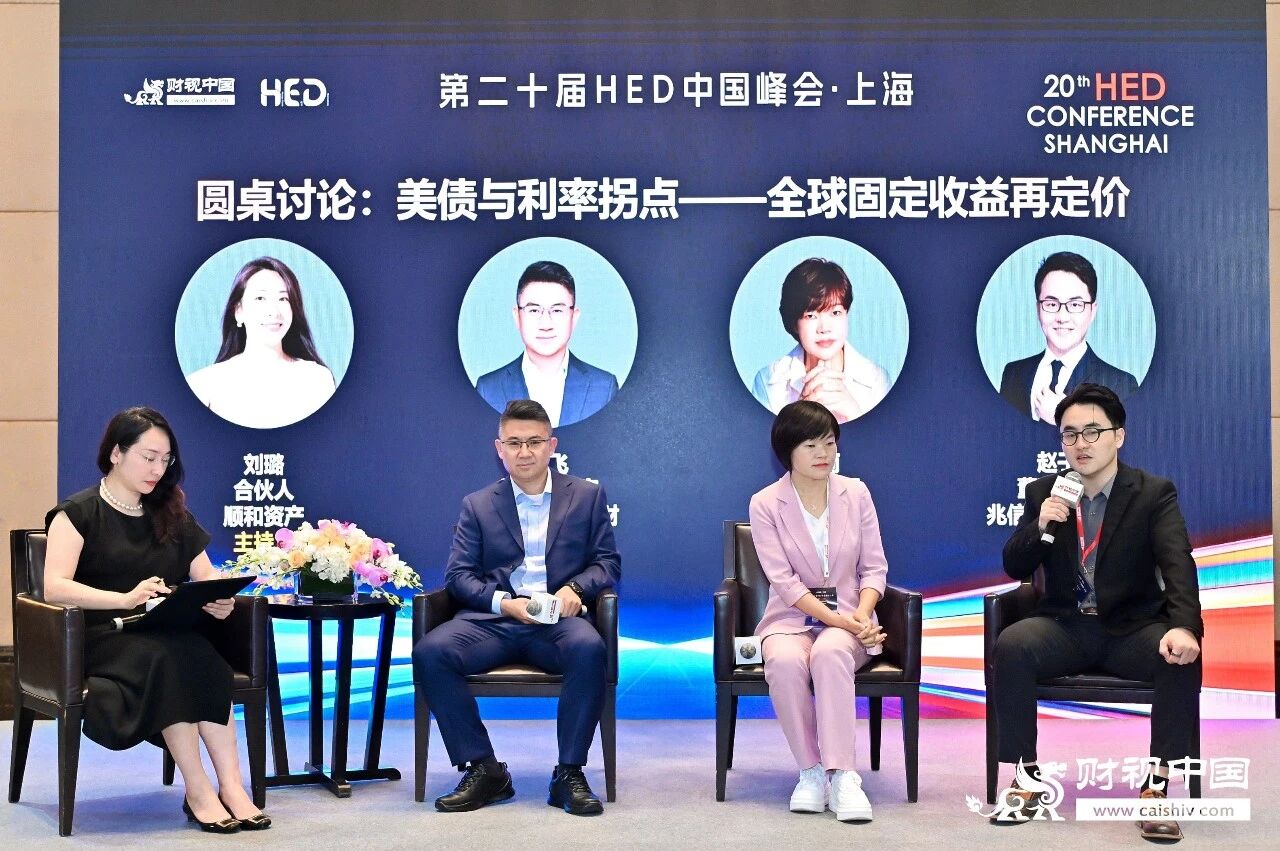
“美债与利率拐点——全球固定收益再定价”圆桌中,顺和资产合伙人刘璐作为主持人,与施罗德交银理财首席投资官宋飞,复熙资产副总经理王莉,兆信基金(香港)董事总经理赵子雨围绕全球利率周期、美联储政策路径以及固定收益资产配置机会展开分析,并探讨全球债券市场未来的发展趋势。与会嘉宾认为,当前全球资产定价分化明显,美债等主流利率债定价已较为充分,长久期品种仍存利率上行风险;高收益债、海外企业债等品类定价尚未完全公允,跨市场、跨品种间存在明确套利空间。全球固收配置层面,嘉宾提示,须坚持短久期、控杠杆原则,审慎布局长久期美债,重视汇率对冲与流动性管理,投资策略需与负债端久期深度匹配,不盲目追逐高票息收益。恪守收益、风险、流动性的不可能三角,充分认知产品策略,以固收为底仓,结合资金周期与风险偏好分层配置,坚守长期配置思维。

圆桌“美债与利率拐点——全球固定收益再定价”

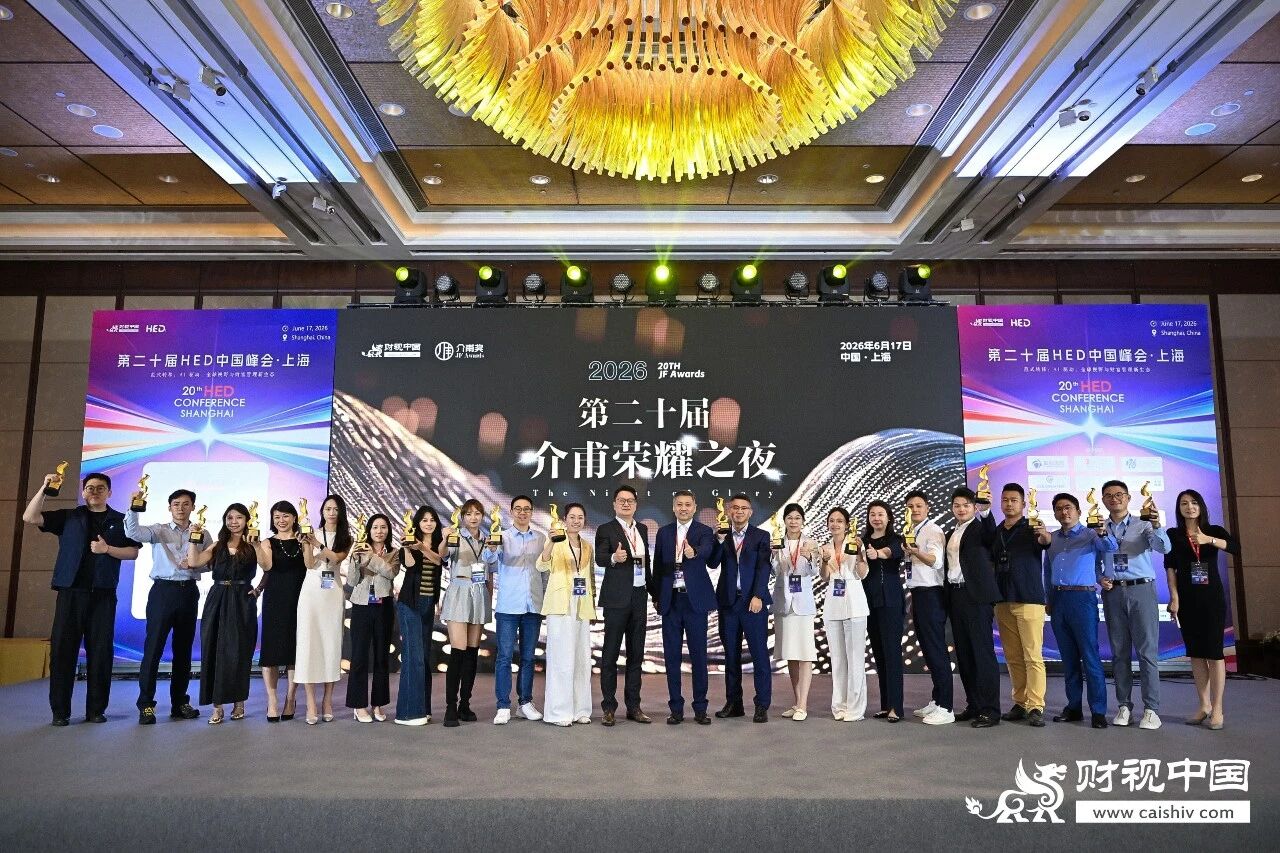
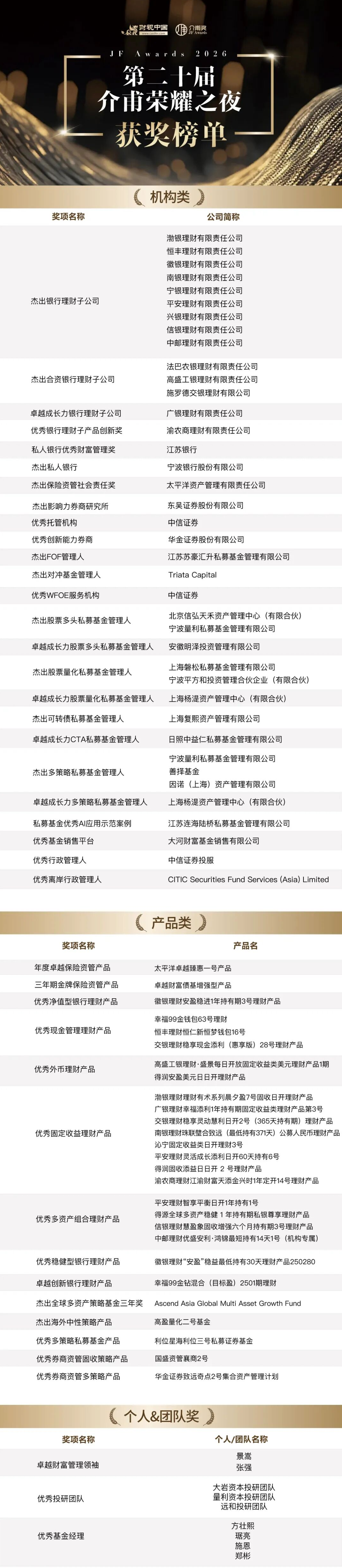
当日的重磅盛事——“第二十届介甫荣耀之夜”于当晚隆重举行,表彰在资产管理、保险业、银行业具有卓越成就和突出表现的机构、产品及个人,激励行业创新和发展,鼓励个人与团队追求卓越。

第二十届HED中国峰会·上海就此圆满落幕。本届峰会围绕全球宏观经济、科技创新、资产配置与财富管理转型等核心议题展开深入交流。从通胀与货币体系重塑背景下的全球资产定价逻辑,到AI技术驱动的投资范式变革;从中国资产的长期配置价值,到财富管理行业的转型升级,与会嘉宾分享了前沿洞察与实践经验。面对充满不确定性的市场环境,行业普遍认为,唯有坚持专业化投资、全球化视野和多元化配置,持续提升研究能力与资产配置能力,方能在新周期中把握结构性机遇,实现长期稳健发展。

注:文/龚作仁,文章来源:Laborer,本文为作者独立观点,不代表亿邦动力立场。

文章来源:Laborer

广告
微信
朋友圈

这么好看,分享一下?

朋友圈 分享

APP内打开

+1
+1
微信好友 朋友圈 新浪微博 QQ空间
关闭
收藏成功
发送
/140 0