广告
加载中

大举扩充商品库:Lazada与Gmarket联动商品将增至3000万

王昱 2026-07-01 12:50
王昱 2026/07/01 12:50

邦小白快读

EN
全文速览

本文核心是韩国零售平台Gmarket与东南亚电商Lazada扩大商品联动规模的最新跨境电商动态,核心干货如下:

1. 双方合作始于2025年10月,阿里国际与Gmarket母公司新世界集团各出资一半成立合资企业,负责管理双方在韩国的相关业务,此次扩容是合资协同深化的成果。

2. 本次升级后,联动商品从原来的700万件增至3000万件,原来仅包邮商品可参与,现在普通付费运费商品也纳入,覆盖东南亚五个国家,韩国卖家仅需发货到仁川物流中心,后续跨境物流清关都由双方负责。

3. 目前“逆向海淘”业务增速很快,今年上半年交易额较2025下半年增长102%,最近一个月交易额涨232%,Gmarket计划年底起拓展欧洲、南美等新兴市场。

本次Gmarket与Lazada的联动升级,为出海品牌提供了新的渠道增长机会,核心干货如下:

1. 渠道建设方面,双方已经搭建完成韩国品牌出海东南亚的完整通道,品牌方仅需供货到本土指定仓,所有跨境环节由平台负责,大幅降低了品牌出海的操作门槛,不需要品牌自行搭建跨境体系。

2. 消费趋势方面,韩国商品出口海外的逆向海淘业务保持高速增长,现有渠道交易额半年翻倍,单月增速超200%,足以证明海外市场对韩国商品的需求十分旺盛,增长空间大。

3. 未来规划方面,Gmarket将持续投入全球基建和本地化营销,完善出海生态,年底还将拓展欧洲、南美等新兴市场,后续还会持续深化协同,给品牌拓展全球市场提供更多支持。

本次联动升级给想要出海的韩国卖家带来了明确的增长机会,核心干货如下:

1. 准入机会放宽,本次升级后可参与联动的商品规模从700万件增至3000万件,原来仅包邮商品可参与联动销售,现在需要付运费的普通商品也可加入,覆盖东南亚五大市场,更多品类卖家获得出海资格。

2. 操作成本极低,卖家产生海外订单后,仅需要将商品配送到Gmarket位于仁川的物流中心,后续国际运输、报关清关等所有复杂跨境环节都由Gmarket和Lazada共同完成,卖家操作负担非常小。

3. 增长前景明确,目前该渠道交易额已经实现半年翻倍,最近单月增速达232%,呈现加速增长态势,年底还将拓展更多新兴市场,卖家可提前布局抢占新市场份额。

本次合作升级给韩国本土生产工厂带来了新的商业机会,也给出海工厂转型提供了启示,核心干货如下:

1. 商业空间大幅拓宽,本次升级后联动商品池扩大三倍,原来仅包邮商品可出海,现在普通商品也纳入联动体系,覆盖东南亚五个国家,更多品类的工厂获得了直接对接海外消费者的通道。后续Gmarket还计划年底将业务拓展到欧洲、南美、西南亚等新兴市场,工厂的出口市场空间会进一步扩大。

2. 合作模式对工厂友好,工厂参与该计划不需要自行处理跨境物流、报关清关等复杂的出口环节,只需要将商品配送到国内指定物流中心即可,大幅降低了工厂做出口的门槛,不需要工厂自行搭建跨境出口体系。

3. 转型启示:工厂可依托大型平台的跨境合作网络,推进自身出口业务对接,借助平台资源降低出海成本,抓住韩国商品出海的增长风口拓展业务。

本次联动升级反映了当前跨境出海领域的行业发展趋势,也明确了客户痛点和服务方向,核心干货如下:

1. 行业发展趋势方面,韩国商品出口海外的逆向海淘业务正处于高速增长阶段,本次合作将联动商品规模扩大三倍,接下来还将向欧洲、南美等更多新兴市场拓展,依托大型平台的全球网络,跨区域跨境电商的规模会持续扩大,赛道增长空间充足。

2. 核心客户痛点方面,想要出海的中小卖家、品牌方最大的痛点就是跨境环节复杂,门槛高,卖家独立操作的负担重,很多中小玩家难以独立完成跨境全链路操作,无法出海。

3. 解决方案方向:当前平台采用的分工模式是卖家只负责前端供货,平台负责全链路跨境服务,这种模式能有效降低卖家门槛,服务商可参考该模式,针对出海卖家拆分环节,推出轻量化的分段服务,匹配卖家需求,降低出海门槛。

本次Gmarket与Lazada的扩容合作,给跨境平台的合作运营提供了可参考的经验,核心干货如下:

1. 创新合作模式:本次合作依托双方母公司合资的框架推进,阿里国际与Gmarket母公司各出资一半成立合资企业负责相关业务,本次扩容是合资框架下业务协同深化的成果,这种模式能有效整合双方资源,降低合作摩擦,提升协同效率。

2. 平台运营增长方法:通过系统升级放宽商品准入,将原来仅开放包邮商品的规则调整为普通商品也可参与,可联动商品规模从700万件增至3000万件,大幅拓宽商品供给,同时为卖家承担全链路跨境服务,降低卖家参与门槛,能有效吸引更多卖家入驻,丰富平台商品池。

3. 未来发展方向:平台要持续拓展市场,需要持续投入全球销售基础设施建设和本地化营销能力,完善出海生态,才能吸引更多品牌和卖家,逐步拓展新兴市场,扩大平台规模。

本次Gmarket与Lazada的商品联动扩容,展现了当前全球跨境电商领域的产业新动向,也提供了新的商业模式研究样本,核心干货如下:

1. 产业新动向:当前依托头部企业的全球电商网络,区域零售平台和区域电商平台的跨区域联动合作正在加速,韩国商品出口海外的逆向海淘赛道已经进入加速增长阶段,交易额实现半年翻倍,单月增速达232%,合作范围正从东南亚向更多全球新兴市场拓展。

2. 创新商业模式:本次合作采用母公司合资成立独立运营主体的方式推进业务协同,整合Gmarket的韩国卖家资源、Lazada的区域市场流量和跨境服务能力,对卖家采用轻量化接入模式,卖家仅需供货到本土仓,全跨境环节由平台负责,能快速扩大商品供给规模,降低卖家出海门槛。

3. 产业发展启示:全球电商网络的互联互通是未来发展的重要方向,区域中小平台可依托头部平台的全球网络实现全球化布局,降低自身拓展全球市场的成本。

返回默认
声明:快读内容全程由AI生成,请注意甄别信息。如您发现问题,请发送邮件至 run@ebrun.com 。

我是 品牌商 卖家 工厂 服务商 平台商 研究者 帮我再读一遍。

Quick Summary

This article covers the latest cross-border e-commerce development: South Korean retail platform Gmarket and Southeast Asian e-commerce platform Lazada are expanding the scale of their connected product offerings. Key takeaways are as follows:

1. The partnership launched in October 2025, when Alibaba International and Gmarket’s parent company Shinsegae Group established an equally owned joint venture to manage related operations in South Korea. This expansion marks a deepening of collaboration under the joint venture framework.

2. Following the upgrade, the number of connected products has grown from 7 million to 30 million. Previously only eligible for free-shipping products, the program now also includes regular products requiring paid shipping, covering five Southeast Asian countries. Korean sellers only need to ship their goods to the Incheon logistics center, and Gmarket and Lazada will handle all subsequent cross-border logistics and customs clearance procedures.

3. The "reverse cross-border shopping" business for Korean goods is growing rapidly: its transaction volume in the first half of this year increased by 102% compared to the second half of 2025, and rose 232% month-on-month most recently. Gmarket plans to expand into new markets including Europe and South America starting at the end of this year.

The expanded partnership between Gmarket and Lazada creates new channel growth opportunities for cross-border brands. Key takeaways for brands are as follows:

1. For channel development, the two parties have built a complete end-to-end channel for South Korean brands to enter Southeast Asian markets. Brands only need to deliver goods to a designated local warehouse, while the platforms handle all cross-border links. This greatly lowers the operational barrier for global expansion and eliminates the need for brands to build their own independent cross-border systems.

2. In terms of consumer trends, the reverse cross-border shopping business for South Korean goods exported overseas is growing at a high speed, with transaction volume doubling in half a year and monthly growth exceeding 200%, proving strong demand for Korean goods in overseas markets and substantial room for growth.

3. For future plans, Gmarket will continue to invest in global infrastructure and localized marketing to improve the cross-border ecosystem. It will also expand into emerging markets in Europe and South America by the end of the year, and will further deepen collaboration to provide more support for brands expanding into global markets.

This partnership expansion brings clear growth opportunities for South Korean sellers looking to expand overseas. Key takeaways for sellers are as follows:

1. Access barriers have been relaxed: after the upgrade, the number of eligible products for cross-border sales has increased from 7 million to 30 million. Previously only free-shipping products could join the program, now regular paid-shipping products are also eligible, covering five major Southeast Asian markets. This opens up cross-border opportunities to sellers across far more categories.

2. Operational costs are extremely low: after receiving an overseas order, sellers only need to deliver the product to Gmarket’s Incheon logistics center. Gmarket and Lazada handle all subsequent complex cross-border procedures including international shipping and customs clearance, drastically reducing operational burdens for sellers.

3. Growth prospects are clear: transaction volume on the channel has already doubled in six months, with monthly growth reaching 232% recently, showing an accelerating growth trend. More emerging markets will open up by the end of the year, so sellers can get ahead of the curve by preparing early to capture market share.

This partnership expansion brings new business opportunities for South Korean domestic manufacturers and offers insights for factories looking to transform through cross-border expansion. Key takeaways for factories are as follows:

1. Market access has expanded significantly: after the upgrade, the pool of eligible export products has tripled. Previously only free-shipping products could be exported through the program, now regular products are also included, covering five Southeast Asian countries, giving factories in more categories a direct channel to reach overseas consumers. Gmarket also plans to expand the business to emerging markets including Europe, South America and Southwest Asia by the end of the year, which will further expand factories’ export market space.

2. The cooperation model is factory-friendly: factories joining the program do not need to handle complex export procedures such as cross-border logistics and customs clearance on their own. They only need to deliver goods to a designated domestic logistics center, which greatly lowers the barrier to entry for export business and eliminates the need for factories to build their own independent cross-border export systems.

3. Insights for transformation: factories can leverage the cross-border cooperation networks of large platforms to connect their export business to global markets, reduce cross-border costs via platform resources, and capitalize on the high-growth trend of Korean goods going global to expand their own business.

This expanded partnership reflects current industry trends in cross-border expansion and clarifies core customer pain points and service directions. Key takeaways for service providers are as follows:

1. For industry trends, the reverse cross-border shopping business for Korean goods exported overseas is in a period of rapid growth. This partnership tripled the size of the connected product pool, and the business will soon expand to more emerging markets including Europe and South America. Leveraging the global networks of large platforms, cross-regional cross-border e-commerce will continue to grow in scale, with substantial room for growth in this track.

2. For core customer pain points, the biggest challenge for small and medium-sized sellers and brands looking to expand overseas is the complexity of cross-border procedures and high entry barriers. Independent operation places heavy burdens on sellers, and many small and mid-sized players cannot manage the full end-to-end cross-border process on their own to enter overseas markets.

3. For solution directions, the division-of-labor model adopted by the platforms here has sellers handle only front-end product supply, while platforms manage the full end-to-end cross-border service. This model effectively lowers entry barriers for sellers. Service providers can draw inspiration from this model by splitting cross-border links for sellers and launching lightweight segmented services to match seller demand and lower cross-border entry barriers.

The expanded partnership between Gmarket and Lazada offers referenceable insights for collaborative operation among cross-border platforms. Key takeaways for platform operators are as follows:

1. For innovative cooperation models, this partnership is advanced under the framework of a joint venture owned by the two parties’ parent companies. Alibaba International and Gmarket’s parent company established an equally owned joint venture to manage related operations, and this expansion is the outcome of deepened collaboration under this framework. This model effectively integrates resources from both sides, reduces cooperation frictions, and improves collaboration efficiency.

2. For platform growth operations, relaxing product access rules via system upgrades—changing the original rule that only allowed free-shipping products to participate to include regular products—expanded the connected product pool from 7 million to 30 million, greatly broadening product supply. In addition, taking on full end-to-end cross-border services for sellers to lower their participation barriers effectively attracts more sellers to join and enriches the platform’s product assortment.

3. For future development directions, to continuously expand market reach, platforms need to make sustained investments in global sales infrastructure and localized marketing capabilities, improve the cross-border ecosystem, attract more brands and sellers, gradually expand into emerging markets, and scale platform business.

The expanded product connection partnership between Gmarket and Lazada reveals new industry dynamics in the global cross-border e-commerce sector and provides a new research sample for innovative business models. Key takeaways for researchers are as follows:

1. For new industry dynamics, cross-regional collaborative partnerships between regional retail platforms and regional e-commerce platforms are accelerating, enabled by the global e-commerce networks of leading companies. The reverse cross-border shopping track for Korean goods exported overseas has entered a phase of accelerated growth, with transaction volume doubling in six months and monthly growth reaching 232%, and cooperation scope is expanding from Southeast Asia to more emerging global markets.

2. For innovative business models, this partnership advances collaboration through an independently operated joint venture established by parent companies, integrating Gmarket’s South Korean seller resources with Lazada’s regional market traffic and cross-border service capabilities. It adopts a lightweight onboarding model for sellers, who only need to deliver goods to a local warehouse while platforms handle all cross-border links. This enables rapid expansion of product supply scale and lowers entry barriers for sellers going global.

3. For industry insights, the interconnectedness of global e-commerce networks is a key direction for future development. Small regional platforms can achieve global布局 by leveraging the global networks of leading platforms, reducing the cost of expanding into global markets on their own.

Disclaimer: The "Quick Summary" content is entirely generated by AI. Please exercise discretion when interpreting the information. For issues or corrections, please email run@ebrun.com .

I am a Brand Seller Factory Service Provider Marketplace Seller Researcher Read it again.

【亿邦原创】7月1日消息,韩国零售商Gmarket日前宣布,将大幅扩大与东南亚电商平台Lazada(来赞达)的商品联动规模,以进一步强化其全球市场拓展战略。

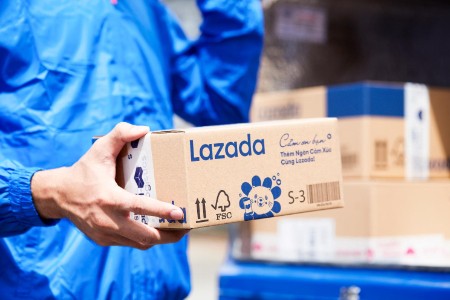
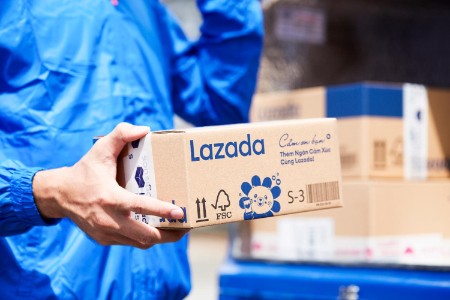
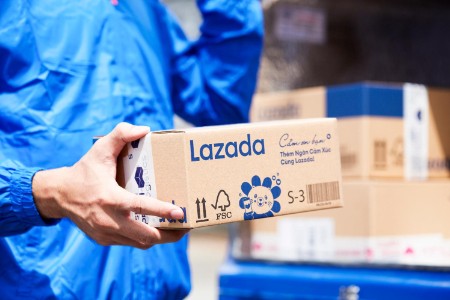
目前,约有1.7万名韩国卖家参与Gmarket的全球销售计划,其商品通过Lazada平台销往马来西亚、越南、新加坡、泰国和菲律宾五个国家,实现与当地消费者的对接。

随着双方共同完成全球销售系统的升级,Gmarket与Lazada之间可联动销售的商品数量已从此前的700万件扩大至3000万件,增长逾三倍。

在覆盖范围上,此前仅有包邮商品能够实现全球同步销售,而此次升级后,需支付运费的普通商品以及满足特定条件的包邮商品也一并被纳入联动体系,可供选择的商品池显著拓宽。

对参与该计划的韩国卖家而言,当海外订单产生后,仅需将商品配送至Gmarket位于仁川的物流中心,后续的国际运输、报关清关等全部跨境物流环节均由Gmarket与Lazada共同负责完成,卖家的操作负担被降至较低水平。

与此同时,韩国商品通过跨境电商渠道销往海外消费者的“逆向海淘”业务,正保持快速增长势头。

数据显示,今年1月1日至6月21日,Gmarket通过Lazada渠道实现的交易额较2025年下半年增长了102%。其中,最近一个统计月(5月22日至6月21日)的交易额较前一个月更是大幅攀升232%,呈现加速增长的态势。Gmarket方面表示,将以此次商品联动规模的大幅扩张为契机,加快推进全球化布局。

在更长远的规划上,Gmarket透露,最早自今年年底起,公司计划借助阿里巴巴集团的全球电商平台网络,将韩国商品跨境出口服务进一步拓展至欧洲、南美以及西南亚等新兴市场。

Gmarket相关负责人对此表示:“此次升级为更多韩国卖家的商品触达海外本地消费者创造了条件。未来,我们将持续投资于全球销售基础设施建设和本地化营销能力,进一步完善韩国商品出海生态,帮助更多韩国品牌拓展国际市场。”

回溯双方的合作历程,Lazada与Gmarket的合作始于2025年10月。

彼时,Lazada宣布在其旗下品牌商城LazMall内设立“Gmarket旗舰店”,使得新加坡、马来西亚、泰国、菲律宾和越南的消费者能够直接购买来自韩国卖家的商品。

为推进这一合作,阿里国际与Gmarket母公司新世界集团各出资一半,共同设立了合资企业Grand Opus Holdings,该合资企业主要负责管理Gmarket和速卖通在韩国的相关业务。此次商品联动规模的大幅扩容,标志着双方在合资框架下的业务协同进一步深化。


亿邦持续追踪报道该情报,如想了解更多与本文相关信息,请扫码关注作者微信。

文章来源:亿邦动力

广告
微信
朋友圈

FAQ回顾

Lazada和Gmarket的跨境联动商品规模有多大?

目前Gmarket与Lazada可联动销售的商品已从此前的700万件扩容至3000万件,增长超三倍。升级后除原有包邮商品外,需支付运费的普通商品、符合特定条件的包邮商品均被纳入联动体系,商品池显著拓宽。

韩国卖家参与Gmarket与Lazada的跨境销售计划有什么好处?

参与该计划的韩国卖家产生海外订单后,仅需将商品配送至Gmarket位于仁川的物流中心,后续国际运输、报关清关等全部跨境物流环节均由双方共同负责,卖家操作负担被降至较低水平。

Gmarket通过Lazada渠道的跨境交易额增长情况如何?

2024年1月1日至6月21日,Gmarket通过Lazada渠道实现的交易额较2025年下半年增长102%,其中5月22日至6月21日的交易额较前一个月大幅攀升232%,呈加速增长态势。

Gmarket未来的跨境出海布局有什么规划?

Gmarket最早自2024年年底起,计划借助阿里巴巴集团的全球电商平台网络,将韩国商品跨境出口服务进一步拓展至欧洲、南美以及西南亚等新兴市场,完善韩国商品出海生态。

这么好看,分享一下?

朋友圈 分享

APP内打开

赞 +1
+1
微信好友 朋友圈 新浪微博 QQ空间
关闭
收藏成功
发送
/140 0