广告
加载中

京东超市“名酒鉴真”扩容11个鉴定大仓,累计鉴定超200万瓶

龚作仁 2026-06-09 18:57
龚作仁 2026/06/09 18:57

邦小白快读

EN
全文速览

本文核心信息是京东超市推出名酒鉴真服务,解决了大家线上买酒怕买到假货的痛点,核心干货如下:

1. 目前该服务已经扩容,在全国布局了11个鉴定大仓,累计鉴定超200万瓶酒水,覆盖范围很广,不仅包含茅台、五粮液这类高端名酒,也覆盖牛栏山等亲民价位白酒,还有近2万款陈年老酒也都纳入了鉴真范围。

2. 鉴定流程非常严格可靠,采用人工初检加工业X光360度扫描的组合方式,可以查出肉眼分辨不出的发丝级打孔、真瓶装假酒这类隐蔽造假,检测后合格酒会贴专属鉴真标签,消费者扫码就能查看完整鉴定报告,全程可追溯,还有大仓全检加实验室抽检的双重保障。

3. 大家线上买酒的时候,优先选择带京东“名酒鉴真”标识的产品,就能很大程度避免买到假酒,权益也更有保障。

本文对酒类品牌商的运营和发展有不少参考干货,具体如下:

1. 消费趋势层面,当前线上高端名酒的消费增长非常明显,消费者购酒最核心的痛点就是对真假的顾虑,保真已经成为影响消费者决策的核心因素,不管高端还是大众价位白酒都存在严重造假问题,直接影响品牌口碑和消费者信任。

2. 渠道建设层面,品牌商可以和京东超市合作,接入其全链路鉴真体系,借助京东的保真信任背书,提升消费者对品牌的信任感,同时可以依托京东线上线下全渠道布局,包括线下即时配送网络,触达更多不同场景的消费者。

3. 从市场反馈来看,接入鉴真体系的产品增长表现突出,今年618京东超市酒类整体销量同比增长40%,茅台、五粮液等核心产品增长幅度更高,说明保真服务能有效拉动产品销量,提升品牌市场份额。

本文给酒类卖家提供了很多市场机会和运营提示,核心干货如下:

1. 市场机会层面,当前线上酒类消费增长势头强劲,高端名酒、陈年白酒的需求增长尤为突出,京东618数据显示,酒类整体销量同比增长40%,飞天茅台整箱成交额增长80%,郎酒青花郎整箱成交额增长超7倍,市场增长空间很大。

2. 平台规则层面,京东超市针对平台POP商家推出了明确要求,凡是标注“名酒鉴真”的产品,都必须先进入京东鉴定仓完成全检,执行“一物一检、先鉴后发”的规则,卖家想要参与该服务,需要符合对应的管控要求。

3. 机会与风险提示,卖家接入京东的鉴真体系,可以借助消费者对保真服务的信任提升自身产品的销量,还可以对接京东线下酒世界的即时配送网络,拓展即时零售的新生意,同时要注意,假货是酒类销售的核心风险,接入正规平台的鉴真体系可以规避信任危机带来的损失。

本文给酒类生产工厂提供了不少商业机会和转型启示,核心干货如下:

1. 产品生产设计层面,当前酒类造假手段已经不断升级,真瓶回收、发丝级打孔、3D复刻防伪都是非常普遍的隐蔽造假方式,不管是高端名酒还是单价较低的大众白酒,都有大量造假,工厂在做产品包装和防伪设计的时候,需要针对性升级防伪技术,从生产端压缩造假空间,全价位带产品都需要重视防伪设计。

2. 商业机会层面,当前线上酒类消费增长快速,工厂可以和京东超市展开合作,接入其全链路鉴真溯源体系,借助平台的信任背书提升产品的市场认可度,还可以依托京东的线上线下全渠道网络,包括即时零售网络,拓展产品销路,获得更多增长。

3. 数字化转型启示,当前酒类流通领域的数字化保真溯源已经成为行业趋势,工厂可以配合平台推进供应链端的数字化改造,实现产品从出厂到消费者手中全程可追溯,提升流通环节的保真能力,更好获得消费者信任。

本文给酒类相关服务商揭示了行业需求和发展方向,核心干货如下:

1. 客户痛点层面,当前酒类行业的造假问题非常突出,造假技术还在不断升级,不管是品牌商、零售平台还是普通消费者,都有非常强烈的保真鉴真需求,这给相关服务商带来了很大的市场空间。

2. 现有成熟方案参考,当前酒类鉴真已经采用人工鉴定加专业设备结合的方案,权威第三方检测机构已经深度参与到平台的鉴真体系中,工业级X光检测设备已经可以识别发丝级打孔这种肉眼无法发现的造假,相关技术、设备和检测服务都有很大的市场需求。

3. 行业发展趋势,全链路数字化溯源已经成为酒类行业的标配需求,服务商可以针对性开发覆盖品牌、平台的一体化鉴真溯源解决方案,满足从新酒到老酒、高端到亲民全品类全场景的鉴真需求,服务覆盖从入仓检测到终端溯源的全流程,市场前景广阔。

本文给酒类零售平台的运营发展提供了很多参考,核心干货如下:

1. 市场需求层面,消费者和商家对酒类零售平台最核心的需求就是保真,当前线上购酒消费者最大的顾虑就是买到假酒,做好品控保真已经成为平台的核心竞争力,直接影响平台的用户信任和销量增长。

2. 运营管理可借鉴的做法,京东的模式是把鉴真能力直接嵌入供应链体系,在全国布局标准化的鉴定大仓网络,采用人工初检加工业X光扫描的方式识别隐蔽造假,落实一物一检一物一码,搭配大仓全检加实验室抽检的双重保障,同时把鉴真管控延伸到全渠道,覆盖自营、POP商家、线下门店,针对新酒、老酒都有对应的鉴真方案,消费者可以直接扫码查看鉴定报告,全程可追溯。

3. 风险规避提示,假货问题很容易引发平台的信任危机,平台需要提前做好品控布局,京东的实践证明,做好保真服务可以有效拉动销量增长,该模式已经得到市场验证,值得平台参考借鉴。

本文为酒类零售产业研究提供了新的案例和研究素材,核心干货如下:

1. 产业新动向,当前酒类线上零售行业,已经将保真服务升级为核心竞争赛道,京东超市率先提出将鉴定能力嵌入供应链体系,打造全链路保真模式,是行业解决长期存在的信任难题的新探索,目前该模式已经完成扩容,构建了覆盖全国的标准化鉴真网络。

2. 产业新问题,随着造假技术的不断升级,发丝级打孔、3D复刻防伪、真瓶装假酒这类隐蔽造假方式越来越普遍,传统人工鉴定存在盲区,对全行业的品控鉴真能力提出了新的挑战,如何应对造假升级是全行业需要解决的新问题。

3. 商业模式研究,京东打造的全渠道全链路保真商业模式,覆盖线上自营、POP商家、线下即时零售,覆盖新酒老酒全品类,通过前期重投入搭建鉴真体系获取用户信任,最终实现销量的高增长,今年618的销售数据已经验证了该模式的可行性,为行业商业模式创新提供了新的研究样本。

返回默认
声明:快读内容全程由AI生成,请注意甄别信息。如您发现问题,请发送邮件至 run@ebrun.com 。

我是 品牌商 卖家 工厂 服务商 平台商 研究者 帮我再读一遍。

Quick Summary

This article introduces JD Supermarket's newly scaled liquor authentication service, which addresses the core consumer concern of counterfeit products when purchasing alcohol online. Key takeaways are as follows:

1. The service has been expanded to 11 national authentication warehouses, having authenticated over 2 million bottles to date. It covers a broad range of products: high-end brands like Moutai and Wuliangye, affordable options such as Niulanshan, and nearly 20,000 aged liquor varieties.

2. The authentication process is rigorous and reliable, combining initial manual inspection with 360-degree industrial X-ray scanning to detect hidden counterfeiting undetectable to the naked eye, such as hairline drilling and refilled authentic bottles. Passed products receive an exclusive authentication sticker; consumers can scan the QR code to view full authentication reports for full traceability, backed by a dual guarantee of full warehouse inspection and laboratory random testing.

3. When purchasing alcohol online, consumers are advised to prioritize products marked with JD's "Famous Liquor Authentication" label to greatly reduce the risk of buying counterfeits and secure better consumer protection.

This article offers key operational and strategic insights for liquor brands:

1. On the consumer trend front, online consumption of high-end famous liquor is growing rapidly, and authenticity concern is the top pain point for consumers. Authenticity has become the core factor influencing purchase decisions. Counterfeiting is rampant across both premium and mass-market price points, which directly erodes brand reputation and consumer trust.

2. For channel development, brands can partner with JD Supermarket to integrate into its end-to-end authentication system. Leveraging JD's trust endorsement for authenticity, brands can boost consumer confidence in their products, while reaching consumers in more scenarios via JD's omnichannel network including its offline instant delivery infrastructure.

3. Market results show products integrated into the authentication system deliver strong growth. During this year's 618 shopping festival, overall liquor sales on JD Supermarket grew 40% year over year, with core products like Moutai and Wuliangye posting even higher growth, proving that authentication services effectively drive sales and expand brand market share.

This article outlines key market opportunities and operational guidance for liquor sellers:

1. In terms of market opportunity, online liquor consumption is growing strongly, with demand for high-end famous liquor and aged liquor seeing particularly robust growth. JD 618 data shows overall liquor sales rose 40% year over year, with transaction value of bulk Feitian Moutai growing 80% and bulk Langjiu Qinghualang growing more than 700%, indicating significant room for market expansion.

2. Regarding platform rules, JD Supermarket has clear requirements for third-party POP sellers: all products labeled "Famous Liquor Authentication" must undergo full inspection at JD's authentication warehouses before delivery, following a "one-item-one-inspection, authenticate before shipping" rule. Sellers must meet corresponding compliance requirements to participate in the program.

3. For opportunity and risk tips: joining JD's authentication system allows sellers to leverage consumer trust in authenticity guarantees to boost product sales. Sellers also gain access to JD's offline Jiushijie instant delivery network to tap into the growing instant retail segment. At the same time, counterfeit products are the core risk in liquor sales; integrating into a formal platform authentication system helps avoid losses from trust crises.

This article shares business opportunities and transformation insights for liquor manufacturers:

1. For product and packaging design: Counterfeiting methods have become increasingly sophisticated, with common hidden tactics including recycled authentic bottles, hairline drilling and 3D-printed counterfeit security features. Counterfeiting is widespread across both high-end and affordable mass-market products. Factories need to upgrade their packaging and anti-counterfeiting technology accordingly to reduce counterfeiting space from the production end, and prioritize anti-counterfeiting design across all price points.

2. For business opportunities: Online liquor consumption is growing rapidly. Factories can partner with JD Supermarket to integrate into its end-to-end authentication and traceability system, leverage the platform's trust endorsement to boost market recognition of their products, and expand sales channels and drive growth via JD's omnichannel network including its instant retail infrastructure.

3. For digital transformation: Digital authenticity traceability across the liquor distribution chain has become an industry trend. Factories can collaborate with platforms to advance digital transformation of the supply chain, achieve full traceability from factory exit to consumer delivery, improve authenticity assurance in distribution, and earn greater consumer trust.

This article outlines industry demand and development directions for alcohol-related service providers:

1. In terms of client pain points: Counterfeiting is a pervasive, growing problem in the liquor industry, with counterfeiting technology advancing continuously. Brands, retail platforms and consumers all have strong demand for reliable authenticity verification, creating significant market opportunity for relevant service providers.

2. For reference on mature solutions: Modern liquor authentication combines manual inspection with professional equipment, and authoritative third-party testing institutions are already deeply integrated into platform authentication systems. Industrial-grade X-ray scanning can now detect hidden counterfeiting like hairline drilling that is invisible to the naked eye, creating strong market demand for related technology, equipment and testing services.

3. For industry trends: End-to-end digital traceability has become a standard requirement across the liquor industry. Service providers can develop integrated authentication and traceability solutions that serve both brands and platforms, covering all product categories (from new liquor to aged liquor, premium to affordable) and all scenarios, with services spanning the full process from warehouse intake inspection to end-consumer traceability. This represents a large, growing market opportunity.

This article offers operational and development insights for liquor retail platforms:

1. In terms of market demand: Authenticity is the core demand from both consumers and merchants for liquor retail platforms. The top concern for online liquor buyers is receiving counterfeit products, so robust quality control and authenticity assurance have become a core competitive advantage for platforms, directly impacting user trust and sales growth.

2. For operational best practices: JD's model integrates authentication capabilities directly into its supply chain, with a network of standardized authentication warehouses across the country. It combines initial manual inspection with industrial X-ray scanning to detect hidden counterfeiting, implements one-item-one-inspection and one-item-one-code traceability, and adds a dual guarantee of full warehouse inspection and laboratory random testing. Authentication control extends across all channels, covering self-operated business, third-party POP sellers and offline stores, with tailored authentication protocols for both new and aged liquor. Consumers can scan a QR code directly to view authentication reports for full traceability.

3. For risk mitigation: Counterfeit issues can easily trigger a platform-wide trust crisis, so platforms need to build out quality control infrastructure proactively. JD's practical experience proves that robust authenticity services effectively drive sales growth, and this market-validated model offers a valuable reference for other platforms.

This article provides new case study material for research on the liquor retail industry:

1. New industry trends: The online liquor retail sector has elevated authenticity services to a core competitive battleground. JD Supermarket is the first player to integrate authentication capabilities into its supply chain to build an end-to-end authenticity model, representing a new exploration to solve the industry's long-standing trust crisis. The model has now been scaled out, forming a standardized national authentication network.

2. New industry challenges: As counterfeiting technology advances, hidden counterfeiting tactics including hairline drilling, 3D-printed counterfeit security features and refilled authentic bottles have become increasingly common. Traditional manual authentication has inherent blind spots, creating new requirements for industry-wide authentication and quality control capabilities. Addressing increasingly sophisticated counterfeiting is a new, pressing problem for the entire industry.

3. Business model research: JD's omnichannel, end-to-end authenticity business model covers online self-operated business, third-party POP sellers and offline instant retail, and serves all categories of new and aged liquor. It builds user trust through heavy upfront investment in authentication infrastructure, and ultimately delivers strong sales growth. This year's 618 sales data has verified the model's viability, offering a new research sample for business model innovation in the industry.

Disclaimer: The "Quick Summary" content is entirely generated by AI. Please exercise discretion when interpreting the information. For issues or corrections, please email run@ebrun.com .

I am a Brand Seller Factory Service Provider Marketplace Seller Researcher Read it again.

今年“618”大促,以茅台、五粮液为代表的高端名酒成为各大平台吸引消费者的“硬通货”。但与此同时,随着真瓶回收、发丝级打孔、3D复刻防伪标识等造假手段不断升级,消费者对线上购酒的真假疑虑依然突出。

京东超市“名酒鉴真”将鉴定能力嵌入供应链体系,率先在行业内实现茅台、五粮液100%无假货的承诺。此外,京东超市正把更多酒类纳入“名酒鉴真”服务范围,鉴定大仓扩容至11个,构建起辐射全国的标准化鉴真网络,截至目前已累计鉴定超过200万瓶酒。

一瓶酒的“鉴真通关”之路

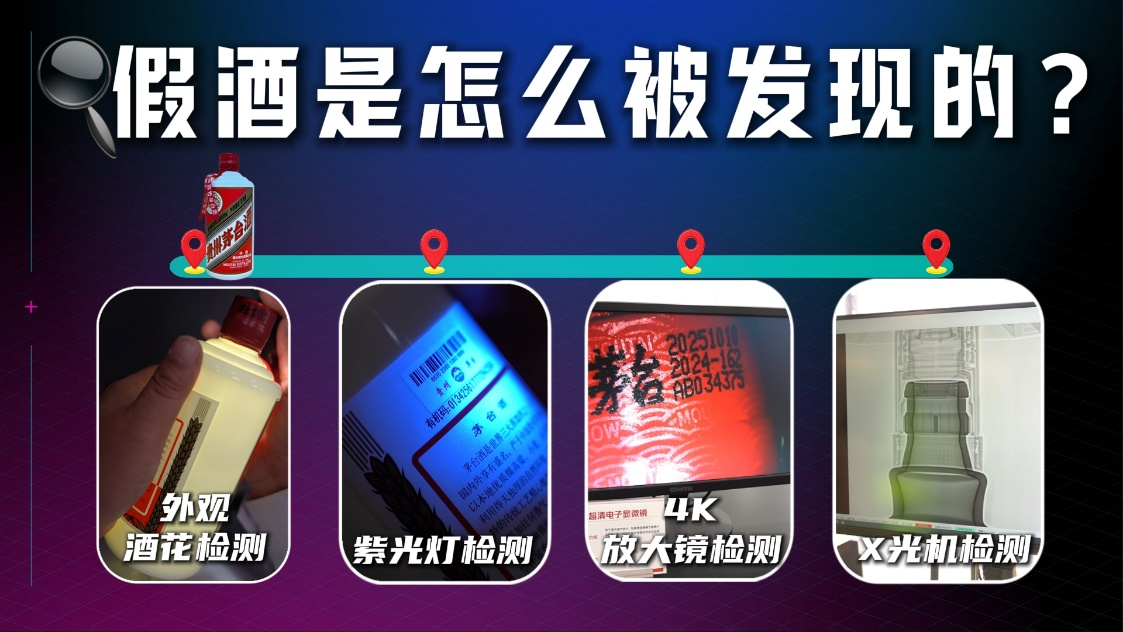
在京东北京物流仓的“一物一检”区域,来自中轻检测、中检检测等权威机构的鉴定师正忙碌工作着。每一瓶酒都要经历完整的检测流程:从外箱体、防伪喷码及封口胶带核查开始,再到开箱拆包,用放大镜、紫光灯核验瓶身编码、封口喷码,观测酒花。

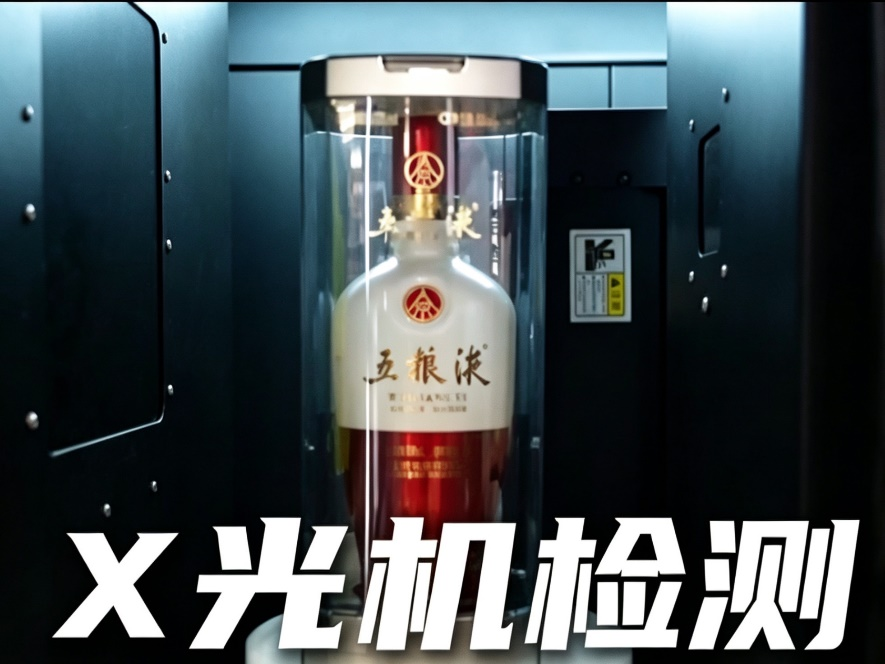
然而,常规人工鉴定对打孔、拔头等“真瓶装假酒”隐蔽手段存在盲区。为此,检测区配备了工业级X光检测设备,可对酒瓶进行360度无死角扫描成像。“这是一瓶打孔酒。”一位鉴定师拿起一瓶看似完好无损的茅台,“现在的打孔技术可以做到像头发丝一样细,肉眼完全看不出来。”但在X光图像中,无论是发丝般细小的打孔痕迹,还是拔头后卡齿弯曲断裂,都无处遁形。

检测结束后,合格酒会被贴上红色的“名酒鉴真”标签,瑕疵品贴上绿色B类标签,假酒则贴C类标签并直接扣留。消费者收到酒后,扫描鉴真标签即可查看完整的鉴定报告,包括检测时间、检测机构、防伪点验证结果等信息。“这相当于给酒办了一张身份证,从入仓到消费者手中,全程可追溯。”

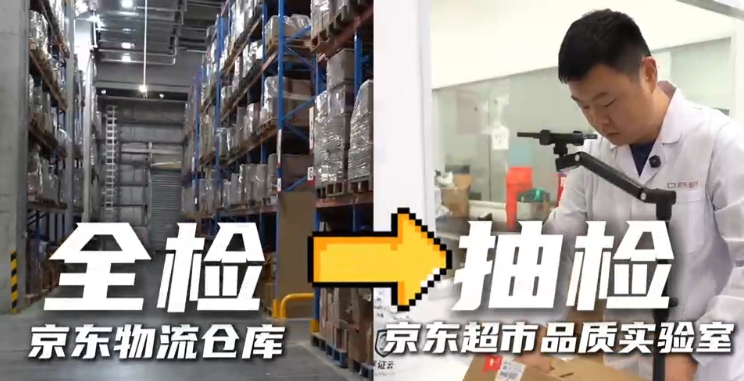
在大仓全检的基础上,京东超市品质实验室还承担常态化的抽检复核,形成双重保障。值得一提的是,检测范围并不仅限于茅台、五粮液等高端名酒,也涵盖牛栏山、二锅头等亲民价位白酒, “这些酒虽然单价不高,但市场需求量大,造假量也大,直接关系到广大普通消费者的切身利益。”鉴定师说。

京东超市全链路布局鉴真网络

京东超市在名酒保真领域的布局早已启动。2025年10月,“名酒鉴真”服务正式上线,初期投入超5000万元,在全国8个区域大仓部署独立鉴定仓,目前已扩展至北京、上海、广州、西安等11个鉴定大仓实现“一物一检、一物一码”。

在此基础上,京东超市将鉴真管控延伸至平台全渠道,构建起线上自营与POP商家、线下京东酒世界多轨并行的品质保障体系。自营酒类采用品牌直供模式,从源头规避掺假风险;对于平台POP商家,京东推行“一物一检、先鉴后发”制度,所有打标“名酒鉴真”的产品必须先入京东鉴定仓进行全检;线下,京东酒世界自营前置仓共享京东大仓内专业的鉴真体系,实现了茅台、五粮液等名酒一瓶一码、全程可溯源。目前,京东酒世界自营秒送已在北京、上海、广州、佛山等多地运营,部分区域可实现酒水最快19分钟即时送达。

针对陈年白酒市场,京东的老酒鉴真服务覆盖近2万款名优白酒产品,实行“一物一证一码,先鉴真后发货”,要求每瓶老酒在销售前必须经过专业机构鉴定,生成唯一的数字证书和溯源码,构建完整的商品溯源体系。

这套日趋完善的全链路保真体系,已在今年“618”大促中得到市场检验。数据显示,从5月30日20点至6月1日24点,京东超市酒类销量同比增长40%,其中,茅台2026年飞天53度500ml×6整箱装同比25年飞天整箱成交额增长80%,第八代五粮液成交额突破亿元,郎酒青花郎2020年53度500ml×6整箱装成交额同比增长超过7倍。

消费者用真金白银为京东的保真服务投下了信任票。从入仓到出仓,从线上到线下,从新酒到老酒,京东超市正以“把鉴定能力嵌入供应链”的硬核举措,破解酒类行业长期以来的信任难题。

注:文/龚作仁,文章来源:Laborer,本文为作者独立观点,不代表亿邦动力立场。

文章来源:Laborer

广告
微信
朋友圈

这么好看,分享一下?

朋友圈 分享

APP内打开

+1
+1
微信好友 朋友圈 新浪微博 QQ空间
关闭
收藏成功
发送
/140 0