



广告
加载中

打不过元气森林 好望水押宝康普茶

王晴 2026-06-18 09:47
王晴 2026/06/18 09:47

邦小白快读

EN
全文速览

本文介绍了国内新兴饮料品牌好望水的发展历程、产品布局及当前面临的增长挑战与新布局,核心干货信息如下:

1. 发展基本情况:好望水2016年起源于上海烤串店的自有饮品,2018年在元气森林创始人唐彬森建议下独立成品牌,靠餐饮渠道起家,2020年就实现盈利,当年出厂营收5000万元,全年交易额约1.2亿元,目前核心产品为望山楂、薏米水、康普茶三款。

2. 现有产品发展困境:开山之作望山楂在一二线城市适配佐餐场景表现不错,但在县域市场因定价高、容量小、玻璃瓶包装缺乏竞争力;核心增长品薏米水销量突破1亿瓶,但市占率仅次于元气森林,没有定价权,渠道布局不足,受众心智模糊,销量增速已经放缓。

3. 新布局规划:好望水今年3月推出康普茶,瞄准尚无头部品牌的小众赛道,立志做品类第一,目前已逐步铺设线下渠道,因销售反馈良好追加了生产线,不过仍面临心智教育成本高、未来巨头入局竞争等不确定性。

本文梳理了新饮料品牌好望水的发展路径,为饮料品牌的产品布局、渠道运营提供了可参考的经验教训,核心干货如下:

1. 产品研发与矩阵布局经验:好望水从餐饮场景痛点切入开发产品,早期能做到30天完成消费者反馈到研发调整的周期,多年打磨产品后再独立推出,在原有爆品遇到增长瓶颈后,顺势拓展健康赛道推出薏米水,最终选择无头部的细分赛道推出康普茶,复用成熟经验和渠道降低孵化风险。

2. 渠道与定价的教训:望山楂在县域市场折戟说明,高定价小容量玻璃瓶不适合下沉市场,消费者更偏好量大实惠的产品;薏米水因市占第二无法掌握定价权,不仅利润被压缩,还会被渠道排斥,同时渠道自有品牌也会挤压第三方品牌的生存空间。

3. 消费趋势参考:当前健康化是饮料市场的核心趋势,无糖茶已经完成消费者教育,市场规模超千亿,中式养生水即将迎来爆发式增长,康普茶这类小众健康饮品还处于蓝海阶段,是新品牌突围的机会赛道。

本文梳理了即饮饮料市场的最新变化,给到线下线上饮料卖家诸多机会参考与风险提示,核心干货如下:

1. 不同品类的消费需求与机会:健康化需求已经成为主流,无糖茶完成消费者教育后市场规模超千亿,动销快压货风险低;中式养生水还在心智培养阶段,预计2028年市场规模突破百亿,长期增长空间大但短期动销慢容易压货;康普茶属于小众蓝海赛道,暂无头部品牌,提前布局可抢占先机,但需要长期培育消费者心智。

2. 不同渠道的销售特点:餐饮渠道适合解腻佐餐饮品,能快速打磨产品,但整体消费力有限;县域市场偏好量大实惠的产品,高定价小容量产品缺乏竞争力;不同线上平台的品类表现不同,小红书薏米水表现更好,淘系望山楂表现更好;线下连锁便利店更优先接纳头部品牌,第三方品牌容易被渠道自有品牌挤压。

3. 风险提示:在细分赛道如果没有拿到头部位置,就无法掌握定价权,利润空间会被严重压缩,还会被渠道排斥,因此提前卡位小众赛道抢占品类第一位置十分关键。

本文梳理了即饮饮料市场的产品需求变化与新机会,给到饮料生产工厂多维度参考,核心干货如下:

1. 产品生产与设计的需求变化:当下消费者普遍偏好健康化产品,配料干净、带有养生概念的产品更受欢迎;包装方面,玻璃瓶运输存储风险高、成本高,罐装更适配全渠道布局;定价容量需要匹配不同市场,一二线市场可接受小容量高定价,下沉市场更偏好量大实惠的规格。

2. 商业机会预判:即饮饮料的细分健康赛道增长明显,中式养生水即将迎来爆发式增长,康普茶作为小众发酵健康饮品还没有头部品牌,相关原料需求、代加工订单会逐步增长,工厂可提前布局相关原料产能,适配新品牌的生产需求。

3. 数字化与渠道布局启示:新品牌非常看重产品快速迭代能力,好望水早期可以做到30天完成反馈到调整的周期,工厂需要具备快速响应研发调整的柔性生产能力,适配新品牌打磨产品的需求,同时可配套新品牌从餐饮到全渠道的多批量生产需求,提升自身竞争力。

本文梳理了新饮料品牌的发展痛点与行业趋势,给到饮品相关服务商诸多参考,核心干货如下:

1. 行业发展趋势:即饮饮料整体向健康化方向发展,无糖茶赛道已经发展成熟,中式养生水即将迎来爆发,康普茶等小众健康饮品开始起步,赛道细分程度越来越高,抢占空白细分赛道成为中小新品牌突围的主要方向,相关配套服务需求不断增加。

2. 客户核心痛点梳理:中小新饮料品牌普遍存在三大痛点:一是小众新品类的消费者心智培育难度大,中式草本养生、康普茶这类品类的教育成本远高于成熟品类,需要长期持续输出概念;二是渠道拓展难,中小品牌没有足够话语权进入全国性连锁渠道,还容易被渠道自有品牌挤压生存空间;三是多数品牌缺乏标准化打造爆款的方法论,无法稳定复刻爆品,增长可持续性弱。

3. 服务机会方向:可针对新品牌推出小众品类心智营销服务,帮助品牌培育消费者认知;可推出渠道对接拓展服务,帮助中小品牌对接线下终端,解决铺市难问题;可推出爆款孵化咨询服务,帮助品牌总结打磨产品的方法论,提升爆品复制成功率。

本文梳理了饮料品牌对渠道平台的需求,以及市场发展带来的运营启示,给到平台商招商运营、风险规避相关参考,核心干货如下:

1. 品牌方对平台的核心需求:中小饮料新品牌普遍希望能进入全国性连锁终端渠道,获得更多曝光和动销机会,新细分品类的品牌还希望平台能给到一定推广资源,帮助共同培育消费者心智,打开市场。

2. 运营与招商启示:渠道平台可结合当下健康消费趋势,引入不同细分赛道的新品,丰富自身产品矩阵,满足消费者多元化需求;平台还可以针对热门养生品类开发自有品牌产品,获取更多利润,开发自有品牌时可对标品类头部品牌定价,形成价格优势吸引消费者。

3. 风险规避方向:小众新品类的动销不确定性很高,平台在铺货时不要一次性给品牌太高的压货额度,可采用小批量试销的模式,根据动销数据调整库存,避免滞销占用仓储资源;对于已经形成明确头部的成熟品类,优先和头部品牌合作,动销更有保障,能降低压货风险。

本文记录了国内新兴即饮饮料产业的最新发展动向,展现了新品牌突围的新路径与存在的问题,为产业研究提供了一手素材,核心干货如下:

1. 产业发展新动向:当下即饮饮料赛道的竞争逻辑已经发生变化,新品牌不再直接和行业巨头在成熟大众赛道正面竞争,转而选择尚无头部品牌的小众空白赛道,通过抢占垂直品类第一的位置实现突围,这种路径已经成为很多中小新消费饮料品牌的共同选择,健康化是行业最核心的发展方向,健康概念不断细分。

2. 产业发展新问题:中小新品牌即便在细分赛道拿到第二名,也会因为没有定价权、渠道话语权,陷入利润微薄、增长放缓的困境,渠道自有品牌的发展进一步挤压了第三方中小品牌的生存空间;新品类的消费者教育成本极高,从小众走到大众往往需要5-10年的时间,多数中小品牌难以支撑长期培育的成本;多数新品牌依然缺乏稳定复制爆款的方法论,增长可持续性不足。

3. 新商业模式观察:新品牌从线下餐饮场景切入,从门店自有SKU逐步发展为独立品牌的模式越来越成熟,这种模式可以低成本快速获得消费者反馈,打磨产品,降低创业初期的风险,非常适合细分饮品新品的孵化。

返回默认
声明:快读内容全程由AI生成,请注意甄别信息。如您发现问题,请发送邮件至 run@ebrun.com 。

我是 品牌商 卖家 工厂 服务商 平台商 研究者 帮我再读一遍。

Quick Summary

This article introduces the development history, product portfolio, current growth challenges and new strategic moves of Chinese emerging beverage brand Hope Water. Key takeaways are as follows:

1. Basic background: Founded in 2016, Hope Water originated as an in-house beverage for Shanghai barbecue restaurants. It spun off as an independent brand in 2018 on the suggestion of Tang Binsen, founder of Yuanqi Forest, and built its initial business through food service channels. It turned profitable as early as 2020, with ex-factory revenue of RMB 50 million and total transaction volume of around RMB 120 million that year. Its current core products are Hawthorn Drink, Coix Seed Water and Kombucha.

2. Challenges for existing products: Its flagship Hawthorn Drink performs well in meal scenarios in tier-1 and tier-2 cities, but lacks competitiveness in county-level markets due to its high price point, small packaging size and glass bottle design. Coix Seed Water, its core growth product, has sold over 100 million bottles, but it ranks second in market share only behind Yuanqi Forest, leaving it with no pricing power, insufficient channel coverage, fuzzy audience positioning and slowing sales growth.

3. New strategic moves: In March this year, Hope Water launched its kombucha line targeting a niche category with no leading brands yet, aiming to claim the top position. It has gradually rolled out offline distribution and added new production lines due to strong sales feedback. However, it still faces uncertainties including high consumer education costs and the risk of future competition from industry giants.

This article sorts out the development path of emerging Chinese beverage brand Hope Water, and draws actionable lessons for product strategy and channel operations for beverage brands. Key insights are as follows:

1. Lessons for product R&D and portfolio building: Hope Water developed its initial product to solve pain points in dining scenarios, and managed to adjust its products based on consumer feedback within 30 days in its early stage. It spent years refining its offering before spinning off as an independent brand. When its original blockbuster hit a growth ceiling, it expanded into the health beverage track with Coix Seed Water, and ultimately entered the kombucha category, a segment with no established leader, leveraging its existing experience and channels to reduce incubation risks.

2. Lessons on channels and pricing: Hawthorn Water’s underperformance in county-level markets shows that high-priced, small-sized glass bottled products are not suited for China’s下沉 markets, where consumers favor affordable, larger-size offerings. As the second player in the market, Coix Seed Water lacks pricing power, leading to compressed margins and pushback from channels, while private label products from platforms further squeeze the space for third-party brands.

3. Reference for consumer trends: Healthification is the core trend in today’s beverage market. Sugar-free tea has completed consumer education and exceeds RMB 100 billion in market size. Chinese herbal wellness beverages are poised for explosive growth, while niche healthy drinks like kombucha remain a blue ocean, representing a breakout opportunity for new brands.

This article summarizes the latest changes in China’s ready-to-drink beverage market, and provides opportunity references and risk alerts for online and offline beverage sellers. Key insights are as follows:

1. Consumer demand and opportunities by category: Health-focused demand has become mainstream. Sugar-free tea has completed consumer education, with a market size exceeding RMB 100 billion, fast turnover and low inventory risk. Chinese herbal wellness drinks are still in the stage of consumer cultivation; the market is projected to exceed RMB 10 billion by 2028, offering large long-term growth potential but slow turnover and high inventory risk in the short term. Kombucha is a niche blue ocean track with no leading brands, so early positioning can help sellers capture first-mover advantage, but long-term consumer education is required.

2. Sales characteristics by channel: Food service channels are suitable for appetite-clearing meal-matching beverages, allowing for fast product refinement, but have limited overall spending power. County-level markets favor affordable, large-sized products, where high-priced small-sized offerings lack competitiveness. Category performance varies across online platforms: Coix Seed Water performs better on Xiaohongshu, while Hawthorn Drink performs better on Taobao. Offline chain convenience stores prioritize partnering with leading brands, and third-party brands often face pressure from channel private labels.

3. Risk alerts: Failing to capture the top position in a niche segment means no pricing power, severely compressed margins and pushback from channels. It is therefore critical to claim the category leadership position in a niche track early.

This article sorts out changing product demand and new opportunities in China’s ready-to-drink beverage market, offering multi-dimensional insights for beverage manufacturers. Key takeaways are as follows:

1. Changing demand for product development and design: Today’s consumers generally prefer healthy beverages, with clean labels and wellness positioning drawing the most interest. For packaging, glass bottles carry higher shipping and storage costs and risks, while cans are better suited for omni-channel distribution. Pricing and packaging size need to match different markets: tier-1 and tier-2 markets accept small sizes at high price points, while下沉 markets favor affordable, large-sized offerings.

2. Commercial opportunity outlook: Niche health segments in the ready-to-drink market are seeing strong growth. Chinese herbal wellness drinks are poised for explosive growth, and kombucha, a niche fermented healthy beverage, still has no leading brands. Demand for relevant raw materials and OEM orders will grow gradually, so factories can expand capacity for related raw materials in advance to meet production demand from new brands.

3. Insights for digitalization and capacity building: New brands attach great importance to rapid product iteration – Hope Water was able to adjust products based on consumer feedback within 30 days in its early stage. Factories need flexible production capabilities that enable rapid responses to R&D adjustments to meet new brands’ product refinement needs, and support multiple order sizes to match new brands’ expansion from food service to omni-channel distribution, to improve their own competitiveness.

This article sorts out development pain points and industry trends for new beverage brands, offering references for beverage-related service providers. Key insights are as follows:

1. Industry development trends: The ready-to-drink beverage industry is shifting broadly toward healthification. The sugar-free tea track is already mature, Chinese herbal wellness drinks are poised for explosive growth, and niche healthy beverages like kombucha are just emerging. The market is increasingly segmented, and capturing unoccupied niche tracks has become the main breakout strategy for small and medium-sized new brands, driving growing demand for supporting services.

2. Core pain points of clients: Small and medium-sized new beverage brands generally face three core pain points: First, consumer cultivation for new niche categories is difficult, as education costs for categories like Chinese herbal wellness and kombucha are far higher than for mature categories, requiring long-term continuous concept promotion. Second, channel expansion is challenging: small and medium-sized brands lack sufficient bargaining power to enter national chain channels, and are easily squeezed by channel private labels. Third, most brands lack a standardized methodology for building blockbusters, cannot replicate hit products stably, and have weak sustainable growth.

3. Directions for service opportunities: Providers can launch niche category positioning and mindshare marketing services for new brands to help build consumer awareness. They can offer channel connection and expansion services to help small and medium-sized brands access offline terminals and solve distribution difficulties. They can also provide blockbuster incubation consulting services to help brands summarize product refinement methodologies and improve the success rate of replicating hit products.

This article sorts out beverage brands’ demand for channel platforms and operational insights brought by market development, offering references for platform merchants on investment attraction, operations and risk mitigation. Key takeaways are as follows:

1. Core demands from brands to platforms: Most small and medium-sized new beverage brands aim to enter national chain terminal channels to gain more exposure and sales opportunities. Brands in new niche segments also expect platforms to provide certain promotion resources to jointly cultivate consumer awareness and open up the market.

2. Insights for operations and investment attraction: Channel platforms can leverage the current healthy consumption trend to introduce new products from different niche segments, enrich their own product portfolio, and meet diverse consumer demand. Platforms can also develop private label products for popular wellness categories to capture higher margins. When developing private labels, they can price below the category-leading brand to form a price advantage and attract consumers.

3. Risk mitigation directions: Niche new categories have high uncertainty in sales turnover. When rolling out products, platforms should not give brands high inventory quotas upfront; instead, they can adopt a small-batch trial model, and adjust inventory based on sales data to avoid unsold stock occupying warehouse space. For mature categories with clear established leaders, prioritizing partnerships with leading brands delivers more reliable sales turnover and reduces inventory risk.

This article documents the latest development trends of China’s emerging ready-to-drink beverage industry, presents the new breakout paths for new brands and existing challenges, and provides first-hand material for industry research. Key findings are as follows:

1. New industry trends: The competitive logic of the ready-to-drink track has changed. Instead of competing head-on with industry giants in mature mass-market segments, new brands now target niche unoccupied tracks with no leading brands, and break out by claiming the top position in the vertical category. This path has become a common choice for many small and medium-sized new consumer beverage brands, with healthification as the core industry direction driving increasing segmentation of health concepts.

2. New emerging industry challenges: Even if small and medium-sized new brands claim the second position in a niche segment, they will fall into a predicament of thin margins and slowing growth due to lack of pricing power and channel bargaining power. The growth of channel private labels has further squeezed the living space of third-party small and medium-sized brands. Consumer education costs for new categories are extremely high, and it often takes 5 to 10 years for a niche category to go mainstream, which most small and medium-sized brands cannot afford. Most new brands still lack a methodology for stably replicating blockbusters, leading to insufficient sustainable growth.

3. Observations on new business models: The model of starting from offline food service scenarios, and gradually developing from an in-store SKU to an independent brand is becoming increasingly mature. This model allows new brands to collect consumer feedback and refine products quickly at low cost, reducing risk in the early startup stage, and is particularly well-suited for incubating new niche beverage products.

Disclaimer: The "Quick Summary" content is entirely generated by AI. Please exercise discretion when interpreting the information. For issues or corrections, please email run@ebrun.com .

I am a Brand Seller Factory Service Provider Marketplace Seller Researcher Read it again.

“我们还是想做品类第一。”6月9日,好望水创始人孙梦鸽向「创业最前线」袒露这一目标,但所指的对象并非销量已突破1亿瓶的薏米水。

水面之上,好望水近期依然保持一定的营销声量,主打温和无负担的薏米水正通过绑定同样主打柔和动作的瑜伽,传递到更多都市人群手中。

水面之下,薏米水市占率第二的名次让好望水不具备相应的产品定价权,利润压缩、渠道受限,导致销量增速已经放缓。

权衡之下,好望水于今年3月推出康普茶,计划将其打造成下一个产品“尖子生”,在一个小众但尚未有头部品牌占位的赛道,当垂直品类的第一,继续冲击销量过亿的目标。

如今,正在不同细分赛道布局落子的好望水,手握3款重点产品——望山楂、薏米水和康普茶,有了前两款成熟爆品的经验,潜力新品康普茶的品类桂冠能否顺利收入囊中?好望水又能否在竞争白热化的即饮饮料市场中突出重围?

对于靠餐饮渠道起家的好望水而言,消费者心智培养和经销网络沉淀显得尤为重要。

01 望山楂火了之后,卖了1亿瓶的薏米水

好望水的开山之作“望山楂”是一款从餐饮渠道切入的饮料,诞生之初它只被视为烤串店里适配的“撸串搭子”。

2016年,好望水创始人孙梦鸽在上海经营一家名为“大肆撸串”的烤串店,作为区别传统烤串的品牌,店内需要一款年轻化的饮品,不仅有助消化功能,还能解决食客撸串时需解腻解辣的痛点。

于是,孙梦鸽团队开发出一款山楂气泡饮,取名为“望山楂”,以山楂为主要原料,同时搭配洛神花和陈皮,而加入的气泡会让饮料入口有“沙口感”。

以烤串店为起点的望山楂不仅在初期拥有了稳定的销售渠道,还获得了周期更短、更直接的消费者反馈。

孙梦鸽在接受此前媒体采访时表示,2016年产品在门店反馈到研发调整周期控制在30天内。随后的两年,望山楂不断调整配方比例,换了4款瓶型。

2018年,这款饮料迎来了从烤串店的一款SKU到独立饮料品牌的跨越。据界面新闻此前报道,元气森林创始人唐彬森看好气泡饮料在中国市场的前景,而好望水产品的差异化口味也能够在市场竞争中占据优势,他建议孙梦鸽把望山楂作为独立品牌运营

2018年6月,上海肆望饮料有限公司成立,好望水品牌诞生。

从餐饮品牌剥离后,望山楂开始涉猎零售商超及电商渠道,但餐饮渠道依然占据大头,占比50%。有长期与食客磨合的基础,好望水取得了不错的销售成绩。

2020年,好望水产品出厂营收达5000万元人民币,全年交易额约为1.2亿元人民币,并且已实现盈利。

一餐饮从业者向「创业最前线」表示,望山楂酸甜味的山楂口感主要对应火锅、烧烤、小龙虾等需要解腻爽口的餐饮场景,尤其适配一、二线城市中女性客群居多的餐厅,这也是好望水最初对这款饮品的布局思路。

但是慢慢地,他们发现了这套打法的局限性。

当镜头转到了县域市场,白领客群变成了撸串的“糙汉子”,一瓶市场售价近9元的望山楂就卖不动了。

上述餐饮从业者表示:“县域市场不同于一、二线的精致叙事,比起小巧精致,消费者更追求量大实惠。比如消费者就餐感到很辣很烫需要饮料‘救场’时,一瓶300ml的望山楂男的两三口就喝完了。而它的价格又比较贵,县域市场一顿火锅均价不过50元,一瓶饮料的价格就占上1/5,对比大瓶装的可乐、大窑,望山楂缺乏竞争力。”

此外,他还指出,望山楂采用的玻璃瓶也正在被饮料市场淘汰,因为这种材质较罐装饮料而言,会增加存储和运输的风险。

好望水联合创始人夏明升在接受浪潮新消费采访时也表示,线下餐饮渠道的消费力有限,因为望山楂玻璃瓶包装、偏高的价格,导致线下的渗透率不足。

认识到爆款产品局限性的好望水,开始拓展产品矩阵,先后推出主打草本养生水的照顾系列和主打无糖茶的舒心系列。其中,照顾系列的薏米水产品表现尤为亮眼。

截至2025年11月,好望水旗下薏米水系列产品销量已超1亿瓶,与望山楂的营收贡献基本持平。

薏米水,已经成功接棒望山楂了吗?

02 销量光环下的薏米水,渠道与定价双受限

与主打开胃解腻的望山楂不同,薏米水主打的卖点是天然健康,配料干净。因此,这款产品首先要面临的就是不再依赖餐饮输送后的渠道挑战。

「创业最前线」梳理发现,受平台营销侧重不同,线上望山楂与薏米水的销量没有绝对的差距。

例如在小红书电商平台,薏米水的销售情况优于望山楂所属的“望系列”气泡果汁;而在淘宝、京东“望系列”则销量更多。

但在线下,部分便利店经营者向「创业最前线」表示,“望系列”和“照顾系列”的销售呈现“冰火两重天”。

“养生概念虽然网上看着火,但来便利店的客人,大多都是图解渴解馋。大部分人临时想买饮料,首先考虑的还是顺口好喝的。草本薏米水味道偏淡,没什么口感记忆点。只有少数固定养生的熟客会拿。大部分人看完,转头还是选果味汽水。”四川一家便利店店主向「创业最前线」表示,在夏天,望山楂每月可以卖出去七八箱,但薏米水补货一次就要卖好久,稍有不慎就会压货。

另一江西南昌便利店店主也表述了相似的情况,“薏米水和望山楂不一样,草本饮料受众偏窄,比不上望山楂的市场接受度,因为不好卖也赚不到多少利润,压货了只能打折或者自己消化。”

一位好望水销售员也向「创业最前线」证实,薏米水的销售渠道没有“望系列”稳定,因为产品推出的时间较晚,渠道布局还有待沉淀。

除此之外,消费者心智培养也成为了好望水薏米水产品的另一个难题。

好望水品牌主打的是中式草本植物概念,这一概念真的有效传递到消费者心中了吗?尤其与同属养生赛道的无糖茶相比,它是否拥有了较为稳定的消费客群?

消费者梁龙龙向「创业最前线」表示,从口味上来说,自己并不觉得薏米水有多好喝,主要胜在无糖比较健康。

“白水喝不下去,奶茶太‘罪恶’,需要点带味儿的,就喝薏米水和东方树叶。”梁龙龙说,薏米水打出的草本植物招牌确实会吸引自己购买,但本质上还是把它归为无糖饮料的大类,觉得无糖茶和薏米水在满足自己健康需求方面没什么区别。

作为广东人的Vicky就对这款饮料的口味接受程度更高,“我们那边会喝凉茶,所以对于这种草本植物饮料也比较喝得惯。”

Vicky回忆说,自己最近一次喝薏米水是在“撸铁”结束,作为自己的健身搭子,现在每周要喝2-3回薏米水。

“尽管饮用频率高,但我并不觉得它和无糖茶有什么区别,两个品类的饮品我都喝,也没有固定的牌子,感觉产品区别不大。只不过晚上锻炼喝无糖茶怕睡不着,所以选择薏米水代替。”Vicky说。

数据显示,目前无糖茶和中式养生水赛道的市场规模差距较为明显。据勤策《2026年中国茶饮料行业研究报告》,无糖茶作为草本植物饮料上一轮火起来的养生概念,市场规模已经超过1000亿元。

前瞻产业研究院预测,2024-2028年,中式养生水将呈现爆发式增长,随后增速放缓,预计到2028年市场规模突破100亿元,这意味着中式养生水的消费习惯和心智还在逐步培养阶段。

多位便利店店主对「创业最前线」谈道,无糖茶品类的动销要比草本植物饮料快很多,市场接受度更高,基本不会压货。

上海严究营销咨询总经理严究也向「创业最前线」表示,相较于无糖茶,中式草本植物饮料的教育成本更高,市场上无糖茶“0糖0卡”的认知已基本普及,但中式草本植物饮料“药食同源、养生功效”的概念还需要持续向消费者输出。

此外,草本饮料原料小众、产能有限,难以像无糖茶一样进入三、四线城市或全面布局便利店、自动贩卖机等销售渠道,大众普及难度也更大。

严究预测道,如果中式草本饮料要成功复制无糖茶的路径从小众走到大众,至少需要5-10年的时间。

而聚焦薏米水这一赛道,好望水薏米水的市场占额仅次于元气森林,位列第二。这似乎是个不错的市场占位,但背后的渠道深度差距,是好望水短时间内难以追平的短板。

「创业最前线」发现,好望水薏米水并未上线北京地区711、便利蜂连锁便利店渠道,但在熊本便利店有售,而元气森林的薏米水产品在上述渠道均有销售。

且伴随着“中式养生水”赛道的持续火热,渠道平台也上线了自有品牌的薏米水,如盒马推出红豆薏米水和白芸豆薏米水,这种渠道自制的情况进一步挤压了好望水薏米水的市场空间。

孙梦鸽向「创业最前线」表示:“渠道上线自己生产的薏米水后,通常会选择品类第一的产品同时销售形成价格参考对照,也就是他们会选择上线元气森林的产品方便消费者比价,而并非我们的。”

换而言之,一个品类的定价权由龙头决定,而薏米水这个赛道的定价权在元气森林手中。

「创业最前线」在电商平台搜索发现,元气森林与好望水的薏米水价格接近,部分规格产品售价仅相差5毛钱。

这对于没有定价主动权的好望水而言,在不愿意压低原料品质成本的情况下,毛利率并不乐观。

孙梦鸽也向「创业最前线」证实,目前好望水薏米水的销量增速已经放缓,由于利润不高该产品对营收的贡献也很有限。

因此,好望水将部分精力转移到薏米水以外的战场,以寻求突围。

03 开辟康普茶,欲冲刺品类第一

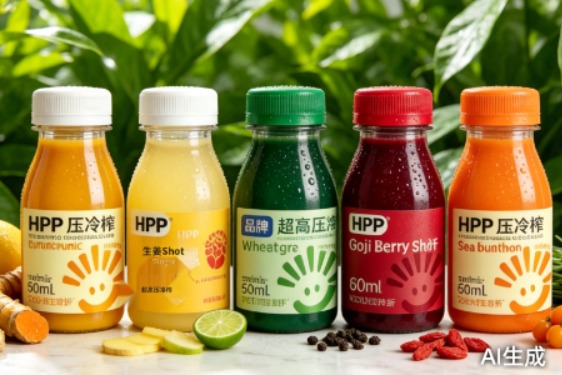
今年3月,好望水推出康普茶产品,作为一种发酵型酸性茶饮料,打出“慢发酵,不勾兑”的卖点,适配居家调饮、用餐等场景,重回玻璃瓶灌装,定价约10元/瓶(一瓶300ml)。

“近两年,无糖茶品类高速增长,印证了市场对健康饮品的需求。部分云贵餐厅也开始推出自酿康普茶,我们认为现在是一个推出康普茶的好时机。”孙梦鸽向「创业最前线」透露,此前好望水也试水过几轮无糖茶品类,但并未在市场长期推出,而今年推出的康普茶被视为茶品类的升级,将被重点打造。

据悉,好望水康普茶计划覆盖5000个线下终端,正逐步分区域完成对永辉、比优特、711、KKV等渠道的上架。目前,线下渠道销售反馈良好,好望水已经追加开设生产线。

从行业来看,康普茶赛道的竞争格局较为分散,暂未形成头部品牌。除小象超市、Ole精品超市等渠道售卖自有品牌的康普茶外,「创业最前线」还注意到,喜茶、霸王茶姬多个茶饮品牌推出现制康普茶饮品。

严究向「创业最前线」分析道,尽管现制与即饮的消费场景是错位的,但现制康普茶会分走部分尝鲜的客流。此外,长期来看,茶饮品牌在培育康普茶品类心智、拓宽市场方面也更有优势。

目前,康普茶在海外尤其是欧美市场较为流行,在国内仍属于小众饮品。「创业最前线」通过天眼查检索发现,康普茶相关企业信息只有70条左右,较为蓝海的市场意味着消费者对品类的认知较为有限,想要开拓市场的好望水需要花较长的时间进行心智培育。

而这款康普茶除身负“成为品类龙头”的任务外,还是测试好望水能否完成一个企业从0-1阶段的实验品。

孙梦鸽向「创业最前线」表示,好望水仍是一家处于初创阶段的公司,原因之一就是还未有标准化的孵化爆款的方法论。

“如果我们能在望山楂、薏米水之后再造一个销量过亿的产品,可以稳定保证较高毛利率的输送,这才代表我们有了复刻爆款的能力,现在我们把宝押在了康普茶身上。”孙梦鸽说。

因此,外界可以看到这款康普茶身上隐约有望山楂的影子:同样使用发酵工艺和玻璃瓶灌装,同样是从用餐场景汲取的灵感并与餐饮场景适配,这些条件都能提高好望水品牌的渠道复用率,还可以降低研发难度。

不过,一款过亿体量的爆款诞生需要天时地利人和,复制望山楂的路数真能带火康普茶吗?

「创业最前线」认为,首先望山楂中使用的山楂原料与健胃消食的绑定已是固有认知,而康普茶则多出教育消费者的成本。

其次从渠道而言,望山楂的销量有餐饮渠道的输送托举,而如今好望水的餐饮渠道占比已降至30%左右,这意味着同样适配佐餐的康普茶需要从更多其他渠道场景寻求增量空间,而餐饮之外的渠道端并非好望水的长板。

再次,尽管暂未有巨头入局康普茶赛道,但未来也存在加入战场的可能。例如,元气森林就曾在2021年注册过“康普茶”商标,但并未成功。

如果后续有巨头入场,凭借成熟的经销商网络和终端谈判能力,能够快速将产品铺到好望水尚未覆盖的终端,这意味着好望水康普茶的渠道份额或将被进一步挤压。

因此,做回玻璃瓶的好望水能否再加冕一顶品类皇冠,还需等待市场的进一步反馈。而是否拥有持续复制爆款的能力,则是好望水能否好好活下去的前提。

注:文/王晴,文章来源:创业最前线(公众号ID:chuangyezuiqianxian),本文为作者独立观点,不代表亿邦动力立场。

文章来源:创业最前线

广告
微信
朋友圈

这么好看,分享一下?

朋友圈 分享

APP内打开

+1
+1
微信好友 朋友圈 新浪微博 QQ空间
关闭
收藏成功
发送
/140 0