广告
加载中

澳门这场科技展会上 500家中国企业在讲全球故事

吕哲彤 2026-06-04 16:13
吕哲彤 2026/06/04 16:13

邦小白快读

EN
全文速览

本文记录了2026年5月底在澳门举办的BEYOND Expo国际科技创新博览会的现场情况,整理了展会核心干货信息与行业整体动向。

1. 展会基础信息:这是亚洲目前规模最大、商业化运作最成熟的综合性科技生态博览会,由澳门科技总会发起,本届主题为“AI:数实共生”,共有近800家全球企业参展,其中中国展商占比约70%,3万余名参会者来自全球120多个国家和地区,海外参会者占比达40%,是中国科技企业对接全球市场的核心窗口。

2. 现场核心看点:展会现场中国企业展示了外骨骼、人形机器人、AI智能穿戴等多款新品,多数参展企业都在布局海外市场,能直观感受到中国AI科技产品从“走出去”向“走进去”升级的整体趋势,能近距离感受AI落地实体经济的最新进展。

本文呈现了当前中国AI科技品牌出海的整体趋势,整理了可参考的行业经验、市场方向与避坑指南。

1. 消费与市场趋势:当前全球市场对中国AI硬件、机器人产品需求旺盛,不同区域有差异化需求:南美、中东蓝领工人流动性大、人力成本高,机器人性价比优势突出;欧美对家用AI硬件、服务机器人需求旺盛,不同国家对同一款产品也有细节需求差异。

2. 营销与渠道参考:可依托澳门BEYOND Expo这类本土国际化展会对接全球资源,提前测试海外市场反应;可选择海外众筹作为出海首发渠道,根据产品定位选择对应平台,比如女性向生活方式产品更适合Indiegogo平台。

3. 品牌建设注意事项:出海不能一刀切做产品,要针对目标市场调整产品设计,需要具备全球化品牌视野,尊重文化差异,对接本地合作伙伴,实现文化、品牌、利益的融合,不能只做产品输出。

本文为布局出海的科技类卖家梳理了海外市场的机会、风险,以及可借鉴的实操方法,具备较高的参考价值。

1. 市场机会:当前全球多个科技细分品类中,中国品牌和供应商已经占据绝对优势,机器人、智能穿戴等AI相关新品类仍有充足的增长空间,不同区域市场存在差异化的需求空白,中国产品的性价比优势突出,现在正是出海的好时机。

2. 实操可借鉴经验:初期出海可借助澳门BEYOND Expo这类国际化展会对接全球资源,测试市场反应;也可选择海外众筹打开知名度,要根据产品属性选择对应平台,定价结合产品定位与目标市场情况调整。

3. 风险提示:AI产品不能为了加AI而加AI,要真正解决用户痛点;出海不能一刀切,产品要适配目标市场需求;要提前对接本地合作伙伴,尊重文化差异,避免产生额外的沟通与公关成本,重视文化融合才能长期发展。

本文为布局AI相关产品生产的工厂,梳理了当前的市场机会、产品需求方向,以及数字化转型与出海的启示。

1. 产品生产与设计需求:当前全球市场对AI硬件、机器人产品需求旺盛,产品需要贴合目标市场的差异化需求,比如智能穿戴除了核心功能,消费者越来越看重外观设计;同一款产品出口不同国家也要做细节调整,比如欧美割草机需要适配不同地形的草坪。

2. 商业机会:当前中国AI产品出海已经成为明确的行业趋势,大量品牌企业都在拓展海外市场,工厂可依托澳门的区位优势,借助BEYOND Expo这类展会对接品牌方、海外采购与投资资源,拓展自身的业务空间,打开全球销路。

3. 数字化与电商转型启示:工厂要抓住AI数实共生的发展趋势,推动AI技术和实体硬件产品的结合落地,要主动对接全球市场,摆脱只做代工的定位,探索打造自有产品出海的发展路径。

本文呈现了当前中国AI科技企业出海的行业趋势,梳理了企业出海的核心痛点,可为服务商调整业务方向提供参考。

1. 行业发展趋势:当前大量中国AI机器人、AI硬件企业都在布局全球市场,出海已经成为行业明确的增长方向,澳门也已经形成成熟的国际化科技展会生态,成为中国企业出海的核心对接窗口,行业整体对出海配套服务的需求在不断增长。

2. 客户核心痛点:中国AI企业出海普遍面临不了解目标市场规则与需求、缺乏本地资源、文化差异引发沟通公关问题,还有不少企业对AI产品定位模糊,打造的产品无法真正解决用户痛点,产品和目标市场不匹配。

3. 业务方向与解决方案参考:服务商可针对性开发本地化咨询、产品适配设计、海外渠道对接等服务,帮助企业做产品本地化调整,对接本地合作伙伴,解决文化融合与渠道建设的问题,还可以针对企业众筹出海的需求,提供配套的运营服务,满足企业多元化的出海需求。

本文展现了中国AI企业出海对各类平台的需求,整理了现有平台的成熟做法,以及平台运营需要注意的方向。

1. 市场需求:大量中国AI初创企业和硬件品牌,需要能够对接全球投资、供应链、C端用户的对接窗口,需要匹配自身产品定位的首发渠道,帮助产品触达全球目标用户,现有本土国际化平台的市场空间依然很大。

2. 可参考的成熟做法:BEYOND Expo依托澳门独特的区位优势,打造了中国本土的国际化科技展会,吸引全球优质参会者,成为中国企业对接全球市场的核心窗口;众筹平台可针对不同产品做差异化定位,满足不同类型产品的首发需求,覆盖更多细分客群。

3. 平台运营与风向规避:平台要引导参展企业做好产品本地化适配,帮助企业对接本地合作伙伴,推动企业重视文化融合;同时要引导企业打造真正解决用户痛点的产品,避免伪AI产品流入市场,提升平台整体的口碑与产品质量。

本文呈现了当前中国AI产业出海的最新动向与行业面临的新问题,可为产业研究提供一手的行业资料参考。

1. 产业最新动向:BEYOND Expo经过多年发展,已经成为亚洲头部综合性科技博览会,打破了亚洲科技企业只能赴美国CES参展的局面,形成了中国本土的国际化科技展示生态;大量中国AI机器人、AI硬件企业正在集体出海,且出海路径多元化,包含ToC产品众筹出海、科研合作出海、工业服务出海等多种创新商业模式。

2. 行业新问题:当前中国AI企业出海已经从“产品走出去”升级到“品牌文化走进去”的新阶段,行业普遍面临品牌全球化视野不足、跨文化融合难、产品本地化适配能力不足等问题,还有部分AI产品存在伪需求,并未真正解决用户痛点。

3. 研究方向启示:研究者可进一步研究不同出海路径对不同类型企业的适配性,以及本地化合作模式对出海成功率的影响,探索澳门作为中国科技企业出海窗口的区位优势开发模式,总结中国科技企业出海的可复制经验。

返回默认

声明:快读内容全程由AI生成,请注意甄别信息。如您发现问题,请发送邮件至 run@ebrun.com 。

我是 品牌商 卖家 工厂 服务商 平台商 研究者 帮我再读一遍。

Quick Summary

This article documents on-site observations from the BEYOND Expo international science and technology innovation fair held in Macau in late May 2026, compiling core key takeaways and overall industry trends from the event.

1. Basic event information: Currently the largest and most commercially mature comprehensive tech ecosystem expo in Asia, BEYOND Expo was initiated by the Macau Science and Technology Association. This year's edition carried the theme "AI: Symbiosis of Digital and Physical Worlds", with nearly 800 global exhibitors, around 70% of which are Chinese companies. More than 30,000 attendees traveled from over 120 countries and regions worldwide, with 40% of participants coming from outside China. The expo has become a core gateway for Chinese tech firms to connect with the global market.

2. Key on-site highlights: Chinese exhibitors showcased a range of new products including exoskeletons, humanoid robots, and AI-powered wearables. The majority of participating Chinese companies are actively expanding into overseas markets, making clear the broader trend of Chinese AI tech products upgrading from "going global" to "entering local markets". Visitors could also experience firsthand the latest progress of AI integration into the real economy.

This article outlines the current overall trend of Chinese AI tech brands going overseas, and compiles reference industry insights, market direction guidance, and pitfalls to avoid.

1. Consumer and market trends: Global demand for Chinese AI hardware and robotics products is booming, with differentiated needs across regions: In South America and the Middle East, high blue-collar labor mobility and rising labor costs have amplified the cost advantage of Chinese robots. In Europe and North America, demand is strong for home AI hardware and service robots, with fine-grained requirement differences for the same product across different national markets.

2. Marketing and channel references: Brands can leverage international events based in Greater China such as BEYOND Expo in Macau to connect with global resources and test market reception ahead of full launch. Overseas crowdfunding is a popular choice for a debut launch, with platforms selected based on product positioning: for example, women-focused lifestyle products fit particularly well on Indiegogo.

3. Brand building notes: A one-size-fits-all approach does not work for global expansion. Brands need to adapt product design to target markets, build a global brand perspective, respect cultural differences, and partner with local stakeholders to achieve alignment on culture, brand identity, and shared interests, rather than simply exporting finished products.

This article outlines overseas market opportunities, risks, and actionable best practices for tech sellers planning to expand globally, offering high practical reference value.

1. Market opportunities: Chinese brands and suppliers already hold dominant positions in multiple global tech categories, and AI-related new segments such as robotics and smart wearables still offer abundant room for growth. Differentiated unmet demand exists across regional markets, and Chinese products stand out for their strong cost-performance ratio. The current market environment presents an ideal window for going overseas.

2. Actionable best practices: In the early expansion stage, sellers can use international events like Macau's BEYOND Expo to connect with global resources and test market reception. They can also build brand awareness via overseas crowdfunding, selecting platforms based on product attributes and adjusting pricing based on product positioning and local market conditions.

3. Risk warnings: Do not add AI features to products just for the sake of having AI; products must solve real user pain points. Avoid a one-size-fits-all approach, and adapt offerings to target market needs. Partner with local stakeholders in advance to respect cultural differences and avoid unnecessary communication and PR costs. Cultural integration is critical for long-term growth.

This article outlines current market opportunities, product demand trends, and insights for digital transformation and global expansion for factories producing AI-related products.

1. Product manufacturing and design requirements: Global demand for AI hardware and robotics products is strong, and offerings must be tailored to the differentiated needs of target markets. For example, beyond core functionality, consumers increasingly prioritize design aesthetics for smart wearables. Even the same product requires fine adjustments for different export markets: for instance, lawn mowers sold in Europe and North America need to be adapted to different terrain conditions.

2. Business opportunities: The overseas expansion of Chinese AI products has become a clear industry trend, with a large number of brands expanding into global markets. Factories can leverage Macau's unique geographic advantage and participate in events like BEYOND Expo to connect with brand clients, overseas procurement teams, and investment resources, expand their business scope, and open up new global sales channels.

3. Insights for digital and e-commerce transformation: Factories should seize the development trend of AI-digital-physical symbiosis, advance the integration of AI technology with physical hardware products, take the initiative to connect with global markets, move beyond pure original equipment manufacturing, and explore paths to develop and export their own branded products.

This article outlines the current industry trend of Chinese AI tech companies expanding overseas and their core pain points, offering references for service providers adjusting their business strategies.

1. Industry development trends: A large number of Chinese AI robotics and AI hardware companies are laying out global markets, and overseas expansion has become a clear industry growth driver. Macau has already built a mature ecosystem for international tech events, becoming a core connection gateway for Chinese companies going global, and overall industry demand for supporting cross-border expansion services continues to grow.

2. Core client pain points: Most Chinese AI companies expanding overseas face common challenges: unfamiliarity with target market rules and demand, lack of access to local resources, and communication and PR issues stemming from cultural differences. Many companies also struggle with vague product positioning, developing offerings that do not actually solve user pain points, leading to a mismatch between products and target market needs.

3. Reference for business direction and solutions: Service providers can develop targeted offerings including localization consulting, product adaptation design, and overseas channel connection services to help companies adjust products for local markets, connect with local partners, and address pain points related to cultural integration and channel building. They can also provide supporting operational services to meet the needs of companies launching via crowdfunding, satisfying Chinese firms' diverse demand for cross-border expansion support.

This article outlines the demand of Chinese AI companies for different types of platforms, compiles proven industry practices, and highlights key considerations for platform operation.

1. Market demand: A large number of Chinese AI startups and hardware brands need gateways to connect with global investors, supply chains, and end consumers, as well as launch channels aligned with their product positioning to help offerings reach target global users. There remains significant market space for localized international platforms based in Greater China.

2. Proven best practices: Leveraging Macau's unique geographic advantage, BEYOND Expo has built a homegrown international tech expo that attracts high-quality global attendees, establishing itself as a core gateway for Chinese companies to connect with global markets. For crowdfunding platforms, differentiated positioning tailored to different product types can meet the launch needs of varied offerings and cover more niche customer segments.

3. Platform operation and risk mitigation: Platforms should guide participating companies to adapt products for local markets, help them connect with local partners, and encourage enterprises to prioritize cultural integration. They should also guide companies to build products that truly solve user pain points, prevent "fake AI" products from entering the market, and improve the platform's overall reputation and product quality.

This article presents the latest developments and emerging industry challenges in the overseas expansion of China's AI industry, providing first-hand industry data for industrial research.

1. Latest industry developments: After years of development, BEYOND Expo has become a leading comprehensive tech expo in Asia, breaking the former monopoly of the US Consumer Electronics Show (CES) as the primary global exhibition option for Asian tech firms, and establishing a homegrown international tech exhibition ecosystem in China. A large wave of Chinese AI robotics and AI hardware companies are expanding overseas collectively, through diversified paths including innovative business models such as B2C crowdfunding launches, research cooperation, and industrial service expansion.

2. Emerging industry challenges: Chinese AI companies' global expansion has now entered a new stage, upgrading from "exporting products" to "integrating brands and culture into local markets". The industry broadly faces challenges including insufficient global brand perspective, difficulties in cross-cultural integration, and limited capacity for product localization. In addition, some AI products serve only fake demand and do not actually solve user pain points.

3. Implications for future research: Researchers can further explore the suitability of different expansion paths for different types of companies, and the impact of local partnership models on expansion success. They can also study how to fully leverage Macau's geographic advantage as a gateway for Chinese tech companies going global, and summarize replicable best practices for Chinese tech firms' overseas expansion.

Disclaimer: The "Quick Summary" content is entirely generated by AI. Please exercise discretion when interpreting the information. For issues or corrections, please email run@ebrun.com .

I am a Brand Seller Factory Service Provider Marketplace Seller Researcher Read it again.

在BEYOND Expo 2026,看到亚洲AI创新的热情。

文丨吕哲彤

编辑丨张睿

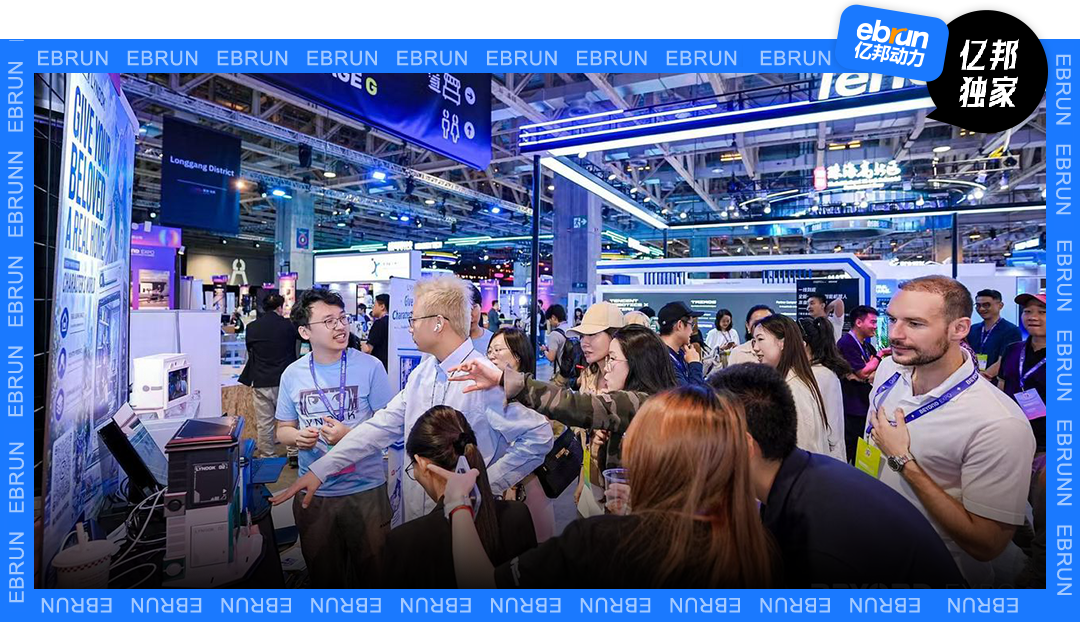
【亿邦原创】五月底,澳门威尼斯人金光会展中心人头攒动。

近800家全球科技企业,3万多名参会者,共同参与在此举办的BEYOND Expo 2026。

一位半扎起长发、穿白T戴眼镜的青年步履轻快,从我身旁走过。如果不是前一天在开幕式上听他讲过英伟达的战略,我不会认出,他就是英伟达机器人与边缘AI副总裁Deepu Talla。

再往前走,我看见金发碧眼的小朋友、穿着校服的中国小学生竞相奔向会场,汉语、英语、俄语、韩语的欢呼声响作一团。

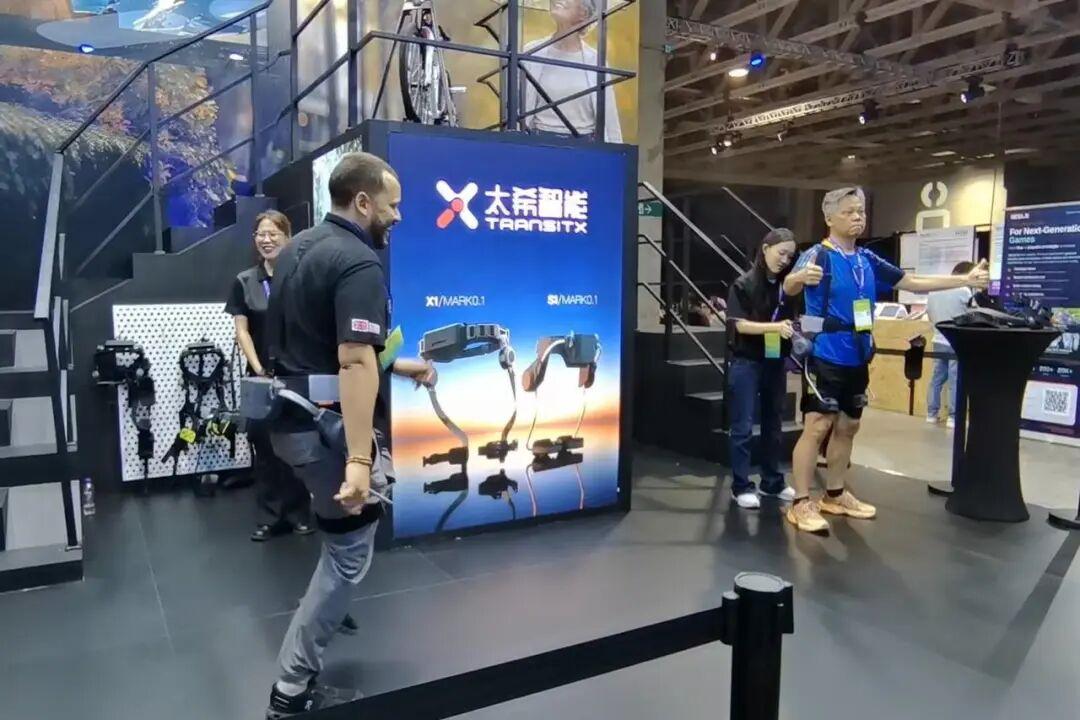
一家外骨骼产品展位上,一位海外KOL穿上外骨骼踏步、跑跳,直呼“I love it” ;在他身后,一位中国大爷身姿矫健地蹬了几圈单车,下来时对着镜头竖起了大拇指。

图片

太希智能外骨骼展位   来源:亿邦AI现场拍摄

展位不远处的舞台上,国内企业代表和海外投资人分别用中文、英文谈论对AI的看法,旁边的大屏上滚动着实时生成的翻译字幕。

BEYOND Expo 2026,全称“BEYOND国际科技创新博览会”,由澳门科技总会于2020年发起、2021年起在澳门威尼斯人金光会展连续举办,是亚洲目前规模最大、商业化运作最成熟的综合性科技生态博览会。

本届主题是“AI:数实共生”,既关注前沿的“数字AI”,也关注AI如何依托硬件产品落地真实场景。在开幕式上,BEYOND Expo联合创始人贺建东说:“这周,我们来到这里,就做三件事:探索前沿科技,共同创新,连接业内顶尖人才。”

就像BEYOND Expo成立之初所倡导的,亚洲科技创新不应该只有一个去拉斯维加斯CES参展的选项,应该有属于自己的主场,因此,中国AI公司是这个展会的绝对主角:参展的近800家企业中,中国展商约占70%。

依靠澳门的独特区位优势,该展会成为中国AI初创企业面向全球市场展示产品和技术、洽谈投资或者供应链合作的绝佳窗口。官方数据显示,本届3万多名参会者来自全球120多个国家和地区,海外占比达40%。

为期4天的展会,我已经明确感受到,随处可见的海外业务员、企业高管和KOL,以及展位之间频繁的名片交换,都在传递着关于亚洲AI创新的热情。

中国机器人,走向全球市场

机器人无论在什么场合,都会成为引人注目的明星。在这次的展会现场同样也不意外。

展会开始之前,展厅外就已经有机器人在“热身”。一开始它似乎还不熟悉场地,不慎撞上护栏摔倒,但很快双拳撑地迅速起身,若无其事、闲庭信步地离开“事故现场”。

图片

展厅外的机器人 来源:亿邦AI现场拍摄

有那么一瞬间,我在想,人类的关节不一定禁得起这么折腾。反正我不敢轻易尝试。

展会开幕后,机器人的存在感贯穿全场。

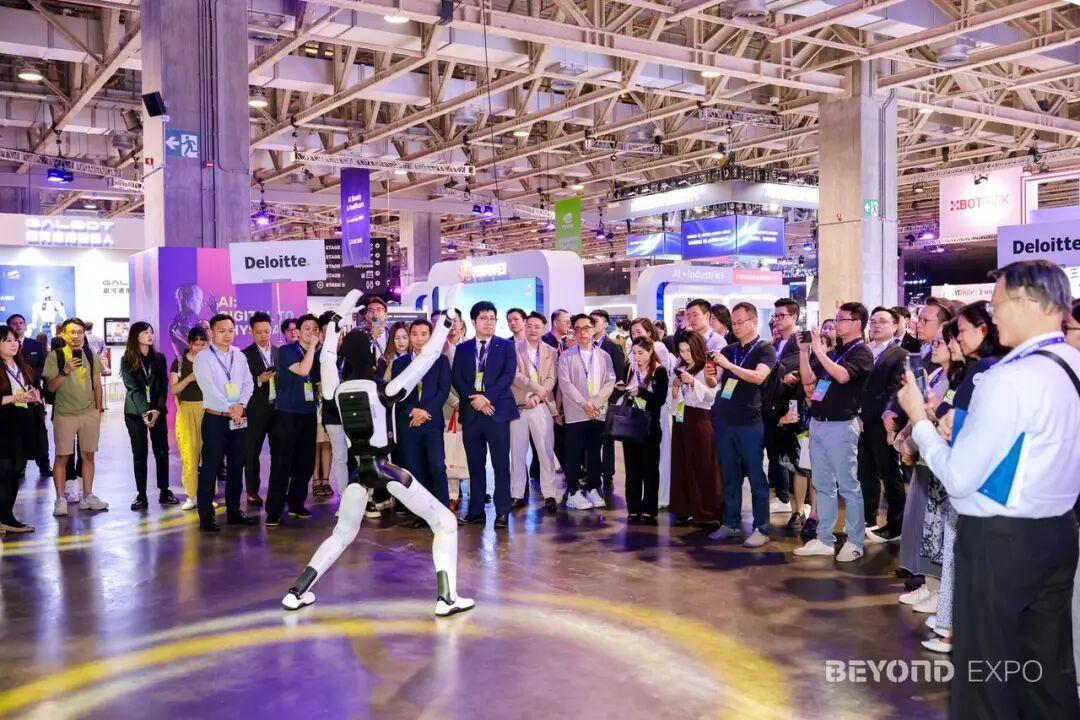
智元机器人以珠海高新区生态伙伴的身份亮相。智元合伙人姚卯青在现场接受采访时透露,去年智元海外收入占比不到10%,今年上半年已接近20%,未来将重点突破北美、欧洲、日韩市场。

图片

展会现场 正在跳舞的智元机器人与围观人群  来源:BEYOND Expo官方

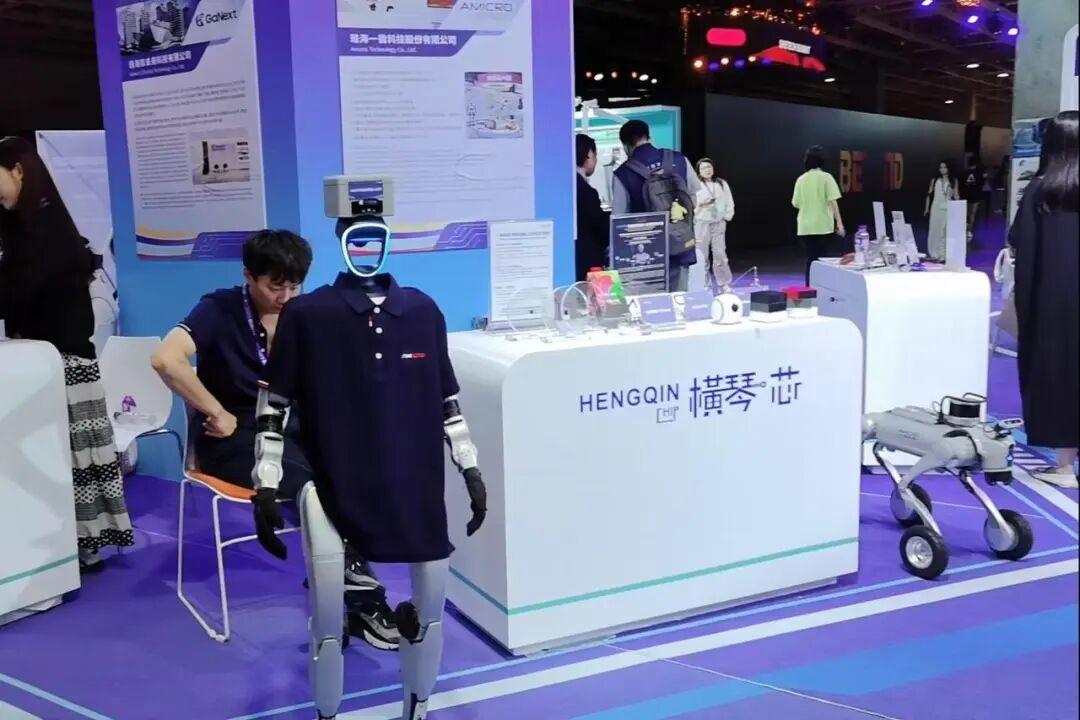
宇树机器人则出现在腾讯展位、横琴科技展区等,它们的主要职责之一是为海外观众提供英文导览。宇树此前在招股书中披露,2023年至2025年前三季度,宇树科技的前五大客户中每年都有3至4家来自境外,覆盖亚洲、欧洲、北美。2025年前三季度,宇树科技境外收入达4.53亿元,占总收入约39%。

图片

横琴科技展区的宇树机器人  来源:亿邦AI现场拍摄

同样瞄准海外市场的,还有矩阵超智。据其创始人兼CEO张海星透露:“我们现在很多需求是来自于像南美、中东甚至是欧洲的。”他说,当地蓝领工人流动性大,人力成本高昂,机器人反而成了更具性价比的选择。

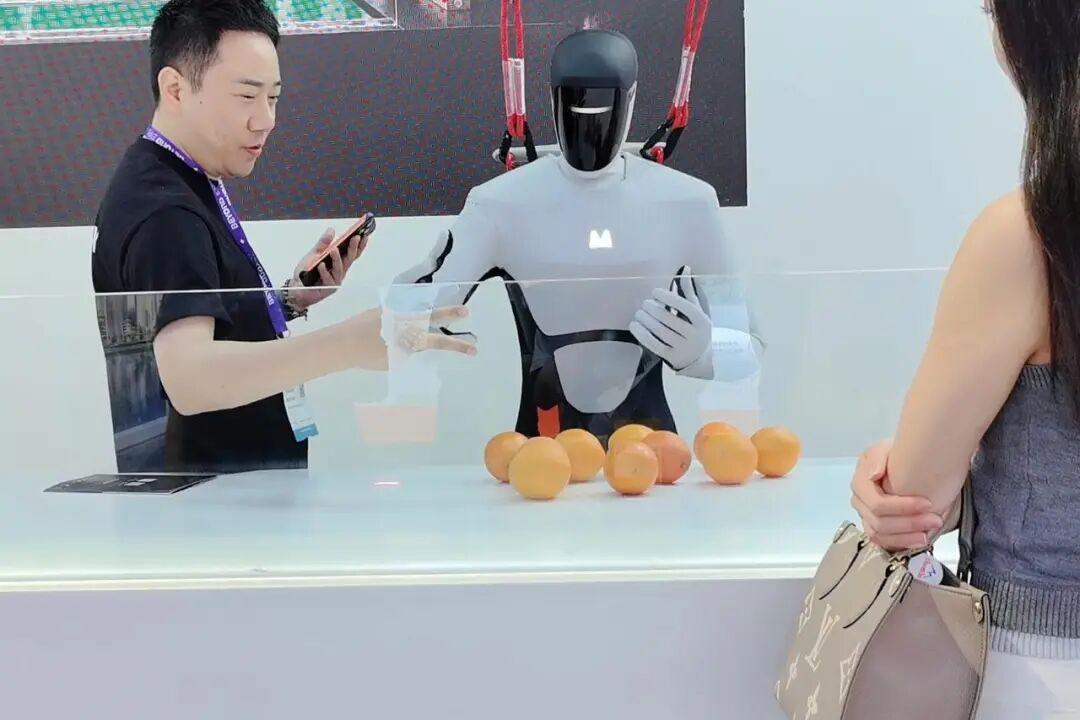
而比起工业场景,矩阵超智其实更侧重商业服务。张海星认为,人形机器人最终还是要与人交互。他拆解了机器人落地真实场景的流程:分解SOP、实验室1:1复刻训练、算经济账。“老实说,现在无法全流程跑完,全流程跑完你账都算不过来。”

图片

矩阵超智Matrix 3机器人和工作人员猜拳  来源:亿邦AI现场拍摄

不过,他强调,机器人做商业服务,并不是要替代人类,而是为消费者带来“体验升级”。“它更像一个服务的NPC,流量吸引远高于人类。从节拍和效率看,机器人或许不如人类敏捷、高效,但现在很多商家都已经愿意尝试。”

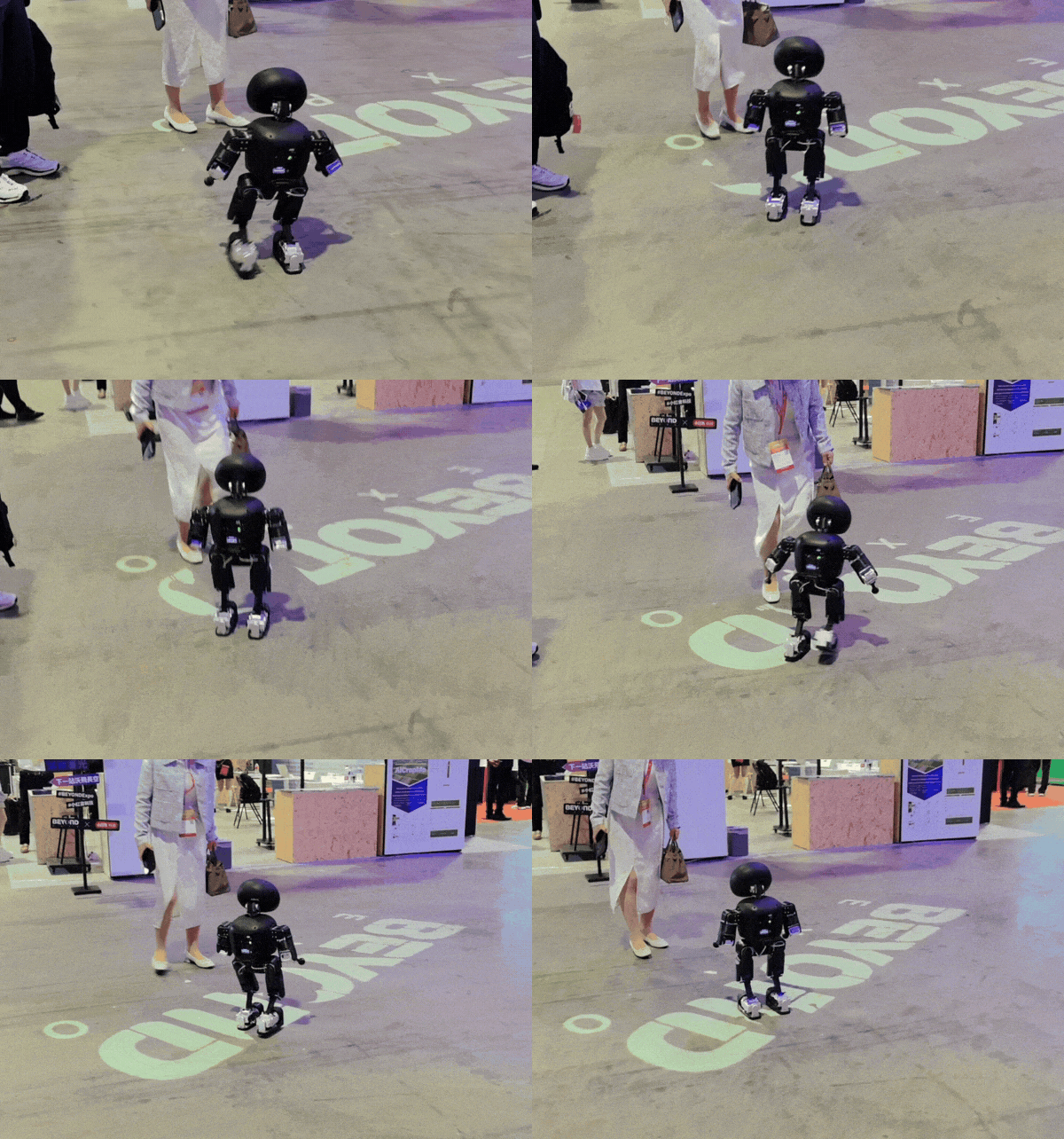
高擎动力则选择了另一条出海路径——科研。据介绍,目前高擎动力合作伙伴包括汉堡大学、苏黎世大学、斯坦福大学等海外高校,也有一些初创公司。

图片

高擎动力机器人与游客互动  来源:亿邦AI现场拍摄

高擎动力展位负责人Shaw介绍:“有些实验室做人机交互,有些做感知,也有的做室内导航。他们会基于我们的机器人技术进行二次开发,随后用于发论文、展示、发demo等等。”

总体来看,中国机器人企业正在以不同姿态走向全球,出海的路径各有不同,但目标一致:让“中国造”机器人进入真实场景。

AI硬件新品,备战海外众筹

形态各异、功能多样的AI硬件产品,更是“生而全球化”。

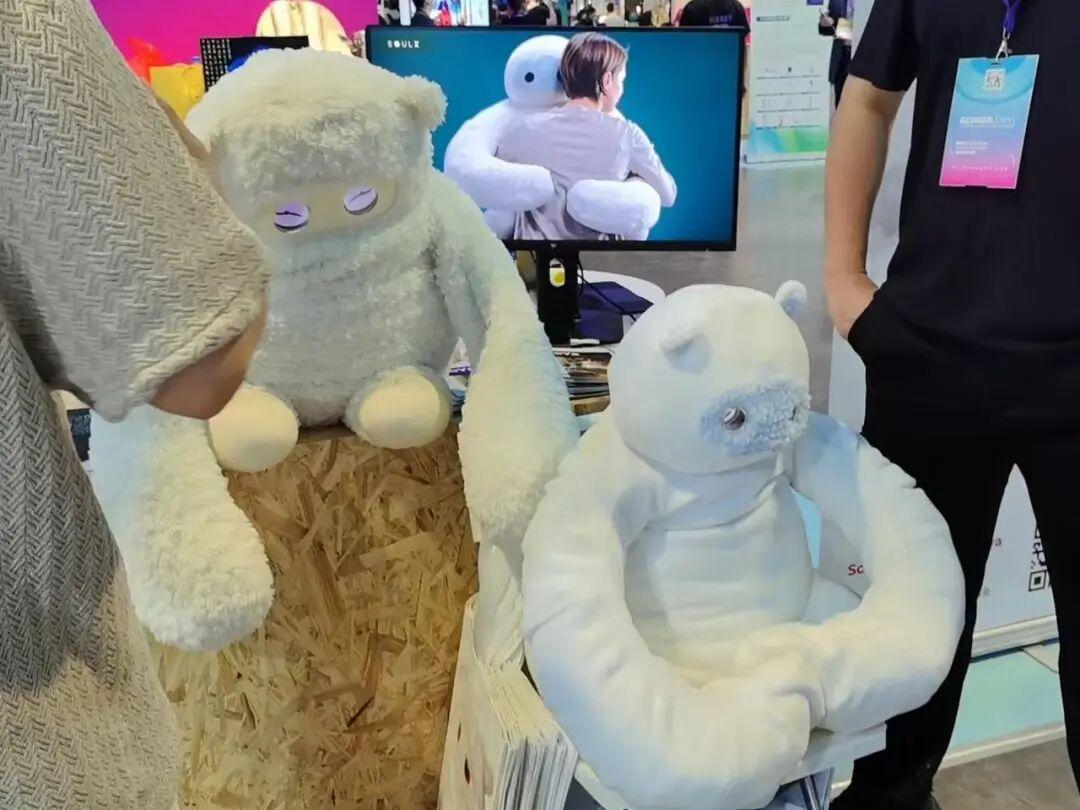
MoYa是一款“为拥抱而生”的机器人。它的肚子、后背上有压力传感器,能够感知到用户正在拥抱它。展位负责人刘戬介绍,MoYa全身没有电机,而是采用气泵驱动,通过充气、放气来完成拥抱的动作。气动方案不仅感官上更柔和,而且硬件成本更低。

图片

陪伴机器人MoYa  来源:亿邦AI现场拍摄

据了解,MoYa将进一步优化agent功能,于9月正式上线。该产品将首先在Indiegogo众筹,定价在250-350美元区间。“相比于Kickstarter,Indiegogo平台的定调更偏向新型生活方式,更适合我们这款女性消费向的产品。”刘戬说。

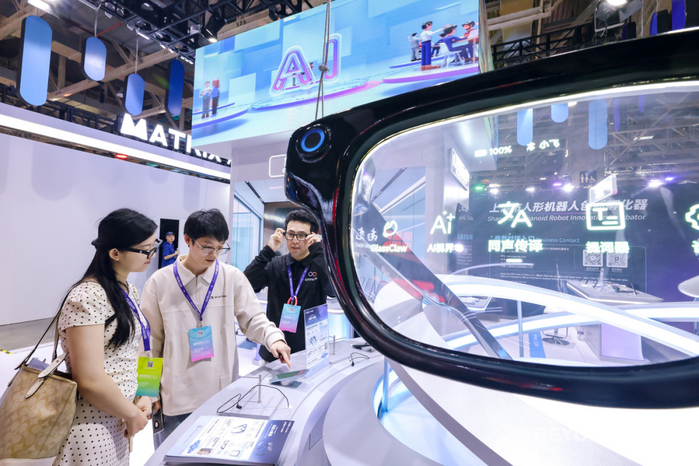
陪伴用户的,不止会卖萌的机器人,还有更小、更轻、更随身的智能穿戴产品,比如智能眼镜。科大讯飞直接将讯飞AI眼镜发布会搬到了展会现场。科大讯飞智能穿戴业务部总经理林会杰表示:“希望借助澳门和博览会的国际化平台,对接到更多合作伙伴。”

图片

科大讯飞展位 讯飞AI眼镜  来源:BEYOND Expo官方

除了眼镜,智能戒指也是当下相对热门的智能穿戴品类,大多产品以健康监测为核心功能。

“现在数据监测方面,大家其实相差不大,主要是外观。”EnergyMo展位负责人说,他们的产品与与珐琅彩工艺结合,具有更多的装饰性,“我们正在国内做小样测试,海外也有在tiktok上做测试。海外售卖的话,珐琅彩的款式定价会在200美金左右。”

图片

EnergyMo智能戒指  来源:亿邦AI现场拍摄

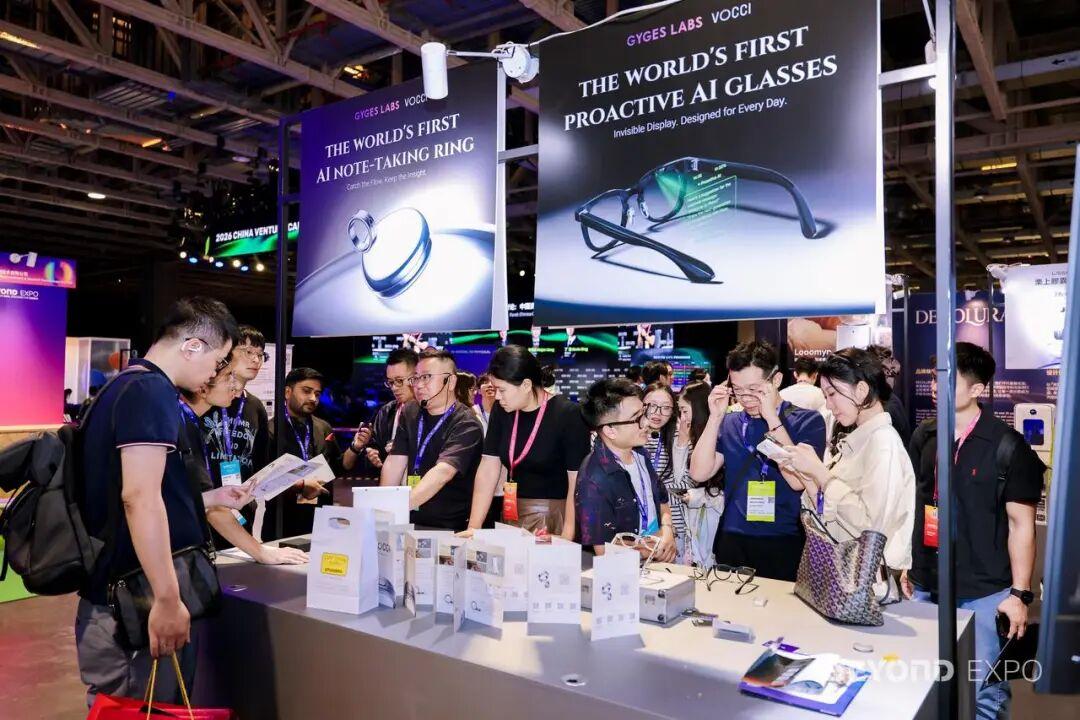
Vocci智能戒指则另辟蹊径,主打会议录音场景。用户还可通过按键“highlight(高亮标记)”重要内容,Vocci将据此生成重点更明晰的会议纪要。目前,Vocci智能戒指已在官网面向海外用户销售,售价199美元。

其创始团队Gyges Labs曾负责Halliday智能眼镜的研发。2025年上半年,Halliday眼镜于Kickstarter众筹,获超过8000人支持,众筹金额超过330万美元。

图片

Vocci展位 上方的海报分别为Vocci智能戒指、Halliday智能眼镜  来源:BEYOND Expo官方

现场逛下来,我们发现不少展商都表示已经在海外开售,或下半年即将上架众筹平台。

但也并非所有产品,都从一开始就瞄准海外市场。在一款“AI营养师”智能餐盘的展位,负责人告诉亿邦AI:“其实我们的初心是想服务中国女性的,但参加展会后发现海外的反馈更热烈。我们打算寄出几台样机,获得一些用户反馈,来帮我们决定先上海外市场还是国内市场。”

可见展会本身,正在成为这些产品检验海外市场的第一站。

挑战:品牌视野和文化融合

中国AI产品在寻找海外市场,平台方也给出了明确信号。亚马逊全球开店战略招聘负责人Winston Mao提到,对于一些细分品类(如3D打印机、割草机等),超过90%的销售额来自中国品牌和中国供应商。因此,他主张:“中国品牌要出海,而且现在就出海。”

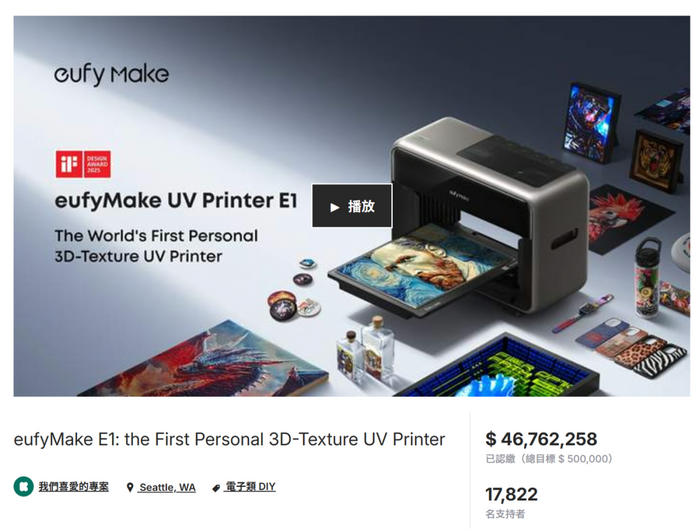
目前,众筹平台Kickstarter上累计众筹金额最多的产品是一款3D纹理UV打印机,累计众筹4676万美元,获17822人支持。eufyMake为安克创新旗下子品牌,创立于2025年,所在地为湖南长沙市。

图片

eufyMake E1 3D纹理UV打印机众筹页面  来源:Kickstarter官网

市场机会明确,但什么样的产品能抓住机会?Indiegogo亚太区销售总监唐甜甜在采访中分享了她的观察。“并非所有搭载AI的产品都是好产品。很多AI产品并没有真正解决用户的痛点,反而让用户需要花时间去学习怎么用AI,并没有让用户的生活变轻松。”

她还指出,产品出海不能“一刀切”。“所有产品,无论有没有AI,都要针对出海的方向,要看目标人群和时机是否匹配。”

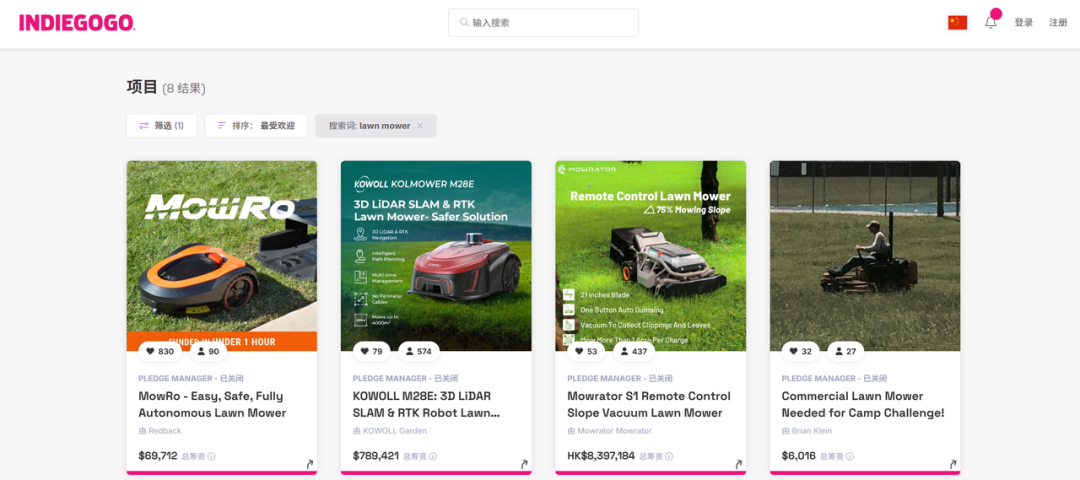
为了说明这一点,她举了割草机的例子:割草机在欧美地区有市场,但欧洲和美国用户的需求又不同。美国家庭的草坪往往更平坦,欧洲家庭的草坪会有一些坡度,因此割草机还需要针对性地适配不同地形。

图片

Indiegogo众筹平台上的几款割草机  来源:Indiegogo官网

ADIC(阿布扎比投资委员会)董事总经理Mark Nicholas Cutis认为,中国本土市场规模巨大且竞争激烈,在中国成长起来的企业竞争力也很强,但出海时必须调整方法。

“(中国品牌出海时)要向顾问学习,尊重文化差异,与本地伙伴合作,否则公司可能需要花额外的时间和成本处理沟通和公关问题。”Mark说。

XREAL创始人兼CEO徐驰将Mark的观点总结为:中国企业家应具备全球化的品牌视野和文化融合意识。“真正的全球化不仅是产品卖过去,而是文化、品牌和利益的融合。它不能是一个零和游戏,必须通过寻找Local Partner(本地合作伙伴)进行合理的让利与协同,达到1+1>2。”

从“走出去”到“走进去”,实际上是中国AI企业面临的更关键的挑战。

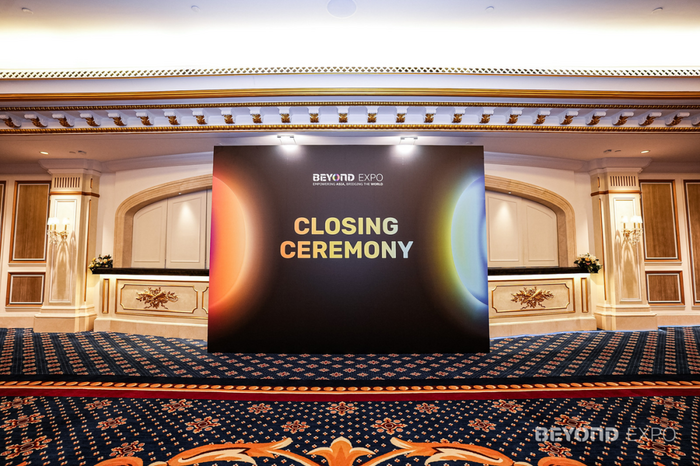
图片

BEYOND Expo闭幕式  来源:BEYOND Expo官方

四天的BEYOND Expo 2026落下帷幕,但AI从数字走向物理世界的进程才刚刚开始。机器人走出展区以后,还要走进实验室、工厂、餐饮店;智能眼镜、智能戒指暂时撤下展柜,或许不久后就要被打包、装箱,远渡重洋。那些交换出去的名片、即将开启的众筹、正在推进的合作,才是这场展会留给产业最真实的注脚。

亿邦持续追踪报道该情报,如想了解更多与本文相关信息,请扫码关注作者微信。

文章来源:亿邦动力

广告
微信
朋友圈

这么好看,分享一下?

朋友圈 分享

APP内打开

+1
+1
微信好友 朋友圈 新浪微博 QQ空间
关闭
收藏成功
发送
/140 0