广告
加载中

巴西全面减税 速卖通商家订单大涨

龚作仁 2026-05-14 17:02
龚作仁 2026/05/14 17:02

邦小白快读

EN
全文速览

本文核心是巴西出台跨境进口减税新政,给消费者和跨境商家都带来明显利好,重点干货整理如下:

1. 核心政策内容:巴西于5月13日正式取消50美元及以下进口商品的联邦税,同时将50美元以上进口商品的关税减免金额从20美元提升至30美元,此前拉高网购价格、广受诟病的“小衬衫税”正式取消。

2. 目前市场变化:新政出台后,阿里速卖通等中国跨境电商平台的巴西市场订单已经迎来明显上涨,不少商家反馈订单和访客量都大幅提升,巴西消费者也反馈,税改后同款商品价格降幅十分显著。

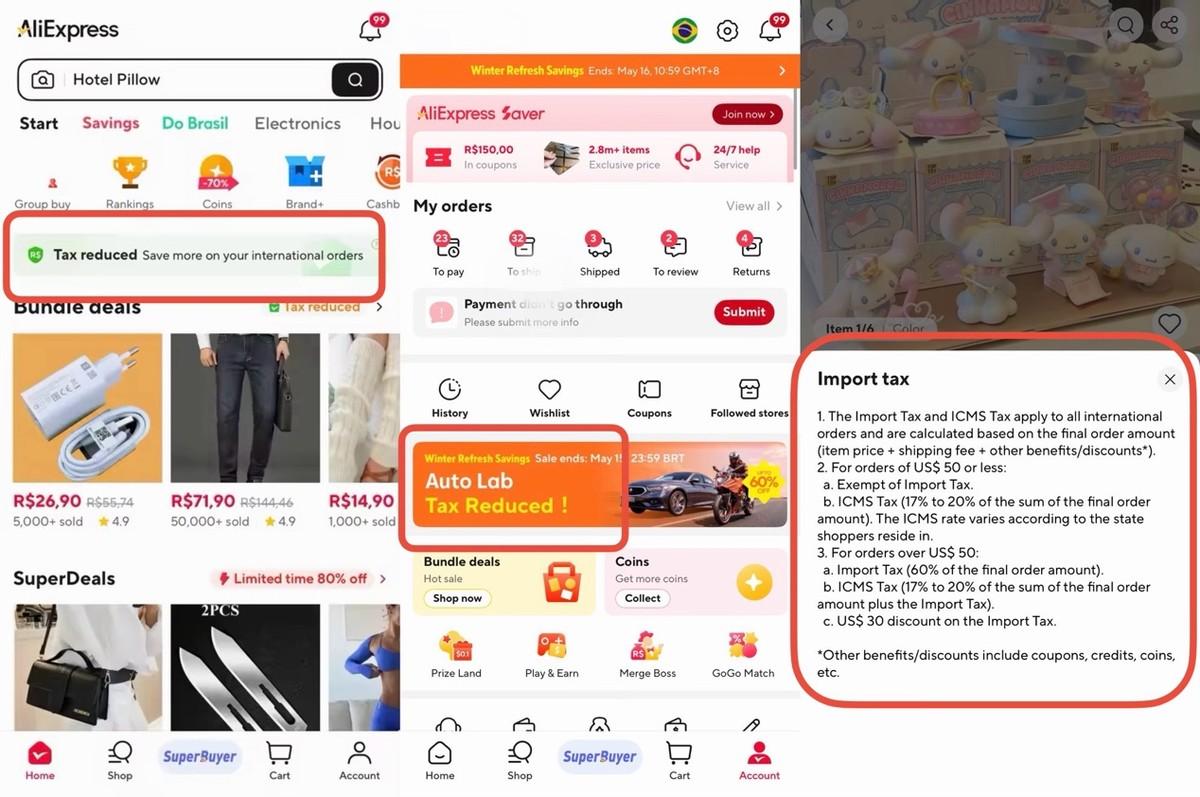
3. 平台当前服务调整:速卖通已经自动生效新的税费减免规则,还在平台首页、搜推页、购物车、支付页等全链路页面上线了税费减免说明,方便消费者了解优惠,提升下单意愿。

本次巴西减税新政为中国出海品牌打开了巴西市场的新增长空间,符合品牌布局需求的干货整理如下:

1. 消费趋势与机会:本次减税直接取消了拉高成本的“小衬衫税”,既扩大了品牌的利润空间,也降低了巴西低收入群体的网购成本,有效刺激了市场需求,新政出台后短时间内订单就明显上涨,市场活力快速释放。

2. 渠道建设方向:速卖通作为核心巴西跨境电商渠道,已经第一时间跟进落地税费减免政策,后续还会在流量扩张、促销补贴、履约服务等板块加大巴西市场投入,品牌可以依托该平台加大布局。

3. 运营实操建议:品牌可以加大巴西市场的运营投入,开通联盟、金币等投流资源获取流量,积极参与Brand deal、拼团等巴西本地特色运营玩法,提前做好大促报名和锁货锁价工作,借助政策红利抢占市场份额。

本次巴西减税新政给跨境卖家带来了明确的增量机会,相关政策解读和实操干货整理如下:

1. 政策核心内容解读:巴西联邦政府5月13日正式落地减税政策,核心调整为两点,一是取消50美元及以下进口商品的联邦税,二是将50美元以上进口商品的关税减免额度从20美元提升至30美元,该政策直接解决了此前“小衬衫税”拉高物流成本、压缩卖家利润的问题。

2. 当前市场机会反馈:政策出台后,速卖通等平台的巴西市场订单已经迎来明显上涨,不少卖家反馈订单突然增多、访客涨幅可观,消费需求已经快速释放,属于当前可抓住的明确增量市场。

3. 应对措施与平台支持:速卖通已经自动生效税费减免规则,后续还会在流量、促销补贴、履约方面加大投入扶持商家,卖家可以加大巴西市场运营投入,开通投流资源,参与本地特色玩法,提前做好大促报名备货,抓住这波政策红利。

本次巴西减税新政给对接跨境市场的中国工厂带来了新的商业机会,相关干货整理如下:

1. 新商业机会:本次减税政策直接刺激了巴西市场的网购需求,新政出台后速卖通平台巴西订单已经大幅上涨,50美元及以下价位带的商品需求增长最为明显,给供应这类商品的工厂带来了更多订单机会。

2. 产品生产设计方向:此前价格是制约中国商品进入巴西低收入群体市场的核心阻碍,减税之后50美元以下商品的价格优势进一步凸显,工厂可以重点开发符合巴西市场需求的高性价比平价商品,匹配当地低收入群体的消费能力,把握需求增量。

3. 数字化出海启示:速卖通等跨境电商平台已经快速跟进政策落地,还会加大流量和服务投入扶持商家,工厂可以借助平台的政策红利推进数字化转型,直接对接巴西市场的消费需求,减少中间环节,获取更高利润。

巴西本次减税政策推动中巴跨境电商进入新增长阶段,给跨境服务商带来了新的发展机会,相关干货整理如下:

1. 行业发展趋势:巴西政府取消了长期制约中巴跨境电商发展的“小衬衫税”,降低了行业发展的政策门槛,直接刺激了消费和商家端的扩张需求,未来中巴跨境电商市场规模会进一步扩大,行业整体进入增长新阶段。

2. 当前客户核心痛点:政策出台后,大量中国跨境卖家和品牌都有快速拓展巴西市场的需求,不少卖家不熟悉巴西本地的运营规则、投流玩法,也需要更稳定的履约、备货相关支持,存在大量未被满足的服务需求。

3. 解决方案方向参考:服务商可以围绕巴西市场拓展针对性开发服务产品,比如针对卖家的巴西市场投流服务、运营咨询服务、本地备货仓储服务等,对接有增量需求的商家,抓住行业增长带来的客户增量。

本次巴西税收政策调整给跨境电商平台拓展新兴市场带来了新的机遇和参考,相关干货整理如下:

1. 当前市场需求:巴西减税政策释放了明确的消费红利,不管是中国跨境商家还是巴西消费者,都对平台适配新政策提出了明确需求,商家有加大巴西市场投入的意愿,消费者希望享受明确的税费降价优惠,市场增量空间大。

2. 可参考的平台运营做法:速卖通的落地经验值得参考,第一时间自动上线新的税费减免规则,在首页、搜推页、购物车、支付页等全链路节点上线税费减免说明,消除消费者信息差,提升下单意愿;同时出台商家引导政策,明确平台后续会加大流量、补贴、履约的投入,吸引商家加码布局。

3. 运营风向提示:巴西市场的政策调整带来明确增量,平台可以抓住窗口期加大巴西市场的招商和运营投入,跟进政策优化商家和消费者体验,抢占新兴市场的份额。

本次巴西跨境税收调整是中巴跨境电商产业的重要新动向,相关研究参考干货整理如下:

1. 产业新动向:巴西政府主动调整跨境进口税收政策,取消实施已久、制约小额跨境电商进口的“小衬衫税”,提升关税减免额度,反映出巴西对跨境网购消费的态度开放,将推动中巴跨境电商产业进入新的增长周期。

2. 政策效应观察:本次政策的拉动效应十分明显,取消小额商品联邦税后,直接降低了中国商家的物流成本,扩大了利润空间,同时降低巴西低收入群体的网购成本,政策出台短短几天,速卖通平台的巴西订单就已经出现明显上涨,市场活力快速释放。

3. 商业模式参考:本次事件中,中国跨境平台快速跟进政策落地,通过全链路信息透明化降低消费者决策门槛,再通过平台流量补贴扶持商家的模式,快速放大政策红利,为跨境平台出海新兴市场提供了可研究的样本。

返回默认

声明:快读内容全程由AI生成,请注意甄别信息。如您发现问题,请发送邮件至 run@ebrun.com 。

我是 品牌商 卖家 工厂 服务商 平台商 研究者 帮我再读一遍。

Quick Summary

This article focuses on Brazil's new cross-border import tax cut policy, which brings significant benefits to both consumers and cross-border businesses. Key takeaways are as follows:

1. Core policy details: Brazil officially eliminated federal import taxes on goods valued at $50 or below starting May 13. It also raised the tariff exemption for imports over $50 from $20 to $30, formally scrapping the widely criticized "t-shirt tax" that had previously inflated online shopping prices.

2. Current market changes: Following the policy rollout, orders from the Brazilian market on Chinese cross-border e-commerce platforms including AliExpress have seen a clear uptick. Many merchants report sharp increases in both orders and visitor traffic, while Brazilian consumers note significant price drops for identical products after the tax reform.

3. Platform service adjustments: AliExpress has already implemented the new tax reduction rules automatically, and added explanatory notes about the tax cuts across all key user touchpoints, including its homepage, search and recommendation pages, shopping cart, and checkout page, to help consumers understand the benefits and boost conversion.

Brazil's new tax cut policy opens up new growth space in the Brazilian market for Chinese cross-border brands. Key insights aligned with brand expansion needs are summarized below:

1. Consumer trends and opportunities: The reform eliminates the "t-shirt tax" that drove up costs, expanding brands' profit margins while lowering online shopping costs for low-income Brazilian consumers, effectively stimulating market demand. Orders have already risen sharply shortly after the policy launch, with market growth picking up rapidly.

2. Channel development direction: As a leading cross-border e-commerce channel in Brazil, AliExpress has implemented the new tax reduction rules immediately, and will increase investment in the Brazilian market across traffic expansion, promotional subsidies, and fulfillment services. Brands can scale up their market presence by leveraging this platform.

3. Operational recommendations: Brands should increase operational investment in the Brazilian market, activate traffic resources such as affiliate programs and platform coin marketing, participate in localized initiatives including Brand Deals and group buying, complete pre-registration for major promotions and lock in inventory and pricing in advance, to capture market share amid the policy-driven dividend.

Brazil's new cross-border tax cut policy brings clear incremental growth opportunities for cross-border sellers. Below is a policy breakdown and practical takeaways:

1. Core policy interpretation: Brazil's federal government officially implemented the tax cut on May 13, with two key adjustments: eliminating federal tax on imports of $50 or less, and raising the tariff exemption for imports over $50 from $20 to $30. The reform directly addresses the problem of the "t-shirt tax", which previously inflated logistics costs and squeezed seller profits.

2. Current market opportunity: After the policy launch, orders from the Brazilian market on platforms including AliExpress have already increased noticeably. Many sellers report a sudden surge in orders and strong visitor growth, with consumer demand releasing rapidly. This is a clear incremental growth opportunity sellers can capitalize on right now.

3. Response measures and platform support: AliExpress has already activated the new tax reduction rules automatically, and will increase investment in traffic, promotional subsidies, and fulfillment to support sellers. Sellers should scale up their operations in Brazil, activate traffic resources, participate in localized operational initiatives, complete promotion registration and stock up in advance, to seize this policy dividend.

Brazil's new tax cut policy brings new business opportunities for Chinese factories that serve the cross-border market. Key takeaways are as follows:

1. New business opportunities: The tax reform directly stimulates online shopping demand in Brazil, and orders on AliExpress from Brazilian consumers have already risen sharply after the policy launch. Demand for products priced at $50 or below has grown the most, bringing more order opportunities to factories that supply this category of goods.

2. Product design and development direction: Before the tax cut, price was the core barrier preventing Chinese goods from entering the market for low-income Brazilians. After the reform, price advantages for sub-$50 goods have become even more pronounced. Factories should prioritize developing cost-effective, affordable products that match Brazilian market demand and the purchasing power of local low-income groups to capture incremental demand.

3. Insights for digital cross-border expansion: Cross-border e-commerce platforms including AliExpress have quickly implemented the new policy and will increase investment in traffic and services to support merchants. Factories can leverage the policy dividend to advance digital transformation, connect directly with consumer demand in Brazil, cut out middlemen, and capture higher profit margins.

Brazil's latest tax cut has pushed Sino-Brazilian cross-border e-commerce into a new growth phase, bringing new development opportunities for cross-border service providers. Key insights are summarized below:

1. Industry development trend: The Brazilian government has scrapped the "t-shirt tax", which had long constrained the growth of Sino-Brazilian cross-border e-commerce, lowering the policy barrier for industry development and directly stimulating expanding demand from both consumers and merchants. The Sino-Brazilian cross-border e-commerce market will expand further, and the industry as a whole is entering a new growth phase.

2. Core current pain points of clients: After the policy launch, a large number of Chinese cross-border sellers and brands are looking to quickly expand into the Brazilian market. Many sellers are unfamiliar with local operating rules and traffic strategies, and need more stable support for fulfillment and inventory management, leaving a large volume of unmet service demand.

3. Reference for solution development: Service providers can develop targeted service products focused on Brazilian market expansion, such as traffic management services, operational consulting, and local fulfillment and warehousing for sellers, to connect with merchants chasing incremental growth and capture new customer demand driven by industry expansion.

Brazil's cross-border tax adjustment brings new opportunities and insights for cross-border e-commerce platforms looking to expand into emerging markets. Key takeaways are as follows:

1. Current market demand: Brazil's tax cut has unlocked clear consumer dividends. Both Chinese cross-border merchants and Brazilian consumers have clear demands for platforms to adapt to the new policy: merchants are willing to increase investment in the Brazilian market, while consumers expect to access clear tax reduction benefits, creating large incremental market space.

2. Reference for platform operations: AliExpress's implementation offers a useful model. It rolled out the new tax reduction rules automatically immediately after the policy launch, added tax reduction explanations across all key user touchpoints including the homepage, search and recommendation pages, shopping cart, and checkout page to eliminate information asymmetry and boost purchase intent. It also rolled out clear merchant guidance, confirming that the platform will increase investment in traffic, subsidies and fulfillment to attract brands to scale up their presence.

3. Operational insights: Policy adjustments in Brazil have unlocked clear incremental growth. Platforms can seize this window to increase investment in merchant recruitment and operations in Brazil, optimize merchant and consumer experiences by aligning with the new policy, and capture market share in this high-potential emerging market.

Brazil's cross-border tax adjustment represents an important new development for the Sino-Brazilian cross-border e-commerce industry. Key insights for research are summarized below:

1. New industry development: The Brazilian government has proactively adjusted its cross-border import tax policy, scrapping the long-standing "t-shirt tax" that constrained small-value cross-border e-commerce imports and raising tariff exemption thresholds. This shift signals a more open stance toward cross-border online shopping, and will push the Sino-Brazilian cross-border e-commerce industry into a new growth cycle.

2. Early policy impact observation: The stimulus effect of this reform is already very clear. Eliminating federal tax on small-value goods directly reduces logistics costs for Chinese merchants and expands their profit margins, while lowering online shopping costs for low-income Brazilians. Just days after the policy launch, AliExpress has already recorded a clear increase in Brazilian orders, with market growth picking up rapidly.

3. Reference for business model research: In this case, Chinese cross-border platforms quickly aligned with the new policy, lowered consumer decision barriers through full-funnel information transparency, and amplified the policy dividend through platform traffic subsidies and merchant support. This event provides a researchable case study for cross-border platforms expanding into emerging markets.

Disclaimer: The "Quick Summary" content is entirely generated by AI. Please exercise discretion when interpreting the information. For issues or corrections, please email run@ebrun.com .

I am a Brand Seller Factory Service Provider Marketplace Seller Researcher Read it again.

巴西联邦政府已于北京时间5月13日宣布取消50美元及以下进口商品联邦税,且50美元以上的商品进口关税减免金额由20美金变为30美金。此政策一出,跨境商家集体振奋,阿里速卖通AliExpress等中国跨境电商平台的巴西市场订单迎来一波增长。

记者在商家群看到,有不少速卖通商家分享了自己巴西订单上涨的喜悦,“昨天订单突然增多”、“访客上涨也很可观”。此外也有巴西消费者激动发帖称,税改前后AliExpress同一商品价格降幅显著。

速卖通公告显示,平台已于5月13日自动生效新政策对应的税费减免,建议商家关注巴西市场运营投入,开通联盟/金币等投流资源,积极参与Brand deal、拼团等巴西特色玩法,并做好大促报名和锁货锁价。平台将在流量扩张、促销补贴、履约服务等板块继续加大巴西市场投入,助力商家生意增长。

记者在速卖通App看到,速卖通已经在包括巴西首页、搜推页、购物车、下单支付页面等上线了全链路的税费减免说明,以提升消费者下单购买的意愿。

巴西针对50美金及以下商品的20%的进口商品联邦税,俗称“小衬衫税”,因直接拉高中国卖家物流成本、压缩利润空间、也让巴西消费者网购价格飙升而饱受诟病。分析人士称,取消该税费将直接降低巴西低收入群体的网购成本,为中巴跨境电商市场注入新活力。

注:文/龚作仁,文章来源:Laborer,本文为作者独立观点,不代表亿邦动力立场。

文章来源:Laborer

广告
微信
朋友圈

这么好看,分享一下?

朋友圈 分享

APP内打开

+1
+1
微信好友 朋友圈 新浪微博 QQ空间
关闭
收藏成功
发送
/140 0