广告
加载中

2024电子商务大会AI+数智商业专场在京举办

亿邦动力 2024-09-14 08:30
亿邦动力 2024/09/14 08:30

邦小白快读

EN
全文速览

人工智能技术正深刻改变电子商务领域,提供实用操作指南和创新机会。

1. AI智能推荐打破用户消费时间和空间限制,为企业创造新增长空间,如通过个性化推荐提升销售。

2. 虚拟数字人技术应用于直播电商,实现全天候服务,通过多矩阵直播间和XR系统制造话题声量,提升营销效果。

3. AIGC技术简化内容生产,一键生成视频并发布到电商平台,降低创业门槛和成本,支持个人就业。

4. AI优化采购和供应链管理,如京东工业驱动采购从成本中心转向利润中心,实现高效决策和降本增效。

5. 生成式AI助力品牌全域升级,如Nobaday优化库存调配和设计生产,快速响应市场需求。

6. 对谈环节指出AI替代重复劳动,创造新职业机会,并强调数据开放以提升消费者体验。

AI技术为品牌建设和营销带来革命性变革,助力提升竞争力。

1. 品牌营销方面,虚拟数字人拓展直播电商新场景,智京未来通过声音和外形复刻技术制造话题声量,增强品牌曝光。

2. 产品研发上,生成式AI如Nobaday应用颠覆传统设计生产模式,快速满足用户差异化需求,提升生产效率。

3. 消费趋势显示AI打破时空限制,用户行为更灵活,为企业提供新增长机会。

4. 品牌渠道建设受益于AIGC技术,FancyTech时代涌现科技简化内容生成,支持多平台发布,降低营销成本。

5. 品牌定价和价格竞争优化,亚马逊云科技AI助力市场洞察和产品创新,实现精细化运营。

6. 用户行为观察表明AI提升服务能力,如虚拟人全天候客服,推动品牌全域数智升级。

政策支持和AI技术为电商卖家提供增长机遇和风险提示。

1. 政策解读:北京市商务局优化产业政策环境,拓展数字消费场景,推动数智化进程,助力国际消费中心建设。

2. 增长市场机会:AI打破消费时空限制,创造新需求;县域经济外向性突破带来新市场。

3. 消费需求变化:AI驱动采购模式变革,京东工业案例显示采购转向利润中心,提升效率。

4. 事件应对措施:虚拟数字人技术应对直播电商挑战,实现全天候服务;AIGC降低内容生产成本。

5. 风险提示:数据孤岛存在,需开放共享以避免效率损失;AI替代人工可能带来就业转型风险。

6. 机会提示和可学习点:生成式AI如Nobaday优化库存管理;亚马逊云科技全场景支撑出海运营,提供营销和客服解决方案。

7. 最新商业模式:AI推动产业融合,如一二三产业结合,创造新职业机会。

AI技术为工厂生产提供数字化启示和商业机会。

1. 产品生产和设计需求:生成式AI如Nobaday应用优化设计生产模式,快速响应差异化用户需求,提升效率。

2. 商业机会:AI推动县域商贸业数字化和智能化转型,提升服务能力和竞争力,开拓外向性市场。

3. 推进数字化启示:AI高效调配生产要素,亿邦智库研究指出构建数字产业集群,实现集约化发展。

4. 电商启示:京东工业案例显示AI驱动采购供应链转型,优化供需规划;亚马逊云科技ASC系统降本增效。

5. 技术应用:虚拟数字人和AIGC技术提供生产灵感,如智京未来XR系统支持产品创新。

6. 机会拓展:AI助力工厂降本,如供应链分析系统;对谈环节强调数据开放赋能产业融合。

AI技术驱动行业趋势,提供解决方案应对客户痛点。

1. 行业发展趋势:AI重塑电商格局,推动数字供应链、直播电商等领域创新,加速产业融合。

2. 新技术应用:虚拟数字人、AIGC、生成式AI等技术成熟,如智京未来声音外形复刻和FancyTech一键内容生成。

3. 客户痛点:数据孤岛阻碍效率,对谈环节呼吁开放共享以赋能AI应用。

4. 解决方案:亚马逊云科技提供全场景支撑,包括市场洞察、产品开发、数字营销和智能化客服。

5. 案例实践:京东工业AI优化采购决策;Nobaday生成式AI升级品牌运营;亿邦智库研究助力数字产业集群构建。

6. 趋势响应:AI替代重复劳动,创造新职业机会,服务商可开发相关服务提升客户体验。

AI时代平台需适应新需求和管理挑战。

1. 商业对平台需求:企业需AI驱动采购、内容生成等支持,如京东工业案例显示平台需提供高效决策模型。

2. 平台最新做法:智京未来推出数字人多矩阵直播间和XR虚实融合系统,提升直播电商运营。

3. 平台招商机会:AI推动新业态,如县域经济外向性突破和出海运营,吸引创新企业入驻。

4. 运营管理:亚马逊云科技AI优化供应链和客服;生成式AI助力品牌升级,提升平台效率。

5. 风向规避:数据孤岛问题需解决,通过开放数据共享避免信息壁垒;AI替代人工需平衡风险。

6. 支持措施:平台可借鉴北京市商务局政策,拓展数字消费场景,推动数智化进程。

AI带来产业新动向和政策启示,推动商业模式创新。

1. 产业新动向:AI加速电商竞争力构建,推动一二三产业融合,如对谈环节强调产业价值重塑。

2. 新问题:数据孤岛存在,阻碍AI赋能;需关注AI替代人工带来的社会影响。

3. 政策法规建议:北京市商务局优化政策环境启示政府应支持数据开放和数字消费拓展。

4. 商业模式:生成式AI如Nobaday应用改变库存和设计模式;AIGC降低创业门槛,创造新职业机会。

5. 启示:亿邦智库研究显示AI推动县域经济外向性突破;技术应用如虚拟数字人提升服务能力。

6. 趋势观察:AI替代重复劳动,提高体验;亚马逊云科技案例提供全场景支撑的商业模式参考。

返回默认
声明:快读内容全程由AI生成,请注意甄别信息。如您发现问题,请发送邮件至 run@ebrun.com 。

我是 品牌商 卖家 工厂 服务商 平台商 研究者 帮我再读一遍。

Quick Summary

AI technology is profoundly transforming e-commerce, offering practical operational guides and innovative opportunities.

1. AI-powered recommendations break through time and space constraints for consumers, creating new growth avenues for businesses, such as boosting sales through personalization.

2. Virtual digital human technology is being applied in live-stream e-commerce, enabling 24/7 service. Multi-matrix live-stream rooms and XR systems generate buzz and enhance marketing effectiveness.

3. AIGC technology simplifies content creation, allowing for one-click video generation and publication to e-commerce platforms, lowering the barrier and cost for entrepreneurship and supporting individual employment.

4. AI optimizes procurement and supply chain management. For instance, JD Industry is transforming procurement from a cost center into a profit center, enabling efficient decision-making and cost reduction.

5. Generative AI assists brands in comprehensive upgrades. For example, Nobaday optimizes inventory allocation and design production to quickly respond to market demands.

6. Discussion sessions highlight that AI automates repetitive tasks, creating new job opportunities, and emphasize the need for data openness to improve consumer experience.

AI technology is revolutionizing brand building and marketing, enhancing competitiveness.

1. In brand marketing, virtual digital humans are expanding new scenarios for live-stream e-commerce. Companies like Zhijing Future use voice and appearance replication to generate buzz and increase brand exposure.

2. In product R&D, generative AI applications, like Nobaday's, are disrupting traditional design and production models, quickly meeting diverse user needs and improving efficiency.

3. Consumer trends show that AI removes time and space limitations, making user behavior more flexible and providing new growth opportunities for enterprises.

4. Brand channel development benefits from AIGC technology. Platforms like FancyTech simplify content generation and multi-platform distribution, reducing marketing costs.

5. Brand pricing and competition are optimized with AI. Amazon Web Services' AI aids market insight and product innovation, enabling refined operations.

6. User behavior observation indicates that AI enhances service capabilities, such as 24/7 virtual customer service, driving comprehensive digital and intelligent upgrades for brands.

Policy support and AI technology present growth opportunities and risk alerts for e-commerce sellers.

1. Policy Interpretation: Beijing Municipal Commerce Bureau is optimizing the industrial policy environment, expanding digital consumption scenarios, and promoting digitalization to support the construction of an international consumption center.

2. Growth Market Opportunities: AI breaks consumption time and space constraints, creating new demand; breakthroughs in the outward-oriented nature of county economies bring new markets.

3. Changing Consumer Demand: AI drives changes in procurement models. The JD Industry case shows procurement shifting to a profit center, improving efficiency.

4. Event Response Measures: Virtual digital human technology addresses challenges in live-stream e-commerce, enabling 24/7 service; AIGC reduces content production costs.

5. Risk Alerts: Data silos exist and require open sharing to avoid efficiency losses; AI replacing labor may bring employment transition risks.

6. Opportunities and Learnings: Generative AI, like Nobaday's application, optimizes inventory management; Amazon Web Services provides full-scenario support for overseas operations, offering marketing and customer service solutions.

7. Latest Business Models: AI promotes industrial integration, such as combining primary, secondary, and tertiary industries, creating new job opportunities.

AI technology provides digital insights and business opportunities for factory production.

1. Product Production and Design Needs: Generative AI applications, like Nobaday's, optimize design and production models, enabling quick responses to differentiated user needs and improving efficiency.

2. Business Opportunities: AI drives the digital and intelligent transformation of county-level commerce, enhancing service capabilities, competitiveness, and opening up outward-oriented markets.

3. Digitalization Insights: AI efficiently allocates production factors. Research by Ebrun智库 suggests building digital industrial clusters for intensive development.

4. E-commerce Insights: The JD Industry case shows AI driving procurement and supply chain transformation, optimizing supply-demand planning; Amazon Web Services' ASC system reduces costs and increases efficiency.

5. Technology Applications: Virtual digital humans and AIGC provide production inspiration, such as Zhijing Future's XR system supporting product innovation.

6. Opportunity Expansion: AI helps factories reduce costs, e.g., through supply chain analysis systems; discussions emphasize that data openness enables industrial integration.

AI technology drives industry trends and provides solutions to address client pain points.

1. Industry Development Trends: AI is reshaping the e-commerce landscape, fostering innovation in digital supply chains, live-stream e-commerce, and accelerating industrial integration.

2. New Technology Applications: Technologies like virtual digital humans, AIGC, and generative AI are maturing. Examples include Zhijing Future's voice/appearance replication and FancyTech's one-click content generation.

3. Client Pain Points: Data silos hinder efficiency; discussions call for open sharing to empower AI applications.

4. Solutions: Amazon Web Services offers full-scenario support, including market insights, product development, digital marketing, and intelligent customer service.

5. Case Studies: JD Industry's AI optimizes procurement decisions; Nobaday's generative AI upgrades brand operations; Ebrun智库 research aids in building digital industrial clusters.

6. Trend Response: AI automates repetitive labor, creating new job opportunities; service providers can develop related services to enhance client experience.

Platforms must adapt to new demands and management challenges in the AI era.

1. Business Demands on Platforms: Enterprises require AI-driven support for procurement, content generation, etc. The JD Industry case shows platforms need to provide efficient decision-making models.

2. Latest Platform Practices: Zhijing Future has launched digital human multi-matrix live-stream rooms and XR virtual-real integration systems to enhance live-stream e-commerce operations.

3. Platform Merchant Opportunities: AI fosters new business formats, such as breakthroughs in the outward-oriented nature of county economies and overseas operations, attracting innovative enterprises.

4. Operations Management: Amazon Web Services' AI optimizes supply chains and customer service; generative AI assists brand upgrades, improving platform efficiency.

5. Risk Mitigation: The data silo issue needs resolution through open data sharing to avoid information barriers; risks associated with AI replacing labor must be balanced.

6. Support Measures: Platforms can learn from the Beijing Municipal Commerce Bureau's policies to expand digital consumption scenarios and promote digitalization.

AI brings new industry dynamics and policy insights, driving business model innovation.

1. New Industry Dynamics: AI accelerates the building of e-commerce competitiveness and promotes the integration of primary, secondary, and tertiary industries, as emphasized in discussions on industrial value reshaping.

2. Emerging Issues: Data silos hinder AI empowerment; the social impact of AI replacing labor requires attention.

3. Policy and Regulation Suggestions: The Beijing Municipal Commerce Bureau's policy optimization suggests governments should support data openness and digital consumption expansion.

4. Business Models: Generative AI applications, like Nobaday's, are changing inventory and design models; AIGC lowers entrepreneurship barriers and creates new job opportunities.

5. Insights: Ebrun智库 research indicates AI drives outward-oriented breakthroughs in county economies; technology applications like virtual digital humans enhance service capabilities.

6. Trend Observation: AI automates repetitive tasks, improving experience; the Amazon Web Services case provides a reference for a full-scenario supported business model.

Disclaimer: The "Quick Summary" content is entirely generated by AI. Please exercise discretion when interpreting the information. For issues or corrections, please email run@ebrun.com .

I am a Brand Seller Factory Service Provider Marketplace Seller Researcher Read it again.

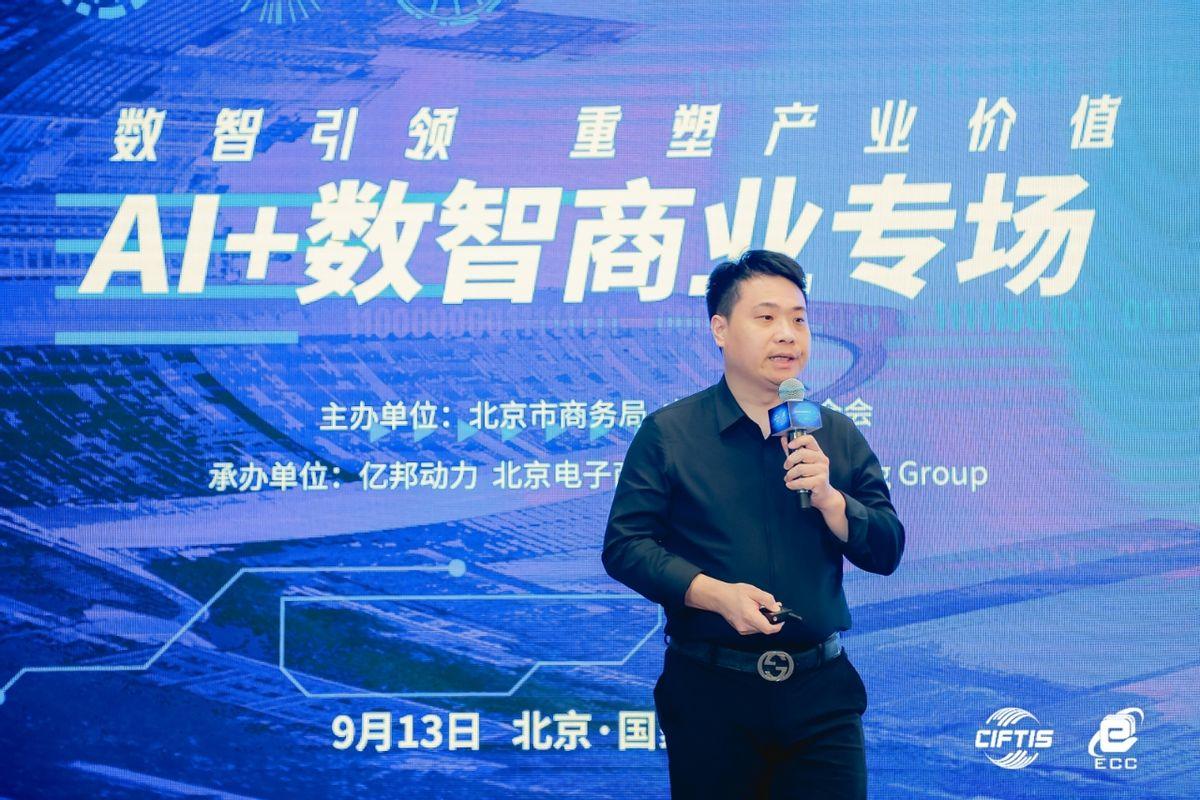
9月13日下午,2024电子商务大会——AI+数智商业专场在北京国家会议中心举办。本届大会由北京市商务局、中国商业联合会主办,亿邦动力、北京电子商务协会、Morketing Group共同承办。AI+数智商业专场以“数智引领,重塑产业价值”为主题,邀请行业智库、电商平台、AI科技企业、新消费品牌创始人及高管出席,共话AI赋能下的数智商业新发展。

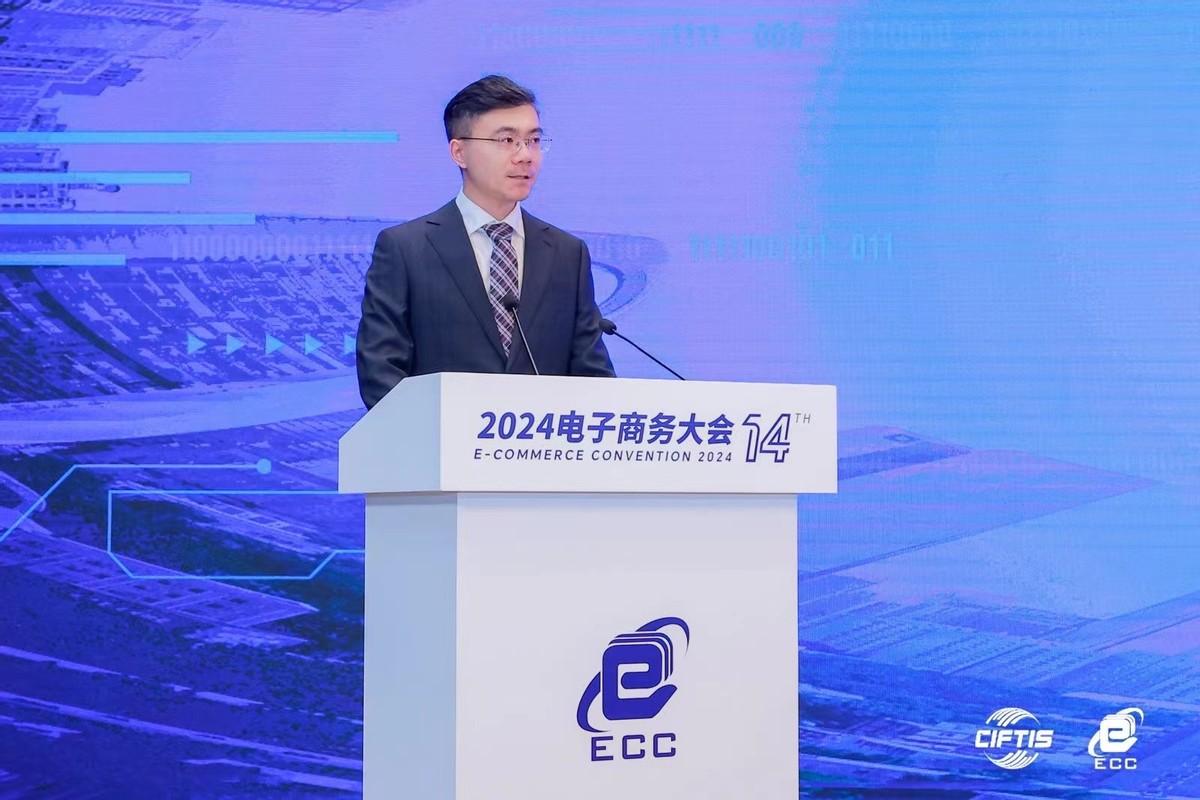
北京市商务局相关负责同志表示,人工智能技术加速落地应用,与商贸领域的融合发展进一步深化,为电子商务创新迭代注入了新的动能。北京市商务局将持续优化产业政策环境,拓展新型数字消费场景,推动数智化商业进程,助力北京培育建设国际消费中心城市再上新台阶。

前沿智库观察,发布AI赋能商业领域研究成果

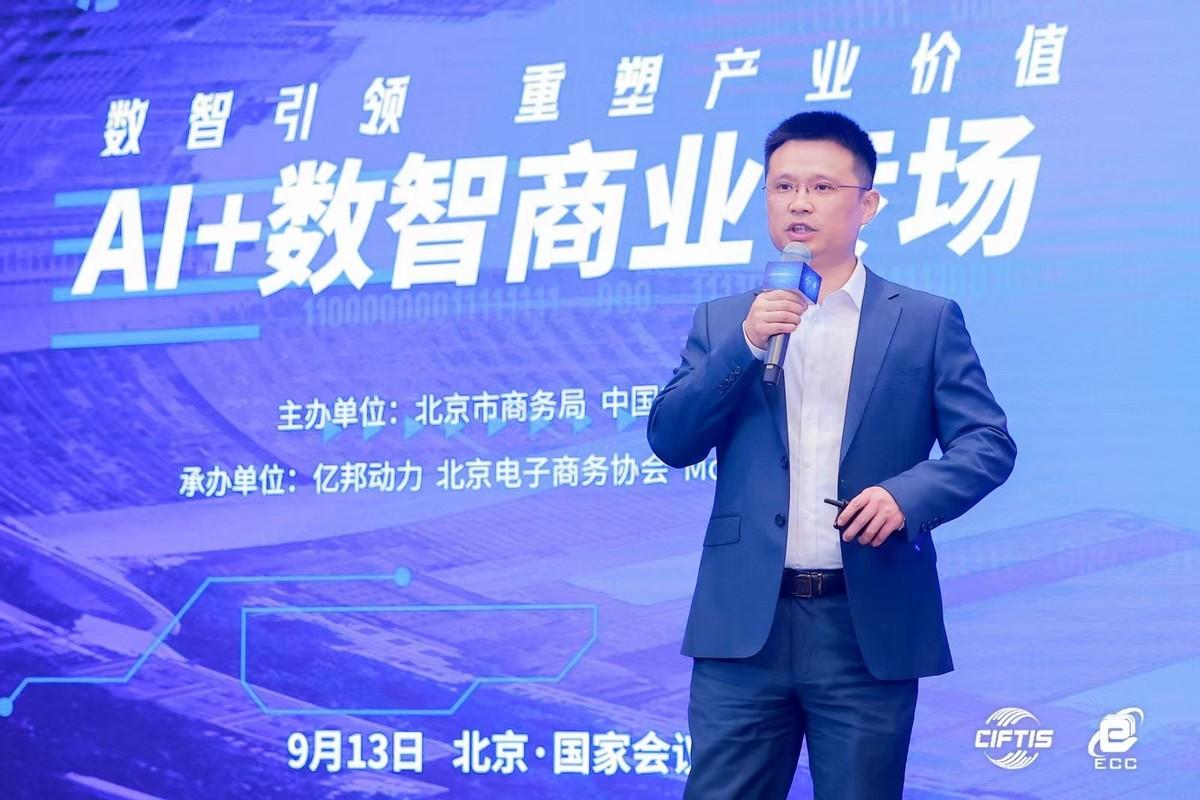
会上,亿邦智库首席分析师武天翔分享了关于AI赋能商业领域数智化发展的研究。第一,基于AI智能推荐技术,用户的消费行为打破了时间和空间的限制,为企业带来了新的增长空间;第二,AI通过对生产力与生产要素的高效调配,实现生产制造、技术应用、知识产权等无形要素在数字平台上集中,助力数字产业集群的构建,进而推动集约化发展;第三,AI技术为增强县域经济活力提供了新的机遇,通过推动县域商贸业数字化、智能化转型,提升县域商贸业的服务能力和竞争力,在一定程度上实现了县域经济外向性的突破。

多维度全视角,解析AI+数智商业应用实践

数字化浪潮席卷全球,人工智能作为引领变革的关键力量,正深刻重塑全行业各领域的发展格局。围绕人工智能在数字供应链、直播电商、内容生产、跨境出海、品牌塑造等各维度的AI应用实践,与会嘉宾展开分享。

京东工业太璞供应链AI负责人杜继磊分享了数字时代,AI驱动采购模式的新变革。杜继磊表示,随着全球竞争加剧,企业采购的角色正在从成本中心向利利润中心转移;加上数字技术的快速发展,共同驱动采购供应链的数字化转型。在数据时代,系统正在通过数据要素形成相应模型,驱使业务自动发展,做出更高效的决策。

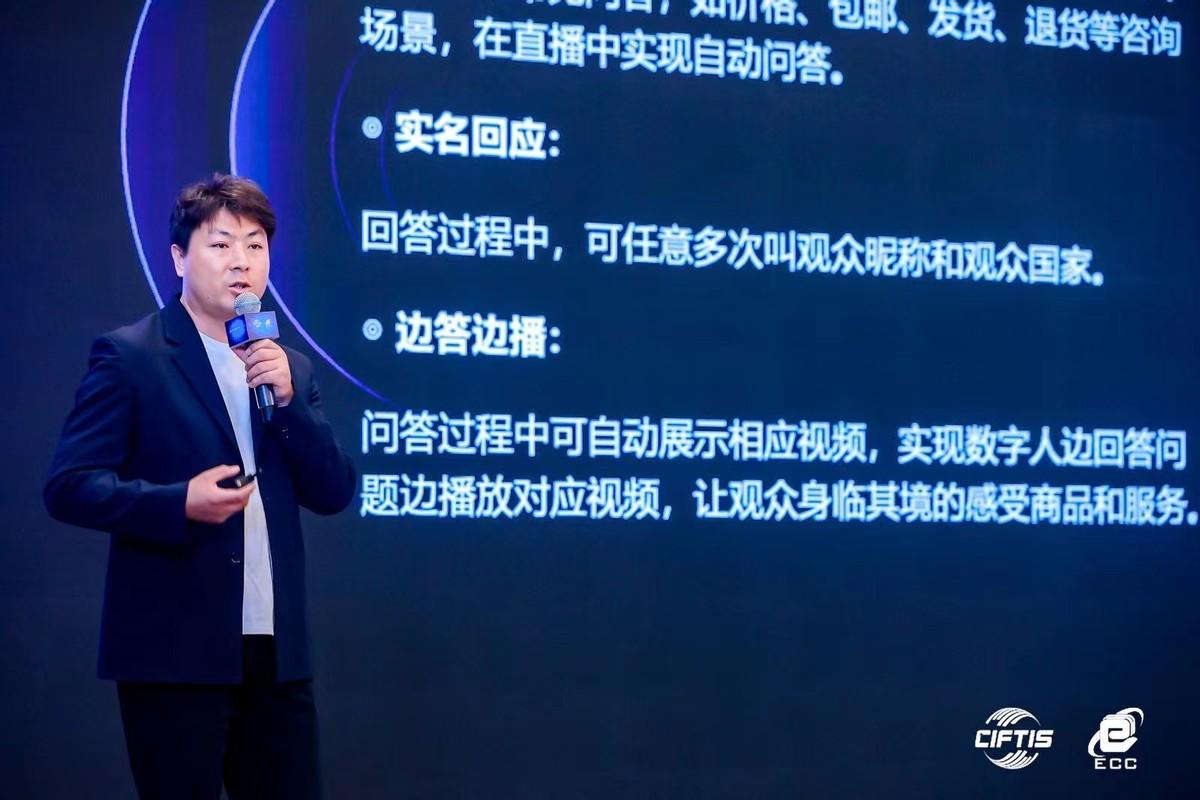
智京未来创始人兼CEO王智武介绍了超写实虚拟数字人如何拓展直播电商新场景。智京未来在数字人技术领域不断创新,致力于为直播电商带来全新的体验和机遇。王智武表示,虚拟人在直播电商中有着强大的应用潜力。技术方面,虚拟人在声音、外形等方面的复刻技术日渐成熟,并且能够实时生成语音和文字。通过搭建数字人多矩阵直播间、XR虚实融合直播系统等等,能够为产品营销制造话题声量,实现全天候消费者服务,赋能品牌突围。

FancyTech 时代涌现科技联合创始人陈剑分享AIGC对内容生产模式的改变。时代涌现专注于 AIGC 技术的研究和应用,致力于推动内容生产模式的创新和变革。陈剑表示,如今,AI已经颠覆内容生成方式,无论是代替传统拍摄,还是智能视频生成一键发布到各个电商平台,AI生成内容可帮助人们创业和就业,降低服务门槛和成本,实现个人发展和社会创新。

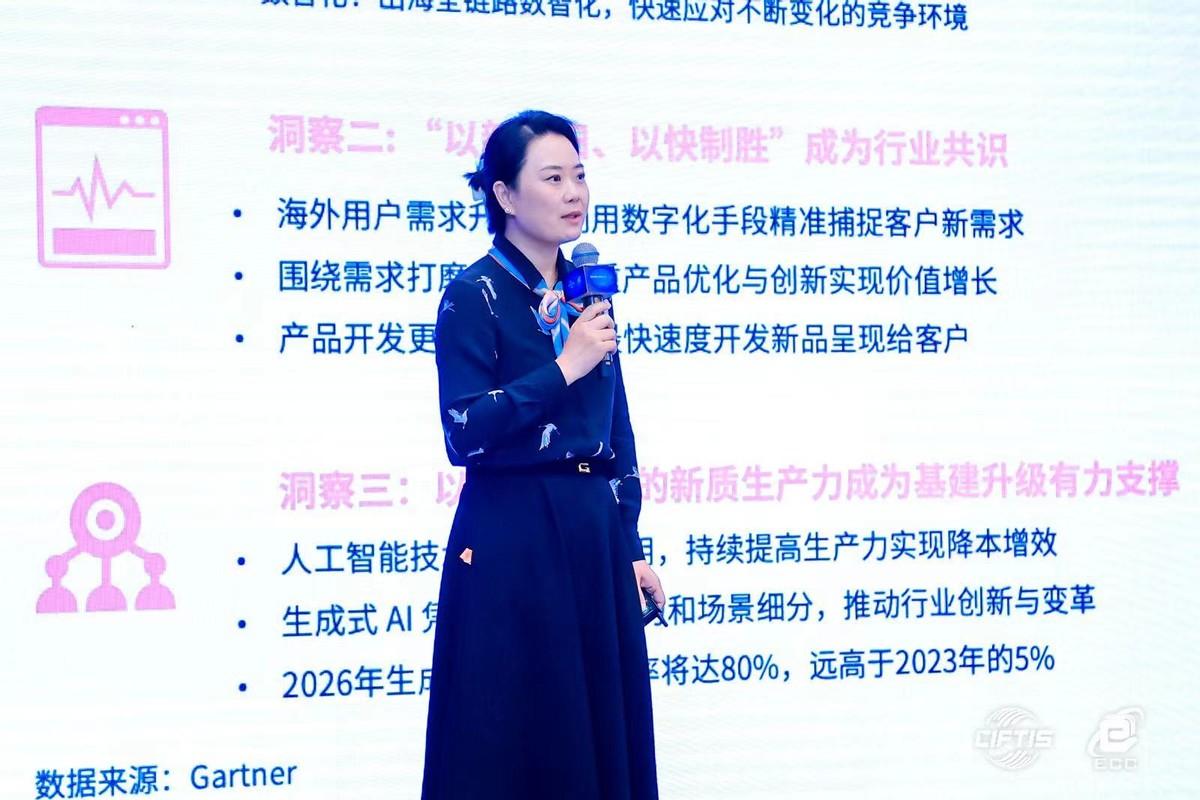
亚马逊云科技零售电商行业方案负责人许丹丹分享了 AI如何助力电商企业提质增效。亚马逊云科技一直致力于为客户提供先进的云计算和人工智能解决方案,帮助更多的零售电商、出海品牌提升营销效果。许丹丹表示,在电商企业出海运营当中,AI技术能够提供全场景的支撑作用。产品创新方面,AI能够助力市场洞察,提供产品开发及图片生成解决方案。生成式AI 应用于数字营销、智能化导购、全渠道多语言客服,可以进一步推动商家的精细化运营。基于数据洞察和数据驱动,ASC供应链分析系统能优化企业供需规划,帮助企业降本增效。

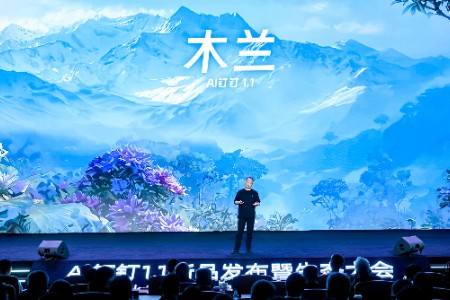
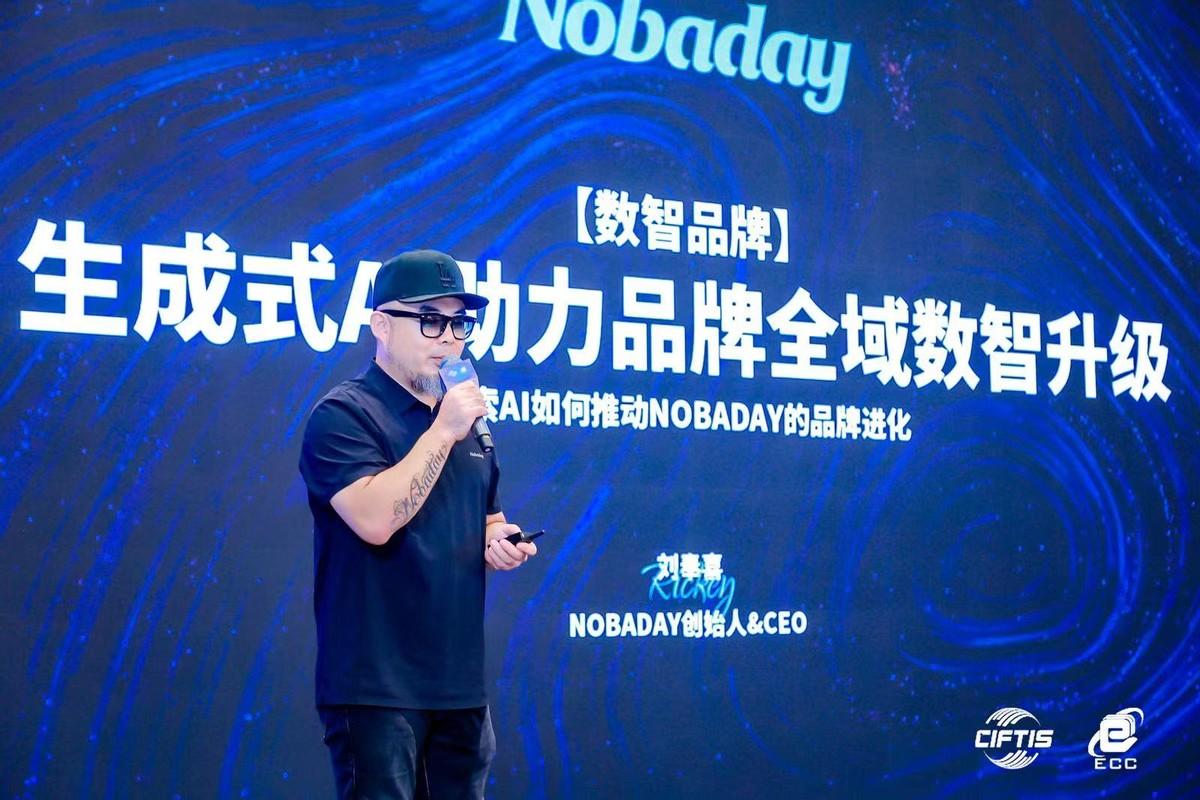
Nobaday 创始人兼 CEO Rickey 阐述了生成式 AI 助力品牌全域数智升级的经验。Nobaday 品牌利用生成式 AI 技术实现全域数智升级,全面提升品牌竞争力。Rickey表示,AI技术为滑雪品牌数智升级,颠覆传统的库存调配、品牌运营、设计生产模式,快速满足用户的差异化需求的同时,为品牌带来更多的想象空间和生产效率,为市场带来新的发展机会。

科技与商业融合,共话AI时代电商创新发展

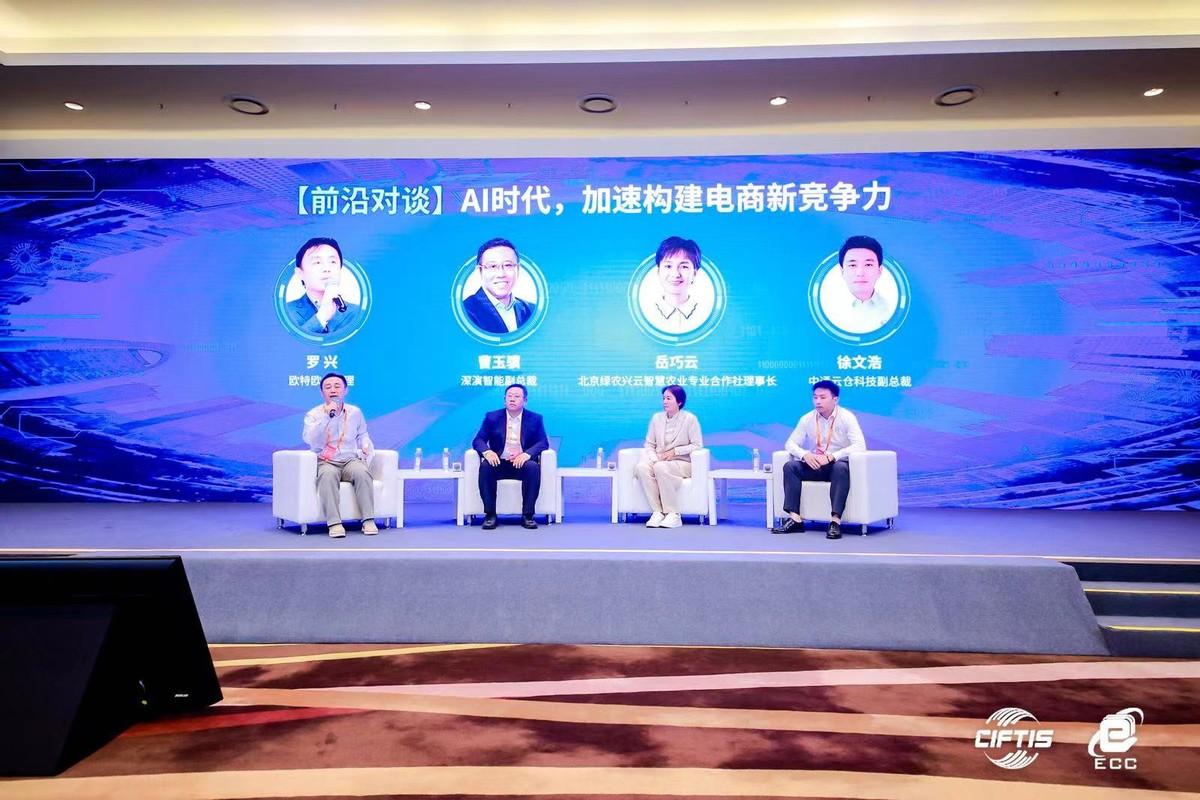
前沿对谈环节,欧特欧总经理罗兴担任嘉宾主持,深演智能副总裁曹玉骥、北京绿农兴云智慧农业专业合作社理事长岳巧云、中通云仓科技有限公司副总裁徐文浩,围绕“AI时代如何加速构建电商新竞争力”展开探讨。针对AI在电商行业的应用场景和取得的成效,电商企业始终站在科技浪潮的最前端,并正在快速地推动一二三产业融合。互联网与AI时代为更多人打开了机会,从消费端和商家端都将电商“多快好省”的优势发挥出来,既帮助消费者提炼价值,也推动企业降本增效,拓展自身的触达点。嘉宾们认为,未来的AI会进一步替代人工,接手更多重复性和标准化劳动,提高消费者体验感。同时还会创造新的职业机会,让人服务于人。目前的企业之间还存在着大量的数据与信息孤岛,应进一步走向开放,让AI真正赋能于产业融合发展。

2024电子商务大会——AI+数智商业专场为与会者提供了一个深入了解人工智能与电商融合发展的平台,展现了人工智能应用的最新趋势和实践分享,也将持续带动电商模式和业态的创新发展。

电子商务大会自2011年以来已连续举办十四届,作为中国国际服务贸易交易会(简称“服贸会”)的重要组成部分,已成为引领电子商务发展前沿理念、展现电子商务创新成果、洞悉电子商务发展趋势的国际化专业化交流平台。

文章来源:亿邦动力

广告
微信
朋友圈

FAQ回顾

2024电子商务大会AI数智商业专场有哪些核心议题?

大会核心议题包括AI驱动的数字供应链变革、超写实虚拟数字人在直播电商的应用、AIGC对内容生产模式的改变、AI助力电商企业出海运营以及生成式AI赋能品牌全域数智升级。

AI技术如何助力电商企业降本增效?

AI技术通过智能推荐打破消费时空限制,优化供应链供需规划,实现智能化导购和多语言客服,帮助电商企业提升营销效果、降低运营成本并提高决策效率。

电子商务大会的主办方和承办方有哪些?

大会由北京市商务局和中国商业联合会主办,亿邦动力、北京电子商务协会和Morketing Group共同承办,是中国国际服务贸易交易会的重要组成部分。

这么好看,分享一下?

朋友圈 分享

APP内打开

+1
+1
微信好友 朋友圈 新浪微博 QQ空间
关闭
收藏成功
发送
/140 0