广告
加载中

2026京东商家大会公布四项升级举措 双11将推动销售额过百万新商家数量增长超60%

亿邦动力 2026-09-23 09:31
亿邦动力 2026/09/23 09:31

邦小白快读

EN
全文速览

京东商家大会发布多项新举措,普通消费者和关注电商动态的人可以了解以下重点:

1. 京东今年商家生态增长明显,新入驻商家数量同比增长超30%,销售过亿商家数双位数增长,说明平台活力增强,商品选择可能更丰富。

2. 京东推出多项AI工具,覆盖选品、运营、售后等环节,提升了商家效率,未来购物体验可能更智能、响应更快。

3. 双11将加大投入,目标是让销售额过百万的新商家数量同比增长超60%,意味着大促期间更多新商家参与,消费者可能获得更多优惠和新品牌选择。

4. 京东还升级了营商环境,打击恶意下单、恶意退换货等行为,为商家挽损近亿元,这有助于减少纠纷,提升整体购物环境。

5. 平台强调用户体验、成本和效率,未来购物可能更强调品质和服务确定性,值得普通用户关注。

京东公布的多项举措对品牌商有重要参考价值:

1. 平台价值主张升级:店铺星级模型突出用户复购价值,围绕商品、客服、物流、售后四大维度评估,好店铺可获得更多确定性流量。品牌商需重视复购率和全链路服务体验。

2. 自营与POP协同:京东推出品牌1+1+N流量融合工具、引凤计划、京仓京配,打通自营、POP与秒送流量壁垒,超8000个品牌已完成打通升级。品牌商可利用此模式借助自营流量带动POP店铺增长。

3. 用户运营策略:京东实施5+N+X人群精细化运营,覆盖PLUS会员、校园、银发、女性、下沉五类高增长圈层,并通过AI大模型发掘增量人群。品牌商可据此细化目标人群的营销策略。

4. AI工具应用:京麦AI经营中心、京点点设计智能体、数字人JoyAvatar等可降低素材成本99%、提升运营效率10倍以上,品牌商宜加速采用AI工具降本增效。

京东商家大会对卖家释放了值得关注的政策和机会:

1. 增长市场与消费趋势:智能设备、个护电器等带电品类增长韧性突出,女装、户外服饰、宠物用品等趋势类目增长强劲,卖家可根据这些需求选择布局方向。

2. 扶持政策加码:京东春晓计划已累计为新商家节约成本超181亿元,年初加码350亿专项资源;新商家入驻数量同比增长超30%,可抓住政策红利期入驻。

3. 双11机会:京东双11目标推动销售额过百万新商家数量同比增长超60%,并加大投入和AI工具支持,卖家应提前准备大促运营,利用新工具提升效率。

4. 经营保障措施:京东推出恶意下单防控、恶意退换货防控、恶意索赔防控等工具,已为商家挽损近亿元,可减少风险损失。

5. 培训与陪跑体系:商家成长PLUS方法论及专项陪跑项目已覆盖上万商家,参与店铺成交额同比增长双位数,新老卖家可借助培训提升运营能力。

京东商家大会对于工厂型商家有以下启示和商机:

1. 产品生产方向:平台趋势显示智能设备、个护电器等带电品类需求强,女装、户外服饰、宠物用品等趋势类目增长快。工厂可结合这些高增长品类调整产品设计和生产计划。

2. 数字化与电商工具:京东推出京麦AI经营中心、京点点设计智能体等工具,帮助商家降低素材成本99%、提升运营效率10倍以上,工厂可借助这些工具提升电商运营效率,减少人力成本。

3. 供应链协同:京东推动自营与POP协同,推出京仓京配,打通物流和流量壁垒。工厂可考虑与京东仓配体系合作,提升供应链效率和履约能力。

4. 扶持与培训:京东春晓计划为新商家节约成本超181亿元,并提供商家成长PLUS方法论和陪跑体系。工厂若转型线上,可借助这些资源降低起步门槛。

京东商家大会为服务商展示了几方面趋势和机会:

1. 行业趋势:京东明确以AI与供应链为两大底座,推动商家实现确定性增长,意味着未来电商服务商市场需求将向智能化、全链路解决方案升级。

2. 新技术应用:京东开放数十款核心AI工具,覆盖选品、发品、运营、履约、售后全链路,并推出京东商家三方好工具招募计划,持续引入优质服务商,提供服务商参与生态的机会。

3. 客户痛点:商家面临AI工具难以匹配真实经营场景、经营结果不确定等挑战,需要能落地、可量化效果的解决方案。服务商可围绕这些痛点开发场景化工具。

4. 解决方案方向:京东AI购物助手、数字人JoyAvatar、AI支付等工具已经实例化,服务商可结合自身能力提供补充服务,例如人群精细化运营、内容种草、智能广告投放等。

5. 平台合作方式:京东通过招募计划向服务商开放入口,服务商可争取入驻京麦工具生态,为商家提供细分场景的个性化工具和服务。

京东商家大会公布的做法对平台商有直接参考价值:

1. 平台价值主张:京东升级店铺星级模型,突出用户复购价值,围绕商品、客服、物流、售后评估,并让好店铺获得更多确定性流量。平台商可借鉴如何通过流量分配激励优质商家。

2. 自营与POP协同:推出品牌1+1+N流量融合工具、引凤计划、京仓京配,打通自营、POP与秒送流量壁垒,以自营带动POP。这为平台商提供了平衡自营与第三方生态的运营思路。

3. 招商与扶持:京东通过春晓计划加码350亿专项资源,目前累计为新商家节约成本超181亿元,并辅以培训、陪跑、激励政策,有效吸引新商家入驻。平台商可参考用真金白银降低商家经营成本。

4. 风险防控:京东上线恶意下单、恶意退换货、恶意索赔等防控工具,联动多方构建协同共治机制,带动投诉量下降20%以上。平台商可借鉴其风控体系和商家保障手段。

京东商家大会揭示了电商平台在AI应用和商家生态方面的几个新动向:

1. 产业新动向:京东将AI从会做任务推向会做生意,发布京麦AI经营中心、购物助手、设计智能体、数字人等工具,AI工具已覆盖商家经营全链路,并推动新商家运营效率大幅提升。这反映了AI在电商领域从单点功能向全场景经营决策深化。

2. 商业模式创新:京东提出自营与POP协同模式,通过品牌1+1+N流量融合打通自营、POP与秒送壁垒,以自营带动第三方商家,超8000个品牌完成打通升级。该模式为平台与商家关系提供了新的协作样本。

3. 政策与扶持机制:京东春晓计划加码350亿专项资源,累计为新商家节约成本超181亿元;同时优化营商环境,推出恶意下单、恶意退换货、恶意索赔防控工具,为商家挽损近亿元。研究可关注平台扶持政策与治理工具的效果。

4. 用户运营策略:京东采用5+N+X人群精细化运营策略,覆盖五类高增长圈层及AI发掘的增量人群,打通内容种草到成交转化闭环。这为电商平台用户运营研究提供了新框架。

5. 平台治理成效:京东上半年倾听超208万条商家声音,带动投诉量下降20%以上,体现了商家参与机制和协同共治在平台治理中的作用。

返回默认

声明:快读内容全程由AI生成,请注意甄别信息。如您发现问题,请发送邮件至 run@ebrun.com 。

我是 品牌商 卖家 工厂 服务商 平台商 研究者 帮我再读一遍。

Quick Summary

JD's merchant conference announced several new measures. Here are the key takeaways for consumers and those following e-commerce trends:

1. JD's merchant ecosystem grew significantly this year. New merchant sign-ups rose more than 30% year-over-year, and the number of merchants with over 100 million yuan in sales saw double-digit growth, indicating a more vibrant platform and possibly a wider product selection.

2. JD released multiple AI tools covering product sourcing, operations, and after-sales, improving merchant efficiency. Future shopping experiences may become smarter with faster response times.

3. During Double 11, JD will increase investment, targeting a year-over-year increase of over 60% in the number of new merchants achieving sales exceeding 1 million yuan. This means more new merchants will participate in the campaign, potentially giving consumers more discounts and new brands.

4. JD also upgraded its business environment, cracking down on malicious orders and abusive returns/exchanges, recovering nearly 100 million yuan for merchants. This helps reduce disputes and improve the overall shopping environment.

5. The platform emphasizes user experience, cost, and efficiency. Future shopping may place more emphasis on quality and service certainty, which is worth paying attention to.

JD's newly announced measures offer important insights for brand merchants:

1. Platform value proposition upgrade: The store star rating model now emphasizes user repurchase value, evaluating stores on product, customer service, logistics, and after-sales. Well-performing stores will receive more guaranteed traffic. Brands need to focus on repeat purchase rates and full-chain service experience.

2. Self-operated and POP synergy: JD launched brand 1+1+N traffic fusion tools, the Phoenix Plan, and JD warehouse and delivery, breaking down traffic barriers across self-operated, POP, and instant delivery. More than 8,000 brands have completed the integration upgrade. Brands can leverage this model to drive POP store growth with self-operated traffic.

3. User operation strategy: JD is implementing a 5+N+X precision user operation approach, covering five high-growth segments—PLUS members, campus, silver-haired, female, and lower-tier city users—while using AI large models to discover incremental audiences. Brands can refine their marketing strategies toward specific target segments.

4. AI tools: Jingmai AI Business Center, Jingdiandian design agent, and digital avatar JoyAvatar can reduce creative production costs by 99% and improve operational efficiency more than tenfold. Brands should accelerate adoption of AI tools to cut costs and boost efficiency.

JD's merchant conference released noteworthy policies and opportunities for sellers:

1. Market growth and consumption trends: Categories with resilience include smart devices and personal care electronics, while fast-growing trend categories include women's wear, outdoor apparel, and pet supplies. Sellers can choose their focus based on this demand.

2. Enhanced support policies: The Spring Dawn Plan has saved new merchants over 18.1 billion yuan cumulatively, and an additional 35 billion yuan in special resources were added early this year. New merchant sign-ups grew more than 30% YoY, making this a good time to enter during the policy tailwind.

3. Double 11 opportunity: JD aims to increase the number of new merchants with sales exceeding 1 million yuan by over 60% YoY, backed by higher investment and AI tools. Sellers should prepare campaigns in advance and use new tools to improve efficiency.

4. Operational safeguards: JD launched tools to prevent malicious orders, returns/exchanges, and claims, recovering nearly 100 million yuan for merchants and reducing risk losses.

5. Training and support system: The Merchant Growth PLUS methodology and dedicated acceleration programs have reached over 10,000 merchants, with participating stores seeing double-digit YoY growth. Both new and existing sellers can use these programs to strengthen operations.

JD's merchant conference offers the following insights and opportunities for factory-based merchants:

1. Production direction: Platform trends show strong demand for smart devices and personal care electronics, while trend categories like women's wear, outdoor apparel, and pet supplies are growing rapidly. Factories can adjust product design and production planning around these high-growth segments.

2. Digitalization and e-commerce tools: JD launched tools such as the Jingmai AI Business Center and Jingdiandian design agent to help merchants reduce creative production costs by 99% and raise operational efficiency more than tenfold. Factories can use these tools to improve e-commerce operations and reduce labor costs.

3. Supply chain synergy: JD is promoting collaboration between self-operated and POP formats, introducing JD warehouse and delivery to break down logistics and traffic barriers. Factories could consider working with JD's warehousing and delivery system to enhance supply chain efficiency and fulfillment.

4. Support and training: The Spring Dawn Plan has saved new merchants over 18.1 billion yuan and offers the Merchant Growth PLUS methodology and acceleration programs. If factories are transitioning online, these resources can lower the entry barrier.

JD's merchant conference reveals several trends and opportunities for service providers:

1. Industry trends: JD is building on two pillars—AI and supply chain—to drive merchants' predictable growth. This means future demand for e-commerce service providers will shift toward intelligent, full-chain solutions.

2. New technology applications: JD has opened dozens of core AI tools spanning the entire chain from product selection and listing to operations, fulfillment, and after-sales. It also launched a sourcing program for third-party tools from quality service providers, creating opportunities to participate in the ecosystem.

3. Customer pain points: Merchants face challenges such as AI tools that don't match real business scenarios and uncertain business outcomes, creating demand for solutions that are practical and measurable. Service providers can develop scenario-based tools around these pain points.

4. Solution directions: JD's AI shopping assistant, digital avatar JoyAvatar, and AI payment tools are already in use. Service providers can offer complementary services such as precision user operations, content seeding, and intelligent ad placement.

5. Platform partnership: JD is opening entry points to service providers through recruitment programs. Providers can seek to join the Jingmai tool ecosystem and offer merchants personalized tools and services for specific scenarios.

JD's announcements at its merchant conference offer direct reference points for platform operators:

1. Platform value proposition: JD upgraded its store star rating model, emphasizing user repurchase value and evaluating stores on product, customer service, logistics, and after-sales. High-performing stores receive more guaranteed traffic. Platform operators can learn how to use traffic allocation to incentivize quality merchants.

2. Synergy between self-operated and POP: JD introduced brand 1+1+N traffic fusion tools, the Phoenix Plan, and JD warehouse and delivery, breaking down traffic barriers between self-operated, POP, and instant delivery to use self-operated momentum to lift POP. This offers a way to balance first-party and third-party ecosystem operations.

3. Merchant recruitment and support: Through the Spring Dawn Plan, JD added 35 billion yuan in special resources, bringing cumulative cost savings for new merchants to over 18.1 billion yuan, plus training, acceleration, and incentive policies. This has effectively attracted new merchants. Platform operators can consider directly lowering merchants' operating costs.

4. Risk control: JD launched prevention tools for malicious orders, returns/exchanges, and claims, and jointly built a collaborative governance mechanism with multiple parties, cutting complaint rates by more than 20%. Platform operators can draw on its risk control system and merchant protection measures.

JD's merchant conference reveals several new dynamics in e-commerce platform AI application and merchant ecosystem:

1. Industry dynamics: JD is pushing AI from performing tasks to doing business, releasing tools such as the Jingmai AI Business Center, shopping assistant, design agent, and digital humans. AI tools now cover the entire merchant operation chain and have significantly improved new-merchant operational efficiency. This reflects AI's deepening shift in e-commerce from point solutions to full-scenario business decisions.

2. Business model innovation: JD proposed a collaboration model between self-operated and POP, using the brand 1+1+N traffic fusion to break barriers across self-operated, POP, and instant delivery, with self-operated driving third-party merchants. More than 8,000 brands have completed the upgrade. This model offers a new template for platform-merchant relationships.

3. Policy and support mechanisms: The Spring Dawn Plan added 35 billion yuan in special resources, with cumulative cost savings for new merchants exceeding 18.1 billion yuan. At the same time, JD improved the business environment by launching prevention tools for malicious orders, returns/exchanges, and claims, recovering nearly 100 million yuan for merchants. Researchers may examine the effectiveness of platform support policies and governance tools.

4. User operation strategy: JD uses a 5+N+X precision user operation approach, covering five high-growth audience circles and incremental audiences discovered by AI, creating a closed loop from content seeding to transaction conversion. This provides a new framework for studying user operations on e-commerce platforms.

5. Governance results: In the first half of the year, JD listened to over 2.08 million merchant comments, helping reduce complaint volume by more than 20%. This highlights the role of merchant participation and collaborative governance in platform governance.

Disclaimer: The "Quick Summary" content is entirely generated by AI. Please exercise discretion when interpreting the information. For issues or corrections, please email run@ebrun.com .

I am a Brand Seller Factory Service Provider Marketplace Seller Researcher Read it again.

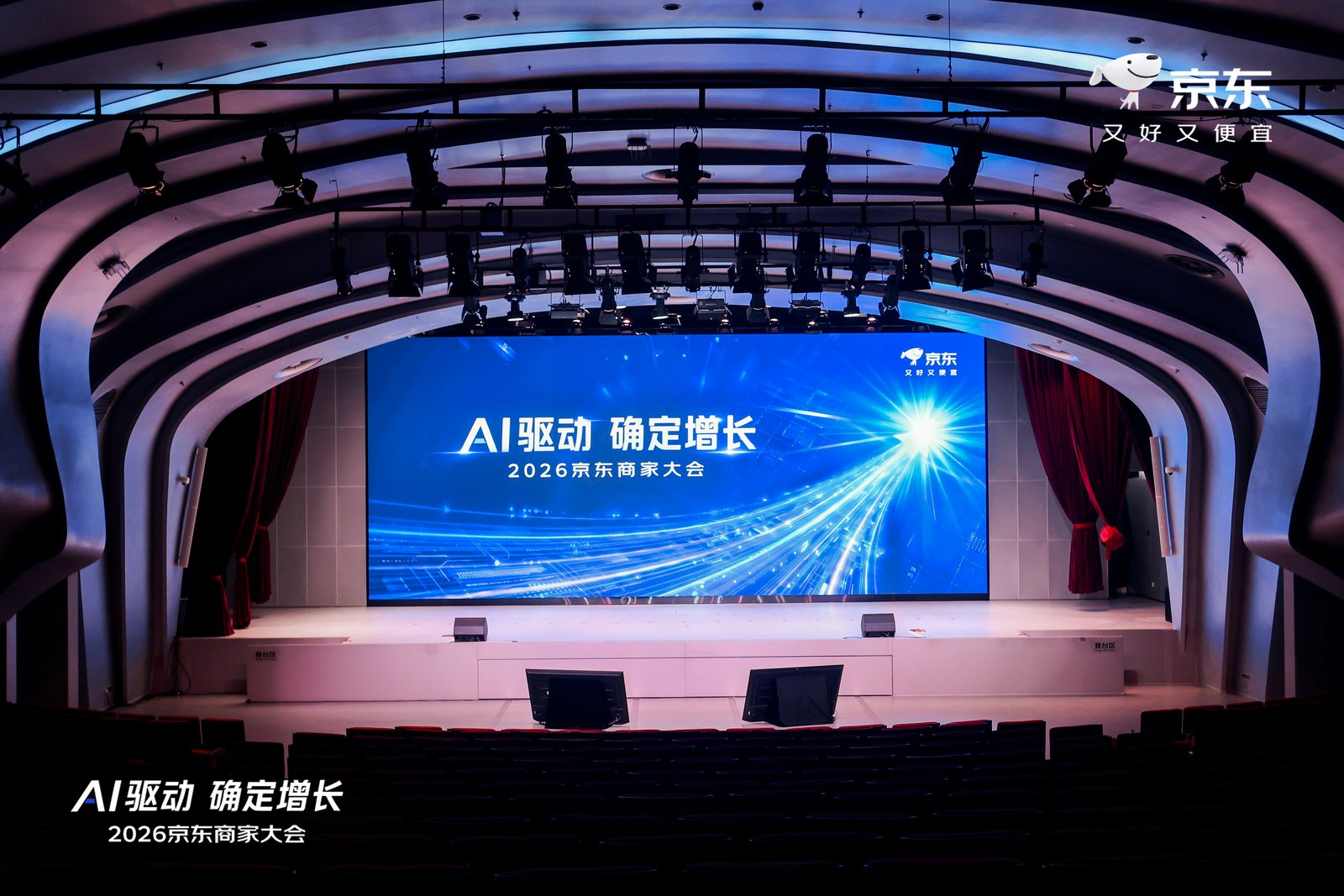
9月22日,以“AI驱动·确定增长”为主题的2026京东商家大会在北京举行,大会聚焦商家核心经营诉求,集中释放多款助力商家经营的AI能力及工具,并发布平台价值主张、自营与POP协同、扶持投入加码、营商环境优化四大升级举措,以供应链与AI两大底座,帮助商家更好地把握机遇、实现确定性增长。

今年以来,京东商家生态持续扩容并愈发繁荣。上半年,京东上销售过亿的商家数量呈同比双位数增长;近一年来,新入驻商家数量同比增长超30%。品类表现上,不仅智能设备、个护电器等带电品类增长韧性突出,而且包括女装、户外服饰、宠物用品等趋势类目也都增长强劲。

京东集团SEC副主席、京东集团CEO许冉表示,推动商家生态繁荣,是京东的核心战略之一 ,京东将持续携手广大行业合作伙伴,创新突破、细化增长,实现长期共赢。在技术引领的消费新浪潮下,零售的本质依然是体验、成本、效率。在即将到来的京东双11,京东将加大投入力度,以更高效实用的AI工具助力商家经营,推动销售额过百万新商家数量同比增长超60%。

AI经营能力加码:让AI从“会做任务”走向“会做生意”

AI浪潮下,商家普遍遇到AI工具难以匹配真实经营场景、经营结果不确定等挑战,如何帮助商家破解经营痛点、找到确定性增长路径,成为摆在行业面前的现实课题。

京东正推动AI从“会做任务”走向“会做生意”。今年以来,京东相继推出并迭代京麦AI经营中心、京东AI购物助手、京ME协同办公系统等一系列智能化产品和工具。

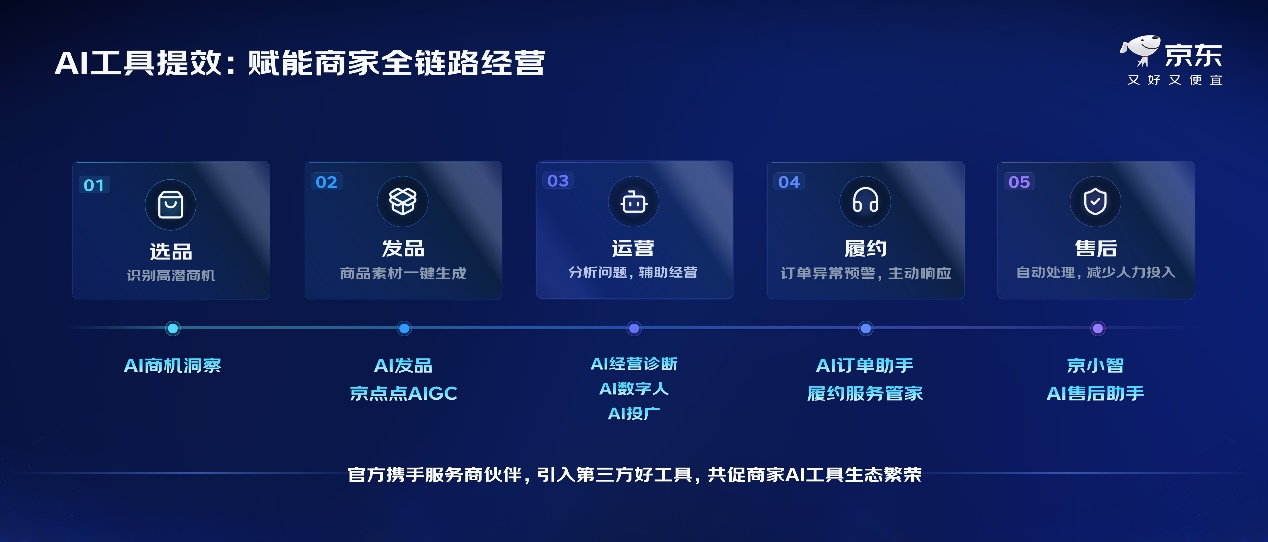
其中,7月上线的京麦AI经营中心将再度迎来重磅升级,面向商家开放数十款核心AI工具,覆盖选品、发品、运营、履约、售后完整经营链路,并通过“京东商家三方好工具招募计划”持续引入优质服务商,为商家提供更多细分场景的个性化工具需求。目前,京麦AI工具已助力80%的新商家大幅提升运营效率,为96%的新商家提供了日常运营支持与经营建议。

此外,京东设计智能体“京点点”能助力商家素材产出成本降低99%,商家综合运营效率提升10倍以上;京东数字人JoyAvatar已累计服务超9万商家,京东618期间,数字人开播时长与成交额均实现同比超4倍增长;京东APP日前也已全新改版,并推出了AI购物助手“东东”;“京东AI付”作为新型支付方式,为商家和终端提供多场景支付支持,让商品推荐与实际交易连接更顺畅;京ME协同办公系统作为京东专门为商家打造的官方办公协同APP,直接打通京东采销、运营、物流、技术支持全链路,进一步提升商家经营效率。

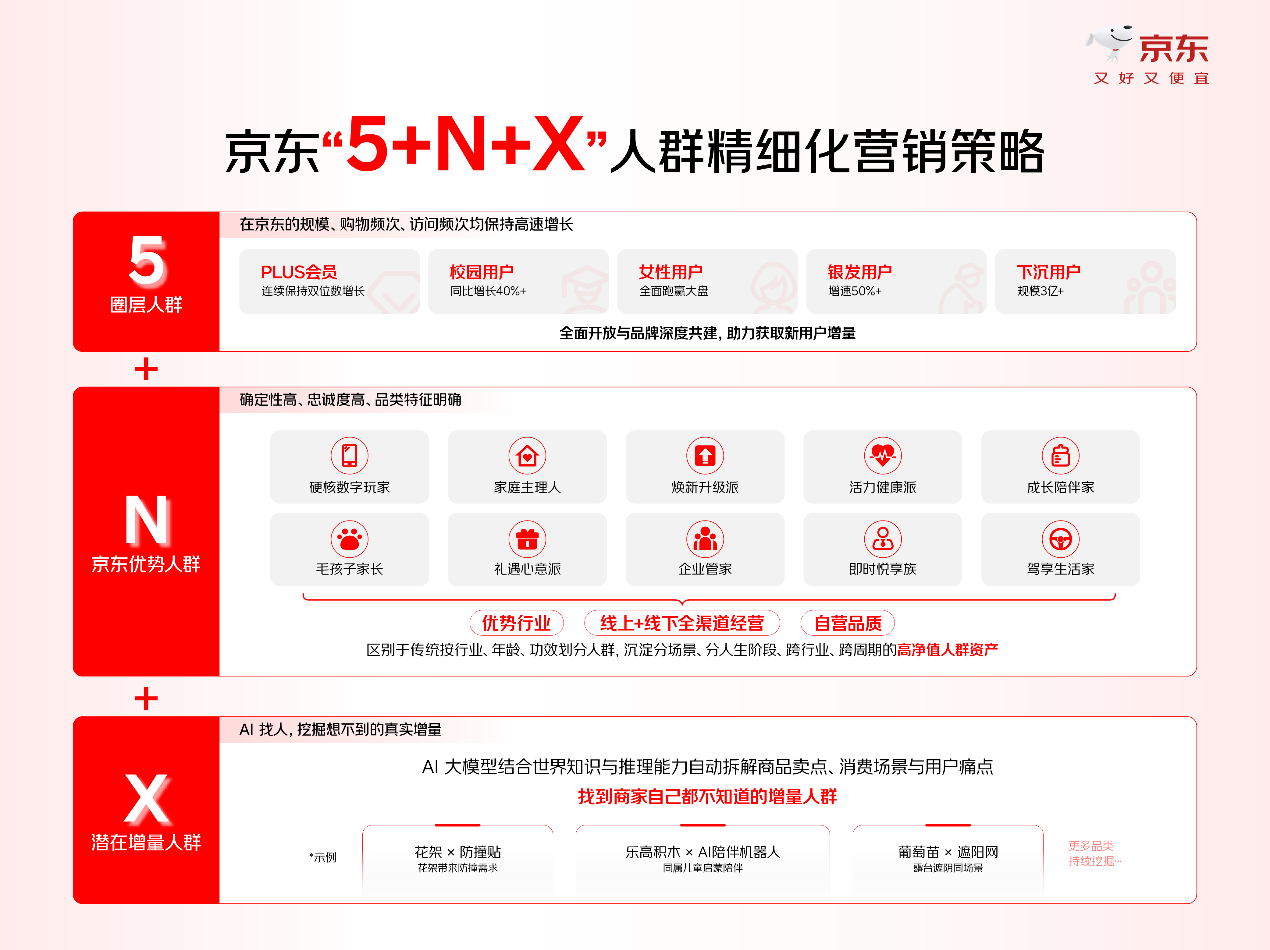
京东还将AI能力延伸至营销服务。今年以来,京东全面升级营销服务体系,依托“5+N+X”人群精细化运营策略,覆盖京东PLUS会员、校园、银发、女性、下沉五类高增长圈层、长期沉淀的优势客群,以及AI大模型可推理发掘、但尚未被精准触达的增量人群,帮助商家细化增长路径;同时,打通从内容种草、热点承接、AI推荐到成交转化的业务闭环,以智能化广告矩阵和全渠道整合营销,帮助商家精准触达目标用户、提升营销效率,最终实现全域生意增长。

四大举措升级,帮助商家全周期成长

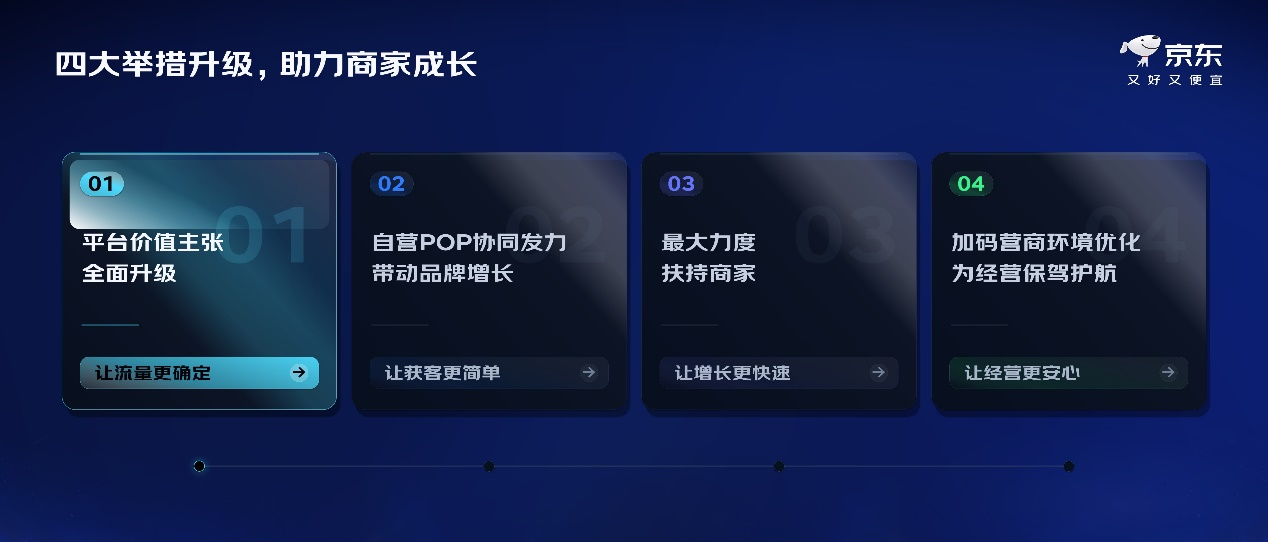
在以AI助力商家经营的同时,京东还公布了四大升级举措,围绕平台价值主张、自营与POP协同、扶持投入加码、营商环境优化,帮助商家“流量更确定、获客更简单、增长更稳健、经营更安心”。

平台价值主张方面,今年,京东对店铺星级模型进行了升级,进一步突出用户复购的价值,并围绕商品、客服、物流、售后四大维度,升级了更符合行业特色的评估体系,让好店铺能够获得更多确定性的流量。

自营与POP协同发力方面,通过推出及升级“品牌1+1+N”流量融合工具,以及引凤计划、京仓京配,平台进一步助力合作伙伴打通自营、POP与秒送流量壁垒,以自营带动POP。目前,已有超8000个品牌完成打通升级,并通过协同发力,实现了店铺生意的整体增长。

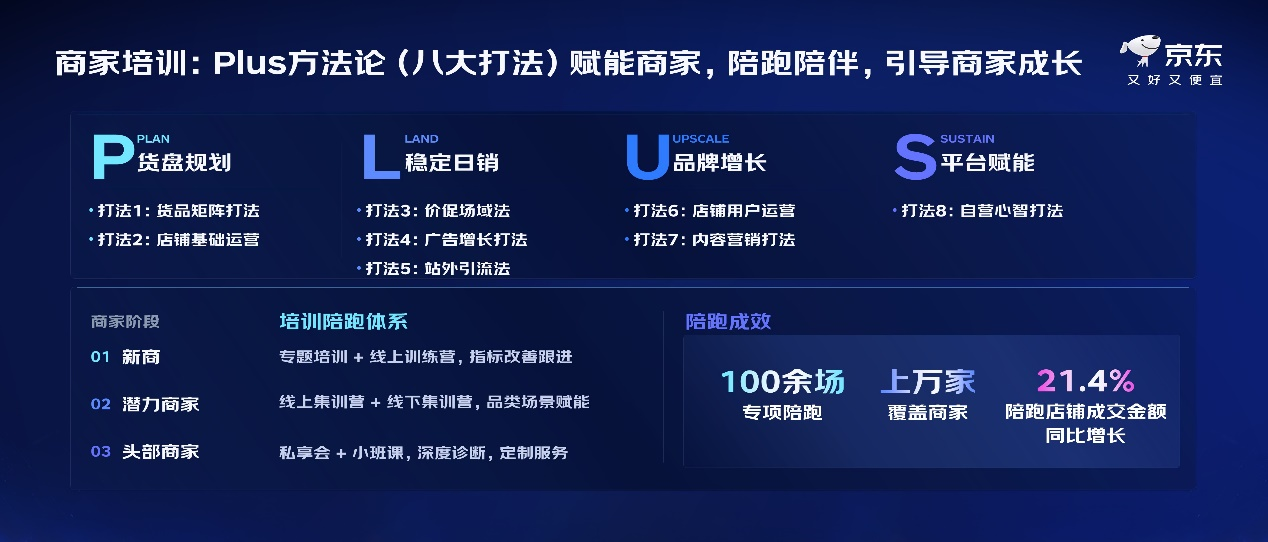
扶持投入加码方面,通过提供商家培训、激励政策,京东全链路助力商家成长。培训方面,京东推出商家成长PLUS方法论,并配套培训课程及陪跑体系。目前京东专项陪跑项目已落地上百场,覆盖上万商家,参与店铺的成交额实现同比双位数增长。激励方面,京东针对不同商家匹配差异化政策。其中,京东“春晓计划”自年初宣布加码350亿专项资源后,目前已累计为新商家节约成本超181亿元。

营商环境优化方面,通过答疑直播、商家联盟峰会等线上线下形式,京东多渠道倾听商家声音,仅上半年就倾听了超208万条商家声音,并带动商家问题投诉量同比下降20%以上。同时,通过推出“恶意下单防控”“恶意退换货防控”“恶意索赔防控”等经营保障工具,为商家挽损近亿元,实现全链路智能防控,并联动多方构建协同共治机制,保障商家安心经营。

本文首发于 亿邦动力 官方网站

文章来源:亿邦动力

广告
微信
朋友圈

FAQ回顾

京东商家大会上的AI工具能帮助商家解决哪些经营问题?

京东推出的AI工具覆盖选品、发品、运营、履约、售后完整经营链路。京麦AI经营中心面向商家开放数十款核心AI工具,已助力80%的新商家大幅提升运营效率,为96%的新商家提供日常运营支持;京东设计智能体“京点点”可降低素材产出成本99%,数字人JoyAvatar累计服务超9万商家,帮助商家提升经营效率和转化效果。

京东双11对商家增长有什么具体目标?

在2026京东商家大会上,京东宣布将在即将到来的双11加大投入力度,以更高效实用的AI工具助力商家经营,推动销售额过百万的新商家数量同比增长超60%。同时通过平台价值主张、自营与POP协同、扶持投入加码、营商环境优化四大举措,帮助商家实现确定性增长。

京东“春晓计划”为商家节省了多少成本?

京东“春晓计划”自年初宣布加码350亿专项资源后,目前已累计为新商家节约成本超181亿元。该计划是京东扶持商家的重要举措之一,通过提供培训、激励政策等全链路支持,帮助新商家降低经营成本、实现快速成长。

京东在优化商家营商环境方面做了哪些工作?

京东通过答疑直播、商家联盟峰会等线上线下形式倾听商家声音,上半年倾听超208万条商家声音,带动商家问题投诉量同比下降20%以上。同时推出“恶意下单防控”“恶意退换货防控”“恶意索赔防控”等经营保障工具,为商家挽损近亿元,实现全链路智能防控。

这么好看,分享一下?

朋友圈 分享

APP内打开

+1
+1
微信好友 朋友圈 新浪微博 QQ空间
关闭
收藏成功
发送
/140 0