广告
加载中

千峰访谈火石创造杨红飞:产业与科创数据集、产业链图谱,构造产业AI可信的模态进化

亿邦动力 2026-11-04 11:00
亿邦动力 2026/11/04 11:00

邦小白快读

EN
全文速览

总:文章核心是火石创造用产业数据、模型、智能体和场景推动产业AI可信落地,并给出可量化效果。

1. 公司2015年成立,定位产业AI可信赋能者,能力分四层:火石星联做数据底座,火石元擎做产业经济大模型,火石启玄做智能体构建运行,火石星览进入工作场景。

2. 火石星览桌面端已上线百个数字专家团,覆盖综合研究、行业研究、企业研究、区域研究、招商、投研和信贷风控,每个专家团有任务边界、分析框架、工具组合和证据标准,成果支持Word、PDF、Excel、PPT。

总:落地案例与成本做法值得关注。

1. 某头部百强区累计形成5000多条落地建议,完成1600多家企业价值研判;研究效率提升10倍以上,报告初稿从数周缩至数小时,人工成本至少降50%;杭州一家头部股份制银行对公信审通过率从40%升至85%。

2. 成本治理靠多模型路由、任务与上下文优化、工具调用编排及本地化部署,产品采用席位订阅,便于预估使用成本。

总:文章对品牌商的价值在于产品定位、可信交付、产品研发与商业化设计。

1. 火石创造把定位讲成产业AI可信赋能者,用数据、模型、智能体、场景协同,强调产业数据、行业方法和可信交付沉淀为可持续迭代的基础设施,并完成生成式人工智能服务备案和深度合成服务算法备案。

2. 产品研发呈递进关系:星联数据底座、元擎产业经济大模型、启玄智能体运行、星览场景产品;百个数字专家团按任务边界、分析框架、工具组合和证据标准设计,交付Word、PDF、Excel、PPT。

总:商业化与客户价值有可借鉴点。

1. 商业模式含产品订阅、机构私有化部署与行业解决方案、与合作伙伴联合运营;桌面端服务专业个人和团队,机构项目满足流程衔接和本地化部署。

2. 案例显示招商、研究、科技金融的价值:5000多条建议、1600多家企业研判、研究效率10倍以上、银行信审通过率40%至85%。品牌可信还体现在数据知识产权、证据留痕、人工审核、版本管理和发布回退。

总:卖家可重点看政策合规、商业模式、机会与风险提示。

1. 政策与合规:火石创造承担国家重大专项金融行业高质量数据集建设,产业经济大模型完成生成式人工智能服务备案和深度合成服务算法备案,已取得百余项数据知识产权登记证书。

2. 最新商业模式:产品订阅、机构私有化部署与行业解决方案、与合作伙伴联合运营;能力按数据、模型、智能体、场景递进,百个数字专家团覆盖研究、招商、投研、信贷风控。

总:机会与风险应对可学习。

1. 机会在产业招商、产业研究、科技金融与信贷风控,B2B服务从提供信息和工具转向协助完成任务;案例有5000多条落地建议、1600多家企业研判、研究效率提升10倍以上、银行信审通过率40%至85%。

2. 风险提示是数据标准不一、更新时效不同、敏感数据流动受限、产业概念和指标口径不统一;应对靠权属授权、数据质量和安全边界清晰,本地化部署、域内处理、安全舱、人工审核、版本管理和发布回退。

总:文章未直接讲工厂生产设计,但工厂可借鉴其产品化、数字化和本地化落地路径。

1. 产品化思路:把过去依赖专家经验、人工检索和项目交付的工作,转为数据与智能体参与的连续流程,把专业能力沉淀为可复制产品;四层能力从数据底座、产业模型、智能体到场景产品递进,不是并列产品线。

2. 数字化启示:围绕产业链、企业、区域建设数据资产和知识图谱,整合自有数据、客户文件及授权第三方数据库到统一入口,按场景调用;百个数字专家团有任务边界、分析框架、工具组合和证据标准,成果支持Word、PDF、Excel、PPT。

总:商业机会与落地保障值得关注。

1. 可关注产业招商、产业研究、投研、科技金融等场景带来的效率与成本变化:研究效率提升10倍以上,报告初稿从数周到数小时,人工成本至少降50%,银行信审通过率从40%到85%。

2. 规模化落地需处理数据标准、更新时效、敏感数据流动和指标口径问题;可采用私有化部署、本地化部署、域内处理、安全舱,并用来源留痕、人工审核、版本管理和发布记录保障可追溯、可回退。

总:服务商可抓行业趋势、新技术、客户痛点与解决方案。

1. 趋势判断:AI与全球化共同驱动产业组织方式和服务模式重构,AI把依赖专家经验、人工检索和项目交付的工作转成数据与智能体参与的连续流程,全球化使产业链协作、技术供给和市场竞争跨区域。

2. 新技术:产业经济垂类模型、智能体运行底座、百个数字专家团、多模型路由、任务与上下文优化、工具调用编排、本地化部署、安全舱;模型已完成生成式人工智能服务备案和深度合成服务算法备案。

总:客户痛点与方案对应明确。

1. 痛点是产业任务关系真实企业、资金和公共资源,不能只看回答流畅;招商难在判断产业链缺什么、哪些企业值得接触、如何转化为谈判落地;研究海量信息梳理慢;金融难识别科技企业创新价值。

2. 方案是用产业图谱、企业信息、招商方法串成流程,以任务边界、分析框架、工具组合和证据标准交付成果;案例显示5000多条建议、1600多家企业研判、研究效率10倍以上、银行信审通过率40%至85%。

总:平台商可关注平台型能力搭建、客户需求、运营管理与风向规避。

1. 客户需求:专业个人和团队需要桌面端服务,机构需要业务流程衔接与本地化部署;数据协同要求权属、授权、数据质量和安全边界清晰。

2. 平台做法:火石创造以星联数据底座、元擎产业经济大模型、启玄智能体运行、星览场景产品形成递进协同;百个数字专家团覆盖研究、招商、投研、信贷风控,按任务边界、分析框架、工具组合和证据标准运行,交付Word、PDF、Excel、PPT。

总:运营与风险控制有具体抓手。

1. 商业模式含产品订阅、私有化部署与行业解决方案、联合运营;成本治理用多模型路由、任务与上下文优化、工具调用编排及本地化部署,席位订阅便于客户预估成本。

2. 招商运营案例有5000多条落地建议、1600多家企业研判;研究效率10倍以上、银行信审通过率40%至85%。风向规避靠备案、数据知识产权、来源与证据留痕、人工审核、版本管理、发布记录和结果可回退,并用本地化部署、域内处理、安全舱处理敏感数据。

总:文章给出产业AI与产业服务的新动向、新问题和商业模式样本。

1. 新动向:AI与全球化驱动产业模态进化,产业服务从交付信息转向辅助完成任务、交付结果;产业智能体推动B2B服务从提供信息和工具转向协助完成任务,专业人员更多时间用于判断、沟通和决策。

2. 新问题:数据标准不一、更新时效不同、敏感数据流动受限、产业概念和指标口径不统一;产业任务关系真实企业、资金和公共资源,智能体必须有证据来源、任务边界和人工复核。

总:政策法规启示与商业模式值得研究。

1. 政策合规:国家重大专项金融行业高质量数据集建设,生成式人工智能服务备案、深度合成服务算法备案,百余项数据知识产权登记;通过权属授权、安全边界、安全舱、人工审核、版本管理和发布回退实现可信。

2. 商业模式:产品订阅、机构私有化部署与行业解决方案、联合运营;垂类模型有长期价值但不等于每家企业从头训练,关键在高质量领域数据、评测体系、产业方法和稳定任务流程;护城河在数据质量与合规、行业理解、场景落地、产品工程和持续服务。

返回默认

声明:快读内容全程由AI生成,请注意甄别信息。如您发现问题,请发送邮件至 run@ebrun.com 。

我是 品牌商 卖家 工厂 服务商 平台商 研究者 帮我再读一遍。

Quick Summary

Overall: The article's core is how Huoshi Chuangzao uses industrial data, models, agents, and scenarios to drive trustworthy implementation of industrial AI, with quantifiable results.

1. Founded in 2015, the company positions itself as a trusted enabler of industrial AI. Its capabilities are layered in four tiers: Huoshi Xinglian as the data foundation, Huoshi Yuanqing as the industrial-economy large model, Huoshi Qixuan for agent construction and operation, and Huoshi Xinglan for work scenarios.

2. The Huoshi Xinglan desktop product has launched 100 digital expert teams covering comprehensive research, industry research, company research, regional research, investment promotion, investment research, and credit risk control. Each expert team has task boundaries, analytical frameworks, tool sets, and evidence standards, and outputs are supported in Word, PDF, Excel, and PPT.

Overall: The implementation cases and cost approach are worth noting.

1. In one leading top-100 district, more than 5,000 implementation recommendations have been generated cumulatively, and value assessments have been completed for more than 1,600 companies; research efficiency has improved by more than 10x, first drafts of reports have been shortened from weeks to hours, and labor costs have fallen by at least 50%; at a leading joint-stock bank in Hangzhou, the corporate credit approval pass rate rose from 40% to 85%.

2. Cost governance relies on multi-model routing, task and context optimization, tool-call orchestration, and localized deployment. The product uses seat-based subscriptions, making usage costs easier to estimate.

Overall: The article's value for brands lies in product positioning, trustworthy delivery, product R&D, and commercialization design.

1. Huoshi Chuangzao frames its positioning as a trusted enabler of industrial AI, coordinating data, models, agents, and scenarios. It emphasizes turning industrial data, industry methods, and trustworthy delivery into infrastructure that can be iterated sustainably, and has completed filing for generative AI services and algorithm filing for deep synthesis services.

2. Product R&D follows a progressive relationship: Xinglian data foundation, Yuanqing industrial-economy large model, Qixuan agent operation, and Xinglan scenario products; the 100 digital expert teams are designed around task boundaries, analytical frameworks, tool sets, and evidence standards, delivering outputs in Word, PDF, Excel, and PPT.

Overall: There are lessons in commercialization and customer value.

1. The business model includes product subscriptions, institutional private deployment and industry solutions, and joint operations with partners; the desktop product serves professional individuals and teams, while institutional projects meet process integration and localized deployment needs.

2. Cases demonstrate value in investment promotion, research, and tech finance: more than 5,000 recommendations, assessments of more than 1,600 companies, more than 10x research efficiency, and a bank credit review pass rate of 40% to 85%. Brand trust is also reflected in data intellectual property, evidence traceability, human review, version management, and release rollback.

Overall: Sellers should focus on policy compliance, the business model, opportunities, and risk disclosures.

1. Policy and compliance: Huoshi Chuangzao is undertaking the construction of high-quality financial-industry datasets under a major national program; its industrial-economy large model has completed filing for generative AI services and algorithm filing for deep synthesis services, and it has obtained more than 100 data intellectual property registration certificates.

2. Latest business model: product subscriptions, institutional private deployment and industry solutions, and joint operations with partners; capabilities progress from data to models, agents, and scenarios, with 100 digital expert teams covering research, investment promotion, investment research, and credit risk control.

Overall: There are lessons in opportunities and risk response.

1. Opportunities lie in industrial investment promotion, industrial research, tech finance, and credit risk control; B2B services are shifting from providing information and tools to helping complete tasks. Cases include more than 5,000 implementation recommendations, assessments of more than 1,600 companies, more than 10x research efficiency improvement, and a bank credit review pass rate of 40% to 85%.

2. Risks include inconsistent data standards, differing update timeliness, restricted flow of sensitive data, and inconsistent industrial concepts and metric definitions; responses rely on ownership authorization, clear data quality and security boundaries, localized deployment, in-domain processing, secure enclaves, human review, version management, and release rollback.

Overall: The article does not directly address factory production design, but factories can learn from its productization, digitalization, and localized implementation path.

1. Productization approach: convert work that previously relied on expert experience, manual search, and project delivery into continuous processes involving data and agents, and turn professional capabilities into replicable products; the four-tier capability progresses from data foundation to industrial models, agents, and scenario products, rather than being parallel product lines.

2. Digitalization implications: build data assets and knowledge graphs around industrial chains, enterprises, and regions; integrate proprietary data, client files, and authorized third-party databases into a unified entry point and invoke them by scenario; the 100 digital expert teams have task boundaries, analytical frameworks, tool sets, and evidence standards, with outputs supported in Word, PDF, Excel, and PPT.

Overall: Business opportunities and implementation safeguards are worth noting.

1. Attention should be paid to efficiency and cost changes in scenarios such as industrial investment promotion, industrial research, investment research, and tech finance: research efficiency improves by more than 10x, first drafts of reports go from weeks to hours, labor costs fall by at least 50%, and bank credit review pass rates rise from 40% to 85%.

2. Scaled implementation requires addressing data standards, update timeliness, sensitive data flows, and metric definitions; private deployment, localized deployment, in-domain processing, and secure enclaves can be used, along with source traceability, human review, version management, and release records to ensure traceability and rollback.

Overall: Service providers can focus on industry trends, new technologies, customer pain points, and solutions.

1. Trend assessment: AI and globalization are jointly driving the restructuring of industrial organization and service models. AI turns work that relied on expert experience, manual search, and project delivery into continuous processes involving data and agents; globalization makes industrial-chain collaboration, technology supply, and market competition cross-regional.

2. New technologies: vertical industrial-economy models, an agent operation foundation, 100 digital expert teams, multi-model routing, task and context optimization, tool-call orchestration, localized deployment, and secure enclaves; the model has completed filing for generative AI services and algorithm filing for deep synthesis services.

Overall: Customer pain points and solutions are clearly mapped.

1. The pain point is that industrial tasks involve real enterprises, capital, and public resources, so fluent answers alone are insufficient. Investment promotion is difficult in judging what the industrial chain lacks, which companies are worth contacting, and how to convert this into negotiations and implementation; research struggles to sort through massive information; finance struggles to identify the innovation value of technology companies.

2. The solution is to connect industrial maps, enterprise information, and investment promotion methods into a process, and deliver results with task boundaries, analytical frameworks, tool sets, and evidence standards; cases show more than 5,000 recommendations, assessments of more than 1,600 companies, more than 10x research efficiency, and a bank credit review pass rate of 40% to 85%.

Overall: Marketplace sellers can focus on building platform-type capabilities, customer needs, operational management, and risk avoidance.

1. Customer needs: professional individuals and teams need desktop services, while institutions need business-process integration and localized deployment; data collaboration requires clear ownership, authorization, data quality, and security boundaries.

2. Platform approach: Huoshi Chuangzao creates progressive coordination through the Xinglian data foundation, Yuanqing industrial-economy large model, Qixuan agent operation, and Xinglan scenario products; 100 digital expert teams cover research, investment promotion, investment research, and credit risk control, operating according to task boundaries, analytical frameworks, tool sets, and evidence standards, and delivering Word, PDF, Excel, and PPT.

Overall: Operations and risk control have concrete levers.

1. The business model includes product subscriptions, private deployment and industry solutions, and joint operations; cost governance uses multi-model routing, task and context optimization, tool-call orchestration, and localized deployment, while seat-based subscriptions make it easier for customers to estimate costs.

2. Investment promotion and operations cases include more than 5,000 implementation recommendations and assessments of more than 1,600 companies; research efficiency is more than 10x, and the bank credit review pass rate is 40% to 85%. Risk avoidance relies on filings, data intellectual property, source and evidence traceability, human review, version management, release records, and rollback of results, as well as localized deployment, in-domain processing, and secure enclaves for sensitive data.

Overall: The article offers new developments, new questions, and business-model samples for industrial AI and industrial services.

1. New developments: AI and globalization are driving the evolution of industrial modalities; industrial services are shifting from delivering information to helping complete tasks and deliver results; industrial agents are pushing B2B services from providing information and tools to helping complete tasks, leaving professionals with more time for judgment, communication, and decision-making.

2. New questions: inconsistent data standards, differing update timeliness, restricted flow of sensitive data, and inconsistent industrial concepts and metric definitions; industrial tasks involve real enterprises, capital, and public resources, so agents must have evidence sources, task boundaries, and human review.

Overall: Policy and regulatory implications and business models are worth studying.

1. Policy compliance: high-quality financial-industry dataset construction under a major national program, filing for generative AI services, algorithm filing for deep synthesis services, and more than 100 data intellectual property registrations; trust is achieved through ownership authorization, security boundaries, secure enclaves, human review, version management, and release rollback.

2. Business model: product subscriptions, institutional private deployment and industry solutions, and joint operations; vertical models have long-term value, but this does not mean every company should train from scratch. The key lies in high-quality domain data, evaluation systems, industry methods, and stable task processes; the moat lies in data quality and compliance, industry understanding, scenario implementation, product engineering, and continuous service.

Disclaimer: The "Quick Summary" content is entirely generated by AI. Please exercise discretion when interpreting the information. For issues or corrections, please email run@ebrun.com .

I am a Brand Seller Factory Service Provider Marketplace Seller Researcher Read it again.

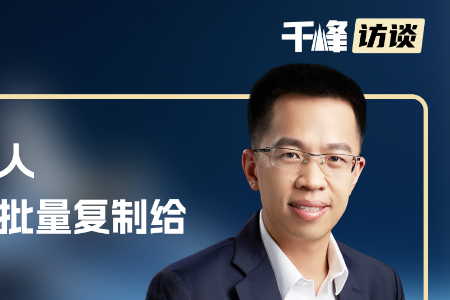
【亿邦原创】杨红飞,火石创造CEO。火石创造成立于2015年,定位为“产业AI可信赋能者”,能力可概括为“数据、模型、智能体、场景”协同,拥有涵盖产业、科创等高质量数据集和500多个产业链图谱,承担国家重大专项“金融行业高质量数据集”建设,产业经济大模型已完成生成式人工智能服务备案和深度合成服务算法备案。本届千峰奖访谈中,杨红飞围绕AI与全球化驱动的产业模态进化,分享了火石创造在产业数据、产业AI及可信落地方向的实践与判断。

亿邦:本届千峰奖以「AI与出海带来的模态进化」为核心主题,聚焦产业能力的深层重构。结合产业数据与产业决策服务,您如何理解这一轮由AI和全球化共同驱动的产业模态进化?火石创造在AI能力建设与全球化出海上有哪些核心战略布局?能否具体介绍一下公司的定位及业务模式?

杨红飞:我们把这一轮变化理解为产业组织方式和服务模式的重构。AI正在推动过去依赖专家经验、人工检索和项目交付的工作,转变为数据与智能体参与的连续流程;全球化则使产业链协作、技术供给和市场竞争进一步跨区域。对产业服务企业而言,核心机会在于把专业能力沉淀为可复制的产品,并适配不同地区、行业和数据规则。

火石创造成立于2015年,十一年来持续围绕产业数据与产业决策打造产品和服务。我们的定位是“产业AI可信赋能者”:将产业数据、产业认知与智能体结合,推动产业研究、投资研判、产业招商、科技金融等工作逐步从依赖个人经验,转向有数据依据、可追溯、可复用的工作流程。

公司的能力可以概括为“数据、模型、智能体、场景”协同:火石星联提供产业数据底座,火石元擎提供产业经济大模型及产业认知能力,火石启玄承载智能体的构建与运行,再通过火石星览产业智能体等产品进入具体工作场景。商业模式包括产品订阅、面向机构的私有化部署与行业解决方案,以及与合作伙伴联合运营。桌面端服务专业个人和团队,机构项目则满足业务流程衔接与本地化部署等需求。

我们对公司的长期判断是:产业AI的价值不止于将通用模型接入业务,更在于把多年积累的产业数据、行业方法和可信交付能力沉淀为可持续迭代的基础设施。技术发展必须与长期产业价值、合规治理和商业可持续性同步。AI带来的不只是工具升级,也推动产业服务从“交付信息”转向“辅助完成任务、交付结果”。

亿邦:您提到火石创造的能力是“数据、模型、智能体、场景”协同。火石星联、火石元擎、火石启玄、火石星览分别承担什么角色?这四层是怎么协同的?

杨红飞:火石星联提供产业数据底座,火石元擎提供产业经济大模型及产业认知能力,火石启玄承载智能体的构建与运行,火石星览等产品进入具体工作场景。四层不是并列的产品线,而是从数据到模型、从智能体到场景的递进关系:数据底座提供素材,产业模型提供认知能力,智能体承载任务执行,场景产品把能力交付给客户。商业模式包括产品订阅、面向机构的私有化部署与行业解决方案,以及与合作伙伴联合运营。

亿邦:目前贵公司在哪些核心业务环节落地了AI/大模型技术?形成了怎样独具特色的AI或数智化竞争力体系?

杨红飞:第一是产业研究与投研,围绕政策、产业链和企业等层次组织证据,辅助完成分析与报告。第二是产业招商,围绕“招什么、往哪招、值不值、怎么招”,将产业图谱、招商线索和企业研判串联成完整工作流程。第三是科技金融与信贷风控,将企业技术、专利、研发和产业位置等信息纳入评价,帮助金融机构识别科技企业的创新价值。

火石星览产业智能体桌面端已上线百个数字专家团,覆盖综合研究、行业研究、企业研究、区域研究、招商、投研和信贷风控等任务。每个专家团都设有相应的任务边界、分析框架、工具组合和证据标准。产品不止生成文字,还围绕专业任务组织数据与分析步骤,并交付成果,支持Word、PDF、Excel、PPT等格式。

我们的差异化来自产业数据、模型与场景工程的结合:公司拥有千亿条产业数据资产和500多个产业链图谱,承担国家重大专项“金融行业高质量数据集”建设,并持续投入产业经济垂类模型与智能体运行底座。产业经济垂类模型已完成生成式人工智能服务备案和深度合成服务算法备案,为可信应用提供支撑。

亿邦:您提到火石星览上线了百个数字专家团,每个专家团都设有任务边界、分析框架、工具组合和证据标准。为什么产业智能体需要“专家团”而不是一个通用助手?任务边界和证据标准具体怎么落地?

杨红飞:产业任务关系到真实企业、资金和公共资源,不能只以回答是否流畅作为标准。百个数字专家团分别覆盖综合研究、行业研究、企业研究、区域研究、招商、投研和信贷风控等任务,每个专家团都有明确的任务边界、分析框架、工具组合和证据标准。产品不止生成文字,还围绕专业任务组织数据与分析步骤,并交付成果,支持Word、PDF、Excel、PPT等格式。这样做的目的,是让智能体的输出有据可查、过程可追溯,而不是一个什么都答、但什么都不负责的通用助手。

亿邦:能否分享一个最具代表性的“AI+价值链”创新实践案例?它解决了哪些行业共性痛点,创造了哪些可感知、可量化的价值?

杨红飞:以产业招商为例,很多地方并不缺政策和企业名单,真正的难点是判断产业链缺什么、哪些企业值得接触,以及如何把研判转化为谈判和落地行动。火石星览将产业图谱、企业信息和招商方法纳入同一流程,并尽可能为推荐结果提供依据,帮助招商团队从广泛搜集转向更有针对性的研判。某头部百强区应用相关能力后,累计形成5000多条落地建议,完成1600多家企业价值研判。

在产业研究场景,海量信息梳理效率提升10倍以上,研究报告初稿生成时间从数周缩短至数小时,相关人工成本至少下降50%。在科技金融场景,杭州一家头部股份制银行应用相关能力后,对公信审通过率从40%提升至85%。

亿邦:您提到成本治理主要依靠多模型路由、任务与上下文优化、工具调用编排及本地化部署等方式。这些措施具体怎么控制成本?产品采用席位订阅模式,对客户预估使用成本有什么帮助?

杨红飞:成本治理主要依靠多模型路由、任务与上下文优化、工具调用编排及本地化部署等方式。产品采用席位订阅等模式,也让专业用户更容易预估使用成本。

亿邦:在推进AI规模化落地过程中,数据要素扮演了怎样的支撑角色?火石创造更侧重自有产业数据深耕,还是推进跨主体、跨行业的数据协同?核心挑战是什么、如何应对?

杨红飞:数据是产业AI落地的基础。通用模型能够提供通用推理能力,但产业任务还需要及时、结构化、可验证的数据,以及与行业一致的指标定义。火石创造围绕“产业链—企业—区域”建设产业数据资产和知识图谱,并将火石自有产业数据、客户文件及经授权接入的第三方数据库整合到统一工作入口,支持按场景调用。

目前,公司产业数据资产规模达千亿条,产业链图谱引擎已覆盖九大战新、六大未来、41个门类,以及从全国到各省市区县主导产业。相关数据经过专业治理、标注和结构化加工,公司已取得百余项数据知识产权登记证书。数据、模型与智能体之间形成反馈闭环:在符合合规要求的前提下,任务结果回流并用于完善知识库、专家框架和后续版本;报告结论则尽可能追溯至数据来源。

我们并非在“深耕自有数据”和“推动跨主体协同”之间二选一。公域产业数据构成垂类产业AI的底座,客户自有数据和授权数据则补充具体业务上下文;协同的前提是权属、授权、数据质量和安全边界清晰。实际挑战包括数据标准不一、更新时效不同、敏感数据流动受限,以及产业概念和指标口径不统一。对此,我们通过数据来源与证据留痕、人工审核、版本管理和发布记录,确保图谱结论有据可查、修改过程可追溯、发布结果可回退;同时根据实际需求采用本地化部署、域内处理等方式,在明确的授权与安全边界内使用数据,并探索安全舱等受控协同机制。

亿邦:您怎么看产业智能体改写B2B?垂类大模型是否有长远发展必要?产业智能体公司的AI护城河在何处?

杨红飞:产业智能体将推动B2B服务从“提供信息和工具”转向“协助完成任务”。它能串联检索、分析、研判和报告等环节,让专业人员把更多时间用于判断、沟通和决策。但产业任务关系到真实企业、资金和公共资源,智能体必须具备清晰的证据来源与任务边界,并保留人工复核机制,不能只以回答是否流畅作为标准。

垂类模型有长期价值,但这不意味着每家企业都需要从头训练大模型。关键在于是否具备高质量领域数据、有效的评测体系、产业方法和稳定的任务流程。火石创造通过通用基座、产业模型、知识库、工具和专家智能体协同,让模型能力更好地适配产业任务。

产业智能体公司的护城河,最终体现在数据质量与合规能力、行业理解、场景落地能力、产品工程和持续服务上。产业服务需要沉淀为可复用的能力,而不是停留在一次性项目经验。我们希望把十一年的积累转化为可信、可验证、可迭代的产品,让产业决策更有依据,让科技企业的创新价值更容易被识别,也让产业资源配置更加精准。

作为TO B领域年度风向标,“2026第八届亿邦产业互联网年会暨首届产业智能体大会”将于2026年11月20日在北京召开。主题定为“AI与出海带来的模态进化”,聚焦产业智能体落地、AI供应链价值重构、数据要素与TOKEN经济、产业出海新生态等前沿议题深度思辨。大会将集结学界权威、央国企标杆、产业龙头、投资机构、服务生态伙伴,汇聚产业核心力量、拆解产业数智化转型路径、分享前沿实战经验。同期还将发布年度产业互联网报告及标杆案例,举办决策人闭门会、“千峰奖”颁奖盛典。

本文首发于 亿邦动力 官方网站

文章来源:亿邦动力

广告
微信
朋友圈

FAQ回顾

火石创造是什么公司?

火石创造成立于2015年,定位为“产业AI可信赋能者”,能力可概括为“数据、模型、智能体、场景”协同。公司通过火石星联提供产业数据底座,火石元擎提供产业经济大模型,火石启玄承载智能体构建与运行,火石星览进入具体工作场景;商业模式包括产品订阅、机构私有化部署与行业解决方案、与合作伙伴联合运营。

产业AI为什么需要高质量产业数据集和产业链图谱?

通用模型能提供通用推理能力,但产业任务还需要及时、结构化、可验证的数据,以及与行业一致的指标定义。火石创造围绕“产业链—企业—区域”建设产业数据资产和知识图谱,拥有千亿条产业数据和500多个产业链图谱,覆盖九大战新、六大未来、41个门类及全国到各省市区县主导产业,数据经过专业治理、标注和结构化加工,支持按场景调用。

产业智能体在产业招商场景能解决哪些问题?

产业招商的真正难点是判断产业链缺什么、哪些企业值得接触,以及如何把研判转化为谈判和落地行动。火石星览将产业图谱、企业信息和招商方法纳入同一流程,并尽可能为推荐结果提供依据,帮助招商团队从广泛搜集转向更有针对性的研判。某头部百强区应用后,累计形成5000多条落地建议,完成1600多家企业价值研判。

产业智能体为什么需要数字专家团而不是通用助手?

产业任务关系到真实企业、资金和公共资源,不能只以回答是否流畅作为标准。火石星览百个数字专家团覆盖综合研究、行业研究、企业研究、区域研究、招商、投研和信贷风控等任务,每个专家团都有明确的任务边界、分析框架、工具组合和证据标准。产品围绕专业任务组织数据与分析步骤,交付成果支持Word、PDF、Excel、PPT等格式,使输出有据可查、过程可追溯。

火石创造的产业AI在科技金融场景有什么价值?

科技金融与信贷风控可将企业技术、专利、研发和产业位置等信息纳入评价,帮助金融机构识别科技企业的创新价值。杭州一家头部股份制银行应用相关能力后,对公信审通过率从40%提升至85%。火石创造承担国家重大专项“金融行业高质量数据集”建设,产业经济大模型已完成生成式人工智能服务备案和深度合成服务算法备案,为可信应用提供支撑。

这么好看,分享一下?

朋友圈 分享

APP内打开

赞 +1
+1
微信好友 朋友圈 新浪微博 QQ空间
关闭
收藏成功
发送
/140 0