广告
加载中

从坦桑尼亚到北京:一把人体工学椅的可持续发展路径

龚作仁 2026-10-23 17:01
龚作仁 2026/10/23 17:01

邦小白快读

EN
全文速览

总:西昊人体工学椅的全球化路径与公益实践,是普通人能够看懂的商业与公益样本。

1. 从坦桑尼亚到北京:西昊去年向坦桑尼亚桑给巴尔岛多所学校捐赠数百把人体工学椅,总价值超过10万美元,并成为联合国教科文组织办公椅供应商。今年又作为活动支持伙伴参与联合国日庆祝活动。

2. 产品普惠逻辑:西昊从深圳出发,通过深度研发和供应链整合,把人体工学技术做成普惠产品,先服务国内市场,再带着成熟经验走向全球,目前已远销122个国家和地区。

3. 长期目标:推动工学椅从户均一张走向人均两张,让工学椅从小众变成标配,进入更多家庭与办公场景。

4. 合作启示:企业输出技术与产品,国际组织搭建平台,当地需求得到具体回应,这种“小而美”的合作结构可复制,说明公益不一定要宏大,关键在具体回应需求。

总:西昊以联合国日和多边合作场景为品牌背书,完成了一次高势能的品牌价值输出。

1. 品牌定位:西昊把“健康、舒适”的底层逻辑与联合国良好健康、体面工作、可持续城市与伙伴关系等目标对应,强化了人体工学椅的健康科技品牌形象。

2. 品牌营销:以联合国日庆祝活动为舞台,企业与联合国驻华协调员交流,人体工学椅成为议题交流媒介,形成权威场景下的品牌曝光与信任背书。

3. 品牌渠道与全球化:先服务国内市场,再带着成熟经验走向全球,产品远销122个国家和地区,依托中国制造影响力逐步缩小与国际头部品牌差距。

4. 产品与消费趋势:长期目标是推动工学椅从户均一张走向人均两张,从小众变成标配,切入家庭与办公两大场景,体现对健康办公消费趋势的判断。

5. 用户行为:围绕教师坐得住的日常支撑,突出体面工作与健康尊严,为品牌赋予情感价值。

总:西昊案例给卖家提供了政策与议程红利、市场增长和合作方式三方面的可学习点。

1. 政策与议程解读:联合国可持续发展目标中的良好健康、体面工作、可持续城市与伙伴关系,与人体工学椅品类高度契合,卖家可借势健康办公和体面工作叙事。

2. 增长市场:西昊产品已远销122个国家和地区,长期目标是从户均一张走向人均两张,说明家庭与办公场景仍有渗透空间。

3. 合作方式:企业输出技术与产品,国际组织搭建平台,当地需求得到具体回应,卖家可学习这种多方共建、小而美的合作结构。

4. 正面机会:成为联合国教科文组织办公椅供应商,说明进入国际组织采购体系是可信背书,有助于打开机构客户市场。

5. 风险提示:案例强调长期投入与可持续改善,卖家不宜把公益合作当作短期营销噱头,需有真实产品与技术支撑。

总:西昊的案例为工厂展示了产品设计需求、商业机会和数字化供应链整合的启示。

1. 产品生产和设计需求:人体工学椅围绕健康、舒适和体面工作设计,强调坐感与工学,教师日常支撑成为具体设计场景,说明产品设计要回到具体使用者的腰背需求。

2. 商业机会:西昊向坦桑尼亚捐赠数百把人体工学椅,总价值超过10万美元,并成为联合国教科文组织办公椅供应商,显示国际组织采购和机构订单是可拓展的商业机会。

3. 推进数字化和电商的启示:企业通过深度研发和供应链整合把人体工学技术做成普惠产品,先服务国内再走向全球,说明工厂需要以研发和供应链效率支撑规模化与出海。

4. 全球化路径:产品远销122个国家和地区,依托中国制造影响力缩小与国际头部品牌差距,工厂可思考从代工能力转向自有产品与全球渠道。

总:文章为服务商揭示了健康办公行业趋势、客户痛点和可复制的解决方案。

1. 行业发展趋势:人体工学椅从小众走向标配,长期目标是户均一张走向人均两张,家庭与办公场景需求持续扩展,健康、舒适成为底层逻辑。

2. 客户痛点:坦桑尼亚当地幼儿园至中学阶段科学教师缺口达816名,教学质量提升受制约,改善教师工作条件对保留优秀师资、提升教学质量具有重要意义。

3. 解决方案:企业输出技术与产品,国际组织搭建平台,当地需求得到具体回应,教育环境获得可持续改善,形成可复制的合作结构。

4. 新技术与能力:西昊通过深度研发和供应链整合把人体工学技术做成普惠产品,服务商可关注研发、供应链与国际组织采购对接等能力建设。

5. 客户价值:一把椅子连接健康、尊严与效率,服务商可围绕体面工作、健康办公提供整体场景方案。

总:文章为平台商提供了商业对平台的需求、平台合作做法和运营风向的参考。

1. 商业对平台的需求:西昊需要权威场景背书、国际组织采购渠道和全球化通路,产品已远销122个国家和地区,平台可承接健康办公品类的出海与机构采购需求。

2. 平台的最新做法:联合国教科文组织搭建平台,企业输出技术与产品,当地需求得到具体回应,这种多边合作结构对平台招商和资源对接有借鉴意义。

3. 平台招商:西昊成为联合国教科文组织办公椅供应商,说明机构采购体系可成为平台招商与供应链合作的入口。

4. 运营管理:企业以深度研发和供应链整合做普惠产品,先服务国内再走向全球,平台可围绕健康办公场景做品类运营和标准建设。

5. 风向规避:公益合作需有真实产品与技术支撑,避免把可持续发展议题做成短期营销,平台应关注合作结构的可复制性与长期性。

总:文章呈现了企业参与多边议题的产业新动向、合作结构与政策启示。

1. 产业新动向:人体工学椅从户均一张走向人均两张,从小众变成标配,中国制造以技术为桥、以人为尺度参与全球健康办公市场。

2. 新问题:全球教师工作环境改善需求具体,坦桑尼亚幼儿园至中学阶段科学教师缺口达816名,如何以产品化方案回应教育公平值得研究。

3. 商业模式:企业输出技术与产品,国际组织搭建平台,当地需求得到具体回应,形成“小而美”且可复制的合作结构,是南南合作的样本。

4. 政策法规建议和启示:企业实践可与联合国良好健康、体面工作、可持续城市与伙伴关系等目标对接,为多边合作框架下的企业参与提供启示。

5. 代表案例:西昊向坦桑尼亚捐赠数百把人体工学椅,总价值超过10万美元,并成为联合国教科文组织办公椅供应商,产品远销122个国家和地区,可作为研究企业国际化与可持续发展结合的案例。

返回默认
声明:快读内容全程由AI生成,请注意甄别信息。如您发现问题,请发送邮件至 run@ebrun.com 。

我是 品牌商 卖家 工厂 服务商 平台商 研究者 帮我再读一遍。

Quick Summary

Summary: Sihoo's ergonomic chair globalization path and public-interest practice offer a business and social-impact case that ordinary readers can understand.

1. From Tanzania to Beijing: Last year, Sihoo donated hundreds of ergonomic chairs to multiple schools on Zanzibar Island, Tanzania, with a total value of more than $100,000, and became an office chair supplier to UNESCO. This year it also participated in UN Day celebrations as an event support partner.

2. Inclusive-product logic: Starting from Shenzhen, Sihoo used deep R&D and supply chain integration to turn ergonomic technology into affordable, broadly accessible products. It first served the domestic market, then took mature experience global; its products now sell in 122 countries and regions.

3. Long-term goal: To move ergonomic chairs from one per household to two per person, making them a standard rather than a niche product and extending them into more homes and office settings.

4. Collaboration takeaway: Companies contribute technology and products, international organizations provide platforms, and local needs receive concrete responses. This 'small but beautiful' collaboration structure is replicable, showing that public-interest work need not be grandiose; the key is responding to specific needs.

Summary: Sihoo used UN Day and multilateral cooperation settings as brand endorsement to deliver a high-impact expression of brand value.

1. Brand positioning: Sihoo aligned the core logic of 'health and comfort' with UN goals including good health, decent work, sustainable cities, and partnerships, reinforcing its image as a health-tech ergonomic chair brand.

2. Brand marketing: Using UN Day celebrations as a stage, the company engaged with the UN Resident Coordinator in China, and ergonomic chairs became a medium for discussing the issues, generating brand exposure and trust endorsement in an authoritative setting.

3. Brand channels and globalization: Sihoo first served the domestic market, then took mature experience global. Its products sell in 122 countries and regions, and it is gradually narrowing the gap with leading international brands by leveraging the influence of Chinese manufacturing.

4. Products and consumer trends: Its long-term goal is to move ergonomic chairs from one per household to two per person, making them a standard rather than a niche product and targeting both home and office scenarios, reflecting its judgment on healthy-office consumption trends.

5. User behavior: By focusing on the daily support that helps teachers sit comfortably, it highlights decent work and health dignity, giving the brand emotional value.

Summary: The Sihoo case offers sellers lessons in three areas: policy and agenda tailwinds, market growth, and collaboration models.

1. Policy and agenda interpretation: The UN Sustainable Development Goals—good health, decent work, sustainable cities, and partnerships—align closely with the ergonomic chair category, so sellers can leverage healthy-office and decent-work narratives.

2. Growth markets: Sihoo's products already sell in 122 countries and regions, and its long-term goal is to move from one chair per household to two per person, indicating further penetration potential in home and office scenarios.

3. Collaboration model: Companies contribute technology and products, international organizations provide platforms, and local needs receive concrete responses. Sellers can learn from this multi-stakeholder, 'small but beautiful' collaboration structure.

4. Positive opportunity: Becoming an office chair supplier to UNESCO shows that entering the procurement systems of international organizations provides credible endorsement and can help open institutional-client markets.

5. Risk note: The case emphasizes long-term commitment and sustainable improvement. Sellers should not treat public-interest collaboration as a short-term marketing gimmick; it needs real product and technology support.

Summary: The Sihoo case shows factories the product-design requirements, commercial opportunities, and lessons of digitalized supply-chain integration.

1. Product manufacturing and design needs: Ergonomic chairs are designed around health, comfort, and decent work, with emphasis on seating feel and ergonomics. Supporting teachers in their daily work becomes a concrete design scenario, showing that product design must return to the specific lower-back and back-support needs of users.

2. Commercial opportunities: Sihoo donated hundreds of ergonomic chairs to Tanzania, with a total value of more than $100,000, and became an office chair supplier to UNESCO, indicating that procurement by international organizations and institutional orders are expandable commercial opportunities.

3. Lessons for advancing digitalization and e-commerce: Through deep R&D and supply-chain integration, the company turned ergonomic technology into inclusive products, first serving the domestic market and then going global. This shows that factories need R&D and supply-chain efficiency to support scale and overseas expansion.

4. Globalization path: Its products sell in 122 countries and regions, and it is narrowing the gap with leading international brands by leveraging the influence of Chinese manufacturing. Factories can consider shifting from OEM capabilities to proprietary products and global channels.

Summary: The article reveals to service providers the healthy-office industry trend, customer pain points, and replicable solutions.

1. Industry trend: Ergonomic chairs are moving from niche to standard, with a long-term goal of going from one per household to two per person. Demand continues to expand in home and office scenarios, with health and comfort as the underlying logic.

2. Customer pain points: In Tanzania, there is a shortage of 816 science teachers from kindergarten through secondary school, constraining improvements in teaching quality. Improving teachers' working conditions is significant for retaining excellent teachers and raising teaching quality.

3. Solution: Companies contribute technology and products, international organizations provide platforms, and local needs receive concrete responses, enabling sustainable improvement in educational environments and forming a replicable collaboration structure.

4. New technologies and capabilities: Sihoo uses deep R&D and supply-chain integration to make ergonomic technology inclusive. Service providers can focus on capability building in R&D, supply chains, and procurement coordination with international organizations.

5. Customer value: A chair connects health, dignity, and efficiency. Service providers can offer integrated scenario solutions around decent work and healthy offices.

Summary: The article offers marketplace platforms reference points on business demand for platforms, platform collaboration practices, and operational trends.

1. Business demand for platforms: Sihoo needs authoritative-scenario endorsement, procurement channels with international organizations, and global market access. Its products already sell in 122 countries and regions, and platforms can capture overseas expansion and institutional procurement demand in the healthy-office category.

2. Latest platform practices: UNESCO provides a platform, companies contribute technology and products, and local needs receive concrete responses. This multilateral collaboration structure offers lessons for platforms in merchant recruitment and resource matching.

3. Platform merchant recruitment: Sihoo becoming an office chair supplier to UNESCO shows that institutional procurement systems can serve as an entry point for platform recruitment and supply-chain cooperation.

4. Operations management: The company uses deep R&D and supply-chain integration to make inclusive products, first serving the domestic market and then going global. Platforms can conduct category operations and standards development around healthy-office scenarios.

5. Trend risk avoidance: Public-interest collaboration needs real product and technology support, and sustainability issues should not be turned into short-term marketing. Platforms should focus on the replicability and long-term nature of collaboration structures.

Summary: The article presents new industry dynamics, collaboration structures, and policy implications of corporate participation in multilateral issues.

1. New industry dynamics: Ergonomic chairs are moving from one per household to two per person, from niche to standard. Chinese manufacturing is participating in the global healthy-office market with technology as a bridge and people as the measure.

2. New questions: Global demand for improving teachers' working environments is concrete. Tanzania faces a shortage of 816 science teachers from kindergarten through secondary school, and how to respond to educational equity through productized solutions merits research.

3. Business model: Companies contribute technology and products, international organizations provide platforms, and local needs receive concrete responses, forming a 'small but beautiful' and replicable collaboration structure—a sample of South-South cooperation.

4. Policy and regulatory suggestions and implications: Corporate practices can align with UN goals such as good health, decent work, sustainable cities, and partnerships, offering implications for corporate participation under multilateral cooperation frameworks.

5. Representative case: Sihoo donated hundreds of ergonomic chairs to Tanzania, with a total value of more than $100,000, became an office chair supplier to UNESCO, and sells products in 122 countries and regions. It can serve as a case for studying the integration of corporate internationalization and sustainable development.

Disclaimer: The "Quick Summary" content is entirely generated by AI. Please exercise discretion when interpreting the information. For issues or corrections, please email run@ebrun.com .

I am a Brand Seller Factory Service Provider Marketplace Seller Researcher Read it again.

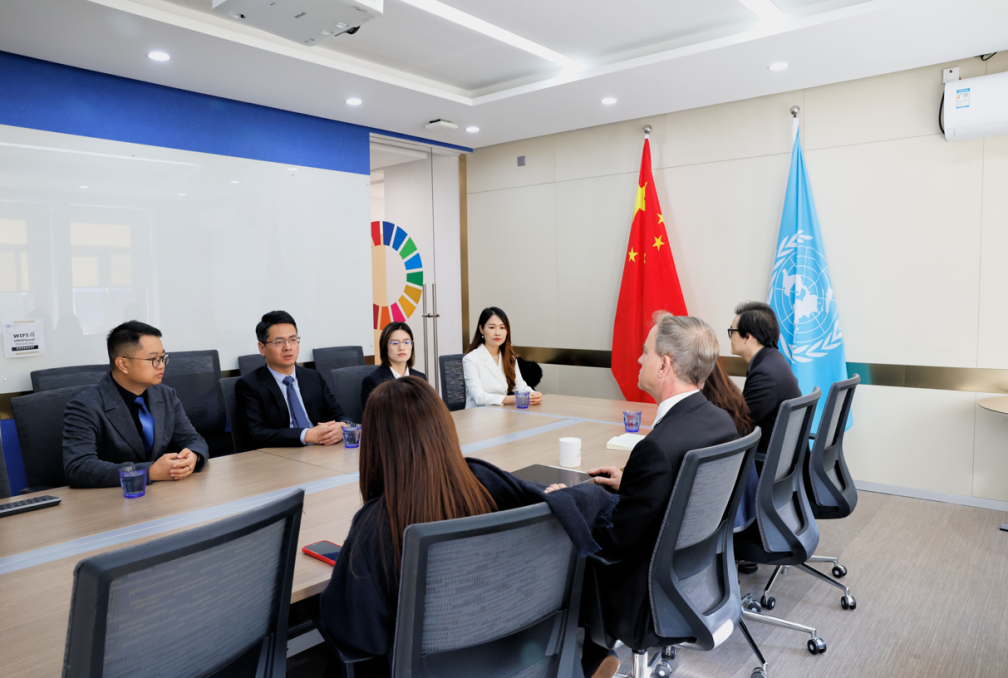
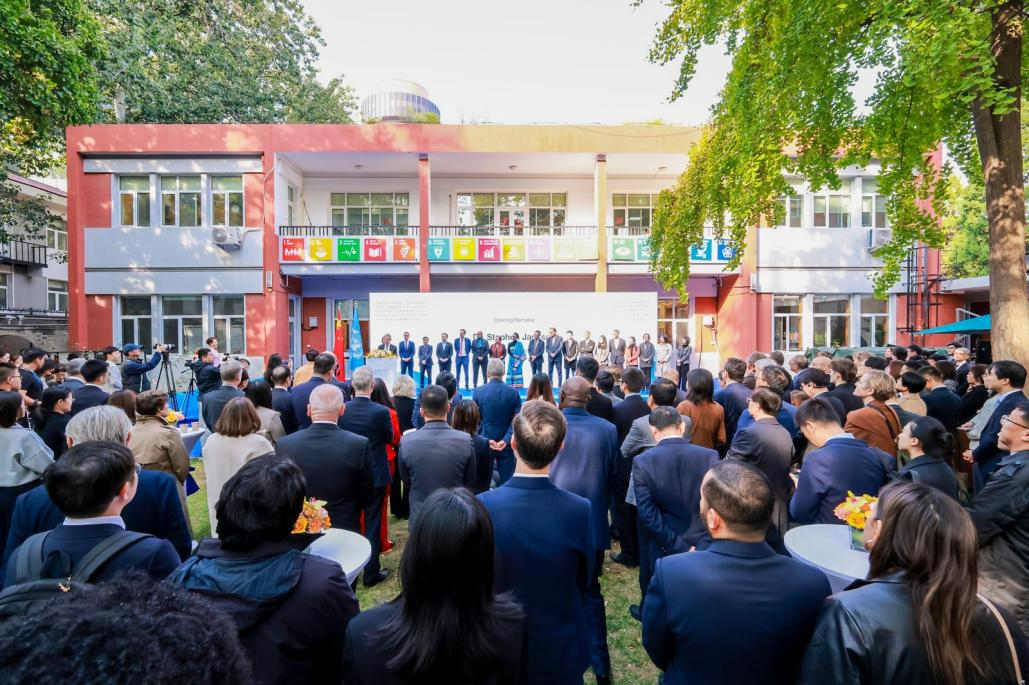
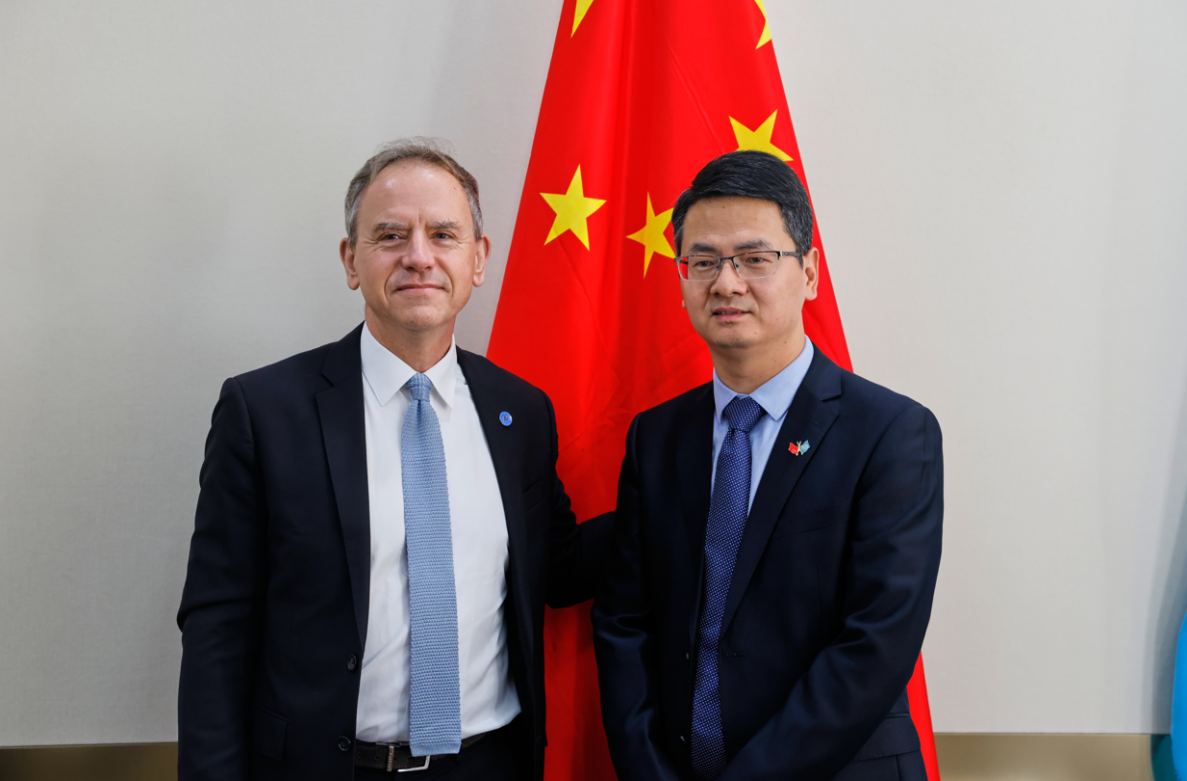
10月24日是联合国日。1945年10月24日,《联合国宪章》正式生效,因此这一天也被定为联合国日。2026年10月22日,在联合国成立81周年之际,联合国驻华系统在北京联合国大楼举办年度庆祝活动,提前庆祝联合国日。西昊以活动支持伙伴身份参与,企业相关领导应邀出席,并与联合国驻华协调员杰思衡(Stephen Jackson)围绕联合国可持续发展目标与企业实践进行交流,肯定了西昊去年与联合国教科文组织为坦桑尼亚“改善教师工作环境”所做出的贡献。

(图注:联合国驻华协调员杰思衡与西昊总经理刘帅)

现场:一把椅子成为议题交流的媒介

今年联合国日庆祝活动关注的议题,与西昊的实践有多处交集。

"立足中国,服务中国",对西昊而言是从深圳出发,用深度研发和供应链整合把人体工学技术做成普惠产品,先服务好国内,再带着成熟经验走向全球;南南合作的线索,西昊用坦桑尼亚项目讲得很具体,去年与联合国教科文组织向坦桑尼亚教师捐赠数百把人体工学椅,西昊作为行业代表输出技术、多方共建教育环境的"小而美"样本,比宏大叙事更有说服力;多边主义塑造共同未来,西昊的解法是让工学椅从小众变成标配,它的长期目标是推动工学椅进入更多家庭与办公场景,从户均一张走向人均两张,依托中国制造的影响力,一步步缩小与国际头部品牌的差距。西昊"健康、舒适"的底层逻辑,也恰好对应了联合国良好健康、体面工作、可持续城市与伙伴关系等可持续发展目标。

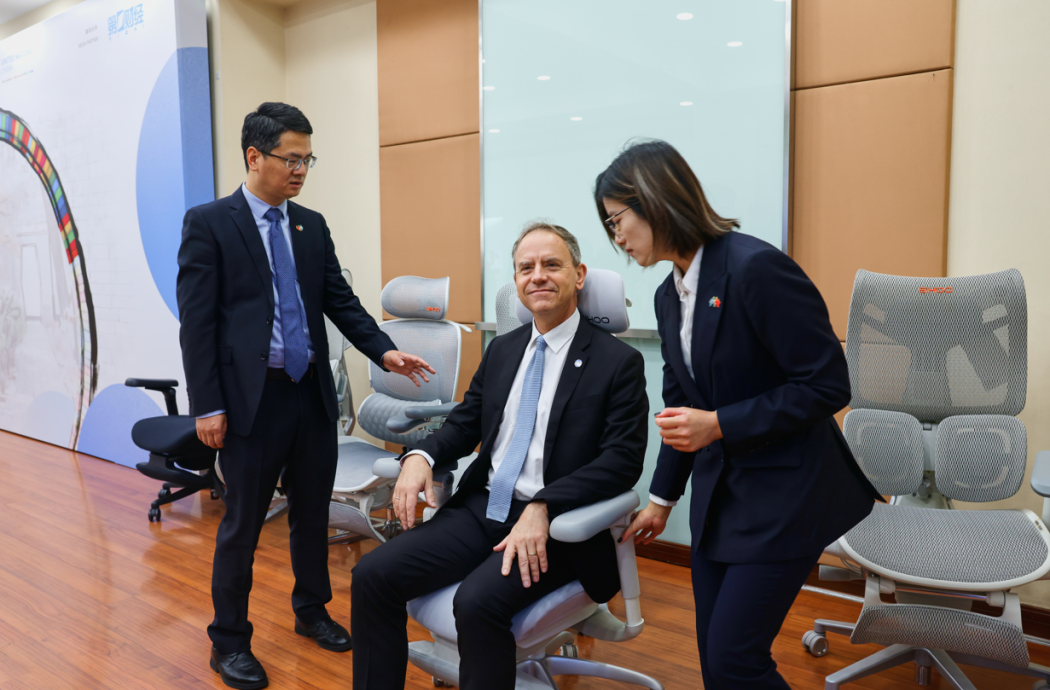
(图注:联合国驻华协调员杰思衡体验西昊人体工学椅)

坦桑尼亚项目:一个“小而美”的合作样本

从全球议程到企业行动,西昊参与可持续发展议题的线索,可以追溯到一年前的坦桑尼亚项目。

2025年4月28日,值中坦建交61周年之际,西昊联合联合国教科文组织举行“改善教师工作环境”捐赠仪式,向坦桑尼亚桑给巴尔岛多所学校教师捐赠数百张人体工学椅,总价值超过10万美元。据企业介绍,西昊同时成为联合国教科文组织办公椅供应商。当地幼儿园至中学阶段科学教师缺口达816名,教学质量提升受到制约。改善教师工作条件,对保留优秀师资、提升教学质量具有重要意义。

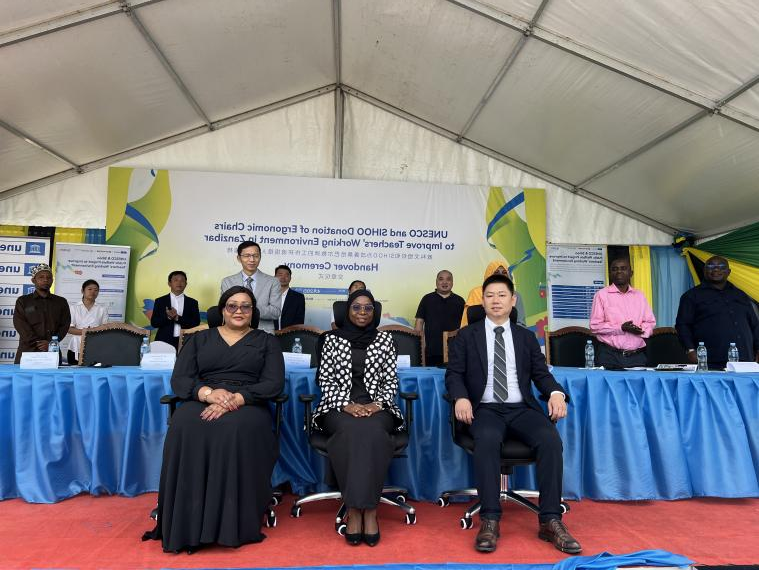
(图注:联合国教科文组织×西昊“改善教师工作环境”捐赠仪式)

桑给巴尔教育和职业培训部部长Hon.Lela Muhamed Mussa表示:“改善教师的工作环境,实现了另一种意义上的教育改革。”联合国教科文组织驻坦桑尼亚代表Dr.Faith Shayo表示,这项合作展现了真正的爱与团结。中国驻桑给巴尔总领馆总领事李强华评价,这契合联合国可持续发展目标,为南南合作树立典范。

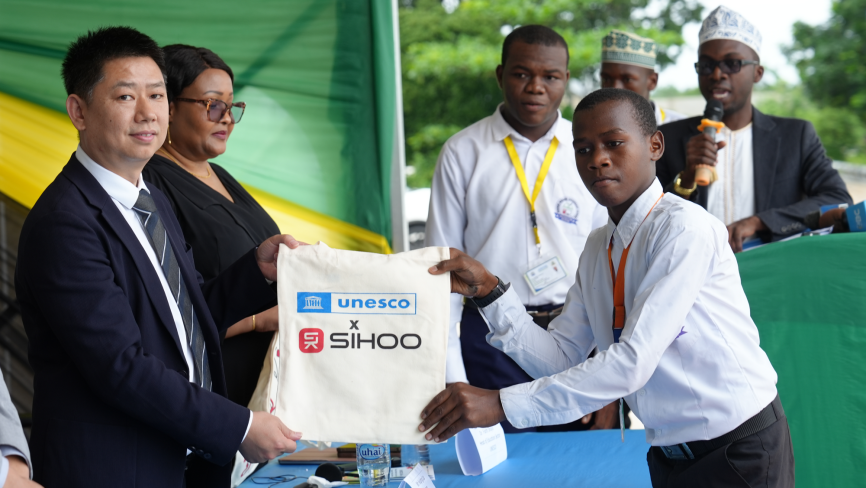
(图注:联合国教科文组织×西昊“改善教师工作环境”捐赠仪式)

这一项目的价值不在于捐赠规模,而在于它提供了一种可复制的合作结构:企业输出技术与产品,国际组织搭建平台,当地需求得到具体回应,教育环境获得可持续改善。以科技创新为支点,托举教育公平,也让“体面工作”落到教师坐得住的日常支撑上。这为2026年北京联合国日的同频叙事写下了前传。

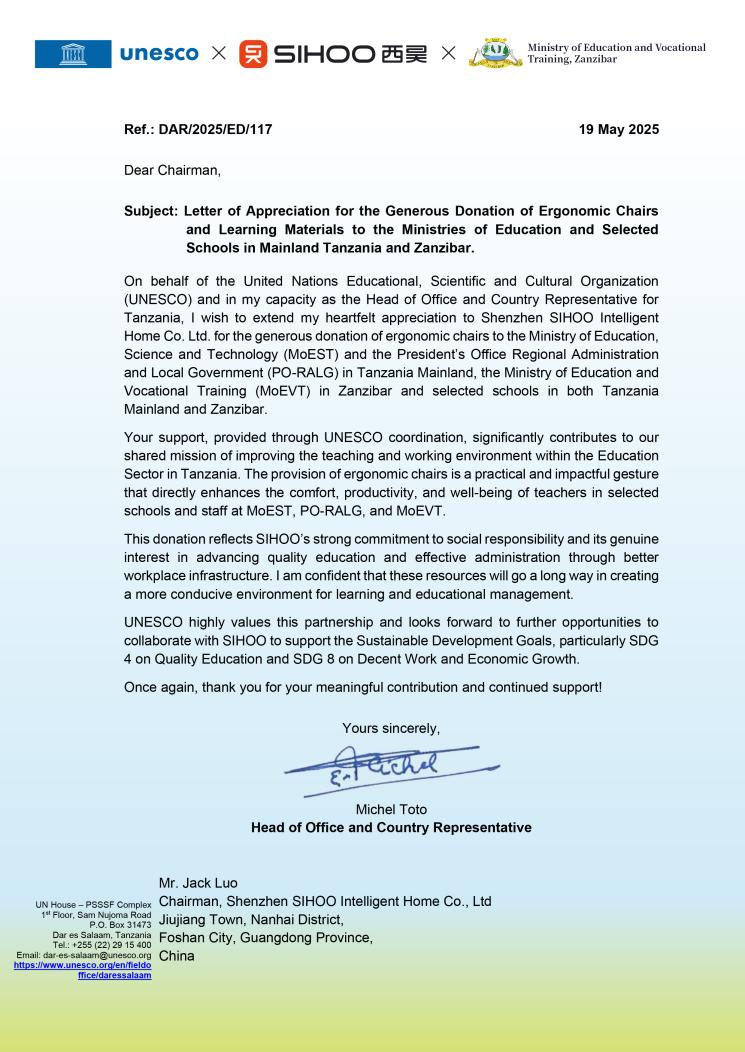
(图注:联合国教科文组织感谢信)

从产品到议程:企业参与多边议题的路径

回望从坦桑尼亚到北京的这段路径,西昊的角色在变化,但主线相对清晰:以人体工学为支点,把“体面工作”做成看得见、坐得下、感受得到的日常。一把椅子看似微小,却连接着健康、尊严与效率;一项多边议程看似宏大,最终也要回到具体的人。

(图注:西昊嘉宾与联合国驻华系统成员会晤)

据企业介绍,西昊从深圳出发,通过深度研发和供应链整合,把人体工学技术做成普惠产品,先服务国内市场,再带着成熟经验走向全球。目前,西昊人体工学椅已远销全球122个国家和地区。在坦桑尼亚项目中,企业以行业代表身份输出技术,多方共建教育环境,形成“小而美”样本。西昊方面还介绍,其长期目标是推动工学椅进入更多家庭与办公场景,从户均一张走向人均两张,并依托中国制造的影响力,逐步缩小与国际头部品牌的差距。

(图注:联合国日庆典活动现场)

联合国日不只是纪念一份宪章。对企业而言,践行可持续发展目标,最终要落到每一张桌子、每一把椅子、每一个人的腰背上。从坦桑尼亚到北京,这把椅子承载的已不只是坐感与工学,也是一种面向全球的产业表达:中国制造可以以技术为桥,以人为尺度,在多边合作框架下,把宏大议程落到日常之中。西昊方面表示,愿与联合国及各方伙伴一道,推动更健康、更体面、更可持续的工作环境。

注:文/龚作仁,文章来源:Laborer,本文为作者独立观点,不代表亿邦动力立场。

文章来源:Laborer

广告
微信
朋友圈

FAQ回顾

西昊是什么品牌?

西昊是从深圳出发的人体工学椅企业,通过深度研发和供应链整合,将人体工学技术做成普惠产品,先服务国内市场,再走向全球。其人体工学椅已远销122个国家和地区,并以活动支持伙伴身份参与联合国驻华系统2026年联合国日庆祝活动,围绕可持续发展目标开展交流。

人体工学椅企业如何参与联合国可持续发展目标?

人体工学椅企业可将产品与技术输出嵌入多边合作。西昊2025年4月28日联合联合国教科文组织,在坦桑尼亚桑给巴尔岛向多所学校教师捐赠数百张人体工学椅,总价值超10万美元,并成为联合国教科文组织办公椅供应商;2026年又参与联合国驻华系统联合国日庆祝活动。其结构是企业输出技术产品、国际组织搭平台、当地需求获回应。

西昊在坦桑尼亚开展了什么项目?

2025年4月28日,值中坦建交61周年,西昊联合联合国教科文组织举行“改善教师工作环境”捐赠仪式,向坦桑尼亚桑给巴尔岛多所学校教师捐赠数百张人体工学椅,总价值超过10万美元。西昊同时成为联合国教科文组织办公椅供应商。当地幼儿园至中学阶段科学教师缺口达816名,项目旨在改善教师工作条件、提升教学质量。

中国制造企业如何通过南南合作参与教育援助?

西昊与联合国教科文组织合作,向坦桑尼亚桑给巴尔岛学校捐赠人体工学椅,企业输出技术与产品,国际组织搭建平台,具体回应当地教师工作环境需求,总价值超10万美元。项目被概括为可复制的“小而美”样本;中国驻桑给巴尔总领馆总领事李强华评价其契合联合国可持续发展目标,为南南合作树立典范。

西昊为什么参与联合国可持续发展相关议题?

西昊将健康、舒适作为底层逻辑,对应联合国良好健康、体面工作、可持续城市与伙伴关系等可持续发展目标。其通过坦桑尼亚教师捐赠项目、成为联合国教科文组织办公椅供应商、参与2026年联合国日庆祝活动等实践,把“体面工作”落到教师坐得住的日常支撑上,并以产品普惠推动工学椅进入更多家庭与办公场景。

这么好看,分享一下?

朋友圈 分享

APP内打开

赞 +1
+1
微信好友 朋友圈 新浪微博 QQ空间
关闭
收藏成功
发送
/140 0