广告
加载中

一家中国洗地机品牌 凭什么被人民日报称为“定义者”?

林岩 2026-09-10 09:55
林岩 2026/09/10 09:55

邦小白快读

EN
全文速览

本文核心是介绍中国洗地机品牌添可,作为中国品牌从跟随者转为定义者的典型案例,核心干货如下:

1. 核心信息:添可是全球洗地机品类的开创者,五次主导行业从团体到国家的各级标准制定,连续四年获得全球销量第一,背靠科沃斯集团20多年的技术沉淀,被人民日报称为品类定义者。

2. 选购洗地机的参考干货:好的洗地机走问题驱动迭代路线,而非盲目堆参数加功能,优质产品会逐步解决用户核心痛点,包括一步完成吸尘拖地自清洁、水电双续航适配大户型、AI助力降低推拉难度、自动上下水避免脏手、透明可视化基站提升信任感,选品优先关注这些真实痛点的解决,而非花哨功能。

3. 认知干货:现在中国品牌已经不靠低价赢市场,转而靠创新定义品类,在全球市场建立竞争力。

本文通过添可的成功案例,给国内品牌发展提供了多维度可借鉴的干货内容,具体如下:

1. 产品研发思路:要转向用户需求驱动,每一代产品聚焦解决一个核心用户痛点,走问题驱动的迭代路线,避开国内消费电子常见的堆料抬价内卷,明确品类终极方向,每一步迭代都向终极形态靠近。

2. 品牌战略选择:比起在成熟红海内卷,开辟全新品类的价值更高,成为品类定义者后,要进一步主导行业标准制定,建立消费者对品类的评价体系,规范行业竞争,带领行业共同做大市场蛋糕,同时巩固自身的行业话语权。

3. 底层能力与思维建设:可以依托集团技术沉淀做同源技术跨品类复用,搭配研究一代、开发一代、推广一代的创新机制保障持续创新;同时要摆脱中国制造等于低价的思维束缚,完成从代工思维到品牌定义思维的转换,靠创新价值卖出高价,打造全球影响力。

本文给清洁家电赛道的从业者提供了明确的机会提示、风险提醒和可参考经验,干货内容如下:

1. 市场机会提示:家庭清洁赛道仍有较大增量空间,扫地机和洗地机并非替代关系,而是分工互补关系,扫地机负责日常维护、洗地机负责深度清洁,整套家庭清洁解决方案的市场需求还在增长,当前洗地机行业已经完成标准化建设,进入规范增长阶段,新进入者仍有机会,还可以提前切入家装配套赛道,打开新增长空间。

2. 风险提示:新品类发展初期不要走参数乱标、效果虚标的无序竞争路线,这类行为会透支整个品类的消费者信任,最终损害所有从业者的利益。

3. 可学习经验:不要扎堆红海带卷价格,要从用户真实痛点中挖掘差异化机会,甚至开辟全新赛道;创新要聚焦痛点解决,不要盲目堆料抬价,更符合消费者需求,更容易获得市场认可。

本文对制造工厂的转型发展提供了不少干货启示,具体内容如下:

1. 产品生产设计需求转变:当前消费市场已经从“有产品用”转向“用好产品”,要求工厂从传统制造“我有什么产能做什么”的供给侧思维,转向“用户遇到什么问题就开发什么产品”的需求侧思维,设计生产围绕用户真实痛点展开,而非盲目堆功能拼参数。

2. 商业机会:洗地机作为全新开创的品类,已经进入标准化规范发展阶段,市场空间持续扩大,不仅给整机工厂开辟新业务提供了机会,还延伸出了家装配套的新赛道,给工厂拓展渠道和业务增量提供了方向。

3. 转型启示:工厂要长期积累电机、传感器、算法等底层技术,建立“研究一代、开发一代、推广一代”的持续创新机制,才能抓住新市场机会;有能力的工厂可以逐步摆脱低利润的代工思维,尝试转型做自有品牌,从被动接单转向主动定义产品品类,提升品牌附加值,打开增长空间。

本文梳理了清洁家电行业的最新发展趋势,总结了行业痛点和可行方向,干货内容如下:

1. 行业发展趋势:当前中国清洁家电品牌已经完成从跟随者到品类定义者的转型,行业竞争从原来的价格竞争、参数竞争,转向体验竞争、品类定义竞争,未来技术会越来越隐形,深度嵌入产品解决用户痛点,AI会成为清洁家电的标配能力,整个行业的市场空间还会持续扩大。

2. 客户核心痛点:中小品牌切入清洁赛道,普遍缺乏底层技术积累,创新容易陷入参数堆料的内卷;新品类发展初期缺乏统一标准,无序竞争会影响整个品类的信任度,阻碍行业增长。

3. 业务方向参考:技术服务商可以围绕用户清洁痛点,模块化输出AI感知、自主决策等底层技术,降低中小品牌的创新门槛;行业服务机构可以联合头部品牌推动品类标准落地,规范行业发展,在做大行业蛋糕的同时拓展自身业务空间。

本文对家电平台的招商、运营管理提供了不少参考干货,具体内容如下:

1. 商家对平台的核心需求:新开创的品类,需要平台帮助完成消费者认知教育,降低教育成本;头部品牌定义品类后,需要平台配合建立统一的品类评价规则,帮助消费者分辨产品好坏,规范行业竞争。

2. 平台运营和招商方向:可以重点倾斜资源扶持具备品类定义能力的中国智造品牌,这类品牌不仅能带动品类增长,还能推动行业规范,帮助平台做大品类蛋糕;可以针对洗地机等新兴清洁家电开启专项招商,对接家装渠道入口,抓住洗地机进入家装配套的新趋势,开辟平台新的增长曲线。

3. 风险规避方向:要警惕新品类初期的无序竞争,严格把控入驻产品品质,避免参数虚标、效果造假的产品进入,防止透支消费者对品类的信任,影响平台口碑;可以联合头部品牌和行业机构建立品类准入标准,规范产品检测和信息标注,保障消费者权益。

本文提供了中国智造产业升级的典型微观案例,总结了产业发展的新动向,干货内容如下:

1. 产业发展新动向:当前中国品牌已经完成从跟随者、追赶者到定义者、引领者的身份转变,产业竞争逻辑已经从原来的价格竞争、产能竞争,转向品类定义竞争、行业标准竞争,中国智造的整体形象正在从“低价的中国制造”转向“创新的中国定义”,核心逻辑从供给侧产能思维转为需求侧问题解决思维。

2. 新商业模式总结:头部品牌依托集团技术平台,实现同源技术跨品类复用,通过开创品类、主导标准建立行业话语权,最终打造全球竞争力,这种模式区别于传统代工模式和堆料内卷模式,是中国品牌出海抢占高端市场的新路径。

3. 研究启示:添可的案例验证了“长期底层技术投入+需求导向创新+标准定义能力”是中国品牌实现全球引领的可行路径,为中国智造升级研究提供了典型样本,也为产业政策制定提供了参考,支持头部品牌主导行业标准建设,有利于带动全产业做大做强,提升全球竞争力。

返回默认
声明:快读内容全程由AI生成,请注意甄别信息。如您发现问题,请发送邮件至 run@ebrun.com 。

我是 品牌商 卖家 工厂 服务商 平台商 研究者 帮我再读一遍。

Quick Summary

This article centers on TINECO, a leading Chinese floor washer brand, as a prime example of how Chinese brands have evolved from market followers to category definers. Key takeaways include:

1. Core background: TINECO is the global pioneer of the cordless wet-dry floor washer category. It has led the development of five industry standards at both national and association levels, holds the top spot in global sales for four consecutive years, and leverages over 20 years of technical accumulation from its parent company Ecovacs Robotics. It has been recognized as a "category definer" by People’s Daily.

2. Shopping guidance for consumers: Quality floor washers evolve through solving real user problems, rather than blindly piling on specs or extra features. Top models address core user pain points: one-stop operation for vacuuming, mopping and self-cleaning; extended battery and water tank life for large homes; AI assistance to reduce pushing/pulling effort; automatic water refill and discharge to eliminate hand contact with dirt; and transparent bases to build user trust. Buyers should prioritize solutions to these practical pain points over flashy gimmicks.

3. Key insight: Today’s Chinese brands no longer compete on low prices; they gain global competitiveness by innovating and defining entirely new product categories.

Through TINECO’s success story, this article offers multi-dimensional actionable insights for domestic Chinese brand building. Key takeaways are as follows:

1. Product R&D strategy: Brands should shift to a user demand-driven approach, focusing iteration on solving one core user pain point per product generation, following a problem-driven development path. This avoids the "pile up components to raise prices" race to the bottom common in China’s consumer electronics space. Brands should define the end goal of the category, and move toward that goal with every incremental update.

2. Brand positioning strategy: Creating an entirely new category delivers far greater value than competing in oversaturated mature markets. After establishing itself as the category definer, a leading brand should further lead the development of industry standards, build a consumer-centric evaluation framework for the category, standardize industry competition, grow the overall market pie, and consolidate its own industry leadership in the process.

3. Building core capabilities and mindsets: Brands can leverage existing group-level technical expertise to reuse proven core technologies across new categories, paired with a "research one, develop one, launch one" innovation pipeline to sustain long-term innovation. Brands must also shake off the mindset that Chinese manufacturing is synonymous with low prices, shifting from an OEM-oriented mindset to a category-defining brand mindset, charging premium prices based on innovation value, and building global influence.

This article shares clear insights on market opportunities, risks, and actionable lessons for players in the home cleaning appliance sector, as follows:

1. Market opportunity: The home cleaning sector still holds substantial room for growth. Robotic vacuums and wet-dry floor washers are not substitutes, but complementary tools: robotic vacuums handle daily maintenance, while floor washers deliver deep cleaning. Demand for full-stack home cleaning solutions is still growing. The floor washer industry has now completed standardization and entered a phase of regulated growth, leaving room for new entrants. Players can also get ahead of the curve by entering the home renovation matching space to unlock new growth.

2. Risk warning: Avoid unregulated competition such as false performance claims and misleading specs in the early stage of a new product category, as these behaviors erode consumer trust in the entire category and ultimately harm the interests of all industry players.

3. Key lessons: Avoid crowding into mature markets to compete on price. Instead, dig into real user pain points to find differentiated opportunities, and even carve out entirely new market segments. Innovation should focus on solving pain points rather than blindly piling on components to raise prices; products aligned with real consumer needs are far more likely to win market acceptance.

This article offers key insights on transformation and growth for manufacturing factories, detailed below:

1. Shifts in product design and production: The consumer market has evolved from "having any product to use" to "having high-quality products that work well." This requires factories to shift from the traditional supply-side mindset of "we make what our capacity allows" to a demand-side mindset of "we develop what solves users’ problems." Product design and manufacturing should center on real user pain points, rather than blindly competing on features and specs.

2. Business opportunities: As a newly pioneered category, floor washers have entered a phase of standardized, regulated development, with a continuously expanding market. This opens new business opportunities not only for complete appliance manufacturers, but also extends into the new home renovation matching track, giving factories a clear direction to expand channels and grow business.

3. Transformation insights: Factories need to make long-term investments in core underlying technologies such as motors, sensors and algorithms, and build a "research one, develop one, launch one" continuous innovation mechanism to capture new market opportunities. Capable factories can gradually move away from the low-margin OEM mindset, make the transition to building their own brands, shift from passive order-taking to actively defining product categories, boost brand value, and unlock new growth.

This article outlines the latest trends in the clean appliance industry, summarizes core industry pain points, and lays out actionable paths forward, as follows:

1. Industry trends: Chinese clean appliance brands have completed the transition from market followers to category definers. Industry competition has shifted from price competition and specs competition to experience competition and category definition competition. Going forward, technology will become increasingly invisible, deeply embedded in products to solve user pain points; AI will become a standard feature for clean appliances, and the overall industry market will continue to expand.

2. Core client pain points: Small and medium-sized brands entering the clean appliance sector generally lack accumulated core technology, so their innovation often falls into the race-to-the-bottom of piling on specs. New categories also lack unified standards in their early stages, and unregulated competition erodes consumer trust in the entire category and hinders industry growth.

3. Recommended business directions: Technology service providers can develop modular offerings of core technologies such as AI sensing and autonomous decision-making based on common user cleaning pain points, to lower the barrier to innovation for small and medium-sized brands. Industry service organizations can collaborate with leading brands to implement category standards, standardize industry development, and expand their own business scope while growing the overall market.

This article offers actionable insights for merchant recruitment and operations management for home appliance e-commerce platforms, detailed below:

1. Core merchant needs for platforms: Newly created categories need platform support for consumer education to reduce brands’ education costs. After leading brands define the category, platforms need to collaborate on establishing unified category evaluation rules to help consumers distinguish product quality and standardize industry competition.

2. Recommendations for operations and recruitment: Platforms should prioritize resource allocation to support Chinese intelligent manufacturing brands with category-defining capabilities. These brands can not only drive category growth, but also promote industry standardization and help platforms grow the overall category market. Platforms can launch dedicated recruitment programs for emerging clean appliances such as floor washers, and connect to home renovation channel entry points to capture the new trend of floor washers being integrated into home renovation packages, and unlock new growth curves for the platform.

3. Risk mitigation: Platforms should watch for unregulated competition in the early stage of new categories, strictly audit product quality of incoming merchants, block products with false specs and fake performance claims, and prevent consumer trust in the category from being eroded, which would harm the platform’s reputation. Platforms can also partner with leading brands and industry organizations to establish category access standards, standardize product testing and information labeling, and protect consumer rights.

This article presents a typical micro case of industrial upgrading for Chinese intelligent manufacturing, and summarizes new trends in industrial development, as follows:

1. New industrial trends: Chinese brands have completed the identity transition from followers and catch-up players to category definers and global leaders. The logic of industrial competition has shifted from traditional price competition and capacity competition to category definition competition and industry standard competition. The overall image of Chinese manufacturing is transitioning from "low-cost made in China" to "innovative defined by China." The core logic of development has shifted from supply-side capacity-centric thinking to demand-side problem-solving thinking.

2. Summary of a new business model: Leading brands leverage group-level technology platforms to reuse core technologies across categories, build industry influence by creating new categories and leading standard-setting, and ultimately build global competitiveness. This model differs from traditional OEM models and spec-stacking cutthroat competition, and represents a new path for Chinese brands to enter the global high-end market.

3. Research implications: The TINECO case verifies that the combination of "long-term investment in underlying technology + demand-driven innovation + category and standard defining capability" is a viable path for Chinese brands to achieve global leadership. It provides a typical sample for research on the upgrading of Chinese intelligent manufacturing, and a reference for industrial policy making: supporting leading brands to lead industry standard development will help the entire industry grow stronger, and boost global competitiveness of Chinese manufacturing.

Disclaimer: The "Quick Summary" content is entirely generated by AI. Please exercise discretion when interpreting the information. For issues or corrections, please email run@ebrun.com .

I am a Brand Seller Factory Service Provider Marketplace Seller Researcher Read it again.

这两天,IFA(柏林国际消费电子展),一众中国品牌集中亮相,它们赛道不同、产品各异。却可用人民日报在中国品牌日抛出的一个论断来总结:中国品牌正从跟随者、追赶者,转变为定义者、引领者。

这话听起来宏大,但看到人民日报视频采访添可CEO冷泠,就能看到一个鲜活的微观案例:开创洗地机品类,五次主导行业标准,连续四年全球销量第一。更关键的是,它凭空造了一条赛道让全行业跟着跑。

那么,一家中国品牌,到底如何“定义”了一个全球品类?

01 造赛道,才叫定义者

在人民日报的采访中,冷泠表示,不是因为“我们能做洗地机”就去做,而是因为“用户需要一种不用先扫再拖的清洁方式”,我们才去创造了洗地机这个品类。这个顺序在他看来,正是中国智造和传统制造的分水岭:传统制造是“我有什么产能做什么”,中国智造是“用户遇到什么问题,我们创造什么技术去解决”。

于是,添可开辟了一个全新的产品品类。在商业策略里,品类创造跟品类参与是完全不同的游戏。品类参与者大多比参数、比价格、比渠道,品类创造者则要让消费者相信这个品类值得存在。添可2020年做洗地机时,市场上没有这个产品,用户也没有“洗地机”这个认知,它需要同时完成两件事:把产品做出来,把品类认知建起来。这是双倍难度,也是为什么多数品牌宁愿在红海里卷,也不愿意从零开赛道的原因。

冷泠还谈到扫地机和洗地机的关系。他认为两者不是替代关系,而是分工关系。扫地机解决日常维护,洗地机解决深度清洁,一个是“让地面维持干净”,一个是“让地面真正干净”。很多人以为有了扫地机就不需要洗地机,反过来也一样。但添可是把家庭清洁想象成一个完整的系统:日常维护靠扫地机,深度清洁靠洗地机,两者加在一起,才能覆盖家庭地面清洁的所有场景。

这也表明,添可不是在做一个产品,而是在定义家庭清洁的整体解决方案。品类创造者的视野,从来不是单个产品,而是产品所在的系统。

品类开创看起来容易,实际上一点也不简单。因为定义品类不是一次性动作,而是持续迭代。冷泠提到,添可每一代产品都是对“洗地机还能怎么更好?”的持续追问。

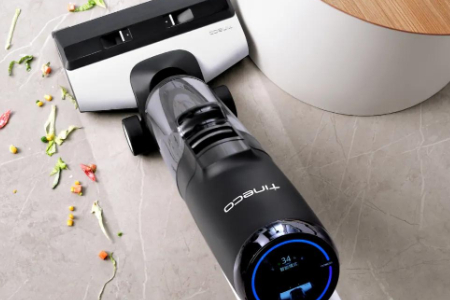
2020年,添可问:用户为什么不能一步解决所有地面清洁?吸尘器只能吸灰,拖把只能拖地。于是添可做了洗地机,把吸尘、拖地、自清洁做到了一个产品里。后来问:大户型清洁中途没水没电怎么办?于是做了水电双续航。再后来问:推起来费劲怎么办?于是做了AI全向助力,360度推拉都很轻松。之后问:倒污水脏手怎么办?于是做了自动上下水,用户把机器放回基站,剩下的全部交给机器。最新一次发问:用户凭什么“相信”里面是干净的?于是做了Station View透明基站,让“信任”变成“看见”。

每一代解决一个核心痛点,不堆料、不加花哨功能,是问题驱动而不是参数驱动。这跟国内消费电子常见的“一代加仨功能、涨价三百”的堆料逻辑不同。添可的迭代背后是对品类的深度理解:你定义了品类,你就知道它的“终极形态”在哪,每一步都是朝那个终点走,而不是横向铺功能。如今一众品牌扎堆进入洗地机赛道,证明了添可的品类定义成立:你造的赛道,别人跟着跑,这才是“定义者”最硬的证明。

02 划起跑线,拉高行业天花板

关于行业标准,冷泠提到,添可从2021年开始以组长单位身份制定洗地机第一个团体标准,此后又四次主导标准制定,从团体标准到国家标准,从产品性能到基站安装配置。这个转变在他看来,是从“做产品”到“定标准”的跨越。做产品是回答“用户需要什么”,定标准是回答“行业应该长什么样”。

在冷泠看来,2021年的洗地机行业,没有标准可依。什么算好的洗地机、什么算安全的、什么算耐用的,没人定义。每个品牌各做各的,消费者面对一堆产品不知道拿什么判断好坏。这个阶段在中国消费电子史上并不陌生。空气净化器刚火的那几年也一样,参数乱标、效果虚标,最终透支的是整个品类的信任。

由单一品牌连续五次主导标准,意味着市场已经默认添可的产品定义就是行业定义。添可制定标准,不是在给自己的产品贴金,是在给整个行业划跑道。同行们可以进来,但要按这个跑道跑,不能乱来。这跟智能手机早期苹果定义触屏交互标准、高通定义5G专利标准是同一逻辑:谁定义了标准,谁就定义了消费者的评价体系。

冷泠认为,一个品牌把产品做好,是自己的事;能把做产品的认知变成行业标准,是它对这个行业最大的贡献。从“做产品”到“定标准”,这是“定义者”应该做的事:不仅要自己跑得快,还要让大家知道怎么跑。

标准的制定无形中还拉高了行业天花板。当无序的野蛮生长变成有规矩的增长,市场空间进一步拉大,尤其是行业领跑者持续往前冲的过程中,其看到的视野和增长空间无疑是更大的。基站安装标准就是个典型案例,添可将洗地机推向跟冰箱、洗衣机同等重要,需要在家装时一并考虑,这也为行业开辟了更大增长空间。从这个角度看,定义者最大的贡献是带领行业把蛋糕做大。

03 换思维,由内到外焕新

谈到添可八年成长,冷泠认为,用户看到的是添可八年,看不到的是科沃斯集团二十多年的技术沉淀。纵观添可的产品历程,从智能识污到AI全向助力到智能防堵排污,表面是三个功能点,底层却是同一套能力:让机器自己感知、判断和决策。

这里藏着添可如何运用AI的答案:AI不是发布会上的营销口号,而是嵌入机器里的“器官”。从智能识污到AI全向助力再到智能防堵排污,底层逻辑是在做同一件事:让机器自己感知“发生了什么”、自己判断“该怎么应对”、自己决策“何时该行动”。用户不需要知道里面用了什么算法、什么传感器,只需要感受到省力、干净、省心。这正是添可主张的“白科技”理念的体现:技术不是用来炫耀的,是用来服务的;科技藏在产品背后,让用户感受不到科技的存在,只感受到体验的提升。

这正是添可区别于其他消费电子品牌“堆料内卷”的关键。当对手还在参数表上较劲,比传感器数量、比算法名字时,添可已经转向体验定义。AI藏在产品背后,科技藏在体验之后,这是“定义者”的技术哲学。

这套“器官式AI”的能力从哪来?科沃斯集团做扫地机器人二十多年,核心能力是让机器“看懂环境、规划路径、自主执行”。扫地机器人在房间里走来走去,要识别家具、避开障碍、判断哪里脏了,本质上是在训练机器的“空间感知能力”和“自主决策能力”。添可做洗地机,用的是同一套技术底子,只不过把“看懂环境”变成了“看懂脏污”,把“规划路径”变成了“规划清洁策略”。同源技术跨品类复用,这是平台型公司的做法。苹果把芯片架构从iPhone复用到Mac,华为把通信底座从基站复用到终端。添可背后站着科沃斯集团,本质上是站在一个技术平台上做延展,而不是从零造轮子。

科沃斯集团一直讲“研究一代、开发一代、推广一代”,这是一套完整的创新机制。“研究一代”是前瞻布局,集团在电机、传感器、算法、AI这些底层技术上持续投入了二十多年。“开发一代”是把技术变成产品,正如添可的每一代更新产品,都在解决一个核心痛点。“推广一代”是把好产品让更多人用上,这不仅是营销的事,更是体验的事。用户用脚投票,连续四年把添可推上全球第一,这就是对产品定义能力最直接的验证。

但技术底座只是必要条件,思维转换才是充分条件。添可前身做了20多年代工,技术上从来不输,但贴的是别人的牌子,赚的是加工费,用户记住的是别人的品牌。当时行业里很多人说“中国品牌在海外卖高价不现实”。但冷泠反问:凭什么不现实?如果我们做出来的产品比别人好,为什么不能卖得比别人贵?这个逻辑本身就是一种“自我设限”,是被“中国制造等于便宜”这个标签束缚太久了。

手机、电动车、无人机都走过同样的路:先代工攒能力,再自建品牌闯出去。代工思维是“客户要什么做什么”,品牌思维是“我们认为什么是对的,做出来给用户看”。团队要从“被动响应”变成“主动定义”,从“做好一个产品”变成“定义一个品类”。

添可走了整整八年完成这个转换,而中国智造的内核变化也正在于此:从“我有什么产能做什么”的供给侧思维,转向“用户遇到什么问题,我创造什么技术去解决”的需求侧思维。这不仅是制造方式的升级,更是思考方式的升级。

04 结语

过去二十年,世界看到中国制造靠的是“便宜”和“快”。添可用八年证明另一条路:中国品牌可以创造一个全球品类,可以连续四年全球第一,可以五次主导行业标准,而且不是靠便宜做到的,是靠定义做到的。

冷泠表示,带Station View去IFA,就是想向全球展示中国品牌对“清洁这件事”的重新定义。人民日报选择专访添可,释放的信号也很明确:下一个二十年,世界该看到的不是“中国制造”标签,而是“中国定义”形象。冷泠也希望未来世界看到添可的时候,想到的不是“中国制造”,而是“中国定义”。

添可的下一步,不是做“更好的洗地机”,而是让用户不再需要思考清洁这件事本身。机器自己感知、判断、维护,用户忘了它在,但它一直在。清洁的终极形态,不是更强大,而是更隐形。中国智造的终极形态,也不是更便宜,而是更不可替代。

注:文/林岩,文章来源:子弹财经,本文为作者独立观点,不代表亿邦动力立场。

文章来源:子弹财经

广告
微信
朋友圈

FAQ回顾

洗地机品类是由哪个企业开创的?

洗地机品类由中国智能清洁品牌添可开创,其基于用户不用先扫再拖的清洁需求打造产品,2020年推出首款集成吸尘、拖地、自清洁功能的洗地机,同步建立用户品类认知,开辟了全新的家庭清洁赛道。

添可为什么被称为洗地机行业定义者?

添可开创了洗地机品类,先后五次主导洗地机行业从团体到国家标准的制定,连续四年获得洗地机全球销量第一,其定义的家庭清洁解决方案及产品迭代逻辑被全行业跟随,还拉高了行业发展天花板。

洗地机和扫地机有什么区别?

二者属于分工互补关系,不存在替代关系,扫地机主要解决家庭地面日常维护清洁需求,维持地面干净,洗地机主要解决深度清洁需求,能让地面真正干净,二者结合可覆盖全部家庭地面清洁场景。

添可洗地机的产品迭代逻辑是什么?

添可洗地机采用问题驱动的迭代逻辑,不堆料不加花哨功能,每一代产品针对性解决一个用户核心痛点,先后推出水电双续航、AI全向助力、自动上下水、Station View透明基站等功能,持续优化用户使用体验。

这么好看,分享一下?

朋友圈 分享

APP内打开

赞 +1
+1
微信好友 朋友圈 新浪微博 QQ空间
关闭
收藏成功
发送
/140 0