广告
加载中

WINTOPAY:黑五竞争不止于流量 更考验商户的全球成交与经营效率|黑五微访谈

亿邦动力 2026-11-24 18:35
亿邦动力 2026/11/24 18:35

邦小白快读

EN
全文速览

总1:今年黑五的重点已从单纯抢流量转向提升全球成交与经营效率。

1.文章提示,获客成本上升、消费者支付习惯多元,商户要把商机更快转化为交易收入。

2.WINTOPAY深耕全球独立站收单13年,重点推出支付链接收款,商户可通过社交媒体、即时通讯、邮件发送收款链接,缩短成交路径。

总2:旺季实操可关注资金与稳定性。

1.大额订单、复购和批量采购可在线上收单外选择银行转账等收款方式,并用统一平台完成多币种归集、回款识别、对账、换汇、付款和提现。

2.提前配置大商户通道和备用通道,强化交易监测、AI风控及7×24小时服务,减少异常、退款和拒付争议带来的损耗。

总1:品牌经营要关注消费趋势和用户行为变化。

1.流量成本上升、消费者决策趋审慎,粗放铺货和低价冲量承压,品牌应把资源投向长期竞争力。

2.美国市场增长机会从新增流量转向会员运营和客户复购;西欧在高客单价、分期消费场景有机会;拉美、东南亚需适配当地消费与支付习惯。

总2:品牌营销和渠道建设要缩短成交路径。

1.社交媒体、私域营销、即时通讯和邮件等渠道作用提升,支付链接可及时承接传统独立站之外的购买需求。

2.支付方式会影响购买决策门槛,国际信用卡、数字钱包、先买后付、本地支付和订阅支付可适配不同市场。品牌应聚焦产品创新、品牌建设和用户运营,把全球支付接入、交易风控等交给专业服务机构,以降低试错成本。

总1:黑五增长机会来自区域市场和商业场景拓展。

1.美国仍是重要市场,机会向会员运营、复购延伸;西欧可在高客单价、分期消费中降低决策门槛;拉美、东南亚提供新增长空间,但需适配当地消费与支付习惯。

2.AI推动内容生产、产品创新和营销变革,短剧、漫剧等数字出海带来新增量,对支付便捷性、灵活计费和持续交易承接提出更高要求。

总2:卖家要应对成本、合规和欺诈风险。

1.流量成本上升、合规要求提高,过去低价冲量模式面临挑战,应提升投入产出效率。

2.旺季订单激增会带来通道限额和欺诈风险,应提前统筹大商户通道及备用通道,完善交易监测、风险管理、AI应用和异常处理。可学习点是专业分工、资源协同,用支付链接、全球收付款、多币种归集对账提升经营效率。

总1:旺季订单增长会带动备货、结算和资金周转需求。

1.黑五订单集中增长时,采购备货、供应商结算等资金需求同步增加,工厂可关注全球收付款服务对跨境资金收付的帮助。

2.VA企业账户收款、全球对外付款、货币兑换和账户间转账等模块,可降低海外银行账户开立门槛,让供应商结算和多币种管理更便捷。

总2:工厂推进电商化要关注交易承接和资金效率。

1.除传统线上收单外,大额订单、批量采购可选择银行转账等方式优化交易成本,并通过统一平台进行回款识别、对账、换汇和提现。

2.高客单价品类、分期消费等趋势可给产品组合和交易方式选择带来启示;旺季还需重视支付通道限额、系统高并发稳定性和7×24小时异常处理,以减少交易及售后损耗。

总1:跨境支付行业正从流量价格竞争转向全链路经营效率竞争。

1.出海企业呈现多区域布局、商业模式多元、交易场景创新,单一标准化支付服务难以满足不同交易频次、计费方式、客单价和风险管理需求。

2.支付机构价值不再只看覆盖市场和支付方式数量,而要看能否理解行业和模式特点,把渠道资源、产品技术、风控与专业服务结合。

总2:客户痛点和解决方案更清晰。

1.痛点包括获客成本上升、支付习惯多元、旺季通道限额、欺诈风险、资金使用效率低、拒付争议和售后损耗。

2.解决方案包括支付链接收款、全球收付款、VA账户、多币种归集对账、提前配置大商户通道和备用通道、AI风险识别、自研系统高并发优化及7×24小时跨部门响应。新技术方向是AI在风险识别、辅助决策和支付服务中的应用。

总1:商户对平台的核心需求是承接多区域、多模式和高峰交易。

1.商户需要支付链接承接社媒、私域、邮件等场景成交,也需要全球收付款、多币种归集、回款识别、对账、换汇、付款和提现等统一管理能力。

2.旺季交易量可达日常数倍,平台需关注通道限额、备用通道、系统高并发、异常响应以及欺诈风险,避免影响成交和消费者支付体验。

总2:可借鉴的运营与风向规避做法。

1.提前开展业务规划和资源统筹,按商户规模配置大商户通道及备用通道;用AI和交易监测兼顾安全与效率;以7×24小时服务处理异常、退款和拒付争议。

2.招商和运营中可引导商户按目标市场适配信用卡、数字钱包、先买后付、本地支付和订阅支付,提升转化;同时关注合规要求提高、流量成本上升和低价冲量模式承压等风向。

总1:产业新动向是支付竞争转向经营效率和专业化分工。

1.跨境电商竞争从流量与价格单点比拼转向全链路经营效率较量,出海企业呈现多区域市场布局、商业模式多元和交易场景创新。

2.支付机构价值衡量方式变化:不只看覆盖市场和支付方式数量,更看能否理解不同行业、不同商业模式的交易特点,并组合渠道、产品、风控和服务。

总2:新问题与新商业模式值得研究。

1.AI加速融入跨境商业多个环节,可能催生新交易需求和商业模式;短剧、漫剧等数字出海重视即时转化,对支付便捷性、灵活计费和持续交易承接提出要求。

2.增长机会包括美国会员复购、西欧高客单价与分期、拉美和东南亚新兴市场;支付产品矩阵涵盖信用卡、数字钱包、先买后付、本地支付和订阅支付。研究启示是合规要求提高、流量成本上升背景下,企业需提升投入产出效率,并通过专业分工降低全球化经营复杂性。

返回默认

声明:快读内容全程由AI生成,请注意甄别信息。如您发现问题,请发送邮件至 run@ebrun.com 。

我是 品牌商 卖家 工厂 服务商 平台商 研究者 帮我再读一遍。

Quick Summary

Overall 1: This Black Friday, the focus has shifted from merely chasing traffic to improving global transaction conversion and operating efficiency.

1. The article suggests that as customer acquisition costs rise and consumer payment habits diversify, merchants need to convert opportunities into transaction revenue faster.

2. WINTOPAY has focused on global independent-site acquiring for 13 years and is highlighting payment-link collection. Merchants can send payment links via social media, instant messaging, and email to shorten the path to purchase.

Overall 2: For peak-season execution, merchants should focus on funds and stability.

1. For large orders, repeat purchases, and bulk procurement, merchants can use bank transfers and other collection methods in addition to online acquiring, and use a unified platform for multi-currency aggregation, payment identification, reconciliation, FX, payments, and withdrawals.

2. They should pre-configure large-merchant channels and backup channels, strengthen transaction monitoring, AI risk control, and 24/7 service, and reduce losses from anomalies, refunds, and chargeback disputes.

Overall 1: Brand operations should focus on consumption trends and changes in user behavior.

1. As traffic costs rise and consumers become more cautious in decision-making, broad product distribution and low-price volume strategies are under pressure; brands should direct resources toward long-term competitiveness.

2. In the US, growth opportunities are shifting from new traffic acquisition to membership operations and customer repeat purchases; Western Europe offers opportunities in high-ticket and installment-payment scenarios; Latin America and Southeast Asia require adaptation to local consumption and payment habits.

Overall 2: Brand marketing and channel building should shorten the path to purchase.

1. Social media, private-domain marketing, instant messaging, and email are becoming more important, and payment links can promptly capture purchase demand outside traditional independent sites.

2. Payment methods affect the threshold for purchase decisions. International credit cards, digital wallets, buy now pay later, local payments, and subscription payments can fit different markets. Brands should focus on product innovation, brand building, and user operations, and outsource global payment access and transaction risk control to specialist service providers to reduce trial-and-error costs.

Overall 1: Black Friday growth opportunities come from expanding regional markets and business scenarios.

1. The US remains an important market, with opportunities extending to membership operations and repeat purchases; Western Europe can lower decision thresholds through high-ticket and installment consumption; Latin America and Southeast Asia offer new growth space but require adaptation to local consumption and payment habits.

2. AI is driving changes in content production, product innovation, and marketing. Digital overseas expansion through short dramas, comic dramas, and similar content is creating new incremental demand, placing higher requirements on payment convenience, flexible billing, and continuous transaction handling.

Overall 2: Sellers must address costs, compliance, and fraud risks.

1. Traffic costs are rising and compliance requirements are increasing. The past low-price volume model faces challenges, and sellers should improve input-output efficiency.

2. Peak-season order surges bring channel limits and fraud risks. Sellers should plan ahead for large-merchant channels and backup channels, and improve transaction monitoring, risk management, AI application, and exception handling. A key takeaway is specialized division of labor and resource coordination, using payment links, global collections and payments, and multi-currency aggregation and reconciliation to improve operating efficiency.

Overall 1: Peak-season order growth will drive demand for inventory preparation, settlement, and working capital.

1. When Black Friday orders grow concentratedly, funding needs for procurement, inventory preparation, and supplier settlement rise simultaneously. Factories can look to global collection and payment services for help with cross-border fund collection and payments.

2. Modules such as VA corporate account collection, global outbound payments, currency exchange, and inter-account transfers can lower the threshold for opening overseas bank accounts and make supplier settlement and multi-currency management more convenient.

Overall 2: Factories advancing e-commerce should focus on transaction handling and capital efficiency.

1. In addition to traditional online acquiring, large orders and bulk procurement can use bank transfers and other methods to optimize transaction costs, and use a unified platform for payment identification, reconciliation, FX, and withdrawals.

2. Trends such as high-ticket categories and installment consumption can offer insights for product portfolios and choice of transaction methods. During peak season, factories should also pay attention to payment channel limits, high-concurrency system stability, and 24/7 exception handling to reduce transaction and after-sales losses.

Overall 1: The cross-border payment industry is shifting from traffic- and price-based competition to competition on end-to-end operating efficiency.

1. Overseas-expanding enterprises are showing multi-regional layouts, diverse business models, and innovative transaction scenarios. A single standardized payment service can hardly meet varying needs for transaction frequency, billing methods, average ticket size, and risk management.

2. The value of payment institutions is no longer measured only by the number of covered markets and payment methods, but by whether they can understand industry and model characteristics and combine channel resources, product technology, risk control, and professional services.

Overall 2: Customer pain points and solutions are becoming clearer.

1. Pain points include rising customer acquisition costs, diverse payment habits, peak-season channel limits, fraud risk, low capital efficiency, chargeback disputes, and after-sales losses.

2. Solutions include payment-link collection, global collections and payments, VA accounts, multi-currency aggregation and reconciliation, pre-configured large-merchant channels and backup channels, AI risk identification, self-developed high-concurrency system optimization, and 24/7 cross-department response. The new technology direction is the application of AI in risk identification, decision support, and payment services.

Overall 1: Merchants' core demand from platforms is handling multi-regional, multi-model, and peak transaction volumes.

1. Merchants need payment links to capture transactions from social media, private-domain channels, email, and other scenarios. They also need unified management capabilities for global collections and payments, multi-currency aggregation, payment identification, reconciliation, FX, payments, and withdrawals.

2. Peak-season transaction volumes can reach several times normal levels. Platforms should focus on channel limits, backup channels, high-concurrency systems, exception response, and fraud risk to avoid affecting transactions and consumer payment experience.

Overall 2: Operating practices and ways to avoid headwinds are worth learning from.

1. Conduct business planning and resource coordination in advance, configure large-merchant channels and backup channels according to merchant scale, balance security and efficiency with AI and transaction monitoring, and handle exceptions, refunds, and chargeback disputes through 24/7 service.

2. In merchant recruitment and operations, guide merchants to adapt credit cards, digital wallets, buy now pay later, local payments, and subscription payments to target markets to improve conversion. At the same time, watch headwinds such as stricter compliance requirements, rising traffic costs, and pressure on low-price volume models.

Overall 1: A new industry direction is that payment competition is shifting toward operating efficiency and specialized division of labor.

1. Cross-border e-commerce competition is moving from isolated competition on traffic and price to end-to-end operating efficiency. Overseas-expanding enterprises are showing multi-regional market layouts, diverse business models, and innovative transaction scenarios.

2. The way payment institutions are valued is changing: it is no longer just about the number of covered markets and payment methods, but more about whether they can understand transaction characteristics across industries and business models and combine channels, products, risk control, and services.

Overall 2: New issues and new business models are worth studying.

1. AI is accelerating its integration into multiple links of cross-border commerce and may create new transaction demand and business models. Digital overseas expansion through short dramas, comic dramas, and similar content emphasizes immediate conversion, placing requirements on payment convenience, flexible billing, and continuous transaction handling.

2. Growth opportunities include US membership repeat purchases, high-ticket and installment consumption in Western Europe, and emerging markets in Latin America and Southeast Asia. The payment product matrix covers credit cards, digital wallets, buy now pay later, local payments, and subscription payments. The research implication is that amid stricter compliance requirements and rising traffic costs, enterprises need to improve input-output efficiency and reduce the complexity of global operations through specialized division of labor.

Disclaimer: The "Quick Summary" content is entirely generated by AI. Please exercise discretion when interpreting the information. For issues or corrections, please email run@ebrun.com .

I am a Brand Seller Factory Service Provider Marketplace Seller Researcher Read it again.

【亿邦原创】随着全球市场竞争加剧、获客成本上升,以及消费者需求与支付习惯日趋多元,今年旺季经营的考验已不再局限于流量争夺。如何将全球商机高效转化为交易收入,提升资金使用效率,保障交易安全与稳定,正成为影响商户经营表现的重要因素。

面对这一趋势,全球支付服务机构 WINTOPAY 持续拓展全球支付网络,完善支付产品与资金服务体系,并依托多年行业服务积淀,不断强化技术创新、风险管理与专业服务能力,助力出海企业提升全球成交与经营效率。

而且,在出海企业全球化经营呈现出多区域市场布局、多元商业模式、创新的交易场景等变化的情况下,WINTOPAY也意识到,支付机构的价值衡量方式也将发生改变。能否理解不同行业、不同商业模式的交易特点,能否将多方面服务有效结合,能否提升真正适配商户需求的支付解决方案,这些比覆盖的市场和支付方式数量更为重要。


年末大促季来临,亿邦动力特别策划“拼重力·2026跨境电商黑五旺季”专题,邀请出海品牌和服务商展开系列访谈,探讨企业如何应对市场竞争变化、布局黑五旺季,并将大促流量转化为长期品牌价值。以下为亿邦动力与WINTOPAY的访谈内容,经编辑整理。

亿邦动力:今年黑五旺季,你们的备战投入相比去年有何变化?做了哪些重点部署?

WINTOPAY:相比去年,今年我们的整体投入有所增加。深耕全球独立站收单领域13年,我们也对全球市场变化及商户经营需求形成了更加深入的理解。我们观察到,跨境电商的竞争正从流量与价格的单点比拼,逐步转向全链路经营效率的较量。为顺应这一趋势,我们以商户实际经营需求为出发点,重点推进了两项产品服务。

一是完善支付链接收款服务,拓展更多元的交易承接场景。随着社交媒体、私域营销等渠道在海外获客中的作用不断提升,消费者的购买决策已不再局限于传统独立站购物场景。WINTOPAY支付链接收款服务支持商户直接生成收款链接,通过社交媒体、即时通讯工具、邮件等渠道发送给消费者,帮助商户缩短成交路径,及时承接不同渠道产生的购买需求,进一步释放营销投入的转化价值。

二是上线全球收付款服务,提升商户全球化经营中的资金使用效率。黑五期间,订单集中增长的同时,采购备货、供应商结算等资金需求也随之增加。WINTOPAY全球收付款服务涵盖VA企业账户收款、全球对外付款、货币兑换及账户间转账等业务模块。通过为商户提供当地银行账户信息,帮助企业降低海外银行账户开立门槛,使其更便捷地开展跨境资金收付业务。

针对独立站老客户复购、批量采购及大额订单等场景,商户可在传统线上收单之外,灵活选择银行转账等收款方式,优化交易成本,提升经营收益。同时,商户可通过统一平台实现多币种资金归集、回款识别与对账管理,并根据实际经营需求灵活安排换汇、对外付款及提现,减少跨账户、跨平台操作带来的管理成本,让销售收入更高效地投入下一轮经营。

除了产品服务,今年我们也围绕黑五交易高峰,重点强化了四方面保障能力。

第一,提升支付通道限额,深化全球渠道资源协同。黑五期间交易量可能达到日常水平的数倍,而不同银行、收单机构对交易规模和风险都有各自的管理要求,通道限额容易成为旺季交易的瓶颈。在旺季开始前,WINTOPAY就提前开展业务规划与资源统筹,根据商户业务规模和交易需求,合理配置大商户通道及备用通道,帮助提升高峰期的交易承载能力与支付稳定性。

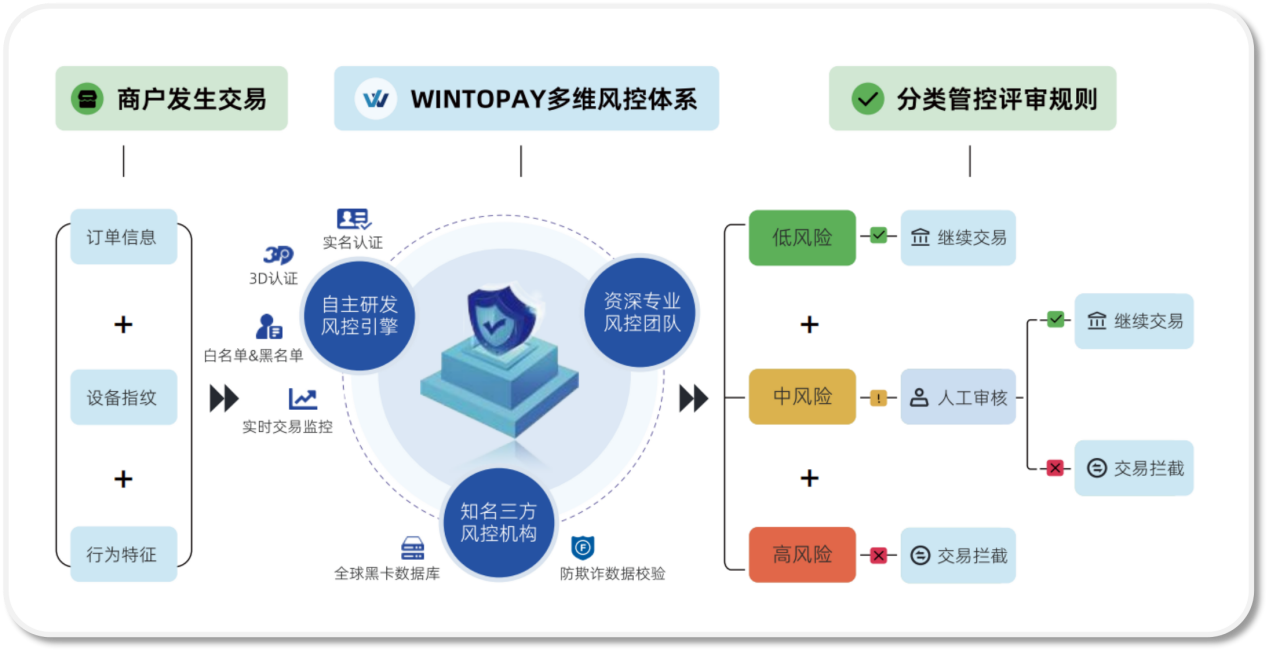
第二,强化风险管理与技术创新,兼顾交易安全与成交效率。大促订单量激增,也意味着欺诈风险的上升。WINTOPAY持续完善交易监测机制与风险管理策略,在有效识别风险交易的同时,尽可能减少对正常订单及消费者支付体验的影响。

此外,我们也在长期关注并布局AI技术创新,依托专业的AI研究团队及多年积累的交易数据与行业经验,持续探索AI在风险识别、辅助决策及支付服务等领域的应用,致力于为商户提供更加精准、高效的支付服务。

第三,夯实技术底座,保障高峰交易稳定运行。针对旺季交易量集中增长的特点,WINTOPAY持续优化自研支付系统与交易处理链路,提升系统稳定性、高并发处理能力及异常响应效率,为商户规模化交易提供技术支撑。

第四,完善全链路服务,守护商户经营成果。黑五期间的每一笔订单背后,都承载着商户在产品、营销、备货及客户运营等方面的投入。WINTOPAY也通过7×24小时服务响应与跨部门协同机制,进一步提升交易异常、退款处理及拒付争议等问题的处理效率,减少交易及售后环节的经营损耗,让商户更加专注于市场拓展。

亿邦动力:今年你们感受到了哪些明显的市场变化?跨境支付行业面临哪些新趋势?

WINTOPAY:今年感受到比较明显的变化是,出海企业的全球化经营正在呈现市场布局多区域化、商业模式多元化及交易场景持续创新的趋势。

一方面,随着成熟市场竞争加剧,越来越多企业开始通过多区域布局寻找新的增长空间。另一方面,数字化商业模式不断丰富,企业的交易场景也在突破传统零售电商的边界。不同业务在交易频次、计费方式、客单价及风险管理等方面各有特点,单一、标准化的支付服务已难以充分满足商户日益多元的经营需求。

与此同时,AI技术正在加速融入跨境商业的多个环节,并可能催生新的交易需求与商业模式,这也对支付机构的产品创新及前瞻性布局能力提出了新的要求。

未来,衡量一家全球支付服务机构的价值,不仅要看其覆盖多少市场、提供多少种支付方式,更要看其能否深入理解不同行业、不同商业模式的交易特点,将渠道资源、产品技术、风险管理与专业服务有效结合,为商户提供真正适配其经营需求的解决方案。

亿邦动力:有人说今年黑五大促季,商家的“入场券”更贵了,需要投入更多、做得更重等,你们怎么看?

WINTOPAY:这一感受是客观存在的,但相比投入规模的增加,商户更应关注投入产出效率的提升。随着流量成本上升、消费者决策趋于审慎,以及合规要求不断提高,过去依靠粗放铺货、低价冲量的增长模式面临更多挑战,企业需要将有限的经营资源集中在能够形成长期竞争力的环节。

但全球化经营并不意味着企业必须独立构建所有能力,而是一个专业分工、资源协同的过程。产品创新、品牌建设和用户运营是商户的核心竞争力,而全球支付接入、交易风控等专业领域,则可借助成熟服务机构的资源、技术与经验,降低重复投入与试错成本。

这也是WINTOPAY坚持“诚信赢得未来,服务创造价值”的出发点。希望通过专业的支付服务,帮助商户降低全球化经营的复杂性,提升整体经营效率,让商户更加专注于自身核心竞争力的建设,实现更有质量的增长。

亿邦动力:你们认为今年黑五大促季最大的看点、新增量来自哪里?

WINTOPAY:今年黑五的增长机会主要来自两个方向:一是不同区域市场消费需求的深度挖掘,二是新兴商业场景的持续拓展。

从区域市场来看,美国依旧是黑五的重要市场,增长机会正从新增流量获取向会员运营、客户复购等方向延伸;西欧市场在高客单价品类、分期消费等场景中存在机会,商户可通过更加适配的支付选择降低消费者的购买决策门槛;拉美、东南亚等新兴市场则为出海企业提供了新的增长空间,但能否适配当地消费与支付习惯,将直接影响市场拓展成效。

从商业模式来看,AI正在推动内容生产、产品创新及营销模式的变革,短剧、漫剧等数字出海赛道也展现出新的增长潜力。相较于传统实物商品,这类业务更加重视用户触达后的即时转化,对支付便捷性、灵活计费及持续交易承接能力提出了更高要求。

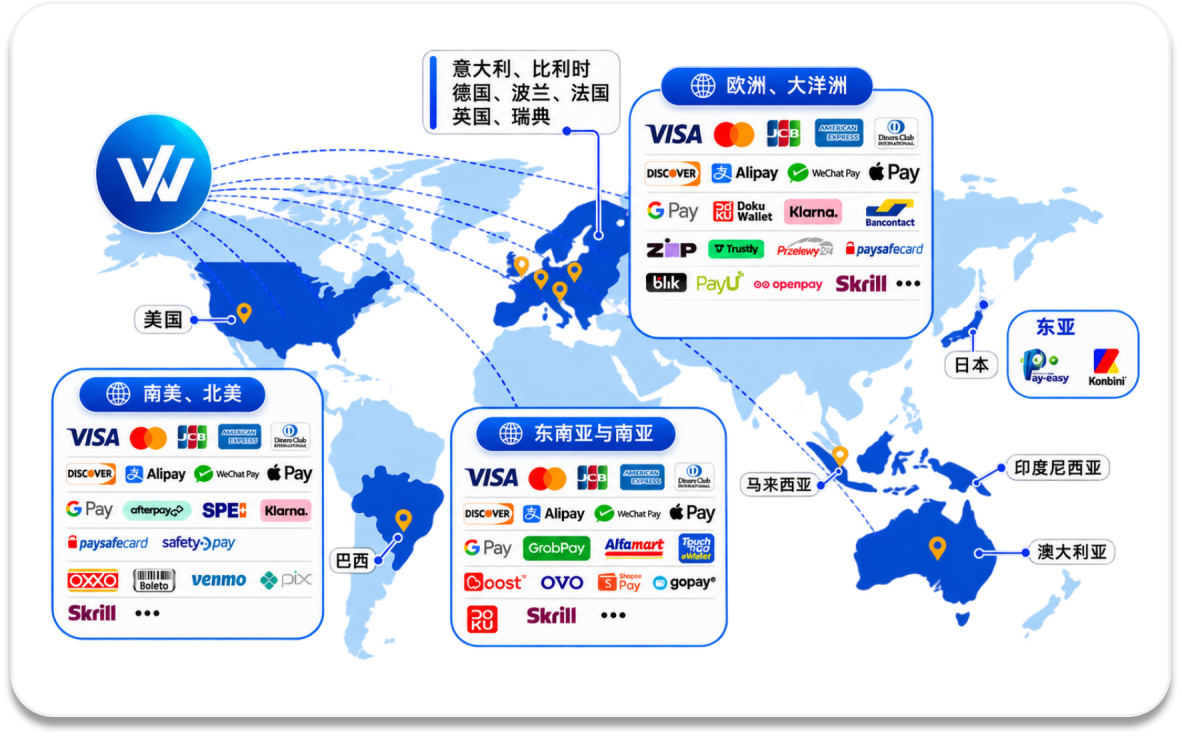
围绕全球市场差异化的消费需求,WINTOPA持续丰富支付产品矩阵,涵盖国际信用卡支付、数字钱包和先买后付(BNPL)服务,以及多元化的区域本地支付与订阅支付服务,帮助商户构建更贴合目标市场及自身业务特点的支付布局,让全球消费者以熟悉、便捷的方式完成付款,助力商户提升交易转化与市场拓展效率。

在我们看来,黑五的新增量不仅来自新的市场、消费者及商业模式,也来自对现有经营链路的持续优化。能否将市场机会高效转化为实际经营成果,才是企业实现持续增长的关键。


本文首发于 亿邦动力 官方网站

文章来源:亿邦动力

广告
微信
朋友圈

FAQ回顾

跨境支付机构如何帮助独立站商户提升黑五旺季成交效率?

跨境支付机构可通过支付链接收款拓展社交媒体、私域、邮件等成交场景,提前配置大商户通道与备用通道提升交易承载能力,强化风控与AI技术应用,优化自研支付系统高并发能力,并通过7×24小时服务减少异常、退款及拒付争议损耗,帮助商户将流量转化为交易收入。

黑五旺季跨境商户面临哪些支付和资金管理问题?

黑五期间交易量可能达日常数倍,通道限额容易成为瓶颈,欺诈风险也会上升;订单集中增长还会带来采购备货、供应商结算等资金需求。同时,多币种收款、回款识别、对账、换汇、对外付款及提现若跨账户跨平台操作,会增加管理成本,影响资金使用效率。

跨境支付中的支付链接收款适合哪些场景?

支付链接收款适合社交媒体、私域营销、即时通讯工具、邮件等海外获客渠道。商户可直接生成收款链接发送给消费者,缩短成交路径,及时承接传统独立站购物场景之外的购买需求,进一步释放营销投入的转化价值。

跨境商户如何提升海外资金使用效率?

商户可使用全球收付款服务,涵盖VA企业账户收款、全球对外付款、货币兑换及账户间转账等模块。通过获取当地银行账户信息降低海外开户门槛,并在统一平台完成多币种资金归集、回款识别与对账,灵活安排换汇、付款及提现,减少跨账户跨平台管理成本。

跨境支付行业正在出现哪些新趋势?

出海企业正呈现多区域市场布局、商业模式多元化、交易场景持续创新等趋势,单一标准化支付服务难以满足需求。AI技术加速融入跨境商业多个环节,可能催生新交易需求与商业模式。支付机构的价值更看其能否理解不同行业交易特点,并整合渠道、产品、风控与服务能力。

这么好看,分享一下?

朋友圈 分享

APP内打开

赞 +1
+1
微信好友 朋友圈 新浪微博 QQ空间
关闭
收藏成功
发送
/140 0