广告
加载中

智采云:依托信创适配与客户分群,打造工业品全域协同数智供应链

亿邦智库 2026-07-31 17:10
亿邦智库 2026/07/31 17:10

邦小白快读

EN
全文速览

本文核心介绍了入选《2026数智化采购发展报告》年度解决方案与技术服务提供商智采云的数智采购服务模式,核心干货信息如下

1. 智采云已经形成从底层技术到配套服务的完整服务闭环,覆盖工业品采购全流程,适配不同规模企业的采购需求,同时满足央国企的信创替代要求。

2. 不同需求的采购者可对应选择适配方案:大型企业可申请免费私有化专属部署,快速对接现有系统,满足合规管控需求;中小企业可选择轻量化SaaS服务,无需大额部署费用,还可申请信用账期缓解现金流压力。

3. 该模式已经在多行业落地验证,可帮助企业降低采购成本8%-11%,提升采购效率8%-18%,降本提效效果明确。

本文可为工业品品牌商提供市场趋势、渠道机会与竞争要求等干货内容,核心总结如下

1. 当前行业趋势:国务院国资委要求2027年底前中央企业完成信息化系统信创替代,市场对适配国产化生态的工业品需求大幅增长,适配信创要求的品牌将获得更多市场机会。

2. 渠道建设机会:智采云平台汇聚千万级SKU,已经接入万级合作品牌,拥有全国性的仓配履约网络和稳定的大中小企业采购客源,品牌商可入驻平台拓展销售渠道,借助平台的服务体系降低自身履约成本。

3. 竞争要求:平台要求所有入驻商品附带厂家完整资质授权,还会开展周期性全网比价,要求商品价格比主流渠道低1%-5%,品牌商需要做好品控和成本控制才能符合入驻要求。

工业品卖家可从本文获得政策解读、市场机会与风险提示等干货内容,核心总结如下

1. 政策解读:当前国务院国资委明确要求2027年底前所有中央企业完成信息化系统的信创替代,适配国产芯片、操作系统的工业品卖家将迎来大规模政策红利,市场需求空间广阔。

2. 市场机会:当前采购端需求分层明显,大型企业需要降本增效、合规管控、跨区域物资统筹,中小企业需要低成本数字化服务、现金流支持,卖家可针对性调整产品和服务,匹配不同客户的痛点需求。

3. 机会与风险提示:卖家可入驻智采云平台,依托平台的技术、仓配、金融服务触达客户,降低自身运营成本,但需要满足资质齐全、价格有竞争力的要求,平台会通过AI自动校验商品信息,管控商品质量与价格,不符合要求无法上架。

本文可为生产型工厂提供产品需求、商业机会与数字化转型启示等干货内容,核心总结如下

1. 产品生产需求变化:当前下游采购端对产品资质管控、信创适配、配送时效、价格透明度的要求大幅提升,央国企信创替代带来大量新的国产化产品需求,工厂可调整产品布局,抓住政策红利。

2. 商业拓展机会:智采云平台汇聚了大量大中小企业采购需求,可承载千万级SKU,拥有成熟的履约服务体系,工厂可作为供应商入驻平台,借助平台的流量和仓配体系拓展销售渠道,降低自身的渠道建设和仓储物流成本。

3. 数字化转型启示:工厂推进电商化转型可借鉴分层技术架构思路,打通采购、生产、财务的数据链路,同时可依托第三方分级仓配网络提升配送效率,匹配不同客户的交付时效要求。

工业品供应链相关服务商可从本文获得行业趋势、客户痛点与解决方案参考等干货,核心总结如下

1. 行业发展趋势:当前工业品采购行业正向数智化、国产化、高韧性方向发展,信创适配服务、差异化全链路采购数字化服务是未来的核心增长点,市场需求旺盛,前景广阔。

2. 客户核心痛点:大型企业采购存在数字化转型投入高、现有系统对接繁琐、合规管控难、跨区域物资统筹难度大的痛点;中小企业存在数字化预算不足、现金流紧张、库存成本高、交付响应滞后的痛点,全行业都存在信创替代落地改造成本高的问题。

3. 可参考的解决方案:可参考智采云的模式,搭建分层技术架构,针对不同规模客户推出差异化服务,搭建全国分级仓配网络提升履约效率,配套供应链金融服务解决客户现金流痛点,提前布局信创适配满足央国企的合规要求。

工业品采购平台商可从本文获得客户需求、运营经验与风险规避等干货内容,核心总结如下

1. 当前市场对采购平台的核心需求:需要平台具备信创适配能力、全品类工业品覆盖能力、高效全国履约能力、差异化分层服务能力,还要配套供应链金融服务,同时满足大型企业定制化需求和中小企业低成本轻量化需求。

2. 运营管理可借鉴的经验:技术层面采用分层自研架构,支撑全流程线上化,满足审计追溯要求;商品层面从源头管控商家资质,搭建细分行业专属采购场景的商品矩阵;履约层面搭建全国中心仓、服务仓、中转仓分级网络,采用就近调拨提升配送时效;针对不同客户群体推出差异化服务方案,覆盖大中小各类客户。

3. 风险规避:针对信创合规要求,可采用样机先行测试机制,提前排查适配问题,降低后期运维风险,满足央国企的合规要求。

对于产业研究者而言,本文呈现了当前工业品数智采购领域的产业新动向、创新商业模式,核心干货如下

1. 产业新动向:在国务院国资委信创替代政策的推动下,央国企采购数字化信创替代已经成为明确的产业新方向,市场对适配国产化生态的数智采购解决方案需求快速增长,客户分层服务、配套供应链服务已经成为平台型企业的核心竞争力。

2. 创新商业模式:智采云打造了“分层技术底座+客户分层服务+配套供应链金融”的完整闭环服务模式,针对大型企业提供免费私有化定制部署,满足合规和统筹需求,针对中小企业提供轻量化SaaS服务,降低准入门槛,同时配套信用账期服务解决行业普遍的现金流错配痛点,兼顾不同类型客户的需求。

3. 该模式已经通过多行业落地验证了降本提效风控的价值,为整个行业提供了标准化参考,未来产业将向智能化、国产化、高韧性方向发展。

返回默认
声明:快读内容全程由AI生成,请注意甄别信息。如您发现问题,请发送邮件至 run@ebrun.com 。

我是 品牌商 卖家 工厂 服务商 平台商 研究者 帮我再读一遍。

Quick Summary

This article introduces the intelligent digital procurement service model of Zhicaiyun, a provider of annual solutions and technical services featured in the *2026 Digital & Intelligent Procurement Development Report*. Key takeaways are as follows:

1. Zhicaiyun has built a complete closed-loop service covering underlying infrastructure technology to supporting services. It spans the full workflow of industrial product procurement, adapts to the procurement needs of enterprises of all sizes, and meets the domestic innovation (Xinchuang) replacement requirements of central and state-owned enterprises.

2. Procurement buyers can choose tailored solutions based on their needs: Large enterprises can apply for free private dedicated deployment to quickly connect with their existing systems and meet compliance control requirements; Small and medium-sized enterprises (SMEs) can opt for lightweight SaaS services, which require no large upfront deployment costs, and can also apply for credit terms to ease cash flow pressure.

3. This model has been validated across multiple industries. It helps enterprises cut procurement costs by 8% to 11% and boost procurement efficiency by 8% to 18%, delivering clear cost reduction and efficiency improvement results.

This article provides key insights on market trends, channel opportunities and competitive requirements for industrial product brands. Key takeaways are summarized below:

1. Current industry trend: The State-owned Assets Supervision and Administration Commission (SASAC) requires all central government-owned enterprises to complete Xinchuang (domestic innovation) replacement of their information systems by the end of 2027. This has driven a sharp increase in market demand for industrial products compatible with the localized ecosystem, and brands that meet Xinchuang requirements will gain greater market access.

2. Channel expansion opportunities: The Zhicaiyun platform hosts tens of millions of SKUs and has partnered with 10,000+ brands. It operates a nationwide warehouse and delivery fulfillment network and serves a stable customer base of large, small and medium-sized procurement enterprises. Brands can enter the platform to expand sales channels and reduce their own fulfillment costs by leveraging the platform's service ecosystem.

3. Competitive entry requirements: The platform requires all listed products to carry complete manufacturer qualification and authorization. It also conducts regular cross-platform price comparisons, requiring products to be priced 1% to 5% lower than prices on mainstream channels. Brands need to implement strict quality control and cost management to meet platform entry requirements.

This article delivers key insights on policy interpretation, market opportunities and risk alerts for industrial product sellers. Key takeaways are summarized below:

1. Policy interpretation: SASAC has explicitly required all central enterprises to complete Xinchuang replacement of their information systems by the end of 2027. Sellers of industrial products compatible with domestic chips and operating systems will benefit from large-scale policy dividends, with vast untapped market demand.

2. Market opportunities: Procurement demand is clearly segmented today. Large enterprises prioritize cost reduction, efficiency improvement, compliance control and cross-regional material coordination, while SMEs need low-cost digital services and cash flow support. Sellers can adjust their product and service offerings to target the pain points of different customer groups.

3. Opportunity and risk alerts: Sellers can enter the Zhicaiyun platform to reach customers and reduce their operating costs by leveraging the platform's technology, warehouse and delivery, and financial services. However, they must meet requirements for complete qualifications and competitive pricing: the platform uses AI to automatically verify product information and enforce quality and price controls, and non-compliant products cannot be listed.

This article provides key insights on product demand changes, business opportunities and digital transformation inspiration for manufacturing factories. Key takeaways are summarized below:

1. Shifts in product demand: Downstream procurement clients have significantly raised requirements for product qualification control, Xinchuang compatibility, delivery timeliness and price transparency. Xinchuang replacement among central and state-owned enterprises has generated massive new demand for localized products. Factories can adjust their product layouts to capture this policy-driven dividend.

2. Business expansion opportunities: The Zhicaiyun platform aggregates large volumes of procurement demand from enterprises of all sizes, can support tens of millions of SKUs, and operates a mature fulfillment service system. Factories can settle on the platform as suppliers, leverage the platform's traffic and warehouse-delivery network to expand sales channels, and cut their own channel construction and logistics costs.

3. Inspiration for digital transformation: To advance e-commerce transformation, factories can adopt a layered technology architecture framework, connect data across procurement, production and finance departments, and leverage third-party tiered warehouse and delivery networks to improve delivery efficiency and meet the delivery timeliness requirements of different customers.

This article provides key insights on industry trends, customer pain points and solution references for industrial supply chain service providers. Key takeaways are summarized below:

1. Industry development trends: The industrial procurement industry is currently moving toward digitalization, localization and higher resilience. Xinchuang compatibility services and differentiated full-link procurement digitalization services have emerged as core future growth areas, with strong market demand and broad prospects.

2. Core customer pain points: Large enterprises face pain points including high digital transformation investment, complex integration with existing systems, difficult compliance control, and challenges in cross-regional material coordination. SMEs struggle with insufficient digital budgets, tight cash flow, high inventory costs and delayed delivery responses. Across the industry, high implementation and transformation costs for Xinchuang replacement remain a common problem.

3. Reference solution: Providers can follow Zhicaiyun's model: build a layered technology architecture, offer differentiated services for customers of different scales, develop a nationwide tiered warehouse and delivery network to improve fulfillment efficiency, add supply chain financial services to solve customers' cash flow pain points, and complete Xinchuang compatibility layout in advance to meet the compliance requirements of central and state-owned enterprises.

This article provides key insights on customer demand, operational experience and risk mitigation for industrial product procurement platforms. Key takeaways are summarized below:

1. Core market demand for procurement platforms: The market requires platforms to have Xinchuang compatibility, full-category industrial product coverage, efficient nationwide fulfillment, and differentiated tiered service capabilities, alongside supporting supply chain financial services. Platforms need to meet both the customized needs of large enterprises and the low-cost, lightweight needs of SMEs.

2. Operational best practices to learn from: On the technology side, adopt a proprietary layered architecture to support end-to-end online operations and meet audit and traceability requirements; On the product side, control merchant qualifications from the source and build product matrices tailored for dedicated procurement scenarios in segmented industries; On the fulfillment side, build a tiered national network of central warehouses, service warehouses and transit warehouses, and use nearby allocation to improve delivery speed; Offer differentiated service plans for different customer groups to cover enterprises of all sizes.

3. Risk mitigation: To meet Xinchuang compliance requirements, platforms can adopt a prototype-first testing mechanism to identify compatibility issues in advance, reduce late-stage operation and maintenance risks, and satisfy the compliance requirements of central and state-owned enterprises.

For industry researchers, this article presents new industry trends and innovative business models in the digital industrial procurement space. Key takeaways are as follows:

1. New industry trends: Driven by SASAC's Xinchuang replacement policy, digital Xinchuang transformation for procurement at central and state-owned enterprises has become a clear new industry direction. Market demand for digital procurement solutions compatible with the localized ecosystem is growing rapidly, and segmented customer service and supporting supply chain services have become core competitive advantages for platform enterprises.

2. Innovative business model: Zhicaiyun has built a complete closed-loop service model of "layered technology base + segmented customer service + supporting supply chain finance". It provides free customized private deployment for large enterprises to meet their compliance and coordination needs, and offers lightweight SaaS services for SMEs to lower the entry barrier, while providing credit term services to solve the common industry pain point of cash flow mismatch, covering the needs of all customer types.

3. This model has been validated across multiple industries for its value in cost reduction, efficiency improvement and risk control, providing a standardized reference for the entire industry. The industry is set to continue developing toward intelligence, localization and higher resilience in the future.

Disclaimer: The "Quick Summary" content is entirely generated by AI. Please exercise discretion when interpreting the information. For issues or corrections, please email run@ebrun.com .

I am a Brand Seller Factory Service Provider Marketplace Seller Researcher Read it again.

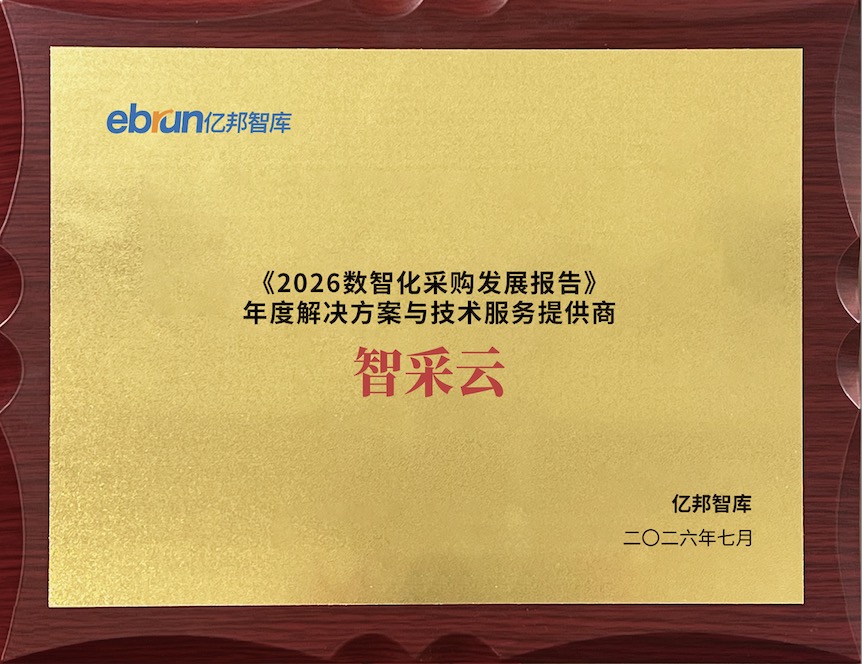
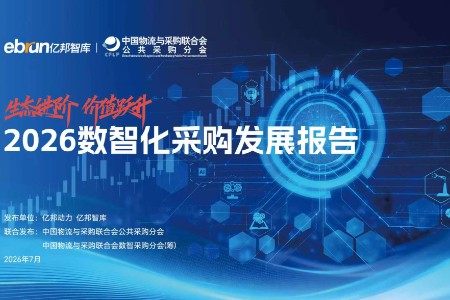
【亿邦原创】2026年7月22日,亿邦智库联合中国物流与采购联合会公共采购分会在北京发布了《2026数智化采购发展报告》,智采云入选《2026数智化采购发展报告》年度解决方案与技术服务提供商。

智采云依托分层技术架构、分类型客户专属服务、配套供应链金融及落地实践案例形成完整服务闭环。本文从平台底层综合能力、大型企业专属服务、中小企业轻量化方案、供应链金融配套、行业落地实践五大维度,全面拆解智采云的数智采购服务模式。

一、平台底层综合能力:分层技术底座、全品类商品与全国履约、国产化信创适配

智采云核心底层能力由商品供给体系、全国仓配履约网络、三层自研技术架构、全栈信创适配四部分构成平台运营基础底盘。

(一)全场景标准化工业品商品矩阵

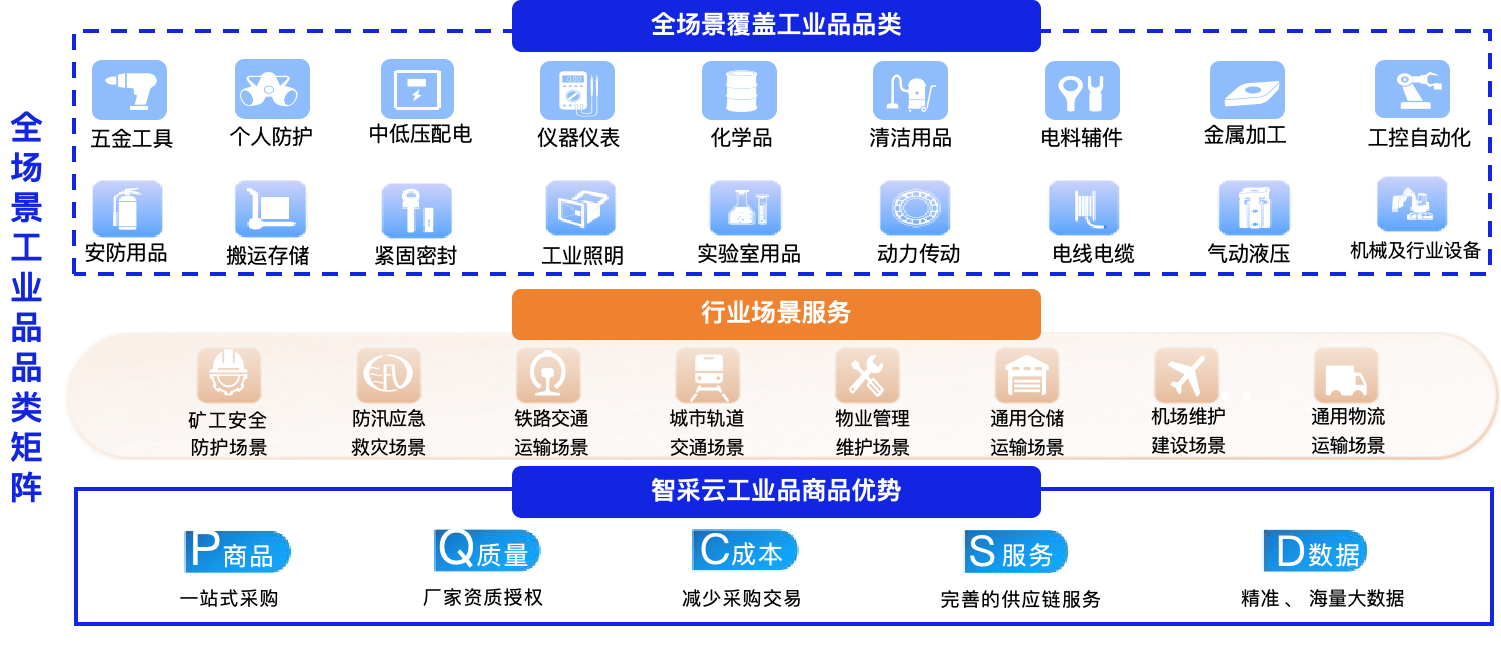
平台汇聚千万级SKU、覆盖万级合作品牌,搭建完整工业品品类体系,涵盖紧固密封、中低压配电、安防、五金、工控自动化、电线电缆、实验室化学品等全品类工业品。同时匹配矿工防护、轨道交通、防汛救灾、机场运维、通用仓储等八大细分行业专属采购场景,所有上架商品均附带厂家完整资质授权,从源头管控非标物资。

(二)全国分级仓配履约服务网络

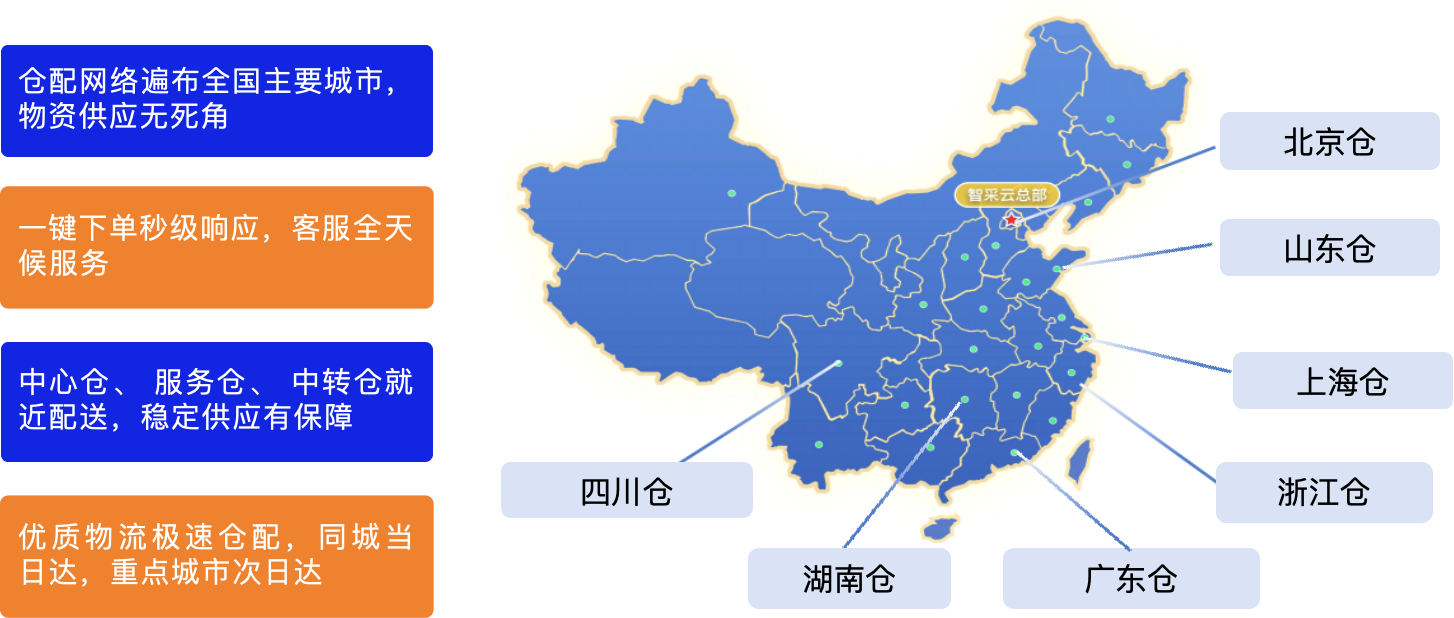
依托35万平米仓储资源与自有物流体系,搭配全国17家直营公司、百家代理机构、3000余名线下服务人员,搭建全国中心仓、服务仓、中转仓分级履约网络,核心仓储节点覆盖北京、山东、上海、浙江、四川、湖南、广东。配送执行就近调拨模式,实现同城当日达、重点城市次日达,下单后系统秒级响应,搭配全天候客服保障供应稳定。

(三)三层分层自研数字化技术架构

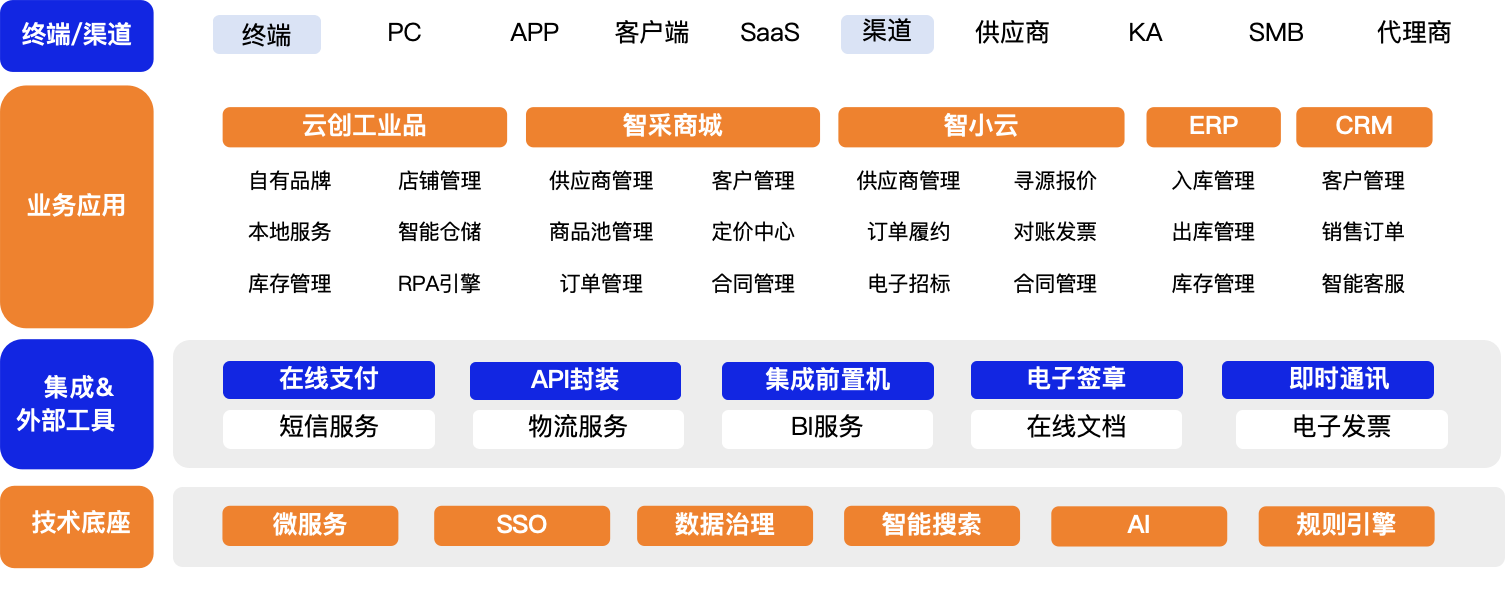
平台采用标准化三层分层架构,由底层技术底座、中间集成工具、上层业务应用组成,完整支撑采购全流程线上运营。底层以微服务、AI、数据治理、规则引擎为核心,配套API封装、单点登录等基础能力;中间集成在线支付、电子签章、BI数据分析、即时通讯、电子发票等工具,打通资金、物流、单据数据链路;上层搭载云创工业品、智采商城、智小云、ERP、CRM五大业务模块,叠加RPA引擎、电子招标、智能客服、定价中心功能,覆盖寻源报价、订单、对账、供应商管理全流程,支持PC、APP、代理商多终端同步操作,全业务操作线上留痕,满足审计追溯要求。

(四)适配国资要求的全栈国产化信创方案

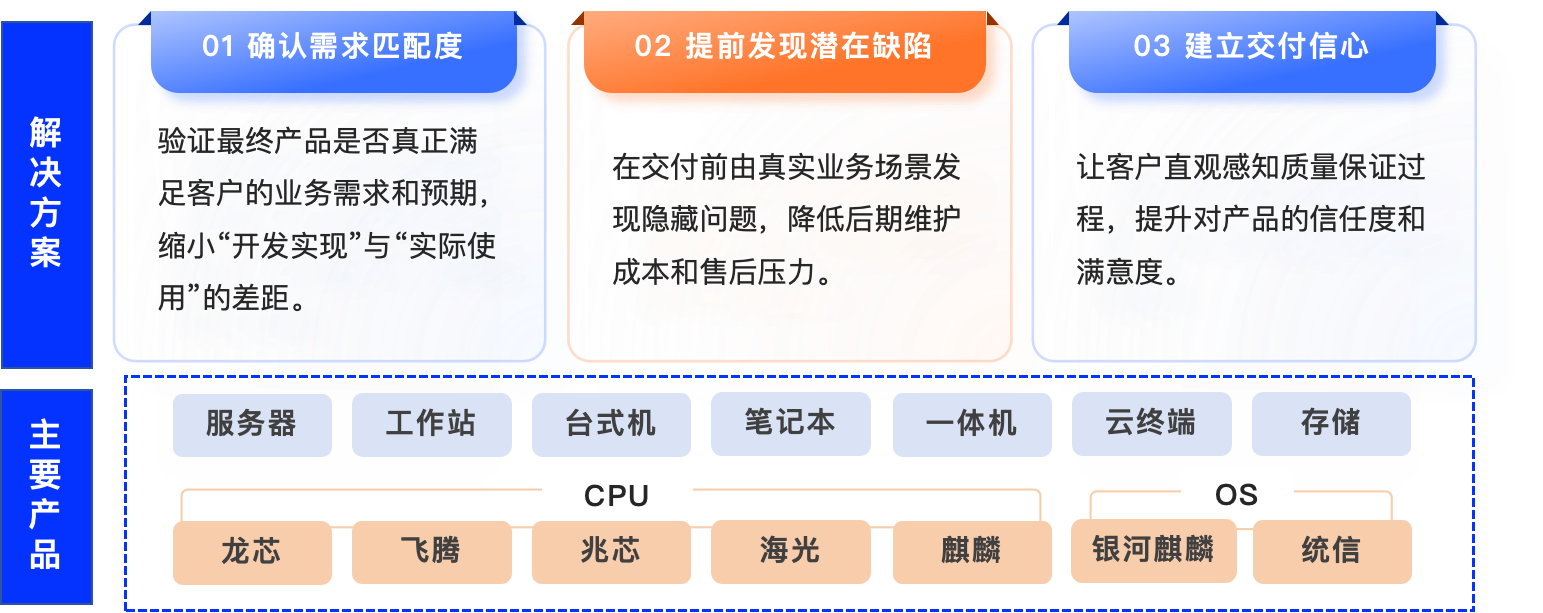
按照国务院国资委79号文2027年底前实现所有中央企业的信息化系统安可信创替代,智采云打造适配多类信创生态的采购履约方案。硬件覆盖服务器、工作站、台式机、存储等全系设备,全面兼容龙芯、飞腾、兆芯、海光国产CPU,适配银河麒麟、统信国产操作系统;平台推行样机先行测试机制,通过五条技术路线提前校验系统适配性,提前排查业务缺陷,降低后期运维成本。数字化链路打通采购、IT、财务、厂商四方数据,无需企业额外叠加履约改造成本,低成本完成央国企信创采购数字化落地。

二、面向大型企业:免费私有化专属部署,定制全链路采购解决方案

针对大型企业自建采购系统投入高、内部系统对接繁琐、跨区域物资统筹难度大、合规管控难等痛点,智采云推出大企业专属服务方案,免费提供专属采购平台部署。

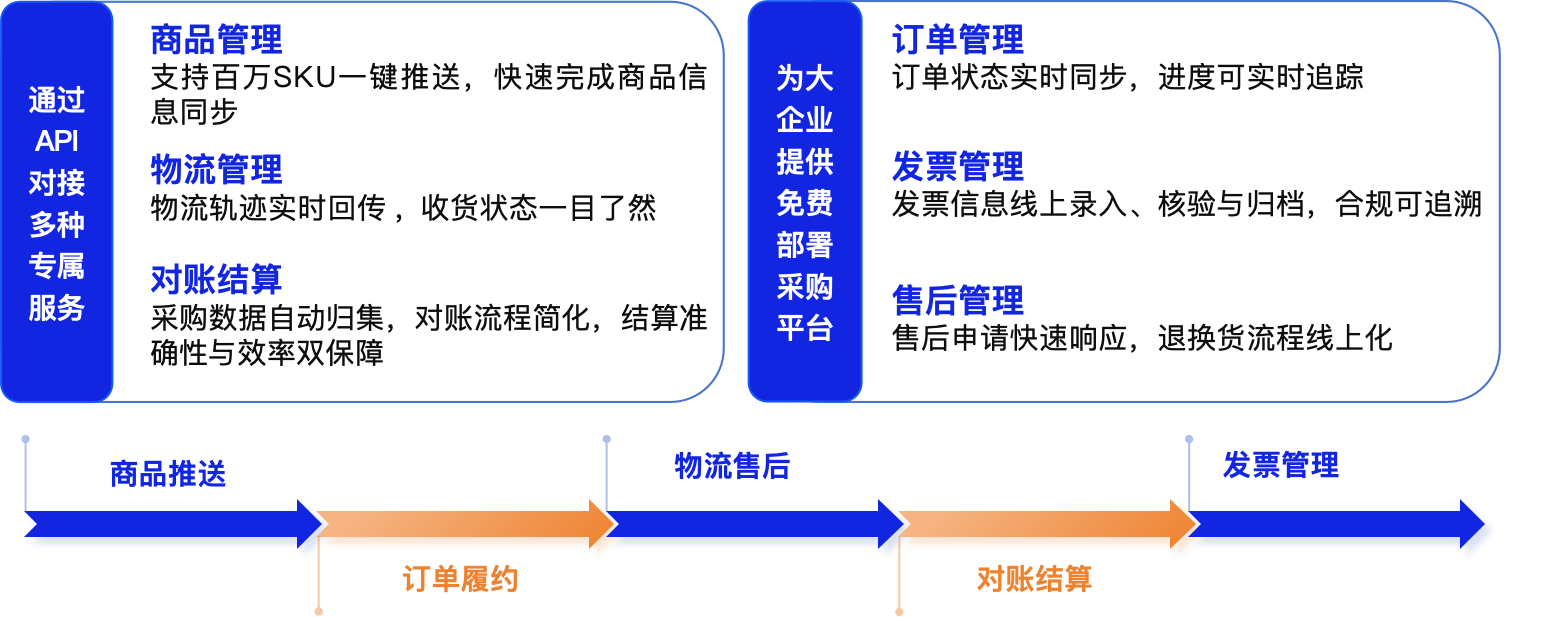
平台可通过标准化API接口快速对接企业现有ERP、财务系统,支持百万级SKU一键同步,打通商品推送、订单履约、物流追踪、对账结算、电子发票全线上流程;支持自定义审批流程,适配集团多层级、多分支机构管理架构。

有效解决传统采购效率低、合规弱的问题,大幅降低数字化转型的部署成本与周期,帮助企业实现工业品采购全流程线上化、透明化与自动化,全面助力企业降本增效与合规管控。

三、面向中小企业:数字云仓轻量化SaaS服务,降低采购运营门槛

中小企业采购核心痛点为需求零散、自有仓储投入高、库存周转缓慢、数字化预算不足、交付响应滞后,智采云针对性推出轻量化数字云仓服务。

中小企业以SaaS轻量化模式接入平台,无需大额部署费用;依托数字云仓沉淀企业日常高频采购物料,搭建专属采购资源池,共享平台全国前置仓网络,实现小时级极速补货,大幅削减自有仓库场地、库存资金占用,一站式解决仓储、配送、线上采购核心难题,平衡交付时效与企业运营成本。

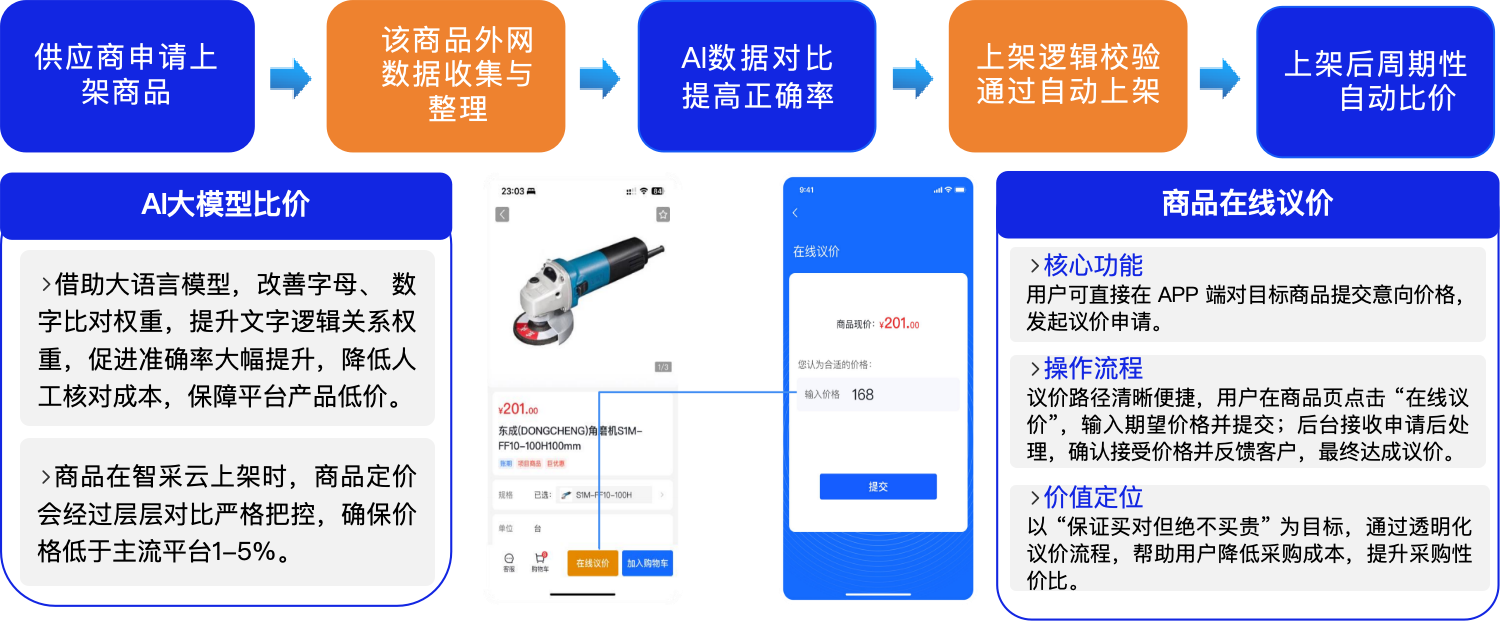
平台配套完整AI商品上架管控流程:供应商提交商品后,系统自动采集外网参数,依托大模型完成参数比对、上架逻辑校验;商品上架后执行周期性全网比价,优化文字、数字匹配权重提升比对准确率,平台商品价格稳定低于主流渠道1%-5%。移动端配套在线议价功能,采购者可直接填报意向价格提交申请,议价全流程线上留痕,实现透明化成本管控。

四、配套供应链金融服务:信用账期化解企业现金流难题

工业品采购普遍存在企业现金流紧张、付款周期与账期错配难题,尤其是中小企业因资金周转压力影响采购效率与供应链稳定性。

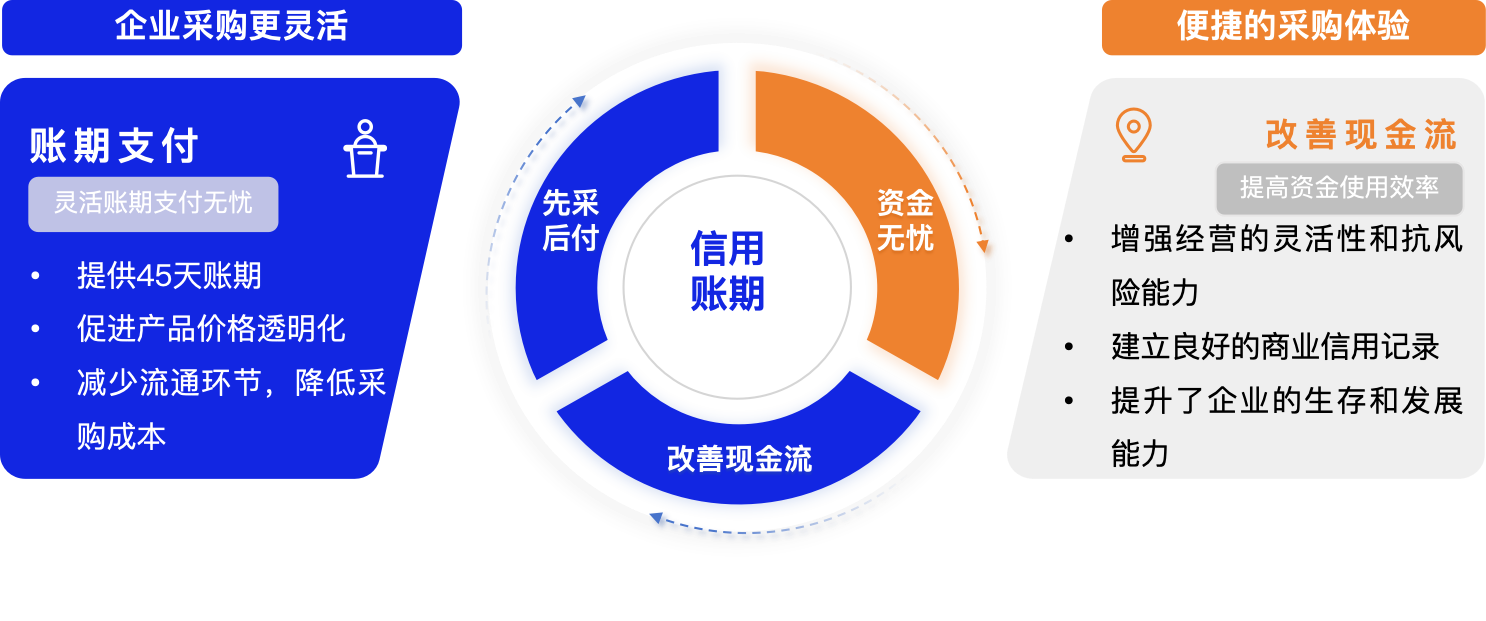
智采云提供信用账期服务,平台根据企业经营、历史采购数据综合评估授信额度,提供30-45天灵活账期,实行“先采购、后结算”模式,下单可直接使用信用额度抵扣货款;企业正常履约结算可持续提升授信上限。

“先采后付”既为企业提供灵活的支付方式,减少采购资金占用,改善现金流状况,提升资金使用效率;又能促进采购价格透明化,降低采购成本,同时帮助企业建立良好的商业信用记录,增强经营灵活性与抗风险能力,打造便捷高效的采购体验。

五、多行业落地实践,验证平台综合价值

(一)大型央企集采落地案例

企业原有痛点:全品类物资线上协同不足,跨区域物资配送时效差,集团统一价格管控难度高。

落地举措:通过API全链路打通集团内部各业务系统,依托千万级SKU覆盖全品类需求,AI智能比价管控采购价格,全国分级仓配就近调拨物资。

落地成效:通用物资采购成本平均下降9%,工业耗材采购成本降低11%,采购全流程效率提升8%,常规物资24-48小时完成配送。

(二)西门子定制化工业采购案例

企业原有痛点:采购审批层级繁杂、流程僵化,采购品类繁多,应急物资跨区域配送时效要求高。

落地举措:配置自定义审批流程精简冗余环节,依托平台百万级SKU匹配各类物资,AI比价控制采购成本,全国仓网支撑应急物资就近直发。

落地成效:通用物资采购均价下降10%,传统5-14天采购周期压缩至1-3天,整体采购效率提升18%,应急物资配送时效得到保障。

(三)新奥燃气能源行业采购案例

企业原有痛点:工厂生产物资配送时效要求高,大额高频采购带来现金流压力,合作供应商数量多、风险管控难度大。

落地举措:依托全国分级仓配体系保障物资极速送达,开放定制化高额度信用账期,通过供应商360°全景可视化管理管控合作风险。

落地成效:燃气设备采购成本下降8%,跨区域采购沟通成本减少30%,采购周期由10-15天缩短至4-6天,供应链合作风险显著降低。

智采云构建的一体化服务体系,兼顾央国企信创、大型集团统筹及中小企业轻量化需求。平台全面适配国产芯片与操作系统,筑牢信创采购底座。多行业案例验证其降本、提效、保供、风控价值,为工业品采购数字化提供标准化参考。未来将持续迭代AI技术、扩容仓配节点、开放SaaS工具,赋能上下游转型,推动行业向智能化、国产化、高韧性发展。

亿邦智库持续关注央国企数字化采购领域的最新进展,如想了解更多与本文相关信息,请扫码关注作者微信或发送邮箱。

联系邮箱为:zhangjing@ebrun.com

文章来源:亿邦动力

广告
微信
朋友圈

FAQ回顾

智采云的数智采购服务有哪些核心能力?

智采云具备四大核心底层能力,包括覆盖千万级SKU的全品类工业品商品矩阵、覆盖全国的分级仓配履约网络、三层分层自研数字化技术架构、适配国资要求的全栈国产化信创方案,可满足不同类型企业采购需求。

大型企业做工业品数字化采购有什么低成本解决方案?

大型企业可选择智采云的专属服务方案,可免费获得专属采购平台私有化部署,通过标准化API接口快速对接企业现有ERP、财务系统,支持自定义审批流程,能大幅降低数字化转型的部署成本与周期。

中小企业如何解决工业品采购成本高时效慢的问题?

中小企业可接入智采云轻量化SaaS数字云仓服务,无需大额部署费用,可共享平台全国前置仓网络实现小时级极速补货,平台商品价格稳定低于主流渠道1%-5%,还可享受30-45天灵活信用账期。

数智化工业品采购能为企业带来哪些实际价值?

数智化工业品采购可帮助企业降低采购成本8%-11%,提升采购效率8%-18%,大幅缩短采购周期,保障物资配送时效,同时可实现采购全流程线上留痕,满足审计追溯要求,助力企业合规管控。

这么好看,分享一下?

朋友圈 分享

APP内打开

赞 +1
+1
微信好友 朋友圈 新浪微博 QQ空间
关闭
收藏成功
发送
/140 0