广告
加载中

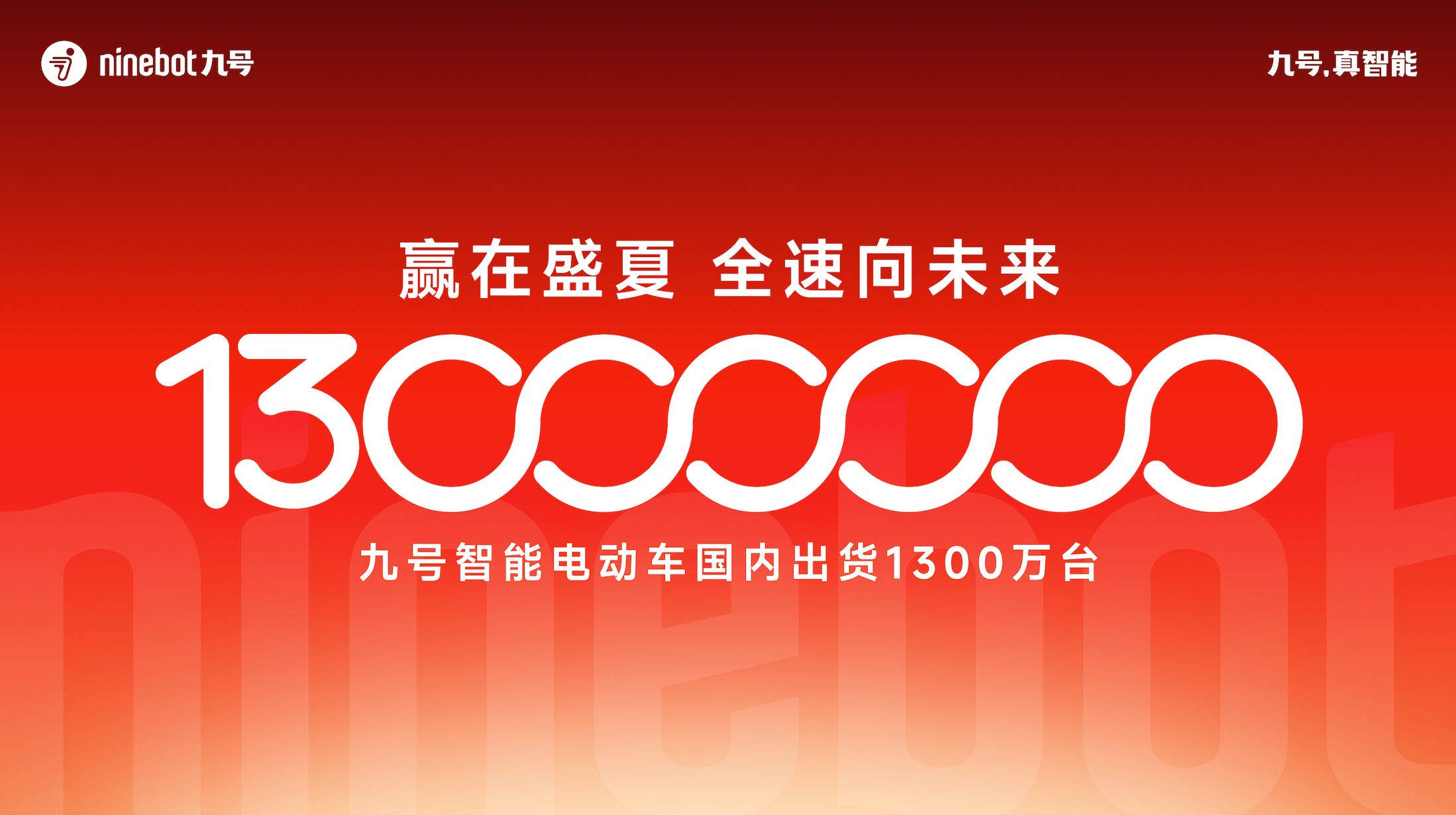
九号智能电动车国内累计出货突破1300万台:用户增长与产品进化双向驱动

龚作仁 2026-07-31 14:01
龚作仁 2026/07/31 14:01

邦小白快读

EN
全文速览

本文核心信息是九号智能电动车国内累计出货突破1300万台,刷新智能两轮电动车行业增长纪录,九号的增长模式和产品特点对普通消费者有明确参考价值

1. 九号不依靠单一爆款拉动增长,构建了可持续的增长体系,始终围绕智能化持续投入,推出无钥匙解锁、RideyFUN智驾系统、RideyLONG长续航系统等实用功能,主打自然便捷、安全个性化的骑行体验,符合当下智能出行需求

2. 九号已经形成用户选择-产品进化-口碑沉淀的正向循环,1300万用户的骑行反馈反哺产品优化,全球用户累计骑行里程已经突破900亿公里,产品市场认可度高

3. 九号已经从产品交付延伸到全生命周期服务,持续完善售后网络,支持产品持续升级,能长期保障用户的出行体验

九号智能电动车的增长成果和运营经验,对电动车行业品牌商有多方面的参考价值,契合当前行业转型的发展趋势

1. 增长模式层面,行业已经进入注重效率与品质的竞争阶段,九号不依赖单一爆品或短期机遇,构建了用户增长与产品进化双向驱动的可持续增长体系,持续围绕智能化投入,以真实用户体验为核心打造产品,形成正向增长循环,值得品牌商参考

2. 品牌布局层面,九号采用双品牌差异化协同布局,Ninebot九号深耕本土市场贴合国内用户需求,Segway赛格威依托全球品牌认知拓展海外市场,国内国际双轮驱动打开增长空间,让增长来源更多元

3. 用户运营层面,九号将产品交付作为用户服务的起点,围绕用户全生命周期体验布局产品、服务、渠道,通过真实骑行数据反哺研发,沉淀口碑扩大品牌影响力

九号电动车的增长经验,给电动车卖家带来了明确的机会方向与经营启示,可帮助卖家抓住行业增长红利

1. 行业机会层面,当前智能电动车是明确的增长方向,行业转型期注重品质与智能化,同时海外市场还有广阔的增长空间,九号的全球化布局也带来了更多出海合作的可能性

2. 经营启示层面,九号靠真实用户体验和口碑实现持续增长,卖家可侧重推广具备真实智能化体验的产品,引导用户口碑分享,降低获客成本,扩大经营影响力

3. 用户运营层面,九号将服务延伸到产品交付后的全生命周期,卖家可跟进完善配套售后服务,提升用户满意度,带动转介绍和复购,同时可关注头部品牌的渠道合作政策,抓住品牌扩张带来的渠道增量机会

九号电动车的发展模式,给两轮电动车生产工厂提供了产品方向、商业机会与数字化转型的多方面启示

1. 产品生产设计需求层面,当前用户已经不满足电动车的基础代步功能,对智能化出行体验有明确需求,厂商需要将智能化作为产品设计的核心方向,九号的经验显示,依托真实用户骑行数据优化产品,能更好贴合用户实际需求

2. 商业机会层面,九号这类头部品牌国内用户规模持续扩大,同时正在加速拓展全球市场,对符合智能化标准的产能有持续增长的需求,工厂可调整生产布局,对接头部品牌的国内升级和出海产能需求

3. 转型启示层面,工厂可依托品牌方输出的用户反馈和骑行数据,推进数字化生产改造,加快产品迭代速度,更好匹配市场快速变化的需求,提升自身的市场竞争力

九号智能电动车的增长路径,反映了智能出行行业的发展趋势,也给相关服务商明确了客户痛点与服务方向

1. 行业发展趋势层面,当前两轮电动车已经从传统代步工具转变为智能出行终端,行业竞争从规模扩张转向效率品质竞争,智能化、全球化、用户全生命周期运营是明确的发展方向

2. 客户核心痛点层面,头部品牌现在需要获取真实用户需求快速迭代产品、完善覆盖国内全球的服务网络、实现车辆用户服务的高效数字化连接,这些需求给服务商带来了明确的市场机会

3. 解决方案方向层面,服务商可围绕品牌需求,布局用户骑行数据采集分析服务、售后网络数字化管理服务、智能化功能技术配套研发服务等,契合头部品牌全要素能力升级的需求,开拓自身业务空间

九号智能电动车的发展,反映了智能出行品牌对平台的需求,也给平台运营、招商带来了多方面启示

1. 品牌需求层面,当前头部智能出行品牌已经不满足国内市场的布局,有明确的全球化拓展需求,同时需要平台提供数字化用户运营、服务管理的工具支持,以及匹配全球化的渠道资源

2. 招商与运营方向层面,平台可重点引入主打智能化的两轮电动车品牌,契合消费升级趋势,优化平台出行品类的结构,同时针对采取双品牌布局的品牌,提供差异化的运营支持,匹配不同品牌的市场定位

3. 风向规避层面,当前行业已经进入深层次品质竞争阶段,平台要避开只依赖单一爆品营销的品牌,优先选择具备完整可持续增长体系、用户口碑良好的品牌,降低平台自身的经营风险

九号智能电动车出货突破1300万台的案例,反映了国内智能两轮电动车产业的最新动向,为产业研究提供了典型的研究样本

1. 产业新动向层面,当前国内两轮电动车行业已经进入智能化转型的深水区,行业竞争核心从规模扩张转向效率品质提升和用户价值创造,头部品牌已经形成成熟的可持续增长模式,并且开始有序推进全球化市场拓展

2. 商业模式创新层面,九号打造了用户增长与产品进化双向驱动的增长体系,区别于传统企业依赖单一爆品的增长模式,通过双品牌差异化布局实现国内国际双轮驱动,还将业务从产品销售延伸到全生命周期用户服务,形成了创新的商业模式

3. 研究启示层面,该案例验证了坚持用户价值导向、持续投入技术创新,才能在行业转型阶段获得长期健康增长,为研究国内产业转型升级路径、出海拓展模式提供了有价值的实证参考

返回默认
声明:快读内容全程由AI生成,请注意甄别信息。如您发现问题,请发送邮件至 run@ebrun.com 。

我是 品牌商 卖家 工厂 服务商 平台商 研究者 帮我再读一遍。

Quick Summary

This article highlights that Ninebot (Segway-Ninebot) has shipped over 13 million smart electric two-wheelers in China, setting a new growth record for the smart electric two-wheeler industry. Ninebot’s growth model and product characteristics offer clear reference value for general consumers.

1. Instead of relying on a single hit product to drive growth, Ninebot has built a sustainable growth framework centered on continuous investment in smart technology. It has launched practical features including keyless unlocking, the RideyFUN intelligent driving system, and the RideyLONG long-range system, focusing on a natural, convenient, safe and personalized riding experience that aligns with current demand for smart mobility.

2. Ninebot has formed a positive cycle of user selection, product evolution, and word-of-mouth accumulation. Riding feedback from 13 million users informs continuous product optimization. Global users have logged a cumulative total of over 90 billion kilometers of riding, demonstrating strong market recognition for the brand’s products.

3. Ninebot has expanded its business beyond product delivery to full-lifecycle services, continuously improving its after-sales network and supporting over-the-air product upgrades to deliver long-term reliable mobility experiences for users.

Ninebot’s strong growth results and operational experience offer multiple takeaways for industry brands, aligned with the current trend of industry transformation.

1. On the growth model front: As the industry enters a competitive phase focused on efficiency and quality, Ninebot does not rely on single hit products or short-term opportunities. Instead, it has built a sustainable growth framework driven by two-way interaction between user growth and product evolution, with continuous investment in smart technology and product development centered on real user experience, forming a positive growth cycle that is a valuable reference for peer brands.

2. On brand positioning: Ninebot adopts a differentiated dual-brand collaborative strategy: the Ninebot brand focuses on the domestic market to align with Chinese user needs, while Segway leverages its global brand recognition to expand into overseas markets. This dual domestic-international growth engine opens up more diversified growth sources.

3. On user operations: Ninebot treats product delivery as just the starting point of user service, and aligns its product, service, and channel strategies around full-lifecycle user experience. It leverages real riding data to inform R&D and accumulates word of mouth to expand brand influence.

Ninebot’s growth experience offers clear direction for opportunity and operational insights for electric two-wheeler sellers, helping them capitalize on industry growth dividends.

1. On industry opportunity: Smart electric two-wheelers are an unambiguous high-growth segment today. Amid industry transformation, the market prioritizes quality and smart features, while overseas markets still hold broad untapped growth potential. Ninebot’s global expansion also creates more opportunities for cross-border cooperation for sellers.

2. On operational takeaways: Ninebot achieved sustained growth through real user experience and word of mouth. Sellers can prioritize promoting products that deliver authentic smart experiences, and encourage users to share word of mouth, which reduces customer acquisition costs and expands business influence.

3. On user operations: Ninebot extends service across the full product lifecycle after delivery. Sellers can follow this example to improve supporting after-sales services, boost user satisfaction, and drive referrals and repeat purchases. They can also pay attention to channel cooperation policies from leading brands to capture incremental channel opportunities brought by brand expansion.

Ninebot’s development model offers multiple insights on product direction, business opportunities, and digital transformation for electric two-wheeler manufacturers.

1. On product design and manufacturing requirements: Users today are no longer satisfied with basic transportation functions, and have clear demand for smart mobility experiences. Manufacturers need to take smart technology as the core of product design. Ninebot’s experience shows that leveraging real user riding data to optimize products allows for better alignment with actual user needs.

2. On business opportunities: Leading brands like Ninebot are seeing continuous growth in their domestic user base and accelerating global expansion, driving growing demand for production capacity that meets smart technology standards. Factories can adjust their production layouts to serve leading brands’ domestic upgrade and global expansion capacity needs.

3. On transformation insights: Factories can leverage user feedback and riding data provided by brand partners to advance digital manufacturing transformation, speed up product iteration, better match fast-changing market demand, and improve their own market competitiveness.

Ninebot’s growth trajectory reflects development trends in the smart mobility industry, and clarifies customer pain points and service directions for related service providers.

1. On industry development trends: Electric two-wheelers have evolved from traditional transportation tools into smart mobility terminals. Industry competition has shifted from scale expansion to competing on efficiency and quality, with smart technology, globalization, and full-lifecycle user operation as clear core development directions.

2. On core customer pain points: Leading brands currently need to capture real user demand to accelerate product iteration, build out comprehensive service networks covering both domestic and global markets, and achieve efficient digital connectivity for vehicle and user services. These needs create clear market opportunities for service providers.

3. On solution directions: Service providers can build out offerings aligned with brand needs, including user riding data collection and analysis, digital after-sales network management, and supporting R&D for smart functions. These services meet the demand of leading brands for all-dimensional capability upgrades, and help service providers expand their own business scope.

Ninebot’s development reflects the needs of smart mobility brands for platforms, and offers multiple insights for platform operation and merchant recruitment.

1. On brand demand: Leading smart mobility brands today are no longer satisfied with domestic market布局, and have clear global expansion needs. They also require platforms to provide digital user operation and service management tools, as well as channel resources that support global expansion.

2. On recruitment and operation direction: Platforms can prioritize recruiting smart electric two-wheeler brands to align with the consumer upgrade trend and optimize the structure of their mobility category. For brands adopting a dual-brand layout, platforms can provide differentiated operational support that matches the market positioning of each brand.

3. On risk mitigation: As the industry has entered a phase of deep competition focused on quality, platforms should avoid brands that rely solely on single-hit product marketing, and prioritize brands with complete, sustainable growth systems and strong user word of mouth to reduce the platform’s own operational risk.

The case of Ninebot surpassing 13 million cumulative shipments captures the latest developments in China’s smart electric two-wheeler industry, and provides a typical research sample for industrial research.

1. On new industry developments: China’s electric two-wheeler industry has now entered the deep end of smart transformation. The core of industry competition has shifted from scale expansion to improving efficiency, quality and user value. Leading brands have developed mature, sustainable growth models and begun orderly expansion into global markets.

2. On business model innovation: Ninebot has built a growth system driven by two-way interaction between user growth and product evolution, which differs from traditional players’ single-hit-product-dependent growth model. Through its differentiated dual-brand layout, it achieves dual domestic-international growth, and extends its business from product sales to full-lifecycle user services, forming an innovative business model.

3. On research implications: This case verifies that sticking to user value orientation and continuous investment in technological innovation is the only path to long-term, healthy growth amid industry transformation. It provides valuable empirical reference for research on China’s industrial transformation and upgrading paths, and cross-border expansion models.

Disclaimer: The "Quick Summary" content is entirely generated by AI. Please exercise discretion when interpreting the information. For issues or corrections, please email run@ebrun.com .

I am a Brand Seller Factory Service Provider Marketplace Seller Researcher Read it again.

2026年7月31日,九号公司宣布,九号智能电动车在国内累计出货量正式突破1300万台。

从1000万台、1100万台、1200万台到1300万台,九号持续刷新智能两轮电动车行业增长纪录。1300万台,不只是用户规模的进一步扩大,更意味着九号正在将技术、产品、渠道、服务与用户运营等方面的积累,转化为可持续的增长能力。

当行业竞争进入更注重效率与品质的发展阶段,九号以智能化创新为核心,以用户体验为基础,并通过双品牌全球化布局,持续拓展新的市场空间。

从产品突破到体系能力,增长不靠单一爆品

对不少企业而言,增长往往来自一次爆款或一次市场机遇;而九号所构建的,是一套能够持续创造用户价值、并不断推动自身进化的增长体系。

过去几年,九号始终围绕“智能化”持续投入。从无钥匙解锁、RideyFUN智驾系统,到RideyLONG长续航系统、个性化主题及音效等功能,九号不断探索智能技术与日常骑行场景的结合,让两轮电动车从单纯的代步工具,逐步成为更懂用户的智能出行终端。

技术投入最终要回到真实体验。对于用户而言,智能化并非复杂功能的堆叠,而是每一次出行中更自然的便捷、更安心的守护与更具个性的表达。也正因此,越来越多用户因智能体验选择九号,并通过真实骑行体验和口碑分享,推动品牌影响力持续扩大。

随着用户规模不断增长,九号也能够获得更丰富的产品反馈,进一步加快产品迭代与服务优化。用户选择、产品进化、口碑沉淀与品牌增长之间,正在形成正向循环。

1300万台,正是这一体系能力持续释放的阶段性成果。

从中国市场增长到全球拓展,双品牌打开更大空间

过去数年,九号完成了在中国智能两轮电动车市场的深度布局;面向未来,更广阔的全球市场将为其提供新的增长空间。

作为全球创新短交通和服务机器人领域的重要企业,九号已构建起覆盖全球的业务网络,产品进入全球100多个国家和地区。依托Segway赛格威与Ninebot九号双品牌,九号正持续将智能出行产品带向更多海外市场和用户。

其中,Ninebot九号深耕中国市场,以更贴近本土用户需求的智能产品和服务体验,持续扩大用户基础;Segway赛格威则凭借长期积累的全球品牌认知与渠道基础,进一步拓展国际市场。

双品牌协同、国内国际双轮驱动,不仅意味着市场覆盖面的扩大,也意味着增长来源更加多元。从中国市场的持续增长,到海外市场的稳步拓展,九号正将经过市场验证的产品能力、技术能力与营销服务能力,复制到更多区域与出行场景中。

1300万台用户选择,让每一次骑行成为产品进化的动力

1300万台,不只是出货数字,更代表着1300万个用户选择,以及无数真实发生的骑行瞬间。

从日常通勤到周末出游,从年轻人的第一辆智能电动车,到家庭用户可靠、便捷的日常出行工具,九号正融入越来越多用户的生活。每一次解锁、每一次出发、每一次骑行后的反馈,都构成了九号理解用户需求、持续改善体验的重要基础。

截至目前,九号全球用户累计骑行里程已超900亿公里。不断增长的骑行数据,记录着用户对于绿色、智能出行方式的认可,也为产品研发、功能优化和服务升级提供了更丰富的真实场景参考。

用户规模越大,产品对需求的理解越深入;产品体验越好,用户增长的基础也越稳固。由用户与品牌共同推动形成的循环,正成为九号面向长期发展的重要资产。

从产品交付到服务连接,构建长期用户价值

随着用户规模持续扩大,九号的关注点已不止于产品本身。

近年来,九号持续完善服务网络建设,提升售后服务效率与用户体验;同时,依托智能化与数字化能力,探索车辆、用户与服务之间更高效的连接方式。

对用户而言,购买的不只是一辆电动车,更是一套能够持续升级、持续陪伴的智能出行体验。对九号而言,产品交付是服务的开始,而非用户关系的终点。

未来,九号将继续围绕用户的全生命周期体验,在产品、服务、渠道和数字化连接等方面持续投入,让每一位用户都能更便捷地享受智能出行。

以1300万台为新起点,持续拓展新增量

九号公司中国经营事业部总裁何飞龙表示:“1300万台,是一个值得纪念的一小步,更是面向下一阶段的新起点。它让我们更加坚定,只有持续为用户创造真实价值,企业才能获得长期、健康的增长。”

从中国市场的持续增长,到双品牌全球化布局的稳步推进;从产品创新,到技术、品牌、渠道、服务等全要素能力的协同,九号正在不断夯实长期发展的基础。

当行业进入更深层次的竞争阶段,决定企业长期价值的,不只是规模本身,更是能否持续为用户创造价值、能否建立经得起市场检验的核心能力。

九号将持续坚持以用户价值为中心,深耕技术创新与产品体验,完善服务网络,拓展全球市场,让全球用户都能享受到智能出行带来的便捷、安心与乐趣。

注:文/龚作仁,文章来源:Laborer,本文为作者独立观点,不代表亿邦动力立场。

文章来源:Laborer

广告
微信
朋友圈

FAQ回顾

九号智能电动车国内累计出货量达到多少了?

2026年7月31日九号公司宣布,旗下九号智能电动车在国内累计出货量正式突破1300万台,持续刷新智能两轮电动车行业的增长纪录。

九号智能电动车的增长靠什么支撑?

九号的增长不依赖单一爆品,而是围绕智能化持续投入打造可持续增长体系,形成用户选择、产品进化、口碑沉淀与品牌增长的正向循环,同时推进双品牌全球化布局。

九号在全球市场的布局是怎样的?

九号已构建覆盖全球的业务网络,产品进入100多个国家和地区,依托Ninebot九号深耕中国市场、Segway赛格威拓展国际市场的双品牌策略,实现国内国际双轮驱动增长。

九号用户的骑行数据有什么作用?

截至目前九号全球用户累计骑行里程已超900亿公里,这些真实的骑行数据是九号开展产品研发、功能优化和服务升级的重要真实场景参考。

这么好看,分享一下?

朋友圈 分享

APP内打开

+1
+1
微信好友 朋友圈 新浪微博 QQ空间
关闭
收藏成功
发送
/140 0