广告
加载中

精准对接纾滞销 京东折扣超市以1元爱心助销帮扶淮南本地瓜农

龚作仁 2026-07-30 15:10
龚作仁 2026/07/30 15:10

邦小白快读

EN
全文速览

本文核心是淮南本地西瓜滞销,京东折扣超市开展爱心助销活动的相关信息,干货如下:

1. 事件背景:今年入夏后,全国西瓜主产区集中上市,淮南西瓜因供需变化、流通渠道受限出现阶段性滞销,当地总工会、农业农村局发布助销号召,京东折扣超市响应号召对接产地采购,首批6000斤西瓜已经运抵淮南门店,后续还计划采购数万斤进一步缓解滞销。

2. 消费者可享受的福利:淮南市民到京东折扣超市消费满79元,即可加1元兑换一个10-12斤的本地露天自然成熟优质西瓜,价格实惠还能助力瓜农。

3. 京东折扣超市此前就曾在4月帮助广东纾解甘蔗滞销,未来还会持续开展助农行动,普通消费者可以持续关注相关公益惠民活动。

本次京东折扣超市的助农行动,给各类品牌提供了品牌建设、营销、渠道建设的多重参考,干货如下:

1. 品牌营销层面:新入驻本地市场的品牌,借助公益助农行动,可以快速获得地方政府的认可和本地消费者的好感,京东折扣超市入驻淮南仅1个月,就通过本次行动强化了“负责任的本地企业”品牌认知,有效提升品牌美誉度。

2. 渠道建设层面:产地直采精准对接的模式,砍掉中间环节,既拿到了优质货源、降低采购成本,又能给消费者提供高性价比的产品,同时解决农户卖货难问题,实现多方共赢。

3. 消费趋势层面:当下消费者越来越认可带有公益属性的消费,也青睐优质本地生鲜产品,品牌抓住这类需求,能有效拉近和用户的距离,积累用户信任。

本次事件给各类零售卖家提供了机会参考和实操经验,干货如下:

1. 机会层面:国内农产品产区经常出现阶段性滞销问题,卖家可以主动对接地方政府、农业部门,对接滞销农产品货源,既可以拿到质优价廉的商品,还能借助助农的公益属性获得政策支持和消费者好感。

2. 营销操作层面:京东采用的“满额加1元兑换”模式值得借鉴,既可以用超低价助农商品吸引客流到店,还能带动门店整体客单价提升,有效提升门店营业额和转化率。

3. 风险提示:对接农产品货源一定要提前做实地甄选和品质核验,把控商品品质才能获得消费者信任,同时做公益营销要落到实处,才能真正起到提升门店本地知名度的作用。

本次助农事件给农产品生产端的种植主体、相关加工工厂带来不少启示,干货如下:

1. 商业机会层面:遇到农产品阶段性滞销时,不要被动等待,可以主动对接地方政府农业部门、线下零售企业,借助零售端的渠道能力打开销路,本次淮南瓜农就是通过对接京东折扣超市解决了销售难题。

2. 产品生产需求层面:消费者和采购方都更认可露天自然种植、品质达标的优质农产品,生产端要坚持品质优先,保持产品品质才能更容易获得采购方的订单,打开销路。

3. 数字化和电商启示:生产端要主动对接各类线上线下零售平台,改变过去依赖传统多级批发的销售模式,借助平台的渠道能力打通产销对接,提升自身应对滞销风险的能力,稳定收入。

本次事件反映了农产品流通领域的核心痛点,也给相关服务商指明了发展方向,干货如下:

1. 客户痛点:当前农产品生产端频繁出现阶段性滞销问题,核心痛点是产销信息不对称、流通渠道不畅通,而零售端也存在难以稳定获得优质低价农产品货源的问题,双方都有对接需求。

2. 行业发展趋势:产地直采、精准对接的助农模式已经成为越来越多零售端和生产端的共同需求,这给涉农服务商带来了明确的发展机会。

3. 解决方案方向:服务商可以搭建连接产地、政府、零售端的产销对接服务平台,依托地方政府的信用背书,帮助零售端快速对接优质货源,帮助农户对接销售渠道,打造长效的产销对接服务体系,既能解决行业痛点,也能实现自身发展。

京东折扣超市的本次助农行动,给零售平台的运营和发展提供了很多可参考的经验,干货如下:

1. 新市场开拓层面:平台刚进入新的本地市场时,可以通过公益助农这类接地气的活动,快速获得地方政府的支持和本地消费者的信任,快速打开市场知名度,融入本地市场,比纯广告营销的效果更好。

2. 市场需求层面:地方政府和产地农户都有解决农产品滞销、打通销售渠道的强烈需求,平台主动响应这类需求,既能获得稳定的优质货源,也能获得政策层面的支持。

3. 平台长期发展层面:平台可以把助农直采做成常态化运营项目,持续关注各地农产品产销动态,通过产地直采、平价售卖的模式,既给消费者提供高性价比商品,又践行社会责任,提升平台整体美誉度,还能带动门店流量和销售,实现多方共赢。

本次京东折扣超市的系列助农行动,为破解农产品滞销问题、助力乡村振兴提供了新的研究样本,干货如下:

1. 产业新动向:越来越多的零售企业开始参与常态化助农,不再是单次的公益事件,而是将助农纳入企业常规运营,通过产地直采精准对接的模式,打通从田间地头到消费者餐桌的直接通道,比传统滞销后的救助模式效率更高。

2. 当前产业存在的问题:农产品产销信息不对称、流通渠道不畅通的问题仍然没有得到根本解决,阶段性滞销在农产品成熟季频繁出现,严重影响农户收入和产业健康发展,仍需要多方参与解决。

3. 商业模式参考:京东折扣超市探索的“产地直采+公益惠民+渠道销售”模式,实现了农户、消费者、企业、政府的多方共赢,为破解农产品滞销难题、助力乡村振兴提供了可复制推广的商业模式参考。

返回默认
声明:快读内容全程由AI生成,请注意甄别信息。如您发现问题,请发送邮件至 run@ebrun.com 。

我是 品牌商 卖家 工厂 服务商 平台商 研究者 帮我再读一遍。

Quick Summary

This article focuses on the watermelon glut in Huainan, Anhui, and the charity sales initiative launched by JD Discount Supermarket to help local farmers. Key takeaways are as follows:

1. Background: After the start of summer this year, watermelons from major producing areas across China hit the market simultaneously. Due to shifting supply-demand dynamics and constrained distribution channels, Huainan watermelons faced a temporary oversupply. The local federation of trade unions and agriculture and rural affairs bureau issued a call for assistance with sales, and JD Discount Supermarket answered the call by sourcing directly from local farms. The first batch of 3,000 kilograms of watermelons has already been delivered to Huainan stores, with an additional planned purchase of tens of thousands of kilograms to further ease the glut.

2. Benefits for consumers: Local consumers in Huainan who spend 79 yuan or more at JD Discount Supermarket can add 1 yuan to redeem a 5-6 kilogram high-quality watermelon, naturally matured in open fields. The offer delivers great value while allowing customers to support local farmers.

3. This is not JD Discount Supermarket's first such initiative: it helped ease a sugarcane glutin Guangdong this past April. The company will continue rolling out similar agriculture-supporting actions, and general consumers can follow its future public welfare and benefit programs.

JD Discount Supermarket's agriculture assistance initiative offers multiple insights for brands on brand building, marketing and channel development. Key takeaways are as follows:

1. Brand marketing: For new brands entering a local market, public welfare agriculture assistance initiatives can quickly earn recognition from local governments and goodwill among local consumers. JD Discount Supermarket had only entered Huainan one month prior to this campaign, and through this action it has strengthened its brand positioning as a "responsible local enterprise", effectively boosting its brand reputation.

2. Channel development: The model of direct sourcing from producing areas enables precise matching between supply and demand, cutting out middlemen. This allows brands to source high-quality goods at lower procurement costs, deliver cost-effective products to consumers, and solve farmers' sales difficulties, creating a win-win outcome for all stakeholders.

3. Consumer trend insight: Today's consumers increasingly favor consumption with public welfare attributes, as well as high-quality local fresh produce. Brands that tap into these demands can effectively build closer connections with users and accumulate consumer trust.

This initiative offers actionable insights and opportunity references for all retail sellers. Key takeaways are as follows:

1. Opportunity identification: Temporary agricultural product gluts are common across China's producing areas. Sellers can proactively partner with local governments and agricultural authorities to source oversupplied agricultural products. This allows them to acquire high-quality goods at low costs, while also gaining policy support and consumer goodwill through the public welfare framing of agriculture assistance.

2. Marketing tactics: JD's "add 1 yuan to redeem after spending over threshold" model is worth replicating. It drives foot traffic to stores with ultra-low-priced agriculture assistance goods, while also lifting average order value, effectively boosting store revenue and conversion rates.

3. Risk reminder: Sellers must conduct on-site selection and quality inspection before sourcing agricultural products. Controlling product quality is the foundation of earning consumer trust, and public welfare marketing must deliver on its promises to effectively improve a store's local reputation.

This agriculture assistance initiative offers key insights for agricultural producers and agricultural product processing factories. Key takeaways are as follows:

1. Commercial opportunity: When facing temporary agricultural product gluts, producers do not need to wait passively. They can proactively reach out to local agricultural authorities and offline retail enterprises to leverage retailers' distribution capabilities to open up new sales channels. In this case, Huainan watermelon farmers solved their sales difficulties by partnering with JD Discount Supermarket.

2. Production priorities: Both consumers and bulk buyers prioritize high-quality, naturally-grown agricultural products that meet quality standards. Producers that prioritize consistent product quality will find it easier to secure purchase orders and open up sales channels.

3. Digital and e-commerce insights: Producers should actively partner with diverse online and offline retail platforms, moving away from the traditional multi-level wholesale model. Leveraging platforms' distribution capabilities to connect production and sales helps producers improve their ability to absorb gluts and stabilize revenue.

This case reveals the core pain points in agricultural product distribution and points out clear development directions for relevant service providers. Key takeaways are as follows:

1. Core pain points: The frequent occurrence of temporary gluts on the production side stems primarily from information asymmetry between production and sales, and unblocked distribution channels. Meanwhile, retailers also struggle to secure a consistent supply of high-quality, low-priced agricultural products. Both sides have unmet demand for reliable matching services.

2. Industry trend: Direct farm sourcing and precise matching have become a common demand for both producers and retailers, creating clear growth opportunities for agriculture-focused service providers.

3. Solution direction: Service providers can build production-to-sale matching platforms that connect producing areas, local governments and retailers. With credit endorsement from local governments, these platforms can help retailers quickly access high-quality sources and help farmers connect to sales channels, building a long-term matching service system. This model solves core industry pain points while enabling service providers to achieve sustainable growth.

JD Discount Supermarket's agriculture assistance initiative offers valuable operational and development insights for retail platforms. Key takeaways are as follows:

1. New market expansion: When a platform first enters a new local market, approachable initiatives such as public welfare agriculture assistance can quickly earn support from local governments and trust from local consumers, building market awareness and integrating into the local community more effectively than pure advertising campaigns.

2. Meeting market demand: Both local governments and producing area farmers have strong demand for solving gluts and opening up sales channels. When platforms proactively respond to this demand, they can secure a consistent supply of high-quality goods while earning policy support.

3. Long-term platform development: Platforms can turn direct agriculture assistance sourcing into a regular operational program, by continuously tracking production and sales dynamics across regions. Through the model of direct farm sourcing and affordable pricing, platforms can deliver cost-effective goods to consumers, fulfill corporate social responsibility, improve overall platform reputation, and drive in-store traffic and sales, creating a multi-win outcome.

JD Discount Supermarket's series of agriculture assistance initiatives provides a new research case for addressing agricultural product gluts and advancing rural revitalization. Key takeaways are as follows:

1. New industry trend: A growing number of retail enterprises are engaging in regular agriculture assistance, moving beyond one-off charity events to integrate these efforts into core daily operations. Through the direct farm sourcing and precise matching model, they build a direct channel from farms to consumers' tables that is far more efficient than traditional post-glut rescue efforts.

2. Persistent industry problems: Information asymmetry between production and sales and unblocked distribution channels have not yet been fundamentally resolved. Temporary gluts occur frequently during harvest seasons, severely harming farmer incomes and healthy industry development, requiring coordinated action from multiple stakeholders.

3. Referenceable business model: The "direct farm sourcing + public welfare for consumers + retail distribution" model explored by JD Discount Supermarket achieves multi-party win-win outcomes for farmers, consumers, enterprises and governments. It provides a replicable business model reference for addressing agricultural product gluts and advancing rural revitalization.

Disclaimer: The "Quick Summary" content is entirely generated by AI. Please exercise discretion when interpreting the information. For issues or corrections, please email run@ebrun.com .

I am a Brand Seller Factory Service Provider Marketplace Seller Researcher Read it again.

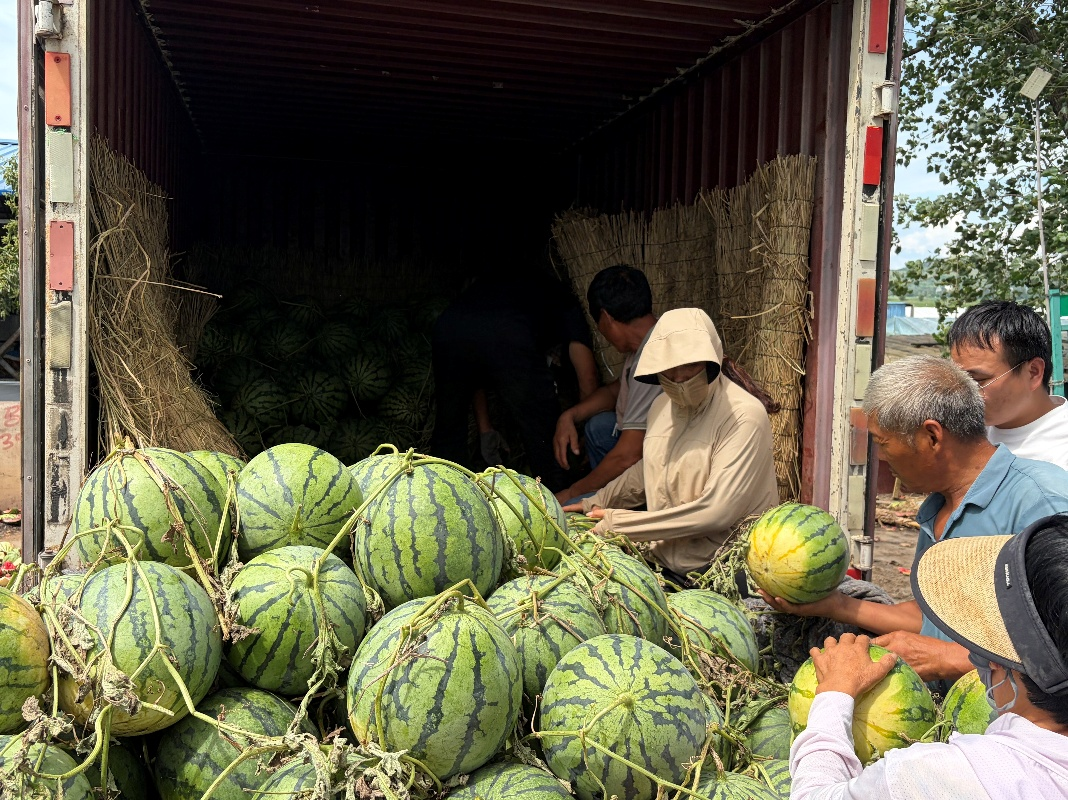
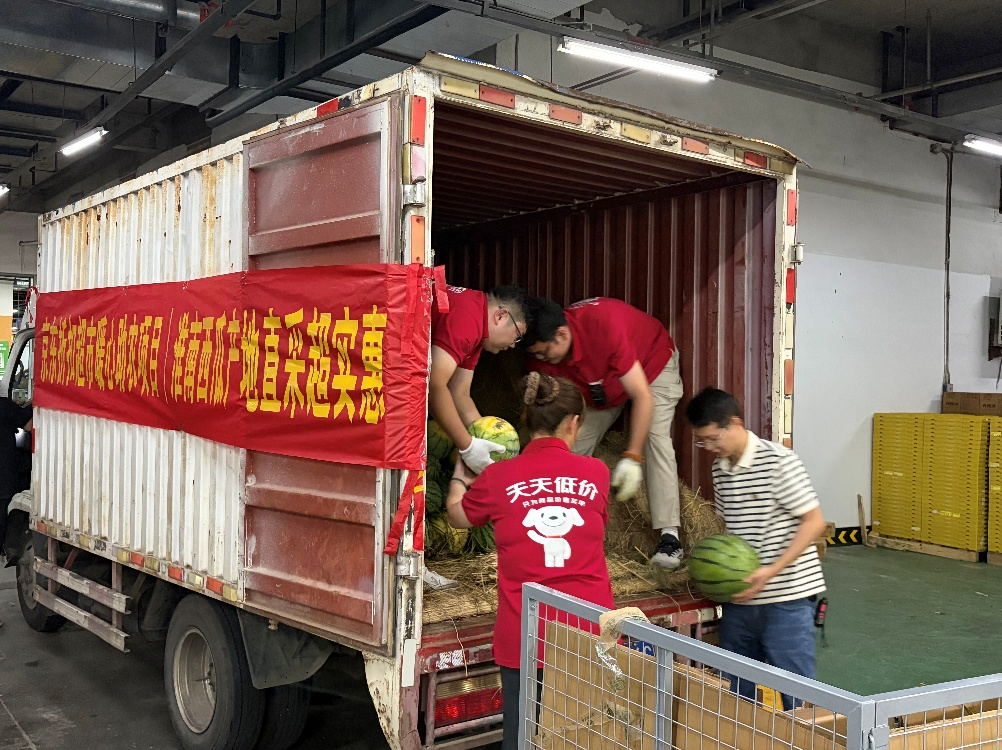
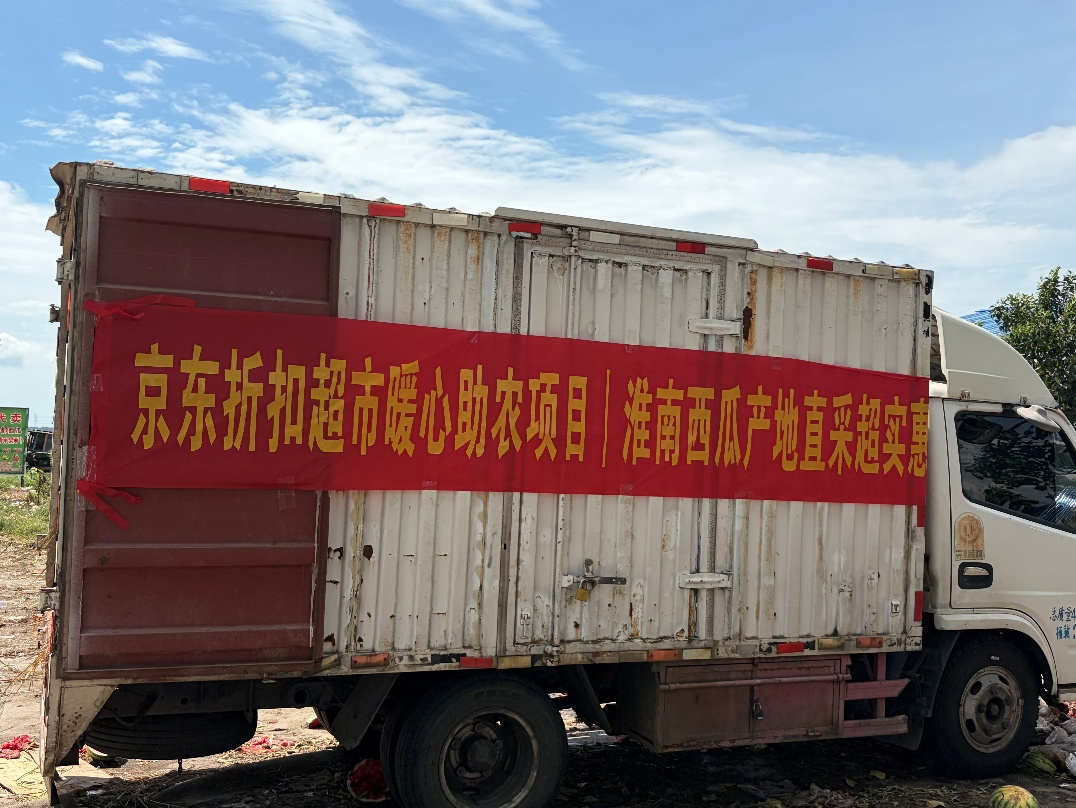
入夏以来,全国西瓜主产区集中上市,河南、安徽等地相继遭遇西瓜滞销,淮南本地同样因市场流通渠道受限等多重因素影响,面临西瓜销售困境。京东折扣超市第一时间响应淮南市总工会、市农业农村局助农号召,主动对接淮南相关部门,深入凤台县毛集镇开展助农直采,7月30日首批6000斤助农西瓜运抵京东折扣超市淮南店,经门店专项补贴后,以1元爱心价与市民见面。据悉,这仅是京东折扣超市助农采购的第一步,后续预计还将采购数万斤滞销西瓜,持续为淮南本地瓜农缓解销售压力。

地处淮河中游的淮南,气候温和、光照充足,所产西瓜瓤甜多汁,是当地不少农户的重要收入来源。今年成熟季节,受市场供需变化和流通渠道等多重因素影响,当地部分瓜农遭遇了阶段性滞销,沉甸甸的收成变成了沉重的包袱。近日,安徽省淮南市总工会、淮南市农业农村局联合印发《关于助力西瓜销售促进产业健康发展的通知》,京东折扣超市淮南店第一时间主动联系田家庵区商务局了解情况,对接凤台县毛集镇进行滞销西瓜采购事宜。

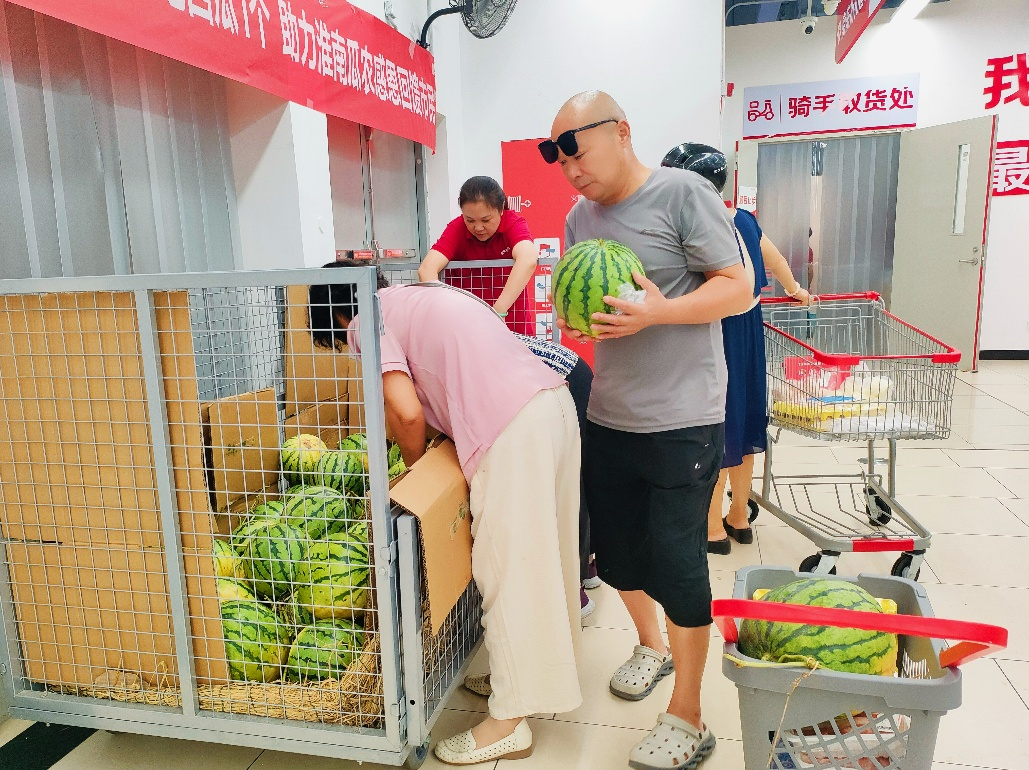
经过实地甄选、品质核验与统筹筹备,7月30日,首批产自凤台县毛集镇胡台村的6000斤爱心助农西瓜顺利运抵京东折扣超市淮南门店。这批西瓜均为本地农户露天种植、自然成熟,严格符合上市售卖的品质标准,承载着瓜农整个夏季的汗水与期盼。为最大化传递公益善意、让利消费者,门店重磅推出暖心助农惠民活动,市民到店消费满79元,即可加1元兑换一个10至12斤的本地爱心西瓜,以超低实惠的价格品尝本土优质鲜果。此举既让市民共享夏日清甜,也以微小爱心汇聚助农力量,为本地农产品销售赋能。

“一元爱心西瓜,不仅是一份夏日清甜,更承载着瓜农一整个夏天的辛劳。”京东折扣超市淮南店负责人表示,“门店自今年6月入驻淮南以来,淮南人民给了我们极大的信任与支持,作为扎根淮南的企业,我们有责任也有义务在本地农户遇到困难的时候挺身而出、倾力相助。这并非一笔生意,而是一份心意。”

从4月助力广东甘蔗纾解滞销,到7月缓解淮南瓜农压力,这一系列助农行动,不仅是京东折扣超市践行社会责任、助力乡村振兴的具体实践,也为破解农产品滞销难题提供了高效可行的解决方案。京东折扣超市相关负责人表示,未来将持续关注各地农产品产销动态,不断深化助农举措。通过产地直采、精准对接、平价售卖的模式,帮助更多农户解决销售难题,让优质农产品从田间地头直达消费者餐桌,用实际行动为乡村振兴注入力量。

注:文/龚作仁,文章来源:Laborer,本文为作者独立观点,不代表亿邦动力立场。

文章来源:Laborer

广告
微信
朋友圈

FAQ回顾

京东折扣超市针对淮南西瓜滞销采取了哪些帮扶措施?

京东折扣超市响应淮南市总工会、农业农村局助农号召,深入凤台县毛集镇直采滞销西瓜,7月30日首批6000斤西瓜运抵淮南门店,经补贴后消费者满79元可加1元兑换,后续还将采购数万斤。

怎么参与京东折扣超市的1元爱心西瓜活动?

消费者前往京东折扣超市淮南门店,到店消费满79元,即可加1元兑换1个10至12斤的淮南本地露天种植、自然成熟的爱心助农西瓜,西瓜符合上市售卖的品质标准。

京东折扣超市的助农模式是怎样的?

京东折扣超市采用产地直采、精准对接、平价售卖的助农模式,既帮助农户解决滞销难题,也让消费者以实惠价格买到优质农产品,此前已助力广东甘蔗、淮南西瓜等纾解滞销困境。

淮南本地西瓜出现滞销的原因是什么?

入夏后全国西瓜主产区集中上市,淮南本地受市场供需变化、流通渠道受限等多重因素影响,部分瓜农遭遇阶段性滞销,西瓜是当地农户重要收入来源,滞销给农户带来较大压力。

这么好看,分享一下?

朋友圈 分享

APP内打开

+1
+1
微信好友 朋友圈 新浪微博 QQ空间
关闭
收藏成功
发送
/140 0