广告
加载中

从潮玩到“数字生命”:奇妙啦比借京东渠道卡位AI消费硬件新品类

胡镤心 2026-07-28 16:43
胡镤心 2026/07/28 16:43

邦小白快读

EN
全文速览

本文核心介绍了AI潮玩新品类的发展近况,以及新品牌奇妙啦比和京东达成战略合作的核心信息,干货整理如下

1. 品牌与产品核心信息:奇妙啦比是2025年诞生的AI与设计融合的情感科技潮玩品牌,核心产品逻辑为“潮玩优先,AI后置”,锚定AI潮玩新品类,和普通AI玩具做差异化,强调潮流审美、IP人格与收藏价值;首款产品冷启动交付近万台,线下覆盖全国70余座城市,退货率仅个位数;新品“时空电话局”支持用户创建专属数字生命,可开启实时情感对话,还能将对话整理打印为人生回忆录。

2. 合作核心内容:本次奇妙啦比新品在京东独家预售首发,被纳入京东AI智能硬件重点项目,双方分工明确,京东提供流量、供应链、全渠道支持,奇妙啦比输出IP和技术,未来还将共同开拓北美出海市场,品牌预计全年出海销量5万台。

本文透露了AI消费赛道的最新趋势,以及品牌建设、渠道合作的参考干货,整理如下

1. 消费与竞争趋势:AI正在重塑消费硬件逻辑,已经入侵潮玩赛道,大模型普及后AI硬件的智能门槛降低,行业竞争已经从参数和基础功能比拼,转向产品形态、交互体验、内容生态和IP运营的综合竞争,当前赛道缺经过市场验证的产品逻辑和可持续商业模式。

2. 品牌定位参考:奇妙啦比锚定小众新品类AI潮玩,走“潮玩优先AI后置”的定位路线,突出潮流审美、收藏价值和强IP人格,和普通AI陪伴玩具形成差异化,成功拿到天使轮融资,首款产品市场反馈良好。

3. 渠道与盈利参考:和头部电商平台深度绑定,可以获得流量、用户洞察、供应链、线下场景、出海通道等全链路支持,还可以拓展多元收入,除硬件销售外,还能延伸出会员订阅、内容付费、IP联名、声音复刻等收入,拉长产品生命周期营收。

本文给AI消费相关卖家透露了新的增长机会、合作方向和实操参考,干货整理如下

1. 新增长市场机会:AI+潮玩是AI消费硬件赛道的新蓝海,当前市场已经验证了用户需求,奇妙啦比首款产品冷启动交付近万台,退货率仅个位数,用户对兼具情绪价值、IP属性的AI潮玩接受度很高,市场空间广阔。

2. 合作与政策机会:京东目前正在加速布局AI智能硬件领域,推出了“京东机甲联盟”IP打通全链路,JoyInside计划2026年要接入超千万台终端,已经合作超200家硬件品牌,面向AI硬件品牌开放了流量、供应链、线下体验场景、出海渠道等多方面支持,卖家可以对接相关合作资源。

3. 商业模式机会:可以参考“本体硬件+角色分支+配件生态+周边收藏+内容更新”的产品体系,拓展会员订阅、内容付费、声音复刻、IP联名等多元收入,提升单产品全生命周期的总营收,还可以提前布局北美出海新市场,抓住新品类出海的早期红利。

本文给AI硬件相关工厂释放了新的生产需求、商业机会和转型方向,干货整理如下

1. 产品生产设计需求变化:AI消费硬件的智能门槛已经随着大模型普及降低,行业竞争转向产品形态、外观设计、交互体验、IP配套,工厂需要调整生产方向,提升产品外观工艺定制、IP配套配件生产、交互结构研发方面的能力,满足AI潮玩这类兼具收藏属性、情感交互需求的新品类生产要求。

2. 新商业机会:AI潮玩作为新兴品类,头部品牌奇妙啦比已经拿到数千万天使轮融资,还和京东达成深度战略合作,启动了北美出海计划,预计全年出海销量就能达到5万台,加上国内线下已经覆盖70余座城市,未来会有持续稳定的订单需求,工厂可以对接相关品牌抢占新赛道的订单份额。

3. 数字化转型启示:新兴AI品牌都需要从冷启动到规模化的完整商业通路,工厂也可以依托头部平台的数字化能力、渠道资源,推进自身的电商和数字化转型,对接更多新兴品牌的订单需求,打开新的增长空间。

本文透露了AI消费硬件行业的最新趋势、客户核心痛点和新的服务机会,干货整理如下

1. 行业发展新趋势:AI正在重塑消费硬件的产品逻辑,传统潮玩赛道已经开始融合AI技术,诞生了AI潮玩全新细分品类;AI消费硬件的竞争逻辑已经改变,从技术参数比拼转向产品形态、内容生态、IP运营的综合竞争,整个行业正在推进AI潮玩新品类的标准化,市场发展空间大,对专业服务的需求旺盛。

2. 行业核心客户痛点:当前AI消费硬件赛道不缺基础的大模型技术,缺经过市场验证的产品逻辑和可持续的商业模式;新兴AI品牌缺从新品冷启动到规模化销售的完整商业通路;电商平台缺可规模化、可复制的差异化AI消费品类供给,这些痛点都需要专业服务商提供解决方案。

3. 新服务机会:服务商可以围绕AI潮玩这个新兴品类,针对性推出IP开发、数字生命技术落地、供应链配套、内容运营、出海合规等相关服务,对接品牌和平台的核心需求,拓展自身的业务边界,抓住新品类崛起带来的行业红利。

本文介绍了京东在AI智能硬件领域的最新布局,给同类平台商提供了运营和布局参考,干货整理如下

1. 商家对平台的核心需求:新兴AI消费品牌,尤其是新品类品牌,需要平台提供从新品冷启动到规模化销售的完整商业通路,具体包括流量扶持、用户洞察、供应链履约、线下体验场景、出海渠道等多维度支持,帮助新品类完成市场教育和规模化落地。

2. 平台布局参考:当前京东正在加速AI智能硬件布局,已经推出行业首个具身机器人偶像团体IP“京东机甲联盟”,打通从研发到售后的全商业链路,还推出JoyInside计划,目标2026年接入超千万台终端,已经合作超200家硬件品牌;通过和差异化品牌深度绑定,共同定义新品类标准,补充平台的差异化品类供给。

3. 运营与风险提示:平台可以和品牌合作拓展多元收入路径,除硬件销售佣金外,还可以延伸出会员订阅、内容付费、IP联名等收入增长点;还可以依托自身渠道优势帮助品牌出海,拓展平台业务边界;同时要注意规避当前AI硬件品类缺乏标准化产品的风险,和品牌共同完成新品类的市场验证。

本文记录了AI消费硬件领域的最新产业动向,对产业研究有较高的参考价值,干货整理如下

1. 产业发展新动向:AI技术已经开始渗透传统潮玩赛道,诞生了“AI潮玩”这一全新细分品类;大模型技术普及后,AI消费硬件的竞争逻辑发生根本改变,行业已经从早期的技术参数比拼,转向产品形态设计、交互体验、内容生态、IP运营的综合竞争;头部电商平台已经开始介入新品类标准制定,联合品牌共同孵化新品类。

2. 行业新出现的问题:当前AI消费硬件赛道基础大模型技术供给充足,但整个行业缺乏经过市场反复验证的产品逻辑和可持续的商业模式;新兴品牌缺乏从新品冷启动到规模化销售的完整商业通路,平台缺乏可规模化复制的差异化AI消费品类供给。

3. 新商业模式探索:当前行业正在探索“硬件+IP+内容+生态”的全新商业模式,通过多元收入路径,让单款产品的全生命周期收入远超硬件本身的售价;品牌出产品和技术,平台出渠道和资源,双方分工协作共同定义新品类从产品标准到消费认知的合作模式,也为新品类孵化提供了新的研究样本。

返回默认
声明:快读内容全程由AI生成,请注意甄别信息。如您发现问题,请发送邮件至 run@ebrun.com 。

我是 品牌商 卖家 工厂 服务商 平台商 研究者 帮我再读一遍。

Quick Summary

This article covers the latest development of the emerging AI designer toy category and key details of the strategic partnership between new brand Qimiaolabi and JD.com. Key takeaways are as follows:

1. Brand and product overview: Founded in 2025, Qimiaolabi is an emotion-tech designer toy brand that integrates AI and design. It follows a core product strategy of "designer toy first, AI second" to carve out a differentiated position in the new AI designer toy category, separating itself from generic AI toys by emphasizing trendy aesthetics, IP personality, and collectible value. Its first product has shipped nearly 10,000 units in its cold launch, with offline presence in more than 70 Chinese cities and a single-digit return rate. Its new product "Space-Time Telephone Bureau" allows users to create exclusive digital beings, conduct real-time emotional conversations, and compile and print conversation records into personal memoirs.

2. Partnership details: Qimiaolabi's new product is exclusively available for pre-order on JD.com, and the collaboration has been included in JD's key AI smart hardware project. The two parties have a clear division of labor: JD provides traffic, supply chain, and omni-channel support, while Qimiaolabi contributes its IP and technology. They will jointly expand into the North American market, with Qimiaolabi projecting 50,000 units in overseas sales this year.

This article shares the latest trends in the AI consumer track and actionable insights for brand building and channel cooperation, summarized below:

1. Consumer and competitive trends: AI is reshaping the product logic of consumer hardware and has entered the designer toy sector. The widespread adoption of large models has lowered the technical barrier for AI hardware, shifting industry competition from competing on parameters and basic functions to a comprehensive race across product form, interactive experience, content ecosystem, and IP operation. Currently, the sector lacks market-validated product logic and sustainable business models.

2. Brand positioning reference: Qimiaolabi has carved out a niche in the AI designer toy category with a "designer toy first, AI second" positioning, highlighting trendy aesthetics, collectible value, and distinct IP personality to differentiate itself from generic AI companion toys. The strategy has worked: it has secured angel funding, and its first product has received strong market feedback.

3. Channel and monetization reference: Deep partnerships with leading e-commerce platforms provide end-to-end support including traffic, user insights, supply chain, offline scenarios, and overseas access, enabling brands to expand diversified revenue streams beyond hardware sales. Additional revenue can come from membership subscriptions, content payments, IP collaborations, and voice cloning, extending revenue over the product lifecycle.

This article outlines new growth opportunities, cooperation directions, and practical insights for sellers in the AI consumer space, as summarized below:

1. New growth market opportunity: AI + designer toys is an emerging blue ocean in the AI consumer hardware track, with proven user demand. Qimiaolabi's first product shipped nearly 10,000 units in cold launch with a single-digit return rate, indicating strong user acceptance of AI designer toys that combine emotional value and IP attributes, leaving massive room for market growth.

2. Cooperation and policy opportunities: JD is accelerating its布局 in the AI smart hardware sector. It has launched the "JD Mecha Alliance" IP to connect end-to-end links, and its JoyInside program targets connecting over 10 million terminals by 2026, with partnerships already established with over 200 hardware brands. JD opens up multiple forms of support for AI hardware brands, including traffic, supply chain, offline experience scenarios, and overseas distribution channels, which sellers can leverage through relevant cooperation.

3. Business model opportunities: Sellers can adopt a product system of "core hardware + character variations + accessory ecosystem + collectible peripherals + content updates" to expand diversified revenue streams such as membership subscriptions, content payments, voice cloning, and IP collaborations, boosting total lifetime revenue per product. Sellers can also布局 early for expansion into the North American market to capture first-mover advantage from the new category's overseas growth.

This article outlines shifting production demand, new business opportunities, and transformation directions for AI hardware factories, summarized as follows:

1. Changes in product design and production demand: The widespread adoption of large models has lowered the technical barrier for AI consumer hardware, shifting industry competition to product form, appearance design, interactive experience, and IP supporting development. Factories need to adjust their production focus and upgrade capabilities in customized appearance craftsmanship, IP-aligned accessory production, and interactive structure R&D to meet the requirements of emerging categories such as AI designer toys, which require both collectible attributes and emotional interactive functions.

2. New business opportunities: As a leading player in the emerging AI designer toy category, Qimiaolabi has secured tens of millions of RMB in angel funding, formed a deep strategic partnership with JD, and launched a North American expansion plan, projecting 50,000 units in overseas sales this year. With its offline footprint already covering more than 70 cities in China, the brand will have consistent, sustained order demand going forward. Factories can partner with relevant brands to capture order share in this new track.

3. Insights for digital transformation: Emerging AI brands require a complete commercial pathway from cold launch to scaling. Factories can leverage leading platforms' digital capabilities and channel resources to advance their own e-commerce and digital transformation, connect with more order demand from emerging brands, and unlock new growth.

This article covers the latest trends in the AI consumer hardware industry, core customer pain points, and new service opportunities, summarized as follows:

1. New industry trends: AI is reshaping the product logic of consumer hardware, and traditional designer toys are integrating AI technology to give rise to the entirely new subcategory of AI designer toys. The competitive logic of AI consumer hardware has shifted from competing on technical parameters to comprehensive competition across product form, content ecosystem, and IP operation. The entire industry is pushing for standardization of the new AI designer toy category, creating large market growth potential and strong demand for professional services.

2. Core industry pain points: The AI consumer hardware track currently has no shortage of basic large model technology, but it lacks market-validated product logic and sustainable business models. Emerging AI brands lack a complete commercial pathway from new product cold launch to scaled sales, while e-commerce platforms lack scalable, replicable differentiated AI consumer product offerings. These pain points create demand for solutions from professional service providers.

3. New service opportunities: Service providers can develop targeted offerings for the emerging AI designer toy category, including IP development, digital being technology implementation, supply chain support, content operation, and overseas compliance. These offerings align with the core needs of brands and platforms, allowing providers to expand their business scope and capture industry growth from the rise of this new category.

This article outlines JD's latest布局 in AI smart hardware and provides operational and strategic references for peer platforms, summarized as follows:

1. Core merchant demands for platforms: Emerging AI consumer brands, especially those in new categories, need platforms to provide a complete commercial pathway from new product cold launch to scaled sales, including multi-dimensional support such as traffic allocation, user insights, supply chain fulfillment, offline experience scenarios, and overseas distribution channels to help new categories complete market education and scaled adoption.

2. Strategic layout reference: JD is accelerating its布局 in AI smart hardware. It has launched "JD Mecha Alliance", the industry's first embodied robot idol group IP that connects the entire commercial chain from R&D to after-sales service. It also launched the JoyInside program, which targets connecting over 10 million terminals by 2026 and has already partnered with over 200 hardware brands. By partnering deeply with differentiated brands to co-define new category standards, platforms can enrich their supply of differentiated product categories.

3. Operational and risk notes: Platforms can partner with brands to unlock diversified revenue streams beyond hardware sales commissions, such as membership subscriptions, content payments, and IP collaborations. They can also leverage their channel advantages to help brands expand overseas, extending the platform's business scope. At the same time, platforms should mitigate risks stemming from the lack of standardized products in the AI hardware category, and work with brands to complete market validation for new categories.

This article documents the latest industry developments in AI consumer hardware and provides high-value reference for industry research, summarized as follows:

1. New industry developments: AI technology has penetrated the traditional designer toy sector, giving rise to the entirely new subcategory of "AI designer toys". Following the widespread adoption of large model technology, the competitive logic of AI consumer hardware has fundamentally changed: the industry has shifted from early competition on technical parameters to comprehensive competition across product design, interactive experience, content ecosystem, and IP operation. Leading e-commerce platforms have started participating in new category standard-setting, partnering with brands to co-incubate emerging categories.

2. New emerging industry challenges: While basic large model technology is abundant in the AI consumer hardware track, the industry as a whole lacks product logic and sustainable business models that have been repeatedly validated by the market. Emerging brands lack a complete commercial pathway from new product cold launch to scaled sales, while platforms lack scalable, replicable differentiated AI consumer product offerings.

3. New business model exploration: The industry is currently exploring an entirely new "hardware + IP + content + ecosystem" business model, where diversified revenue streams allow total lifetime revenue per product to far outpace the hardware's upfront selling price. The cooperation model—brands contribute products and technology, while platforms contribute channels and resources, and the two parties work together to define everything from product standards to consumer perception for the new category—also provides a new research sample for new category incubation.

Disclaimer: The "Quick Summary" content is entirely generated by AI. Please exercise discretion when interpreting the information. For issues or corrections, please email run@ebrun.com .

I am a Brand Seller Factory Service Provider Marketplace Seller Researcher Read it again.

【亿邦原创】AI正在重塑消费硬件的产品逻辑,而潮玩成了最新一个被“入侵”的赛道。

近日,AI潮玩品牌奇妙啦比宣布与京东达成全面战略合作。双方将围绕奇妙啦比旗下AI潮玩产品矩阵、数字生态内容及未来创新硬件展开长期合作,共同探索AI消费硬件从产品创新、内容服务到渠道规模化的新增长路径。作为首个落地项目,奇妙啦比新品“时空电话局”已在京东独家预售首发,并被纳入京东AI智能硬件、AI智能机器人重点新品项目。

1、一家“AI潮玩”公司的底牌

奇妙啦比是银屿趣玩(四川)人工智能科技有限公司旗下的品牌,银屿趣玩成立于2024年12月,创始人杜谦2016年毕业于西南民族大学,毕业后从事影视拍摄,2024年9月转型AI潮玩赛道。2025年3月,奇妙啦比正式诞生,定位于AI与设计潮玩融合的情感科技品牌。

“潮玩优先,AI后置”是这家公司最核心的产品逻辑。与市面上常见的AI玩具或陪伴型产品不同,奇妙啦比明确锚定“AI潮玩”品类,强调潮流审美、收藏价值、可玩性与强IP人格。

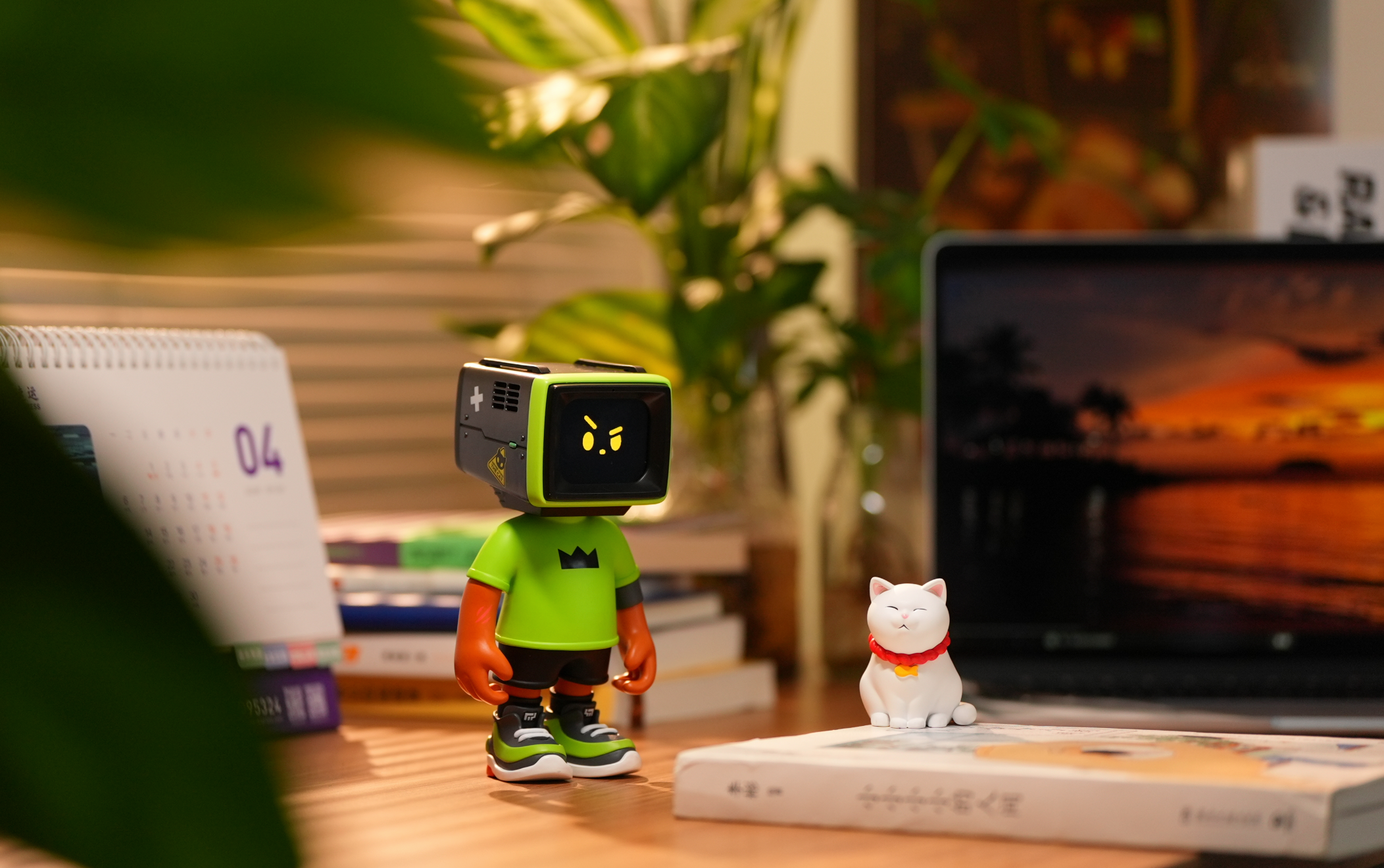
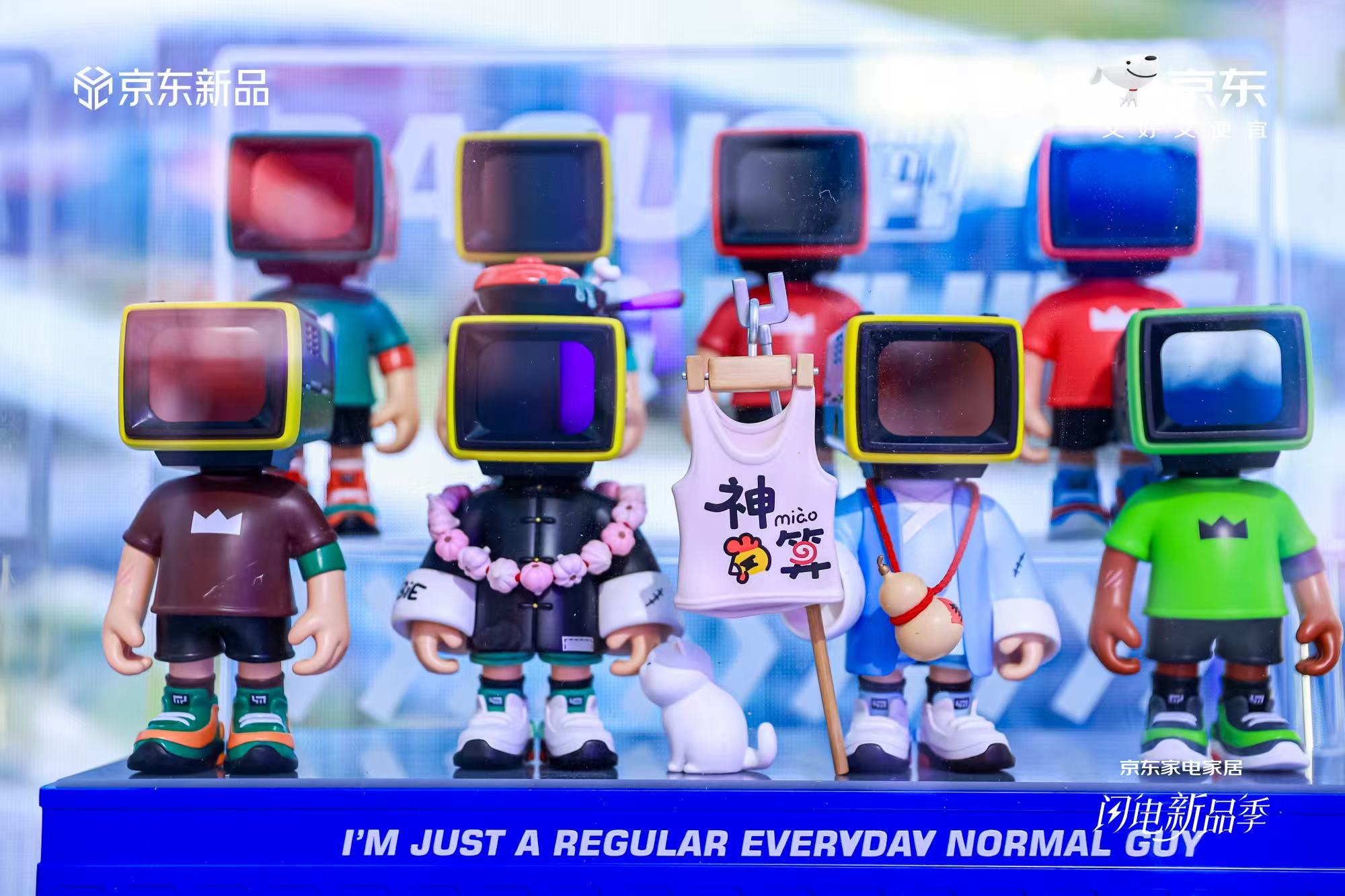
首款核心IP雷格斯(RAGUS&WHITE)于2025年6月推出,是一款桌面级AI潮玩,通过AI赋予其稳定人格、长期记忆与交互能力。在冷启动状态下交付近万台,线下零售空间覆盖北京、上海、深圳等70余座城市,退货率仅个位数。

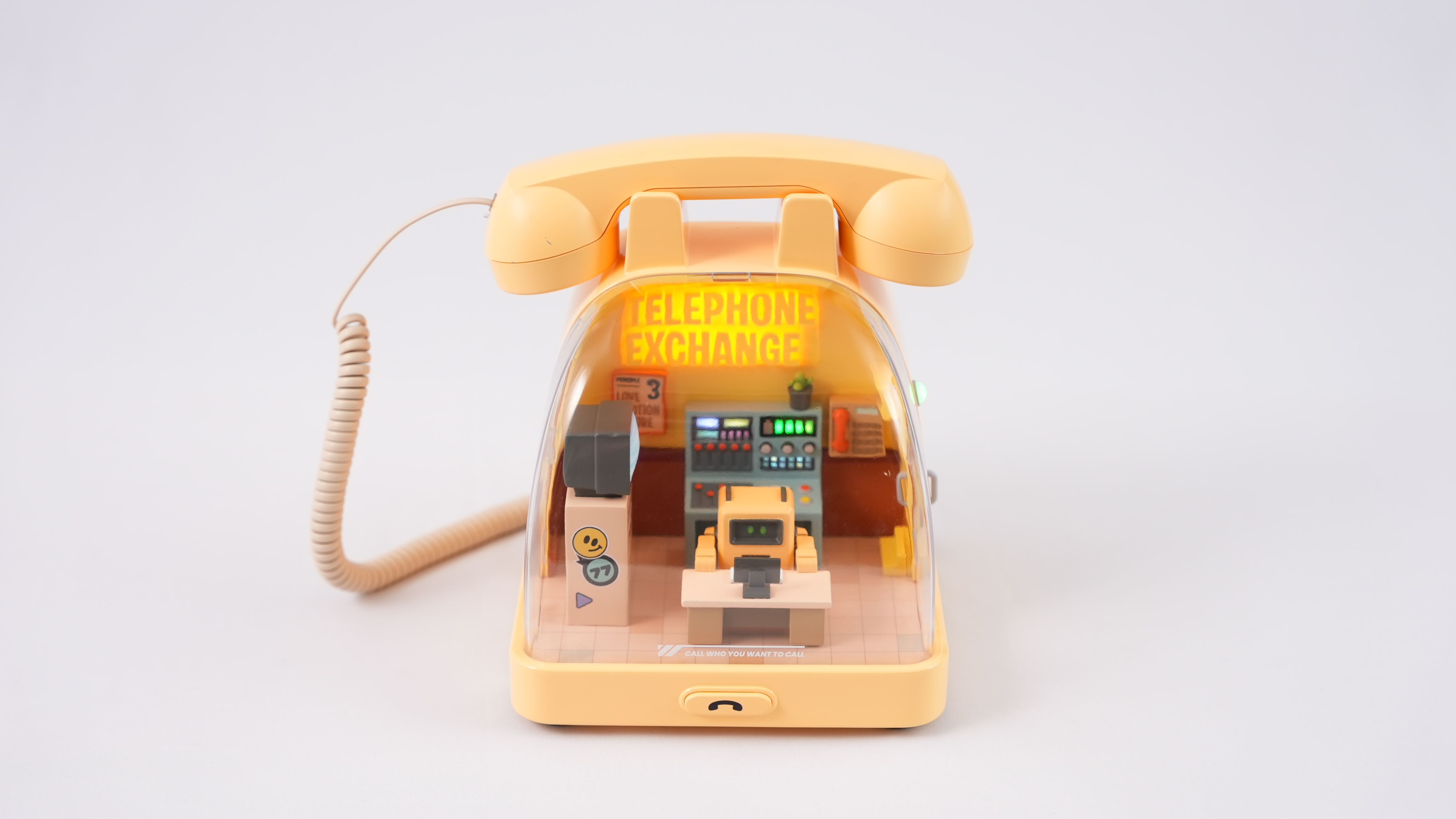
2026年7月,奇妙啦比携新品“时空电话局”亮相世界人工智能大会。这款AI数字生命通讯终端以老式座机为交互原型,支持用户上传亲友声音、设定人物性格,创建专属数字生命,通过拿起话筒开启实时情感对话。对话记录还可整理打印为“人生回忆录”。

今年2月,奇妙啦比完成数千万人民币天使轮融资,由锦秋基金领投,首程控股联合投资。

2、京东的算盘:AI硬件的下一站是“内容”

京东在AI智能硬件领域的布局正在提速。

2026年5月,京东联合宇树、松延动力、维他动力、荣耀、极壳、奇妙啦比等品牌,宣布“京东机甲联盟”正式出道。该联盟被定位为行业首个具身机器人偶像团体IP,旨在打通从研发到售后的商业全链路。7月,京东在WAIC上宣布JoyInside计划2026年接入超千万台终端设备,已合作超200家硬件品牌。

奇妙啦比进入这个版图有自己的逻辑,它提供的不只是一款硬件,而是一套“本体硬件+角色分支+配件生态+周边收藏+内容更新”的产品体系。对京东而言,这是AI消费硬件品类中为数不多兼具情绪价值、内容消费和IP属性的差异化供给。

双方合作的商业价值不止于硬件销售,还可延展至会员订阅、角色服务、内容付费、声音复刻、Skill分发、IP联名和开发者生态等多元收入路径。这意味着一款AI潮玩的生命周期收入,可能远超其硬件售价本身。

从合作框架看,双方的分工清晰。京东提供平台流量、用户洞察、供应链履约、线下体验场景(京东MALL、京东之家)、企业采购及全球化渠道。奇妙啦比提供原创IP、产品设计、数字生命能力、软硬件体验创新。

在产品层面,双方将建立长期新品合作机制,围绕AI潮玩、数字生命终端、家庭陪伴设备等品类,共同进行新品策划、用户洞察和市场验证。在渠道层面,线上覆盖京东自营采销、新品预售、独家首发、搜索资源、直播等核心资源;线下逐步进入京东MALL、京东之家等体验场景。

出海也被纳入合作框架,双方将依托京东全球售、海外仓配和跨境履约体系,共同探索海外市场。

奇妙啦比计划2026年12月正式出海,首站锁定北美市场,全年销售量预计达到5万台。

3、一个品类的标准化机会

AI消费硬件正处在一个微妙的节点上,大模型能力逐渐普及后,硬件本身的智能门槛在降低,竞争正在从参数和基础功能,转向产品形态、交互体验、角色内容和生态服务的综合比拼。

这个赛道不缺技术,缺的是能被市场反复验证的产品逻辑和可持续的商业模式。

京东需要的是可规模化、可复制的AI消费品类供给;奇妙啦比需要的是一个从新品冷启动到规模化销售的完整商业通路,双方正在试图一起定义“AI潮玩”从产品标准到消费认知的全过程。

从雷格斯近万台的冷启动交付,到时空电话局在WAIC上的全球首秀,再到与京东的战略绑定——这家成立不到两年的公司正在试图回答一个问题:当AI从工具变成“数字伙伴”,什么样的硬件形态和商业模式能承载这种关系?答案还没完全揭晓,但渠道和产品已经先走到了一起。

文章来源:亿邦动力

广告
微信
朋友圈

FAQ回顾

奇妙啦比是做什么的品牌?

奇妙啦比是银屿趣玩(四川)人工智能科技有限公司旗下的情感科技品牌,定位于AI与设计潮玩融合,核心产品逻辑为“潮玩优先,AI后置”,主打兼具潮流审美、收藏价值、可玩性与强IP人格的AI潮玩产品。

奇妙啦比时空电话局有什么功能?

时空电话局是奇妙啦比推出的AI数字生命通讯终端,以老式座机为交互原型,支持用户上传亲友声音、设定人物性格创建专属数字生命,拿起话筒即可开启实时情感对话,对话记录还可整理打印为“人生回忆录”。

当前AI消费硬件赛道的竞争重点是什么?

当前AI消费硬件领域大模型能力逐渐普及,硬件本身的智能门槛有所降低,行业竞争已从参数和基础功能比拼,转向产品形态、交互体验、角色内容和生态服务的综合比拼。

奇妙啦比与京东的合作有哪些布局?

双方将围绕AI潮玩、数字生命终端、家庭陪伴设备等品类开展长期合作,京东提供流量、供应链、渠道等支持,奇妙啦比负责原创IP、产品设计等,还将依托京东跨境体系探索海外市场,2026年12月首站出海北美。

这么好看,分享一下?

朋友圈 分享

APP内打开

+1
+1
微信好友 朋友圈 新浪微博 QQ空间
关闭
收藏成功
发送
/140 0