广告
加载中

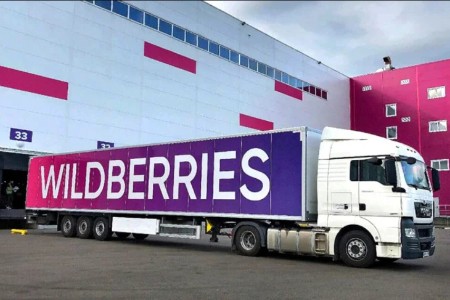
俄罗斯电商Wildberries仓库被袭 波及大量中小商家

亿邦动力 2026-07-28 13:38
亿邦动力 2026/07/28 13:38

邦小白快读

EN
全文速览

这篇文章的核心信息是俄罗斯最大电商Wildberries遭遇无人机袭击,对大量中小商家造成冲击,核心干货如下

1. 事件基本情况:2026年7月下旬,乌克兰对Wildberries四处仓储发起无人机袭击,遭袭仓储占总仓储面积12%,货物损失最高达30亿美元,影响平台50万到80万入驻卖家中的大量中小商家,不少商家货物全损

2. 事件背景:Wildberries2004年上线,目前占俄罗斯全量线上订单的52%,销售品类涵盖多个领域,平台在售包含军民两用物资,本次袭击因相关争议引发

3. 后续处理与市场反应:平台认定无人机袭击属于不可抗力,不承担损失责任,但也推出扶持政策,包括仓储费折扣、免费转仓、优惠贷款,已经启动赔付,首批8.8万名小微创业者的赔付资金24小时到账;当地消费者粘性很高,即便平台涨价也会继续使用

结合本次事件与俄罗斯电商市场现状,给品牌商的干货参考如下

1. 市场基本情况:当前俄罗斯线上零售规模快速增长,占社会总零售的20%,规模在800亿到900亿美元之间,头部平台Wildberries占据超过一半线上订单,渠道集中度高,是品牌进入俄罗斯市场的核心渠道

2. 市场机会:西方品牌撤出俄罗斯后,当地市场存在较大供给缺口,Wildberries等平台通过平行进口引入亚洲、阿联酋、土耳其等地商品填补空白,外来品牌有充足的进入空间

3. 风险提示:俄乌冲突背景下,在俄布局渠道存在明确的地缘政治风险,核心仓储设施都可能遭遇袭击,品牌需要提前分散库存布局,降低一次性损失风险

4. 消费特征:当地消费者对头部电商平台粘性很强,对涨价容忍度较高,品牌定价有一定操作空间

针对做俄罗斯市场的卖家,整理核心干货信息如下

1. 市场机会:俄罗斯线上零售近年持续快速增长,西方品牌撤出后市场供给缺口大,平台开放平行进口引入外来商品,中小卖家可以依托头部平台进入俄罗斯市场,获得增长空间;同时消费者对头部平台粘性高,需求稳定,即使涨价也不会大量流失

2. 风险提示:当前俄罗斯卖家面临多重压力,除了地缘冲突带来的仓储安全风险,还有加税、燃油危机、监管收紧等问题,且平台明确无人机袭击属于不可抗力,损失由卖家自行承担,风险远高于常规市场

3. 事件应对参考:本次事件发生后,平台推出了一系列扶持政策,包括仓储费折扣、免费转仓至其他仓库、平台旗下银行提供优惠贷款,同时启动分批赔付,首批8.8万名小微卖家已经在24小时内收到赔付资金,卖家遇到类似事件可以跟进申请相关扶持

针对供货的工厂,整理核心干货如下

1. 商业机会:当前俄罗斯线上零售规模已经达到800亿到900亿美元,占总零售的20%,增长速度快,西方品牌撤出后当地市场存在大量供给缺口,需要亚洲、土耳其等地区的工厂供货,工厂可以通过平行进口模式,依托Wildberries等头部平台进入俄罗斯市场,获得新的出货渠道

2. 产品需求:当地市场除了常规的服饰、家电等消费品需求,还有防弹衣、头盔、无线电设备等军民两用物资的需求,工厂可以结合自身产能调整产品方向,匹配市场需求

3. 经营启示:地缘冲突背景下,布局俄罗斯市场要注意分散仓储布局,规避单一仓库遇袭导致全量货物损失的风险;可以依托头部平台的仓储物流体系,不需要自行搭建基础设施,降低布局成本

4. 风险提示:地缘政治风险是当前进入俄罗斯市场最大的不确定因素,需要提前做好风险应对方案

针对电商服务商,整理核心干货如下

1. 行业发展趋势:俄罗斯电商市场处于快速增长阶段,目前线上零售占社会总零售的20%,规模达到800亿到900亿美元,头部平台Wildberries占据一半以上市场份额,还在计划向白俄罗斯、哈萨克斯坦扩张布局,整个区域电商市场还有较大增长空间,会衍生出大量服务需求

2. 客户核心痛点:当前在俄做电商的中小商家面临多重压力,地缘冲突带来的库存损失风险、加税燃油危机带来的资金压力,原有规则下库存损失得不到平台赔付,同时商家需要稳定的跨境货源供应链来填补当地市场缺口

3. 业务机会:服务商可以针对卖家痛点开发对应产品,比如针对库存风险推出专门的电商仓储保险,针对分散风险推出多仓仓储服务,针对资金压力推出配套融资服务,针对货源需求推出平行进口供应链服务,匹配当前市场需求;另外头部平台扩张也需要仓储、物流等配套服务合作,有批量合作机会

针对平台运营方,整理核心干货如下

1. 市场机会:俄罗斯市场因为西方品牌撤出,出现了较大的商品供给缺口,现有头部平台依靠平行进口引入外来商品填补缺口,新进入区域市场的平台可以抓住这个机会,面向亚洲、中东等地区的品牌商家招商,快速丰富平台商品供给

2. 风险规避经验:地缘政治风险是当前俄罗斯电商市场最大的风险,平台需要提前在规则中明确不可抗力的责任划分,同时提前准备好应急扶持方案,用来稳定入驻商家情绪,避免商家大规模流失

3. 应急运营参考:Wildberries本次遇袭后的应对方案值得参考,在明确不可抗力责任的基础上,推出仓储费折扣、免费转仓、优惠贷款、分批赔付的措施,优先赔付小微商家,快速稳定了中小商家群体,这种应对方式可以参考

4. 拓展方向:平台在本土市场布局完成后,可以向周边的白俄罗斯、哈萨克斯坦等区域扩张,进一步扩大市场份额;另外俄罗斯消费者对能节省时间成本的头部平台粘性很高,做好用户体验就能获得稳定的用户留存

针对产业研究者,整理核心干货如下

1. 产业新动向:当前俄罗斯电商产业进入快速增长期,2022年以来线上零售规模快速提升,目前占社会总零售的20%,规模约800亿到900亿美元,市场已经形成高度集中的格局,头部平台Wildberries占据全量线上订单的52%,西方品牌撤出后,平行进口成为填补本土供给缺口的主要商业模式,头部平台的资源整合作用凸显

2. 产业新问题:地缘冲突已经直接波及民用电商基础设施,给大量中小商家造成毁灭性损失,现有平台规则将不可抗力风险完全转移给中小商家,叠加加税、燃油危机、监管收紧,中小商家的生存环境极度恶化,这种特殊环境下的产业利益分配问题值得研究

3. 研究启示:本次事件提供了地缘冲突影响全球电商产业链的典型案例,可以围绕特殊地缘环境下电商产业的风险分担机制、中小商家权益保障、头部平台的责任边界等方向展开研究

返回默认
声明:快读内容全程由AI生成,请注意甄别信息。如您发现问题,请发送邮件至 run@ebrun.com 。

我是 品牌商 卖家 工厂 服务商 平台商 研究者 帮我再读一遍。

Quick Summary

This article covers the core details of the drone attack on Russia’s largest e-commerce platform Wildberries, which has severely impacted thousands of small and medium-sized sellers. Key takeaways are as follows:

1. Event overview: In late July 2024, Ukraine launched drone strikes on four of Wildberries’ warehouses. The affected facilities account for 12% of the platform’s total warehouse space, with total merchandise losses estimated at up to $3 billion. The attack hit a large number of small and medium sellers among the platform’s 500,000 to 800,000 registered merchants, and many sellers lost their entire inventory.

2. Background: Launched in 2004, Wildberries currently controls 52% of all online orders in Russia, with a product portfolio spanning multiple categories. The platform sells dual-use goods that can be employed for both civilian and military purposes, and the attack stems from controversy surrounding this activity.

3. Aftermath and market reaction: Wildberries has classified the drone attack as force majeure and disclaimed responsibility for inventory losses. It has nonetheless rolled out support measures including warehouse fee discounts, free warehouse transfers, and discounted loans, and has already started processing claims. The first batch of compensation, totaling 88,000 micro and small business owners, received their payouts within 24 hours. Local consumers remain highly loyal to the platform, and most say they will continue using it even after price increases.

Below are key takeaways for brands, based on the incident and the current state of Russia’s e-commerce market:

1. Market overview: Russia’s online retail sector is growing rapidly, accounting for 20% of total domestic retail sales with a total market size between $80 billion and $90 billion. Leading platform Wildberries claims more than half of all national online orders, resulting in high channel concentration that makes it the primary gateway for brands entering the Russian market.

2. Market opportunities: After the exit of Western brands, the Russian market has left a significant supply gap. Platforms including Wildberries are filling this gap through parallel imports of goods from Asia, the United Arab Emirates, Turkey and other regions, creating substantial room for new foreign brands to enter the market.

3. Risk warning: Against the backdrop of the Russia-Ukraine conflict, channel expansion in Russia carries clear geopolitical risks, and even core warehouse facilities can become targets of attacks. Brands should diversify their inventory layouts in advance to reduce the risk of catastrophic one-time losses.

4. Consumer behavior: Local consumers have extremely high loyalty to leading e-commerce platforms and show relatively high tolerance for price increases, giving brands a degree of flexibility in pricing strategy.

Below are key insights for sellers targeting the Russian market:

1. Market opportunities: Russia’s online retail has maintained rapid growth in recent years, and the exit of Western brands has created a large supply gap. Leading platforms allow foreign goods to enter via parallel imports, so small and medium-sized sellers can access the Russian market and capture growth through top platforms. In addition, consumer loyalty to leading platforms is high and demand remains stable; even price hikes will not trigger massive customer churn.

2. Risk warning: Sellers currently operating in Russia face multiple layers of pressure. Beyond warehouse security risks stemming from the geopolitical conflict, they also face tax increases, fuel shortages, tightening regulatory scrutiny, and other challenges. Furthermore, the platform explicitly classifies drone attacks as force majeure, meaning sellers bear all losses. Risks in this market are far higher than in conventional markets.

3. Guidance for incident response: After this attack, the platform rolled out a series of support policies, including warehouse fee discounts, free transfers to other warehouses, discounted loans from its affiliated bank, and staggered compensation payouts. The first batch of 88,000 micro and small sellers received their compensation within 24 hours. Sellers affected by similar future incidents can follow up to apply for relevant support.

Below are key takeaways for manufacturing suppliers targeting this market:

1. Business opportunities: Russia’s online retail market has reached $80 billion to $90 billion in size, accounting for 20% of total retail sales and growing rapidly. After Western brands exited, the market faces a large supply gap that requires goods from factories in Asia, Turkey and other regions. Factories can enter the Russian market via the parallel import model, leveraging leading platforms such as Wildberries to open up new sales channels.

2. Product demand: Beyond conventional demand for consumer goods such as apparel and home appliances, the Russian market also has demand for dual-use goods including body armor, helmets, radio equipment and more. Factories can adjust their product lines based on their existing production capacity to match this market demand.

3. Operational insights: Amid the ongoing geopolitical conflict, businesses expanding into Russia should prioritize diversifying their warehouse locations to avoid losing all inventory if a single facility is attacked. They can also leverage the warehousing and logistics infrastructure of leading local platforms instead of building their own, to lower entry costs.

4. Risk warning: Geopolitical risk is the single largest source of uncertainty for entering the Russian market, and businesses need to prepare a comprehensive risk response plan in advance.

Below are key insights for e-commerce service providers targeting this region:

1. Industry trends: The Russian e-commerce market is in a phase of rapid growth. Online retail accounts for 20% of total domestic retail, with a total market size of $80 billion to $90 billion. Leading platform Wildberries holds more than half of the domestic market share and plans to expand into Belarus and Kazakhstan, unlocking further growth potential for the broader regional e-commerce market and creating massive new demand for supporting services.

2. Core pain points of clients: Small and medium-sized e-commerce sellers operating in Russia currently face multiple pressures: inventory loss risks from the conflict, capital strains from tax hikes and the fuel crisis, no compensation from platforms for inventory losses under existing rules, and a need for stable cross-border supply chains to fill the local market gap.

3. Business opportunities: Service providers can develop tailored solutions to address these seller pain points: dedicated e-commerce warehouse insurance for inventory risk, multi-warehousing services to help sellers diversify risk, complementary financing products to ease capital strains, and parallel import supply chain services to meet sourcing needs, all of which align with current market demand. In addition, the expansion of leading regional platforms requires partnerships for warehousing, logistics and other supporting services, creating opportunities for large-scale bulk contracts.

Below are key takeaways for e-commerce platform operators:

1. Market opportunities: The exit of Western brands has left a large product supply gap in the Russian market, and existing leading platforms are filling the gap by sourcing foreign goods via parallel imports. New platforms entering the regional market can capitalize on this opportunity by recruiting brands from Asia, the Middle East and other regions to rapidly expand their product assortment.

2. Risk mitigation lessons: Geopolitical risk is the top risk for the current Russian e-commerce market. Platforms should clearly define liability for force majeure events in their terms of service in advance, and prepare emergency support plans ahead of time to keep third-party sellers calm and avoid mass merchant churn.

3. Emergency operations reference: Wildberries’ response after the attack offers a useful framework. After clarifying that the incident qualifies as force majeure, it rolled out targeted measures: warehouse fee discounts, free warehouse transfers, discounted loans and staggered compensation, prioritizing payouts for micro and small merchants to quickly stabilize this core seller group. This approach can serve as a reference for other platforms.

4. Expansion direction: After solidifying their domestic market position, platforms can expand into neighboring markets including Belarus and Kazakhstan to further grow market share. In addition, Russian consumers show high loyalty to leading platforms that save time and effort, so focusing on strong user experience will deliver stable user retention.

Below are key insights for industry researchers:

1. New industry trends: The Russian e-commerce industry is currently in a period of rapid growth. Online retail has expanded sharply since 2022, now accounting for 20% of total retail sales with a market size of roughly $80 billion to $90 billion. The market is highly concentrated, with leading platform Wildberries controlling 52% of all national online orders. After the exit of Western brands, parallel import has become the primary business model for filling domestic supply gaps, highlighting the outsized role of leading platforms in resource integration.

2. New industry challenges: The geopolitical conflict has now directly damaged civilian e-commerce infrastructure, causing catastrophic losses for a large number of small and medium-sized sellers. Existing platform rules shift all force majeure risk to small and medium merchants, which combined with tax hikes, the fuel crisis and tightening regulation, has created an extremely harsh operating environment for small businesses. This distribution of industry interests under extraordinary conditions merits further research.

3. Research implications: This incident provides a typical case study of how geopolitical conflict impacts global e-commerce supply chains. Future research can focus on topics including risk-sharing mechanisms for the e-commerce industry under extraordinary geopolitical conditions, the protection of small and medium-sized seller rights, and the responsibility boundaries of leading platforms in such contexts.

Disclaimer: The "Quick Summary" content is entirely generated by AI. Please exercise discretion when interpreting the information. For issues or corrections, please email run@ebrun.com .

I am a Brand Seller Factory Service Provider Marketplace Seller Researcher Read it again.

据外媒报道,当地时间2026年7月下旬,乌克兰方面对俄罗斯最大线上零售商Wildberries的四处仓储设施发起无人机袭击。

Wildberries于2004年上线,最初主打服装销售,目前占俄罗斯全量线上订单的52%,涵盖服饰、家电、药品、票务等多类商品与服务,入驻卖家规模在50万至80万之间。此前平台曾公布2026年扩张计划,拟在已布局的白俄罗斯、哈萨克斯坦新增仓储点位。

乌克兰方面称,遭袭设施为俄罗斯军方供应装备及各类技术零部件。而克里姆林宫方面否认这一说法,称乌克兰持续袭击民用目标。相关核查显示,Wildberries平台在售商品包含防弹衣、头盔、无线电设备等军民两用物资,部分商品标注有与俄罗斯对乌特别军事行动相关的标识。Wildberries暂未就相关争议作出回应。

本次袭击对俄罗斯中小商家造成明显冲击。行业分析人士估算,四处遭袭仓储设施占Wildberries总仓储面积的12%左右,货物损失规模最高或达30亿美元。不少商家在社交平台发布内容,提及存放在涉事仓库的货物全部损毁。Wildberries此前更新卖家规则,明确不可抗力包含无人机袭击,平台不对这类情形下的库存损失承担责任。随后平台公布多项扶持政策,包括仓储费折扣、免费转仓至其他设施、旗下银行优惠贷款等,同时启动埃列克特罗斯塔利仓库涉事卖家的赔偿工作,首批赔付对象为8.8万名小微创业者,相关资金24小时内将到账。

有行业分析人士称,本次损失叠加今年以来俄罗斯中小商家面临的加税、燃油危机、监管收紧等压力,几乎形成多重负面因素叠加的局面。莫斯科受访消费者称,即便平台后续涨价也会继续使用,平台能节省时间成本。

行业数据显示,2022年以来俄罗斯线上零售规模快速增长,目前占社会总零售的20%,规模约800亿至900亿美元。西方品牌撤出俄罗斯后,Wildberries等平台通过平行进口引入亚洲、阿联酋、土耳其等地商品,填补线下渠道的供给空白。

文章来源:亿邦动力

广告
微信
朋友圈

FAQ回顾

Wildberries是什么平台?

Wildberries是俄罗斯最大线上零售商,2004年上线,最初主打服装销售,目前占俄罗斯全量线上订单的52%,涵盖服饰、家电、药品、票务等多类商品与服务,入驻卖家规模在50万至80万之间,已在白俄罗斯、哈萨克斯坦布局业务。

Wildberries仓库遇袭对入驻商家有什么影响?

本次遇袭的四处仓储设施占Wildberries总仓储面积的12%左右,货物损失最高或达30亿美元,不少商家存放在涉事仓库的货物全部损毁。平台后续推出仓储费折扣、免费转仓、优惠贷款等扶持政策,首批赔付8.8万名小微创业者,资金24小时内到账。

俄罗斯线上零售市场现状如何?

2022年以来俄罗斯线上零售规模快速增长,目前占社会总零售的20%,整体规模约800亿至900亿美元。西方品牌撤出俄罗斯后,Wildberries等平台通过平行进口引入亚洲、阿联酋、土耳其等地商品,填补线下渠道供给空白。

Wildberries会承担无人机袭击导致的库存损失吗?

Wildberries更新后的卖家规则明确,不可抗力包含无人机袭击,平台不对这类情形下的库存损失承担责任。遇袭事件后平台额外推出了系列扶持政策,同时启动了埃列克特罗斯塔利仓库涉事卖家的赔偿工作。

这么好看,分享一下?

朋友圈 分享

APP内打开

+1
+1
微信好友 朋友圈 新浪微博 QQ空间
关闭
收藏成功
发送
/140 0