广告
加载中

SHEIN第三方平台业务占比已达14.3% 全球时尚市场市占率排第三

韩笑 2026-07-27 18:48
韩笑 2026/07/27 18:48

邦小白快读

EN
全文速览

本文披露了即将通过港交所IPO的SHEIN最新核心业务数据与发展情况,整理核心干货信息如下

1.核心经营数据:截至2026年3月SHEIN拥有2.81亿全球活跃顾客,2025年净收入418.47亿美元,全球时尚市场市占率1.9%排名第三,第三方平台业务占比已经达到14.3%,日均新增约4700个服装款式,库存周转天数仅36天。

2.核心运营模式:SHEIN核心竞争力是小单快返模式,先以100-200件小批量试销新产品,根据用户反馈快速补货,依托数字化智能供应链实现高效运营,还给供应商免费提供云端管理工具。

3.发展现状与风险:SHEIN从早期跨境婚纱卖家发展为全球快时尚巨头,目前已经转型为自营+第三方平台模式,同时布局线下实体店,当前面临关税波动、地缘冲突、合规等风险,IPO募资将用于技术升级与全球布局。

本文披露了SHEIN的业务布局与转型经验,能给快时尚及相关领域品牌商提供多维度参考,干货如下

1.消费与市场趋势参考:当前全球时尚市场线上渗透率持续提升,SHEIN主动调整市场布局,降低美国市场收入占比,提升欧洲及其他新兴市场占比,同时拓展品类从服装延伸到家居、美妆、电子等品类,多元化布局降低单一市场单一品类风险。

2.模式与渠道参考:SHEIN核心的小单快返柔性供应链模式,可大幅降低库存风险,还搭建开放平台推出Xcelerator品牌赋能计划,为第三方品牌提供供应链与渠道支持,赋能业务利润率达到集团整体的两倍,验证了品牌赋能模式的可行性。

3.风险应对参考:面对关税上涨、地缘冲突等外部风险,SHEIN采取提价转嫁成本、调整本地化库存策略、锁定长期运力等措施,给品牌应对外部风险提供了可参考的应对思路。

本文披露了SHEIN开放平台的最新规则与行业变化,给意向入驻SHEIN的卖家整理干货如下

1.平台合作模式选择:SHEIN目前开放三种合作模式,卖家可根据自身能力选择:第一种是全托管代运营,卖家只需供货,平台负责所有运营环节,覆盖全球150多个国家;第二种是半托管,商家拥有更多运营自主权,平台提供物流营销支持,开放美、英、欧盟等多个站点;第三种是商家自运营,商家拥有完整运营与定价权,开放美、墨、英、欧盟等站点。

2.增长机会提示:SHEIN第三方平台业务增长迅速,收入占比从2023年的2.7%升至2026年一季度的14.3%,还推出Xcelerator计划赋能第三方品牌,有参与品牌第二年销售额增长15倍,利润率提升30个百分点,存货周转大幅改善,成长空间较大。

3.风险提示:当前跨境行业面临关税政策波动、地缘冲突推高物流成本等风险,卖家需要提前关注政策变化,调整定价与库存策略,做好应对准备。

本文披露了SHEIN供应链的核心需求与布局,给服装生产工厂整理干货如下

1.产品生产需求特征:SHEIN核心的小单快返模式,对工厂的柔性生产能力要求较高,新产品初始批量仅为100-200件,畅销产品要求最快5天完成补货,要求工厂能够快速响应订单变化,调整生产计划。

2.商业合作机会:SHEIN目前供应链网络涵盖7500多个合约制造商,大部分为中小制造企业,随着SHEIN平台业务持续扩张,品类不断丰富,对制造产能的需求持续增长,能够给中小工厂带来稳定的订单来源。

3.数字化转型启示:SHEIN向合作供应商免费提供云端管理软件,覆盖接单、生产、质检、发货全流程,还通过智能系统按照供应商的专业能力、产能自动匹配订单,帮助供应商提升生产效率与透明度,工厂可参考这种模式推进自身数字化升级,适配快时尚行业的生产需求,提升竞争力。

本文披露了快时尚跨境电商行业的最新发展动态,给面向该领域的服务商整理干货如下

1.行业发展趋势:全球时尚市场规模持续增长,线上渗透率将从2025年的34.9%提升至2030年的38.7%,头部快时尚企业已经完成平台化转型,第三方业务占比快速提升,行业对供应链服务、数字化服务、全球履约服务、品牌赋能服务的需求持续增长,市场空间不断扩大。

2.核心客户痛点:当前行业普遍面临关税政策波动推高成本、地缘冲突扰乱供应链推高物流价格、合规要求提升带来的管理压力,客户对风险应对相关服务的需求大幅提升。

3.业务机会方向:头部平台与品牌的核心需求集中在技术升级、供应链数字化、全球履约网络建设,第三方卖家和品牌需要差异化供应链服务、全球营销运营服务,同时合规层面的数据隐私保护、ESG管理、知识产权服务的需求也在快速增长,服务商可围绕这些需求开发针对性解决方案,拓展客户群体。

本文披露了SHEIN从品牌零售商转型平台型企业的实践经验,给其他平台商整理干货如下

1.平台模式构建经验:SHEIN针对不同类型商家推出分层模式,覆盖全托管代运营、半托管、商家自运营三种类型,满足不同能力商家的需求:全托管吸引擅长供货的卖家入场,半托管和自运营满足有运营能力商家的自主权需求,分层模式可覆盖更多商家群体,丰富平台商品供给。

2.招商与运营经验:SHEIN推出Xcelerator品牌赋能计划,为第三方品牌提供差异化供应链服务和全球销售渠道,不仅吸引了品牌商家入驻,还提升了平台服务收入占比,品牌赋能业务的利润率达到集团整体的两倍,有效优化了平台的收入结构与盈利水平。

3.风险规避经验:SHEIN的风险应对思路值得参考,通过分散区域市场占比降低单一市场政策风险,面对关税变化采取提价转嫁成本、调整本地化库存的方式降低影响,面对地缘冲突通过长期协议锁定运力,同时持续完善合规框架应对各类合规风险,可有效降低外部环境变化带来的冲击。

本文基于SHEIN聆讯后招股书披露了全球快时尚产业的最新发展情况,给产业研究者整理核心素材如下

1.产业发展新动向:全球快时尚产业已经出现平台化转型、全渠道布局的新趋势,头部企业SHEIN已经完成从纯自营零售到自营+开放平台的转型,第三方业务占比达到14.3%,同时开始布局永久线下实体店,推进全渠道转型,目前SHEIN已经成为全球第三大时尚企业,行业集中度进一步提升。

2.创新商业模式总结:SHEIN首创大规模自动化小单快返模式,依托端到端数字化智能供应链和全球履约网络,实现仅36天的库存周转,远低于传统快时尚企业,有效控制了库存风险;同时平台化加品牌赋能的新模式,获得了远高于自营的利润率,验证了新商业模式的可行性。

3.产业面临的新问题:当前全球快时尚跨境产业面临关税政策波动、地缘冲突扰乱全球供应链、多维度合规压力等新问题,这类外部风险会对行业短期增长造成影响,也推动行业调整运营策略,为产业研究提出了新的研究课题。

返回默认
声明:快读内容全程由AI生成,请注意甄别信息。如您发现问题,请发送邮件至 run@ebrun.com 。

我是 品牌商 卖家 工厂 服务商 平台商 研究者 帮我再读一遍。

Quick Summary

This article discloses the latest core business data and development updates of SHEIN ahead of its upcoming IPO on the Hong Kong Stock Exchange. Key takeaways are as follows:

1. Core operating data: As of March 2026, SHEIN has 281 million global active customers. It posted net revenue of $41.847 billion in 2025, and ranks third in the global fashion market with a 1.9% market share. Third-party marketplace business accounts for 14.3% of its total revenue. The platform adds around 4,700 new apparel styles on average daily, and its inventory turnover cycle is only 36 days.

2. Core operating model: SHEIN's core competitive advantage lies in its "small-batch quick replenishment" model. It first test-sells new products in small batches of 100 to 200 units, then quickly replenishes inventory based on user feedback. It enables efficient operations through a digital intelligent supply chain, and also provides free cloud-based management tools for suppliers.

3. Current status and risks: SHEIN has grown from an early cross-border wedding apparel seller to a global fast fashion giant. It has now transitioned to a hybrid model combining self-operated retail and a third-party marketplace, while also expanding into offline physical stores. It currently faces risks including tariff fluctuations, geopolitical conflicts, and regulatory compliance challenges. Proceeds from the IPO will be used for technology upgrades and global expansion.

This article discloses SHEIN's business layout and transformation experience, offering multi-dimensional insights for brand owners in fast fashion and related sectors. Key takeaways are as follows:

1. Consumer and market trend insights: Online penetration of the global fashion market continues to rise. SHEIN has proactively adjusted its market layout, reducing revenue dependence on the U.S. market and increasing share in Europe and other emerging markets. It has also expanded its product categories from apparel to home goods, beauty, electronics and more, with diversified layout mitigating risks from over-reliance on a single market or product category.

2. Model and channel insights: SHEIN's core flexible "small-batch quick replenishment" supply chain model substantially reduces inventory risk. It has also built an open platform and launched the Xcelerator brand empowerment program, providing supply chain and channel support for third-party brands. The empowerment business delivers twice the profit margin of the group's overall business, verifying the viability of the brand empowerment model.

3. Risk response insights: Facing external risks such as rising tariffs and geopolitical conflicts, SHEIN has adopted measures including price hikes to pass on costs, adjusting localized inventory strategies, and locking in long-term shipping capacity. These practices offer a reference framework for brands to respond to external risks.

This article discloses the latest rules and industry changes for SHEIN's open marketplace, with key takeaways for sellers planning to enter the platform as follows:

1. Cooperation model options: SHEIN currently offers three cooperation models for sellers to choose from based on their own capabilities: First, full managed operation, where sellers only need to supply goods, and the platform handles all operational links, covering more than 150 countries worldwide. Second, semi-managed operation, where merchants retain more operational autonomy, and the platform provides logistics and marketing support, with sites open in the U.S., UK, EU and other regions. Third, merchant self-operation, where merchants retain full control over operations and pricing, with sites open in the U.S., Mexico, UK, EU and other regions.

2. Growth opportunity highlights: SHEIN's third-party marketplace business is growing rapidly, with its revenue share rising from 2.7% in 2023 to 14.3% in Q1 2026. Its Xcelerator program empowers third-party brands: one participating brand recorded 15x sales growth in its second year, a 30 percentage point increase in profit margin, and substantially improved inventory turnover, indicating significant room for growth.

3. Risk alerts: The cross-border industry currently faces risks including tariff policy volatility and rising logistics costs driven by geopolitical conflicts. Sellers should monitor policy changes in advance, adjust pricing and inventory strategies, and prepare for potential challenges.

This article discloses the core requirements and layout of SHEIN's supply chain, with key takeaways for apparel manufacturing factories as follows:

1. Production requirement characteristics: SHEIN's core "small-batch quick replenishment" model places high demands on factories' flexible production capabilities. Initial production runs for new products are only 100 to 200 units, and best-selling products require replenishment to be completed in as little as 5 days. Factories need to quickly respond to order changes and adjust production plans accordingly.

2. Business cooperation opportunities: SHEIN's current supply chain network includes more than 7,500 contract manufacturers, most of which are small and medium-sized manufacturing enterprises. As SHEIN's platform business continues to expand and its product categories grow, demand for manufacturing capacity continues to increase, which can bring stable order flow for small and medium-sized factories.

3. Digital transformation insights: SHEIN provides free cloud-based management software for its cooperating suppliers, covering the full process of order receiving, production, quality inspection and delivery. It also uses intelligent systems to automatically match orders based on suppliers' professional capabilities and production capacity, helping suppliers improve production efficiency and transparency. Factories can reference this model to advance their own digital upgrades, adapt to production requirements of the fast fashion industry, and improve competitiveness.

This article discloses the latest development trends of the cross-border fast fashion e-commerce industry, with key takeaways for service providers targeting this sector as follows:

1. Industry development trends: The global fashion market continues to grow in size, and online penetration will rise from 34.9% in 2025 to 38.7% in 2030. Leading fast fashion companies have completed platform transformation, and the share of third-party business is growing rapidly. Industry demand for supply chain services, digital services, global fulfillment services and brand empowerment services continues to grow, expanding overall market space.

2. Core client pain points: The industry generally faces rising costs driven by tariff policy fluctuations, higher logistics prices from supply chain disruptions caused by geopolitical conflicts, and increased management pressure from stricter compliance requirements. Client demand for risk-related response services has increased substantially.

3. Business opportunity directions: Leading platforms and brands have core demand concentrated in technology upgrades, supply chain digitalization, and global fulfillment network construction. Third-party sellers and brands need differentiated supply chain services and global marketing operation services. Meanwhile, demand for compliance-related services including data privacy protection, ESG management, and intellectual property services is also growing rapidly. Service providers can develop targeted solutions around these needs to expand their customer base.

This article shares SHEIN's practical experience in transforming from a branded retailer to a platform enterprise, with key takeaways for other platform operators as follows:

1. Platform model building insights: SHEIN has launched a tiered model for different types of merchants, covering full managed operation, semi-managed operation, and merchant self-operation to meet the needs of sellers with different capabilities: full managed operation attracts sellers good at product supply, while semi-managed and self-operation meet the autonomy demand of sellers with operational capabilities. This tiered model covers a broader range of merchants and enriches the platform's product assortment.

2. Merchant recruitment and operation insights: SHEIN launched the Xcelerator brand empowerment program, providing differentiated supply chain services and global sales channels for third-party brands. This not only attracts brand merchants to settle on the platform, but also increases the share of platform service revenue. The brand empowerment business delivers twice the profit margin of the group's overall business, effectively optimizing the platform's revenue structure and profitability.

3. Risk mitigation insights: SHEIN's risk response approach provides a useful reference. It reduces policy risk from over-reliance on a single market by diversifying regional market share. It mitigates the impact of tariff changes through price hikes to pass on costs and adjusting localized inventory. It locks in shipping capacity through long-term agreements in response to geopolitical conflicts, while continuously improving its compliance framework to address various regulatory risks. These measures effectively reduce the impact of external environmental changes.

This article presents the latest developments in the global fast fashion industry based on SHEIN's post-hearing prospectus, with core materials for industry researchers as follows:

1. New industry trends: The global fast fashion industry has seen emerging trends of platform transformation and omnichannel layout. Leading player SHEIN has completed its transition from pure self-operated retail to a hybrid model of self-operation plus open platform, with third-party business accounting for 14.3% of total revenue. It has also begun rolling out permanent offline physical stores to advance omnichannel transformation. SHEIN is now the world's third largest fashion enterprise, and industry concentration has further increased.

2. Innovative business model summary: SHEIN pioneered the large-scale automated "small-batch quick replenishment" model. Leveraging an end-to-end digital intelligent supply chain and global fulfillment network, it achieves an inventory turnover of just 36 days, far outperforming traditional fast fashion players and effectively controlling inventory risk. Meanwhile, its new platform-plus-brand-empowerment model delivers far higher profit margins than pure self-operation, verifying the viability of the new business model.

3. New industry challenges: The global cross-border fast fashion industry currently faces new challenges including tariff policy fluctuations, global supply chain disruptions from geopolitical conflicts, and multi-dimensional regulatory compliance pressure. These external risks affect short-term industry growth and also drive the industry to adjust operating strategies, raising new research topics for industrial research.

Disclaimer: The "Quick Summary" content is entirely generated by AI. Please exercise discretion when interpreting the information. For issues or corrections, please email run@ebrun.com .

I am a Brand Seller Factory Service Provider Marketplace Seller Researcher Read it again.

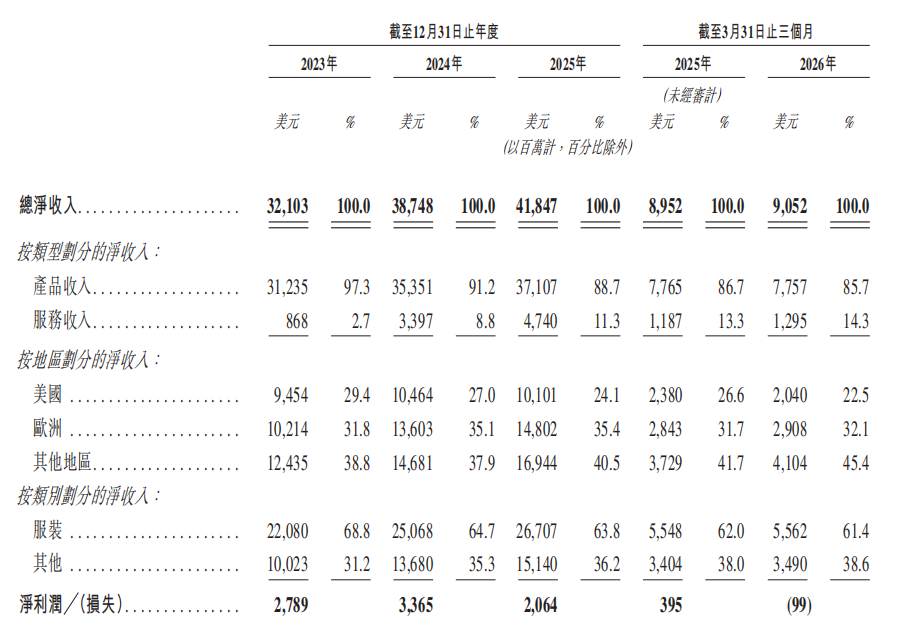
【亿邦原创】7月27日消息,希音国际控股有限公司(以下简称“SHEIN”)日前通过港交所聆讯,由高盛、摩根士丹利、摩根大通联席保荐。其聆讯后资料集显示,2023年至2025年,公司净收入分别为321.03亿美元、387.48亿美元和418.47亿美元,净收入增速分别为41.1%、20.7%、8.0%;净利润分别为27.89亿美元、33.65亿美元和20.64亿美元;净利润率则分别为8.7%、8.7%、4.9%。

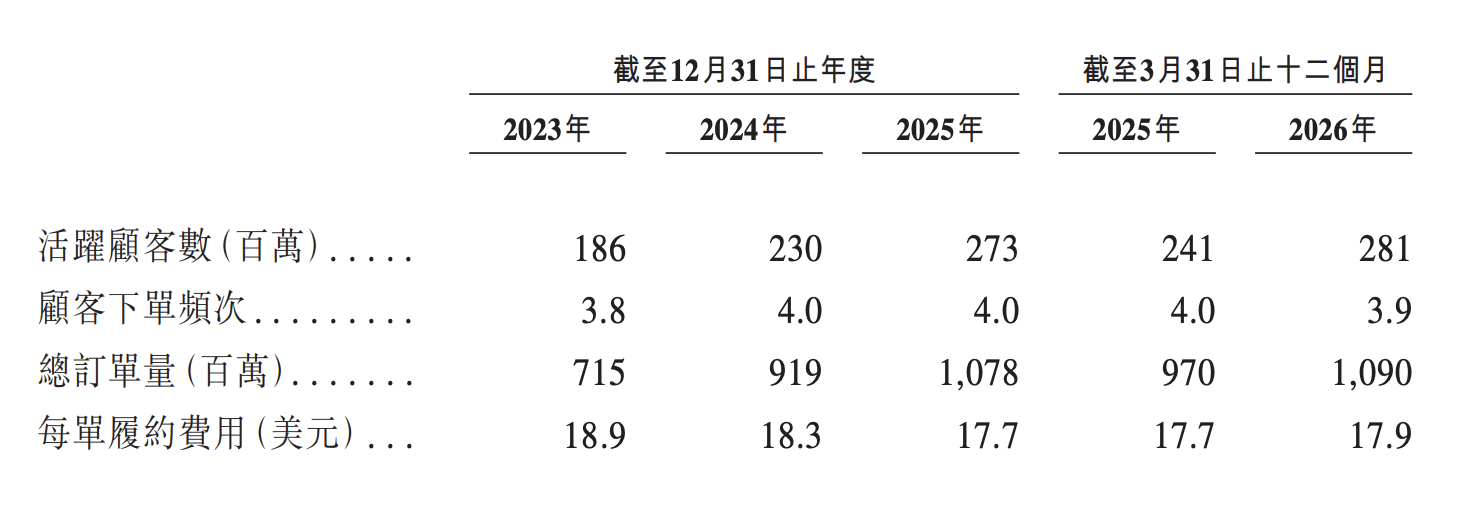
根据招股书披露,作为“全球最大的线上时尚目的地”,截止到2025年,SHEIN为约160个市场的约2.73亿活跃顾客提供服务。截至2026年3月31日止十二个月,活跃顾客数进一步增长至约2.81亿。目前,公司拥有超过200万个服装款式,平均每天新增约4700个服装款式;总订单量从2023年的7.15亿单增长至2025年的10.78亿单;顾客年度下单频次维持在3.8至4.0次。

01 平台业务扩展,市场和品类走向多元化

从收入结构看,SHEIN服务收入占比从2023年的2.7%上升至2025年的11.3%,2026年一季度达到14.3%,反映出SHEIN第三方卖家平台业务的快速扩张。

按地区划分,2025年,SHEIN来自美国市场的收入占比为24.1%,较2023年的29.4%有所下降;欧洲市场收入占比35.4%,较2023年的31.8%有所上升;其他地区则占比40.5%,较2023年也有所上升。

按品类划分,SHEIN服装收入占比从2023年的68.8%降至2025年的63.8%,其它类别的收入占比则从2023年的31.2%上升至36.2%,反映出SHEIN品类的扩张和多元化发展趋势。据悉,除了时尚服装,SHEIN还提供家居和生活、美容、个人护理以及电器和电子产品等。

“大规模自动化小单快返”(LATR)运营模式是招股书反复强调的SHEIN的核心竞争壁垒。该模式通过小批量试销新产品(初始批次约100至200件),实时评估顾客反馈,对畅销产品最快在五天内进行补货。该模式的成效显著:2025年,SHEIN库存周转天数仅为36天,未售库存占比保持在低个位数水平。

而LATR建立在两大基础设施支柱之上:端到端智能供应链和敏捷的全球履约网络。端到端智能供应链将从趋势识别、设计开发、订单分配、生产优化到客户反馈的全链条进行数字化整合,通过自动订单分配系统根据供应商的专业能力、价格和产能等因素智能匹配订单。SHEIN向供应商免费提供基于云端的软件解决方案,帮助其管理接单、生产、质量保证和发货等流程。

另外,公司以旗舰品牌SHEIN起家,随后逐步拓展自己的品牌组合,将业务覆盖至覆盖更多价位、独特风格和更广泛的产品类别。2025年,SHEIN的供应链网络涵盖7500多个合约制造商以及大量商家、独立设计师和其他供应商,其中大部分为中小企业(SME)。其通过深度技术整合赋能供应商,提高生产过程的透明度、效率和灵活性。2021年启动的SHEIN X项目于2025年10月升级为SHEIN Xcelerator计划,为品牌提供差异化的供应链服务和全球销售平台。

招股书披露,参与Xcelerator计划的品牌能更快实现重要的年化销售里程碑,其中一个品牌在参与第二年销售额增长约15倍,营业利润率提升超过30个百分点,存货周转天数减少约三分之二。品牌赋能服务的营业利润率约为集团整体营业利润率的两倍。

02 从早期跨境卖家一路走到时尚巨头,全球市占率第三

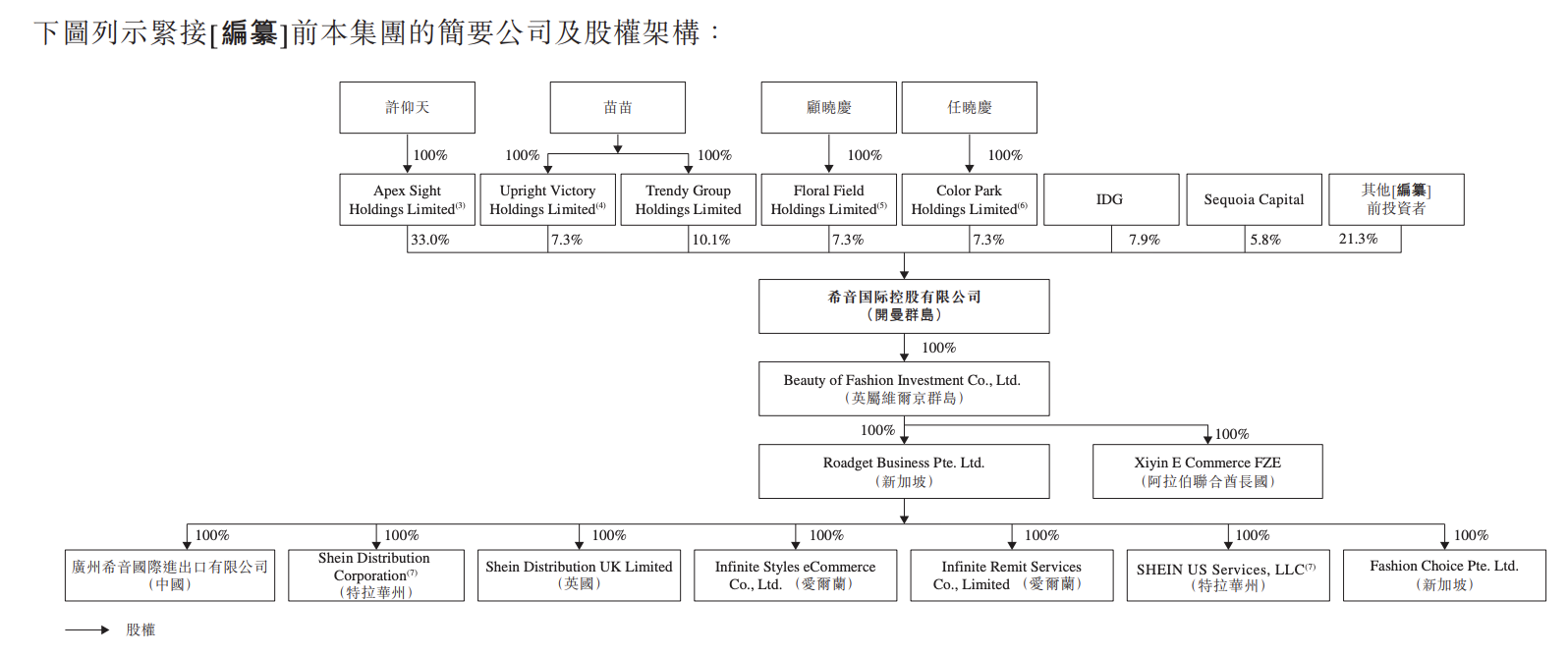
招股书显示,创始人许仰天通过旗下公司Apex Sight Holdings Limited持有希音国际约33.0%的股份,是第一大股东。同时,苗苗、顾晓庆、任晓庆等早期核心成员也共持有32%的股权。按照招股书披露的持股结构,创始团队及核心成员共持有65%的股权。

正是这支至今仍掌控公司多数股权的创始团队,用十余年时间将一家主营婚纱的跨境卖家,一步步做成全球时尚巨头。2008年,许仰天在江苏南京创立了SHEIN的前身Sheinside,彼时只是一家主营婚纱跨境电商的小企业,团队凭借搜索引擎优化技术在跨境电商蓝海中完成了原始积累。2012年,公司收购Sheinside.com域名,全面转入快时尚女装赛道,随后将总部从南京迁至广州番禺,一头扎进珠三角服装产业集群。

2014年,公司正式更名为SHEIN,并开始构建供应链体系,同步搭建美洲仓和欧洲仓,开启产品自主研发设计。2015年,对标ZARA的SHEIN品牌正式成立,首创“小单快反”柔性供应链模式。

2022年,SHEIN开始从纯自营模式逐步走向自营+开放平台模式。当年3月,SHEIN在巴西率先试点平台模式,允许第三方商家自行开店运营;此后陆续将平台模式推向墨西哥、美国等市场。2023年,SHEIN正式宣布转型电商平台,推出“希有引力”百万卖家计划,完成了从品牌零售商到平台型企业的战略跃迁。

目前,SHEIN平台模式包括平台代运营(即全托管)、半托管和商家自运营三种模式。平台代运营模式是SHEIN最早推出的模式,卖家只需专注供货,平台负责几乎所有运营环节,其市场覆盖全球150多个国家和地区;半托管模式介于全托管和自运营之间,商家享有更多自主权,平台提供物流、营销等支持,目前开放了美国、英国、欧盟、墨西哥、澳大利亚、日本等站点;商家自运营模式指的是商家入驻平台自主开店,拥有完整的店铺运营权限和自主定价权,目前开放了美国、墨西哥、英国、欧盟等站点。

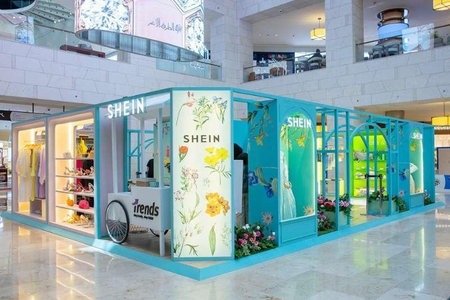
不止线上,SHEIN也在探索线下布局。早在2018年,SHEIN就在纽约开设了首家快闪店。2022年11月,东京首家“只试不卖”的线下体验店开业。2025年11月,SHEIN在巴黎BHV百货开设全球首家永久实体店,面积超1000平方米,标志着其从纯线上零售商向全渠道“全球时尚零售商”的转型。

根据招股书引用的灼识行业咨询报告,全球时尚市场2025年规模达1.7万亿美元,预计2030年将增长至2.0万亿美元;其中线上时尚市场从2025年的6064亿美元预计增长至2030年的7921亿美元,线上渗透率从34.9%提升至38.7%。SHEIN在全球时尚市场中的市占率约为1.9%,排名第三,仅次于耐克(3.0%)与Inditex(2.5%)。

“我们主要与全球时尚零售商竞争,其次是与提供时尚产品的电商平台竞争。”SHEIN在招股书中指出。

03 未来发展战略与风险因素

据悉,本次IPO募集资金,SHEIN计划用于四个方向:(一)提升技术能力;(二)提高品牌知名度和增强全球布局;(三)加强企业责任;(四)一般企业用途。

在发展战略层面,招股书披露了公司未来的六大发展方向:吸引新顾客并提高参与度、进一步丰富品类和产品供应、推进可持续发展和社会影响承诺、为设计师和品牌创造更多机会、加强供应链和履约基础设施、持续投资人才和技术。

而在风险因素方面,关税政策变化是招股书中提到的最突出的近期风险。针对美国去年取消小额免税政策和关税税率的波动,SHEIN已采取应对措施,包括提高美国市场售价以转嫁成本、采用正式报关程序、调整本地化库存和履约策略。自2025年5月以来,取消美国小额豁免对SHEIN美国销售及整体净收入增长造成不利影响,但公司观察到美国消费者购买行为和销售趋势已出现正常化迹象。

针对欧盟对每件150欧元及以下的包裹征收3欧元定额关税,由于2025年及2026年一季度公司约三分之一净收入来自欧洲,预计欧盟关税调整的影响可能大致符合或超出美国市场受到的影响。SHEIN招股书指出,“由于我们提高价格以抵消部分增加的成本,我们在欧洲的销量可能会受到短期不利影响,而全面评估长期影响仍言之尚早”。

伊朗战争也被列入风险因素。战争导致中东市场消费需求下降,经由霍尔木兹海峡的主要航运路线受到扰乱,油价及运输成本上升,全球供应链出现延误。SHEIN在招股书中指出,中东业务在初期数月按年下跌,预计对2026年净收入造成低个位数百分点的影响。不过,公司通过旨在确保航空货运运力的长期协议缓解了部分物流成本压力。董事认为伊朗战争不会在长期层面对整体业务营运及财务表现造成重大不利影响。

此外,招股书中也提及合规问题为风险因素之一,集中在数据隐私、消费者保护与ESG、知识产权和劳动用工四个维度。不过,SHEIN表示,已对已决事项支付罚款并整改,对未决事项积极抗辩或配合调查,同时持续加强合规框架和供应链审计等。

亿邦持续追踪报道该情报,如想了解更多与本文相关信息,请扫码关注作者微信。

文章来源:亿邦动力

广告
微信
朋友圈

FAQ回顾

SHEIN在全球时尚市场的市占率排名是多少?

根据灼识行业咨询报告,2025年SHEIN在全球时尚市场中市占率约为1.9%,排名第三,仅次于市占率3.0%的耐克与2.5%的Inditex,业务覆盖全球约160个市场,拥有超200万个服装款式。

SHEIN的核心竞争壁垒是什么?

SHEIN的核心竞争壁垒是“大规模自动化小单快返”(LATR)运营模式,该模式通过小批量试销产品、实时评估用户反馈,畅销产品最快5天可补货,2025年其库存周转天数仅为36天,未售库存占比保持在低个位数水平。

SHEIN第三方平台业务发展现状如何?

SHEIN第三方卖家平台业务扩张迅速,服务收入占比从2023年的2.7%升至2025年的11.3%,2026年一季度占比达14.3%,目前平台包含全托管、半托管、商家自运营三种模式,覆盖全球多个国家和地区。

SHEIN IPO募集资金主要用于哪些方向?

本次SHEIN IPO募集资金主要用于四个方向:一是提升技术能力,二是提高品牌知名度、增强全球布局,三是加强企业责任,四是用作一般企业用途,未来将围绕供应链优化、品类扩张等六大方向推进发展。

这么好看,分享一下?

朋友圈 分享

APP内打开

赞 +1
+1
微信好友 朋友圈 新浪微博 QQ空间
关闭
收藏成功
发送
/140 0