广告
加载中

【行业洞察】从“悦人”到“悦己”:300亿香水市场迎来黄金时代

义乌指数 2026-07-13 14:49
义乌指数 2026/07/13 14:49

邦小白快读

EN
全文速览

本文核心梳理了中国香水市场的发展现状和消费特征,给普通消费者整理了核心信息和选购参考干货如下:

1.目前中国香水市场正处于高速增长期,2025年市场规模达300亿元,年增速约20%,远高于护肤品、彩妆的增速,预计2029年将突破500亿元,国内香水渗透率仅5%,远低于海外成熟市场的50%,还有很大发展空间。

2.当前消费端已经从过去“悦人”转向“悦己”,近60%的消费者购买香水是为了取悦自己、提升情绪,香水已经从奢侈品转为日常消费品,主流使用场景是约会社交和休闲出游。

3.选购干货方面,消费者普遍偏好30毫升、50毫升的小规格香水,选择小规格可以先试后买降低试错成本;想要性价比和独特风格,可以选择主打东方审美国货香水,当前东方香调越来越受市场欢迎。

本文梳理了中国香水市场的增长逻辑、消费趋势和竞争方向,给品牌商的经营干货如下:

1.消费趋势层面:当前中国香水市场处于低渗透、高增长的成长期,年复合增长率约15%,消费动因已转为悦己需求,近60%消费者为提升自身情绪购买,使用场景拓展至日常多个场景,东方国风香调热度持续上升,消费者购买时越来越关注产品品质和品牌口碑。

2.渠道布局层面:国内C端市场要重视抖音、小红书的内容种草,结合线下试香场景促进转化;出口市场空间广阔,海外成熟市场香水渗透率达50%,属于日常刚需,可重点拓展海外增量市场。

3.品牌建设层面:国货品牌可围绕东方美学、情绪表达打造差异化标签,摆脱平替定位,逐步提升品牌辨识度和附加值,构建长期核心竞争力。

本文给香水卖家梳理了当前市场的增长机会和运营方向,核心干货如下:

1.增长市场机会:国内市场低渗透高增长,年增速达20%,悦己消费持续释放需求,增长动力充足;出口空间广阔,海外市场香水属于日常刚需,其中南美巴西市场近年出口增长超30%,巴西简化进口清关程序降低了清关成本,加上本身人口多需求大,是出口核心增量市场。

2.运营方向建议:要抓住悦己消费和国风热潮,开发东方香调相关产品,布局小规格试香产品,匹配消费者先试后买的需求;可以依托义乌市场的全品类集聚优势,对接供应链和海外外贸订单。

3.风险提示:行业当前同质化程度较高,未来竞争核心转向品牌和设计,单纯拼价格没有长期优势,需要逐步推进差异化升级。

本文梳理了当前香水行业的生产需求变化和新商业机会,给香水相关工厂整理干货如下:

1.产品生产设计需求变化:当前香水品类日趋细分,按浓度、香调、形态有多个细分方向,国内消费者偏好清新柔和香调,沉香、桂花、檀香等东方国风香调需求快速增长;海外市场方面,浓郁香型、金属异域风包装的“中东风”香水是爆款,小规格产品的市场需求持续上升,生产端需要匹配这些需求调整设计。

2.商业机会:国内香水市场持续扩容,出口需求旺盛,巴西等南美市场增量明显,义乌已经形成香水外贸集聚渠道,工厂可以对接义乌市场开展批量供货,拓展海外订单。

3.发展启示:行业竞争已经从产能竞争转向设计、品质和品牌竞争,工厂可摆脱单纯代工贴牌,结合市场需求做差异化产品开发,逐步推出自有品牌,向高附加值环节延伸。

本文分析了香水行业的发展趋势和市场痛点,给相关服务商整理核心干货如下:

1.行业发展趋势:中国香水市场处于低渗透高增长的成长期,年复合增长率约15%,预计2029年市场规模将突破500亿元,国货品牌加速崛起,行业整体向精细化、品牌化方向发展,外贸出口增长强劲,爆款迭代速度快,市场空间大。

2.核心客户痛点:品牌端面临同质化竞争问题,需要差异化的香调研发、国风设计支持;渠道端需要快速上新、批量供货的供应链配套,出口商家需要清关、海外市场趋势相关服务;消费者核心痛点是香水体验属性强,提前试香需求无法满足。

3.业务方向参考:可以针对国货品牌提供香调研发、文化设计相关服务;针对中小商家提供试香分装、小批量生产配套服务;针对出口商户提供海外政策对接、流行趋势信息服务,匹配不同区域市场需求。

本文梳理了香水行业商家和消费者的核心需求,给平台商的招商运营整理干货如下:

1.市场参与方的核心需求:品牌商家需要内容流量支持,帮助做种草传播;出口商家需要稳定的海外渠道对接和清关相关服务支持;消费者核心需求是获得试香体验,降低购买决策门槛。

2.平台运营和招商方向:线上内容平台可以完善香水内容生态,扶持国风国货品牌,鼓励试香、测评类内容传播;线下平台可以强化试香体验场景,满足香水的体验需求;义乌这类集散型平台可以进一步强化全品类集聚优势,吸引更多香水商户入驻,打造香水出口核心集散地。

3.风险规避方向:要引导商家走品牌化差异化路线,避免低价同质化的恶性竞争,同时要及时传递海外市场政策变化信息,帮助商家提前规避出口政策风险。

本文披露了中国香水行业的最新数据和产业动向,给产业研究提供了丰富的参考信息,核心干货如下:

1.产业新动向:当前中国香水市场进入高增长成长期,2025年规模达300亿元,年增速约20%,预计2029年突破500亿元,消费动因从传统悦人转向悦己,国内渗透率仅5%,远低于海外成熟市场的50%,增长空间巨大;国货品牌依托抖音小红书等内容平台加速崛起,逐步从平替向具备文化辨识度的品牌升级,义乌成为国内香水外贸核心集散地,外贸占比超九成,巴西市场出口增长超30%,是最新的增量区域。

2.产业新问题:行业新品迭代快,同质化程度较高,国内中高端市场仍被国际品牌占据,国货品牌需要提升核心设计能力和品牌辨识度。

3.产业新格局:当前已经形成上游国际巨头掌控核心香精原料,中游品牌多元竞争,下游线上内容种草+线下体验+义乌外贸集散的产业格局,品牌化、精细化、差异化是未来主要竞争方向。

返回默认

声明:快读内容全程由AI生成,请注意甄别信息。如您发现问题,请发送邮件至 run@ebrun.com 。

我是 品牌商 卖家 工厂 服务商 平台商 研究者 帮我再读一遍。

Quick Summary

This article summarizes the current development status and consumption characteristics of China's perfume market, compiling key takeaways and purchasing guidance for general consumers:

1. China's perfume market is currently in a period of rapid growth. It is projected to reach a market size of 30 billion yuan by 2025 with an annual growth rate of around 20%, far outpacing the growth of skincare and color cosmetics. The market is expected to exceed 50 billion yuan by 2029. Currently, perfume penetration in China stands at only 5%, far lower than the 50% seen in mature overseas markets, leaving significant room for expansion.

2. Consumer motivation has shifted from "impressing others" to "pleasing oneself". Nearly 60% of consumers purchase perfume to boost their own mood and please themselves. Perfume has transitioned from a luxury item to a daily consumer good, with the most common use cases being dating/social occasions and leisure trips.

3. For purchasing tips: Consumers generally prefer small sizes, 30ml and 50ml. Small bottles allow customers to test before committing to a full-size purchase, lowering the risk of a wrong choice. For good value and a unique aesthetic, consumers can choose domestic perfume brands that focus on Oriental aesthetics, as Oriental fragrance notes are growing increasingly popular in the market.

This article outlines the growth logic, consumption trends and competitive directions of China's perfume market, with key takeaways for brand operators:

1. Consumption trends: China's perfume market is currently in a growth stage characterized by low penetration and high expansion, with a compound annual growth rate of approximately 15%. Demand is now driven by "pleasing oneself", with nearly 60% of consumers purchasing perfume to improve their own mood. Usage scenarios have expanded to cover multiple daily occasions, demand for Oriental-style Chinese fragrances continues to rise, and consumers are paying increasing attention to product quality and brand reputation when making purchases.

2. Channel layout: For the domestic consumer market, brands should prioritize content marketing on Douyin and Xiaohongshu, and combine this with offline in-person testing scenarios to drive conversion. The export market offers significant space for growth: perfume is a daily necessity in mature overseas markets with a 50% penetration rate, so brands should prioritize expanding into this incremental overseas market.

3. Brand building: Domestic perfume brands can build differentiated positioning around Oriental aesthetics and emotional expression, move away from the "cheap alternative" positioning, gradually improve brand recognition and added value, and build long-term core competitiveness.

This article sorts out current market growth opportunities and operational directions for perfume sellers, with key insights as follows:

1. Growth opportunities: The domestic market features low penetration and high growth, with an annual growth rate of 20%. Self-pleasing consumption continues to release strong demand, providing sufficient growth momentum. The export market offers broad space, as perfume is a daily necessity in overseas markets. Notably, exports to Brazil in South America have grown by more than 30% in recent years. Brazil has simplified its import customs clearance procedures to reduce costs, and has a large population and strong demand, making it a key incremental export market.

2. Operational recommendations: Sellers should capitalize on the trends of self-pleasing consumption and Chinese-style fragrances, develop products with Oriental notes, and offer small-size testing products to match consumers' preference for testing before purchasing. Sellers can leverage the full-category clustering advantage of the Yiwu market to connect with supply chains and overseas trade orders.

3. Risk warning: The industry currently faces a high degree of homogenization. Future competition will center on branding and design, and pure price competition will not deliver long-term advantages, so sellers need to gradually push forward with differentiated upgrading.

This article summarizes changes in production demand and new business opportunities in the perfume industry, with key insights for perfume-related manufacturers as follows:

1. Changes in product design and production demand: The perfume category is increasingly segmented, with multiple subdivisions based on concentration, fragrance note and product form. Domestic consumers prefer fresh, soft fragrances, and demand for Oriental Chinese-style notes such as agarwood, osmanthus and sandalwood is growing rapidly. In overseas markets, "Middle Eastern-style" perfumes with rich scents and metallic exotic packaging are best-sellers. Demand for small-size products continues to rise, so manufacturers need to adjust their design and production to match these trends.

2. Business opportunities: The domestic perfume market continues to expand, export demand is strong, incremental growth is significant in South American markets such as Brazil, and Yiwu has formed a clustered channel for perfume foreign trade. Factories can connect with the Yiwu market to supply bulk orders and expand overseas business.

3. Development insights: Industry competition has shifted from production capacity competition to competition in design, quality and branding. Factories can move beyond pure OEM/ODM manufacturing, develop differentiated products aligned with market demand, gradually launch their own brands, and extend into higher value-added links of the supply chain.

This article analyzes development trends and market pain points in the perfume industry, with key insights for relevant service providers as follows:

1. Industry development trends: China's perfume market is in a high-growth, low-penetration growth stage, with a compound annual growth rate of approximately 15% and a projected market size exceeding 50 billion yuan by 2029. Domestic brands are rising rapidly, the industry as a whole is moving toward more refined operations and branding, foreign trade exports are growing strongly, best-selling product iteration is fast, and overall market space is large.

2. Core customer pain points: Brands face homogeneous competition and need support for differentiated fragrance research and development and Chinese-style design. Channel players need supply chain support for fast new product launches and bulk supply, while export merchants need services related to customs clearance and overseas market trend intelligence. The core pain point for consumers is that perfume is highly experience-driven, and their demand for pre-purchase testing is often unmet.

3. Business direction references: Service providers can offer fragrance R&D and cultural design services for domestic brands; provide sample decanting and small-batch production support for small and medium-sized sellers; and offer overseas policy liaison and trend intelligence services for export merchants, to match the demand of different regional markets.

This article sorts out the core needs of merchants and consumers in the perfume industry, with key insights for platform operators and merchant recruitment as follows:

1. Core needs of market participants: Brand merchants need content traffic support to facilitate influencer marketing and outreach. Export merchants need stable overseas channel connections and customs clearance-related support. Consumers' core need is access to testing experiences to lower the barrier to purchase decision-making.

2. Platform operation and merchant recruitment directions: Online content platforms can improve their perfume content ecosystem, support domestic Chinese-style fragrance brands, and encourage the dissemination of testing and review content. Offline platforms can strengthen in-person testing experience scenarios to meet the experience-driven demand of perfume shopping. Distribution hubs such as Yiwu can further leverage their full-category clustering advantage, attract more perfume merchants to settle in, and build a core distribution hub for perfume exports.

3. Risk mitigation directions: Platforms should guide merchants to pursue branding and differentiated positioning to avoid cutthroat price competition and homogeneous rivalry. They should also timely share information on overseas market policy changes to help merchants proactively avoid export policy risks.

This article discloses the latest data and industry trends of China's perfume industry, providing rich reference information for industrial research, with key insights as follows:

1. New industry trends: China's perfume market has entered a high-growth stage, projected to reach 30 billion yuan in size by 2025 with an annual growth rate of around 20%, and exceed 50 billion yuan by 2029. Consumption motivation has shifted from traditionally impressing others to pleasing oneself. Domestic penetration is only 5%, far lower than the 50% in mature overseas markets, leaving enormous room for growth. Domestic brands are rising rapidly relying on content platforms such as Douyin and Xiaohongshu, gradually upgrading from cheap alternatives to culturally recognizable branded players. Yiwu has become the core distribution hub for China's perfume foreign trade, with over 90% of domestic perfume exports passing through the region. Exports to Brazil have grown by more than 30%, making it the latest incremental market.

2. New industry challenges: New product iteration is fast and homogenization is severe in the industry. China's mid-to-high-end market is still dominated by international brands, and domestic brands need to improve their core design capabilities and brand recognition.

3. New industry structure: The current industry landscape features global giants controlling core fragrance raw materials in the upstream, diversified brand competition in the midstream, and a downstream structure combining online content influencer marketing, offline experience and Yiwu foreign trade distribution. Branding, refinement and differentiation will be the main competitive directions in the future.

Disclaimer: The "Quick Summary" content is entirely generated by AI. Please exercise discretion when interpreting the information. For issues or corrections, please email run@ebrun.com .

I am a Brand Seller Factory Service Provider Marketplace Seller Researcher Read it again.

2026年,香水市场变得更“香”。

过去几年,中国香水市场规模增速领跑传统美妆其它细分赛道。

数据显示,2025年中国香水行业市场规模约为300亿元,同比增长约20%,远高于同期护肤品8.7%、彩妆8.4%的增速。

据义乌指数数据监测,香水类规模指数持续走高,从年初的1771.96点上涨至5月的1844.86点,涨幅达4.1%。

“嗅觉经济”加速崛起。一瓶香水,正变成当代年轻人的“第二层皮肤”。

本篇文章义乌指数将为你解读香水行业。

01

“嗅觉革命”:香水行业增长引领美妆大盘

如今,在居民收入提升、消费动因变革等因素的推动下,香水正从奢侈品消费场景走向大众日常,并迎来规模化扩张。

数据显示,2025年中国香水市场规模约为300亿元,预计到2029年将突破500亿元,期间年复合增长率约为15%。

2024-2029年中国香水行业市场规模(亿元)

数据来源:华泰证券

从义乌市场表现来看,香水品类增长强劲。义乌指数数据显示,香水类指数已保持五个月稳步上行,从2025年12月的1529.98点上涨至2026年5月的1566.96点,涨幅为2.4%。

2025年12月-2026年5月香水类指数走势

数据来源:义乌指数

子指数方面,规模指数从年初的1771.96点上涨至5月的1844.86点,涨幅为4.1%,增长更为强劲。

2026年1月-2026年5月香水类规模指数走势

数据来源:义乌指数

支撑香水规模高增长的深层动力来自以下几个方面:

一是“悦己”成为购买香水的第一动因。近年来,“悦己消费”观念持续崛起,香水逐渐转变为承载情绪价值和提升生活质感的日常消费品,成为国内香水市场扩容的重要推动力。艾媒咨询数据显示,在购买香水主要原因上,“取悦自己、提升情绪体验”以近60%的占比成为首要动因。

中国消费者购买香水的主要原因

数据来源:艾媒咨询

二是使用场景不断拓宽,社交、出游成两大核心场景。如今,受大众消费观念转变的影响,香水使用场景在不断扩容,逐渐融入运动健身、日常社交等生活场景,进一步提升了香水的使用频率和复购需求。数据显示,在中国消费者使用香水的主要场景中,“约会/社交聚会”占比最高,达59.9%;“休闲出游/旅行”占比为46.4%,是第二大使用场景。

中国消费者使用香水的主要场景

数据来源:艾媒咨询

三是海外香水消费作为日常刚需,奠定了出口稳定基础。受体味管理及社交礼仪影响,香水在欧美、中东、拉美等市场普及率极高,且消费群体覆盖广泛。数据显示,欧洲、美国等成熟市场香水渗透率普遍在50%左右,远高于中国的5%。这一巨大落差不仅折射出中外消费观念的差异,也预示着中国香水出口拥有广阔的增量空间。

02

从小众香氛到日常消费,国货品牌加速崛起

“香文化”是中国独具特色的传统文化之一。最早可追溯至春秋战国时期,通过焚香、佩香、品香等方式,进行祭祀及社交等。

而当代的香水行业发展,先后经历了萌芽期、初步发展期、加速发展期、高速发展期四个阶段。

中国香水行业发展阶段

资料来源:公开资料整理

(一)品类精细化,产品结构日趋多元

随着香水消费的多元化发展,品类结构也在不断细分。

按香精浓度划分:可分为香精(Parfum)、淡香精(EDP)、淡香水(EDT)、古龙水(EDC)和清香水(EF/ED)。不同浓度在留香时间、扩香表现和价格定位上有所差异;

按香调划分:可分为花香调、果香调、柑橘调、木质调、东方调、馥奇调、西普调、美食调等。国内消费者的用香审美仍处于由大众化向个性化过渡的阶段,以接受门槛较低的清新、柔和香调为主。

按形态划分:可分为液态香水、香膏、香水油、走珠香水、香水笔、香挂等。

(二)产业链分工日趋精细,上下游格局加速重塑

目前,国内香水产业链已形成较为清晰的分工体系,产业竞争不再局限于品牌端,而是延伸至原料供应、产品研发、渠道分发和批发集散等多个环节。整体来看,香水产业链呈现出上游原料高度集中、中游品牌多元分化、下游渠道价值凸显的特征。

上游原料端主要包括香精香料、酒精、包材及其他辅料供应,其中香精香料是香水产品的核心。由于原料研发、调香技术、配方积累和供应稳定性要求较高,全球香精香料市场长期由奇华顿(Givaudan)、帝斯曼-芬美意(DSM-Firmenich)、国际香料香精公司(IFF)、德之馨(Symrise)四大国际巨头主导,行业集中度较高。

据义乌指数市场走访了解,义乌市场部分中高端香水的香精原料来自芬兰、意大利、法国等地;包材、瓶器、包装设计等环节则依托本地以及供应链配套,支撑义乌市场快速上新和批量供货。

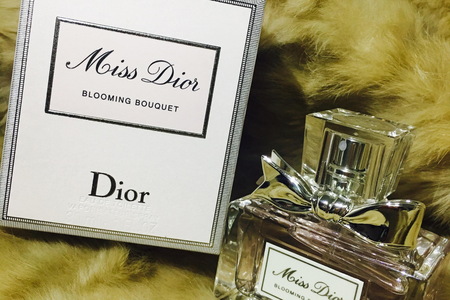
中游以品牌商和生产企业为主,是当前国内香水市场竞争最活跃的环节。受品牌效应和消费者偏好等因素影响,Dior、Chanel、Jo Malone等国际品牌仍在国内中高端香水消费市场占据主导地位。与此同时,本土国货品牌也加速发展,围绕东方美学特质、情绪表达和性价比等方向切入市场,如闻献、观夏、气味图书馆等品牌持续强化自身风格标签,借助小红书、抖音等内容平台提升声量,推动国产香水从“平替选择”逐步走向具有审美辨识度和文化表达力的新兴品牌阵营。

2025年国内市场香水品牌热度情况

资料来源:根据公开资料整理

下游渠道端主要由线上平台、线下百货、品牌专柜、美妆集合店、免税店等共同构成。C端市场方面,香水销售以百货专柜、品牌门店、淘系平台、抖音、小红书及美妆集合店为主要触点,试香体验、内容种草和场景化展示共同影响购买决策。B端市场方面,以义乌市场等为代表,承担海外客户看样选品、批量采购和渠道分销功能,加速推动国产香水出口。

03

义乌市场香水生意2.0

义乌市场的香水行业起步于2005年,历经二十余年的发展,已成为国内香水行业的重要销售窗口之一,行业集聚效应不断凸显。

(一)全品类集聚,一站式采购

义乌市场香水商户主要分布在国际商贸城三区及全球数贸中心。近两年,义乌市场香水行业持续扩容,场内经营主体已超100家,较2024年大幅增长,行业聚集效应进一步增强。

场内主营品类包括平价正装香水、车载室内香薰、香体喷雾、固体香膏、香氛礼品套装及香水分装原液等全品类香水香氛产品,货源主要来自广东、上海、义乌等地。

(二)外贸占据主导,南美市场增长强劲

从销售结构看,义乌市场香水行业内外销比例约为1:9,外贸占绝对主导,广泛出口至中东、非洲、南美、欧美、东南亚等国家和地区。

根据义乌指数走访了解,国际商贸城三区某主营香水商户表示:“香水对我们国内消费者来说可能是小众消费品甚至是奢侈品,对外国人而言则是日常必需品,消耗快需求大,这也是为什么我们持续布局海外市场的原因。”

从区域表现看,南美市场销售增长更为强劲,巴西成为主要驱动力。根据义乌指数走访了解,南美市场成为近一年义乌香水出口重要增长区域,其中巴西市场贡献显著,增长超30%。一方面,巴西市场拥有南美地区最多的人口,香水是日常刚需品,产品普及率高且消耗快,对香水需求大。根据义乌指数估算,2025年巴西市场香水规模约57亿美元,年均复合增长率约6.1%。另一方面,得益于巴西简化进口申报程序,降低了清关成本并提升了清关效率,进而刺激了义乌对巴西的香水出口。

(三)义乌打造爆款,“中东风”香水全球热销

香水是一门嗅觉生意,也是一门视觉生意。近年来,义乌市场香水经营户通过包装设计、瓶型外观、香味浓度和礼盒组合的持续迭代,快速捕捉海外市场流行趋势,推动一批视觉辨识度强、适销性高的香水产品在海外市场走红。

据义乌指数市场走访了解,“中东风”香水成为近年来的出口爆品。所谓“中东风”,产品在外观设计上更强调金属感、异域风,香味也更加浓郁。国际商贸城三区相关经营户表示:“我们打造的‘中东风’香水爆款,先从包装和香味吸引客户,不仅在中东地区广受欢迎,产品也畅销至南美、北美和非洲等地区。”

04

未来趋势:国风、试香、品牌化

1.东方香调升温,国风成新卖点

如今,国风元素正走向香氛消费市场,消费者对具有文化辨识度和情绪表达的本土气味更为青睐。沉香、桂花、茶香、檀香等东方香调热度持续上升。例如,主打东方植物香和空间香氛的国产品牌“观夏”,深受消费者喜爱,相关产品销量同比增长达211%,领跑本土品牌。同时,随着海外客户对中国文化元素关注度提升,东方香调、国风包装、IP联名等香水产品,有望成为香水海外市场新卖点。

2.试香仍是关键购买决策入口

香水具有较强的体验属性,线下、小规格试香仍是购买决策关键入口。一方面,线下门店、美妆集合店和品牌专柜承担着产品展示和试香体验的重要功能。另一方面,小规格产品的热销也反映出消费者“先试后买、低门槛尝新”的需求。艾媒咨询数据显示,50毫升和30毫升规格的香水产品最受中国消费者欢迎,占比分别为59.7%和45.2%。

中国消费者偏好的香水规格分布情况

数据来源:艾媒咨询

3.品牌化是产品核心竞争力

香水行业新品迭代快、同质化程度高,随着市场竞争加剧,行业的竞争核心已逐步转向设计能力、品质稳定和品牌辨识度。义乌市场香水商户自主商标拥有率超八成,不少经营主体不再满足于简单代理或贴牌销售,开始通过自主商标、自有包装、自主设计提升议价能力,向更高附加值产品延伸。数据显示,产品品质、品牌口碑等成为消费者购买香水时的主要关注因素。

消费者购买香水时的主要关注因素

数据来源:艾媒咨询

结尾

行业:中国香水市场目前处于低渗透、高增长的成长期,随着悦己消费、社交出游和情绪价值需求持续释放,香水正从小众精致消费加速走向更日常、更高频的生活方式表达。

市场:义乌市场引领香水外贸市场爆款风向,“中东风”等全球化流行风格热销,义乌市场的竞争也将从单纯拼价格,转向自主设计、风格差异化等能力。

趋势:未来,香水行业的竞争将不再局限于香水本身,而是围绕香调、品类、线上线下体验和自主品牌建设,进入更加精细化、品牌化的发展阶段。

注:文/义乌指数,文章来源:义乌指数,本文为作者独立观点,不代表亿邦动力立场。

文章来源:义乌指数

广告
微信
朋友圈

FAQ回顾

中国香水市场的发展现状是怎样的?

2025年中国香水行业市场规模约300亿元,同比增长约20%,远高于同期护肤品8.7%、彩妆8.4%的增速,预计2029年将突破500亿元,年复合增长率约15%。当前国内香水渗透率仅为5%,远低于欧美成熟市场50%的水平,增长空间广阔。

国内消费者购买香水的主要动因和使用场景有哪些?

“取悦自己、提升情绪体验”以近60%的占比成为国内消费者购买香水的首要动因。使用场景也在持续拓宽,约会/社交聚会是占比最高的使用场景达59.9%,休闲出游/旅行以46.4%的占比成为第二大核心场景。

中国香水行业未来有哪些发展趋势?

未来中国香水行业主要有三大发展趋势:一是东方香调持续升温,国风成为新消费卖点;二是试香仍是消费者购买决策的关键入口,30ml、50ml规格的香水最受青睐;三是品牌化成为核心竞争力,行业竞争转向设计、品质与品牌辨识度比拼。

义乌香水市场的外贸出口有什么特点?

义乌香水市场外贸占比达90%,产品出口覆盖中东、非洲、南美、欧美、东南亚等地区,近年“中东风”香水成为出口爆品,不仅畅销中东还远销南美、北美、非洲等地,其中南美市场增长强劲,巴西市场的香水出口增速超过30%。

这么好看,分享一下?

朋友圈 分享

APP内打开

+1
+1
微信好友 朋友圈 新浪微博 QQ空间
关闭
收藏成功
发送
/140 0