广告
加载中

靠着悦鲜活 君乐宝想上市了

专注餐饮供应链的 2026-06-30 12:31
专注餐饮供应链的 2026/06/30 12:31

邦小白快读

EN
全文速览

本文核心讲国内营收第三的乳企君乐宝,靠爆品悦鲜活打造高端鲜奶心智,目前转战港股筹备上市的全过程,核心干货如下:

1. 悦鲜活的发展路径:2019年面世时,国内高端鲜奶几乎都是区域品牌天下,没有全国性知名品牌,它踩中了消费升级的节点,用高价格做差异化区分,通过INF 0.09秒超瞬时杀菌技术把保质期延长到19天,解决了鲜奶无法全国配送的痛点,目前已经完成全国渠道铺设,覆盖约40万个低温零售终端、2200个区县。

2. 当前市场成绩:尼尔森数据显示,悦鲜活占据国内高端鲜奶50%的市场份额,相当于每卖两瓶高端鲜奶就有一瓶是悦鲜活;不仅C端站稳了“更好鲜奶”的心智,还进入了一点点、古茗、蜜雪冰城等头部茶饮的供应链,成为茶饮原料升级的背书,反向强化了C端认知。

3. 未来走势:伊利、蒙牛等行业巨头已经下场布局鲜奶赛道,悦鲜活目前靠消费者认知和B端绑定建立了壁垒,但技术先发优势迟早会被追平,后续还要面临激烈的市场竞争。

本文给快消品牌尤其是乳企,提供了君乐宝悦鲜活的成功案例和行业趋势参考,核心干货如下:

1. 品牌营销与定价:悦鲜活通过高价位定位划出差异化,成功建立高端鲜奶认知,还借助B端茶饮品牌的公开使用背书反向强化C端心智,走了抢先占位的心智抢占路线,占住认知后给后来者设置了很高的进入门槛,这种打法和此前OATLY燕麦奶的路径一致,可参考性强。

2. 渠道建设:悦鲜活完成了全国性低温渠道铺设,截至2025年9月,覆盖全国约40万个低温零售终端、2200个区县,合作5500余家经销商,同时打通C端零售和B端茶饮供应链,B端合作绑定后替换成本很高,形成了稳定的渠道壁垒。

3. 产品研发与消费趋势:目前国内低温鲜奶赛道仍在扩容,渗透率和美国、日本相比还有较大差距,高端鲜奶是接下来重要的增长机会,产品端通过技术创新延长保质期,就能打破鲜奶的地域限制,打开全国市场空间,还能有效提升品牌利润率。

本文给液态奶相关卖家梳理了鲜奶赛道的现状、机会与风险,核心干货如下:

1. 增长机会判断:当前高端鲜奶赛道仍处于高速增长期,君乐宝公开数据显示,悦鲜活2024年收入同比增长44.5%,2025年前三季度继续增长40.6%,是君乐宝所有产品线中增速最高的,国内高端鲜奶渗透率对比成熟市场还有不小提升空间,仍有较多入局机会。

2. 可学习的经验:悦鲜活的成功路径值得参考,一是抢先占位高端消费者心智,用价格做差异化区分,快速建立认知;二是打通B端茶饮渠道,借助茶饮品牌的公开使用背书强化C端认知,B端合作绑定后替换成本高,能带来稳定的出货量。

3. 风险提示:目前伊利、蒙牛等行业头部巨头已经全面布局鲜奶赛道,巨头拥有资金、原有渠道、品牌影响力优势,后续行业价格竞争会不断加剧;同时头部连锁茶饮品牌都在推进自有供应链升级,未来可能减少对第三方鲜奶品牌的依赖,卖家需要提前布局差异化竞争力。

本文给乳制品工厂提供了鲜奶赛道的生产需求、商业机会和发展启示,核心干货如下:

1. 产品生产技术需求:当前高端鲜奶的核心需求是突破地域限制,需要能延长保质期同时保留牛奶活性物质的杀菌技术,悦鲜活采用的INF超瞬时杀菌技术属于ESL延长货架期技术,能把保质期延长到19天,支撑产品走向全国,这类技术已经成为行业发展趋势,越来越多新的杀菌技术逐步推广,工厂可提前布局相关技术升级。

2. 商业机会:高端鲜奶目前仍有较大的市场增长缺口,低温液态奶已经成为君乐宝第一大收入板块,增速远高于奶粉、常温奶等传统品类,国内高端鲜奶渗透率还处于较低水平,是接下来乳制品行业最重要的增长方向之一,工厂可以针对性布局高端鲜奶的相关产能。

3. 发展启示:工厂可以同时布局C端零售和B端茶饮两大渠道,B端大客户绑定后能带来稳定的订单量,同时B端的使用背书还能反向赋能C端销售,帮助产品更快打开全国市场,此外需要提前升级冷链供应链能力,才能支撑全国性的产品配送需求。

本文给乳制品相关服务商(冷链、设备、营销等)梳理了鲜奶赛道的行业趋势、客户痛点和发展方向,核心干货如下:

1. 行业发展趋势:国内高端鲜奶赛道正处于高速增长期,原来区域分割的鲜奶格局正在被打破,全国性高端鲜奶品牌正在崛起,整个行业对低温冷链配送、全国性渠道服务、先进生产设备的需求大幅提升;同时头部B端茶饮品牌都在推进鲜奶原料升级,也催生了大量新的配套服务需求。

2. 客户核心痛点:乳企打造全国性高端鲜奶品牌,核心痛点一是全国性冷链物流网络覆盖不足,无法支撑产品配送到下沉市场的区县终端;二是需要适配的杀菌技术和生产设备,解决鲜奶保质期短无法跨区域销售的问题;三是新品牌需要快速建立消费者认知,缺乏打通C端和B端资源的路径。

3. 发展方向:冷链服务商可以加速下沉市场的冷链网点布局,满足乳企覆盖区县终端的需求;设备服务商可以针对性推广延长货架期的杀菌设备,匹配行业技术升级的需求;营销服务商可以借鉴悦鲜活的B端背书打法,帮助新品牌快速打通茶饮渠道,借助B端认知快速建立C端心智。

本文给零售平台、饮品供应链平台等平台商梳理了鲜奶赛道的市场需求、运营方向和风险提示,核心干货如下:

1. 市场需求情况:当前消费者对高端鲜奶的需求正在快速提升,高端鲜奶的客单价和利润率都远高于普通常温奶,是平台拉动品类增长、提升整体客单价的核心增量品类;悦鲜活目前已经占据国内高端鲜奶50%的市场份额,消费者心智认可度高,引入后能为平台带来稳定流量。

2. 招商与运营方向:平台可以抓住品类增长的红利,优先引入头部高端鲜奶品牌丰富品类;针对B端客户,可以搭建专门的B端鲜奶供应对接渠道,对接连锁茶饮品牌的原料升级需求,目前几乎所有头部茶饮都在推进原料升级,对合格的高端鲜奶需求量非常大,能给平台带来新的B端增长。

3. 风险规避:当前高端鲜奶赛道竞争已经持续加剧,伊利、蒙牛等头部乳企都在加码布局,后续行业大概率会出现价格战,平台需要提前关注品类价格波动;同时头部茶饮正在推进自建鲜奶供应链,长期来看B端需求可能出现结构性变化,平台需要提前拓展多元化供应商,降低经营风险。

本文给乳业产业研究者提供了国内鲜奶赛道的最新产业动向、核心问题和商业模式参考,核心干货如下:

1. 产业新动向:国内液态奶市场正在从原来的常温奶主导向低温鲜奶升级,高端鲜奶赛道跑出了全国性品牌,打破了巴氏鲜奶长期由区域乳企把控的格局;悦鲜活采用B端+C端联动的心智打造模式,走出了新的品牌成长路径;君乐宝靠悦鲜活重构品牌价值、提升利润率后冲击上市,也反映了资本市场对高增长高端乳业赛道的价值认可。

2. 产业新问题:先发品牌的技术壁垒并不高,延长货架期技术已经逐步通用,不具备独家性;头部巨头拥有资金、渠道、品牌优势,下场布局后行业竞争会快速升级;同时B端核心客户存在自建供应链的趋势,先发品牌的渠道优势存在不小的不确定性,长期增长存在变数。

3. 商业模式启示:原本区域分割的鲜奶赛道,通过技术创新延长保质期,完全可以打造全国性高端品牌;依托B端饮品客户的公开背书,可以更低成本建立C端消费者心智,这种双轮驱动的商业模式,为快消品新品打造提供了新的参考,也为传统乳企提升利润率提供了新的方向。

返回默认
声明:快读内容全程由AI生成,请注意甄别信息。如您发现问题,请发送邮件至 run@ebrun.com 。

我是 品牌商 卖家 工厂 服务商 平台商 研究者 帮我再读一遍。

Quick Summary

This article details the full journey of Junlebao, China's third-largest dairy company by revenue, as it built premium fresh milk awareness via its hit product Yuexianhuo (Fresh Taste) and is now preparing for a Hong Kong IPO. Key takeaways are as follows:

1. Yuexianhuo's growth trajectory: When it launched in 2019, China's premium fresh milk market was dominated almost entirely by regional players, with no nationally recognized brands. It capitalized on the consumer upgrade trend, differentiated itself via premium pricing, and extended its shelf life to 19 days using its INF 0.09-second ultra-high temperature instantaneous sterilization technology, solving the core pain point of national distribution for fresh milk. Today, it has completed national channel layout, covering around 400,000 low-temperature retail terminals across 2,200 districts and counties.

2. Current market performance: According to Nielsen data, Yuexianhuo holds a 50% market share of China's premium fresh milk segment—meaning one out of every two bottles of premium fresh milk sold in China is Yuexianhuo. It has not only established "premium better fresh milk" positioning among end consumers, but also entered the supply chains of leading tea chains including一点点 (Yi Dian Dian), Guming, and Mixue Ice City, backing the ingredient upgrade trend for tea brands, which in turn reinforces its consumer-facing brand reputation.

3. Outlook: Industry giants including Yili and Mengniu have now entered the premium fresh milk track. While Yuexianhuo has built barriers via consumer awareness and B-end partnerships, its first-mover technological advantage will eventually be eroded, and it faces intensifying competition ahead.

This article offers a successful case study of Junlebao's Yuexianhuo and industry trend insights for FMCG brands, particularly dairy companies. Key takeaways are as follows:

1. Brand marketing and pricing: Yuexianhuo carved out differentiation via premium positioning, successfully built awareness as a leading premium fresh milk brand, and leveraged public endorsement from B-end tea brands to reinforce consumer-facing mindshare. This first-mover mindshare occupation strategy, which mirrors the growth path of OATLY oat milk, sets a high entry barrier for late entrants and is highly replicable.

2. Channel development: Yuexianhuo has built out a national low-temperature distribution network. As of September 2025, it covers around 400,000 low-temperature retail terminals across 2,200 districts and counties, partnering with more than 5,500 distributors. It has integrated both C-end retail and B-end tea supply chains, and the high switching cost of existing B-end partnerships creates a stable channel barrier.

3. Product R&D and consumer trends: China's low-temperature fresh milk track is still expanding, and its penetration rate remains far lower than that of the U.S. and Japan. Premium fresh milk represents a major growth opportunity going forward. Technological innovation to extend shelf life breaks geographical barriers for fresh milk, unlocks national market potential, and effectively improves brand profit margins.

This article outlines the current landscape, opportunities, and risks of the fresh milk track for liquid milk sellers. Key takeaways are as follows:

1. Growth opportunity assessment: The premium fresh milk segment is still in a period of rapid growth. According to Junlebao's public data, Yuexianhuo's revenue grew 44.5% year-over-year in 2024, and grew a further 40.6% in the first three quarters of 2025, making it Junlebao's fastest-growing product line. China's premium fresh milk penetration still has ample room to grow compared to mature markets, leaving significant entry opportunities for new players.

2. Actionable takeaways: Yuexianhuo's success path offers key lessons: first, occupy premium consumer mindshare early, use pricing to create differentiation, and build brand awareness quickly; second, access B-end tea channels, leverage brand endorsement from tea players to reinforce C-end perception, and benefit from stable sales volume driven by the high switching cost of B-end partnerships.

3. Risk warnings: Leading industry giants including Yili and Mengniu have already rolled out full-scale布局 in the fresh milk segment. With their advantages in capital, existing channels, and brand influence, price competition will intensify in the coming period. Meanwhile, leading chain tea brands are upgrading their own in-house supply chains, and may reduce reliance on third-party fresh milk brands in the future. Sellers need to build differentiated competitiveness in advance.

This article shares production demand, business opportunities, and growth insights for dairy product factories in the fresh milk track. Key takeaways are as follows:

1. Product and technology requirements: The core demand for premium fresh milk today is breaking through geographical restrictions, which requires sterilization technology that extends shelf life while retaining milk's active nutrients. The INF ultra-instantaneous sterilization technology used by Yuexianhuo is an extended shelf life (ESL) technology that extends product shelf life to 19 days, enabling national distribution. This type of technology has become an industry trend, with more new sterilization technologies being gradually adopted, and factories can upgrade related technology in advance.

2. Business opportunities: Premium fresh milk still has large room for market growth. Low-temperature liquid milk has already become Junlebao's largest revenue segment, with growth far outpacing traditional categories such as milk powder and ambient milk. China's premium fresh milk penetration remains at a low level, making it one of the most important growth directions for the dairy industry going forward. Factories can layout capacity for premium fresh milk accordingly.

3. Growth insights: Factories can develop both C-end retail and B-end tea channels simultaneously. Secured B-end large client partnerships deliver stable order volume, while B-end endorsement also empowers C-end sales in reverse, helping products open up the national market faster. In addition, factories need to upgrade cold chain supply chain capabilities in advance to support national product distribution requirements.

This article sorts out industry trends, client pain points, and growth directions for dairy-related service providers including cold chain, equipment, and marketing services. Key takeaways are as follows:

1. Industry trends: China's premium fresh milk track is in a period of rapid growth. The historically regionally segmented fresh milk market is breaking up, and national premium fresh milk brands are emerging. The entire industry sees sharply rising demand for cold chain distribution, national channel services, and advanced production equipment. Meanwhile, leading B-end tea brands are all upgrading their fresh milk ingredients, generating substantial new demand for supporting services.

2. Core client pain points: For dairy companies building national premium fresh milk brands, three core pain points stand out: first, insufficient national cold chain network coverage to support distribution to county-level terminals in lower-tier markets; second, the need for suitable sterilization technology and production equipment to solve the problem of short shelf life preventing cross-regional sales; third, new brands lack a path to connect C-end and B-end resources to quickly build consumer awareness.

3. Growth directions: Cold chain service providers can accelerate cold chain网点 layout in lower-tier markets to meet dairy companies' demand for covering district and county-level terminals. Equipment service providers can focus on promoting shelf-life-extending sterilization equipment to match the industry's technology upgrade demand. Marketing service providers can replicate Yuexianhuo's B-end endorsement strategy, helping new brands access tea channels quickly and build C-end mindshare via B-end reputation.

This article sorts out market demand, operational directions, and risk warnings for platform operators including retail platforms and beverage supply chain platforms. Key takeaways are as follows:

1. Market demand overview: Consumer demand for premium fresh milk is growing rapidly. Premium fresh milk has a much higher average order value and profit margin than conventional ambient milk, making it a core incremental category for platforms to drive category growth and lift overall average order value. Yuexianhuo already holds 50% of China's premium fresh milk market share with strong consumer recognition, so onboarding the brand can bring stable traffic to platforms.

2. Sourcing and operational directions: Platforms can capitalize on the category growth dividend by prioritizing onboarding leading premium fresh milk brands to enrich their category assortment. For B-end clients, platforms can build dedicated B-end fresh milk supply matching channels to serve the ingredient upgrade demand of chain tea brands. Nearly all leading tea chains are currently upgrading their ingredients, with very large demand for qualified premium fresh milk, which can drive new B-end growth for platforms.

3. Risk mitigation: Competition in the premium fresh milk track is already intensifying, with leading dairy companies including Yili and Mengniu ramping up布局. A price war is likely to emerge in the industry in the future, so platforms need to monitor category price fluctuations in advance. Meanwhile, leading tea chains are building in-house fresh milk supply chains, so B-end demand may see structural shifts in the long term. Platforms need to expand a diversified supplier base in advance to reduce operational risk.

This article provides the latest industry developments, core issues, and business model references for dairy industry researchers. Key takeaways are as follows:

1. New industry developments: China's liquid milk market is shifting from ambient milk dominance to low-temperature fresh milk upgrading. A national premium fresh milk brand has emerged, breaking the long-standing pattern where pasteurized fresh milk was controlled entirely by regional dairy companies. Yuexianhuo's B-end plus C-end integrated mindshare building model has created a new brand growth path. Junlebao's move to pursue an IPO after重构ing its brand value and improving profit margins via Yuexianhuo also reflects capital market recognition of the high-growth premium dairy track.

2. Unresolved industry issues: The technological barrier for first-mover brands is not high. Shelf-life extending technology is already becoming generalized and non-exclusive. With leading giants holding advantages in capital, channels, and brand, industry competition will intensify rapidly once they enter the market. Meanwhile, core B-end clients are trending toward building in-house supply chains, creating significant uncertainty around first-mover brands' channel advantages and leaving long-term growth unclear.

3. Business model insights: The historically regionally segmented fresh milk track can absolutely support national premium brands via technological innovation that extends shelf life. Leveraging public endorsement from B-end beverage clients allows brands to build C-end consumer mindshare at a lower cost. This two-wheel driven business model provides a new reference for FMCG new product development, and also offers a new direction for traditional dairy companies to improve profit margins.

Disclaimer: The "Quick Summary" content is entirely generated by AI. Please exercise discretion when interpreting the information. For issues or corrections, please email run@ebrun.com .

I am a Brand Seller Factory Service Provider Marketplace Seller Researcher Read it again.

“双枪”君乐宝。

本文由红餐供应链指南原创

作者:郭佳哿;编辑:景雪

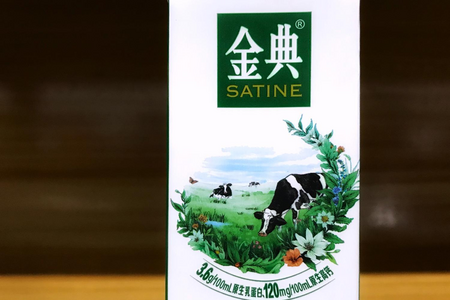
在商超冷柜里,一瓶260ml的悦鲜活要卖到7元以上。这个价格不便宜。

大部分消费者即使未必在意所谓的杀菌工艺,也不清楚低温奶和常温奶到底什么本质区别,但不妨碍他们现在对悦鲜活已经形成了一个稳定的判断:鲜奶,短保,贵一点,更好一点。

这个认知一旦稳定,品牌价值就立住了。

等到一点点、古茗、蜜雪冰城开始把悦鲜活写进当家产品的配料表时,品牌就有了足够的消费者心智,甚至足以被茶饮店拿来当背书用。

君乐宝等这个入口等了很久。

坐着中国乳业的第三把交椅(至少营收规模上是),君乐宝体量不小,但很长时间里,消费者对君乐宝的印象模糊,奶粉、酸奶、常温奶都有,但哪个都算不上市场第一。

2019年脱离蒙牛时,君乐宝的估值在80亿上下已徘徊许久。在悦鲜活之前,君乐宝也曾打造过“简醇”这个爆品,但并没有改变资本市场用脚投票的结论:规模大,盈利能力却弱的乳企,不值钱。

外部的表盘一直在走,冲击A股受阻后,今年1月,君乐宝转战港股,Pre-IPO投资者苦等6年后,终于等到悦鲜活讲出一个“贵”的故事。

但“贵”不是终点。当其他巨头也开始押注鲜奶这一赛道,悦鲜活打开的这道口子,正在变成一场硬仗。

每卖出两瓶高端鲜奶

就有一瓶来自悦鲜活

2019年底,悦鲜活面世的时候,高端鲜奶在国内还几近空白。

巴氏杀菌奶受保质期限制,通常只能在有限半径内流通。早些年消费者主要通过“订奶入户”的方式购买玻璃瓶装的鲜奶,上海的光明、北京的三元,南京的卫岗等等地方乳企,都在各自区域内建立了稳定的消费习惯和品牌认知。

而冷链鲜奶也历来是地方品牌的主场,全国性品牌很难在这个品类里站住脚。直到纸塑铝包装(即“利乐包”)引进,常温奶开始凭借长保质期、低价格优势迅速普及。2003-2004年蒙牛、伊利开始二分天下,常温奶主导时代到来。此后十多年里,常温奶占据液态奶市场约80%份额,巴氏奶占比一度跌至20%左右。

悦鲜活开始进入各大商超冷柜时,高端瓶装鲜奶市场还没有真正意义上的全国品牌。

但它踩中了关键节点,那几年,新消费品牌、精品咖啡、低糖酸奶、植物基饮品都在教育消费者接受更贵的日常食品,价格反而成了识别产品的一部分。

高价格没有阻止悦鲜活扩张,反而帮助它和普通牛奶划出边界。“A2”、“高蛋白”,甚至短保期,都成为了悦鲜活“值得这个价”的理由。

而认知的建立,渠道铺设是重中之重。招股书披露,截至2025年9月30日,君乐宝产品已经进入全国约40万个低温液奶零售终端,并覆盖中国内地约2200个区县;它还与5500余家经销商建立合作。

消费者市场研究机构尼尔森数据显示,悦鲜活在国内高端鲜奶品类市场占有率已达50%,这意味着每售出两瓶高端鲜奶,就有一瓶来自悦鲜活。

鲜奶心智一旦被抢先占住,后来者再进入时,就要面对一个已经有名字的品类。等到茶饮品牌开始“借用”这个认知的时候,已经不需要解释悦鲜活是谁了。

2023年,一点点在全国上线换牛乳选项,加3元可以把植脂末换成悦鲜活;2024年进一步推出A2牛乳系列,标注使用A2牛乳悦鲜活,产品价格在16-19元左右。

紧接着古茗也把悦鲜活放进了咖啡饮品里,更大的信号来自蜜雪冰城。

2026年,蜜雪冰城的操作台上开始出现悦鲜活的瓶子,部分门店推出加2元升级为悦鲜活制作的选项。一个平价茶饮品牌用上了十块钱一瓶的高端鲜奶,这个“反常识”能被关注到,其实也是悦鲜活在B端认知积累到一定程度之后,才能引发的连锁效应。

茶饮品牌原本不需要让消费者知道自己用了哪家的牛奶,菜单上披露的信息通常只有茶底和水果,原料供应商留在采购系统里就可以了,但当悦鲜活被写进产品说明时,它的价值也在变化——消费者只要看到这个名字,就能把一杯饮品和“用更好的奶”联系起来,早期OATLY燕麦奶走的也是这条路线。

中国乳业“老三”,需要新故事

君乐宝从来不是一家小公司。

按2024年中国市场零售额计,君乐宝在综合性乳制品公司中位列第三,市场份额为4.3%。

招股书数据显示,2024年,君乐宝收入已经接近200亿元,截至2025年9月末,君乐宝拥有33座牧场和20座乳制品生产工厂。近几年,君乐宝还先后投资或收购来思尔、银桥乳业、茉酸奶、一然生物等企业,业务从低温乳品延伸到区域乳企、现制酸奶和益生菌。

但中国乳业的第三名,并不天然拥有第三名的存在感。

伊利和蒙牛长期占据全国市场的注意力,一个有规模的后来者,很容易被归到老大老二之外的位置里,更别提,君乐宝的市场份额仅比起上一名就能差距3个“君乐宝”。

君乐宝过去最容易被外界记住的标签,更多来自奶粉和性价比。

2008年,三聚氰胺事件打乱了创始人魏立华的节奏,君乐宝上市计划就此搁置。彼时君乐宝和三鹿之间有股权关联,自身产品虽然检验合格,但市场压力迫使它选择了低价路线,“价格屠夫”的标签从那以后就没再摘下来。

2010年,蒙牛以近4.7亿元拿下君乐宝51%的股权。进入蒙牛体系后,上市的事也再没人提起。

奶粉曾经帮君乐宝打开全国市场。2014年,君乐宝推出婴幼儿配方奶粉,后来借国产奶粉替代和渠道下沉快速放大规模。但出生率下行之后,婴配粉进入存量竞争。招股书显示,君乐宝奶粉收入占比从2023年的31%降到2025年前三季度的22%。这块业务仍然重要,却越来越难承担上市故事里的增量部分。

常温液奶也很难帮君乐宝讲出差异化优势。伊利、蒙牛用了二十多年教育全国市场,金典、特仑苏更是早早占住高端常温奶的位置。招股书显示,2025年前三季度,君乐宝常温液奶收入同比减少4.8%,其中常温牛奶平均售价从2024年前三季度的每千克6.8元降至2025年同期的每千克6.2元。

君乐宝可以继续卖常温奶,但这个品类很难帮它讲出新的价格带。

而酸奶品类里,简醇的确证明过君乐宝做爆品的能力,但低温酸奶供应链沉重、增长天花板明显……很难重新讲出一个更性感的资本故事。

2019年蒙牛退出君乐宝时,外界给过这家公司一次估值锚点。

当时蒙牛出售所持君乐宝51%股权,交易对价约40亿元,对应君乐宝整体估值在80亿元上下。此后几年,君乐宝一边冲击资本市场,一边等待一个更合适的上市窗口。

但市场对君乐宝形成了固有印象——高营收、低利润,所以君乐宝需要一个能支撑它在资本市场讲出新成长性的增长逻辑。

数据开始说话,2025年前三季度,君乐宝低温酸奶贡献总收入的27.6%,鲜奶占比14.9%,已经和常温牛奶的13.2%相当。低温液奶产品已经超过奶粉成为最大单一板块,经调整净利润率也从2023年的3.4%升至2025年前三季度的6.2%。

鲜奶收入的增速本身也说明了一些问题:2024年同比增长44.5%,2025年前三季度继续增长40.6%,这一增速是所有产品线里最高的。

招股书里,悦鲜活的占比只多不少,它对应的是一套资本市场更容易理解的增长逻辑:低温液奶还在扩容,鲜奶增速更快,中国市场渗透率和美国、日本相比仍有差距;君乐宝已经在低温液奶里坐到第二,悦鲜活又占住了高端鲜奶第一的位置。

这个入口能开多久,取决于鲜奶这条赛道还能跑多远,也取决于越来越多的对手进来之后,悦鲜活还剩下什么。

巨头进场,鲜奶还有一场硬仗要打

悦鲜活并非稳坐钓鱼台。

在悦鲜活上市的同一年,伊利推出了金典鲜牛奶。更早的2018年,蒙牛就已经有了每日鲜语。还有光明的优倍,华博经纬曾报道称其是在2016年成为中国首个全国上市的鲜奶品牌。巨头入局这件事,从悦鲜活面世那天起就已经是既定的事实,只是近几年声量越来越大。

2025年上半年,蒙牛低温鲜奶业务同比增长超过20%;伊利低温白奶品类营收同期也增长逾20%。这两家在常温奶领域已经确立了压倒性优势的公司,正把鲜奶作为下一个重点方向。

这些老对手,手里有悦鲜活没有的东西:更大的渠道覆盖、更强的品牌背书、更多的资金去打价格战。

那悦鲜活的壁垒在哪?

从技术上看,答案是模糊的。君乐宝的核心工艺是INF 0.09秒超瞬时杀菌技术,能在保留更多活性蛋白的同时把保质期延长到19天,这是悦鲜活打破鲜奶地域限制、走向全国的技术基础。但这个工艺在行业里有一个通用的名字,叫ESL(Extended Shelf Life,延长货架期)。

君乐宝自己也提到,公司是“国内乳业首批应用克朗斯无菌线技术的企业之一”,但“首批”不等于独家,叠加新的巴氏杀菌技术逐渐应用,保质期可延长至15天甚至更长,这使得新玩家更容易打入区域市场。

工艺上的先发优势迟早会被追平。这是乳业里的通行规律,也是悦鲜活需要面对的现实。

品牌认知倒是真实存在的门槛。“悦鲜活等于好的鲜奶”这个判断,是消费者在过去几年里逐渐建立起来的,茶饮品牌借用的正是这一层。蒙牛可以推每日鲜语,伊利可以出金典鲜牛奶,但把同等量级的“好奶”感知转移到一个新产品上,不是砸广告就能完成的事情。

B端的渠道绑定则更直接。一点点、古茗这类连锁品牌一旦把某款鲜奶纳入采购体系,就涉及规格定制、价格协议和操作培训,整套流程走通之后,替换的摩擦成本很高。悦鲜活先进去,后来者想挤开它,就需要给出足够的理由。

麻烦在于,渠道和品牌的护城河都不是永久有效的。

蜜雪冰城这样的茶饮品牌早已开始大规模布局B端供应链。年初,公司曾披露,今年后续的计划是推动更多产品原料升级,全面引入冷鲜奶,同时还规划了14亿元用于国内供应链的深度改造。

蜜雪冰城在茶叶、柠檬上都推进过自供,鲜奶未必不是下一步。如果核心B端客户有一天绕开第三方供应商,悦鲜活在茶饮渠道的依托就少了一块。

记住名字和守住市场份额,是两件不同的事。当整个行业都在往鲜奶里押注,那道认知优势会不会被更大的声浪盖过,取决于悦鲜活接下来能拿出什么,这是一个比先发优势更有力的答案。

注:文/专注餐饮供应链的,文章来源:餐饮供应链指南(公众号ID:MzA4MDg2NjI4Mw==),本文为作者独立观点,不代表亿邦动力立场。

文章来源:餐饮供应链指南

广告
微信
朋友圈

这么好看,分享一下?

朋友圈 分享

APP内打开

+1
+1
微信好友 朋友圈 新浪微博 QQ空间
关闭
收藏成功
发送
/140 0