广告
加载中

“散装山姆”挤满打工人 9.9小绿瓶成断货王 单季爆卖544亿

金雅 2026-08-03 09:58
金雅 2026/08/03 09:58

邦小白快读

EN
全文速览

本文核心讲了传统大卖场沃尔玛靠自有品牌沃集鲜改造翻红,有不少适合普通消费者的实操信息,干货如下:

1. 当前沃尔玛大卖场改造后,主打平价沃集鲜商品,9.9元价位商品覆盖乳制品、零食、烘焙、速食等多个品类,爆款9.9元小绿瓶纯牛奶因品质好性价比高,线上经常断货,线下每人每天限购24瓶,是目前的网红断货王。

2. 逛店实操技巧:新注册沃尔玛APP花0.1元就能兑换水牛奶蛋糕、牙刷套装等礼品;客流高峰在晚上七八点,此时生鲜最低打七折,还有果切买一送一活动,适合薅羊毛。

3. 沃集鲜主打“散装山姆”定位,和山姆共享全球直采体系和头部供应商资源,不用办会员就能买到山姆同源品质的商品,还有很多猎奇创新款适合打卡尝鲜,适配单身和小家庭的小规格需求。

沃尔玛改造大卖场翻红的案例,给各类品牌提供了转型参考,核心干货如下:

1. 品牌战略层面:可参考沃尔玛调整自有品牌架构的思路,将分散资源集中到核心品牌,聚焦高频刚需品类,淘汰不符合当前需求的品牌线,完成品牌重心转移,适配新消费趋势。

2. 产品研发层面:紧跟当下低GI、低糖低卡、地域特色、药食同源等消费热点开发产品,同时可以用猎奇风味创新做引流款,借热点话题获得社媒曝光;还可以依托共享供应链和头部工厂合作,在保证品质的同时控制成本。

3. 定价与渠道层面:主打低单价的心智定价,用9.9元这类价格形成便宜的心理暗示,带动消费者多买;和同集团高端业态做错位互补,承接高端业态覆盖不到的平价、小规格需求,共享供应链降低成本,同时不形成内部竞争。

本文披露了传统零售市场的最新变化,给线下零售卖家提供了机会、风险和可学习经验,干货如下:

1. 当前市场需求变化:都市单身人群、小家庭的占比不断提升,这类群体对高品质、平价、小规格商品需求旺盛,同时愿意为创新猎奇商品买单;山姆会员店的会员费和大包装门槛,挡下了大量潜在需求,市场存在明显空白。

2. 可学习的转型经验:及时关闭低效门店,收缩战线集中资源运营优质门店;从大而全的传统模式转向聚焦高频刚需商品,大力发展自有品牌提升门店毛利率;把考核指标从SKU数量、毛利率转向社媒净推荐值和复购率,真正以用户需求为核心。

3. 风险提示:纯平替定位容易被更低价的产品替代,需要持续打造爆款、建立消费者的品质认知;避免过度依赖单一业态,要做多业态布局分散经营风险,转型核心要落在提升商品力上,比单纯打折更有长期价值。

本文给快消生产工厂透露了新的商业机会和产品需求方向,干货如下:

1. 产品生产设计需求:零售端当前要求产品紧跟行业热点,需要工厂开发低糖低卡、地域特色、猎奇混搭风味的新品;同时可以针对不同零售定位做差异化产品开发,同一核心产品可以针对不同渠道做不同的品控标准,适配不同场景,比如给会员店做短保新鲜款,给大卖场做长保流通款,能拿到更多订单。

2. 商业合作机会:沃尔玛目前正在大力扩张自有品牌沃集鲜,当前SKU已经接近一千个,还在持续增加SKU布局,沃集鲜和山姆共享头部供应商体系,头部工厂有更多机会拿到稳定的代工订单,背靠沃尔玛的流量和渠道,更容易跟着爆品获得成长。

3. 转型启示:传统大卖场正在整体转型,砍掉非核心品类,聚焦自有品牌生鲜食品,工厂可以主动对接零售端的自有品牌代工需求,绑定大渠道获得稳定订单,根据渠道定位调整产品设计,更贴合市场需求,降低自身的销售风险。

本文披露了传统大卖场行业的最新趋势,给零售服务商提供了行业信息和业务机会,干货如下:

1. 行业发展趋势:传统大卖场行业正在经历整体转型,原来大而全的一站式模式已经不适应市场,正在转向聚焦高频刚需、自有品牌主导的新模式;同时行业正在出清低效大店,业态向小型化发展,3000平的紧凑型大卖场、500平的社区店正在加速复制落地,是未来的重要方向。

2. 行业客户核心痛点:传统大卖场被社区团购、即时零售、量贩零食店等新渠道分流,原本的盈利模型被打破,营收和毛利下滑;原有自有品牌战略不符合当前需求,缺少差异化商品力,无法吸引新一代消费者。

3. 业务机会方向:服务商可以针对传统大卖场转型,提供商品结构规划、门店空间改造升级、社媒营销推广、供应链优化对接等服务,帮助传统大卖场打造自有品牌,提升社媒热度和用户复购,对接头部工厂代工资源也会成为转型中的重要需求。

沃尔玛大卖场的转型实践,给各类零售平台商提供了转型参考和风险提示,干货如下:

1. 当前商家对零售平台的需求:消费者越来越看重商品性价比和差异化,大而全的平台模式已经失去竞争力,平台需要帮助商家调整商品结构,重点扶持自有品牌,帮助商家提升差异化竞争力和毛利率,才能留住商家和用户。

2. 可借鉴的运营做法:及时清退低效门店/商家,收缩战线集中资源优质点位;调整自有品牌战略,集中资源打造核心自有品牌,同一集团下不同业态做错位互补,共享供应链降低成本,用低价爆款引流,用创新款吸引打卡传播,试水小店型社区店,验证后加速复制。

3. 需要规避的风向:不要过度依赖单一业态/品类,否则单一板块遇到问题会成倍放大整体经营风险;自有品牌不能只打平替标签,要持续打造爆款,建立消费者的品质认知,避免被更低价的产品替代;考核指标要从内部KPI转向用户相关指标,真正贴合用户需求。

本文展现了传统大卖场行业转型的最新动向,给产业研究提供了鲜活的案例和方向,干货如下:

1. 产业新动向:当前传统大卖场行业正在出清,头部玩家关闭低效门店后,通过自有品牌对剩余门店完成商品换血,实现业绩增长;业态整体向小型化、社区化转型,头部零售集团已经探索出会员店+大卖场双业态错位互补的模式,共享供应链降低成本,覆盖不同层级的消费人群。

2. 产业新问题:头部玩家普遍存在过度依赖单一业态的问题,80%以上营收来自会员店,单一业态的风险会被成倍放大;自有品牌的平替定位缺少长期品牌壁垒,如何持续产出爆款、建立消费者的品质认知还待解决;高速扩张的会员店开始出现品控下滑、差异化稀释的问题,原有品牌优势正在被消解。

3. 商业模式启示:传统大卖场业态不会消失,无法提升商品力的玩家才会被淘汰,错位竞争、共享供应链的多业态布局是有效的转型路径,考核导向从内部指标转向用户价值,是转型成功的核心保障,为整个行业提供了自救的参考方向。

返回默认
声明:快读内容全程由AI生成,请注意甄别信息。如您发现问题,请发送邮件至 run@ebrun.com 。

我是 品牌商 卖家 工厂 服务商 平台商 研究者 帮我再读一遍。

Quick Summary

This article focuses on how traditional big-box retailer Walmart has staged a comeback by revamping its stores around its private label, Marketside. Below are key takeaways for general consumers:

1. After the store renovation, Walmart now positions its revamped hypermarkets around affordable Marketside products. The 9.9 yuan price point covers multiple categories including dairy, snacks, baked goods and ready-to-eat meals. The hit 9.9 yuan "little green bottle" pure milk frequently sells out online due to its high quality and great value, with an in-store limit of 24 bottles per person per day, making it the most popular out-of-stock item right now.

2. In-store shopping tips: Newly registered users of the Walmart app can redeem gifts like water milk cake and toothbrush sets for just 0.1 yuan. Peak footfall falls between 7 and 8 PM, when fresh produce gets discounts of up to 30% off and cut fruits come with a buy-one-get-one-free deal, making it the best time to grab a bargain.

3. Marketside positions itself as "bulk Sam's Club for everyone"—it shares Sam's Club's global direct sourcing system and top-tier supplier network, allowing shoppers to get Sam's-level quality without a membership. It also offers many innovative, niche products that are popular for social media check-ins, and features smaller pack sizes that fit the needs of single people and small households.

Walmart's successful store revamp offers valuable transition insights for all types of brands. Below are core takeaways:

1. Brand strategy: Brands can follow Walmart's approach to private label restructuring: consolidate scattered resources into core brands, focus on high-frequency, essential categories, eliminate product lines that no longer fit current consumer demands, shift brand focus, and align with new consumption trends.

2. Product development: Develop new products aligned with current consumption trends including low-GI, low-sugar, low-calorie, regional specialty and medicinal and edible homologous offerings. Use innovative, niche flavors as traffic drivers to gain social media exposure via trending topics. Partner with top-tier manufacturers via shared supply chains to control costs while maintaining quality.

3. Pricing and channel strategy: Adopt psychological pricing centered on low price points. Price points like 9.9 yuan create a strong value perception that encourages consumers to buy more. Build complementary positioning with higher-end formats under the same group to meet the demand for affordable, small-size products that high-end formats do not cover, while sharing supply chains to cut costs and avoid internal competition.

This article outlines the latest changes in the traditional retail market, sharing opportunities, risks and actionable lessons for offline retail sellers. Key takeaways are as follows:

1. Shifting market demand: The share of urban single-person households and small families is growing steadily. This demographic has strong demand for high-quality, affordable products in small pack sizes, and is willing to pay for innovative, niche offerings. The membership fee and large pack requirements of Sam's Club exclude a large number of potential consumers, creating a clear market gap.

2. Actionable transition lessons: Close underperforming stores in time to consolidate resources for high-quality locations. Shift from the traditional one-stop "everything for everyone" model to focusing on high-frequency, essential products, and scale up private labels to improve store gross margins. Shift performance metrics from SKU count and gross margin to social media net promoter score (NPS) and repeat purchase rate, to truly center operations on consumer demand.

3. Risk warnings: A pure generic replacement positioning leaves brands vulnerable to being displaced by even cheaper alternatives. Brands need to consistently develop hit products and build consumer perception of quality to avoid this. Avoid over-reliance on a single format, and build a multi-format portfolio to分散经营风险. The core of a successful transition lies in improving product capability, which delivers more long-term value than pure discounting.

This article outlines new business opportunities and product demand directions for fast-moving consumer goods (FMCG) manufacturers. Key takeaways are as follows:

1. Product design requirements: Retailers now require products to align with industry trends, so manufacturers need to develop new offerings with low sugar, low calories, regional characteristics, and innovative mixed flavors. Manufacturers can also develop differentiated products for different retail positioning: the same core product can be produced to different quality standards for different channels to fit different scenarios. For example, make short-shelf-life fresh versions for membership clubs, and long-shelf-life distribution versions for hypermarkets, which will help manufacturers win more orders.

2. New business cooperation opportunities: Walmart is aggressively expanding its private label Marketside, which already has nearly 1,000 SKUs and is still growing its assortment. Marketside shares Sam's Club's top-tier supplier network, so leading manufacturers have greater opportunities to secure stable OEM orders. Backed by Walmart's traffic and channel reach, manufacturers can easily grow alongside Marketside's hit products.

3. Transition insights: The traditional hypermarket sector as a whole is transitioning, cutting non-core categories and focusing on private label fresh food. Manufacturers can proactively pursue OEM opportunities from retailers' private label lines, tie themselves to large channels for stable orders, adjust product design based on channel positioning to better fit market demand, and reduce their own sales risk.

This article outlines the latest trends in the traditional hypermarket sector, sharing industry insights and business opportunities for retail service providers. Key takeaways are as follows:

1. Industry development trends: The traditional hypermarket sector is undergoing a widespread transition. The original full-assortment one-stop model no longer fits the market, and players are shifting to a new model focused on high-frequency essential goods led by private labels. Meanwhile, the sector is weeding out underperforming large-format stores, and formats are trending smaller. 3,000-square-meter compact hypermarkets and 500-square-meter community stores are being rolled out at an accelerating pace, representing a key direction for the future.

2. Core pain points for industry clients: Traditional hypermarkets have lost significant market share to new channels including community group buying, on-demand retail and bulk snack stores. Their original profit models have broken down, leading to falling revenue and gross margins. Their original private label strategies do not fit current demand, and they lack differentiated product capability to attract younger consumers.

3. Business opportunity directions: Service providers can develop transition-focused services for traditional hypermarkets, including assortment planning, store space renovation, social media marketing, and supply chain optimization and matching. These services help traditional hypermarkets build out their private labels, boost social media buzz and consumer repeat purchases, and matching with leading OEM manufacturers has also emerged as a high-demand need during transition.

Walmart's hypermarket transition practice offers valuable transition insights and risk warnings for all types of retail platform operators. Key takeaways are as follows:

1. Current merchant demand for retail platforms: Consumers increasingly value value for money and product differentiation, so full-assortment platform models have lost competitiveness. Platforms need to help merchants adjust their product mix, prioritize support for private labels, and help merchants improve their differentiated competitiveness and gross margins to retain both merchants and consumers.

2. Actionable operational lessons: Remove underperforming stores/merchants in time to consolidate resources for high-quality locations. Adjust private label strategy to focus resources on building core private label brands. Build complementary positioning for different formats under the same group, share supply chains to cut costs, use low-priced hits to drive traffic and innovative products to attract social media check-ins and sharing. Test small-format community stores on a small scale, and accelerate expansion after validating the model.

3. Risks to avoid: Do not over-rely on a single format or category, as problems in one segment will amplify overall operational risk exponentially. Private labels should not only rely on a generic replacement positioning; brands need to consistently develop hit products and build consumer perception of quality to avoid being displaced by even cheaper alternatives. Shift performance metrics from internal KPIs to user-centric metrics to truly align with consumer demand.

This article presents the latest developments in the transition of the traditional hypermarket sector, offering a vivid case study and new directions for industry research. Key takeaways are as follows:

1. New industry developments: The traditional hypermarket sector is currently going through a market consolidation. After closing underperforming stores, leading players have refreshed the product mix of their remaining locations via private labels, delivering revenue growth. The sector as a whole is transitioning to smaller, community-focused formats. Leading retail groups have developed a complementary dual-format model of membership club + hypermarket, which cuts costs via shared supply chains and covers different consumer segments.

2. Unresolved industry issues: Most leading players face over-reliance on a single format, with over 80% of revenue coming from membership clubs, exponentially amplifying the risk of a single-format downturn. The generic replacement positioning of most private labels lacks long-term brand moats, and how to consistently deliver hit products and build consumer perception of quality remains an open question. Fast-expanding membership clubs are already facing falling quality control and diluted differentiation, eroding their original brand advantages.

3. Business model insights: The traditional hypermarket format will not disappear—only players that fail to improve product capability will be eliminated. A multi-format layout built on differentiated positioning and shared supply chains is a proven effective transition path, and shifting performance accountability from internal metrics to user value is the core guarantee of a successful transition. This case offers a actionable reference for the entire industry's revitalization.

Disclaimer: The "Quick Summary" content is entirely generated by AI. Please exercise discretion when interpreting the information. For issues or corrections, please email run@ebrun.com .

I am a Brand Seller Factory Service Provider Marketplace Seller Researcher Read it again.

大卖场翻身,年轻人捧场。

“沃尔玛‘偷’走了我的钱包。”2025年至今,沃尔玛大卖场一路翻红,下班后去门店“打猎”的年轻人,把9.9元货架翻了个遍。

热度集中在两个方向:一边是沃尔玛9.9元必吃推荐,“小绿瓶”纯牛奶成当家花旦,线上频繁卖断货,门店贴出限购通知,被誉为“沃尔玛最伟大的单品”;

另一边则是猎奇尝鲜,葡萄面、薰衣草gaba饮、刺梨糍粑辣子鸡拌面、仙人掌HPP果茶、10升巨无霸啤酒......大批网友围观起这家传统卖场如何“搞抽象”。

这些话题都有一个绕不开的名字——沃集鲜(Marketside),沃尔玛旗下自有品牌,也是如今大卖场货架上的绝对主力。

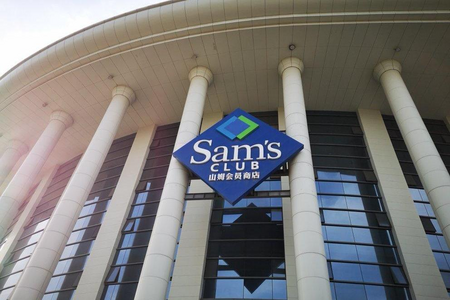
沃尔玛最新公布的2027财年第一季度(2026年2月1日—4月30日)财报显示,公司总营收达1778亿美元(约合人民币12030亿元),沃尔玛中国表现突出,净销售额80亿美元(约合人民币‌544亿元‌),较上年同期的67亿美元(约合人民币453亿元)同比增长22.3%。支撑中国区业绩的是两副面孔:狂奔的山姆会员店,以及被重新改造的沃尔玛大卖场。

在传统大卖场集体沉寂的周期里,沃尔玛打响一场新的硬仗:一手启动大规模关店,一手靠自有品牌大肆换血,不少消费者将如今的沃尔玛称为“散装山姆”。

近日,《天下网商》走访了沃尔玛杭州临平店。踏入那扇蓝色大门,我们见到了一个熟悉又陌生的沃尔玛。

沃尔玛成了9.9元超市,“抽象”商品走红

杭州藕花洲大街上的沃尔玛大卖场,自2007年开业以来已经陪伴周边居民走过19个年头。

“这家临平老店经过一轮改造,原本卖衣服和百货的三楼被取消了,现在更专注卖生鲜食品。”临平店的一位工作人员告诉《天下网商》,经过改造的门店重点升级了商品结构和购物环境。

工作日下午3点,大卖场里并不算热闹。入口处立着沃尔玛APP体验区的易拉宝,新注册用户花0.1元就能换取水牛奶蛋糕、牙刷套装等商品。

蓝色大门内的沃尔玛仍保留着传统商超气质,商品分类一目了然,将食品生鲜等高频消费区域前置。据工作人员透露,客流高峰要等到晚上七八点,生鲜最低打七折,果切买一送一,“不少附近的人都卡着点来”。

进一步观察货架,整个商场像是被9.9元重新编码了,“沃集鲜”三个字几乎无处不在。

近期逛过沃尔玛的不少消费者感慨“沃尔玛可以改名叫‘沃集鲜’”,从现实的商品陈列布局看,这句锐评并不算夸张。

乳品专区,沃集鲜的头号爆品4.0纯牛奶“小绿瓶”摆满三层货架,每人每天限购24瓶。两位现场顾客往购物车里码了三瓶,称线上APP卖断货,专门来线下跑一趟,“听说是甘蔗喂养的奶牛,高低得尝一尝”。

此外,1L装100%果汁、薄盐生抽、白松露和牛味薯角、咸奶油泡芙......标价9.9元的沃集鲜商品不胜枚举,覆盖乳制品、饮料、调味品、休闲零食、烘焙、速食等诸多品类。

黄底黑字的9.99元巨幅标签被张贴在不同商品区,不只于此,8.9元、7.9元等标签同样在“无声呐喊”,相隔10米就能看清数字。一位杭州消费者分享购物经历时表示:“沃尔玛把我的钱包‘吸走了’,9块9容易形成便宜的心理暗示,加起来买了800多元。”

细看沃集鲜的商品策略,透着一股“紧跟潮流”的劲头。

低GI、低糖低卡、药食同源、地域特色——这些食品饮料行业的大热趋势都能在货架上找到对应产品,例如2026年爆火全网的贵州特色小吃“青瓜冰浆”,就被沃集鲜复刻成预包装饮品,摆上堆头引流。

紧跟潮流之外,“抽象创新”成了沃集鲜的另一道杀手锏。

从葡萄凉面、香菜牛油果牛奶、猫山王榴莲果汁气泡水,再到葵花籽开心果流心汤圆、人参黄精吐司面包,沃集鲜的风味混搭食品层出不穷。

小红书平台上,这些猎奇商品收获的评价褒贬不一,有人直呼“离谱”,有人调侃“沃尔玛思维已不是地球人”,也有人称“很欣赏这种创新精神,每次去逛都想买来尝试”。

尽管评价多维,但几乎没有人否认一件事——沃尔玛是真的很想进步。从价格力度到研发锐度,这家传统大卖场正在极力证明自己跟得上市场脉搏,能为顾客创造惊喜。

“散装山姆”沃集鲜,与山姆同源不同质

助力沃尔玛翻红的沃集鲜,被不少网友冠以“散装山姆”“山姆平替”的头衔。

这些称呼不无道理。沃集鲜与山姆会员店共享沃尔玛全球直采体系和头部供应商资源,比如三元股份代工牛奶,洽洽代工坚果,今麦郎代工方便面,千禾味业代工酱油,滇二娃代工薯片等。

供应链同源并不一定意味着完全同质化,山姆与沃集鲜拥有不同定位,面向不同人群。

以一款两者均有上架的醇豆浆为例,背后生产商都是天智绿色食品有限公司,不同点在于,山姆执行的是非发酵豆制品标准,保质期仅28天,追求极致新鲜;沃集鲜执行的是植物蛋白饮料标准,保质期拉到6个月,适配长周期储存和更宽的流通场景。价格上,山姆1升装14.9元两瓶,沃集鲜同规格单瓶8.99元。沃尔玛用不同的品控标准和定价策略,把同一供应链产出的商品送进了两种业态的货架。

再从人群来看,山姆260元/年的普通会员费和大包装模式主攻中产大家庭,但天然存在门槛,不少都市小家庭和单身人群被挡在门外。而沃尔玛大卖场零门槛、小规格、低客单价的特性,恰好承接了这批“想买山姆同款但不想办卡”的消费者。

在沃尔玛内部看来,这不是左右互搏,而是一种错位互补。

回看沃集鲜的来时路,它并非一夜之间长成今天的样子。这个品牌2016年就以熟食、烘焙品类进入中国市场,2019年正式官宣。

但此后多年,它在沃尔玛的版图中一直处于配角位置。彼时沃尔玛中国的自有品牌架构是“三驾马车”:惠宜负责包装食品,沃集鲜负责鲜食,George负责家居服装,彼时惠宜才是那个被重点投入的名字。

转折发生在2024年底。沃尔玛决定重新加码沃集鲜,在牛奶、烘焙、零食这些高频品类上重点布局。到2025年11月正式宣布品牌焕新时,沃集鲜的商品规模已从几十个SKU扩张到近千个,品牌口号“简单为鲜,沃集鲜”,强调“简单配料、与头部企业合作、稳定质价比”。

同时,原属惠宜品牌的部分包装食品被整合进来,惠宜转向家居日用品类,George品牌则逐渐淡出公众视野。从三驾马车到“一超多强”,沃尔玛的自有品牌战略完成了一次重心转移。

“沃集鲜目前大概有1000个商品,”沃尔玛中国高级副总裁兼沃尔玛业态首席采购官祝骏曾公开表示,“但这个数字我从来不和团队聊,担心他们当做一个考核指标。”

在他看来,过去做自有品牌,团队看重的是SKU占比和毛利率,采购像“销售”,思考的是“怎么把货卖出去”,而如今考核标准变成了社交媒体净推荐值和商品复购率。

断臂、换血,沃尔玛打响了一场新的硬仗

传统大卖场业态正在经历一场漫长的退潮。

2025年,全国大型超市闭店832家。永辉一年关闭381家门店;家乐福从巅峰时期的300多家门店萎缩到仅剩零星几家。超市业态全年共关闭1369家门店。曾经支撑起中国家庭“一站式购齐”消费习惯的大卖场模式,被社区团购、即时零售、硬折扣零售甚至量贩零食店从各个维度瓦解。

沃尔玛同样未能独善其身。2019年,沃尔玛中国尚有442家大卖场门店。到2026年4月,这个数字降至278家,六年减少了164家。杭州此前有四家沃尔玛,位于市区的黄龙店、古墩路店均在2025年初关停,如今仅剩临平、临安两店孤悬在外。

但令人意外的是,沃尔玛的大规模关店并未拖垮业绩,财报数据反而是另一番光景。

2026财年(2025年2月1日—2026年1月31日),沃尔玛中国净销售额约247亿美元(约合人民币1671亿元),同比增长约21.7%。在这份成绩单中,山姆会员店挑起了大梁——2026财年销售额突破1400亿元人民币,贡献了中国区超过80%的营收。

山姆在狂奔,但沃尔玛也没有选择让大卖场“躺平”。

关掉低效门店只是第一步。沃尔玛同步在做的是对剩余门店进行“换血”——从商品结构入手,把自有品牌沃集鲜推到台前,目标很明确:让沃尔玛大卖场从“什么都有但什么都不精”的传统模式,转向专注高频刚需、自有品牌主导的新路子。

这套打法已经初见成效。沃集鲜目前在部分门店的销售额占比已超过40%,自有品牌更高的毛利率也在一定程度上改善了门店的盈利模型。2026年全国有超过100家沃尔玛门店完成了改造升级,据沃尔玛方面透露,新一代门店的客单价和复购率均有提升。

但自有品牌从来不是一条轻松的路。平替标签意味着随时可能被更便宜的平替取代,沃集鲜近千个SKU能否持续产出爆款,能否在消费者心中建立起与山姆自有品牌“Member's Mark”同等的品质认知——这些都不是一两个爆款能解决的问题。

对沃尔玛公司而言,另一个隐忧来自山姆本身。2025年,山姆在高速扩张的同时,品控问题开始暴露。自去年起,山姆频繁爆出多起食品安全争议事件。好丽友、盼盼等普通商超常见品牌接连入驻山姆货架,部分独家口碑商品悄然下架,有会员开始质疑山姆正在“沃尔玛化”,曾经与普通超市形成明显差异的“精选感”正在被稀释。

沃尔玛中国连续第五年蝉联“中国超市百强”TOP1,背后底色依赖山姆。当一家公司80%以上的销售来自单一业态,任何针对该业态的冲击都会被成倍放大。沃集鲜的使命,或许不只是让沃尔玛大卖场活下去,更是给沃尔玛中国的“两条腿”都装上肌肉。

据悉,除了关店、发力沃集鲜之外,沃尔玛还在尝试开出新的门店,从上万平方米的大卖场转向约3000平方米的紧凑店型,以及约500平方米的社区店。沃尔玛方面曾表示,社区店模式经过市场验证后,已经进入加速复制和密集落地阶段。

一位零售行业观察者这样评价:“沃尔玛在做一件很难但正确的事——用商品力重新定义大卖场。这比简单的打折促销难得多,但也是唯一能走通的路。”

大卖场不会消失,但那些无法提供商品力的大卖场将会变得危险。沃尔玛的这场硬仗,试图改的是自己的命,也是整个行业的自救命题。

注:文/金雅,文章来源:天下网商(公众号ID:txws_txws),本文为作者独立观点,不代表亿邦动力立场。

文章来源:天下网商

广告
微信
朋友圈

FAQ回顾

沃集鲜是什么品牌?

沃集鲜是沃尔玛旗下自有品牌,2016年以熟食、烘焙品类进入中国市场,2024年底被重点加码布局,2025年11月完成品牌焕新,商品覆盖乳制品、饮料、零食等近千个SKU,主打高性价比,与山姆共享全球直采体系和头部供应商资源。

为什么沃尔玛被网友称为散装山姆?

沃尔玛改造后的大卖场主打自有品牌沃集鲜,沃集鲜与山姆共享供应链资源,主打平价高性价比商品,无需会员费零门槛,小规格低客单价,承接了想购买山姆同款但不想办卡的消费者需求,因此被称为“散装山姆”。

沃尔玛2027财年第一季度中国区营收情况怎么样?

沃尔玛2027财年第一季度统计周期为2026年2月1日至4月30日,期间中国区净销售额达80亿美元,约合人民币544亿元,较上年同期的67亿美元同比增长22.3%,增长动力来自山姆会员店和改造后的大卖场。

传统商超转型有哪些可参考的实践路径?

可参考沃尔玛的转型方案:首先关停低效门店优化布局,其次对保留门店进行升级,调整商品结构重点打造高性价比自有品牌,同时推出紧凑店、社区店等多元店型,提升客单价和用户复购率。

这么好看,分享一下?

朋友圈 分享

APP内打开

+1
+1
微信好友 朋友圈 新浪微博 QQ空间
关闭
收藏成功
发送
/140 0