广告
加载中

50余位企业家走进西昊 求解“内卷”时代的破局之道

龚作仁 2026-06-24 12:19
龚作仁 2026/06/24 12:19

邦小白快读

EN
全文速览

本文核心分享了人体工学椅企业西昊在内卷价格战中的破局经验,整理出普通人可参考的核心信息与实操干货如下:

1.破局核心思路是反共识断舍离,面对行业价格战内卷,要主动放弃那些看似营收规模大,但实际不赚钱还消耗大量资源的业务,不要抱着侥幸心理在泥潭里消耗,主动收缩反而能打开新空间。

2.具体实操方向是把资源押注在用户能感知的慢变量上,不要盲目追逐流量风口,要围绕用户真实需求做研发创新,西昊根据用户反馈优化产品,打造出销量超300万张的爆款产品就是典型案例。

3.面对决策要有正确心态,做难而正确的事要提前做好最坏打算,长期坚持投入短期看不到回报的正确方向,时间最终会给出正向回报。

本文分享了西昊从同质化价格战中转型做品牌的完整经验,对品牌商有多维度的参考价值:

1.品牌转型破局方法:当行业陷入价格战内卷时,要敢于砍掉贡献大量营收但几乎无利润、消耗八成后端资源的“伪规模”低端业务,西昊砍掉占营收70%的低端线,成为其从卖货转向做品牌的关键转折点。

2.产品研发与定价策略:研发要围绕用户需求做创新,不要为创新而创新,西昊长期保持研发投入占销售额13%-16%,远超行业平均,积累了270余项专利;出海时切入本土品牌与低价产品之间的定价空白带,避开了直接价格竞争。

3.消费趋势判断:随着久坐成为普遍生活状态,座椅正在从普通坐具向健康管理产品升级,带健康监测、主动调姿功能的产品是未来研发方向。

本文总结了内卷环境下卖家可借鉴的破局经验,梳理了风险提示与增长机会如下:

1.风险提示:如果行业陷入同质化价格战,盲目追求大规模低价,最终会把整个行业的利润打穿,要么被迫牺牲品质降成本,逐步失去用户信任,要么直接被竞争对手挤垮,占比高的低端业务往往是吞噬资源的陷阱,不能被高营收迷惑。

2.增长机会:国内市场可以聚焦用户真实需求做差异化研发,打造有口碑的产品;出海可以放弃传统低价OEM代加工,转型做线上To C自有品牌,切入海外市场中端价位的空白地带,西昊转型后出海年销售额从800万元涨到3.6亿元,海外营收占比接近四成,成绩突出。

3.可学习经验:面对危机要敢于主动断舍离,集中资源做差异化,坚持长期投入不要追短期风口,做难而正确的事终会有回报。

西昊作为制造企业转型成功的案例,给工厂带来多方面的启示,干货内容整理如下:

1.产品生产与设计需求参考:生产设计要围绕用户真实需求做精细化创新,西昊将一把椅子拆解为137个可调部件,从汽车、航天领域借鉴材料技术,还根据用户留言优化腰靠设计,最终打造出全球销量超300万张的爆款产品,这种围绕用户细节做研发的思路值得借鉴。

2.商业机会方向:随着消费者健康意识提升,久坐人群增多,人体工学座椅已经从普通坐具向健康管理产品升级,带实时健康监测、主动姿态调整功能的产品是新的增长方向,工厂可以提前布局相关技术研发。

3.数字化与电商转型启示:工厂要摆脱低价内卷,可以砍掉低效的低端订单,释放资源转型做自有品牌,出海可以布局线上To C赛道,切入中端价位空白市场,获得更高的利润和增长空间。

本文透射出当前实体行业的发展趋势、企业客户的核心痛点,给服务商带来不少干货参考:

1.行业发展趋势:当前大量实体行业都陷入了价格战内卷,越来越多企业开始认同长期主义价值,愿意放弃短期的伪规模增长,转而投入长期的研发和品牌建设,用户需求也从基础功能转向了健康化、个性化的体验升级,行业整体在向高品质方向转型。

2.企业客户核心痛点:多数陷入内卷的企业,被低效的低端业务占用了80%以上的后端资源,没有多余资源投入研发和品牌升级,面对价格战不知道如何破局,在流量焦虑下很难坚持长期投入,需要外部支持帮助做出取舍和转型。

3.服务商的业务方向:可以拓展针对制造企业的转型咨询服务,帮助企业梳理业务识别低效伪规模,对接研发资源、跨境运营资源,帮助企业完成转型,满足企业破局内卷的需求。

从西昊的转型案例中,可以总结出企业对平台的需求,以及平台运营招商的可参考方向,干货如下:

1.企业对平台的需求:传统的B端外贸渠道无法帮助企业打造自有品牌,企业需要能够直接触达C端用户的平台,帮助品牌直接对接海外消费者,获取用户真实反馈优化产品,亚马逊这类跨境To C平台刚好匹配了品牌企业出海的需求。

2.平台招商方向:可以重点引入西昊这类愿意投入研发、坚持做品牌的优质制造企业,这类企业能够填补平台中端价位的产品空白,满足用户对高性价比优质产品的需求,也能给平台带来稳定的增长,是优质的招商对象。

3.平台运营与风险规避:平台要引导商家摆脱低价恶性内卷,可以出台相关政策扶持坚持做产品做品牌的长期主义商家,优化平台生态,规避全行业低价竞争导致的行业整体衰败,维护平台健康发展。

本文提供了内卷时代实体制造企业破局的鲜活案例,总结出产业研究相关的干货内容如下:

1.产业新动向:当前国内制造行业正在发生模式转型,从早年低价走量的规模扩张模式,转向品牌化、长期主义的发展模式;出海路径也从传统OEM代加工,转向自有品牌To C出海,切入全球市场的差异化价位带,获取更高的品牌利润。

2.当前产业新问题:多数泛制造行业都陷入了同质化价格战的内卷陷阱,很多企业被伪规模迷惑,错把低利润高营收的业务当成优质业务,行业内普遍存在流量焦虑,企业过于追求短期回报,很少能坚持长期研发投入,这是当前产业发展的普遍痛点。

3.可研究的新商业模式:本文总结出“反共识断舍离+聚焦慢变量研发+差异化定位”的破局商业模式,通过主动砍掉低效业务释放资源,聚焦用户真实需求做长期投入,打开差异化增长空间,为内卷行业的企业破局提供了可复制的样本,值得深入研究。

返回默认

声明:快读内容全程由AI生成,请注意甄别信息。如您发现问题,请发送邮件至 run@ebrun.com 。

我是 品牌商 卖家 工厂 服务商 平台商 研究者 帮我再读一遍。

Quick Summary

This article shares the breakthrough experience of ergonomic chair brand Sihoo amid an industry-wide price war, distilling key takeaways and actionable insights for general readers:

1. The core strategy is "anti-consensus minimalism": when facing industry-wide price war内卷, companies should proactively cut off revenue-heavy yet unprofitable businesses that drain massive resources. Instead of lingering in a losing battle with wishful thinking, strategic contraction can open up new growth space.

2. In practice, companies should redirect resources to slow-changing factors that users can directly perceive, rather than blindly chasing traffic trends. Innovation should center on real user needs. Sihoo’s blockbuster bestseller, which has sold more than 3 million units, was developed through continuous iteration based on user feedback, serving as a prime example.

3. Decision-makers need to adopt the right mindset: pursuing "hard but right" goals requires preparing for the worst-case scenario upfront, and staying committed to the correct direction even if it delivers no short-term returns. Time will ultimately reward long-term persistence.

This article outlines Sihoo’s complete experience transitioning from commodity manufacturing to brand building amid cutthroat price competition, offering multi-dimensional insights for brand owners:

1. Breakthrough strategy for brand transformation: When the industry is trapped in price war内卷, brands must dare to cut "pseudo-scale" low-end businesses that generate large revenue but almost no profit while consuming 80% of back-end resources. Sihoo eliminated its low-end product line, which contributed 70% of its total revenue, and this move became the key turning point for its shift from commodity trading to brand building.

2. R&D and pricing strategy: Innovation must be rooted in user needs, not innovation for innovation’s sake. Sihoo maintains R&D investment at 13%-16% of sales, far exceeding the industry average, and has accumulated more than 270 patents. For global expansion, it positioned its products in the pricing gap between local premium brands and low-cost offerings, avoiding direct price competition.

3. Consumer trend insight: As sedentary lifestyles become the norm, seating is evolving from a basic functional product to a health management product. Products with integrated health monitoring and automatic posture adjustment will be the core R&D direction going forward.

This article summarizes actionable breakthrough insights for sellers operating in an increasingly competitive market, outlining risk warnings and growth opportunities:

1. Risk warning: When an industry enters homogeneous price competition, blindly pursuing low prices and large scale will eventually erode all industry profits. Sellers are either forced to cut costs by sacrificing quality, gradually losing user trust, or crowded out entirely by competitors. High-volume low-end businesses are often resource-draining traps, and sellers should not be fooled by high top-line revenue.

2. Growth opportunities: In the domestic market, sellers can focus on differentiated R&D centered on real user needs to build reputable products. For cross-border expansion, sellers can abandon traditional low-margin OEM manufacturing, pivot to direct-to-consumer (D2C) online private labeling, and target the untapped mid-price segment in overseas markets. After its transformation, Sihoo grew its overseas annual sales from RMB 8 million to RMB 360 million, with overseas revenue accounting for nearly 40% of total revenue, delivering standout performance.

3. Key takeaway: When facing a crisis, sellers must dare to proactively cut low-value businesses, concentrate resources on differentiation, commit to long-term investment rather than chasing short-term traffic trends, and sticking to "hard but right" choices will eventually pay off.

As a successful transformation case for a manufacturing business, Sihoo offers multi-faceted insights for factories, as summarized below:

1. Product design and manufacturing takeaway: Manufacturing should center user-centric refined innovation. Sihoo disassembled a single chair into 137 adjustable components, borrowed material technologies from the automotive and aerospace industries, and optimized its lumbar support design based on user comments, eventually developing a blockbuster product that has sold more than 3 million units globally. This approach of focusing on fine user-centric innovation is well worth learning.

2. New business opportunities: As consumer health awareness rises and the sedentary population grows, ergonomic chairs are evolving from basic seating to health management products. Products with real-time health monitoring and automatic posture adjustment represent a new growth direction, and factories can start prepping related R&D now.

3. Insights on digital and e-commerce transformation: To escape low-price内卷, factories can cut inefficient low-end orders, free up resources to build their own brands, and enter the online D2C cross-border track targeting the untapped mid-price segment to capture higher profit margins and greater growth space.

This article outlines current development trends in the physical industry and the core pain points of enterprise clients, offering valuable insights for service providers:

1. Industry development trends: A large number of physical industries are now trapped in price war内卷, and a growing number of companies are embracing long-termism. They are willing to give up short-term pseudo-scale growth to invest in long-term R&D and brand building. Meanwhile, user demand is shifting from meeting basic functional needs to upgrading for healthier, more personalized experiences, driving the whole industry toward higher quality.

2. Core pain points of enterprise clients: Most companies trapped in内卷 have more than 80% of their back-end resources tied up by inefficient low-end businesses, leaving no extra capital for R&D and brand upgrading. They do not know how to break out of price competition, and struggle to sustain long-term investment amid widespread traffic anxiety, requiring external support to help them make strategic trade-offs and complete transformation.

3. New business directions for service providers: Service providers can expand transformation consulting services for manufacturing firms, helping them sort through their business portfolios to identify inefficient pseudo-scale businesses, connect with R&D and cross-border operation resources, and support their transformation to meet enterprises’ demand for escaping内卷.

Sihoo’s transformation case reveals what enterprises need from platforms and offers actionable insights for platform operation and merchant recruitment, as summarized below:

1. Enterprise demand from platforms: Traditional B2B foreign trade channels cannot help manufacturers build their own brands. Enterprises need platforms that can directly reach end consumers, enabling brands to connect directly with overseas shoppers and collect authentic user feedback to improve products. Cross-border D2C platforms such as Amazon perfectly meet the needs of branded manufacturers looking to expand globally.

2. Priorities for merchant recruitment: Platforms should prioritize recruiting high-quality manufacturing enterprises like Sihoo that are willing to invest in R&D and commit to long-term brand building. These players can fill the gap in mid-priced quality products on platforms, meet user demand for high-quality, cost-effective products, and deliver stable growth for platforms, making them ideal acquisition targets.

3. Platform operation and risk mitigation: To guide sellers away from destructive low-price competition, platforms can introduce policies to support long-term-oriented merchants that focus on product quality and brand building, optimize platform ecosystem, avoid industry-wide decline driven by across-the-board low pricing, and maintain healthy platform development.

This article presents a vivid case study of physical manufacturing enterprises breaking out of内卷, and distills key insights for industrial research:

1. New industry trends: China’s manufacturing sector is undergoing a business model shift, moving from the early low-price, volume-focused growth model to a brand-driven, long-termism-oriented development model. Cross-border expansion has also shifted from traditional OEM manufacturing to D2C private brand expansion, with players targeting differentiated price segments in global markets to capture higher brand margins.

2. Key current industry problems: Most general manufacturing sectors are trapped in the内卷 trap of homogeneous price competition. Many enterprises are fooled by pseudo-scale, misclassifying low-margin, high-revenue businesses as high-quality assets. Widespread traffic anxiety pushes firms to prioritize short-term returns, and very few can sustain long-term R&D investment, which is a common pain point for current industrial development.

3. A new replicable business model for research: This article outlines a breakthrough business model of "anti-consensus minimalism + focusing on slow variable R&D + differentiated positioning". By proactively cutting inefficient businesses to free up resources, focusing on real user needs for long-term investment, and opening up differentiated growth space, this model provides a replicable framework for enterprises in内卷 industries to break out, making it worthy of in-depth research.

Disclaimer: The "Quick Summary" content is entirely generated by AI. Please exercise discretion when interpreting the information. For issues or corrections, please email run@ebrun.com .

I am a Brand Seller Factory Service Provider Marketplace Seller Researcher Read it again.

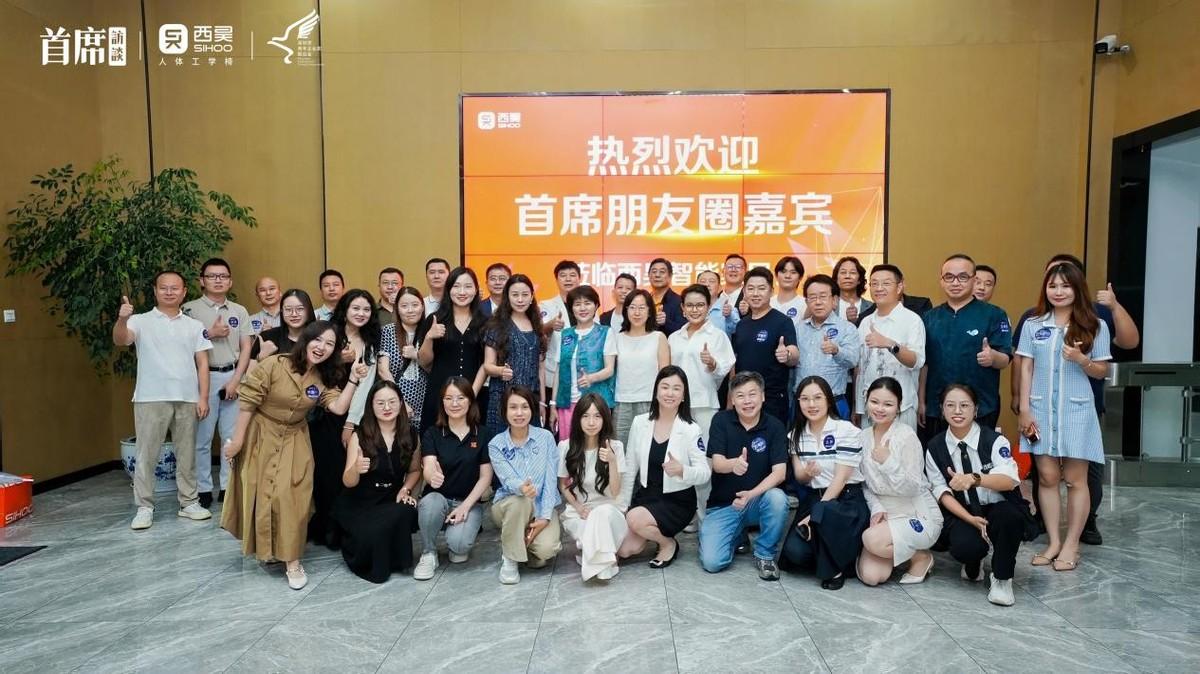
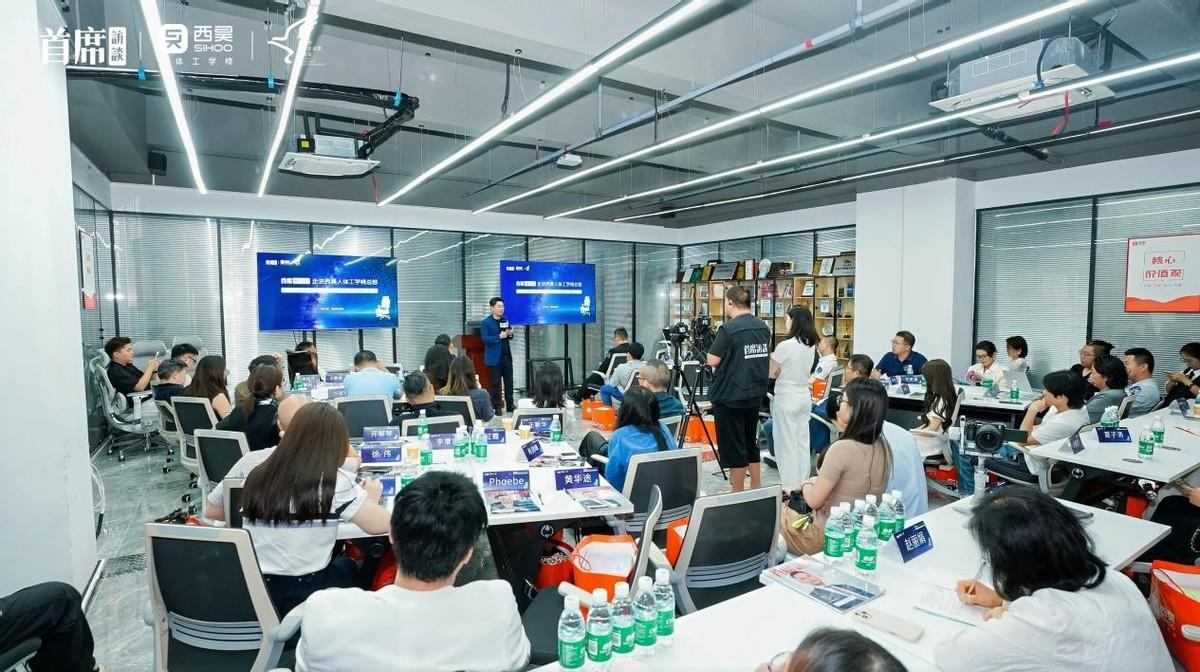
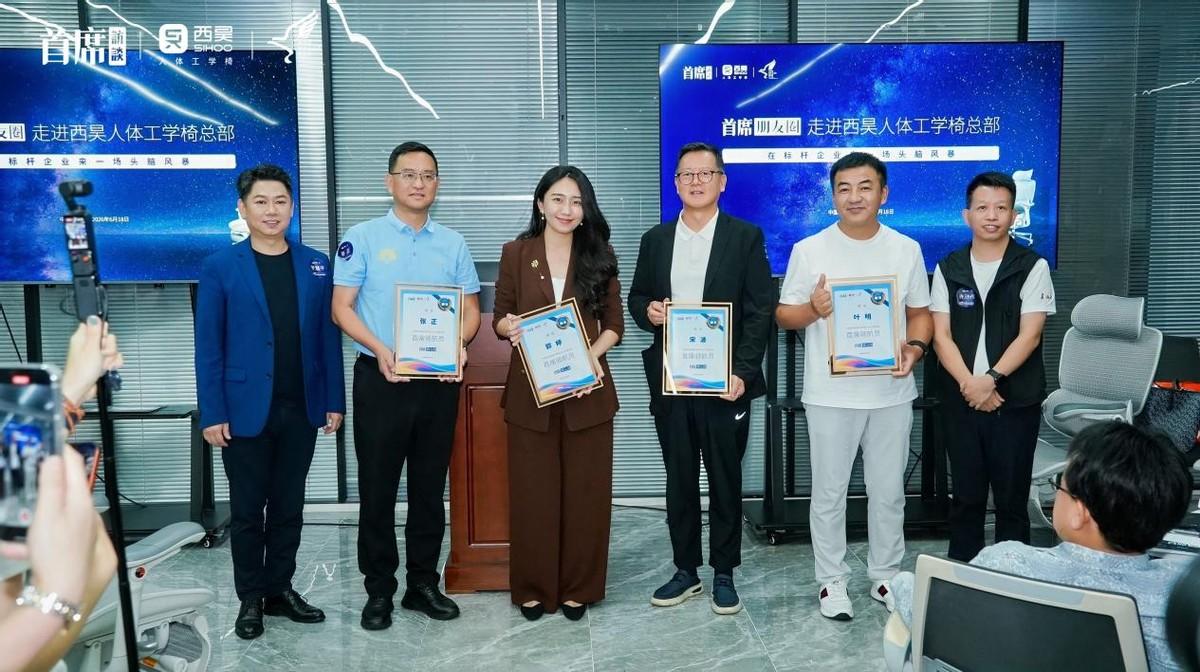
6月18日,深圳西昊智能家居(以下简称“西昊”)总部迎来50余位企业家。这场由西昊联合首席访谈发起的对话交流持续四小时,从西昊董事长罗慧平的主题分享,再到长达100分钟的圆桌对话,核心议题只有一个:当价格战拖垮行业时,企业靠什么走出来。西昊给出的答案并不讨巧——它用一次次"反共识"的取舍,验证了一个朴素的道理:破局往往始于主动放弃那些看似诱人但不可持续的东西。

一场"反共识"的断舍离

2014年是西昊的生死关。当时人体工学椅行业深陷同质化泥潭,产品单价从6800元暴跌至500元,西昊积压了上千万库存,资金链几近断裂。在多数人选择"再努力一把把利润做出来"时,罗慧平做了一个让团队难以接受的决定:砍掉占营收70%的低端产品线。

这条线贡献了七成营收,却消耗了80%以上的后端资源,利润贡献几乎为零。在罗慧平看来,继续卷下去只有两条路——要么牺牲品质降成本,要么被对手挤死,两条都是死路。砍掉"伪规模"才能让公司真正做减法,这个决策成为西昊从"卖货"转向"做品牌"的分水岭。事后证明,主动断后路有时比等待转机更有效。

把资源押注在"慢变量"上

砍掉低端线释放出的资源,被集中投入到一个当时"不划算"的方向——研发。从2015年起,西昊将一把椅子拆解到137个可调部件,头枕、扶手、腰靠能拆尽拆,借鉴汽车玻纤减震替代弹簧,甚至从航天材料中寻找灵感。如今西昊研发投入占销售额的13%至16%,远超行业平均,研发人员占比25%,拥有270余项国家专利。

这种投入的回报并非立竿见影,却在用户细节中沉淀下来。2014年,有用户在留言里说"腰撑能调节就好了",西昊据此研发出带四向调节腰枕的M18,这款产品迄今全球卖了超过300万张。罗慧平在活动中反复强调:"创新是为用户而生的,不要为了创新而创新。"在流量焦虑弥漫的当下,把资源押注在用户能感知的细节上,比追逐风口更需要定力。出海路径同样折射出西昊的逆向思维。2018年,西昊放弃传统外贸,转向亚马逊做To C,在美国市场以200美元左右的价格切入本土品牌与低价产品之间的空白带,货物入仓一个月售罄,年销售额从800万元增长至3.6亿元。如今西昊海外营收占比接近四成,产品进入122个国家和地区。

一场关于"不做内卷"的深度碰撞

当天的圆桌讨论比主题分享更直指人心。在长达100分钟的圆桌对话中,罗慧平与企业家们碰撞出多个颇具张力的观点。

谈及2014年砍掉70%营收的决定,罗慧平坦言当时做好了最坏的打算——"营收从一亿回到一两千万"。但他认为,正是做了最坏的心理准备,反而敢往前走。他解释,那一年公司已经走到了一个不得不重新审视方向的关口,与其在价格战的泥潭里消耗所有资源,不如主动收缩,把力量集中在一件事上。在场多位企业家对此表示认同,认为这种取舍在现实中很难做到,但一旦做对了,就是真正的分水岭。

关于长期主义的讨论同样引人思考。当主持人问到,在流量驱动的商业环境下,持续高强度的研发投入是否显得"太慢"时,罗慧平回应,西昊的研发占比长期维持在销售额的13%到16%,这在行业里确实不常见。但他认为,如果只盯着眼前的数据,当年根本做不出砍掉低端线的决定。今天的西昊不是靠某一款爆款产品支撑起来的,而是靠持续把资源投向那些短期内看不到回报的方向。他形容这是一条"慢路",但恰恰因为慢,反而少有人挤。

对话接近尾声时,罗慧平谈及西昊对行业未来的判断。他认为,随着久坐成为普遍的生活状态,座椅的角色正在从简单的"坐具"演变为健康管理的一部分。他提到西昊正在探索的方向,包括实时健康监测和主动姿态调整,但他同时强调,无论技术如何演进,椅子始终要回到对人的关怀上。

活动结束后,多位企业家在交流中表示,西昊的参考价值不在于找到了捷径,而在于用多次"反共识"的取舍证明了一个道理:在内卷成为流行语的当下,真正的破局往往始于主动放弃那些看似诱人但不可持续的东西。正如罗慧平在分享结尾所说,西昊走到今天,无非是在每一个关键节点都选择了一条更难但更正确的路,而做难而正确的事,时间会给出答案。

注:文/龚作仁,文章来源:Laborer,本文为作者独立观点,不代表亿邦动力立场。

文章来源:Laborer

广告
微信
朋友圈

这么好看,分享一下?

朋友圈 分享

APP内打开

+1
+1
微信好友 朋友圈 新浪微博 QQ空间
关闭
收藏成功
发送
/140 0