广告
加载中

易达云亮相2026广州跨境电商交易会

易达云 2026-06-24 12:15
易达云 2026/06/24 12:15

邦小白快读

EN
全文速览

本文主要介绍了2026广州跨境电商交易会的基本情况,梳理了当前跨境出海行业的核心痛点,以及易达云推出的出海供应链解决方案干货。

1. 本届跨交会以“外贸新动能·数字新未来”为主题,总展览面积超5万平方米,汇聚全国近40个产业带、1000+优质供应链企业、50+全球主流跨境电商平台、200+服务商,到会专业观众突破6万人次,是跨境全产业链对接、转型升级的超级平台。

2. 当前跨境出海已经从“产品出海”升级为“品牌出海”,叠加欧美成熟市场消费需求修复,全品类出口增长动能充足,但多数出海企业面临供应链短板,存在备货成本高、旺季履约不稳、多平台适配难三大核心痛点。

3. 易达云深耕跨境供应链十余年,拥有覆盖11国的60+海外仓,推出全链路数智化供应链解决方案,可有效解决中大件出海的各类痛点,已对接所有主流跨境平台。

本文梳理了当前跨境品牌出海的行业趋势,点明了品牌出海面临的核心瓶颈,同时给出了可落地的供应链解决方案,对品牌布局出海有较高参考价值。

1. 行业消费趋势:当前跨境出海已经从产品出海转向品牌出海,欧美成熟市场消费需求稳步修复,全品类出口增长动能持续释放,广东依托珠三角产业集群优势,是中国品牌出海的核心枢纽,中大件品类出海增长空间广阔。

2. 品牌出海核心痛点:随着品牌出海规模扩张,供应链短板凸显,存在中大件备货成本高库存积压占用资金、旺季履约不稳影响店铺绩效、不同平台规则差异大适配难拉高合规成本三大问题,制约品牌规模化增长。

3. 可对接的解决方案:易达云的一站式数智化供应链,可适配多平台规则,帮助品牌降低物流成本,提升周转效率,支撑品牌深耕海外市场,符合品牌规模化扩张的需求。

本文梳理了当前跨境出海的市场机会,点明了卖家增长面临的风险与瓶颈,给出了对应的解决方向和可合作资源,对卖家布局业务有较强指导意义。

1. 当前市场机会:出海行业正从产品出海向品牌出海升级,欧美成熟市场消费需求稳步修复,全品类出口增长动能充足,华南珠三角的3C、家居、家具、户外用品等品类有成熟产业带支撑,增长机会明显。

2. 需警惕的核心风险:随着出海规模扩张,供应链短板成为增长瓶颈,具体包括中大件备货仓储成本高,动销不佳容易造成呆滞库存挤压资金;旺季容易出现港口、海外仓拥堵,履约延迟影响店铺绩效;不同平台规则差异大,普通服务商难以适配,拉高运营合规成本。

3. 可对接的解决方案与机会:可以和易达云这类专业供应链服务商合作,依托其全球仓网和数智化系统解决上述痛点,易达云已经对接所有主流平台,能满足多平台运营需求。

本文分析了当前产业带工厂出海的新机会,点明了工厂出海转型面临的核心问题,给出了工厂推进数字化出海的启示方向。

1. 新商业机会:当前跨境出海已经从产品出海转向品牌出海,欧美成熟市场消费需求修复,全品类出口增长动能充足,珠三角作为中国制造出海的核心区域,拥有3C电子、智能家居、家具、户外用品等多个规模化产业带,柔性制造能力突出,相关工厂出海有得天独厚的优势。

2. 工厂出海转型的核心障碍:多数工厂专注生产制造,供应链能力不足,随着出海规模扩张,备货、履约、多平台对接的短板越来越明显,制约工厂做大出海业务。

3. 数字化出海的启示:工厂可以依托专业第三方供应链服务商补齐短板,借助易达云这类服务商的全球仓网和自研SaaS系统,解决仓储备货、履约配送、多平台对接问题,降低运营成本,聚焦自身生产研发优势,加速出海数字化转型。

本文分析了当前跨境供应链服务行业的发展趋势,明确了客户的核心痛点,给出了服务商发展的方向参考,对行业参与者有较高价值。

1. 行业发展趋势:跨境出海已经进入品牌出海的新阶段,全品类出口规模持续增长,尤其是中大件品类出海需求快速提升,出海企业对稳定、高效、适配性强的一站式供应链服务需求越来越旺盛,行业增长空间大。

2. 客户核心痛点:当前客户的核心痛点集中在三个方面,一是中大件备货仓储成本高,库存积压容易造成资金周转压力;二是旺季履约不稳定,影响店铺运营指标;三是不同跨境平台规则差异大,普通服务商难以实现系统直连适配,拉高客户运营合规成本。

3. 可参考的发展方向:服务商可以围绕客户痛点,布局全球化海外仓网络,打造自主可控的数智化SaaS系统,对接全平台生态,针对中大件这类需求旺盛的品类打造专属服务能力,深度绑定产业带客户。

本文梳理了当前跨境出海生态中卖家端的核心需求,总结了行业现有合作模式,对平台完善生态建设、开展招商运营有较强启示。

1. 平台端需要关注的核心需求:当前卖家不仅需要平台提供流量,还需要适配平台规则的配套供应链服务,不同平台履约规则差异大,尤其是垂直品类平台对本土化仓储、退换货处理有专属要求,卖家需要供应链服务商能和平台实现系统直连对接,降低自身运营成本。

2. 行业现有成熟做法:当前全球主流跨境平台已经开始和专业第三方供应链服务商开展合作,比如易达云就是亚马逊MSF、eBay、TEMU等多个主流平台的官方合作对接仓,可以实现“一次入仓、多平台发货、全域履约”,有效降低卖家合规成本。

3. 对平台运营招商的启示:平台可以深化和第三方专业供应链服务商的合作,打通系统对接,为卖家提供一体化履约解决方案,降低卖家入驻门槛和运营成本,吸引更多品牌、卖家入驻,完善平台生态。

本文展现了当前中国跨境出海产业的最新发展动向,梳理了产业发展面临的新问题,总结了跨境供应链领域的创新商业模式,对研究产业发展有较高参考价值。

1. 产业最新动向:当前中国跨境出海已经完成从产品出海到品牌出海的转型,广东依托珠三角成熟的制造产业集群和区位优势,成为中国出海的核心枢纽,全品类出口增长动能持续释放,带动跨境供应链服务需求快速增长。

2. 产业发展面临的新问题:随着出海企业规模不断扩张,供应链短板逐渐成为制约行业规模化增长的核心瓶颈,具体表现为备货成本高企资金周转承压、旺季履约不稳影响店铺绩效、平台适配不足拉高运营合规成本三个方面,中大件品类的痛点尤为突出。

3. 创新商业模式:当前跨境供应链领域出现了“全球仓网+自研数智化SaaS系统+全平台对接”的第三方一站式供应链服务模式,易达云是该模式的代表企业,该模式可有效解决出海企业的供应链痛点,已经获得市场和主流平台的认可。

返回默认

声明:快读内容全程由AI生成,请注意甄别信息。如您发现问题,请发送邮件至 run@ebrun.com 。

我是 品牌商 卖家 工厂 服务商 平台商 研究者 帮我再读一遍。

Quick Summary

This article provides an overview of the 2026 Guangzhou Cross-Border E-Commerce Trade Fair, sorts out core pain points in the current cross-border e-commerce export industry, and shares actionable insights from Edatar's cross-border supply chain solutions.

1. With the theme of "New Driving Force for Foreign Trade, Digital New Future", this edition of the trade fair covers a total exhibition area of over 50,000 square meters. It gathers nearly 40 industrial clusters, more than 1,000 high-quality supply chain enterprises, over 50 global mainstream cross-border e-commerce platforms and more than 200 service providers from across China. It attracts over 60,000 professional visitors, positioning itself as a premier platform for cross-border full-industry-chain matchmaking and industrial transformation and upgrading.

2. Cross-border expansion from China has evolved from "product export" to "brand export". Combined with recovering consumer demand in mature European and American markets, there is sufficient growth momentum for exports across all categories. However, most export-focused companies are constrained by weak supply chain capabilities, with three core pain points: high stocking costs, unstable fulfillment during peak seasons, and difficulties adapting to operations across multiple platforms.

3. With more than a decade of deep expertise in cross-border supply chains, Edatar operates more than 60 overseas warehouses covering 11 countries. It has launched a full-link digital-intelligent supply chain solution that effectively addresses various pain points for large and bulky product exporters, and has connected to all mainstream cross-border platforms.

This article sorts out current industry trends for cross-border brand expansion from China, identifies core bottlenecks facing brand exporters, and provides actionable supply chain solutions, offering high reference value for brands planning their global expansion strategies.

1. Industry consumption trend: Cross-border expansion has shifted from product export to brand export, with consumer demand recovering steadily in mature European and American markets and growth momentum for full-category exports continuing to release. Leveraging the industrial cluster advantages of the Pearl River Delta, Guangdong has become a core hub for Chinese brands going global, and there is broad growth space for large and bulky product categories.

2. Core pain points for cross-border brands: As brands scale their global operations, weak supply chain capabilities have become increasingly prominent. Three key issues—high stocking costs and capital tied up in excess inventory for large and bulky goods, unstable fulfillment during peak seasons that hurts store performance, and high compliance costs caused by difficulties adapting to differing platform rules—are constraining brands' scalable growth.

3. Accessible solutions: Edatar's one-stop digital-intelligent supply chain service can adapt to rules across multiple platforms, helping brands reduce logistics costs, improve inventory turnover efficiency, and support deep penetration into overseas markets, perfectly aligning with the needs of brands for large-scale expansion.

This article sorts out current market opportunities for cross-border expansion, identifies risks and bottlenecks constraining sellers' growth, and provides corresponding solutions and partnership resources, offering strong guidance for sellers planning their business layouts.

1. Current market opportunities: The cross-border export industry is upgrading from product export to brand export. Consumer demand is recovering steadily in mature European and American markets, driving sufficient growth momentum for full-category exports. Categories including 3C electronics, home goods, furniture and outdoor products in South China's Pearl River Delta are supported by mature industrial clusters, bringing clear growth opportunities.

2. Core risks to watch out for: As sellers scale their cross-border business, supply chain weaknesses have become a growth bottleneck. Specifically, high stocking and warehousing costs for large and bulky goods easily lead to dead inventory that ties up capital; port and overseas warehouse congestion during peak seasons often causes fulfillment delays that hurt store performance; and differing rules across platforms are hard for general service providers to adapt to, driving up operational compliance costs.

3. Accessible solutions and opportunities: Sellers can partner with professional supply chain service providers like Edatar. Leveraging Edatar's global warehouse network and digital intelligent system can solve the pain points mentioned above. The company has connected to all mainstream cross-border platforms and can meet the needs of multi-platform operations.

This article analyzes new opportunities for factories in Chinese industrial clusters to expand cross-border, identifies core challenges in factories' transformation for export, and provides insights for factories to advance digitalized cross-border expansion.

1. New business opportunities: Cross-border expansion has shifted from product export to brand export, with recovering consumer demand in mature European and American markets driving sufficient growth momentum for full-category exports. As a core hub for Chinese manufacturing exports, the Pearl River Delta is home to multiple large-scale industrial clusters including 3C electronics, smart home, furniture and outdoor products, with outstanding flexible manufacturing capabilities, giving relevant factories unique advantages for cross-border expansion.

2. Core barriers to export transformation for factories: Most factories focus on production and lack in-house supply chain capabilities. As their export business scales, weaknesses in stocking, fulfillment and multi-platform connectivity become increasingly obvious, constraining factories from scaling their cross-border business.

3. Insights for digital cross-border expansion: Factories can close capability gaps by partnering with professional third-party supply chain service providers. Leveraging the global warehouse network and self-developed SaaS system of providers like Edatar allows factories to solve challenges in warehousing, stocking, fulfillment, delivery and multi-platform connectivity, cut operational costs, refocus on their core advantages in production and R&D, and accelerate digital transformation for cross-border expansion.

This article analyzes current development trends in the cross-border supply chain service industry, clarifies core customer pain points, and provides directional reference for industry development, delivering high value for industry participants.

1. Industry development trends: Cross-border expansion from China has entered a new stage of brand export, with the scale of full-category exports continuing to grow. In particular, demand for cross-border expansion of large and bulky product categories is rising rapidly, and export-focused companies have growing demand for stable, efficient, highly adaptable one-stop supply chain services, opening up broad growth space for the industry.

2. Core customer pain points: Customers' core pain points are concentrated in three areas: first, high stocking and warehousing costs for large and bulky goods, with excess inventory creating pressure on capital turnover; second, unstable fulfillment during peak seasons that hurts store operation metrics; third, large variations in rules across different cross-border platforms make it hard for general service providers to achieve direct system connectivity and adaptation, driving up customers' operational compliance costs.

3. Reference development direction: Service providers can center their strategies around customer pain points, build a global overseas warehouse network, develop independent and controllable digital intelligent SaaS systems, connect to the full cross-border platform ecosystem, build dedicated service capabilities for high-demand categories like large and bulky goods, and deeply partner with industrial cluster clients.

This article sorts out core demands from sellers in the current cross-border ecosystem, summarizes existing industry cooperation models, and offers strong insights for platforms to improve ecosystem building and optimize investment attraction and operations.

1. Core demands that platforms need to address: Today's sellers need more than just traffic from platforms—they also need supporting supply chain services adapted to each platform's rules. Given differing fulfillment rules across platforms, especially vertical category platforms' specific requirements for localized warehousing and return processing, sellers need supply chain providers that can achieve direct system connectivity with platforms to cut their own operational costs.

2. Mature existing practices in the industry: Mainstream global cross-border platforms have already started cooperating with professional third-party supply chain service providers. For example, Edatar is an official partner and connected warehouse for multiple leading platforms including Amazon MSF, eBay and TEMU, enabling "one-time warehouse entry, multi-platform fulfillment, global delivery" that effectively reduces sellers' compliance costs.

3. Insights for platform operations and investment attraction: Platforms can deepen cooperation with professional third-party supply chain service providers, achieve full system connectivity, provide sellers with integrated fulfillment solutions, lower sellers' entry barriers and operational costs, attract more brands and sellers to join the platform, and improve the platform ecosystem.

This article presents the latest developments in China's cross-border export industry, sorts out emerging challenges facing industrial development, and summarizes innovative business models in the cross-border supply chain space, offering high reference value for industry research.

1. Latest industrial developments: China's cross-border expansion has completed the transition from product export to brand export. Leveraging the mature manufacturing clusters and locational advantages of the Pearl River Delta, Guangdong has become a core hub for Chinese exports, with sustained growth momentum for full-category exports driving rapid growth in demand for cross-border supply chain services.

2. Emerging challenges for industrial development: As export-focused companies scale up, weak supply chain capabilities have gradually become a core bottleneck constraining industry-wide scalable growth. This manifests in three areas: high stocking costs pressuring capital turnover, unstable peak-season fulfillment hurting store performance, and insufficient platform adaption driving up operational compliance costs—with the pain being particularly acute for large and bulky categories.

3. Innovative business model: A new third-party one-stop supply chain service model combining "global warehouse network + self-developed digital intelligent SaaS system + full platform connectivity" has emerged in the cross-border supply chain space, with Edatar as a leading representative of the model. This model effectively solves supply chain pain points for export companies and has already gained recognition from the market and mainstream platforms.

Disclaimer: The "Quick Summary" content is entirely generated by AI. Please exercise discretion when interpreting the information. For issues or corrections, please email run@ebrun.com .

I am a Brand Seller Factory Service Provider Marketplace Seller Researcher Read it again.

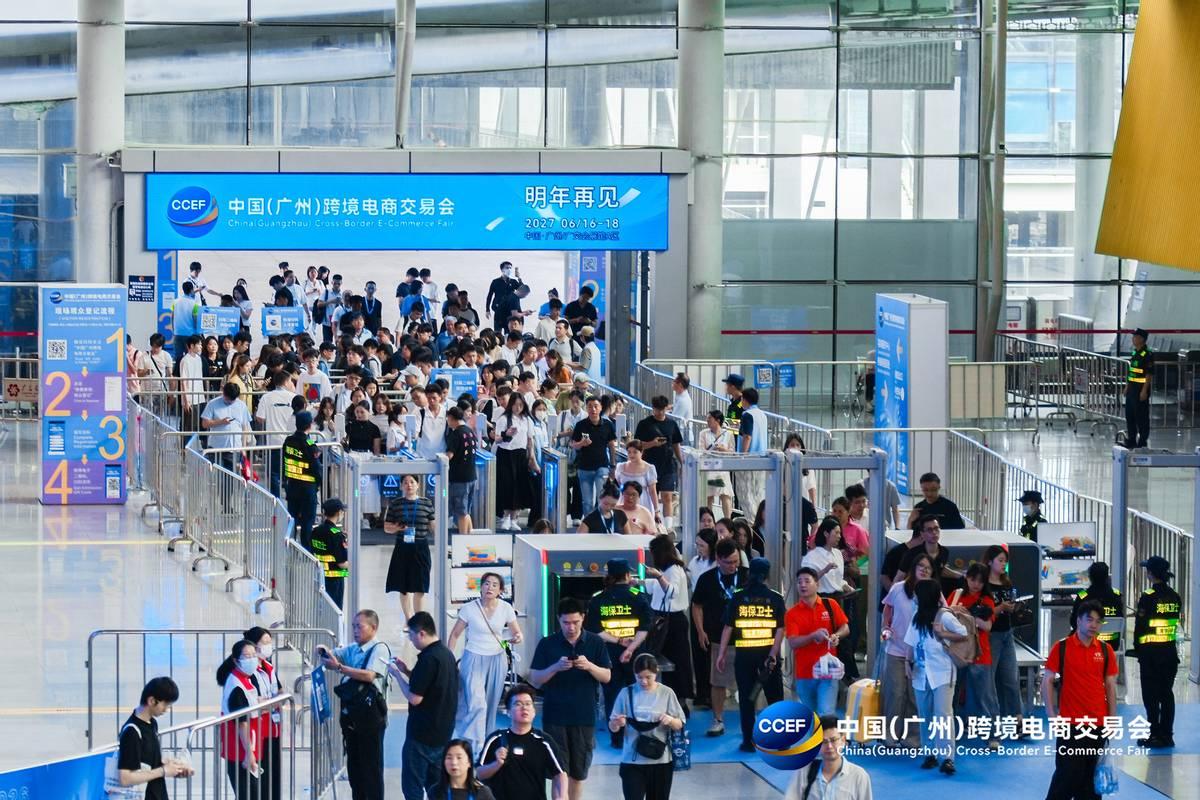
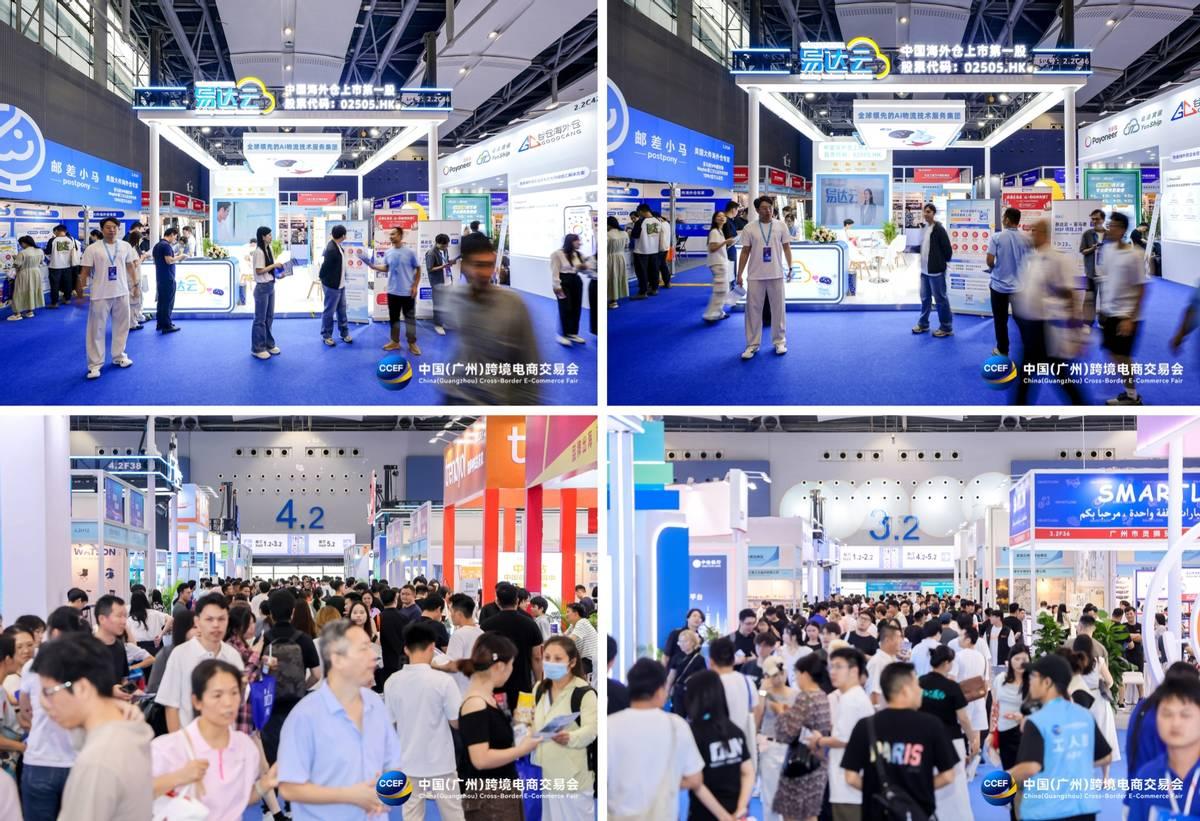
6月16日-18日,2026中国(广州)跨境电商交易会在广交会展馆圆满举办。本届跨交会以“外贸新动能·数字新未来”为主题,为跨境人打造了涵盖全产业链、全生态的外贸选品、产业对接、转型升级超级平台,总展览面积超5万平方米,全国近40个产业带、1000+优质供应链企业、50+全球主流跨境电商平台、200+服务商集中亮相,到会专业观众突破6万人次。

易达云(02505.HK)受邀参展,携全球化出海供应链解决方案亮相2.2C46展位,与数千位华南跨境卖家、产业带工厂及平台伙伴展开了深度交流,其中中大件全品类履约与多平台生态对接方案成为现场咨询热点。

作为全国外贸第一大省,广东依托珠三角成熟制造产业集群与毗邻港澳的区位优势,成为中国外贸出海的核心枢纽。珠三角腹地形成了3C电子、智能家居、小家电、家具、户外用品、灯饰五金等多个规模化产业带,产业链协同与柔性制造能力突出。

随着企业从“产品出海”向“品牌出海”升级,叠加欧美成熟市场消费需求稳步修复,全品类出口增长动能持续释放。伴随着出海规模扩张,供应链短板也愈发凸显,成为制约华南卖家规模化增长的核心瓶颈:

● 备货成本高企,资金周转承压:中大件货品仓储占用高,若动销不及预期易形成大额呆滞库存,拉高资金占用成本,制约企业扩张节奏。

● 旺季履约不稳,店铺绩效受扰:大促节点港口拥堵、海外仓爆仓、尾程延迟等问题频发,中大件跨区调拨时效慢、成本高,直接影响订单履约效率与平台店铺指标。

● 平台适配不足,生态协同缺位:不同跨境平台履约规则差异大,尤其是垂直品类平台对本土化仓储、退换货处理有专属要求,普通服务商难以实现系统直连与服务适配,拉高运营成本与合规风险。

搭建稳定高效的一站式出海供应链,是本地产业突破发展瓶颈、深耕海外市场的核心抓手。易达云深耕跨境供应链十余年,运营覆盖11国的60+海外仓网络(沙利文行业数据:业内管理海外仓数量最多),依托自主研发的SaaS平台,为跨境企业提供全链路数智化供应链解决方案。

针对各品类出海痛点,易达云打造了覆盖标准件、中大件、多平台履约的综合性仓储服务网络:

依托欧美密集仓群提供“就近入仓+分区备货+快速调拨”,针对家电、家具、户外用品、灯饰五金等中大件配备重型货架与专业操作能力。

与当地成熟尾程渠道深度合作,实现旺季出库及时率≥99.99%,上网及时率≥99.96%。

自研SaaS平台支持实时库存同步、智能分仓、全渠道数据协同,有效提升周转效率、降低综合物流成本。

已打通主流电商平台生态,是亚马逊MSF、eBay、TEMU、TikTok Shop、AliExpress、SHEIN等平台的合作对接仓,可实现“一次入仓、多平台发货、全域履约”。

从华东宁波跨博会到华南广州跨交会,易达云始终以产业带真实需求为核心,用稳定高效的数智供应链能力助力出海企业深耕全球市场。此次参展既是易达云深度服务华南市场的重要落点,也是赋能本地产业的关键一步。

未来,易达云将持续深化全球仓网布局与数智化能力建设,携手更多平台与生态伙伴,为跨境卖家提供更适配、更高效的供应链解决方案,助力世界品牌稳健出海、货通全球。

注:文/易达云,文章来源:易达云,本文为作者独立观点,不代表亿邦动力立场。

文章来源:易达云

广告
微信
朋友圈

这么好看,分享一下?

朋友圈 分享

APP内打开

+1
+1
微信好友 朋友圈 新浪微博 QQ空间
关闭
收藏成功
发送
/140 0