广告
加载中

当AI执掌家庭能源:华宝新能如何用“会思考的软件”重塑户用光储竞争逻辑?

王昱 2026-06-26 17:59
王昱 2026/06/26 17:59

邦小白快读

EN
全文速览

本文核心信息是亚马逊新一代生成式AI助手Alexa+正式登陆巴西市场,普通用户可关注这些实操信息:

1. 当前Alexa+处于抢先体验阶段,亚马逊每周会邀请新用户加入,未来几个月覆盖范围会持续扩大,按照亚马逊规划,今年内会进入更多国家,2027年还会拓展十多个新增国家。

2. 普通用户参与抢先体验有两种方式,一是购买符合条件的新款Echo设备,二是使用现有兼容设备在线注册申请等待邀请。抢先体验结束后,亚马逊Prime会员可免费使用,非Prime用户需要按月付费订阅,巴西市场定价为每月99.90雷亚尔。

3. 和初代Alexa相比,Alexa+的交互自然度和任务执行能力更强,已经连接数千项日常服务和设备,还针对巴西做了本地化优化,未来大概率会引入智能购物服务,支持语音购物、比价等功能。

亚马逊Alexa+落地巴西,透露出拉美电商和AI服务市场的新变化,品牌商可关注这些干货内容:

1. 消费趋势层面,生成式AI正在重构线上购物体验,AI语音交互、个性化购物会成为新的用户习惯,未来智能购物会在新兴市场快速铺开,品牌需要提前适配新的交互场景调整品牌营销和产品展示逻辑。

2. 市场机会层面,亚马逊正在加速AI生态的全球扩张,巴西是拉美地区第二个落地Alexa+的核心市场,后续还会引入专门的AI购物服务,品牌可提前布局对接亚马逊AI生态,抢占新的流量入口。

3. 用户层面,Alexa+已经针对巴西市场完成本地化优化,接入大量本地服务,品牌可以借助AI的个性化能力,更精准地触达本地目标用户,挖掘本土市场的消费需求。

亚马逊Alexa+登陆巴西,给做巴西市场以及拉美市场的卖家带来了这些机会和提示:

1. 增长机会层面,亚马逊正在拉美市场加速AI生态布局,后续Alexa for Shopping智能购物服务大概率会引入巴西,该服务支持AI个性化推荐、跨平台购物、新品探索等功能,卖家可提前做好布局,抓住AI购物带来的新流量增长机会。

2. 运营调整提示,AI购物会整合商品专业知识给用户做推荐,卖家需要优化商品信息的标准化,方便AI抓取和识别,提升自身商品被推荐的概率。

3. 风险提示,Alexa for Shopping支持用户查看商品一年内历史价格、直接对比同类商品,价格透明度大幅提升,卖家需要调整自身定价策略,避免因为价格竞争力不足流失用户,同时也可以借助AI推荐探索新品类的销售机会。

亚马逊AI生态的全球扩张,给相关硬件工厂和消费品工厂带来这些启示和商业机会:

1. 商业机会层面,Alexa+的推广会带动兼容Echo智能设备的市场需求,巴西作为新兴市场,智能硬件的渗透率还会持续提升,工厂可对接亚马逊供应链需求,生产符合要求的兼容智能设备,获得更多出海订单。

2. 产品生产设计层面,AI智能购物的发展要求智能硬件适配语音交互、跨端联动的功能,工厂在设计生产智能硬件时,需要提前适配Alexa这类主流AI生态的要求,接入对应服务,提升产品的市场竞争力。

3. 数字化转型启示,亚马逊通过双向打通AI设备交互数据和电商购物数据,反向优化服务能力,工厂也可参考该模式,借助数字化和AI技术打通生产、用户数据,加快产品迭代速度,提升整体运营效率。

亚马逊Alexa+落地巴西的事件,给AI服务商、电商解决方案服务商带来这些行业信息:

1. 行业发展趋势层面,生成式AI已经加速渗透到消费电子和电商领域,AI助手加智能购物已经成为明确的行业发展方向,科技巨头正在加速全球扩张,拉美这类新兴市场是接下来的拓展重点,市场空间较大。

2. 客户痛点层面,AI助手出海新兴市场,最核心的需求是解决本地化适配问题,不仅要适配本地语言,还要贴合本地文化需求,接入大量本土生活和购物服务,才能获得用户认可,这也是服务商可以切入的细分方向。

3. 解决方案参考,亚马逊采用双向打通AI助手交互数据和电商购物数据的模式,互相赋能提升服务能力,这种数据整合的模式可以给服务商开发相关解决方案提供参考,可针对不同区域市场开发定制化的AI服务方案。

亚马逊布局Alexa+和AI智能购物的路径,给各类电商平台和智能生态平台商带来这些参考:

1. 用户和商家端对平台的AI化升级需求已经非常明确,生成式AI已经成为平台提升用户粘性、强化竞争力的核心抓手,平台需要加快AI在购物场景的落地,布局对应的智能服务。

2. 新兴市场拓展参考:进入新区域市场必须做好本地化优化,适配本地用户的习惯,接入本土服务,才能提升用户接受度;推广层面可采用抢先体验逐步放量的模式,逐步收集用户反馈优化,降低试错成本。

3. 商业化和风险规避参考:AI服务可采用“Prime会员免费+非会员订阅”的变现模式,既可以拉动平台会员增长,也能获得直接的订阅收入;全球化扩张可采用逐步推进的策略,先核心市场再逐步扩散,控制扩张的风险。

亚马逊Alexa+的全球扩张和AI购物布局,反映了生成式AI落地消费领域的最新动向,给产业研究提供了这些新内容:

1. 产业新动向层面,生成式AI已经从通用技术探索走向垂直场景落地,AI助手与电商购物深度融合是当前最清晰的落地方向之一,全球科技巨头正在加速该领域的布局,拉美等新兴市场已经成为重点拓展区域,商业化路径逐步清晰。

2. 新商业模式研究素材:当前亚马逊跑通的“AI助手+会员生态+付费订阅+电商闭环”模式,通过双向打通AI交互数据和电商购物数据,实现双方服务能力互相提升,既拉动了会员增长和电商转化,也获得了订阅收入,这种新的商业模式具备较高的研究价值。

3. 后续研究方向提示:可进一步研究生成式AI在不同区域市场的本地化适配策略,以及AI购物对传统电商竞争格局的影响,探索未来全球AI消费生态的演化方向。

返回默认

声明:快读内容全程由AI生成,请注意甄别信息。如您发现问题,请发送邮件至 run@ebrun.com 。

我是 品牌商 卖家 工厂 服务商 平台商 研究者 帮我再读一遍。

Quick Summary

This article covers the key update that Amazon has officially launched its new generative AI assistant, Alexa+, in Brazil. Here are the key practical details for general users:

1. Alexa+ is currently in an early access phase, with Amazon inviting new users every week. The rollout will expand continuously over the coming months: according to Amazon's roadmap, the service will launch in more countries this year, with over 10 additional markets added by 2027.

2. There are two ways for users to join the early access program: either purchase an eligible new Echo device, or register via an existing compatible device to join the waitlist for an invitation. After early access concludes, the service will be free for Amazon Prime members, while non-Prime users will need a paid monthly subscription priced at R$99.90 per month for the Brazilian market.

3. Compared to the original Alexa, Alexa+ delivers more natural interactions and stronger task execution capabilities, and already connects to thousands of daily services and devices. It also includes Brazil-specific localization optimizations, and Amazon is highly likely to add intelligent shopping features such as voice purchasing and price comparison in the future.

Amazon's launch of Alexa+ in Brazil signals new shifts in Latin America's e-commerce and AI service markets. Here are key takeaways for brands:

1. On the consumer trend front: generative AI is reshaping online shopping experiences, with AI voice interaction and personalized shopping set to become new user habits. Intelligent shopping will spread rapidly across emerging markets in the near term, so brands need to adjust their marketing and product presentation logic in advance to adapt to these new interaction scenarios.

2. In terms of market opportunities: Amazon is accelerating the global expansion of its AI ecosystem, and Brazil is the second core market in Latin America to launch Alexa+. Dedicated AI shopping services will follow, so brands can get an early start integrating with Amazon's AI ecosystem to secure early access to this new traffic channel.

3. For user engagement: Alexa+ has already completed localization for the Brazilian market and integrated a wide range of local services. Brands can leverage the AI's personalization capabilities to reach local target users more accurately and unlock untapped consumer demand in this market.

Amazon's launch of Alexa+ in Brazil brings the following opportunities and guidance for sellers serving Brazil and broader Latin American markets:

1. Growth opportunities: Amazon is accelerating its AI ecosystem rollout across Latin America, and its Alexa for Shopping intelligent shopping service is very likely to launch in Brazil next. This service supports AI-powered personalized recommendations, cross-platform shopping, new product discovery and more, so sellers can prepare early to capture new traffic growth from AI-driven shopping.

2. Operational adjustments: AI shopping integrates product expertise to make recommendations to users, so sellers need to optimize the standardization of their product information to make it easier for AI to crawl and identify, increasing the chance of their products being recommended.

3. Risk notes: Alexa for Shopping allows users to check one year of a product's price history and directly compare similar products, greatly increasing price transparency. Sellers need to adjust their pricing strategies to avoid losing customers due to weak price competitiveness, while also using AI recommendations to explore sales opportunities in new product categories.

The global expansion of Amazon's AI ecosystem brings the following insights and business opportunities for relevant hardware and consumer goods manufacturers:

1. Business opportunities: The rollout of Alexa+ will drive market demand for compatible Echo smart devices. As an emerging market, Brazil will continue to see rising smart hardware penetration, so manufacturers can partner with Amazon's supply chain to produce eligible compatible smart devices and secure more export orders.

2. Product design and manufacturing: The growth of AI-powered shopping requires smart hardware to support voice interaction and cross-device connectivity. When designing and manufacturing smart hardware, factories should adapt to the requirements of mainstream AI ecosystems like Alexa in advance, integrate corresponding services, and improve their products' market competitiveness.

3. Insights for digital transformation: Amazon optimizes its service capabilities by connecting AI device interaction data and e-commerce shopping data bidirectionally. Manufacturers can follow this model to connect production and user data via digital and AI technologies, speed up product iteration, and improve overall operational efficiency.

Amazon's launch of Alexa+ in Brazil offers the following industry insights for AI and e-commerce solution service providers:

1. Industry development trends: Generative AI is accelerating its penetration into consumer electronics and e-commerce, and the combination of AI assistants and intelligent shopping has become a clear industry direction. Tech giants are accelerating global expansion, with emerging markets like Latin America as the next key expansion priority, offering substantial market opportunity.

2. Client pain points: For AI assistants entering emerging markets, the core requirement is solving localization challenges. To win user acceptance, products must not only adapt to local languages, but also align with local cultural needs and integrate a wide range of local daily life and shopping services. This is a key niche for service providers to enter.

3. Solution reference: Amazon's model of bidirectionally connecting AI assistant interaction data and e-commerce shopping data, enabling mutual empowerment to improve service quality, can serve as a reference for service providers developing related solutions. Providers can develop customized AI service solutions tailored to different regional markets.

Amazon's approach to rolling out Alexa+ and AI-powered intelligent shopping offers the following references for e-commerce platforms and smart ecosystem platform operators:

1. AI-driven upgrades for both users and merchants are now clearly in high demand, and generative AI has become a core tool for platforms to boost user retention and strengthen competitiveness. Platforms need to accelerate the deployment of AI in shopping scenarios and roll out corresponding intelligent services.

2. Reference for emerging market expansion: To improve user acceptance when entering a new regional market, platforms must complete localization, adapt to local user habits, and integrate local services. For go-to-market, a gradual rollout via early access allows platforms to collect user feedback for iteration and reduce trial-and-error costs.

3. Reference for commercialization and risk mitigation: AI services can adopt a "free for Prime members + subscription for non-members" monetization model, which both drives platform membership growth and generates direct subscription revenue. For global expansion, a gradual approach of launching in core markets first before expanding outwards helps control expansion risks.

Amazon's global expansion of Alexa+ and deployment of AI shopping reflects the latest developments of generative AI adoption in consumer sectors, and offers new insights for industry research:

1. New industry developments: Generative AI has moved from general technology exploration to vertical scenario deployment. The deep integration of AI assistants and e-commerce shopping is one of the clearest current deployment directions. Global tech giants are accelerating布局 in this space, with emerging markets such as Latin America becoming key expansion targets, and commercialization paths are gradually maturing.

2. New material for business model research: Amazon has validated the "AI assistant + membership ecosystem + paid subscription + e-commerce closed loop" model. By bidirectionally connecting AI interaction data and e-commerce shopping data, the model improves the quality of both services, drives membership growth and e-commerce conversion, and generates subscription revenue. This new business model holds significant research value.

3. Guidance for future research: Further research can focus on localization adaptation strategies for generative AI in different regional markets, as well as the impact of AI shopping on traditional e-commerce competitive landscape, to explore the future evolution direction of the global AI consumer ecosystem.

Disclaimer: The "Quick Summary" content is entirely generated by AI. Please exercise discretion when interpreting the information. For issues or corrections, please email run@ebrun.com .

I am a Brand Seller Factory Service Provider Marketplace Seller Researcher Read it again.

【亿邦原创】2026年初夏的慕尼黑,Intersolar Europe展会如约而至。

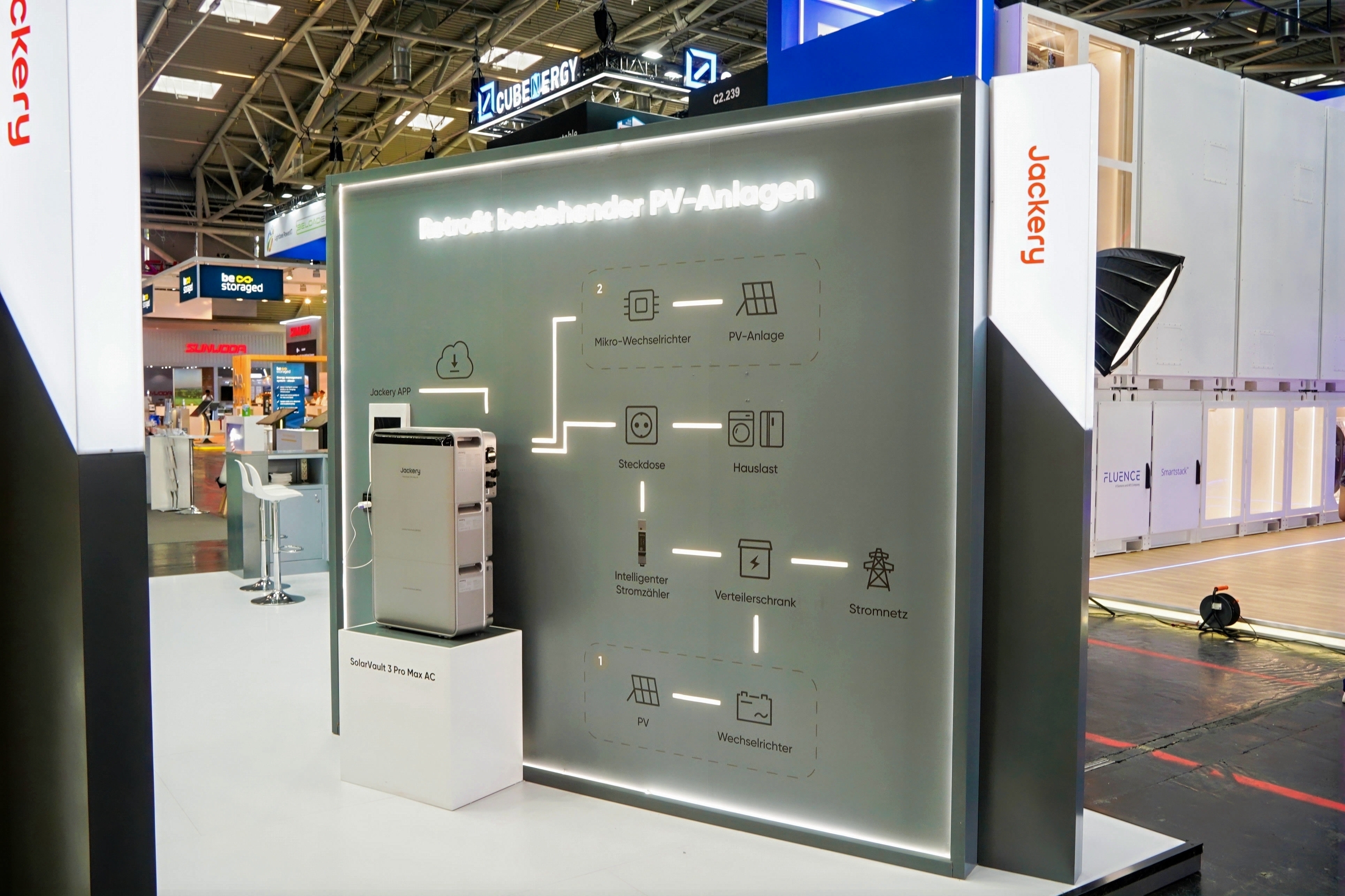
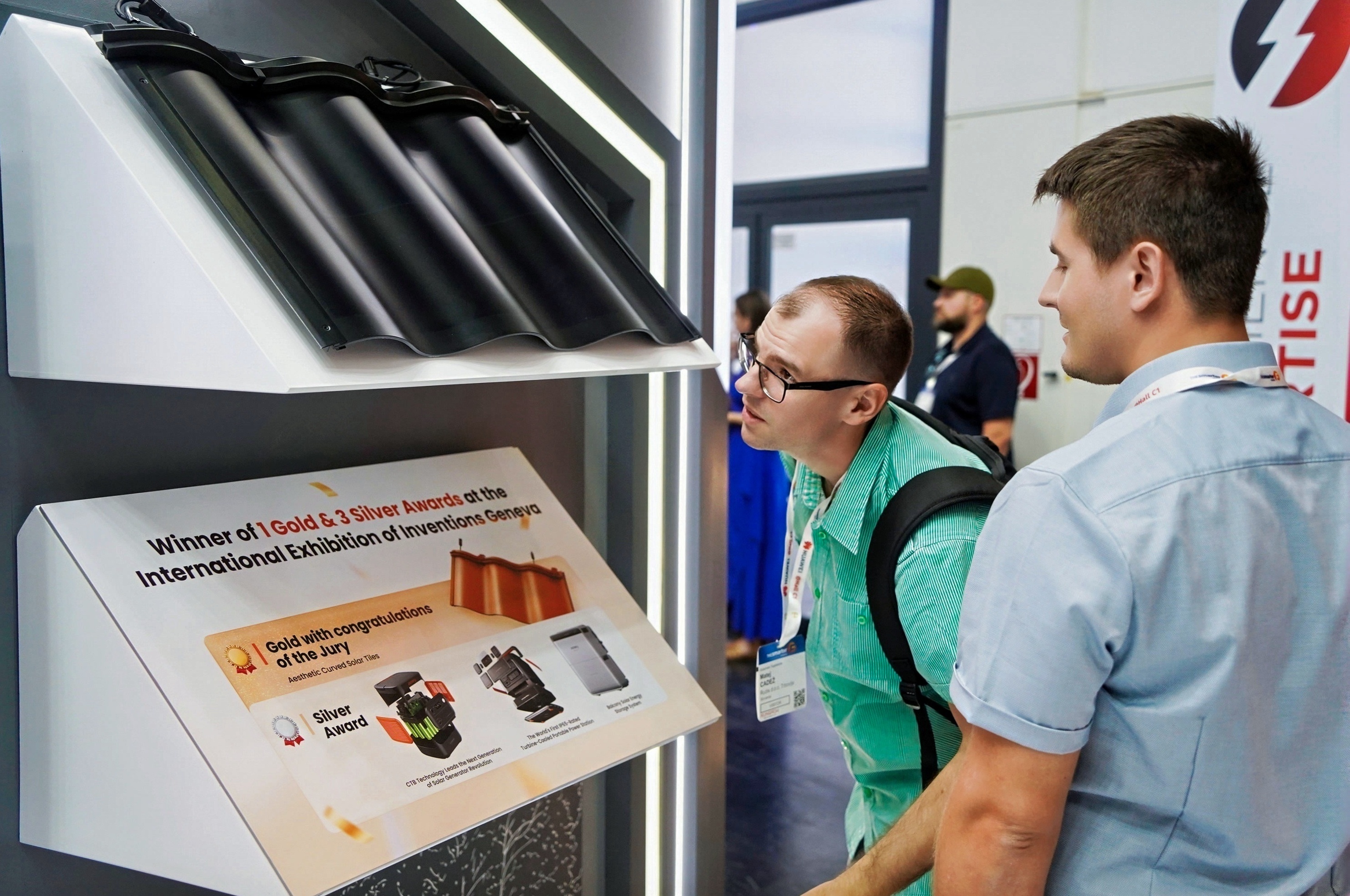
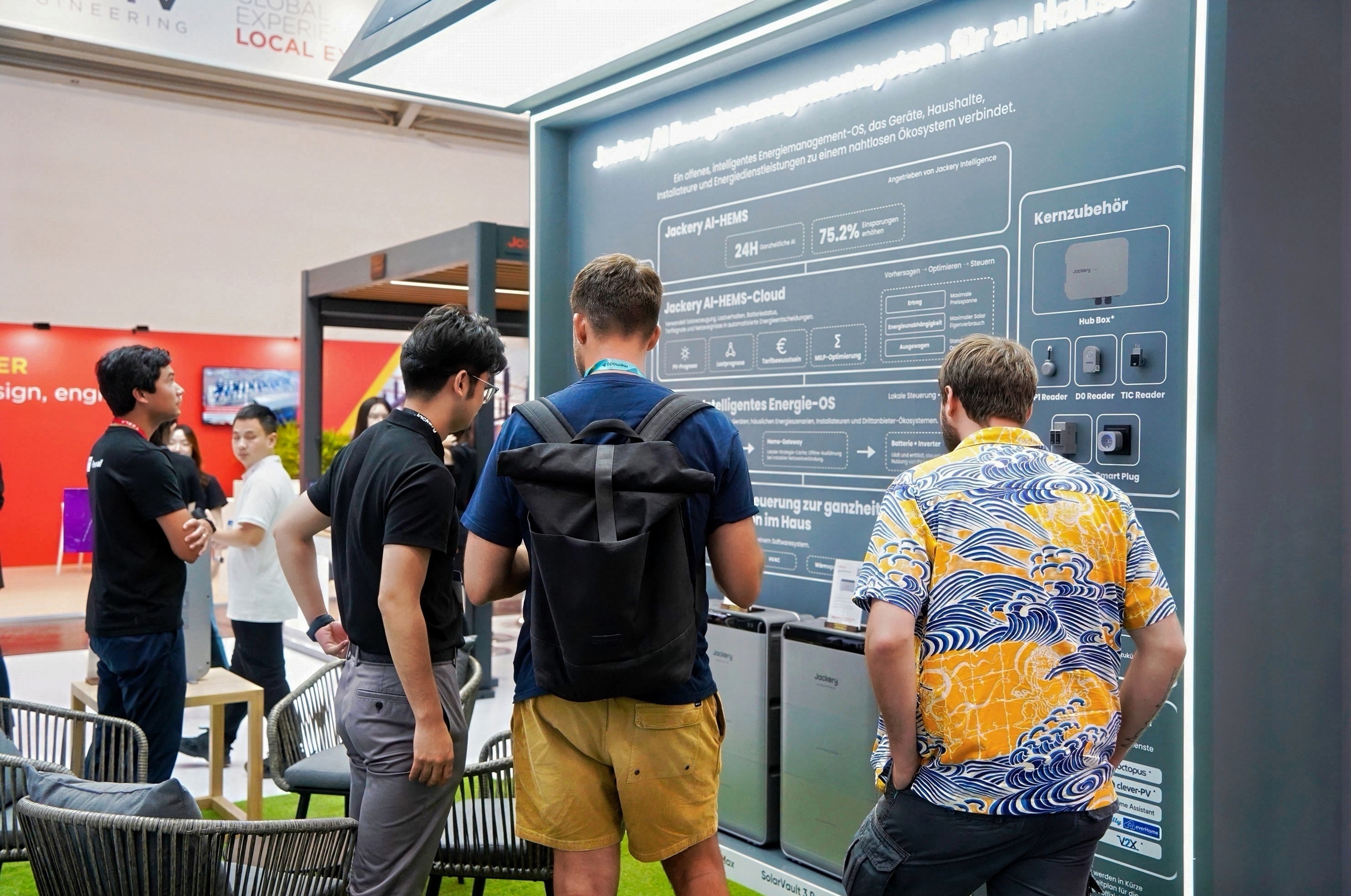
人潮涌动的展馆里,中国C端储能赛道的目光再次聚焦于华宝新能这家“出海老将”身上。本次出展,华宝新能旗下品牌Jackery带来了一项重磅的全球首发成果:其家庭能源体系迈出关键一步,打造AI家庭能源管家——Jackery Ark AI EMS横空出世。

不同于以往,以炫目的硬件产品、狂飙的参数突破作为展位上的主角,华宝新能这一次选择在行业盛会上将一个“软件系统”推向前台。此举的象征意义明确:其家庭储能业务,正从“被动使用”迈向“主动优化”的新阶段。

熟悉华宝新能的人都深悉,这绝非一次偶然的技术突破。

多年来,这家曾长期统治便携储能赛道的企业,已悄然将研发重心向户用储能延伸。如今,随着Jackery Ark AI EMS浮出水面,外界终于得以窥见华宝新能“软件+硬件”双引擎战略的完整轮廓——这是一条试图跳出行业惯性、重构竞争护城河的新路径。

全新系统亮相海外之后,问题也随之而来:

在已经足够扎实的硬件基础上,华宝新能究竟构建出了一套怎样的管理系统?补齐软件能力的背后,其看到了哪些被行业长期忽略的真实痛点和应用场景?而在AI的加持下,家庭储能这个看似传统的赛道,又将衍生出哪些更具想象力的生态触点?


01

AI下场,执掌能源:

思考、可控、应变,如何实现“三位一体”?

对于不少已经安装了家庭储能系统的海外用户而言,使用体验并非总是愉快的。

表面上看,屋顶的光伏板在发电,墙边的电池在储电,一切井井有条。但深入到真实的日常场景中去,那些令人头疼的细节才逐渐浮出水面:

有的家庭凭感觉手动设置充放电时段,结果用电高峰时才发现电池早已放空,不得不从电网高价买电;有的系统为了追求卖电套利最大化,将电池电量过度出售,等到突发停电时,留给家庭的备用电力所剩无几。

还有更多用户发现,自己的储能设备仿佛一个沉默的“黑箱”——数据在跑,指示灯在闪,但没人解释得清楚这套逻辑究竟如何运转。一旦遭遇断电离线,系统更是直接陷入瘫痪,完全失控。

更令一些用户感到沮丧的是,光伏板、电池组、用电设备之间彼此割裂,各行其是。花大价钱攒出的一套系统,运转起来却像一支自乱阵脚的“草台班子”。

溯其根源,这不是某家厂商的失职,而是一个更为结构性的困境:

长期以来,储能设备的进化,始终围绕着容量与功率这两个核心维度展开。户储产品,本质上仍是一种“被动能源”——它能供电,却无法主动判断何时充、何时放、怎样用才最划算。用户拿到手的,是一件越来越“强壮”的硬件,但远非一个“懂决策”的谋士。

而Jackery Ark AI EMS想要完成的一步跨越,正是在此。

用具有进化能力的智能算法,替代依赖个人经验的手动操作和呆板的预设自动化程序。让系统居中统筹,化多元为单一,在可靠性与灵活性之间,寻找到那个曾经难以企及的平衡点。

具体而言,华宝新能的答案是三个词:会思考、可掌控、能应变——三者互为支撑,缺一不可。

其一,会思考。

“自动化”与“智能化”的真正分野在哪里?华宝新能的回应颇为直接:“让能源系统先想一步、替用户算账,并把账算给用户看。”

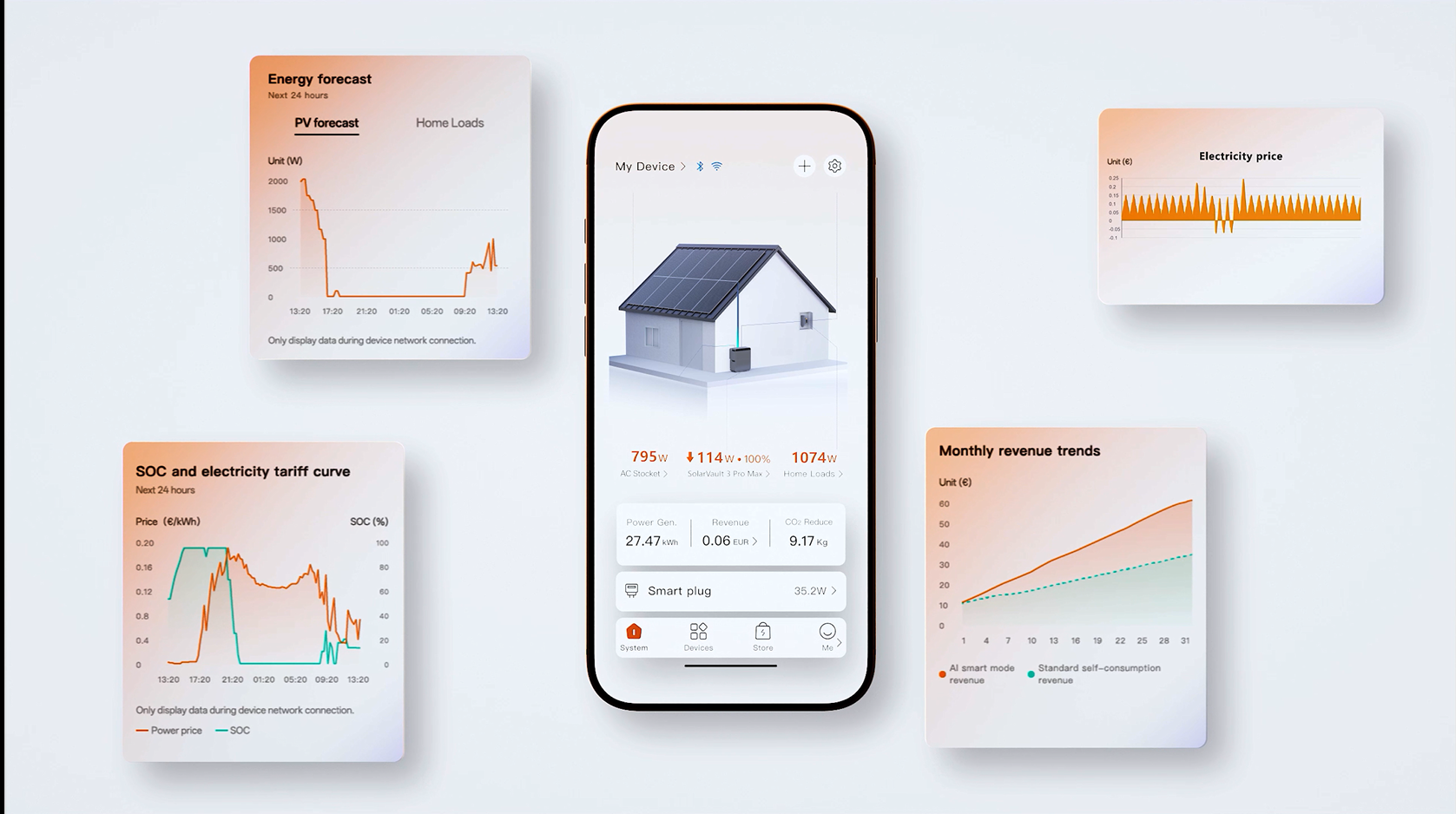
Jackery Ark AI EMS对外部用电环境保持着高度的“自觉”。其能够预测未来24小时内光伏发电量、用电负荷、电池状态乃至电网事件,并实时追踪动态电价、自动优化充放电策略,贯彻执行“低吸高抛”的交易策略,把电价的波动转化为家庭账户上实实在在的收益。

用户无需再盯着天气预报和电价曲线费心盘算,系统会自行做出决策。监测数据显示,在光伏加储能的典型场景下,这套AI优化逻辑最高可提升75.2%的节电效果。

更关键的是,这套系统并非“死脑筋”。它不依赖单一固定规则,而是提供均衡模式、套利模式与环保模式三种策略选项,用户只需围绕自身需求一键选择,系统便自动规划出最优路径。

其二,可掌控。

应当说,放权给AI,并非毫无条件。

一套能够主动思考的能源系统,必须建立在用户高度可掌控的基础之上。华宝新能对此有清醒的认知:Jackery Ark Al EMS的定位是“辅助决策”,而非凌驾于用户选择之上。

为了避免“自动化黑箱”越俎代庖、擅自盲动,华宝新能让AI生成的每一项充放电决策都实现了可视化与可解释。用户随时可以手动介入调整,而系统则会在约两小时后平稳地回到自动优化轨道,确保人工指令与AI策略不发生冲突。

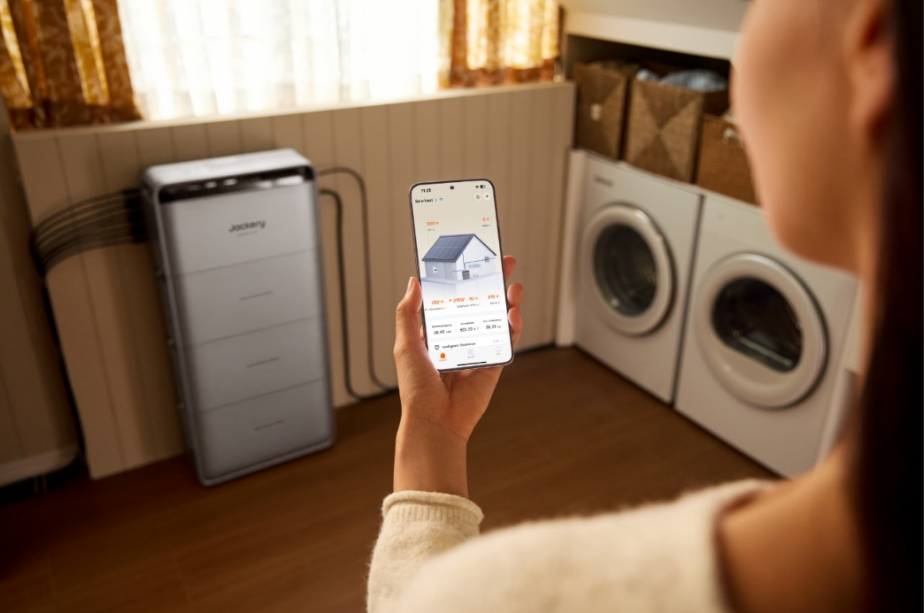
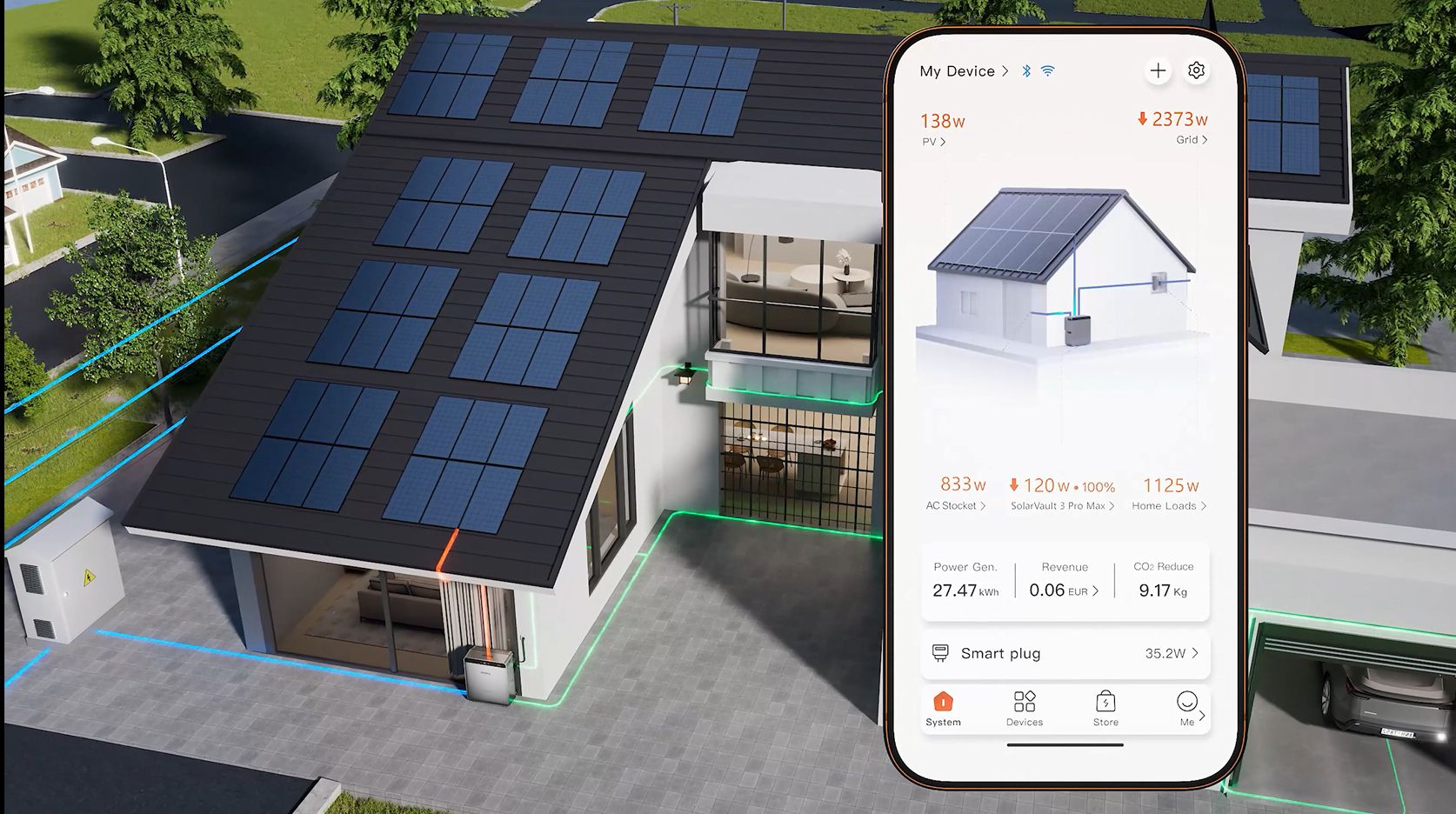
与此同时,Jackery APP将光伏发电、电池状态、家庭用电与电网供电整合于一个清晰界面。用户只需轻点屏幕,便能远程查看、切换模式。后台“全景敞视”、一览无余,大幅提升了家庭储能系统的透明度和可操作性。

其三,能应变。

在欧美供电环境不确定性日益攀升、家庭用电安全脆弱性骤增的当下,消费者对户储系统最核心的期待,其实朴素而迫切:在突发状况下,它必须能提供确定性,依然有条不紊、稳定运行。

Jackery Ark AI EMS给出的方案是借助家庭网关,支持核心策略本地化运行。即便网络变得不稳定,系统仍可维持运转。在恶劣天气来临前,它会主动向用户发出提示,并自动为电池补足电量。叠加EPS/UPS功能,一旦电网断电,设备仍能通过离网接口为家庭关键设备持续供电。


02

硬件软件,两路并进:

跨越“参数竞赛”,弯道超车的新路何在?

末流的产品策略,是贴身肉搏,靠不断重复、不断加料来争夺份额。

顶流的产品策略,是创新颠覆,靠重塑体系、升维提效来赢得青睐。

长期以来,户储出海赛道上的各大厂商,将最主要的竞争筹码押在了硬件堆砌上。能量密度、充放效率、极限环境耐受——围绕着这些核心指标,一场旷日持久的参数军备竞赛从未停歇。

在赛道方兴未艾、供给不足的早期拓荒阶段,任何一项硬件指标的优化都足以引来消费者的追捧。然而进入2026年,随着竞争格局的重新洗牌,海外用户的诉求正变得愈发复杂而挑剔。

传统的产品策略正在显露出其局限:它让户储产品越做越“重”,越卷越吃力,每次迭代带来的边际效益却越来越低。这与其说是竞争,不如说是一种“战术上的勤奋,战略上的懒惰”。

关键问题在于,如何才能摆脱这种沉重的路径依赖,真正从研发的“浅水区”挺进“深水区”?能否用算法系统的软性革新来“四两拨千斤”,最大化地激活现有硬件的效能,让使用体验从硬件指标的“线性发展”,跃迁为软件赋能下的“非线性跃升”?

华宝新能给出了一个值得关注的尝试。

它采取的策略,正是“硬件软件,两路并进”——让“会发电的硬件”与“会思考的软件”紧密咬合,从而找到了一条弯道超车的可能路径。

敢于“超车”的底气并非凭空而来,而是厚积薄发。

作为从全球便携储能硬件龙头向消费级光储生态引领者迈进的企业,华宝新能早已搭建起一个覆盖便携光储、庭院阳台光储、屋顶光伏瓦储能系统的多元硬件矩阵。截至2025年12月31日,其专利申请总量已达2766项,授权专利1212项——庞大的技术储备为产品安全与技术迭代提供了坚实支撑。

而Jackery Ark AI EMS的出现,扮演的正是那个“催化剂”的角色: 硬件负责“把电发好、存好、用安全”,软件则负责“把电用得更聪明”。

具体而言,这套AI能源管家所嵌入的硬件基座,便是华宝新能全新一代庭院阳台光储产品Jackery SolarVault 3系列。

作为一体化模块化光储系统,它集成了逆变器与磷酸铁锂电池,最高支持4,000W光伏输入与四路独立MPPT,能适配不同朝向、应对局部遮挡。其储能容量从2.52kWh起步,可模块化扩展至15.12kWh,灵活覆盖从城市公寓到大户型住宅的多元用电场景。

硬件与软件的深度耦合,最终交付给用户的,是一套高效可靠、智能灵活的家庭全场景绿电解决方案。


03

由点及面、再造生态:

如何勾勒一张更富想象力的家庭光储版图?

运用AI来优化产品,对华宝新能而言并非首次。

但此前的探索,更多聚焦于单一产品内部的提效与赋能。这一次,Jackery Ark AI EMS则更进一步——它真正成为家庭用电生态的“中枢神经”,由点及面,将户储体系的各个关键节点串联起来。

这张“全覆盖”的家庭光储版图,已经展现出清晰的轮廓:它不止步于对电池的管控,而是对接光伏、储能、家庭负荷与电网,实现全屋能源的协同调度。

据华宝新能透露,未来,这套系统的触角还有望向更深处延伸——接入热泵、电动汽车充电桩、暖通空调等高耗能设备。通过预留的开放集成能力和价值链接口,Jackery Ark AI EMS将实现与第三方能源平台、智能家居平台、生态合作伙伴,乃至虚拟电厂等未来能源服务的无缝衔接。

溯及根源,这并非一次孤立的布局,而是华宝新能多年来产品规划与战略路径自然生长、水到渠成的结果。

从便携储能Explorer系列,到庭院阳台光储SolarVault 3系列,再到美学曲面光伏瓦等屋顶光储产品,多条产品线彼此啮合,串联起“从室内到室外、从固定到移动、从发电储能到智能管理”的研发轴线。

让Jackery Ark AI EMS的“全覆盖”不再停留在概念层面的,正是各类实实在在的硬件入口——它们负责采集数据、调度能源,构成了从“卖硬件”走向“运营家庭能源系统”的关键一步。

而这也恰恰是华宝新能致力构建的新壁垒:将价值锚点从单品的参数指标,逐步转向能够长期陪伴家庭的软件能力。

毕竟,软件系统的迁移决策成本远高于硬件,它将成为华宝巩固和盘活庞大终端客户存量、提升客群黏性,并在此基础上锁定份额护城河的利器——对于老牌厂商来说这种“放大效应”尤为显著。

而将视角置于更广阔的产业周期之中,华宝新能的战略布局也恰逢其时:2026年,继便携储能的热潮之后,家庭光储在海外市场的普及进程,正迎来一个清晰的拐点。

地缘局势震荡、能源供应不畅、海外电网老化、自然灾害频发——多重因素催化之下,研究机构预计未来三年,家储行业的复合增速将接近15%。聚焦欧洲住宅市场,权威预测显示,2026-2028年间住宅光伏的装机增量将高达14.2GWdc。

面对这一结构性机遇,华宝新能试图向资本市场和消费者所讲述的是一个全新的增长叙事。

它不再是那个在“备货—去化”的库存周期中循环往复的硬件出口商,而是转向“硬件放量+软件生态+用户运营”的复合增长轨道。这条路漫长而艰难,但却是构筑长期壁垒的必经之途。


亿邦持续追踪报道该情报,如想了解更多与本文相关信息,请扫码关注作者微信。

文章来源:亿邦动力

广告
微信
朋友圈

这么好看,分享一下?

朋友圈 分享

APP内打开

赞 +1
+1
微信好友 朋友圈 新浪微博 QQ空间
关闭
收藏成功
发送
/140 0