广告
加载中

国产汽水扎堆复活 情怀究竟有多赚钱?

李金津 2026-06-12 16:28
李金津 2026/06/12 16:28

邦小白快读

EN
全文速览

本文梳理了国产老牌汽水从被外资雪藏到扎堆复活回暖的全历程,点明了行业现状与核心问题,核心干货如下:

1. 行业发展脉络清晰:上世纪90年代八大国产汽水厂被两乐合资雪藏,仅上海正广和幸存;2002年后品牌陆续收回经营权,2018年国潮兴起后全面走红,目前已有大窑2025年营收破50亿元、北冰洋迈入10亿元梯队,数十个区域品牌活跃在线下与线上市场。

2. 解答消费者核心疑问:国产汽水比同规格可乐贵,并非单纯收割情怀溢价,而是因为国产汽水体量小、产能分散,复古包装物流成本高,整体生产成本远高于靠全球化规模效应摊薄成本的两乐,且国产汽水实际盈利能力还远低于外资品牌。

3. 点明行业本质:情怀只能带来短期热度,无法支撑长期复购,消费者最终还是会为口感、性价比和产品体验买单。

本文梳理了国产汽水复活的发展路径,总结了可借鉴的经验与当前行业存在的核心问题,干货如下:

1. 营销与产品端经验:依托本土情怀唤醒用户认知,围绕Z世代消费特征调整营销,通过IP联名、地域跨界、社交话题打造产品社交属性,比如亚洲汽水联动王者荣耀、冰峰推出西安城市联名;产品端坚守经典口味,同时推多规格包装适配场景,开发低糖零卡款顺应健康趋势,延伸品类拓宽增长边界。

2. 渠道建设经验:避开两乐垄断的核心商超渠道,走错位竞争路线,比如大窑主攻餐饮渠道,占比超85%,同时布局线上电商、即时零售,抓住增量市场。

3. 现存核心问题:国产汽水普遍成本高、盈利能力弱,地域属性强限制全国化扩张,情怀无法支撑长期增长,低糖新赛道强敌环伺,突围难度大。

本文分析了国产汽水赛道的最新发展现状,给相关卖家梳理了当前的机会、风险和可借鉴的玩法,核心内容如下:

1. 市场机会:国潮消费兴起,Z世代主动拥抱国货,国产汽水赛道迎来整体回暖,目前已经跑出大窑年营收50亿元的头部品牌,大量区域品牌仍有增长空间;线上即时零售是核心增量,2023年上半年八大国产汽水即时零售销量同比增长35.6%,多个品牌增速超过35%,增量潜力大。

2. 可学习的运营玩法:错位竞争避开两乐把控的核心商超渠道,主攻烧烤、火锅、街边小吃等餐饮场景,线上布局直播带货、即时零售,营销端靠国潮IP联名打造社交属性吸引年轻用户。

3. 明确风险提示:行业整体存在扩张成本高、体量小成本控制难、盈利能力弱的问题,低糖零卡赛道已经被元气森林等品牌抢占,情怀难以支撑长期复购,全国化扩张容易出现扩张越快利润越薄的情况,需要提前规划规避风险。

本文分析了国产汽水复苏浪潮下,生产端的需求变化和行业机会,给汽水及相关饮品工厂带来不少启示,核心干货如下:

1. 产品生产设计需求:当前国产汽水一方面需要保留经典口味、复古包装来打情怀牌,满足核心用户的记忆需求;另一方面需要开发低糖零卡配方、新式风味、多规格包装,适配单人饮用、户外出行等不同场景,满足健康消费趋势,对工厂的柔性生产、多SKU生产能力要求更高。

2. 商业合作机会:国产汽水开启全国化扩张后,头部品牌为缩短物流半径降低成本,已经开始在全国布局多个生产基地,给各地代工工厂带来了稳定的合作机会,复古玻璃瓶包装的生产也有持续稳定的需求。

3. 数字化转型启示:头部品牌大窑已经建成七大智能生产基地,说明推进智能化生产可以有效降低生产成本,支撑品牌全国化布局,工厂需要加快升级数字化生产能力,才能适配品牌扩张的需求,获得更多合作机会。

本文梳理了国产汽水复活后的发展现状和核心痛点,给服务本土饮料品牌的服务商指明了行业方向和客户需求,核心内容如下:

1. 行业发展趋势:国产汽水依托国潮情怀进入增长快车道,资本纷纷入局,头部品牌陆续开启全国化扩张,整个赛道处于快速增长阶段,对各类第三方服务商的需求十分旺盛。

2. 客户核心痛点:多数国产汽水品牌存在成本控制能力弱、全国化物流成本高、线下渠道搭建难、品牌年轻化营销能力不足、新品突围难等问题;中小区域品牌缺乏全国经销商网络搭建能力,线上运营和营销能力不足,头部品牌需要降本增效的数字化生产、供应链整合解决方案。

3. 行业机会方向:服务商可以针对国产汽水的痛点,提供区域仓配一体化解决方案降低跨区域物流成本,提供品牌年轻化营销、社交内容运营、直播代运营等服务,还可以为中小品牌提供柔性生产代工服务,帮助品牌控制生产成本,抓住增长机会。

本文分析了国产汽水赛道的发展现状,以及品牌对零售平台的需求,给平台的招商、运营带来不少启示,核心干货如下:

1. 品牌合作需求:国产汽水正在从区域走向全国,线下品牌需要下沉餐饮、街边小店等非核心商超渠道的触达能力,线上品牌需要电商、即时零售的流量和运营支持,尤其是即时零售已经成为国产汽水的核心增量来源,品牌对即时零售平台的合作需求十分强烈。

2. 平台发展机会:国产汽水自带国潮流量属性,符合当前消费者的国潮消费趋势,能够吸引不同层级的用户,平台可以加大对国产汽水品牌的招商力度,推出针对性的合作扶持政策,丰富平台的产品供给。

3. 运营优化方向:可以结合国产汽水的地域属性,推出城市联名、地域特色产品专区活动,对接品牌打造联合营销活动,类似盒马和冰峰的西安城市联名就取得了不错的效果,同时可以依托平台数据给品牌提供用户需求洞察,帮助品牌开发适配线上的新品,实现平台与品牌的双赢。

本文梳理了国产汽水从被外资雪藏到复活回暖的完整发展脉络,总结了当前国产汽水的发展模式和存在的核心问题,为产业研究提供了丰富的样本,核心内容如下:

1. 产业新动向:国潮消费兴起带动本土老牌汽水全面复苏,大量头部资本密集入局,区域品牌纷纷开启全国化扩张,目前行业已经形成了不同层级的玩家阵营,跑出了大窑嘉宾等头部品牌,2025年大窑营收突破50亿元,行业整体增长速度较快。

2. 产业新问题:行业普遍存在规模与盈利的两难困境,国产汽水体量小,成本控制能力弱,终端定价高于外资可乐但实际盈利能力远低于对方;品牌地域属性强,核心用户圈层固定,全国化扩张会大幅推高运营成本,容易出现扩张越快利润越薄的问题,低糖新赛道已经被新品牌抢占,情怀作为驱动力不稳定,难以支撑长期增长。

3. 商业模式研究价值:当前国产汽水形成了“情怀唤醒+错位渠道+年轻化营销”的老品牌复苏模式,为本土老牌国货复兴提供了可研究的新样本,也揭示了老品牌复活需要解决的核心矛盾。

返回默认
声明:快读内容全程由AI生成,请注意甄别信息。如您发现问题,请发送邮件至 run@ebrun.com 。

我是 品牌商 卖家 工厂 服务商 平台商 研究者 帮我再读一遍。

Quick Summary

This article traces the full trajectory of China’s time-honored domestic soda brands from being sidelined by foreign conglomerates to their recent collective revival, outlines the current state of the industry and its core challenges. Key takeaways are as follows:

1. A clear development timeline: In the 1990s, China’s eight major domestic soda makers were sidelined by Coca-Cola and PepsiCo through joint ventures, leaving only Shanghai Ziganghe as the sole survivor. Brands began regaining operating rights after 2002, and rose to mainstream popularity following the boom of China’s Guochao (national tide) movement in 2018. Today, Dayao is on track to hit 5 billion yuan in revenue by 2025, Beijing Arctic Ocean soda has crossed the 1 billion yuan revenue threshold, and dozens of regional brands are active across both online and offline markets.

2. Addressing consumers’ top question: Domestic sodas are priced higher than same-sized Coca-Cola/Pepsi products not because they simply cash in on nostalgia, but because smaller production volumes, fragmented manufacturing capacity and higher logistics costs for vintage packaging push their overall production costs far above those of Coca-Cola and PepsiCo, which leverage global scale to lower unit costs. As a result, domestic brands still have far lower profitability than their foreign rivals.

3. Core insight about the industry: Nostalgia only drives short-term hype, not long-term repeat purchases. Ultimately, consumers base their choices on taste, price-value ratio and product experience.

This article maps the growth trajectory of revived domestic soda brands, summarizes actionable lessons and core challenges facing the industry today. Key insights are as follows:

1. Marketing and product takeaways: Brands can leverage local nostalgia to awaken consumer recognition, adjust their marketing to align with Gen Z consumer preferences, and build social shareability through IP collaborations, region-focused crossovers and viral social topics — for example, Asia Soda’s collaboration with *Honor of Kings*, and Bingfeng’s co-branded campaign with the city of Xi’an. On the product side, brands retain classic flavors while rolling out multi-sized packaging for different usage scenarios, launching low-sugar and zero-calorie lines to meet health trends, and expanding product categories to drive new growth.

2. Channel building lessons: Brands avoid the core supermarket channels dominated by Coca-Cola and PepsiCo in favor of differentiated competition. For example, Dayao focuses primarily on the food service channel, which accounts for more than 85% of its revenue, while also expanding into e-commerce and instant retail to capture incremental market share.

3. Core existing challenges: Most domestic soda brands face high production costs and weak profitability, strong regional ties that hinder national expansion, and the limitation that nostalgia cannot sustain long-term growth. They also face intense competition in the fast-growing low-sugar product segment, making market breakthroughs extremely difficult.

This article analyzes the latest state of China’s domestic soda track, and outlines current opportunities, risks and actionable strategies for relevant sellers. Key content is as follows:

1. Market opportunities: Fueled by the rise of Guochao consumption and Gen Z’s embrace of domestic brands, the domestic soda segment is seeing a broad revival. A leading brand Dayao has already reached 5 billion yuan in annual revenue, leaving ample growth room for numerous regional brands. Online instant retail is the core growth driver: in the first half of 2023, instant retail sales of China’s eight major domestic soda brands grew 35.6% year over year, with multiple brands posting growth rates above 35%, pointing to strong incremental growth potential.

2. Actionable operating strategies: Adopt differentiated competition to avoid the core supermarket channels controlled by Coca-Cola and PepsiCo, and focus instead on food service scenarios such as barbecue restaurants, hot pot venues and street food stalls. Expand into live-stream e-commerce and instant retail online, and build social appeal for younger consumers through Guochao IP collaborations.

3. Key risk warnings: The industry broadly faces high expansion costs, poor cost control due to small scale, and weak profitability. The low-sugar and zero-calorie segment is already dominated by established players such as Yuanqi Forest. Nostalgia cannot sustain long-term repeat purchases, and national expansion often leads to thinner profits as growth speeds up, so sellers need to plan ahead to mitigate these risks.

This article analyzes changing production-side demand and industry opportunities amid the revival of domestic soda brands, and offers key insights for soda and beverage manufacturers. Key takeaways are as follows:

1. Product and design requirements: Today’s domestic soda brands need to retain classic flavors and vintage packaging to leverage nostalgia and satisfy core consumers’ nostalgic demands. At the same time, they must develop low-sugar and zero-calorie formulas, new flavors, and multi-sized packaging to fit different scenarios such as single-person consumption and outdoor activities, to align with health consumption trends. This puts higher requirements on factories for flexible production and multi-SKU manufacturing capacity.

2. Business cooperation opportunities: As domestic soda brands expand nationwide, leading brands are building multiple production bases across the country to shorten logistics distances and cut costs, bringing stable cooperation opportunities for local contract manufacturers. There is also sustained, stable demand for production of the vintage glass bottles characteristic of these brands.

3. Insights for digital transformation: Leading brand Dayao has already built seven smart production bases, demonstrating that intelligent manufacturing can effectively cut production costs and support national brand expansion. Factories need to speed up upgrading their digital production capabilities to meet the needs of expanding brands and secure more cooperation opportunities.

This article outlines the current state of China’s revived domestic soda sector and its core pain points, and clarifies industry direction and client demand for service providers serving local beverage brands. Key insights are as follows:

1. Industry development trends: Driven by Guochao nostalgia, domestic soda brands are growing rapidly, attracting widespread capital inflows. Leading brands are rolling out national expansion one after another, and the whole sector is in a period of fast growth, creating strong demand for various third-party service providers.

2. Core client pain points: Most domestic soda brands struggle with weak cost control, high logistics costs for national expansion, difficulties building offline channels, insufficient capabilities for youth-focused brand marketing, and challenges launching new products. Small and medium-sized regional brands lack the capability to build a national dealer network and lag in online operation and marketing, while leading brands demand digital production and supply chain integration solutions to cut costs and boost efficiency.

3. Promising opportunity areas: Service providers can target the sector’s pain points by offering regional warehousing and distribution integrated solutions to cut cross-regional logistics costs, providing youth-focused brand marketing, social content operation and live-stream operation services, and offering flexible contract manufacturing for small and medium-sized brands to help them control production costs and capture growth opportunities.

This article analyzes the current state of the domestic soda sector and brands’ demand for retail platforms, and offers key insights for platform investment attraction and operation. Key takeaways are as follows:

1. Brand cooperation demands: Domestic soda brands are expanding from regional to national markets. Offline brands need support to reach non-core channels including food service venues and neighborhood street stores, while online brands need traffic and operational support for e-commerce and instant retail. Instant retail in particular has become the core source of incremental growth for domestic soda brands, creating very strong demand for cooperation with instant retail platforms.

2. Platform growth opportunities: Domestic soda brands naturally carry Guochao appeal, align with current consumers’ Guochao consumption trend, and attract consumers across multiple tiers. Platforms can step up investment attraction for domestic soda brands, launch targeted support policies for cooperation, and enrich their product assortment.

3. Operational optimization directions: Platforms can leverage the regional roots of domestic soda brands to launch city collaboration programs and dedicated sections for local specialty products, and co-create joint marketing campaigns with brands — for example, Hema’s city collaboration with Xi’an-based Bingfeng delivered strong results. Platforms can also leverage their user data to provide consumer demand insights for brands, helping them develop new products tailored for online consumers, creating a win-win outcome for both platforms and brands.

This article traces the full development trajectory of China’s domestic soda brands from being sidelined by foreign investors to their recent revival, summarizes the prevailing growth models and core challenges facing the sector, and provides a rich case study for industrial research. Key content is as follows:

1. New industry trends: The rise of Guochao consumption has driven a broad revival of China’s time-honored local soda brands, attracting intensive investment from leading capital. Regional brands are pursuing national expansion en masse, and the sector has now formed a tiered competitive landscape with leading players such as Dayao Jiabin emerging. Dayao is set to cross 5 billion yuan in revenue by 2025, and the industry as a whole is growing at a relatively fast pace.

2. New industry challenges: The sector broadly faces a dilemma between scale and profitability. Domestic brands suffer from weak cost control due to their small scale, with higher retail prices than foreign cola brands but far lower profitability. Strong regional roots and fixed core user bases mean national expansion sharply pushes up operating costs, often leading to thinner profits as growth accelerates. The low-sugar growth segment is already dominated by newer domestic brands, and nostalgia is an unstable growth driver that cannot sustain long-term expansion.

3. Research value of the current business model: Domestic soda brands have developed a "nostalgia awakening + differentiated channel positioning + youth-focused marketing" revival model for time-honored brands. This provides a valuable new research sample for the revival of China’s legacy domestic brands, and highlights the core contradictions that legacy brands must resolve to stage a successful comeback.

Disclaimer: The "Quick Summary" content is entirely generated by AI. Please exercise discretion when interpreting the information. For issues or corrections, please email run@ebrun.com .

I am a Brand Seller Factory Service Provider Marketplace Seller Researcher Read it again.

比可乐贵两倍,你会买吗?

文丨李金津

编辑丨董金鹏

【亿邦原创】前两天,有人在网上买娃哈哈,获赠一瓶果然啵啵。这是宏胜集团出品的一款混合果汁汽水,品牌名KELLYONE。而宗馥莉的英文名,正是Kelly。

有人说,汽水饮料打响了宗馥莉掌控宏胜第一枪。但问题是,面对当下汽水行业市场格局,这份雄心到底有多大胜算呢?

放在十年前,冷柜里最显眼的不是百事可乐,就是可口可乐。但现在,站在琳琅满目的冷柜前,你可能得费一番功夫,纠结于喝什么滋味的汽水。

过去几年,一众自带本土记忆的国产汽水,正强势重回大众视野。2025年,起家于内蒙古的大窑营收突破50亿元,北京的北冰洋也迈入10亿元梯队。而它们身后,冰峰、亚洲汽水、八王寺等数十个区域性的国产汽水品牌,正频频出现在线下与社交平台。

国产汽水爆红以后,很快迎来各种挑战和消费者的疑问。同样规格,国产汽水为何比可乐贵两倍?多少人愿意为这份溢价驻足买单?这些品牌的天花板又在哪里?

图片

图片

从雪藏到反击,国产汽水的夏天来了

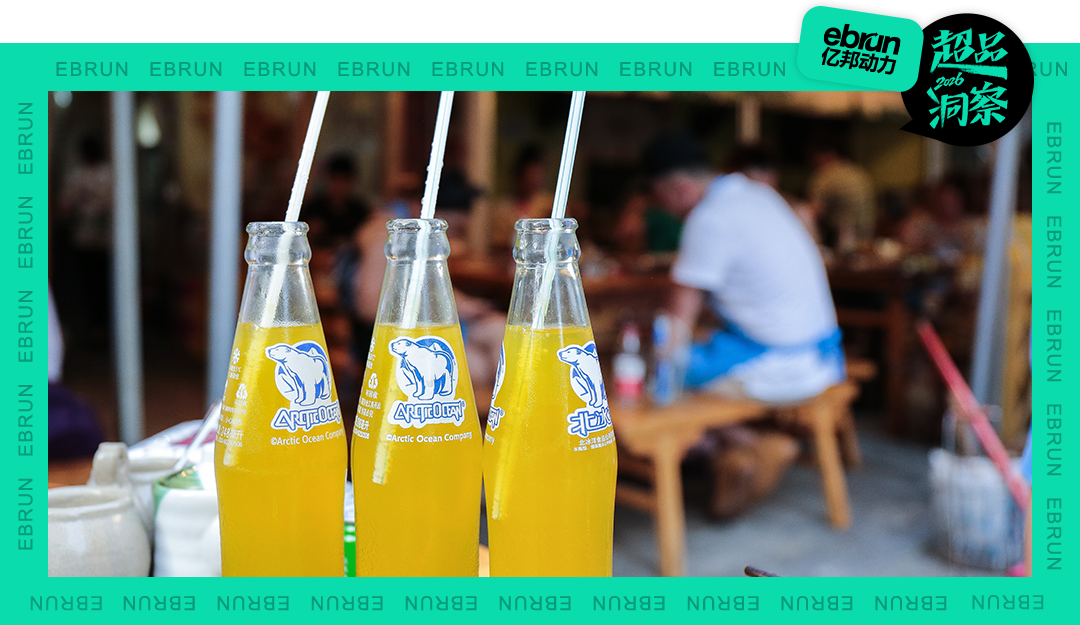
一地一味,一款汽水对应一片烟火。在北京,烧烤摊的北冰洋整齐排列,北极熊logo辨识度十足;在武汉,网红市集与夜宵摊里,复古风的汉口二厂随处可见;南下两广,沙示风味的亚洲汽水和珍珍荔枝汽水占据街边食肆。

不过,在大窑和北冰洋等火爆出圈以后,代表地方风味的国产汽水,其实不再安于一隅,目前都正借传统记忆走向全国市场。

老牌阵营里,北冰洋、冰峰、正广和等经典八大厂,依旧是情怀载体,承载着大众对老式汽水的最初印象;汉口二厂、大窑嘉宾、华洋汽水等,依靠年轻化走差异路线。再加上中小型汽水品牌,大大小小的玩家,一同撑起国货汽水的回暖行情。

但很多人并不知晓,如今再度走红的国产汽水,曾经历过近乎覆灭的寒冬。

上世纪80年代,可口可乐与百事可乐先后进入中国。彼时,国产汽水正处黄金时代的尾声,“八大厂(指北京北冰洋、天津山海关、青岛崂山、沈阳八王寺、武汉二厂、广州亚洲、上海正广和、重庆天府可乐)”几乎垄断了全国汽水市场。

1993至1994年,在“利用外资改造老企业”的政策背景下,外资并购潮汹涌而至。“两乐”以合资的名义,几乎将“八大厂”尽数收入囊中。老字号们奔着双赢完成并购,没想到这是雪藏的开始。

合资之后,北冰洋、亚洲汽水、天府可乐归入百事旗下,山海关、崂山、八王寺、武汉二厂被可口可乐收购。外资品牌逐步缩减本土汽水产能、冻结品牌宣传,一条条国产汽水生产线陆续停工,曾经家喻户晓的招牌渐渐从货架上消失。

唯有上海正广和坚持自主经营,成为八大厂中唯一的幸存者。这段行业往事,也被称作“水淹七军”。

转折发生在2002年。这一年,亚洲汽水厂经过艰难谈判,率先从百事手中收回控制权,吹响国产汽水反击号角。此后,八王寺、崂山可乐、北冰洋、天府可乐、山海关等相继完成商标、经营权或生产线回收(部分品牌还受到复产限制,时隔数年才重新上市)。

但并非所有老牌,都能顺利回归。比如原武汉二厂滨江商标,就未能从可口可乐手中追回,老厂主体只能被注销。2017年,本土创业团队全新注册“汉口二厂”商标,复刻老武汉汽水风味与复古玻璃瓶包装,才让经典汽水重生。

图片

2018年以后,国潮消费兴起,年轻消费者开始主动拥抱国货,蛰伏多年的老牌汽水终于逐渐走红。借着这股热潮,各大品牌一边唤醒怀旧记忆,一边挖掘新的增长空间。

坚守经典口味与复古包装,是老牌汽水立足市场的根基。北冰洋桔汁汽水、冰峰橙味汽水、亚洲沙示、崂山草本可乐等经典单品,至今仍是许多门店和商超的主力款。

为适配不同场景,这些品牌也陆续推出罐装、迷你便携装,兼顾单人饮用、朋友聚餐、户外出行等场景。传统汽水高糖,短板日渐凸显,为顺应健康消费潮流,北冰洋、崂山可乐等品牌相继推出低糖、零卡版本,调整原有配方。

慢慢地,他们也不再局限于汽水单一品类,逐步延伸产品线。比如大窑嘉宾在多款果味汽水之外,布局生椰植物蛋白饮料、山楂复合果汁;北冰洋跨界果汁、乳饮,尝试搭建综合饮品矩阵,不断拓宽品类边界。

绕开两巨头,靠错位夹缝崛起

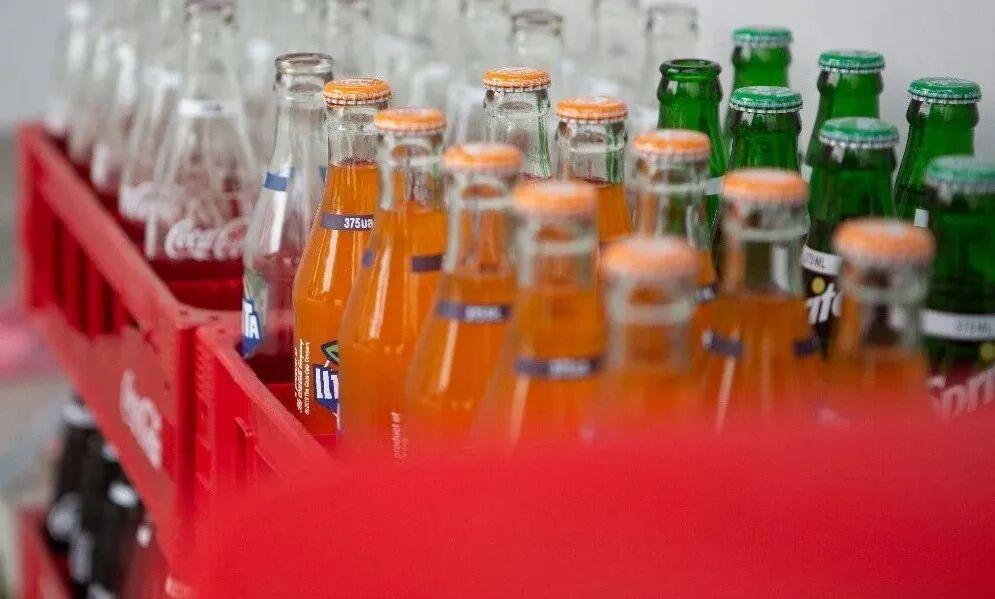
国内渠道,长期被可口可乐、百事可乐垄断。

有数据估计,“两乐”占据国内汽水约90%的市场份额。他们靠供应链和成本优势,牢牢把控着全国商超、连锁便利店和大型餐饮的核心货架。

图片

正面硬碰硬,区域国产汽水几乎没有胜算。避开巨头锋芒,走轻量化、场景化路线,成为多数国产汽水的共同选择。

比如北冰洋,在北京核心商圈开设12家品牌体验店,用沉浸式线下场景强化品牌调性;冰峰扎根西安本土,打造汽水主题博物馆,年均接待游客超10万人次。

大窑,则走出一条独有的渠道路径。他们放弃商超正面竞争,主攻烧烤、火锅、大排档、街边小吃店等餐饮场景。官方曾对外透露,2023年营收达到32亿元,其中餐饮渠道占比85%以上。大窑品牌创始人王庆东曾称,要做中国餐饮饮品引领品牌。

为支撑全国化布局,大窑在内蒙古、宁夏、辽宁、吉林、安徽、陕西、山东建成七大智能生产基地,缩短物流半径。凭借这套打法,大窑营收一路走高,2025年跨过50亿元门槛,甩开一众老牌汽水,成为国产汽水赛道的头部玩家。

线下之外,电商与即时零售,也成为国产汽水打通全国市场的关键。随着线上消费普及,各大老牌汽水纷纷开设线上店铺,布局短视频直播带货。

即时零售更是增量的主力。据某平台数据,2023年上半年,八大国产汽水即时零售销量同比增长35.6%,其中亚洲汽水增长59.4%,北冰洋增长37.3%,崂山汽水增长47.3%。

渠道破局之外,老牌汽水的复苏,还有赖于抓住年轻新人群和重做品牌营销。如今的消费主力是Z世代,他们追求新鲜感、热衷社交分享,传统老旧营销方式早已行不通。为此,各大品牌全面调整营销思路,围绕国潮、文旅和IP联名打造年轻化内容。

为迎合年轻人的尝鲜喜好,品牌在产品端跳出传统果味框架,研发花果、海盐、乌梅等新式风味;同时结合节日、地域推出限定产品,并频繁跨界文创、文旅和潮玩,打造联名款,赋予产品社交属性。

营销也花样百出,从IP联名、文旅罐、老字号×新消费跨界,到快闪市集、短视频开瓶声挑战,全方位包围年轻人。

亚洲汽水借势本土电竞热度,与《王者荣耀》及梗姐姐推出限定罐;

冰峰把兵马俑、大雁塔印上罐身,配合盒马鲜生做西安城市联名;

天府可乐还和太极藿香正气口服液搞出“藿香小可乐”跨界款;

北冰洋的体验店不仅推出特调,还打出“冰冰熊”IP,先后跨界汽车做定制车身盲盒。

靠情怀,高价国货能走多远?

国产汽水,热度飙升,资本也闻风而动。

KKR收购大窑85%股权,高瓴、顺为等头部投资机构加码汉口二厂,红棉股份筹划控股亚洲汽水,足以印证老牌汽水的价值。

资本密集入局,看中的是老牌汽水的市场潜力,也对品牌全国化扩张和规模增长提出更高要求。但不少品牌陷入现实难题,是深耕本地市场提高复购,还是全力向外突围?两难选择背后,是国产汽水行业与生俱来的盈利与规模困境。

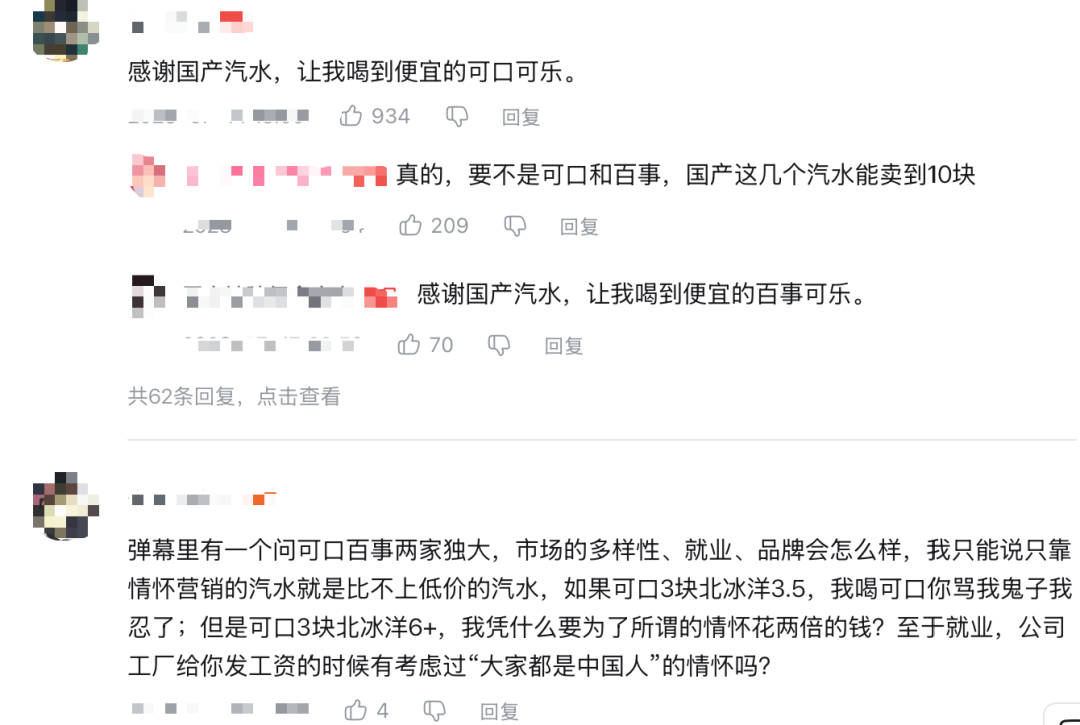
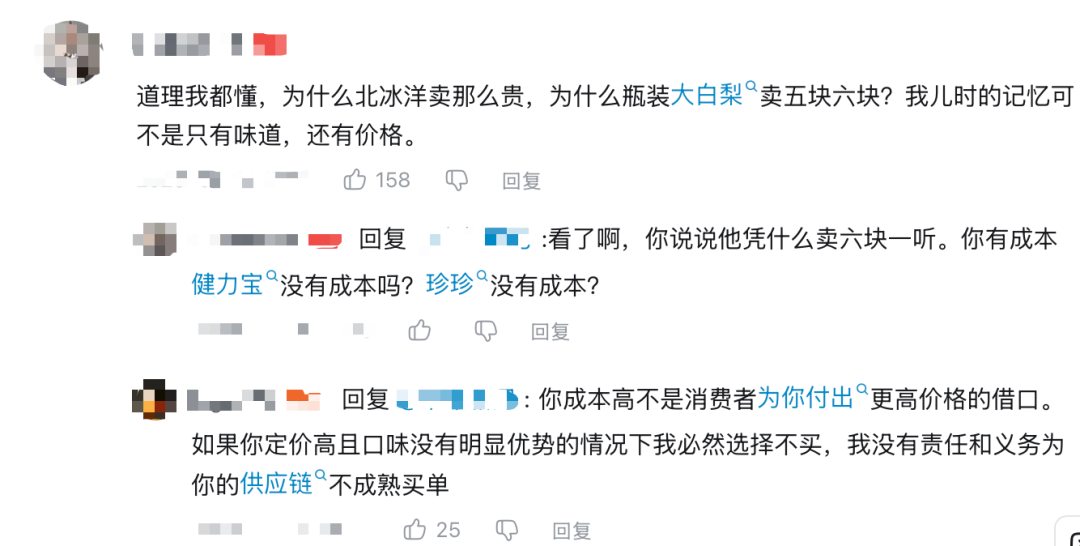
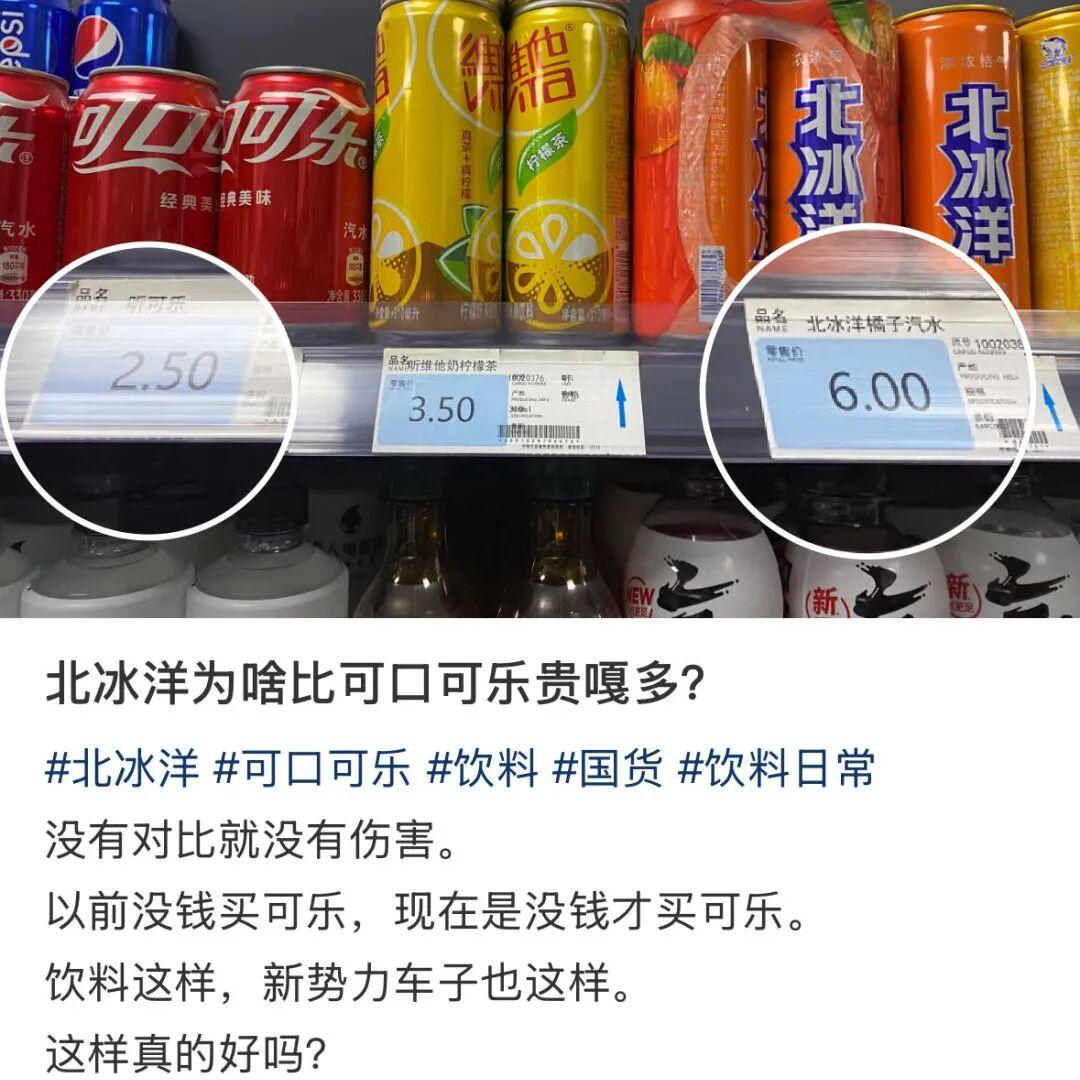
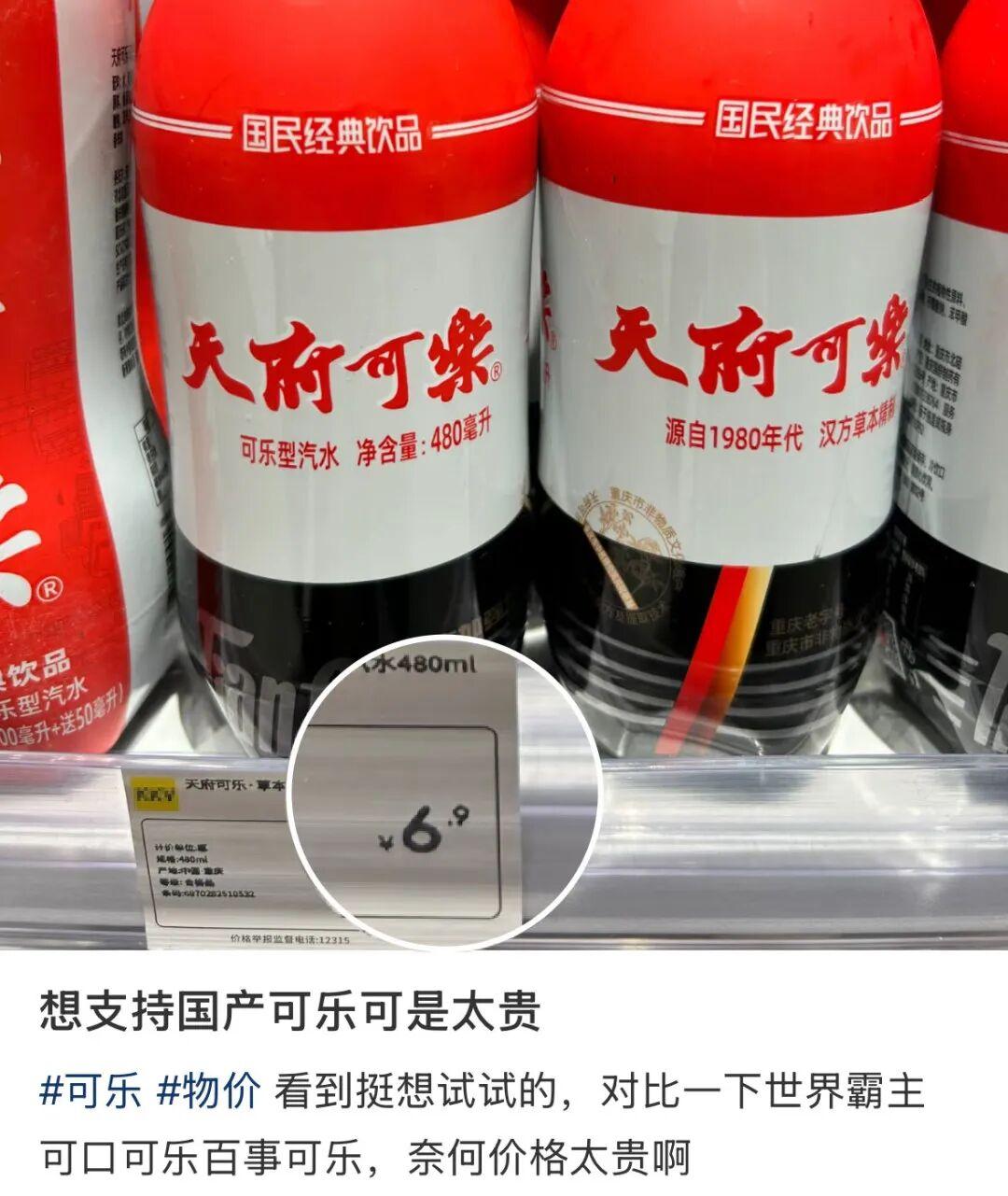
国产汽水爆红以后,随之而来的还包括消费者疑问。落到消费端,大众最直观的感知是贵。市面上500ml规格的国产汽水,终端零售价普遍在5元左右,而同规格的可口可乐、百事可乐仅售3元,线上促销价更低。

图片

图片

图片

国产汽水定价高于外资品牌,在某种程度上不是国产太贵,而是可乐太便宜。根据富途证券研报,一瓶500ml塑料瓶装的可口可乐成本价1.1元,其中0.2元外包装、0.6元瓶体及0.3元汽水成本,毛利率约63.3%。

而新势力元气森林,气泡水包装纸1元、PET瓶体0.5元、汽水成本0.5元,合计成本2元,但出货价却只有2.8元,折合毛利率低至28.6%。多数老牌国产汽水,盈利水平还不及元气森林,成本控制能力也薄弱。

外资品牌的低成本,来自全球化产能与百亿级营收带来的规模效应。可口可乐、百事可乐通过集中采购、标准化量产、全域物流体系,最大限度摊薄单瓶成本。

反观国产汽水,即便是行业头部大窑,2025年营收也刚突破50亿元,绝大多数老牌汽水年营收仅数亿元,体量差距悬殊。多数品牌产能分散、单厂产量有限,原材料、生产、仓储成本居高不下,尤其复古玻璃瓶包装,物流半径被严格限制在500公里以内,锁死全国化扩张的基础。

成本差异背后,老牌汽水的地域标签难以剥离,规模化扩张天生受限。目前多数国产汽水的核心爆款,依旧是带有浓厚地域色彩的复古玻璃瓶汽水、特色风味汽水。

冰峰八成以上营收来自陕西,亚洲沙示的核心受众集中在两广地区,受众圈层相对固定,很难复刻“两乐”全民通吃、全场景适配的大单品模式。品牌想要突破增长天花板,只能依靠新品迭代,但赛道早已内卷严重。

一旦开启全国化布局,品牌需要从零搭建异地经销商体系、铺设终端货架、投入本地营销费用,叠加跨区域物流、库存与运维成本,往往扩张越快、利润越薄。终端售价高于外资可乐,盈利能力却远不及对方,成为国产汽水的普遍困境。

各大品牌扎堆布局的低糖、零卡赛道,看似契合健康消费趋势,实则强敌环伺。一方面,偏爱老式汽水的核心消费者,大多习惯传统高糖口感,低糖、零卡新品接受度不高;另一方面,元气森林等新品牌早已抢占无糖气泡水赛道,凭借先发优势、成熟供应链牢牢守住市场,老牌汽水新品想要突围难度极大。

要知道,情怀是最不稳定的消费驱动力。情怀可以制造一时的热度、拉动短期销量,却无法支撑长期复购。年轻消费者愿意为复古颜值、童年记忆、国潮故事付费一次、两次,但最终的消费决策,依旧回归口感、性价比和产品体验本身。

亿邦持续追踪报道该情报,如想了解更多与本文相关信息,请扫码关注作者微信。

文章来源:亿邦动力

广告
微信
朋友圈

这么好看,分享一下?

朋友圈 分享

APP内打开

赞 +1
+1
微信好友 朋友圈 新浪微博 QQ空间
关闭
收藏成功
发送
/140 0