广告
加载中

心机商标爆雷 抄近道的品牌正在被拉黑

李金津 2026-06-08 16:36
李金津 2026/06/08 16:36

邦小白快读

EN
全文速览

本文核心曝光了当前市场上泛滥的“心机商标”套路,并告知消费者最新监管进展和避坑干货,具体如下:

1. 什么是心机商标:商家把描述产品品质、工艺、功效等的公共词汇抢先注册成商标,再通过包装排版误导消费者,翻车后就以“只是注册商标”免责,目前共有四类常见套路,分别是宣传工艺、暗示品质、标注产地、暗含分量,今麦郎、陈克明、白象等多个知名品牌都涉及这类问题。

2. 当前监管进展:中国商标网已经上线“心机商标”治理板块,开放全民举报通道并长期治理,截至今年6月已有1219个欺骗性商标被宣告无效。

3. 消费者避坑实操:不要只被包装上放大的商标文字误导,注意核对配料表、产品参数等真实信息,发现被骗可以通过商标网举报,也可以用选择投票拉黑耍心机的品牌。

本文梳理了心机商标的发展现状和监管趋势,为品牌商指明了当前的行业环境和未来品牌建设方向,干货如下:

1. 监管政策已经明确收紧,过去靠抢注描述性公共词汇做心机商标、躺赚十几年的路子已经走不通,目前国家已经开通全民举报渠道,大量违规商标被宣告无效,涉事品牌大多被迫停产整改,一旦翻车会引发消费者对全品牌的信任质疑,反噬品牌整体发展。

2. 此前品牌扎堆做心机商标的核心原因是犯错成本低、早期监管宽松、产品同质化下差异化见效快,但现在消费者辨别能力大幅提升,信息透明度高,文字套路很容易被曝光,反而会透支品牌商誉。

3. 未来品牌建设要走长期主义路线,打造原创性强的强商标,踏实做产品,传递清晰的品牌价值观,靠用户口碑积累商誉,而非靠文字套路投机取巧。

本文解读了最新的心机商标治理政策,为各类卖家梳理了潜在风险和市场机会,具体如下:

1. 最新政策明确:国家对心机商标开展长期治理,中国商标网开通全民举报通道,只要是带有欺骗性、误导消费者的商标,哪怕已经注册成功也会被宣告无效,违规卖家会面临监管处罚和舆论声讨,违法违规成本已经大幅提升。

2. 风险提示:卖家要尽快自查店内商品使用的商标,如果涉及套路性的心机商标,要尽早更换整改,避免翻车后全店信誉受到影响,甚至被消费者集体拉黑。

3. 机会提示:心机商标治理完成后,所有品牌回归同一起跑线,原来靠套路挤占的市场空间被释放,消费者现在更愿意为真实品质买单,踏实做产品、合规经营的卖家会获得更多增长机会,只要做好产品和真实营销,就能获得用户信任。

心机商标乱象和治理,对生产型工厂的发展也有诸多启示,干货如下:

1. 当前很多成熟行业产品同质化严重,不少品牌选择靠心机商标做差异化,而非在产品本身下功夫,这给工厂提了醒,未来市场竞争的核心是真实产品力,而非配合品牌玩文字噱头。

2. 消费端需求已经发生变化,现在消费者辨别能力提升,对产品真实品质的要求越来越高,工厂在产品生产和设计环节,要聚焦真实的品质提升,比如真的做工艺升级、真的满足健康需求,不要为了短期订单配合品牌做误导营销,否则最终会砸掉自身的生产口碑。

3. 心机商标时代落幕之后,市场竞争回归产品本身,重视研发创新、踏实做品质的工厂,会获得更多品牌方的长期合作,也会得到消费者的认可,拥有更稳定的发展空间,工厂要放弃短期投机思路,坚持长期品质路线。

本文曝光的心机商标乱象与治理,给各类相关服务商指明了行业发展趋势和新的业务机会,内容如下:

1. 行业发展新趋势:商标监管已经升级,从原来仅审核标识本身合规,转向打击注册后误导消费者的行为,长期治理心机商标成为新的监管方向,原来帮客户抢注描述性公共词汇套利的商标服务,已经没有生存空间。

2. 当前客户的核心痛点:很多过去布局心机商标的品牌,现在面临商标无效、合规整改、品牌信任修复的需求,同时大量品牌在同质化竞争下,需要新的差异化打造方案,不再需要靠文字套路投机的服务。

3. 新的业务方向:服务商可以转向帮品牌打造原创性强的强商标,帮助品牌梳理品牌价值观,打造基于真实产品的营销方案,同时为违规品牌提供合规整改和信任修复服务,抓住监管升级带来的新市场需求。

心机商标治理给各类平台商的运营和招商管理带来很多启示,干货如下:

1. 当前心机商标已经成为监管和消费者共同关注的行业乱象,不少入驻平台的商家都涉及这类问题,如果平台不提前处理,很容易引发负面舆情,甚至要承担连带责任,需要提前排查规避风险。

2. 运营管理方向:平台可以配合国家监管要求,开展平台内在售商品的商标排查,主动清理带有欺骗性的心机商标商品,既符合监管政策,也能提升消费者对平台的信任度,提升平台用户粘性。

3. 招商与发展方向:心机商标治理后,踏实做产品、合规经营的长期主义品牌会脱颖而出,平台可以调整招商方向,重点引入这类合规优质品牌,淘汰靠玩套路投机的商家,优化平台整体商家结构,规避行业整体口碑风险,提升平台的长期竞争力。

本文揭露的心机商标现象与治理,为产业和品牌研究提供了很多新的素材和方向,干货如下:

1. 产业发展新动向与新问题:在食品、家电等成熟行业,产品同质化竞争加剧,催生了靠抢注描述性公共词汇做心机商标的投机现象,食品是重灾区,这类套路犯错成本低、监管套利空间大,是行业竞争异化的新问题,值得深入研究。

2. 监管层面的新变化:过去知识产权与市场监管分属不同体系,带来了心机商标的监管漏洞,现在监管部门通过上线全民举报板块、开展长期治理的方式补全了监管漏洞,上千个违规商标被宣告无效,标志着靠商标投机的时代正式终结,这为研究监管政策完善提供了新的案例。

3. 商业模式研究的新启示:原来靠商标套利的短视商业模式已经不可持续,未来品牌竞争回归商誉和用户心智,长期主义、做真实产品的品牌建设模式会成为主流,为新消费环境下的品牌发展研究提供了新的方向。

返回默认
声明:快读内容全程由AI生成,请注意甄别信息。如您发现问题,请发送邮件至 run@ebrun.com 。

我是 品牌商 卖家 工厂 服务商 平台商 研究者 帮我再读一遍。

Quick Summary

This article exposes the widespread "tricky trademark" scheme rampant in the current market, and updates consumers on the latest regulatory progress and practical tips to avoid being scammed:

1. What are tricky trademarks: Businesses pre-emptively register common public terms that describe product quality, craftsmanship, and efficacy as trademarks, then mislead consumers through packaging and typography. When caught, they avoid liability by claiming they simply registered a trademark. There are four common types of schemes: highlighting craftsmanship, implying superior quality, claiming origin, and exaggerating net content. Multiple well-known brands including Jinmailang, Chen Keming, and Baixiang have been involved in such practices.

2. Latest regulatory progress: The China Trademark Website has launched a dedicated governance section for tricky trademarks, opening a public reporting channel for long-term governance. As of June 2024, 1,219 deceptive trademarks have been declared invalid.

3. Practical tips for consumers: Do not only be misled by the enlarged trademark text on packaging; always check authentic information such as ingredient lists and product specifications. If you find deceptive practices, you can report via the China Trademark Website, and vote to blacklist brands that use these tricks.

This article outlines the current status and regulatory trends of tricky trademarks, clarifying the current industry environment and future direction for brand building:

1. Regulatory policy has clearly tightened. The old practice of pre-emptively registering descriptive public terms as tricky trademarks for decades of easy profits is no longer viable. The state has now opened a public reporting channel, a large number of non-compliant trademarks have been declared invalid, and most involved brands have been forced to suspend production for rectification. A public scandal will trigger consumer distrust across the entire brand, undermining overall brand development.

2. The core reasons brands flocked to adopt tricky trademarks in the past were low penalty costs, loose early regulation, and fast differentiation amid widespread product homogenization. Today, however, consumers’ ability to identify tricks has improved greatly, information is far more transparent, and wording schemes are easily exposed, which ends up eroding brand goodwill.

3. Future brand building must follow a long-term approach: create strongly original, distinctive trademarks, deliver solid product quality, and communicate clear brand values, building goodwill through user word-of-mouth instead of seeking quick gains through wording tricks.

This article interprets the latest tricky trademark governance policy, and sorts out potential risks and market opportunities for all types of sellers:

1. The latest policy makes clear that the state is conducting long-term governance of tricky trademarks, and the China Trademark Website has opened a public reporting channel. Any trademark that is deceptive or misleading to consumers will be declared invalid even if it has already been registered. Non-compliant sellers now face far higher costs, including regulatory penalties and public condemnation.

2. Risk warning: Sellers should conduct an immediate self-inspection of the trademarks used by products in their stores. If any tricky deceptive trademarks are found, replace and rectify them as soon as possible to avoid damaging the reputation of your entire store, or even being collectively blacklisted by consumers, after a scandal breaks.

3. Opportunity insight: After the governance of tricky trademarks is completed, all brands will return to a level playing field. The market space previously grabbed by schemes will be freed up. Consumers today are more willing to pay for authentic quality. Sellers that focus on solid products and compliant operation will gain more growth opportunities, and earn consumer trust as long as they deliver quality products and honest marketing.

The tricky trademark chaos and subsequent governance offer multiple important insights for manufacturing-focused factories:

1. Many mature industries currently face severe product homogenization, and many brands pursue differentiation through tricky trademarks rather than investing in product improvement itself. This serves as a reminder to factories that the core of future market competition is real product capability, not cooperating with brands on wordplay gimmicks.

2. Consumer demand has shifted. Today’s consumers have better identification ability and higher requirements for authentic product quality. Factories should focus on real quality improvement in production and design — such as actual craftsmanship upgrades and meeting real health needs — rather than cooperating with brands on deceptive marketing for short-term orders, which will ultimately ruin your own production reputation.

3. After the era of tricky trademarks ends, market competition will return to focusing on products themselves. Factories that prioritize R&D innovation and consistent quality will secure more long-term cooperation with brand owners, win consumer recognition, and enjoy more stable development space. Factories should abandon short-term speculative thinking and stick to a long-term quality-focused route.

The tricky trademark chaos and governance exposed in this article clarifies industry development trends and new business opportunities for relevant service providers:

1. New industry trends: Trademark regulation has been upgraded. Instead of only auditing the compliance of the mark itself, regulators now target misleading practices after registration, and long-term governance of tricky trademarks has become a new regulatory priority. Traditional trademark services that profit from helping clients pre-emptively register descriptive public terms no longer have room to survive.

2. Core client pain points today: Many brands that adopted tricky trademarks in the past now need support to handle trademark invalidation, compliance rectification, and brand trust repair. At the same time, a large number of brands facing homogenized competition need new differentiation solutions, and no longer need services that enable speculative wording tricks.

3. New business directions: Service providers can pivot to helping brands build strongly original, distinctive trademarks, assisting brands in refining their brand values, and creating marketing strategies based on authentic products. They can also provide compliance rectification and trust repair services for non-compliant brands, to capture new market demand brought by regulatory upgrading.

Tricky trademark governance offers many insights for the operation and merchant management of all types of platform operators:

1. Tricky trademarks have become an industry issue of common concern to both regulators and consumers, and many merchants on e-commerce platforms are involved in such practices. If platforms do not address this issue proactively, they can easily face negative public opinion and even bear joint liability, so they should conduct proactive inspections to avoid risks.

2. Operational management direction: Platforms can cooperate with national regulatory requirements to conduct trademark inspections of products sold on their platforms, and proactively remove products with deceptive tricky trademarks. This not only complies with regulatory policy, but also improves consumer trust in the platform and boosts user retention.

3. Merchant recruitment and development direction: After tricky trademark governance, long-term-oriented brands that focus on solid products and compliant operation will stand out. Platforms can adjust their recruitment strategy to prioritize onboarding these high-quality compliant brands, phase out speculative merchants that rely on tricks, optimize the overall merchant structure on the platform, avoid industry-wide reputational risk, and improve the platform’s long-term competitiveness.

The tricky trademark phenomenon and governance exposed in this article provides new materials and directions for industrial and brand research:

1. New trends and issues in industrial development: As homogenized competition intensifies in mature industries such as food and home appliances, it has spawned the speculative practice of pre-emptively registering descriptive public terms as tricky trademarks, with the food sector being the hardest hit. This scheme has low penalty costs and large room for regulatory arbitrage, making it a new issue of distorted industry competition that deserves in-depth research.

2. New changes at the regulatory level: In the past, intellectual property and market regulation were managed by separate systems, creating regulatory loopholes that allowed tricky trademarks to proliferate. Regulators have now closed these loopholes by launching a public reporting section and conducting long-term governance, with more than a thousand non-compliant trademarks declared invalid. This marks the official end of the era of trademark speculation, providing a new case for research on regulatory policy improvement.

3. New insights for business model research: The short-sighted business model of profiting from trademark speculation is no longer sustainable. Future brand competition will return to focusing on goodwill and consumer mindshare, and the long-term, authentic product-focused brand building model will become the mainstream. This provides a new direction for research on brand development in the new consumer environment.

Disclaimer: The "Quick Summary" content is entirely generated by AI. Please exercise discretion when interpreting the information. For issues or corrections, please email run@ebrun.com .

I am a Brand Seller Factory Service Provider Marketplace Seller Researcher Read it again.

鸡贼营销该退场了

文丨李金津

编辑丨董金鹏

【亿邦原创】你或许也有相同经历,兴冲冲下单的手擀面,到手却是流水线机器面;标称120W快充适配器,实测功率不足四分之一;购买的一品牛肉干,看配料表却是猪肉干。

其实,“手擀” “120W” “一品牛”等都是商标,并不是商品性能。商家把描述产品品质、工艺、产地和功效的公共词汇,抢先注册成商标,再靠包装排版玩文字游戏,让消费者下意识信以为真。

靠着规则漏洞,一众品牌提前布局,不少舒服躺赚十几年。2004年,今麦郎就启动“手打”系列商标布局,两年后正式注册并量产挂面。2008年,古井贡酒申报“年份原浆”商标,靠文字暗示储酒年份与酿造工艺。2009年,壹号土猪注册“壹号土”商标……

一旦翻车,品牌就会搬出标准答案:这只是注册商标,不是产品承诺。但眼下,盘踞行业十余年的钻空子生意,正在迎来一场强监管。

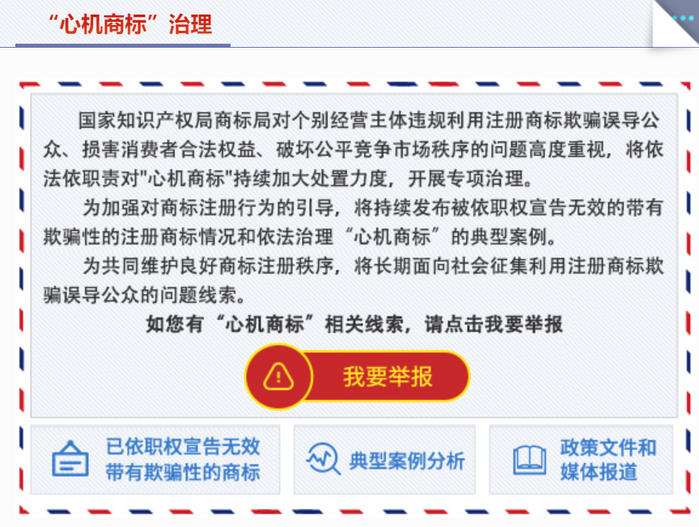
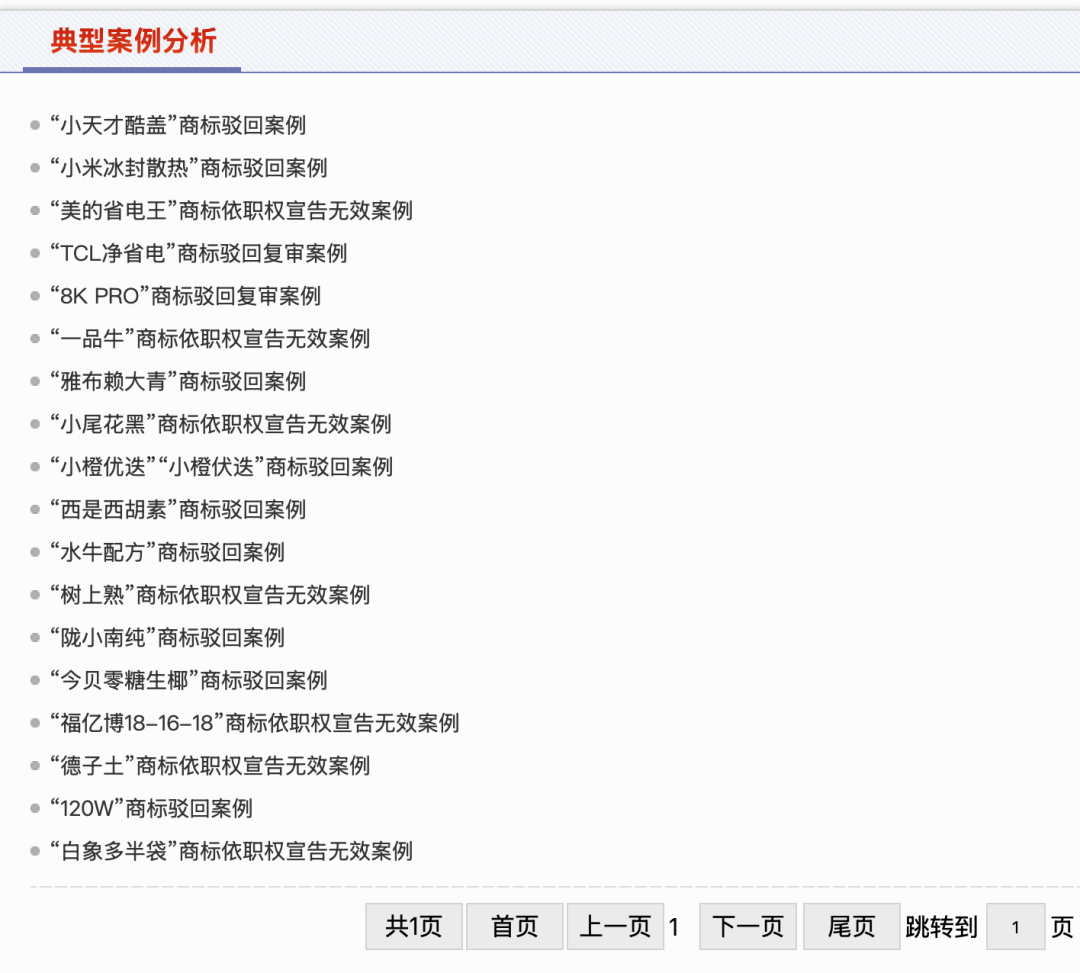
近期,中国商标网上线“心机商标”治理板块,向全民敞开举报通道,并将长期持续。截至6月8日,已有1219个带有欺骗性的商标被宣告无效,其中包括“白象多半袋” “120W” “德子土” “一品牛”等知名商标。

图片

图:中国商标网“心机商标”治理举报通道

监管之外,媒体监督报道热情高涨,消费者的抵触情绪也在不断攀升。当商标回归标识本质,所有品牌都被拉回同一条起跑线。潮水退去,品牌该靠什么留住消费者?

躲不过的心机商标,你中招了吗?

从被清理的商标清单来看,食品行业是心机商标的重灾区,其中“土味”概念商标占比最高。从中国商标网的信息来看,“XX土鸡”、“XX土猪”、“XX水牛”等商标泛滥,最近均被批量撤标。

我们梳理违规商标,发现“心机”套路就四类:

1 宣传工艺,比如“手打”、“古法”、“手作”、“鲜榨”等,营造手工溢价;

2 暗示品质,比如“0添加”、“百分百”、“纯天然”,击中健康消费需求;

3 表明产地,比如“原产”、“供港”、“某某地”,绑定优质产区高标准;

4 暗含分量,比如“多半袋”、“一倍半”等,主打更足分量,更高性价比。

过去一年,不少知名品牌都因“心机商标”陷入争议。白象2020年注册“多半袋”“多半桶”商标,结果对比常规70g面饼,远达不到“多半”的预期。挂面赛道,陈克明的“手擀”和今麦郎“手打”,全都由流水线机器量产,广告语却宣传“就像妈妈做的手擀面”。

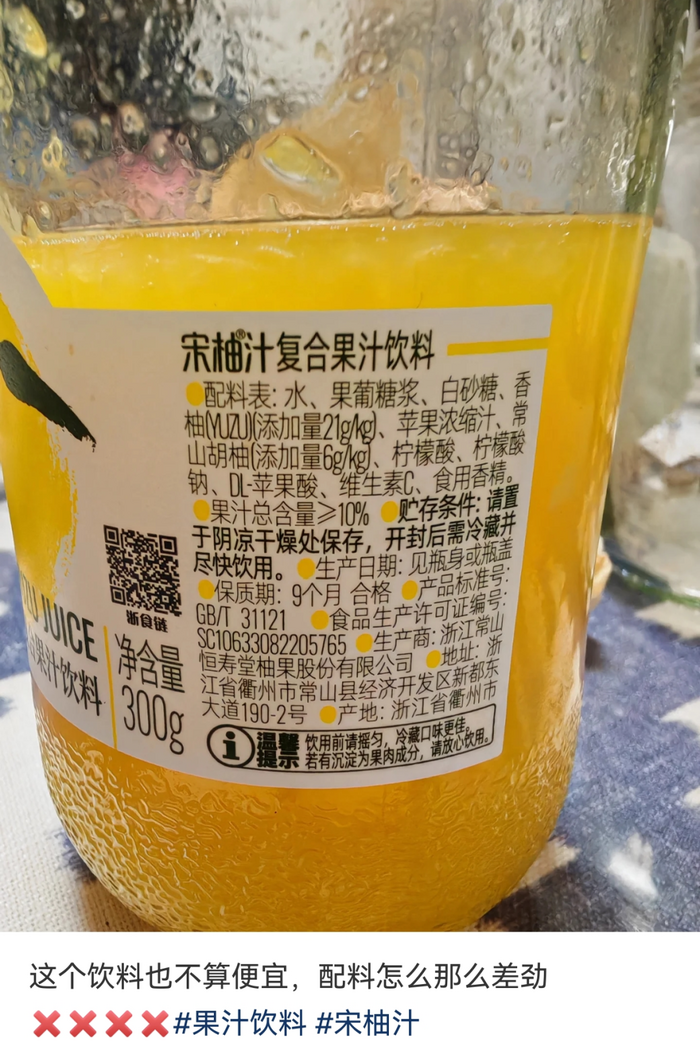
年销10亿的网红饮品宋柚汁,争议更突出,产品主打香柚、胡柚概念,但实测配料表最多是水,随后是果葡糖浆、白砂糖,核心卖点香柚+胡柚添加量只有2.7%。即便标注果汁含量≥10%,超七成都是廉价的苹果浓缩汁凑数,与消费者认知中的鲜果柚汁相去甚远。

图片

图源:爱出门的i人

除此之外,简爱酸奶注册“其他没了”商标,暗示成分干净,却因语义模糊引发大量误解;千禾味业的“千禾0”商标,也被消费者质疑,打着“零添加”的文字噱头误导市场。

不止食品行业,家电赛道同样乱象丛生。美的、格力、海尔和奥克斯等头部品牌,都曾扎堆申请“巨省电” “特省电” “省电侠”等功效型商标。只是,绝大多数申请都被商标部门直接驳回。

头部品牌,为何热衷于注册心机商标,原因很简单。他们把节能、高品质、大分量这类利好词汇注册成商标,再在包装上放大突出,消费者买东西时,自然会把商标文字当成产品真实效果。可一旦产品实测翻车,商家就以“只是注册商标”为由免责,完美避开虚假宣传的追责。

也正因这种“稳赚不赔”的套路,让消费者的愤怒越来越深。

今年4月,话题“部分商家承认120W是充电器商标”冲上热搜。某微博大V直言,这就类似于给自己孩子起了个名字叫王博士或者张市长,以前北京一个不怎么样的酒店就曾叫“某某七星酒店”,也是同理。罗永浩看不下去了,在该帖子下吐槽:“这么流氓是怎么注册成功的?”

心机商标的套路,不禁让人想起海参炒面的梗,都是“挂羊头卖狗肉”。顾客点了一份“海参炒面”,发现面里没有海参,质问老板,结果厨师走出来说:

“我叫海参,面是我炒的,所以叫海参炒面!”

明知会误导,品牌为何还要死磕?

监管铡刀落下,一众涉事品牌忙不迭出来回应,有人诚恳认错,有人委屈叫冤。

4月1日,今麦郎集团董事长范现国通过社交平台发布视频回应,承认“手打”为注册商标,并宣布立即停止生产所有带有“手打”商标的产品;

5月25日,陈克明食品股份有限公司发布道歉声明,称在产品表达上存在不严谨,给消费者带来困扰和误解,并宣布即日起全面停产、停售带有“手擀”相关表述的产品;

3月21日,千禾发布声明,称0系列是公司零添加产品的重要标识,设立的初心是为了对零添加产品做区别,不存在误导消费者的行为;

6月2日,壹号土猪创始人陈生表示,企业理解并支持国家整治“心机商标”的初衷,但认为“壹号土”商标在此次整治中被“误伤”。

图片

图:中国商标网-商标驳回案例

有意思的是,4月29日起,就有媒体多次联系克明食品,对方均未作出回应。直到5月25日央视曝光,舆论发酵,这份不那么有诚意的道歉声明才姗姗来迟,不知是真错了,还是怕了。

明明知道容易引发争议、得罪消费者,品牌为何还敢这么做?

原因之一就是忽悠成本低,套利空间大。一件商标官费几百元,注册投入几百到几千元即可长期使用。即便后期商标被判无效,多数情况仅废止商标使用权,极少追溯前期误导销售的违法所得,品牌犯错代价小。

十年前,武汉消费者起诉今麦郎手打挂面,法院判决认定“手打”商标误导手工认知、产品实为机制面,商家败诉赔付1.6万元,从司法层面坐实套路违规。但区区万元赔付,对营收数十亿的龙头企业构不成任何约束,今麦郎依旧堂而皇之地卖了十年。

对大多数消费者而言,维权成本远大于商品价值。即便是最终发现了,要么懒得耗时投诉,要么投诉无用,只能暗自吃下哑巴亏。

另一原因是,早期监管尺度偏松。过去,知识产权与市场监管分属两套监管体系。商标注册只审标识本身合规与否,审查环节拦不住品牌拿到商标后,在产品包装上刻意排版或暗藏误导话术。

而基层监管主要排查假货、三无产品和劣质商品,藏在注册商标里的文字陷阱,早年间没有纳入常态化巡检。大多只有收到集中投诉才会介入处置,等监管落地整治时,这类投机商标早已铺满全国大小商超。

此外,食品、日化、家电等成熟行业,产品同质化严重,研发创新周期长、风险高,商标成为最快见效的差异化工具。头部品牌率先布局获利,中小商家为了不被市场淘汰,也跟风效仿,最终让整个行业陷入全员投机。

但心机商标之于品牌,一面是蜜糖,一面是砒霜。消费者产生“又被文字游戏骗了”的认知后,不仅会拉黑涉事单品,还会对品牌全产品线产生信任质疑,甚至拖累整个行业的口碑。

如今,在消费理性化和健康化浪潮下,大众的消费认知、辨别能力大幅升级,不再是被动接收营销话术的盲从状态。并且,随着短视频科普、消费测评、打假内容全面普及,市场信息变得高度透明。商标里的文字游戏、配料表的猫腻、参数虚标的套路,很快就会被网友拆解和曝光。

“买的没有卖的精。”在一则揭露心机商标的短视频中,有消费者如此评论,“钞票就是选票,会永远拉黑耍心机的品牌。”

耍心机,其实跟做品牌背道而驰

有些品牌,可能也“委屈”。明明想依靠商标,在竞争中更快展现优势,怎么反倒产生负影响?

想知道为什么,得先搞明白商标是什么。品牌与商标的历史,可以追溯到古埃及时代,那时宫廷官僚通过它区分商品质量及产地。没有商标,则不可能成为品牌。

随着贸易全球化和世界工厂的出现(比如同样一双耐克的鞋,可能产自不同地区),商标的功能已由原来的区分商品或服务来源,衍生为商品品质的信誉保证。

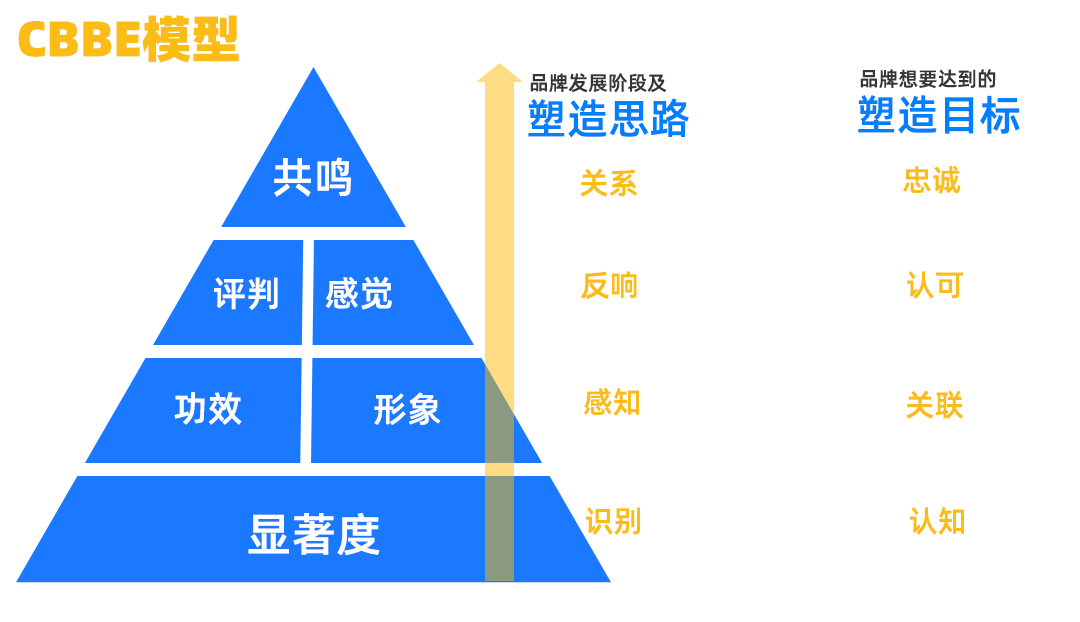
现代品牌理论,不管是大卫·阿克的五星资产模型,还是凯文·凯勒的CBBE模型(Customer-Based Brand Equity,基于消费者的品牌价值模型),都在说明一个事实:商誉和用户心智,比商标更为重要。

图片

品牌使用心机商标抄近道,同时也在为自家的商誉和用户忠诚度埋下雷,实则是本末倒置。

一般来说,商标和商品,两者之间的关系越远,商标作为承载商誉的作用才越显著。如果商标和商品的属性、性质、用途等关联性越强,反而不能很好得作为承载商誉的载体,可识别性也就越弱。

比如“海尔”“柯达”,这类商标完全自创,且本身并没有含义,属于强商标。这样的商标区分效果明显,商标法也赋予其最强的保护力度。尽管没有其他含义,但并不妨碍上述品牌成为知名品牌。

普通品牌卖产品,优秀品牌卖价值观。产品解决用户的物质需求,而品牌理念解决用户的精神归属需求。因此,好的品牌不是广告吹出来的,而是用户用出来的。

1997年,苹果濒临倒闭时,乔布斯在内部会议上劈头就说,对我来说,营销就是关于价值观的传达。他不跟对手比CPU频率、内存大小,而是用 “Think Different” 把苹果和 “改变世界的疯子” 绑在一起。“人们不会记住产品,会记住你代表什么。”他说。

品牌想靠商标做营销,其实是在主动丢掉自己的价值观。如果所有人都在靠文字吹牛,行业陷入无效内卷,最后谁都留不下真实口碑,只会集体消耗消费者的信任。

一个靠商标投机的时代,已然落幕。未来能被消费者记住、信任,并能产生忠诚的品牌,依旧是那些踏实做产品、诚恳做市场、有品牌价值观的长期主义者。

亿邦持续追踪报道该情报,如想了解更多与本文相关信息,请扫码关注作者微信。

文章来源:亿邦动力

广告
微信
朋友圈

这么好看,分享一下?

朋友圈 分享

APP内打开

+1
+1
微信好友 朋友圈 新浪微博 QQ空间
关闭
收藏成功
发送
/140 0