广告
加载中

Q3利润承压 “申诉优赔“日均补偿商家超千万元 拼多多商家服务再升级

田雨 2026-11-24 16:24
田雨 2026/11/24 16:24

邦小白快读

EN
全文速览

总1:先看平台经营与商家服务的关键变化。

1.拼多多2026年第三季度营收1083.41亿元,同比增0.1%;非GAAP净利润310.20亿元,同比降1.2%;前三季度营收3269.28亿元,同比增6.2%,非GAAP净利润735.80亿元,同比降9.2%。

2.第三季度在线营销服务及其他收入598.19亿元,同比增12.1%;交易服务收入485.22亿元,同比降11.7%。研发费用50.59亿元,同比增16.8%。

总2:商家可关注的实操是“申诉优赔”。

1.服务面向全体商家开放,无需额外申请,平台自动识别和预审核符合条件的异常投诉、异常退款订单,商家在后台查看后点击“申诉领取退款”确认领取,平台直接打款。

2.符合条件的订单无需额外提交举证材料;有异议可自主申诉补充凭证,领取后仍有异议可申请复议或联系客服;平台称不影响店铺评分和售后数据。

3.平台单日处理商家申诉订单量达百万级,单日补偿金额超千万元,预计年度补偿数十亿元;另有疑似异常订单预警,核实后可取消订单。

总1:平台投入方向与品牌经营环境。

1.拼多多处于千亿扶持计划战略投入阶段,管理层称资源配置围绕供应链生态长期建设和平台持久竞争力,衡量标准是消费者能否获得更好产品和服务、商家能否建立可持续经营能力。

2.平台以消费者需求为导向,与商家共同重塑产业链研发和生产环节,关注重点从产量、产能和规模转向质量与品牌。

总2:品牌建设与产品升级的案例和信号。

1.临沂户外用品产业带商家在平台支持下,从代工生产转向以需求为导向并打造自主品牌,引入先进生产线和设备,核心零部件自主生产比例提升至90%以上,年销售额增长超10倍。

2.桐庐桂花案例中,平台支持完善生产、采收、分拣、包装标准,推动初级农产品深加工和品牌化,并改善产地仓储物流;商家溢价收购优质桂花,部分农户5天收入增加超1万元。

3.平台推出180余项治理举措,涉及食品标签、取暖商品虚假宣传、化妆品夸大宣传等,规则明确有助于减少品牌经营不确定性。

总1:商家服务升级和扶持政策。

1.“申诉优赔”采取商家申诉加平台介入双通道,平台主动识别异常投诉、异常退款订单,对核实符合条件且商家责任较小的售后订单补偿货款、运费等损失。服务全体商家开放、无需额外申请,自动预审核,后台点击“申诉领取退款”即可,无需额外举证。

2.平台对异常账号进行风控标识、信用降级、权限限制等梯度约束与处罚;商家有异议可自主申诉、补充凭证,领取补偿后仍可申请复议或联系客服,且不影响店铺评分和售后数据。

总2:机会与风险提示。

1.机会在于农业产区源头标准、深加工和品牌化,制造业产业带从代工转向自主品牌和产品升级,平台提供需求洞察与供应链协作。

2.风险包括异常下单、异常评价、用户骚扰、恶意退款和不合理投诉;平台已提供疑似异常订单预警,核实后可取消订单,并持续开展准入、食品标签、虚假宣传等治理。

3.可学习点是把申诉成本降下来后,把精力放回选品和经营。

总1:生产和设计需求正向标准化、需求导向和品牌化变化。

1.农业产区从源头质量管控开始,平台帮助商家和农户完善生产、采收、分拣、包装等环节标准,支持初级农产品向深加工和品牌化升级,并改善产地仓储物流。

2.临沂户外用品产业带商家从以供给为导向转向以需求为导向,利用平台对新兴市场趋势的洞察打造自主品牌,引入先进生产线和设备,核心零部件自主生产比例提升至90%以上,降低外部采购依赖,年销售额增长超10倍。

总2:数字化和电商启示。

1.平台与商家共同重塑产业链研发和生产环节,关注重点从产量、产能和规模转向质量与品牌,并推动供应链数字化、智能化转型。

2.桐庐桂花案例采用新型电动采收工具和低温真空微波干燥技术,建立采收时间、水分含量和杂质控制标准,说明生产端技术升级和标准建设能提升商品化效率。

3.雄安的传统制造高质量发展综合服务中心围绕商家及商品准入审核、内容质量审核、广告治理、安全合规审核、商家服务等构建综合服务体系,为工厂对接平台提供支撑。

总1:行业趋势与客户痛点。

1.电商行业竞争加剧,平台过去依靠规模扩张形成的增长优势面临考验,供应链能力、商家经营效率和商品竞争力成为持续建设方向;拼多多处于千亿扶持计划投入阶段,研发费用同比增16.8%,销售及营销费用同比降16.6%。

2.商家痛点是异常订单、恶意退款、不合理投诉带来货款和运费损失,过去需自行整理订单物流凭证并等待审核,耗时耗人力;农业端还有桂花价格偏低、花期短、采收加工效率有限等问题,制造业产业带存在代工和外部采购依赖。

总2:解决方案与新技术。

1.“申诉优赔”用商家申诉加平台介入双通道,平台以技术手段和人工审核主动识别异常投诉退款,自动预审核并补偿,商家无需额外举证,有异议可申诉、复议或联系客服。

2.平台提供疑似异常订单预警,核实后可取消订单,并对异常账号做风控标识、信用降级、权限限制。

3.产业端通过源头标准、电动采收工具、低温真空微波干燥技术、先进生产线和品牌化服务,帮助客户提升效率与商品竞争力。

总1:平台面对的需求和问题。

1.拼多多增长放缓,第三季度营收1083.41亿元同比增0.1%,非GAAP净利润310.20亿元同比降1.2%;在线营销服务收入同比增12.1%,交易服务收入同比降11.7%,平台需要从规模扩张转向供应链能力、商家经营效率和商品竞争力建设。

2.商家需要更低成本的售后纠纷处理、异常订单识别和明确规则,平台需要维护消费与经营环境。

总2:平台最新做法与运营管理。

1.推出“申诉优赔”,全体商家开放、无需申请,自动识别预审核,商家后台确认领取后平台直接打款;单日处理申诉订单百万级、单日补偿超千万元,预计年度补偿数十亿元,并对异常账号做风控标识、信用降级、权限限制。

2.上线疑似异常订单预警,核实后可取消订单;今年推出180余项治理举措,第三季度30余项,覆盖个体商家准入、食品标签、虚假宣传、未成年人网络保护等。

3.雄安公司员工突破5000人,建设传统产业数据处理服务中心和传统制造高质量发展综合服务中心,围绕准入审核、内容质量审核、广告治理、安全合规审核、商家服务构建体系;下一阶段深化全产业链投入,推动供应链数字化、智能化转型。

总1:产业新动向与商业模式。

1.拼多多第三季度营收基本持平,非GAAP净利润同比下降,收入结构分化:在线营销服务及其他收入同比增12.1%,交易服务收入同比降11.7%;费用端销售及营销费用同比降16.6%,研发费用同比增16.8%。

2.平台处于千亿扶持计划战略投入阶段,从规模扩张转向供应链生态、商家经营能力和商品竞争力,并以消费者产品服务、商家可持续经营衡量投入。

总2:新问题与政策法规启示。

1.新问题包括增长放缓、利润承压、单季业务分化、投入回报周期不确定,以及商家异常售后成本高、申诉举证难,农产品价格低和采收加工效率有限,产业带代工依赖外部采购。

2.商业模式上出现商家申诉加平台介入双通道、自动预审核补偿、疑似异常订单预警、产业带品牌化和服务中心等做法。

3.政策法规启示是平台通过180余项治理举措覆盖商家准入、食品标签、取暖商品虚假宣传、化妆品夸大宣传和未成年人网络保护,强调严格规则、合规标准和平台治理框架重塑。

返回默认

声明:快读内容全程由AI生成,请注意甄别信息。如您发现问题,请发送邮件至 run@ebrun.com 。

我是 品牌商 卖家 工厂 服务商 平台商 研究者 帮我再读一遍。

Quick Summary

Summary 1: Platform operations and merchant services.

1. Pinduoduo's Q3 2026 revenue was RMB108.341 billion, up 0.1% YoY; non-GAAP net profit was RMB31.020 billion, down 1.2% YoY. For the first three quarters, revenue was RMB326.928 billion, up 6.2% YoY, and non-GAAP net profit was RMB73.580 billion, down 9.2% YoY.

2. Q3 online marketing services and other revenue was RMB59.819 billion, up 12.1% YoY; transaction services revenue was RMB48.522 billion, down 11.7% YoY. R&D expenses were RMB5.059 billion, up 16.8% YoY.

Summary 2: A practical merchant initiative to watch is the Appeal & Compensation program.

1. It is open to all merchants without a separate application. The platform automatically identifies and pre-screens eligible anomalous complaints and refund orders; merchants review them in the dashboard, click 'Appeal and Receive Refund' to confirm, and the platform pays directly.

2. Eligible orders require no additional evidence. Merchants with objections can file their own appeals and submit supporting documents; after receiving compensation, they can still request a review or contact customer service. The platform says this does not affect store ratings or after-sales metrics.

3. The platform handles millions of merchant appeal orders per day, with daily compensation exceeding RMB10 million and annual compensation expected to reach several billion yuan. It also provides warnings for suspicious anomalous orders, which can be canceled after verification.

Summary 1: Platform investment direction and brand operating environment.

1. Pinduoduo is in the strategic investment phase of its RMB100 billion support program. Management says resources are allocated around long-term development of the supply chain ecosystem and sustained platform competitiveness; the measure is whether consumers get better products and services and whether merchants can build sustainable operating capabilities.

2. The platform is consumer-demand oriented and works with merchants to reshape R&D and production in the industrial chain. Its focus is shifting from output, capacity, and scale toward quality and brand.

Summary 2: Cases and signals for brand building and product upgrading.

1. In Linyi's outdoor goods industrial cluster, merchants supported by the platform moved from contract manufacturing to demand-oriented building of their own brands, introduced advanced production lines and equipment, raised in-house production of core components to over 90%, and grew annual sales more than tenfold.

2. In the Tonglu osmanthus case, the platform supported improved standards for production, harvesting, sorting, and packaging; promoted deep processing and branding of primary agricultural products; and improved origin warehousing and logistics. Merchants bought high-quality osmanthus at a premium, and some farmers increased their income by more than RMB10,000 in five days.

3. The platform introduced more than 180 governance measures, covering food labeling, false advertising for heating products, and exaggerated cosmetic claims. Clear rules help reduce uncertainty in brand operations.

Summary 1: Merchant service upgrades and support policies.

1. The Appeal & Compensation program uses a dual-track mechanism of merchant appeals plus platform intervention. The platform proactively identifies anomalous complaints and refund orders, and compensates losses such as product payment and shipping for verified eligible after-sales orders with limited merchant responsibility. The service is open to all merchants, requires no separate application, and is automatically pre-reviewed. Merchants can click 'Appeal and Receive Refund' in the dashboard without extra evidence.

2. The platform applies tiered constraints and penalties to anomalous accounts, including risk-control flags, credit downgrades, and permission restrictions. Merchants with objections can appeal independently and submit evidence; after receiving compensation, they can still request a review or contact customer service, and this does not affect store ratings or after-sales metrics.

Summary 2: Opportunities and risk alerts.

1. Opportunities lie in source standards, deep processing, and branding in agricultural production areas, and in manufacturing clusters shifting from contract manufacturing to own brands and product upgrading, with the platform providing demand insights and supply chain collaboration.

2. Risks include abnormal orders, abnormal reviews, user harassment, malicious refunds, and unreasonable complaints. The platform already provides warnings for suspicious anomalous orders, which can be canceled after verification, and continues governance on admission, food labeling, and false advertising.

3. A key lesson is that once appeal costs are reduced, merchants can refocus on product selection and operations.

Summary 1: Production and design demand is shifting toward standardization, demand orientation, and branding.

1. Agricultural production areas start with source quality control. The platform helps merchants and farmers improve standards in production, harvesting, sorting, packaging, and other processes; supports the upgrading of primary agricultural products into deep processing and branded products; and improves origin warehousing and logistics.

2. In Linyi's outdoor goods industrial cluster, merchants shifted from supply-driven to demand-driven operations, used platform insights into emerging market trends to build their own brands, introduced advanced production lines and equipment, raised in-house production of core components above 90% to reduce reliance on external procurement, and grew annual sales more than tenfold.

Summary 2: Digitalization and e-commerce implications.

1. The platform and merchants are jointly reshaping R&D and production in the industrial chain, with focus shifting from output, capacity, and scale toward quality and brand, and driving digital and intelligent transformation of the supply chain.

2. The Tonglu osmanthus case uses new electric harvesting tools and low-temperature vacuum microwave drying technology, and sets standards for harvest timing, moisture content, and impurity control, showing that technology upgrades and standards at the production end can improve commercialization efficiency.

3. Xiong'an's comprehensive service center for high-quality development of traditional manufacturing builds an integrated service system covering merchant and product admission review, content quality review, advertising governance, security compliance review, and merchant services, providing support for factories connecting with the platform.

Summary 1: Industry trends and customer pain points.

1. Competition in e-commerce is intensifying. The growth advantage platforms built through scale expansion is being tested, and supply chain capabilities, merchant operating efficiency, and product competitiveness have become priorities for sustained capacity building. Pinduoduo is in the investment phase of its RMB100 billion support program; R&D expenses rose 16.8% YoY, while sales and marketing expenses fell 16.6% YoY.

2. Merchant pain points include losses in product payment and shipping from abnormal orders, malicious refunds, and unreasonable complaints. Previously, merchants had to compile order and logistics evidence themselves and wait for review, consuming time and labor. On the agricultural side, there are also issues such as low osmanthus prices, a short flowering period, and limited harvesting and processing efficiency. Manufacturing clusters remain reliant on contract manufacturing and external procurement.

Summary 2: Solutions and new technologies.

1. Appeal & Compensation uses a dual-track mechanism of merchant appeals plus platform intervention. The platform proactively identifies anomalous complaints and refunds through technology and manual review, automatically pre-reviews and compensates, and requires no extra evidence from merchants; merchants with objections can appeal, request a review, or contact customer service.

2. The platform provides warnings for suspicious anomalous orders, which can be canceled after verification, and applies risk-control flags, credit downgrades, and permission restrictions to anomalous accounts.

3. On the industry side, source standards, electric harvesting tools, low-temperature vacuum microwave drying technology, advanced production lines, and branding services help customers improve efficiency and product competitiveness.

Summary 1: Platform demand and problems.

1. Pinduoduo's growth has slowed. Q3 revenue was RMB108.341 billion, up 0.1% YoY; non-GAAP net profit was RMB31.020 billion, down 1.2% YoY; online marketing services revenue rose 12.1% YoY, while transaction services revenue fell 11.7% YoY. The platform needs to shift from scale expansion to building supply chain capabilities, merchant operating efficiency, and product competitiveness.

2. Merchants need lower-cost after-sales dispute handling, abnormal order identification, and clear rules, while the platform needs to maintain the consumer and business environment.

Summary 2: Latest platform practices and operational management.

1. It launched Appeal & Compensation, open to all merchants without application, with automatic identification and pre-review; after merchants confirm in the dashboard, the platform pays directly. It handles millions of appeal orders per day, with daily compensation exceeding RMB10 million and annual compensation expected to reach several billion yuan, and applies risk-control flags, credit downgrades, and permission restrictions to anomalous accounts.

2. It introduced warnings for suspicious anomalous orders, which can be canceled after verification; this year it launched more than 180 governance measures, including over 30 in Q3, covering individual merchant admission, food labeling, false advertising, and online protection for minors.

3. Pinduoduo's Xiong'an unit has more than 5,000 employees. The company is building a traditional industry data processing service center and a comprehensive service center for high-quality development of traditional manufacturing, with systems covering admission review, content quality review, advertising governance, security compliance review, and merchant services. In the next stage, it will deepen investment across the entire industrial chain and drive the digital and intelligent transformation of supply chains.

Summary 1: New industry trends and business models.

1. Pinduoduo's Q3 revenue was broadly flat, and non-GAAP net profit declined YoY. Revenue mix diverged: online marketing services and other revenue rose 12.1% YoY, while transaction services revenue fell 11.7% YoY. On the cost side, sales and marketing expenses fell 16.6% YoY, while R&D expenses rose 16.8% YoY.

2. The platform is in the strategic investment phase of its RMB100 billion support program, shifting from scale expansion to the supply chain ecosystem, merchant operating capabilities, and product competitiveness, and measuring investment by whether consumers get better products and services and whether merchants can operate sustainably.

Summary 2: New issues and policy/regulatory implications.

1. New issues include slowing growth, profit pressure, divergence across business segments in the quarter, uncertain investment payback periods, merchants' high abnormal after-sales costs and difficulty in providing evidence for appeals, low agricultural product prices and limited harvesting and processing efficiency, and industrial clusters' reliance on contract manufacturing and external procurement.

2. Business model innovations include a dual-track mechanism of merchant appeals plus platform intervention, automatic pre-review compensation, warnings for suspicious anomalous orders, industrial cluster branding, and service centers.

3. Policy and regulatory implications include the platform's more than 180 governance measures covering merchant admission, food labeling, false advertising for heating products, exaggerated cosmetics claims, and online protection for minors, highlighting stricter rules, compliance standards, and the reshaping of the platform governance framework.

Disclaimer: The "Quick Summary" content is entirely generated by AI. Please exercise discretion when interpreting the information. For issues or corrections, please email run@ebrun.com .

I am a Brand Seller Factory Service Provider Marketplace Seller Researcher Read it again.

【亿邦原创】拼多多正在经历一段增长放缓期。11月19日,拼多多发布2026年第三季度财报。第三季度,公司实现营收1083.41亿元,同比增长0.1%,基本与去年同期持平;非GAAP净利润310.20亿元,同比下降1.2%。前三季度,公司实现营收3269.28亿元,同比增长6.2%,非GAAP净利润735.80亿元,同比下降9.2%。

成立于2015年的拼多多,已进入发展的第12个年头。随着电商行业竞争持续加剧,平台过去依靠规模扩张形成的增长优势,正在面临新的考验。供应链能力、商家经营效率和商品竞争力,逐渐成为平台需要持续建设的方向。

拼多多集团联席董事长兼联席CEO赵佳臻表示,第三季度标志着公司迈向下一个十年高质量发展愿景又走过了一个完整年度。“过去一年,我们持续投入资源,升级商家生态体系并建设供应链能力,目前这些投入已经开始取得成效。”

这份三季度财报也为观察拼多多当前的经营策略提供了一个切口。营收增长放缓之际,平台的收入结构和费用配置发生了哪些变化?管理层反复强调的长期投入,具体落在了哪些业务环节?这些投入又能给商家带来什么?

01

营收停滞,但投入没停

从收入结构来看,拼多多第三季度两项核心业务出现了不同走势。在线营销服务及其他收入为598.19亿元,同比增长12.1%;交易服务收入为485.22亿元,同比下降11.7%。

两项业务一增一降,最终使总营收基本与去年同期持平。前三季度,在线营销服务及其他收入为1673.92亿元,同比增长6.1%;交易服务收入为1595.36亿元,同比增长6.2%。从前三季度整体表现来看,两项业务仍保持增长,但单季度的分化值得关注。

费用端也出现了变化。第三季度,拼多多总营业费用为319.34亿元,同比下降12.3%。其中,销售及营销费用为252.96亿元,同比下降16.6%;管理费用为15.79亿元,同比下降10%。与之相对,研发费用达到50.59亿元,同比增长16.8%。

销售及营销费用收缩,是总营业费用下降的主要原因;研发费用则继续增长。不同费用项目的变化,反映出平台在资源配置上的调整。尤其是研发投入的增加,与管理层持续强调的平台长期能力建设方向相呼应。

利润表现则呈现出不同走势。第三季度,拼多多非GAAP营业利润为326.43亿元,同比增长20.5%;非GAAP净利润为310.20亿元,同比下降1.2%。前三季度,非GAAP净利润同比下降9.2%。

对于季度财务表现和费用率的波动,管理层在电话会上表示,这与业务推进节奏及投资回报周期有关,不应该将单个季度的数据简单外推。目前,公司仍处于“千亿扶持计划”的战略投入阶段,资源配置将继续围绕供应链生态的长期建设和平台持久竞争力展开。

从管理层的表态来看,拼多多希望通过持续投入夯实平台经营基础。赵佳臻也提到,平台最终将以消费者能否获得更好的产品和服务、商家能否建立可持续的经营能力,来衡量投入成效,并以此指导未来的投资方向。

这也让商家经营环境成为观察这轮投入的重要维度。拼多多此前推出的“申诉优赔”,或许提供了一个具体观察窗口。

02

商家少扛一点,平台多做一点

对电商商家来说,一笔订单的成本往往不止商品本身。消费者下单后,商家还要承担备货、发货、物流以及售后处理等环节的成本。如果遇到异常订单、恶意退款或不合理投诉,货款和运费损失可能最终落到商家身上。

过去,商家遇到这类问题,通常需要自行发起申诉,整理订单、物流等相关凭证,再等待平台审核。申诉过程需要投入不少时间和人力,如果材料不足或审核未通过,商家还可能承担损失。

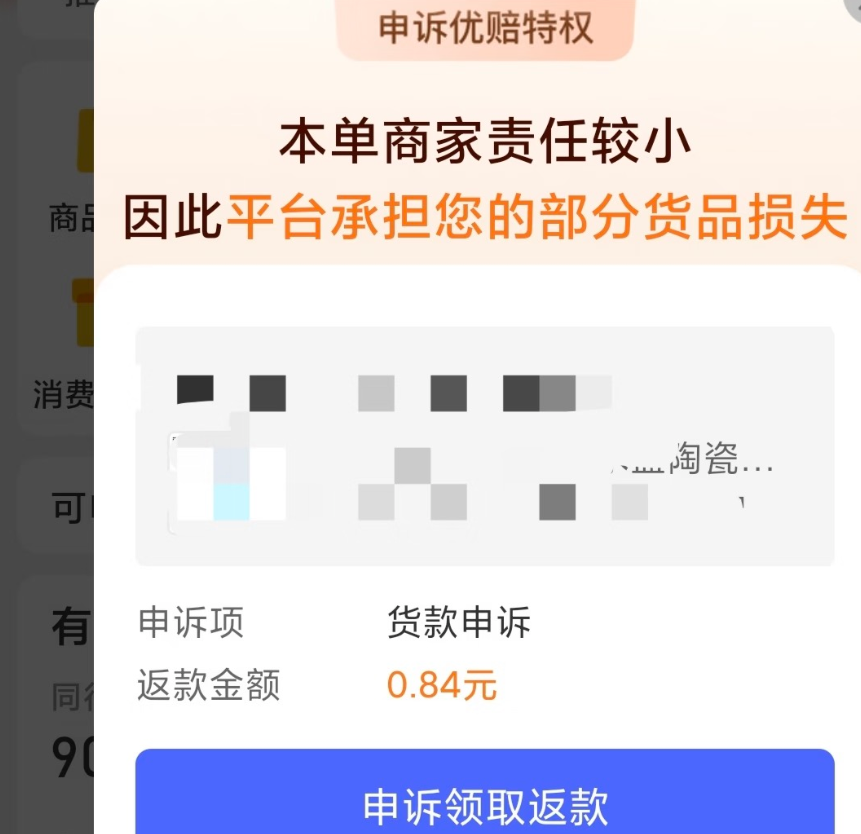
为此,拼多多升级了商家售后申诉服务,推出“申诉优赔”服务。据介绍,该服务采取“商家申诉+平台介入”的双通道模式:平台通过技术手段和人工审核,主动识别异常投诉、异常退款等订单。对于经核实符合条件、商家责任较小的售后订单,平台会补偿商家的货款、运费等损失。

这项服务面向全体商家开放,无需额外申请。平台会自动识别和预审核符合条件的订单,商家可以在后台查看相关订单,点击“申诉领取退款”确认领取,平台随后直接打款。符合条件的订单无需商家额外提交举证材料。

据拼多多商家服务团队相关负责人介绍,对经过核实的异常投诉、异常退款行为,平台也会对相关账号进行风控标识、信用降级、权限限制等梯度约束与处罚,持续优化平台的消费与经营环境,切实保障用户与商家的正常权益。

如果商家对预审核结果有异议,也可以选择自主发起申诉、补充凭证;领取补偿后仍有异议的,还可以申请复议或联系客服。平台同时表示,申诉优赔不会对店铺评分和售后数据产生负面影响。

在社交媒体上,不少商家也分享了自己的经历:最近收到了平台关于异常售后的补偿,申诉当天即可退回运费和货款,无需额外提供举证材料,申诉成本明显下降,可以把精力放回选品和经营上。“做小店经常担心遇到无理售后,没想到拼多多一直默默在为商家兜底,主动帮我们扛掉一部分损失,心里很踏实。”有人发文道。

根据平台披露的数据,这项服务目前单日处理商家申诉订单量达到百万级,单日补偿金额超过千万元,预计年度补偿金额可达数十亿元。

除了异常退款,商家经营中还存在异常下单、异常评价和用户骚扰等问题。例如,买家大量拍下商品却不提供定制信息,使用错误收货信息,商家无法发货;或者利用评价威胁商家降价、索要利益。针对这些情况,平台也会提供相应的申诉渠道和具体的应对说明。

不仅如此,此前平台还上线了疑似异常订单预警功能。当平台识别到一些疑似有风险的订单,会主动提醒商家,经过商家核实确认为异常订单的,平台审核通过后会取消订单。

此外,拼多多对商家的保障正从纠纷处理延伸至订单履约前的风险识别。平台开始承担更多异常识别、审核和损失补偿工作,帮助商家减少非正常交易带来的经营损耗。

03

“深化全产业链投入”

“申诉优赔”解决的是商家经营中的具体损失。要进一步改善商家的经营环境,还需要平台在规则治理、服务能力和产业链上持续投入。

据悉,拼多多持续在全域品类逐一开展“靶向式”专项治理:今年以来推出了180余项治理举措。仅第三季度单季,平台就推出30余项专项治理措施,涉及个体商家准入、食品标签、取暖商品虚假宣传、化妆品夸大宣传以及未成年人网络保护等多个领域。这些治理动作覆盖商家准入、商品质量、经营内容和消费者权益等环节。

对于商家而言,规则明确、违规边界清晰,有助于减少经营过程中的不确定性。“我们致力于通过严格规则维持较高的合规标准,并系统性地重塑平台治理框架,营造更加安全、规范和值得信赖的购物环境。”赵佳臻强调。

服务能力建设同样在推进。9月下旬,拼多多雄安公司员工数量突破5000人,传统产业数据处理服务中心、传统制造高质量发展综合服务中心初步成型。其中,传统制造高质量发展综合服务中心围绕商家及商品准入审核、内容质量审核、广告治理、安全合规审核、商家服务等环节,构建综合服务体系。

在售后和治理之外,拼多多的扶持还在向供应链上游延伸。正如赵佳臻所说:“我们不仅关注商家在平台上的短期经营表现,更重要的是关注支撑其经营发展的产业基础。”

今年的业绩电话会上,管理层提到,根据新的市场需求,平台不再局限于单向提供流量和销售支持,而是以消费者需求为导向,与商家共同重塑整个产业链的研发和生产环节,将关注重点从产量、产能和规模转向质量与品牌。

农业产区的扶持,首先从源头质量管控开始。拼多多帮助商家和农户完善生产、采收、分拣、包装等环节的标准,同时支持初级农产品向深加工和品牌化升级,并改善产地仓储物流。

桐庐桂花就是其中一个案例。过去,当地桂花面临价格偏低、花期短、采收和加工效率有限等问题,不少桂花无法及时转化为商品,只能留在枝头腐烂。在平台资源支持下,商家与当地村庄建立了紧密合作,在源头引入严格的采收时间、水分含量和杂质控制标准,同时采用新型电动采收工具以及低温真空微波干燥技术。今年收获季,商家开始溢价收购优质桂花,部分农户5天收入增加超过1万元。

在制造业产业带,拼多多则希望通过消费端反馈与供应链协作,帮助商家从代工生产转向自主品牌和产品升级。

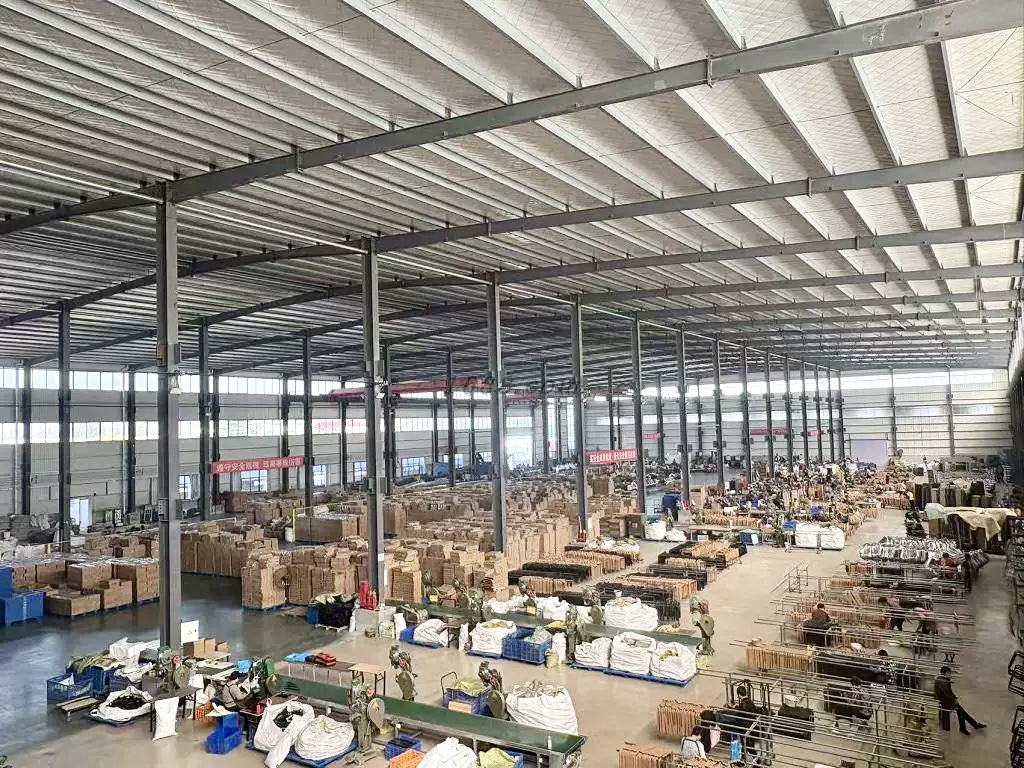
临沂户外产品仓库

以临沂户外用品产业带为例,当地商家此前主要以代工生产为主。在拼多多支持下,当地商家利用平台对新兴市场趋势的洞察,从以供给为导向的经营模式转向以需求为导向,并开始打造自己的品牌。同时,他们引入了先进的生产线和设备,核心零部件的自主生产比例提升至90%以上,降低了对外部采购的依赖。现在,相关商家年销售额增长超过10倍。

从售后兜底到重塑产业链,拼多多正以消费端需求为牵引,推动供给端完成从产能规模向质量品牌的跨越。赵佳臻表示,下一阶段拼多多将继续坚持迈向新十年的高质量发展战略,以长期主义和消费者导向为核心,深化全产业链投入,帮助商家提升产品和品牌能力,推动供应链数字化、智能化转型,并持续完善平台治理。

对拼多多而言,这些投入最终能否转化为更有竞争力的商品、更高效的供应链,以及商家可持续的经营能力,仍需要时间检验。

亿邦持续追踪报道该情报,如想了解更多与本文相关信息,请扫码关注作者微信。

本文首发于 亿邦动力 官方网站

文章来源:亿邦动力

广告
微信
朋友圈

FAQ回顾

拼多多的“申诉优赔”是什么?

“申诉优赔”是拼多多升级后的商家售后申诉服务,采用“商家申诉、平台介入”双通道模式。平台通过技术和人工审核主动识别异常投诉、异常退款等订单,对核实符合条件且商家责任较小的售后订单补偿商家货款、运费等损失。服务面向全体商家开放,无需额外申请,商家后台可查看并点击“申诉领取退款”确认领取。

拼多多申诉优赔能为商家补偿多少?

据平台披露,申诉优赔目前单日处理商家申诉订单量达到百万级,单日补偿金额超过千万元,预计年度补偿金额可达数十亿元。符合条件的订单无需商家额外提交举证材料,平台预审核后由商家确认领取,平台随后直接打款。

拼多多2026年第三季度营收和利润表现如何?

2026年第三季度,拼多多营收1083.41亿元,同比增长0.1%,基本与去年同期持平;非GAAP净利润310.20亿元,同比下降1.2%。其中在线营销服务及其他收入598.19亿元,同比增长12.1%;交易服务收入485.22亿元,同比下降11.7%。前三季度营收3269.28亿元,同比增长6.2%,非GAAP净利润735.80亿元,同比下降9.2%。

拼多多如何改善商家经营环境?

拼多多从售后兜底、规则治理和产业链投入三方面改善商家经营环境。售后端推出申诉优赔,主动识别异常订单并补偿商家损失;治理端今年以来推出180余项治理举措,第三季度单季推出30余项专项治理措施,覆盖商家准入、商品质量、虚假宣传和未成年人保护等领域;产业链端深入农业产区和制造业产业带,帮助商家提升质量、品牌和供应链能力。

拼多多的商家扶持对产业带商家有什么实际效果?

拼多多扶持正从售后和治理延伸至供应链上游。桐庐桂花案例中,平台支持商家与当地村庄合作,引入采收时间、水分含量和杂质控制标准,并采用电动采收工具及低温真空微波干燥技术,今年收获季部分农户5天收入增加超过1万元。临沂户外用品产业带商家则从代工转向自主品牌,核心零部件自主生产比例提升至90%以上,相关商家年销售额增长超过10倍。

这么好看,分享一下?

朋友圈 分享

APP内打开

赞 +1
+1
微信好友 朋友圈 新浪微博 QQ空间
关闭
收藏成功
发送
/140 0