广告
加载中

超60%新客率:大件消费决策前置 品牌如何在B站提前 “占座”

廖紫琳 2026-11-19 17:21
廖紫琳 2026/11/19 17:21

邦小白快读

EN
全文速览

总:大件消费别等双11当天再决定,决策往往提前发生。

1.买房装修、换家电前,可先看测评、拆解、改造记录,判断适不适合自家。

2.大件考虑清单很短,先比较容易提前锁定型号和品牌。

总:今年双11的数据和案例说明提前做功课有用。

1.家居家装新客率超60%,食品饮料93%、美妆鞋服88%、笔电成交新客率超66%。

2.石头科技、九牧、卡萨帝等借UP主内容获得高新客率,有的单条视频成交超百万。

3.好内容有长尾,挂链投放可跑两三个月,两年后还在带客。

总:大件品牌应把营销前置到消费者做功课阶段,双11更像交卷时间。

1.只在大促当月触达易抢存量,难抢增量;要进入用户功课,提前占座很短的考虑清单。

2.用B站测评、拆机、装修记录等深度内容讲清适不适合,借UP主长期信任种草。

总:可借鉴三个难点的解法。

1.冲刺力:石头科技10月8日、14日卡位开售前,新客率69%和77%,单条成交超百万、总消耗ROI超12。

2.品宣转化:垂类加泛分区,以养宠家庭地上毛场景带产品;花飞种收一体用花火优质内容+起飞覆盖蓄水种草转化。

3.专业转译:九牧借科学UP主讲除臭净味,新客率超60%;卡萨帝用海苔科普厨房场景讲油烟机,新客率84%、单条GMV超百万。

总:考核转向新客占比与新客ROI,内容长尾降低CPM和进店成本;中长视频讲清贵在哪,守住价格带。

总:大促角色变了,卖家要提前蓄水而非只在大促抢流量。

1.消费者大件决策前置,双11只完成价格和渠道选择;只在大促当月投容易买贵客群、抢不到增量。

2.机会在B站新客增量场:家居家装新客率超60%,数码家电、耐消品单品几年一换,几乎全是新客生意。

总:可学习点与风险提示。

1.提前到9月底、10月初铺内容,持续测评预热,把人群蓄满。

2.内容找对人、投对量:科技垂类加泛分区,生活场景切入,专业解读配生活场景。

3.合作方式可用花火优质内容+起飞,覆盖前置蓄水、深度种草、集中转化;UP主视频带货同比增长41%。

4.风险是只讲品牌易空转、只讲转化易透支信任;考核别唯GMV,要看利润率、复购、新客占比和新客ROI。

总:文章虽未直接讲生产,但大件决策前置给工厂的产品与电商合作提供了启示。

1.产品要能解决真实生活痛点,卖点要可被通俗转译;如养宠家庭地上的毛、厨房爆炒海苔、厕所臭味等场景,都是产品被理解的入口。

2.设计表达要经得起深度内容拆解:参数横评、拆机、装修记录会把用料、工艺、体验摊开,产品价值要能讲清贵在哪。

总:商业机会与合作。

1.家居家装、数码家电在B站提前占座,家居家装新客率超60%,品牌需要更多适配深度内容的产品故事。

2.今年双11 B站视频带货UP主同比增长41%,工厂可关注与垂类及泛分区UP主合作,借内容长尾持续带客,降低获客成本。

总:服务商要看到大促营销从发令枪变成交卷时间,客户需要前置种草与信任转化方案。

1.趋势是消费者大件决策提前,B站深度测评、拆解、改造内容适配高客单长决策品类,UP主信任成为转化关键。

2.客户痛点有三:大促冲刺力不足、品宣与转化难两全、专业产品难大众化转译。

总:可提供的解法。

1.用垂类加泛分区组合,既做曝光又做转化;以真实生活场景切入,再用专业解读说清功能。

2.借花飞种收一体营销IP,用花火优质内容+起飞覆盖前置蓄水、深度种草、集中转化。

3.重视内容长尾和可度量效果:挂链投放周期两三个月,好内容两年带客,CPM和进店成本逐月下降;考核看新客占比与新客ROI。

总:平台要抓住品牌前置种草需求,把内容场做成新客增量场。

1.需求变化:大件消费者提前做功课,双11只完成价格和渠道选择;品牌需要能沉淀用户、带来新客的阵地,而非只买低价流量。

2.平台机会:B站为食品饮料带去93%新客率、美妆鞋服88%、家居家装61%、笔电成交新客率超66%,成为重要新客增量场。

总:平台做法与运营。

1.升级花飞种收一体营销IP,用花火优质内容+起飞组合覆盖前置蓄水、深度种草、集中转化。

2.扩大内容供给,视频带货UP主同比增长41%;引导内容找对人、投对量,垂类加泛分区。

3.运营要重视深度内容长尾,挂链投放可跑两三个月;招商可面向家居家装、数码家电等耐消品牌,强调提前占座。

4.风向规避:避免唯GMV、只抢大促存量,转向新客占比与新客ROI,警惕价格内卷。

总:文章呈现大件消费决策前置与双11角色变化的新动向。

1.高客单长决策商品并非激情下单,消费者提前做功课,双11当天只完成价格和渠道选择;大促从发令枪变为交卷时间。

2.B站以测评、拆解、改造记录和UP主信任,成为深度种草与信任转化平台,家居家装新客率超60%,视频带货UP主同比增长41%。

总:商业模式与问题启示。

1.花飞种收一体营销IP用花火优质内容+起飞覆盖蓄水、种草、转化,内容长尾使投放结束不等于传播结束。

2.考核从唯GMV转向利润率、复购、新客占比与新客ROI;新问题是只讲品牌易空转、只讲转化易透支信任,专业产品需大众化转译。

3.价格上,中长视频讲清材质工艺参数体验,有助于守住价格带、跳出比价内卷。文章未涉及政策法规,但提示平台与品牌需从流量精准转向新客质量与长效增长。

返回默认
声明:快读内容全程由AI生成,请注意甄别信息。如您发现问题,请发送邮件至 run@ebrun.com 。

我是 品牌商 卖家 工厂 服务商 平台商 研究者 帮我再读一遍。

Quick Summary

Summary: Do not wait until Double 11 itself to decide on big-ticket purchases; decisions are often made earlier.

1. Before buying a home, renovating, or replacing appliances, review tests, teardowns, and renovation records to judge whether a product fits your home.

2. The shortlist for big-ticket items is very short; comparing early can help lock in model and brand.

Summary: This year’s Double 11 data and cases show that doing homework early pays off.

1. New-customer rates exceeded 60% in home and furnishings, reached 93% in food and beverage and 88% in beauty and apparel, and more than 66% of laptop transactions came from new customers.

2. Roborock, JOMOO, Casarte and others achieved high new-customer rates through creator content; some single videos generated over RMB 1 million in sales.

3. Good content has a long tail: linked-ad placements can run for two to three months and still bring customers two years later.

Summary: Big-ticket brands should move marketing earlier to the stage when consumers do their research; Double 11 is more like the deadline for submitting the exam.

1. Reaching consumers only during the promotion month tends to capture existing demand rather than incremental demand; brands need to enter consumers’ research process and secure a place early on a very short shortlist.

2. Use in-depth content on Bilibili—reviews, teardowns, renovation records—to explain fit clearly, and leverage creators’ long-term trust to seed consideration.

Summary: Three difficult problems offer lessons.

1. Sprint capability: Roborock positioned campaigns before sales opened on October 8 and 14, achieving new-customer rates of 69% and 77%, with some single videos exceeding RMB 1 million in sales and total-spend ROI above 12.

2. Brand-awareness-to-conversion: combine vertical and broad-interest zones, using scenarios such as pet hair on floors to introduce products; the integrated Huahuo-Feizhi seeding-and-harvest model uses premium Huahuo content plus Feizhi distribution to cover pre-promotion demand building, seeding, and conversion.

3. Translating expertise: JOMOO used science creators to explain odor removal and freshening, achieving a new-customer rate above 60%; Casarte used seaweed-science kitchen scenarios to discuss range hoods, achieving an 84% new-customer rate and over RMB 1 million GMV from a single video.

Summary: KPIs are shifting toward new-customer share and new-customer ROI; content long tails lower CPM and store-visit costs; medium- and long-form videos explain what justifies the premium and help defend the price band.

Summary: The role of major promotions has changed; sellers need to build demand early rather than only fight for traffic during the promotion.

1. Consumers make big-ticket decisions earlier, using Double 11 only to settle on price and channel; spending only during the promotion month easily buys expensive audiences and misses incremental demand.

2. The opportunity lies in Bilibili as an incremental new-customer field: new-customer rates in home and furnishings exceed 60%; digital appliances and durable goods are replaced every few years, making the business almost entirely about new customers.

Summary: Takeaways and risks.

1. Start content in late September and early October, sustain review-based preheating, and build up the audience pool.

2. Match content to the right people and right spend: combine tech verticals with broad-interest zones, enter through lifestyle scenarios, and pair expert explanations with real-life contexts.

3. Use premium Huahuo content plus Feizhi distribution to cover pre-promotion demand building, deep seeding, and concentrated conversion; creator video commerce grew 41% year on year.

4. Risks: brand-only messaging can generate impressions without conversion, while conversion-only messaging can overdraw trust. KPIs should not be GMV-only; look at profit margin, repurchase, new-customer share, and new-customer ROI.

Summary: Although the article does not directly address manufacturing, the shift toward earlier big-ticket decisions offers lessons for factories on products and e-commerce partnerships.

1. Products must solve real-life pain points, and selling points must be easy to communicate in plain language; scenarios such as pet hair on floors, stir-frying seaweed in the kitchen, and toilet odors are entry points for making products understood.

2. Design and messaging must withstand in-depth content scrutiny: side-by-side parameter comparisons, teardowns, and renovation records expose materials, craftsmanship, and experience, so product value must clearly explain what justifies the price.

Summary: Commercial opportunities and partnerships.

1. Home and furnishings and digital appliances are securing early positions on Bilibili; new-customer rates in home and furnishings exceed 60%, and brands need more product stories suited to in-depth content.

2. This Double 11, Bilibili creators driving video commerce grew 41% year on year; factories can work with vertical and broad-interest creators to use content long tails for sustained customer acquisition and lower acquisition costs.

Summary: Service providers should recognize that promotion marketing has shifted from a starting gun to a submission deadline; clients need solutions for early seeding and trust-based conversion.

1. The trend is that consumers decide on big-ticket purchases earlier; Bilibili’s in-depth reviews, teardowns, and renovation content fit high-ticket, long-consideration categories, and creator trust becomes key to conversion.

2. Clients have three pain points: insufficient promotional sprint capability, difficulty balancing brand awareness and conversion, and difficulty translating specialized products into mass-market language.

Summary: Solutions to offer.

1. Use a combination of vertical and broad-interest zones to drive both exposure and conversion; enter through real-life scenarios and then explain functions with expert interpretation.

2. Leverage the integrated Huahuo-Feizhi seeding-and-harvest marketing IP, combining premium Huahuo content with Feizhi distribution to cover pre-promotion demand building, deep seeding, and concentrated conversion.

3. Value content long tails and measurable results: linked-ad placements run for two to three months, good content brings customers two years later, and CPM and store-visit costs decline month by month; evaluate new-customer share and new-customer ROI.

Summary: Platforms should capture brands’ demand for early seeding and turn content ecosystems into incremental new-customer fields.

1. Demand shift: big-ticket consumers do research earlier and use Double 11 only to finalize price and channel; brands need venues that retain users and bring new customers, not just cheap traffic.

2. Platform opportunity: Bilibili delivered new-customer rates of 93% in food and beverage, 88% in beauty and apparel, 61% in home and furnishings, and over 66% in laptop transactions, making it an important source of new-customer growth.

Summary: Platform actions and operations.

1. Upgrade the integrated Huahuo-Feizhi seeding-and-harvest marketing IP, using premium Huahuo content plus Feizhi distribution to cover pre-promotion demand building, deep seeding, and concentrated conversion.

2. Expand content supply; creators driving video commerce grew 41% year on year; guide content to the right people and right spend, combining vertical and broad-interest zones.

3. Operations should value the long tail of in-depth content: linked-ad placements can run for two to three months; sales outreach can target durable-goods brands in home and furnishings and digital appliances, emphasizing early positioning.

4. Avoid the wrong direction: move away from GMV-only goals and grabbing only promotion-period existing demand, toward new-customer share and new-customer ROI, and guard against race-to-the-bottom pricing.

Summary: The article highlights a new pattern: big-ticket purchase decisions are moving earlier and Double 11’s role is changing.

1. High-ticket, long-consideration products are not bought on impulse; consumers do research in advance and use Double 11 itself only to settle price and channel. Major promotions have shifted from a starting gun to a submission deadline.

2. Through reviews, teardowns, renovation records, and creator trust, Bilibili has become a platform for deep seeding and trust-based conversion; new-customer rates in home and furnishings exceed 60%, and creators driving video commerce grew 41% year on year.

Summary: Business-model and issue implications.

1. The integrated Huahuo-Feizhi seeding-and-harvest marketing IP uses premium Huahuo content plus Feizhi distribution to cover demand building, seeding, and conversion; content long tails mean the end of a campaign is not the end of its reach.

2. KPIs are shifting from GMV-only to profit margin, repurchase, new-customer share, and new-customer ROI. New problems: brand-only messaging can generate impressions without conversion, conversion-only messaging can overdraw trust, and specialized products require mass-market translation.

3. On pricing, medium- and long-form videos that explain materials, craftsmanship, parameters, and experience help defend the price band and escape comparison-driven price wars. The article does not address policies or regulations, but it suggests platforms and brands need to move from precise traffic targeting toward new-customer quality and long-term growth.

Disclaimer: The "Quick Summary" content is entirely generated by AI. Please exercise discretion when interpreting the information. For issues or corrections, please email run@ebrun.com .

I am a Brand Seller Factory Service Provider Marketplace Seller Researcher Read it again.

大促拼低价,不如提前占座。

文丨廖紫琳      编辑丨石磊

【亿邦原创】九月底,一位刚拿到新房钥匙的年轻人打开手机搜索:洗碗机值不值得买、实木餐桌怎么挑。几条测评视频看完,他把型号款式记进备忘录,关掉页面。此时距离双11开售,还有20多天。

这样的年轻人不在少数。甚至有人刚付完首付、房子还没交,已经在挑空调匹数和地板颜色。这些消费习惯,正在改写我们对大促的旧认知。

年轻人没有对双11失去兴趣,也没有停止购物。尤其是大件消费并未消失。统计局数据显示,前三季度全国网上商品零售额9.51万亿元,同比增长3.8%。另据星图数据,今年双11全网销售额达17764亿元,同比增长4.8%。

变的是决策路径。尤其对于高客单、长决策周期的大件产品,年轻人并非激情下单,而是提前做功课,大促时再付款。这意味着,一件大件“要不要买、买哪个”,在付款之前就已经定了;双11当天完成的,只是价格、渠道选择。

如此一来,双11的角色就发生了变化。在过去,双11是发令枪——枪响之后,商家低价开闸、投流猛冲,需求在那一刻被点燃;现在它更像交卷时间——消费者的购买决策早在几个月前就被内容激发并锁定,大促只负责把卷子收上来,真正决定分数的,是交卷之前品牌“在不在场”。

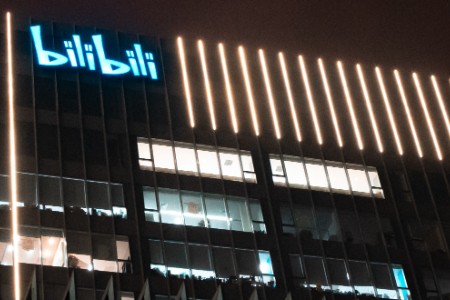
亿邦观察到,今年一大批家居家装、数码家电品牌,早在9月甚至更早就把内容铺进了B站,在大促前“占座”。数据显示,今年B站双11给全行业带去的平均新客率持续攀升,其中家居家装新客率超60%,石头科技、凯迪仕、九牧、科大讯飞等一众品牌取得了亮眼的转化表现。

01

年轻人买大件,决策比下单更早发生

大件商品营销的竞争不在双11,而在消费者开始“做功课”的那一刻。

如果商家只在“下单时刻”做营销,就容易错过影响消费者决策的机会,只能抢存量,抢不到增量。大促当月触达的,多是“已经决定买什么”的人;要想实现高增长,还得进入到用户的“功课”里。

消费者做功课需要有材料可参考。传统电商里的详情页讲参数,大促素材讲优惠,但“我家到底适不适合”、“买了能不能达到我想要的效果”这种问题,还需要更多内容来解答。

B站恰好提供了这类深度内容。它的测评、拆解、改造记录等深度内容非常丰富,天然适配需要解释的品类。参数横评把模糊的体感变成可比较的数字,拆机把用料和工艺摊在台面上,装修记录把产品放回真实户型......这类内容门槛不低,但它解决的恰恰是大件最贵的成本:选错的代价。

更关键的是,在这里替产品开口的,不只有品牌自己。今年双11,B站视频带货UP主同比增长41%,内容供给侧不断扩大。

这背后是一套和硬广不同的机制。对于高客单价产品,消费者不只参考品牌自述,他们更信的是一个具体的人。UP主的价值不只是产品介绍,更在于长期优质内容积累的信任关系:用户先信了这个人,才信他测评推荐的东西。

B站的活跃用户平均年龄26岁。他们正走过毕业、租房、买房装修、结婚的人生节点,而每一个节点都伴随着大件消费需求——他们习惯了在B站看测评、看评论,再参考UP主的推荐,加购下单。

商家“双11卖得好”,常常不只是双11做得好。亿邦把今年在天猫、京东家居家电榜单跑出来的品牌往回倒推,几乎都能看到同一段前置动作:提前预热、持续测评、在大促前把人群蓄满。这个过程里,B站是那个重要的蓄水池子。

02

品牌早在B站提前“占座”

蓄水不是目的,占座才是。品牌需要通过深度内容种草,提前建立消费心智与信任,进入消费者的购买决策。

大件消费者的考虑清单很短:床选两三个款式、床垫看一两个品牌、洗地机一两种型号。清单一旦成型,消费者就开始比价、等券、下单。位置先到先得,这就是“占座”。它锁住的是消费者多年一次的大件预算,也是品牌每年为数不多的新客机会。

“提前占座”过程中,家居家电等品牌常卡在三个地方:GMV冲刺力、品宣与转化的平衡、专业产品的大众化转译。

先来看大促期的冲刺力。大促流量贵、赛道挤,如果商家临时加预算,往往只“买”到更贵的客群。重决策产品的转化,不只依赖促销,也来自前期的内容种草与持续积累,这样投放的性价比才更高。

石头科技今年在B站合作UP主的两条重磅内容,发布时间分别卡位在10月8日和10月14日,在天猫双11开售前提前蓄水。其中一条内容一经发布占领热门2天,新客率69%,另一条带来的新客率更是高达77%。九牧、金橡树等品牌也都是从9月底、10月初,就开始通过一系列视频预热的。

第二个难点是品宣与转化难两全。只讲品牌容易“空转”,只讲转化容易透支信任。

石头科技此前已在B站科技垂类分区取得不错的转化效果,今年为进一步扩大声量,增加了泛分区投入,从真实的用户需求切入,品牌曝光和销售转化两手抓。其中单条视频成交超过百万元、总消耗ROI超12。

拿与萌宠UP主“猫猫派掌门”的合作视频来说,亮点就在于,切入点不是吸力参数,而是养宠家庭每天都在面对的一件事——地上的毛。人与宠物的细节先打动人,产品再自然地出现在解决问题的位置上。专业解读负责说清楚,生活场景负责看得进去;两者叠在一起,品宣和转化就不再是二选一。

UP主@猫猫派掌门 《超出一般情况的感情是很明显的》

今年双11,B站进一步升级“花飞种收一体营销IP”,通过「花火优质内容+起飞」组合,覆盖从前置蓄水、深度种草到集中转化的全周期营销链路。内容找对人、投对量,才会事半功倍。

第三个难点是产品有专业门槛,普通用户很难做出选择。相比单纯的卖点罗列、参数对比,年轻人更希望通俗地理解产品,并评估适不适合自己。

今年双11,九牧发布新品时,选择与科学UP主毕导合作内容《上厕所闻到臭味,和直接吃的区别是……?》,就是从一个所有人都有体感的生活问题切进去,成功引发用户好奇。先留住观众,UP主再用科学解释除臭、净味这些功能到底怎么实现。将知识与生活痛点结合,这条内容冲上了B站每周必看,带来超60%的新客率。

UP主@毕的二阶导 《上厕所闻到臭味,和直接吃的区别是……?》

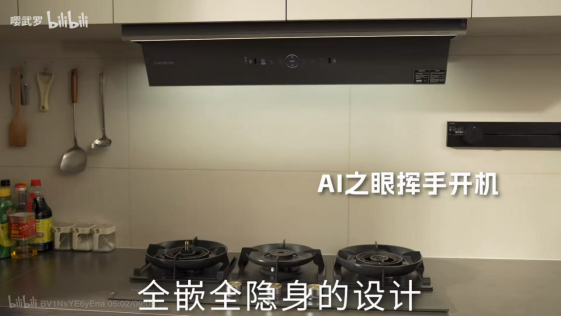
卡萨帝同样从真实的生活场景切入,双11期间与UP嘤武罗合作,以“如何制造海苔”的猎奇科普吸引用户,把观众带进厨房。通过爆炒海苔的真实场景,将油烟机的专业卖点自然融入内容,让产品优势变得直观可感,也为品牌带来84%的新客率,单条视频带货GMV超百万。

UP主@嘤武罗 《如何制造海苔》

这些不是孤例。双11期间品牌深耕B站,HyperX暗影精灵与科技评测UP主合作,京火平均ROI超15,最高ROI达60;金橡树的进店UV环比增长110%,星火成交UV环比增长160%;徕芬新客占比达62%;苏泊尔新访客占比高达80%。他们虽品类不同,但爆单的路径一致:先在B站被理解,再在货架上被选择。

03

在B站,收获长效增长

今年双11,亿邦在调研中听到了高度一致的声音:大促考核必须告别“唯GMV论”。利润率、老客复购取代单纯的销售额成为新KPI,投放风向也从“流量精准度”转向“新客占比与新客ROI”。

考核一变,平台选择随之升级:品牌不再死磕低价流量,而是寻找能沉淀用户的阵地,撬动长效增长。外界常质疑“长效增长”难以落地,B站却用今年双11的实绩证明——它不仅可度量,更“看得见”。

海量新客,长效增长的源动力。数码家电、家居家装都是耐消品,单品几年才换一次,品牌做的几乎全是新客生意。而B站正成为品牌重要的新客增量场:今年双11,为食品饮料带去93%的新客率,美妆鞋服88%,家居家装61%,笔电成交新客率也超过66%。

深度内容,这是增长的永动机。因为它不是一次性消耗品,B站投放的长尾效应业内有目共睹。优质内容在发布后的长周期内仍能持续被推荐;即使是过往的视频,也会被新的弹幕、新的评论、新的热点再度受到关注。

对商家来说,这意味着投放结束不等于传播结束。此前就有商家告诉亿邦,B站挂链带货的投放周期普遍能跑两三个月,数据好的内容两年后还在带客。当内容成本被时间摊薄,CPM和进店成本逐月往下走。

跳出价格内卷,品牌才有长远未来。大件如果只在比价场景里被看见,就容易陷入价格竞争。但B站的中长视频能把“贵在哪”讲清楚:材质差在哪、工艺难在哪、参数背后对应什么体验。用户理解了价值,才能更好的认识产品和品牌溢价的合理性。守得住价格带,生意才有持续向上的空间。

从消费心智的经营阵地,到大促的新客增量场,再到品牌未来的塑造场,B站正在成为品牌不可忽视的深度种草和信任转化平台。它把消费需求的决策过程,提前搬到了自己这里。对高客单、长决策周期的品牌而言,“提前占座”只是起点,更重要的是通过深度内容与用户建立信任,从大促期到常销期持续影响消费决策,让内容价值转化为长期增长的动力。

亿邦持续追踪报道该情报,如想了解更多与本文相关信息,请扫码关注作者微信。

本文首发于 亿邦动力 官方网站

文章来源:亿邦动力

广告
微信
朋友圈

FAQ回顾

大件商品消费决策为什么越来越前置?

高客单价、长决策周期的大件商品,消费者通常在付款前完成“要不要买、买哪个”的决策。年轻人会提前看测评、拆解和装修记录,把型号记进备忘录,双11当天主要比较价格和渠道。有消费者在双11开售前20多天已完成选购功课,说明大促更多成为交卷时间。

B站如何帮助家居家电品牌提升新客率?

B站通过测评、拆解、改造记录等深度内容,让用户理解产品是否适合自己;同时借助UP主的长期信任关系完成种草。今年双11,B站家居家装新客率61%,石头科技合作内容新客率达69%和77%,九牧相关内容新客率超60%,卡萨帝合作视频新客率84%。

家居家电品牌大促前在B站做内容营销要解决哪些难点?

主要有三个:一是大促期流量贵,需要提前蓄水提升冲刺力;二是品牌曝光与销售转化难兼顾,可用垂类加泛分区、生活场景加专业解读组合;三是专业产品有理解门槛,需要把参数和卖点转译成大众能懂的生活问题。石头科技、九牧、卡萨帝均通过不同内容切口应对这些难点。

B站深度内容的长尾效应能为品牌带来什么价值?

优质内容发布后会在长周期内持续被推荐,旧视频也可能因新弹幕、评论和热点再次受关注。商家反馈B站挂链带货投放周期常能跑两三个月,数据好的内容两年后还在带客;内容成本被时间摊薄后,CPM和进店成本逐月下降,有助于品牌实现长效增长。

哪些品类适合在B站做深度种草?

需要解释、客单价高、决策周期长的品类更适合,如家居家装、数码家电等耐消品。B站的参数横评、拆机、装修记录能降低选错成本;今年双11B站为家居家装带来61%新客率,笔电成交新客率超66%,数码家电等品牌也通过UP主内容获得转化。

这么好看,分享一下?

朋友圈 分享

APP内打开

赞 +1
+1
微信好友 朋友圈 新浪微博 QQ空间
关闭
收藏成功
发送
/140 0