广告
加载中

蚂蚁灵光密集接入外部服务 个人Agent开始拼服务生态

胡镤心 2026-11-04 15:42
胡镤心 2026/11/04 15:42

邦小白快读

EN
全文速览

总1 灵光升级核心信息

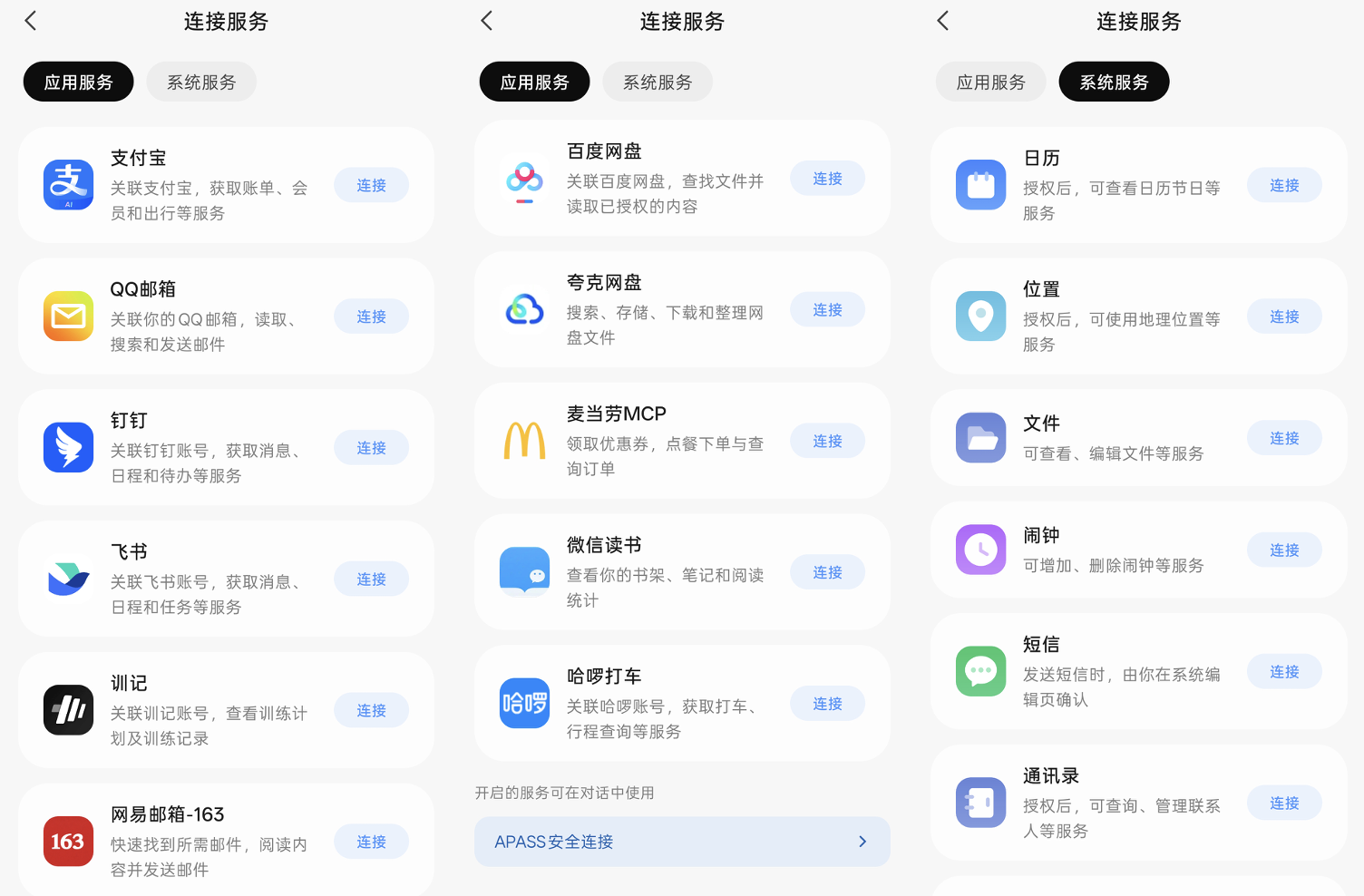
1. 11月4日蚂蚁灵光新增播客订阅、夸克网盘、哈啰打车、麦当劳、微信读书等连接器,外部连接器达40项,此前已接入支付宝、网易邮箱、飞书、钉钉、米家。

2. 灵光2.0从任务执行者升级为能管事的个人AI助理,授权后可主动发现需求、持续跟进,如机票订完24小时盯价、识别闲置自动续费、整理班级群通知。

总2 实操与数据看点

1. 用户请求中财务与消费占23.83%,健康与习惯占21.46%,可用来梳理账单、分析支出、查询运动数据、调整饮食计划、跟进邮件日程待办。

2. 赛道竞争升温但跨App权限受限,微信、淘宝、支付宝、美团曾拒绝AI代操作;灵光用连接器让服务方开放能力,6天200万下载说明用户有托付意愿。

总1 品牌触达与用户场景

1. 灵光40项连接器把播客订阅、夸克网盘、哈啰打车、麦当劳、微信读书及支付宝、飞书、钉钉、米家等服务接入个人AI助理,品牌可关注成为AI助理可调用服务后的入口价值。

2. 用户请求中财务与消费占23.83%,健康与习惯占21.46%,消费账单、自动续费、出行、饮食计划等场景是品牌理解用户行为的重要切口。

总2 生态合作与研发启示

1. 跨App执行任务需服务方许可,微信、淘宝、支付宝、美团曾拒绝AI代操作,品牌若想被AI调用,更现实的是主动开放服务能力、适配连接器生态。

2. 灵光2.0强调授权后主动发现需求、持续跟进事务,品牌产品研发需考虑可持续服务、订阅管理、日程提醒等能力;文中未涉及品牌定价和价格竞争,重点在渠道接入与场景合作。

总1 市场机会

1. 灵光外部连接器扩至40项,新增播客订阅、夸克网盘、哈啰打车、麦当劳、微信读书,并已接入支付宝、网易邮箱、飞书、钉钉、米家,卖家可关注服务接入带来的增长市场。

2. 财务与消费请求占23.83%,健康与习惯占21.46%,账单梳理、支出分析、运动数据、饮食计划、邮件日程待办是真实需求,适合围绕高频事务做服务。

总2 风险与可学习点

1. 风险是中国生活服务集中在超级App,跨App执行需服务方许可,豆包手机助手自动化方案后微信、淘宝、支付宝、美团出现在拒绝AI代操作名单。

2. 机会是大厂自有生态闭环和连接器开放;创业公司受权限限制可聚焦单一场景或出海;灵光2.0上线6天200万下载,说明用户托付意愿存在,可学习其用生态合作广度对冲权限封锁。

总1 产品连接与场景需求

1. 灵光已接入米家等智能家居服务,新增麦当劳、哈啰打车、微信读书、夸克网盘等连接器,说明家居、餐饮、出行、内容等服务场景正在被个人AI助理连接,工厂可关注产品和服务是否具备被AI调用的接口能力。

2. 健康与习惯请求占21.46%,涉及运动数据、饮食计划;财务与消费占23.83%,涉及账单、自动续费,提示产品设计可围绕数据可读、服务可持续、提醒可跟进。

总2 数字化和电商启示

1. 跨App权限受限,微信、淘宝、支付宝、美团曾拒绝AI代操作,工厂推进数字化时需重视服务方许可和生态合作,而非只做单点自动化。

2. 灵光用40项连接器铺事务管理基础设施,6天200万下载显示需求;工厂可从中看到智能家居、餐饮、出行等产品服务化机会,但文中未直接给出生产制造环节的具体需求。

总1 行业趋势

1. Personal Agent赛道10月竞争升温,阿里千问推进个人智能体计划和千问Go,字节被曝开发个人助理产品,腾讯元宝传出独立助手App消息,蚂蚁灵光2.0是样本。

2. 灵光2.0从任务执行者升级为能管事的个人AI助理,授权后主动发现需求、持续跟进事务,任务从办一次事变为盯全过程,跨服务调用依赖加深,40项连接器为事务管理铺基础设施。

总2 客户痛点与解决方案

1. 痛点是用户生活服务集中在超级App,跨App执行任务需服务方许可,微信、淘宝、支付宝、美团曾拒绝AI代操作,创业公司受权限限制只能聚焦单一场景或出海。

2. 解决方案是大厂在自有生态内做闭环,支付宝阿宝打通账单和支付,微信小微调用小程序生态;灵光背靠支付宝原生接入并用连接器让服务方主动开放能力,6天200万下载说明需求存在。

总1 平台需求与问题

1. 用户生活服务高度集中在超级App,AI跨App执行任务需服务方许可,豆包手机助手推出自动化操作方案后,微信、淘宝、支付宝、美团等出现在拒绝AI代操作名单,平台需处理AI调用与权限边界。

2. 灵光背靠支付宝生态获得账单、出行等核心能力原生接入,同时以40项连接器接入播客订阅、夸克网盘、哈啰打车、麦当劳、微信读书、飞书、钉钉、米家等外部服务。

总2 最新做法与风向规避

1. 大厂做法是自有生态闭环,支付宝阿宝打通账单和支付,微信小微调用小程序生态,路径短、控制力强;灵光用连接器让服务方主动开放能力,以生态合作广度对冲单点权限封锁。

2. 运营上可关注连接器招商和服务方开放,灵光2.0上线6天下载量突破200万;风险是跨App权限封锁,平台需规避单点自动化方案受阻,重视服务方许可和生态合作。

总1 产业新动向

1. Personal Agent竞争密度在10月升高,阿里千问推进个人智能体计划和千问Go,字节被曝开发个人助理产品,腾讯元宝传出独立助手App消息,蚂蚁灵光2.0是样本。

2. 灵光2.0定位从任务执行者升级为能管事的个人AI助理,授权后主动发现需求、持续跟进事务,任务时间跨度拉长,40项连接器成为事务管理基础设施。

总2 新问题与模式启示

1. 新问题是跨App权限墙,中国用户生活服务集中在超级App,跨App执行需服务方许可,微信、淘宝、支付宝、美团曾拒绝AI代操作;大厂以自有生态闭环,创业公司受权限限制聚焦单一场景或出海。

2. 商业模式上灵光背靠支付宝原生接入并用连接器向外扩容,以生态合作广度对冲权限封锁;数据上财务与消费占23.83%,健康与习惯占21.46%,6天200万下载。政策法规层面可关注服务方许可、权限开放和平台互操作规则,文中未展开具体法规建议。

返回默认
声明:快读内容全程由AI生成,请注意甄别信息。如您发现问题,请发送邮件至 run@ebrun.com 。

我是 品牌商 卖家 工厂 服务商 平台商 研究者 帮我再读一遍。

Quick Summary

Summary 1: Core Lingguang upgrade information

1. On November 4, Ant Lingguang added connectors for podcast subscriptions, Quark Cloud Drive, Hello Ride, McDonald's, and WeRead, bringing its external connectors to 40. It had previously integrated Alipay, NetEase Mail, Feishu, DingTalk, and Mijia.

2. Lingguang 2.0 has upgraded from a task executor to a personal AI assistant capable of managing affairs. Once authorized, it can proactively identify needs and provide continuous follow-up—for example, monitoring airfare prices for 24 hours after a booking, identifying idle subscriptions with auto-renewal, and organizing class group notifications.

Summary 2: Practical use cases and data highlights

1. Financial and consumption requests account for 23.83% of user requests, while health and habit requests account for 21.46%. These use cases include organizing bills, analyzing spending, querying exercise data, adjusting diet plans, and following up on emails, schedules, and to-dos.

2. Competition in the sector is heating up, but cross-app permissions remain constrained. WeChat, Taobao, Alipay, and Meituan have previously refused AI-operated actions. Lingguang uses connectors to encourage service providers to open their capabilities; 2 million downloads in six days indicate users' willingness to delegate.

Summary 1: Brand reach and user scenarios

1. Lingguang's 40 connectors bring services including podcast subscriptions, Quark Cloud Drive, Hello Ride, McDonald's, WeRead, Alipay, Feishu, DingTalk, and Mijia into a personal AI assistant. Brands should assess the gateway value of becoming a service that an AI assistant can invoke.

2. Financial and consumption requests account for 23.83% of user requests, while health and habit requests account for 21.46%. Scenarios such as consumption bills, auto-renewal, travel, and diet plans are important lenses for brands to understand user behavior.

Summary 2: Ecosystem collaboration and R&D implications

1. Executing tasks across apps requires permission from service providers. WeChat, Taobao, Alipay, and Meituan have previously refused AI-operated actions. If brands want to be invoked by AI, a more realistic approach is to proactively open service capabilities and adapt to the connector ecosystem.

2. Lingguang 2.0 emphasizes proactively identifying needs and continuously following up on affairs after authorization. Brand product development should consider capabilities such as continuous service, subscription management, and schedule reminders. The text does not address brand pricing or price competition; its focus is on channel integration and scenario-based collaboration.

Summary 1: Market opportunities

1. Lingguang's external connectors have expanded to 40, adding podcast subscriptions, Quark Cloud Drive, Hello Ride, McDonald's, and WeRead, while already integrating Alipay, NetEase Mail, Feishu, DingTalk, and Mijia. Sellers should watch the growth market created by service integration.

2. Financial and consumption requests account for 23.83% of user requests, while health and habit requests account for 21.46%. Bill organization, spending analysis, exercise data, diet plans, and email, schedule, and to-do follow-ups are real needs, making high-frequency affairs suitable for service development.

Summary 2: Risks and lessons

1. The risk is that China's life services are concentrated in super apps, and cross-app execution requires service provider permission. After Doubao mobile assistant introduced automated operating solutions, WeChat, Taobao, Alipay, and Meituan appeared on the list of those refusing AI-operated actions.

2. The opportunity lies in big tech's proprietary ecosystem closed loops and connector openness. Startups constrained by permissions can focus on a single scenario or expand overseas. Lingguang 2.0 reached 2 million downloads in six days, indicating that users' willingness to delegate exists; its use of broad ecosystem cooperation to offset permission blockades is a lesson to learn.

Summary 1: Product connectivity and scenario demand

1. Lingguang has integrated smart home services such as Mijia and added connectors for McDonald's, Hello Ride, WeRead, and Quark Cloud Drive. This indicates that home, dining, travel, and content service scenarios are being connected through personal AI assistants. Factories should assess whether their products and services have the interface capabilities to be invoked by AI.

2. Health and habit requests account for 21.46%, involving exercise data and diet plans; financial and consumption requests account for 23.83%, involving bills and auto-renewal. This suggests product design can focus on readable data, sustainable service, and trackable reminders.

Summary 2: Digitalization and e-commerce implications

1. Cross-app permissions are constrained. WeChat, Taobao, Alipay, and Meituan have previously refused AI-operated actions. As factories advance digitalization, they should prioritize service provider permission and ecosystem collaboration rather than single-point automation alone.

2. Lingguang uses 40 connectors to lay infrastructure for affairs management, and 2 million downloads in six days demonstrate demand. Factories can see opportunities to turn products into services in smart home, dining, and travel, but the text does not directly identify specific needs in manufacturing and production.

Summary 1: Industry trends

1. Competition in the Personal Agent sector intensified in October. Alibaba Qwen is advancing its personal agent initiative and Qwen Go, ByteDance was reported to be developing a personal assistant product, Tencent Yuanbao was linked to a standalone assistant app, and Ant Lingguang 2.0 is a representative case.

2. Lingguang 2.0 has upgraded from a task executor to a personal AI assistant capable of managing affairs. Once authorized, it proactively identifies needs and continuously follows up on affairs. Tasks shift from one-off execution to end-to-end monitoring, cross-service invocation dependencies deepen, and 40 connectors lay infrastructure for affairs management.

Summary 2: Customer pain points and solutions

1. The pain point is that users' life services are concentrated in super apps, and cross-app execution requires service provider permission. WeChat, Taobao, Alipay, and Meituan have previously refused AI-operated actions. Startups constrained by permissions can only focus on a single scenario or expand overseas.

2. The solution is for big tech to build closed loops within their own ecosystems: Alipay's Abao connects bills and payments, while WeChat's Xiaowei invokes the mini-program ecosystem. Lingguang relies on native Alipay integration and uses connectors to encourage service providers to proactively open capabilities; 2 million downloads in six days demonstrate demand.

Summary 1: Platform needs and issues

1. Users' life services are highly concentrated in super apps, and AI executing tasks across apps requires service provider permission. After Doubao mobile assistant launched automated operating solutions, WeChat, Taobao, Alipay, Meituan, and others appeared on the list of those refusing AI-operated actions. Platforms need to address AI invocation and permission boundaries.

2. Lingguang relies on the Alipay ecosystem for native integration of core capabilities such as bills and travel, while using 40 connectors to integrate external services including podcast subscriptions, Quark Cloud Drive, Hello Ride, McDonald's, WeRead, Feishu, DingTalk, and Mijia.

Summary 2: Latest practices and risk avoidance

1. Big tech's approach is closed loops within proprietary ecosystems: Alipay's Abao integrates bills and payments, and WeChat's Xiaowei invokes the mini-program ecosystem, offering short paths and strong control. Lingguang uses connectors to encourage service providers to proactively open capabilities, using the breadth of ecosystem cooperation to offset single-point permission blockades.

2. Operationally, platforms can focus on connector partner recruitment and service provider openness. Lingguang 2.0 surpassed 2 million downloads within six days of launch. The risk is cross-app permission blockades; platforms should avoid relying on single-point automation solutions that may be blocked and should prioritize service provider permission and ecosystem collaboration.

Summary 1: New industry developments

1. The density of competition in Personal Agents increased in October. Alibaba Qwen is advancing its personal agent initiative and Qwen Go, ByteDance was reported to be developing a personal assistant product, Tencent Yuanbao was linked to a standalone assistant app, and Ant Lingguang 2.0 is a representative case.

2. Lingguang 2.0 is positioned as an upgrade from a task executor to a personal AI assistant capable of managing affairs. Once authorized, it proactively identifies needs and continuously follows up on affairs, extending the time span of tasks. Its 40 connectors have become infrastructure for affairs management.

Summary 2: New problems and model implications

1. The new problem is the cross-app permission wall. Chinese users' life services are concentrated in super apps, and cross-app execution requires service provider permission. WeChat, Taobao, Alipay, and Meituan have previously refused AI-operated actions. Big tech builds closed loops within proprietary ecosystems, while startups constrained by permissions focus on a single scenario or expand overseas.

2. In terms of business model, Lingguang relies on native Alipay integration and uses connectors to expand externally, offsetting permission blockades with the breadth of ecosystem cooperation. In terms of data, financial and consumption requests account for 23.83%, health and habit requests account for 21.46%, and downloads reached 2 million in six days. At the policy and regulatory level, attention can be paid to service provider permission, permission openness, and platform interoperability rules; the text does not elaborate on specific regulatory recommendations.

Disclaimer: The "Quick Summary" content is entirely generated by AI. Please exercise discretion when interpreting the information. For issues or corrections, please email run@ebrun.com .

I am a Brand Seller Factory Service Provider Marketplace Seller Researcher Read it again.

【亿邦原创】11月4日,蚂蚁集团个人AI助手灵光完成新一轮升级,新增播客订阅、夸克网盘、哈啰打车、麦当劳、微信读书等连接器服务,开放生态下已打通的外部连接器总数达到40项。此前,灵光已接入支付宝、网易邮箱、飞书、钉钉、米家等服务,覆盖从账单管理、家校沟通到智能家居的多个场景。

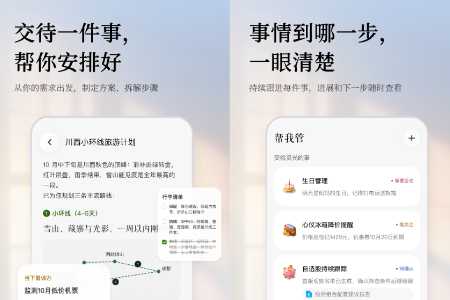
这轮扩容发生在灵光2.0发布后。10月27日升级的灵光2.0,定位从任务执行者升级为能管事的个人AI助理——AI不再等用户提问才行动,而是在授权后主动发现需求、持续跟进事务,比如机票订完后24小时盯价、识别闲置的自动续费订阅、整理班级群里的老师通知。

从“办一次事”到“盯一件事的全过程”,任务的时间跨度被拉长了,对跨服务调用的依赖也随之加深。40项连接器,正是在为事务管理铺基础设施。

从灵光的用户请求分类来看,财务与消费场景占23.83%,健康与习惯占21.46%。在财务场景中,用户希望Agent帮助梳理消费账单、分析支出结构;在健康管理中,用户会查询运动数据、调整饮食计划;在工作和家庭生活中,邮件跟进、日程提醒和待办事项管理也逐渐成为真实需求。

这些具体而微的请求,折射出的是个人Agent市场需求的加速释放。灵光试图用扩充连接器来承接这些需求,它的同行们也在加速落子——阿里千问推进个人智能体计划和千问Go,字节被曝开发个人助理产品,腾讯元宝传出独立助手App的消息,蚂蚁灵光2.0是这一轮密集动作中的又一个样本。

但是所有Personal Agent玩家都撞上了同一堵墙:中国用户的生活服务高度集中在超级App里,跨App执行任务需要获得服务方的许可。豆包手机助手此前推出自动化操作方案后,微信、淘宝、支付宝、美团等App出现在拒绝AI代操作的名单中。

目前的解决方案是大厂在自有生态内做闭环,支付宝的阿宝打通账单和支付,微信的小微调用小程序生态,路径最短、控制力最强。创业公司受限于跨App权限,只能聚焦单一场景或出海。

灵光背靠支付宝生态获得了账单、出行等核心能力的原生接入,同时通过连接器向外扩容,把飞书、钉钉、微信读书、麦当劳、哈啰打车等外部服务拉进来。在“操作别人的App”这条路走不通的情况下,用连接器的方式让服务方主动开放能力,是更现实的路径。

灵光选择在这个节点把连接器扩到40项,希望通过生态合作的广度,对冲单点权限的封锁。

灵光2.0上线6天下载量突破200万,用户愿意把事务托付给AI的意愿是存在的。现在的问题是,AI接得住多少。40项连接器只是一个开始。

本文首发于 亿邦动力 官方网站

文章来源:亿邦动力

广告
微信
朋友圈

FAQ回顾

个人AI助理和传统AI助手有什么区别?

个人AI助理不再只等用户提问后执行单次任务,而是在用户授权后主动发现需求、持续跟进事务,实现从“办一次事”到“盯一件事全过程”。例如机票订完后24小时盯价、识别闲置自动续费订阅、整理班级群老师通知,并依赖跨服务调用完成事务管理。

个人AI助理通常需要接入哪些服务?

个人AI助理需要覆盖账单管理、出行、健康、办公和家庭等场景。以蚂蚁灵光为例,其连接器已接入支付宝、网易邮箱、飞书、钉钉、米家,并新增播客订阅、夸克网盘、哈啰打车、麦当劳、微信读书等,外部连接器总数达40项,用于支撑跨服务的事务管理。

个人Agent为什么难以跨App执行任务?

中国用户的生活服务高度集中在超级App里,跨App执行任务需要获得服务方许可。豆包手机助手推出自动化操作方案后,微信、淘宝、支付宝、美团等App曾出现在拒绝AI代操作的名单中。因此,大厂更倾向在自有生态内做闭环,创业公司则受限于跨App权限。

蚂蚁灵光如何应对跨App权限限制?

灵光背靠支付宝生态获得账单、出行等核心能力原生接入,同时通过连接器向外扩容,把飞书、钉钉、微信读书、麦当劳、哈啰打车等外部服务拉进来。在“操作别人的App”走不通时,让服务方主动开放能力,并以40项连接器支撑事务管理。

个人Agent赛道目前有哪些代表产品?

10月,阿里千问推进个人智能体计划和千问Go,字节被曝开发个人助理产品,腾讯元宝传出独立助手App消息,蚂蚁灵光2.0是其中样本。灵光2.0上线6天下载量突破200万,显示用户对把事务托付给AI存在意愿。

这么好看,分享一下?

朋友圈 分享

APP内打开

赞 +1
+1
微信好友 朋友圈 新浪微博 QQ空间
关闭
收藏成功
发送
/140 0