广告
加载中

豆包Personal Agent“小豆”对外公测 可购物可代打电话

胡镤心 2026-11-24 17:34
胡镤心 2026/11/24 17:34

邦小白快读

EN
全文速览

小豆公测的核心信息与实操用法较清晰。

1.产品采用独立App邀请制公测,定位懂你且能主动办事,覆盖信息查询、日程待办、生活服务、购物售后、健康提醒、办公辅助六类场景。

2.定价有免费档,月费68、200、500元三档,年费688、2048、5088元三档,与豆包专业版同价。

3.可感知功能包括猫粮余量估算与代下单、按日程查餐厅并代打电话订座、按时提醒发送资料、主动推送附近抖音团购、盯演唱会、盯商品价格,以及连接Wind后整理行情数据生成Excel。

4.用过豆包和豆包工作的用户可导入职业背景、工作习惯和个人偏好;但跨应用代办、主动跟进、代打电话仍依赖第三方App开放接口,目前可接日历、短信、通讯录、抖音、飞书、汽水音乐、高德打车、航班管家、自如租房、Wind等。

小豆把品牌营销、渠道和消费场景推向主动智能体入口。

1.小豆是豆包体系个人智能体,独立App邀请制公测,未来能力和体验将逐步在豆包主端放开,为品牌提供新的用户触点。

2.场景覆盖购物售后、生活服务、健康提醒等,可主动推送附近商场抖音团购,并具备盯演唱会、盯电商商品价格能力,适合做本地营销、商品提醒和价格敏感型转化。

3.产品可记得用户拆封猫粮时间、估算余量并主动询问补货,经确认后代下单和设置下月提醒,体现基于用户行为与偏好的主动营销和复购机会。

4.用户可把豆包沉淀的职业背景、工作习惯、个人偏好导入小豆,品牌可关注个性化服务与办公辅助场景;插件已接抖音、飞书、汽水音乐、高德打车、航班管家、自如租房、Wind等,生态合作影响品牌触达范围。

5.定价有免费档及68、200、500元月费和688、2048、5088元年费,品牌可观察付费智能体入口的消费分层。

卖家应关注小豆公测带来的交易机会、合作入口和接口风险。

1.小豆覆盖购物售后、生活服务等场景,能主动补货、代下单、推送附近抖音团购,并盯演唱会、盯商品价格,可能带来新的需求触发和成交入口。

2.小豆可连接抖音、飞书、汽水音乐等字节生态应用,以及高德打车、航班管家、自如租房、Wind等外部应用;卖家可关注插件接入、主动服务合作和场景化运营机会。

3.核心卖点跨应用代办、主动跟进、代打电话依赖第三方App开放接口,接口开放程度决定可服务范围,这是合作机会也是落地风险。

4.定价为免费档加68、200、500元月费和688、2048、5088元年费,说明付费订阅与免费入口并行,卖家可观察用户分层和付费意愿。

5.国内竞争快速激化,阿里千问Go可退差价、索赔、提醒金价和监控机票,灵光2.0、Today AI、手机厂商长程任务都在推进,卖家需关注全场景Agent竞争对流量入口的重新分配。

工厂可从智能体落地中看到产品适配、数字化和电商协同机会。

1.小豆要办理信息查询、日程待办、生活服务、购物售后、健康提醒、办公辅助,需连接日历、短信、通讯录等手机系统软件,以及抖音、飞书、汽水音乐、高德打车、航班管家、自如租房、Wind等应用,背后存在设备、软件、数据接口和办公工具适配需求。

2.主动补货、代下单、订餐厅、资料提醒、盯价格、整理行情数据生成Excel等功能,体现自动执行和跨应用协同,工厂可关注与智能体配合的产品设计、流程数字化和电商售后服务。

3.行业竞争包括阿里千问Go、蚂蚁灵光2.0、Today AI,以及荣耀YOYO、小米超级小爱2.0依托手机OS权限执行长程任务,说明终端与系统权限、跨应用编排是产品演进方向。

4.小豆采用独立App邀请制公测,免费加68、200、500元月费和688、2048、5088元年费,工厂可观察付费智能体对办公辅助、健康提醒、购物售后等产品需求的拉动。

服务商可重点看Personal Agent的客户痛点、技术方案与竞争格局。

1.客户痛点是希望智能体懂用户并主动办事,小豆覆盖信息查询、日程待办、生活服务、购物售后、健康提醒、办公辅助,能补货下单、订餐厅、提醒发资料、推送团购、盯演唱会、盯价格、用Wind整理Excel。

2.解决方案是独立App邀请制公测,免费档加68、200、500元月费和688、2048、5088元年费,用户可导入豆包和豆包工作的职业背景、工作习惯、个人偏好。

3.技术关键是跨应用代办、主动跟进、代打电话,但依赖第三方App开放接口;目前可接日历、短信、通讯录、抖音、飞书、汽水音乐、高德打车、航班管家、自如租房、Wind等。

4.行业趋势是竞争激化,阿里千问Go可退差价、索赔、提醒金价、监控机票,灵光2.0、Today AI、腾讯Handy Bot、小微、元宝、荣耀YOYO、小米超级小爱2.0各有路线;服务商机会在接口生态、主动服务和垂直场景方案。

平台商需关注智能体对应用生态、接口开放和运营管理的新要求。

1.小豆是豆包体系个人智能体,独立App邀请制公测,未来将逐步在豆包主端推出;定价为免费档加68、200、500元月费和688、2048、5088元年费,平台可观察免费与订阅并行的服务形态。

2.小豆可连接日历、短信、通讯录等系统软件,抖音、飞书、汽水音乐等字节生态应用,以及高德打车、航班管家、自如租房、Wind等外部应用;核心能力跨应用代办、主动跟进、代打电话依赖第三方App开放接口。

3.运营场景包括主动推送附近抖音团购、补货代下单、查餐厅代订座、资料发送提醒、盯演唱会、盯商品价格和生成Excel,平台需处理服务触发、用户授权、接口合作和体验闭环。

4.竞争风向包括阿里千问Go、蚂蚁灵光2.0、Today AI、腾讯Handy Bot和小微灰测、元宝强化搜索,以及荣耀YOYO、小米超级小爱2.0依托OS权限执行长程任务;平台可关注插件招商、服务号与独立App形态、接口风险和全场景Agent机会。

小豆公测显示Personal Agent正从问答助手走向主动执行,商业模式与治理问题同步显现。

1.产品以独立App邀请制公测,覆盖信息查询、日程待办、生活服务、购物售后、健康提醒、办公辅助六类场景,定价为免费档加68、200、500元月费和688、2048、5088元年费,与豆包专业版同价。

2.核心卖点是跨应用代为处理、主动跟进、代打电话,但须以第三方App开放接口为前提;可接日历、短信、通讯录、抖音、飞书、汽水音乐、高德打车、航班管家、自如租房、Wind等,涉及跨应用权限与生态合作。

3.竞争上,阿里千问Go可退差价、索赔、提醒金价、监控机票,蚂蚁灵光2.0、Today AI、腾讯Handy Bot、小微、元宝、荣耀YOYO、小米超级小爱2.0分别探索,尚无全场景Agent脱颖而出。

4.研究议题包括主动服务边界、任务闭环率、手机OS底层权限、第三方接口开放、订阅制付费意愿和全场景Agent商业模式。

返回默认

声明:快读内容全程由AI生成,请注意甄别信息。如您发现问题,请发送邮件至 run@ebrun.com 。

我是 品牌商 卖家 工厂 服务商 平台商 研究者 帮我再读一遍。

Quick Summary

Xiaodou's invite-only public beta is clear in its core message and practical use cases.

1. The product runs as a standalone app under an invite-only public beta. It is positioned as an assistant that understands the user and can act proactively, covering six scenarios: information search, schedules and to-dos, life services, shopping and after-sales support, health reminders, and office assistance.

2. Pricing includes a free tier, monthly plans at RMB 68, 200, and 500, and annual plans at RMB 688, 2,048, and 5,088, matching Doubao Professional.

3. Perceivable features include estimating cat food remaining and placing replenishment orders, checking restaurants based on schedules and calling to book tables, sending materials at scheduled times, proactively pushing nearby Douyin group-buying deals, tracking concerts and product prices, and connecting to Wind to organize market data into Excel.

4. Users of Doubao and Doubao Work can import their professional background, work habits, and personal preferences. However, cross-app task execution, proactive follow-up, and placing calls still depend on third-party app APIs. Currently supported integrations include calendar, SMS, contacts, Douyin, Feishu, Soda Music, Amap Taxi, Flight Manager, Ziroom, and Wind.

Xiaodou moves brand marketing, channels, and consumption scenarios toward a proactive agent entry point.

1. Xiaodou is a personal agent within the Doubao system. It is in invite-only public beta as a standalone app, and its capabilities and experience will gradually open up on the main Doubao app, giving brands a new user touchpoint.

2. It covers shopping and after-sales support, life services, health reminders, and more. It can proactively push nearby shopping mall Douyin group-buying deals and track concerts and e-commerce product prices, making it suitable for local marketing, product reminders, and price-sensitive conversion.

3. The product can remember when a user opened cat food, estimate remaining supply, proactively ask about replenishment, and after confirmation place the order and set a reminder for the following month, demonstrating proactive marketing and repurchase opportunities based on user behavior and preferences.

4. Users can import professional background, work habits, and personal preferences accumulated in Doubao into Xiaodou. Brands can focus on personalized services and office-assistance scenarios. Plugins already connect to Douyin, Feishu, Soda Music, Amap Taxi, Flight Manager, Ziroom, Wind, and others, so ecosystem partnerships affect the scope of brand reach.

5. Pricing includes a free tier, monthly fees of RMB 68, 200, and 500, and annual fees of RMB 688, 2,048, and 5,088. Brands can observe consumption segmentation at the paid agent entry point.

Sellers should watch the transaction opportunities, partnership entry points, and API risks created by Xiaodou's public beta.

1. Xiaodou covers shopping and after-sales support, life services, and other scenarios. It can proactively replenish supplies, place orders, push nearby Douyin group-buying deals, and track concerts and product prices, potentially creating new demand triggers and conversion entry points.

2. Xiaodou can connect to ByteDance ecosystem apps such as Douyin, Feishu, and Soda Music, as well as external apps such as Amap Taxi, Flight Manager, Ziroom, and Wind. Sellers can watch for plugin integration, proactive-service partnerships, and scenario-based operations opportunities.

3. The core selling points of cross-app task execution, proactive follow-up, and placing calls depend on third-party app APIs. The degree of API openness determines the serviceable scope, which is both a partnership opportunity and an implementation risk.

4. Pricing combines a free tier with monthly fees of RMB 68, 200, and 500 and annual fees of RMB 688, 2,048, and 5,088, indicating that paid subscriptions and free access will coexist. Sellers can observe user segmentation and willingness to pay.

5. Competition in China is intensifying quickly. Alibaba Qwen Go can seek price differences, claims, gold-price alerts, and flight monitoring; Lingguang 2.0, Today AI, and smartphone makers' long-horizon tasks are also advancing. Sellers need to watch how full-scenario agent competition redistributes traffic entry points.

Factories can see opportunities in product adaptation, digitalization, and e-commerce collaboration from the deployment of agents.

1. Xiaodou needs to handle information search, schedules and to-dos, life services, shopping and after-sales support, health reminders, and office assistance. It must connect to mobile system software such as calendar, SMS, and contacts, as well as apps such as Douyin, Feishu, Soda Music, Amap Taxi, Flight Manager, Ziroom, and Wind. This creates demand for device, software, data interface, and office-tool adaptation.

2. Features such as proactive replenishment, order placement, restaurant booking, material reminders, price tracking, and organizing market data into Excel reflect automated execution and cross-app coordination. Factories can focus on product design, process digitalization, and e-commerce after-sales services that work with agents.

3. Industry competition includes Alibaba Qwen Go, Ant Lingguang 2.0, and Today AI, as well as Honor YOYO and Xiaomi Super Xiao Ai 2.0, which rely on mobile OS permissions to execute long-horizon tasks. This shows that device and system permissions and cross-app orchestration are directions of product evolution.

4. Xiaodou uses an invite-only public beta for its standalone app, with a free tier plus monthly fees of RMB 68, 200, and 500 and annual fees of RMB 688, 2,048, and 5,088. Factories can observe how paid agents drive demand for office assistance, health reminders, shopping and after-sales support, and other products.

Service providers should focus on customer pain points, technical solutions, and the competitive landscape for personal agents.

1. The customer pain point is the desire for an agent that understands the user and acts proactively. Xiaodou covers information search, schedules and to-dos, life services, shopping and after-sales support, health reminders, and office assistance. It can replenish supplies and place orders, book restaurants, remind users to send materials, push group-buying deals, track concerts and prices, and use Wind to organize Excel files.

2. The solution is a standalone app in invite-only public beta, with a free tier plus monthly fees of RMB 68, 200, and 500 and annual fees of RMB 688, 2,048, and 5,088. Users can import professional background, work habits, and personal preferences from Doubao and Doubao Work.

3. The technical key is cross-app task execution, proactive follow-up, and placing calls, but these depend on third-party app APIs. Currently supported integrations include calendar, SMS, contacts, Douyin, Feishu, Soda Music, Amap Taxi, Flight Manager, Ziroom, and Wind.

4. The industry trend is intensifying competition. Alibaba Qwen Go can seek price differences, claims, gold-price alerts, and flight monitoring. Lingguang 2.0, Today AI, Tencent Handy Bot, Xiaowei, Yuanbao, Honor YOYO, and Xiaomi Super Xiao Ai 2.0 each follow different routes. Service provider opportunities lie in API ecosystems, proactive services, and vertical-scenario solutions.

Platform providers need to watch the new requirements that agents place on app ecosystems, API openness, and operational management.

1. Xiaodou is a personal agent within the Doubao system, in invite-only public beta as a standalone app, and will gradually launch on the main Doubao app. Pricing includes a free tier plus monthly fees of RMB 68, 200, and 500 and annual fees of RMB 688, 2,048, and 5,088. Platforms can observe a service model where free access and subscriptions coexist.

2. Xiaodou can connect to system software such as calendar, SMS, and contacts; ByteDance ecosystem apps such as Douyin, Feishu, and Soda Music; and external apps such as Amap Taxi, Flight Manager, Ziroom, and Wind. Its core capabilities of cross-app task execution, proactive follow-up, and placing calls depend on third-party app APIs.

3. Operational scenarios include proactively pushing nearby Douyin group-buying deals, replenishment and order placement, restaurant search and table booking, material-sending reminders, concert tracking, product-price tracking, and Excel generation. Platforms need to handle service triggers, user authorization, API partnerships, and closed-loop experiences.

4. Competitive directions include Alibaba Qwen Go, Ant Lingguang 2.0, Today AI, Tencent Handy Bot and Xiaowei in gray testing, Yuanbao strengthening search, and Honor YOYO and Xiaomi Super Xiao Ai 2.0 relying on OS permissions to execute long-horizon tasks. Platforms can watch plugin recruitment, service accounts versus standalone app formats, API risks, and full-scenario agent opportunities.

Xiaodou's public beta shows that personal agents are moving from Q&A assistants to proactive execution, while business-model and governance issues are emerging in parallel.

1. The product is in invite-only public beta as a standalone app and covers six scenarios: information search, schedules and to-dos, life services, shopping and after-sales support, health reminders, and office assistance. Pricing includes a free tier plus monthly fees of RMB 68, 200, and 500 and annual fees of RMB 688, 2,048, and 5,088, matching Doubao Professional.

2. The core selling points are cross-app handling, proactive follow-up, and placing calls, but these require third-party app APIs as a precondition. Supported integrations include calendar, SMS, contacts, Douyin, Feishu, Soda Music, Amap Taxi, Flight Manager, Ziroom, and Wind, involving cross-app permissions and ecosystem partnerships.

3. On competition, Alibaba Qwen Go can seek price differences, claims, gold-price alerts, and flight monitoring. Ant Lingguang 2.0, Today AI, Tencent Handy Bot, Xiaowei, Yuanbao, Honor YOYO, and Xiaomi Super Xiao Ai 2.0 are exploring different approaches, and no full-scenario agent has yet stood out.

4. Research topics include the boundaries of proactive services, task completion rates, underlying mobile OS permissions, third-party API openness, willingness to pay for subscriptions, and the business model of full-scenario agents.

Disclaimer: The "Quick Summary" content is entirely generated by AI. Please exercise discretion when interpreting the information. For issues or corrections, please email run@ebrun.com .

I am a Brand Seller Factory Service Provider Marketplace Seller Researcher Read it again.

文丨胡镤心    编辑丨张睿

【亿邦原创】继Today AI、千问Go!、灵光之后,国内Personal Agent迎来新的选手。

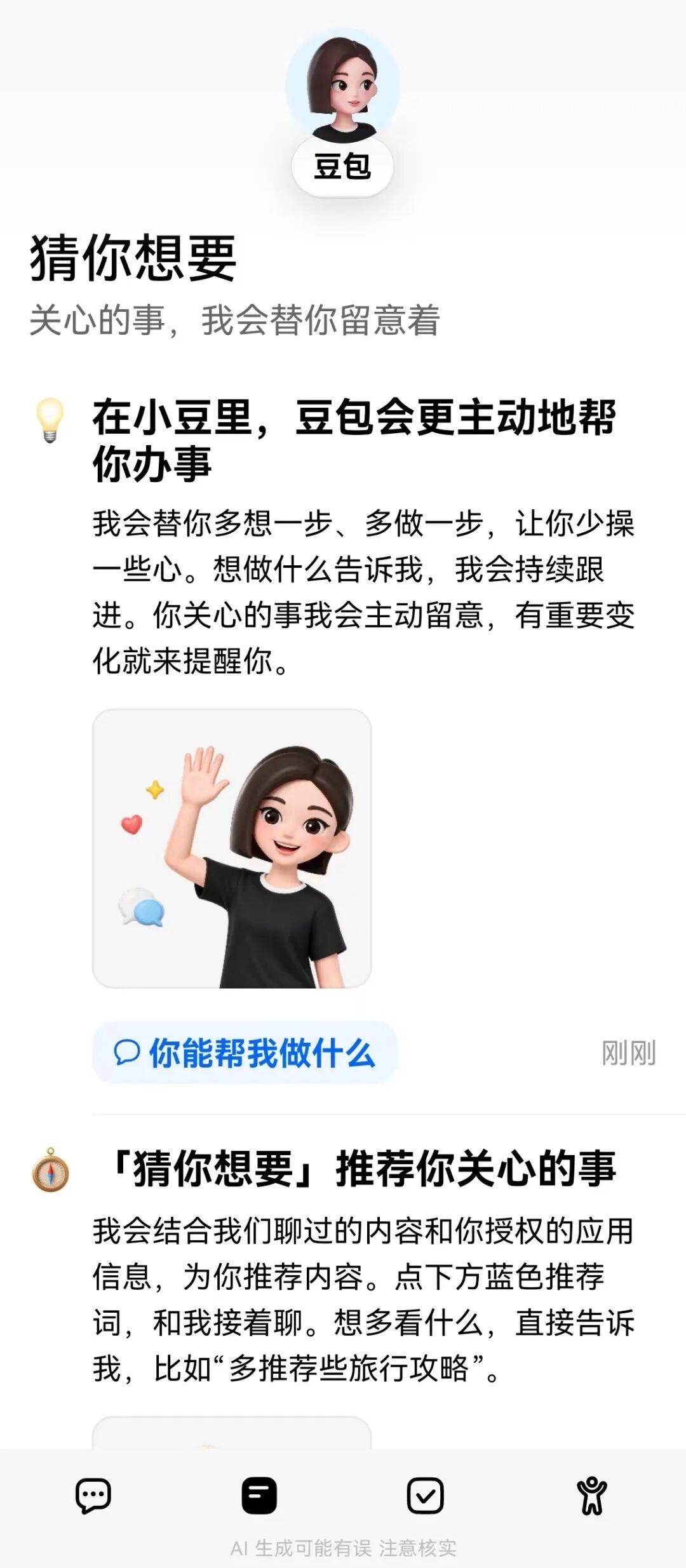
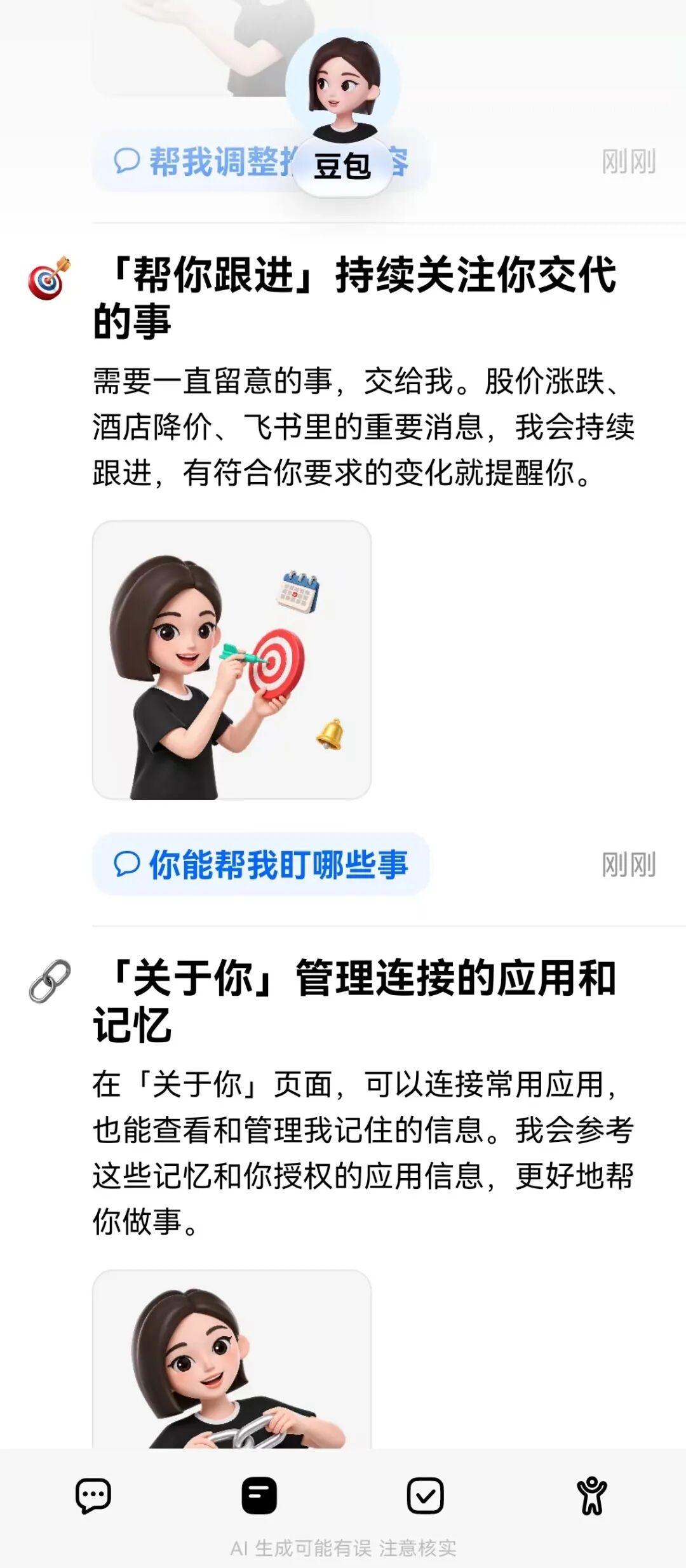
11月24日,字节跳动旗下豆包体系的个人智能体产品“小豆”开启邀请制公测,定位是“懂你,还能主动帮你办事”,采用独立App形态,覆盖信息查询、日程待办、生活服务、购物售后、健康提醒、办公辅助六类场景。

图片

图片

图片

小豆定价有免费档和68/200/500元三档月费,以及688/2048/5088元三档年费,跟豆包专业版同价。

豆包方面透露,小豆的相关能力和体验未来也将逐步放开,在豆包主端推出,为更多豆包用户提供服务。

此前,字节跳动被爆豆包内部从今年4月起已经开始内测个人助理方向的探索产品,该探索项目当时代号为“Spell”,主要由豆包手机助手团队主导,但由于豆包手机发布等原因,一直未正式对外。

小豆能帮用户办哪些事?官方视频中演示了一些使用场景。比如猫粮补货,小豆记得用户此前拆封猫粮的时间,按日常用量估算余量,在用户没有开口的时候主动询问是否需要补货,经确认后代为下单,再设置下月提醒;根据用户跟朋友约见日程,小豆可以替用户查询附近合适的餐厅,并打电话订座位;用户说“今天4点前把最终版资料发出”,它会提醒并按时发送。

有用户分享小豆使用体验:中午12点半小豆主动推送了附近商场的抖音团购,也具备Personal Agent通用的盯演唱会、盯电商商品价格功能,生成一个主动盯演唱会功能的skill需要十几分钟。

还有用户实测工作场景,让小豆连接Wind后,让它把英伟达最近两个交易日的行情数据整理成Excel,数据查询和文件生成可一次完成。

此前用过豆包和豆包工作的用户,可以直接把沉淀的职业背景、工作习惯和个人偏好导入小豆,不需要重新介绍自己。

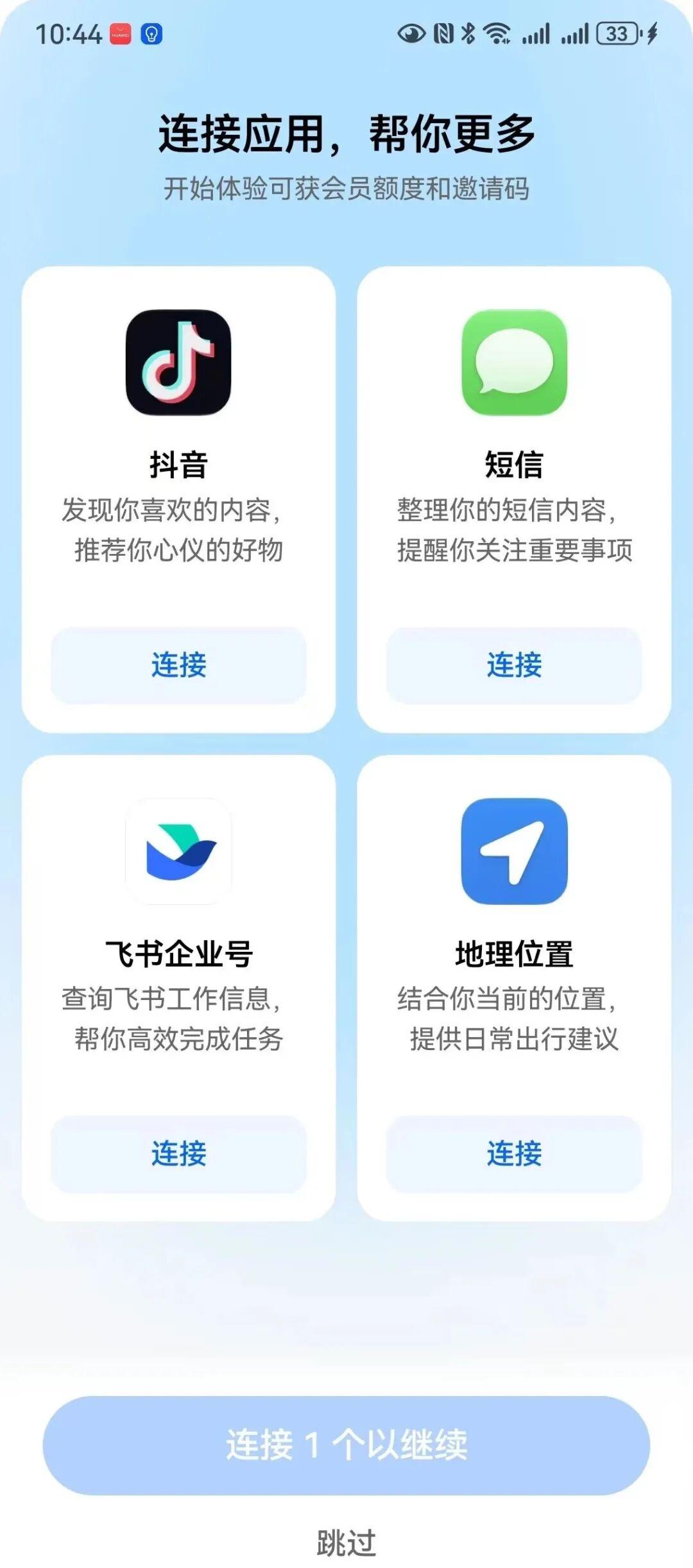
Personal Agent的核心卖点——跨应用代为处理、主动跟进、代打电话——仍然要以第三方App愿意开放接口为前提,目前,小豆可以连接的插件有:日历、短信、通讯录等手机系统软件,抖音、飞书、汽水音乐等字节生态内应用,以及高德打车、航班管家、自如租房、万得(Wind)金融数据等外部应用。

图片

国内Personal Agent竞争也在过去两个月迅速激化。阿里推出千问Go!,能扫描淘宝订单找到报价入口,替用户退差价;能在航班延误时和票务平台客服交涉,索取70元赔偿金;蚂蚁灵光2.0可以追踪金价涨跌,跌幅自动提醒;可以定演唱会抢票时间,也可以持续监控机票降价,降到合适价格自动弹窗。

腾讯的Personal Agent产品Handy Bot目前只在微信里开了一个服务号,独立App尚未推出,小微还在小范围灰测,元宝目前被明确定位为“重点强化搜索能力”。尚未有一个全场景Agent脱颖而出。

前豆包PC端负责人齐俊元创办的Today AI产品性能上最接近Meta的Muse:可查看本地文件、相册、应用使用时长,形成个人画像,主动推送日程提醒,但Today能够连接外部服务应用也比较有限。

手机厂商的路线与App们不同,它们接入手机OS的底层权限,可以执行更多长程任务。荣耀YOYO宣称能执行超过100步长程任务,任务闭环率超90%,主动服务覆盖上千个生活场景。小米超级小爱2.0依托小米手机OS权限,也宣称可跨应用编排任务,目前接入支付宝、高德等十余家App服务,覆盖范围还在扩张中。

亿邦持续追踪报道该情报,如想了解更多与本文相关信息,请扫码关注作者微信。

本文首发于 亿邦动力 官方网站

文章来源:亿邦动力

广告
微信
朋友圈

FAQ回顾

小豆是什么产品?主要能帮用户做什么?

小豆是字节跳动旗下豆包体系的个人智能体产品,定位“懂你,还能主动帮你办事”,以独立App形态提供信息查询、日程待办、生活服务、购物售后、健康提醒、办公辅助六类场景服务。它能主动提醒猫粮补货并代下单、订餐厅座位、按时发送资料,也可连接Wind整理行情数据。

小豆怎么收费?

小豆定价包含免费档,以及68元、200元、500元三档月费,和688元、2048元、5088元三档年费,跟豆包专业版同价。豆包方面还透露,小豆的相关能力和体验未来将逐步放开,在豆包主端推出。

小豆可以连接哪些应用或服务?

小豆可连接日历、短信、通讯录等手机系统软件,抖音、飞书、汽水音乐等字节生态内应用,以及高德打车、航班管家、自如租房、Wind金融数据等外部应用。其跨应用代为处理、主动跟进和代打电话能力,仍需第三方App愿意开放接口。

国内Personal Agent有哪些代表产品?

阿里千问Go!可替用户退差价、就航班延误索取赔偿;蚂蚁灵光2.0可追踪金价、盯演唱会抢票和机票降价;腾讯有Handy Bot服务号和小微灰测;另有Today AI及荣耀YOYO、小米超级小爱2.0等手机厂商产品。目前尚未有一个全场景Agent脱颖而出。

小豆与手机厂商的Personal Agent路线有什么不同?

小豆采用独立App形态,通过连接日历、短信、通讯录、字节生态应用及高德、Wind等外部插件办事;手机厂商则接入手机OS底层权限,可执行更多长程任务。荣耀YOYO宣称能执行超100步长程任务、任务闭环率超90%,小米超级小爱2.0依托OS权限跨应用编排,并接入支付宝、高德等十余家App。

这么好看,分享一下?

朋友圈 分享

APP内打开

赞 +1
+1
微信好友 朋友圈 新浪微博 QQ空间
关闭
收藏成功
发送
/140 0