





广告
加载中

中国外卖产业发展大会:商家经营质量稳步提升 淘宝闪购助力餐饮“品质新增量”

龚作仁 2026-11-02 13:22
龚作仁 2026/11/02 13:22

邦小白快读

EN
全文速览

经营基本盘与品质风向

1.近一年行业日均单量维持稳态基线,超九成商户订单量持平或上涨,行业进入品质发展新常态。

2.协会倡导优质优价,推动品质化、绿色化、标准化,强调平台与商家共赢。

3.2026年一季度淘宝闪购餐饮商户店均订单同比翻倍,高频成熟用户增幅超150%。

商家拓圈与实操工具

1.单店中小微商户占平台新增商户超八成,区域连锁新增商家同比增76%,116个老字号近一年新设近2000家线上门店。

2.四五线及以下城市订单增速达一线城市2倍以上,县域新入驻超25万家小店、订单总量翻三倍。

3.可用AI经营管家诊断生意,连锁餐饮智能系统做选址、货品创新和跨门店管理;品牌卫星店、C2M测品共创可参考外婆家、海底捞、花小小案例。

品质竞争与用户价值

1.行业进入品质发展新常态,协会倡导优质优价,品牌竞争更看重品质化、绿色化、标准化而非单纯价格。

2.消费客群愿为品质与情绪体验支付溢价,带动客单价上涨;2026年一季度店均订单同比翻倍,高频成熟用户增幅超150%,利于沉淀复购客群。

3.线上化拓宽盈利半径,区域连锁新增商家同比增76%,116个老字号近一年新设近2000家线上门店,老品牌可借此焕新。

渠道、产品与营销抓手

1.渠道上可布局品牌卫星店、外送新业态门店和线上新店;海底捞外送布局超1000家线上新业态门店,外婆家外婆送到家单月万单店增至11家、利润提升14%。

2.产品研发可借C2M反向定制,平台数据测品与源头工厂共创,花小小15天完成新品研发验证并带来新用户;海底捞推出下饭火锅菜、拌饭等线上适配品类。

3.营销运营可用AI经营管家、连锁餐饮智能系统做商品与顾客运营、选址选品、异常预警和效果复盘。

市场机会与增长信号

1.行业日均单量进入稳态,超九成商户订单持平或上涨;平台新增商户中单店中小微占比超八成,区域连锁新增同比增76%,中小卖家仍有拓圈空间。

2.下沉市场是明确增长市场:四五线及以下城市订单增速达一线城市2倍以上,县域新入驻超25万家小店、订单总量翻三倍。

3.老字号线上化加速,116个商务部认证老字号餐饮商家近一年新设近2000家线上门店,可作为传统商家转型样本。

经营抓手与可学习点

1.2026年一季度店均订单同比翻倍、高频成熟用户增幅超150%,说明复购客群和品质供给有价值;消费客群愿为品质与情绪体验支付溢价。

2.可学习外婆家做卫星店提效、海底捞布局外送新业态并开发线上适配品类、花小小用C2M在15天完成新品研发验证。

3.合作方式上可关注平台联合一米八等生态供应链的C2M机制;风险与方向是品质化、绿色化、标准化和优质优价,需以品质而非低价竞争。

生产设计需求与产品机会

1.线上场景需要更适配的产品,海底捞推出下饭火锅菜、拌饭等创新品类,说明工厂可围绕外卖场景做品类设计和产品创新。

2.品牌卫星店已新拓超1万家,海底捞外送布局超1000家线上新业态门店,外婆家单月万单店增至11家、利润提升14%,带来持续的产品供给与共创机会。

3.行业倡导品质化、绿色化、标准化,工厂的产品设计和生产需匹配品质要求。

数字化与电商启示

1.C2M机制是直接商业机会:平台数据测品与源头工厂共创,花小小仅用15天完成新品研发验证并带来大量新用户。

2.可借AI选址选品、货品创新、连锁餐饮智能系统提升研发与供货效率;平台还将持续深耕技术与履约网络。

3.下沉市场县域新入驻超25万家小店、订单总量翻三倍,四五线订单增速达一线2倍以上,提示工厂可关注下沉餐饮供给和电商化配套。

趋势与客户痛点

1.行业日均单量维持稳态基线,超九成商户订单持平或上涨,进入品质发展新常态;协会倡导优质优价和品质化、绿色化、标准化。

2.客户痛点是提质增效与生意突破、完善数字经营能力、门店诊断、选址选品、货品创新、跨门店管理和新品研发验证。

3.增长机会来自下沉市场与线上拓圈:四五线及以下订单增速达一线2倍以上,县域新入驻超25万家小店、订单总量翻三倍。

新技术与解决方案

1.平台提供全栈AI经营智能体:AI经营管家用于单店诊断、商品与顾客运营;连锁餐饮智能系统支持选址、货品创新、消费者运营和跨门店批量管理。

2.解决方案包括自然语言对话获取经营策略、经营分析、异常预警与效果复盘,以及品牌卫星店、C2M反向定制和平台数据测品与源头工厂共创。

3.可参考外婆家单月万单店增至11家、利润提升14%,海底捞超1000家线上新业态门店,花小小15天完成新品研发验证。

商家需求与平台机会

1.商家核心需求是提质增效与生意突破,同时希望借助平台拓宽盈利半径;中小微、区域连锁、老字号和下沉小店都有线上化需求。

2.平台招商空间明显:新增商户中单店中小微占比超八成,区域连锁新增同比增76%,116个老字号近一年新设近2000家线上门店,县域新入驻超25万家小店。

3.商业对平台的需求还包括稳定履约、AI经营工具、跨门店管理和新品共创,平台需推动与商家共赢。

最新做法与运营风向

1.平台以全栈AI经营智能体、AI经营管家、连锁餐饮智能系统做商家运营管理,提供经营分析、异常预警和效果复盘。

2.以模式创新拓展超1万家品牌卫星店,并用C2M反向定制联合生态供应链做测品共创;外婆家、海底捞、花小小形成可展示案例。

3.运营风向是品质化、绿色化、标准化和优质优价,强调责任守护烟火、品质赢得信任;同时持续深耕技术与履约网络,惠及街头小店与连锁品牌。

产业新动向与商业模式

1.行业日均单量进入稳态基线,超九成商户订单持平或上涨,线上餐饮从扩张转向品质发展新常态,协会提出优质优价及品质化、绿色化、标准化。

2.线上化让中小商户和区域品牌拓宽盈利半径;区域连锁新增商家同比增76%,老字号近一年新设近2000家线上门店,下沉县域新入驻超25万家小店、订单总量翻三倍。

3.2026年一季度店均订单同比翻倍、高频成熟用户增幅超150%,显示品质供给与复购客群的价值。

新问题与政策启示

1.平台与商家共赢、促消费惠民生稳就业成为产业治理议题;充分竞争带来商户经营积极变化,但品质化、绿色化、标准化仍需推进。

2.可研究的新商业模式包括全栈AI经营智能体、品牌卫星店、C2M反向定制和平台数据测品与源头工厂共创。

3.案例上外婆家卫星店单月万单店增至11家、利润提升14%,海底捞超1000家线上新业态门店,花小小15天完成新品研发验证,可作为商业模式与数字化研究样本。

返回默认
声明:快读内容全程由AI生成,请注意甄别信息。如您发现问题,请发送邮件至 run@ebrun.com 。

我是 品牌商 卖家 工厂 服务商 平台商 研究者 帮我再读一遍。

Quick Summary

Business fundamentals and quality direction

1. Over the past year, average daily orders in the industry have maintained a stable baseline, with more than 90% of merchants seeing flat or rising order volumes; the industry has entered a new normal of quality-driven development.

2. The association advocates that quality commands a premium and promotes quality-oriented, green, and standardized development, emphasizing win-win outcomes between platforms and merchants.

3. In Q1 2026, average orders per store for Taobao Flash Sale catering merchants doubled year on year, and high-frequency mature users increased by more than 150%.

Merchant expansion and practical tools

1. Single-store micro, small, and medium-sized merchants account for over 80% of new merchants on the platform; new merchants from regional chains increased 76% year on year; and 116 time-honored brands opened nearly 2,000 online stores in the past year.

2. Order growth in tier-4/5 and lower-tier cities reached more than twice that of tier-1 cities; county-level areas saw over 250,000 new small shops, with total orders tripling.

3. AI business managers can diagnose business operations; chain restaurant intelligent systems can support site selection, product innovation, and cross-store management; brand satellite stores and C2M product-testing co-creation can reference cases from Waipo Jia, Haidilao, and Hua Xiaoxiao.

Quality competition and user value

1. The industry has entered a new normal of quality-driven development; the association advocates quality at a premium, and brand competition increasingly focuses on quality, sustainability, and standardization rather than price alone.

2. Consumer groups are willing to pay a premium for quality and emotional experience, lifting average order value; in Q1 2026, average orders per store doubled year on year and high-frequency mature users rose more than 150%, helping brands build repeat-purchase customer bases.

3. Online expansion broadens profit radius: new merchants from regional chains increased 76% year on year, and 116 time-honored brands opened nearly 2,000 online stores in the past year, giving old brands a chance to renew.

Channels, products, and marketing levers

1. For channels, brands can deploy brand satellite stores, new-format delivery stores, and new online stores; Haidilao has more than 1,000 online new-format delivery stores; Waipo Jia's Waipo Delivery-to-Home format saw stores with 10,000 monthly orders increase to 11, with profit up 14%.

2. For product R&D, brands can use C2M reverse customization, platform data-based product testing, and co-creation with source factories; Hua Xiaoxiao completed new-product R&D validation in 15 days and brought in new users; Haidilao launched rice-friendly hot pot dishes, mixed rice bowls, and other online-adapted categories.

3. For marketing and operations, brands can use AI business managers and chain restaurant intelligent systems for product and customer operations, site and product selection, anomaly alerts, and performance review.

Market opportunities and growth signals

1. Average daily orders in the industry have entered a steady state, with over 90% of merchants seeing flat or rising orders; single-store MSMEs account for over 80% of new platform merchants, new merchants from regional chains rose 76% year on year, and small and medium sellers still have room to expand their reach.

2. Lower-tier markets are a clear growth market: orders in tier-4/5 and lower-tier cities grew more than twice as fast as tier-1 cities; county-level areas saw over 250,000 new small shops, with total orders tripling.

3. Time-honored brands are accelerating onlineization: 116 MOFCOM-certified time-honored catering merchants opened nearly 2,000 online stores in the past year, offering a transformation sample for traditional merchants.

Operating levers and learnings

1. In Q1 2026, average orders per store doubled year on year and high-frequency mature users rose more than 150%, indicating the value of repeat-purchase customers and quality supply; consumers are willing to pay a premium for quality and emotional experience.

2. Sellers can learn from Waipo Jia's satellite stores for efficiency, Haidilao's delivery new formats and online-adapted product development, and Hua Xiaoxiao's C2M validation of new products in 15 days.

3. On cooperation, sellers can look to platform C2M mechanisms with ecosystem supply chain partners such as Yimiba. The risk and direction are clear: quality-oriented, green, and standardized development and quality at a premium; competition should be on quality, not low price.

Production design demand and product opportunities

1. Online scenarios require more adapted products; Haidilao's launch of rice-friendly hot pot dishes and mixed rice bowls shows that factories can design categories and innovate products around delivery scenarios.

2. Brand satellite stores have expanded by more than 10,000; Haidilao has over 1,000 online new-format delivery stores; Waipo Jia's monthly 10,000-order stores increased to 11 with profit up 14%, creating sustained product supply and co-creation opportunities.

3. The industry advocates quality-oriented, green, and standardized development; factory product design and production must meet quality requirements.

Digitalization and e-commerce implications

1. The C2M mechanism is a direct commercial opportunity: platform data-based product testing and co-creation with source factories; Hua Xiaoxiao completed new-product R&D validation in only 15 days and brought in many new users.

2. Factories can use AI for site and product selection, product innovation, and chain restaurant intelligent systems to improve R&D and supply efficiency; the platform will continue to deepen technology and fulfillment networks.

3. Lower-tier counties saw over 250,000 new small shops and total orders tripled; tier-4/5 order growth was more than twice that of tier-1, suggesting factories should watch lower-tier catering supply and e-commerce support.

Trends and customer pain points

1. Average daily orders in the industry remain at a stable baseline, with over 90% of merchants seeing flat or rising orders, entering a new normal of quality-driven development; the association advocates quality at a premium and quality-oriented, green, and standardized development.

2. Customer pain points are improving quality and efficiency, achieving business breakthroughs, improving digital operating capabilities, store diagnosis, site and product selection, product innovation, cross-store management, and new-product R&D validation.

3. Growth opportunities come from lower-tier markets and online expansion: orders in tier-4/5 and lower-tier cities grew more than twice as fast as tier-1; county-level areas saw over 250,000 new small shops and total orders tripled.

New technologies and solutions

1. The platform provides a full-stack AI business agent: the AI business manager is used for single-store diagnosis and product and customer operations; the chain restaurant intelligent system supports site selection, product innovation, consumer operations, and cross-store batch management.

2. Solutions include natural-language dialogue for business strategies, business analysis, anomaly alerts, and performance review, as well as brand satellite stores, C2M reverse customization, and platform data-based product testing and co-creation with source factories.

3. Reference cases: Waipo Jia's monthly 10,000-order stores increased to 11 with profit up 14%; Haidilao has over 1,000 online new-format stores; Hua Xiaoxiao completed new-product R&D validation in 15 days.

Merchant needs and platform opportunities

1. Merchants' core needs are improving quality and efficiency and achieving business breakthroughs, while using the platform to broaden profit radius; MSMEs, regional chains, time-honored brands, and lower-tier small shops all have onlineization needs.

2. Platform merchant recruitment space is clear: single-store MSMEs account for over 80% of new merchants, new merchants from regional chains rose 76% year on year, 116 time-honored brands opened nearly 2,000 online stores in the past year, and county-level areas saw over 250,000 new small shops.

3. Business needs from the platform also include stable fulfillment, AI operating tools, cross-store management, and new-product co-creation; the platform needs to promote win-win outcomes with merchants.

Latest practices and operating direction

1. The platform uses full-stack AI business agents, AI business managers, and chain restaurant intelligent systems for merchant operation management, providing business analysis, anomaly alerts, and performance review.

2. It uses model innovation to expand more than 10,000 brand satellite stores and C2M reverse customization with ecosystem supply chains for product testing and co-creation; Waipo Jia, Haidilao, and Hua Xiaoxiao form showcase cases.

3. The operating direction is quality-oriented, green, and standardized development and quality at a premium, emphasizing responsibility to protect the everyday food scene and quality to win trust; the platform will continue to deepen technology and fulfillment networks to benefit street shops and chain brands.

New industry dynamics and business models

1. Average daily orders in the industry have entered a stable baseline, with over 90% of merchants seeing flat or rising orders; online catering is shifting from expansion to a new normal of quality-driven development, and the association proposes quality at a premium and quality-oriented, green, and standardized development.

2. Onlineization allows small and medium merchants and regional brands to broaden profit radius; new merchants from regional chains rose 76% year on year; time-honored brands opened nearly 2,000 online stores in the past year; lower-tier counties saw over 250,000 new small shops, with total orders tripling.

3. In Q1 2026, average orders per store doubled year on year and high-frequency mature users rose more than 150%, showing the value of quality supply and repeat-purchase customer bases.

New issues and policy implications

1. Platform-merchant win-win outcomes, promoting consumption, benefiting livelihoods, and stabilizing employment have become industry governance issues; full competition brings positive changes to merchant operations, but quality-oriented, green, and standardized development still needs to advance.

2. New business models worth studying include full-stack AI business agents, brand satellite stores, C2M reverse customization, and platform data-based product testing and co-creation with source factories.

3. Cases: Waipo Jia's satellite stores' monthly 10,000-order stores increased to 11 with profit up 14%; Haidilao has over 1,000 online new-format stores; Hua Xiaoxiao completed new-product R&D validation in 15 days; these can serve as research samples for business models and digitalization.

Disclaimer: The "Quick Summary" content is entirely generated by AI. Please exercise discretion when interpreting the information. For issues or corrections, please email run@ebrun.com .

I am a Brand Seller Factory Service Provider Marketplace Seller Researcher Read it again.

10月30日,第十二届中国外卖产业发展大会在佛山落地。会上发布的《2026线上餐饮行业观察》报告显示,近一年来的行业日均单量维持稳态基线,超九成商户实现订单量持平或上涨,伴随新竞争格局带来的利好,行业正在步入品质发展新常态。

中国饭店协会会长陈新华在会上指出:“外卖业是促消费、惠民生、稳就业的重要贡献力量。当前行业正倡导优质优价,推动外卖走向品质化、绿色化、标准化发展。协会将推动平台与商家共赢发展,以责任守护烟火、以品质赢得信任,加力促进外卖产业高质量发展。”

餐饮商户迎来增长新空间,老字号、中小商家全面拓圈增收

《2026线上餐饮行业观察》报告显示,行业日均订单量增幅明显进入稳态。据淘宝闪购资深专家修斯研介绍,线上化让深耕本地的中小商户、区域品牌等拓宽了盈利半径,不同发展阶段的商户都享受到了充分竞争带来的经营结果的积极变化。

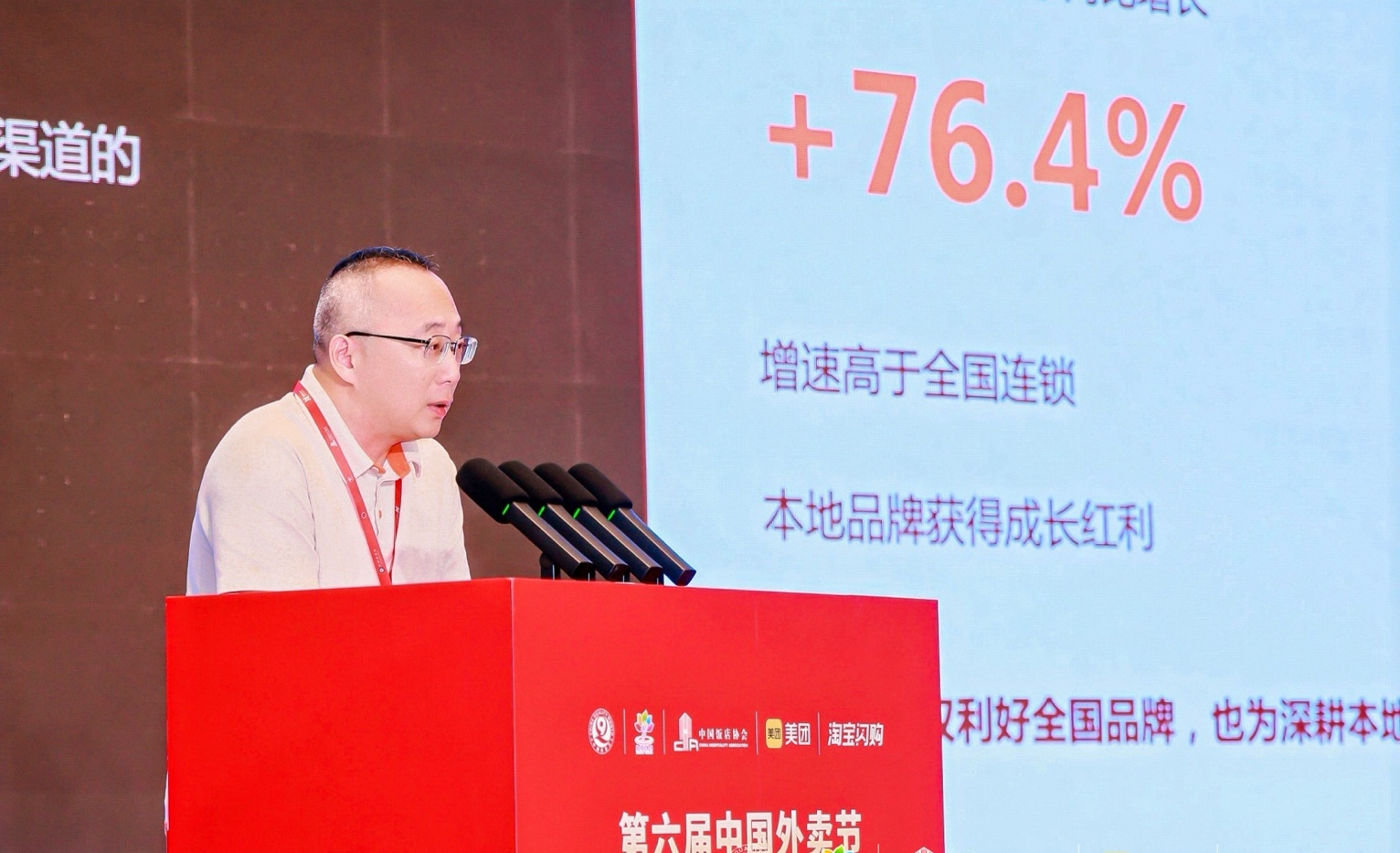
以淘宝闪购平台为例,在平台新增商户中——依托平台加速同城、全国拓店,单店形式的中小微商户占比超过八成,区域连锁品牌新增商家同比增长76%。与此同时,各地百年老字号也在加速线上开辟“第二增长曲线”:116个商务部认证的老字号品牌餐饮商家近一年累计在平台新设近2000家线上门店,实现传统品牌资产的高效焕新与价值转化。

市场新格局给商户经营带来的利好,直接反映在门店营收上。2026年一季度,淘宝闪购餐饮商户店均订单同比翻了一倍,高频成熟用户增幅超150%。这意味着商家不仅在过去一年的市场发展中快速增加了营收,更沉淀了规模庞大、复购稳定的忠实客群。

不仅如此,下沉市场的“烟火经济”在行业变化过程中,也在加速发展:过去一年,淘宝闪购在四五线及以下城市订单增速均达一线城市的2倍以上,县域市场新入驻超过25万家小店,订单总量翻了三倍。同时,消费客群愿为品质与情绪体验支付溢价,也带动客单价持续上涨。

以模式创新、AI服务,帮助餐饮商家提质增效

面对市场快速发展中商家对于提质增效与生意突破的迫切需求,平台也正依托前沿AI技术,进一步帮助商家完善数字经营能力。据淘宝闪购在会上分享,当下正通过持续升级全栈AI经营智能体、C2M反向定制和模式创新,全面助推餐饮商家把外卖做成一门高品质、可持续增长的“新生意”。

在智能经营上,淘宝闪购将平台数据与AI能力转化为商家可直接使用的经营工具。如“AI经营管家”帮助单店诊断生意、提升商品与顾客运营效率;“连锁餐饮智能系统”支持品牌选址、货品创新与消费者运营,并提供跨门店批量管理能力。商家通过自然语言对话即可快速获取经营策略支持,结合经营分析、异常预警与效果复盘,不管小店还是连锁品牌,都可以实现更省心、更高效的门店管理。

在模式创新层面,淘宝闪购也已帮助品牌商家新拓超1万家品牌卫星店,给商家带来显著的经营提效。如依托AI选址选品,外婆家旗下“外婆送到家”实现单月万单店增至11家、利润提升14%;海底捞通过外送布局超1000家线上新业态门店,推出下饭火锅菜、拌饭等更适配线上场景的创新品类。

此外,平台还联合一米八等生态供应链资源,开创“平台数据测品×源头工厂共创”的C2M机制。以花小小为例,仅用15天完成新品研发验证,为品牌带来大量新用户。

淘宝闪购在会上表示,面向未来将持续深耕技术与履约网络,让AI经营智能体惠及更多街头小店与连锁品牌,让每一家好餐饮都能把外卖做成一门可持续的好生意。

注:文/龚作仁,文章来源:Laborer,本文为作者独立观点,不代表亿邦动力立场。

文章来源:Laborer

广告
微信
朋友圈

FAQ回顾

中国外卖行业现在进入怎样的发展阶段?

《2026线上餐饮行业观察》显示,近一年行业日均单量维持稳态基线,超九成商户订单量持平或上涨,行业正步入品质发展新常态。中国饭店协会倡导优质优价,推动外卖品质化、绿色化、标准化发展,并促进平台与商家共赢。

中小餐饮商家如何通过外卖平台获得新增量?

淘宝闪购新增商户中,单店形式的中小微商户占比超过八成,区域连锁品牌新增商家同比增长76%;116个商务部认证老字号近一年新设近2000家线上门店。线上化帮助中小商户和区域品牌拓宽盈利半径,并沉淀高频成熟用户。

外卖平台如何用AI帮助餐饮商家提升经营效率?

淘宝闪购通过升级全栈AI经营智能体、C2M反向定制和模式创新,帮助商家提质增效。AI经营管家可诊断生意、提升商品与顾客运营效率;连锁餐饮智能系统支持选址、货品创新、消费者运营和跨门店批量管理,商家可通过自然语言对话获取经营策略。

餐饮品牌如何借助平台卫星店和C2M模式实现增长?

淘宝闪购已帮助品牌商家新拓超1万家品牌卫星店。外婆家旗下“外婆送到家”依托AI选址选品,单月万单店增至11家、利润提升14%;海底捞布局超1000家线上新业态门店。平台还联合供应链开创C2M机制,花小小15天完成新品研发验证。

下沉市场外卖业务有哪些增长机会?

过去一年,淘宝闪购在四五线及以下城市订单增速达一线城市的2倍以上,县域市场新入驻超过25万家小店,订单总量翻了三倍。下沉市场“烟火经济”加速发展,消费客群愿为品质与情绪体验支付溢价,也带动客单价持续上涨。

这么好看,分享一下?

朋友圈 分享

APP内打开

赞 +1
+1
微信好友 朋友圈 新浪微博 QQ空间
关闭
收藏成功
发送
/140 0

