广告
加载中

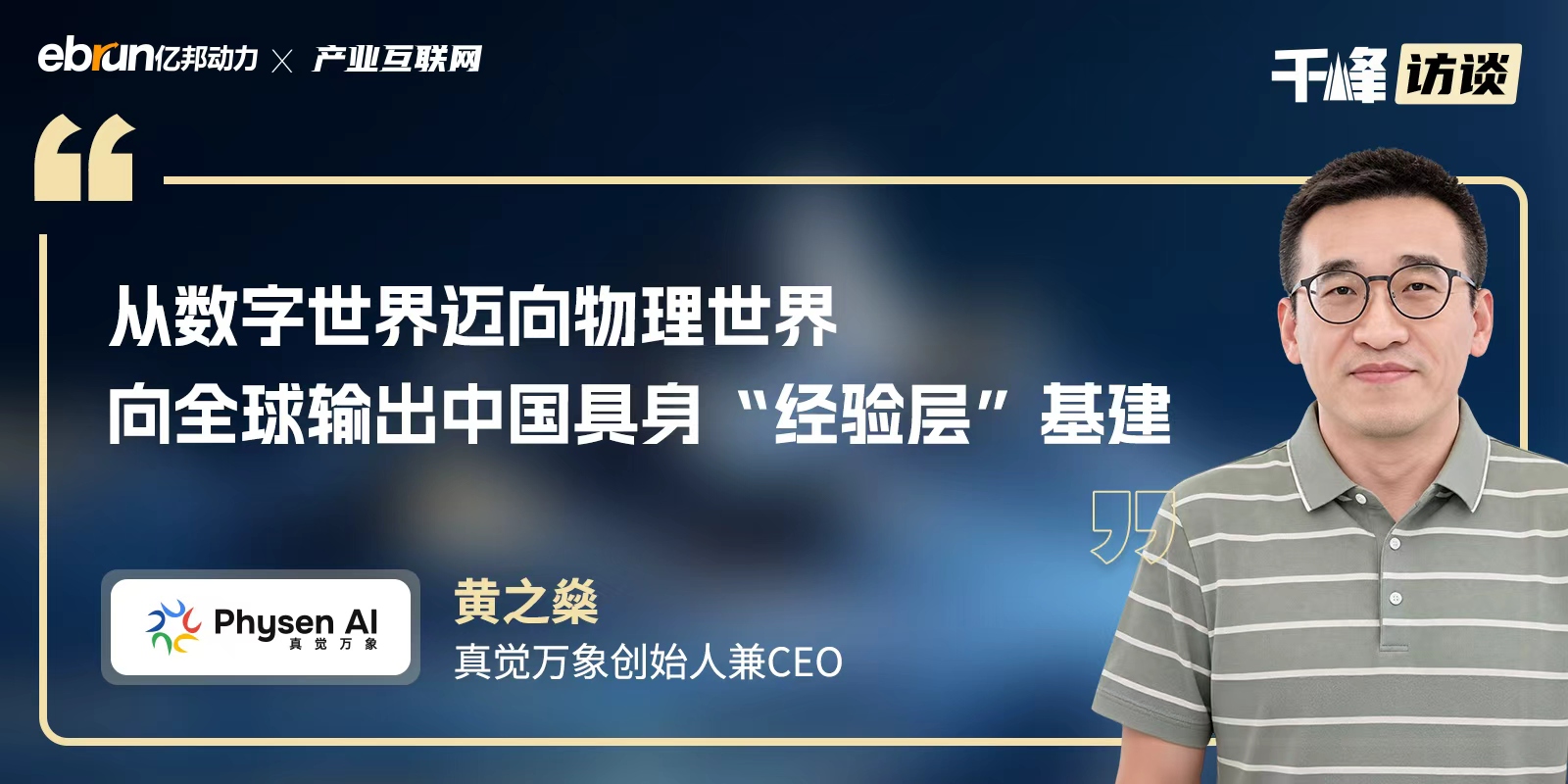
千峰访谈真觉万象黄之燊:从数字世界迈向物理世界,构建具身智能的“经验层”

亿邦动力 2026-11-24 15:01
亿邦动力 2026/11/24 15:01

邦小白快读

EN
全文速览

总:文章最值得普通读者掌握的是具身智能“经验层”的定位与数据闭环逻辑。

1.真觉万象把机器人本体比作身体、大模型比作大脑,自己构建连接身体与大脑的经验回路,业务主线是预训练数据、后训练数据、行业部署与场景资产回流。

2.采集端用全栈自研千元级可穿戴终端,在人类自然作业下规模化采集带物理力学与触觉特征的交互数据,再用Data Engine和Ego-to-Robot对齐模型打通异构本体。

3.可量化结果包括千万级商业交付、超半数客户来自海外、北美完成商业化闭环,跨本体对齐使客户真机微调数据需求降低70%以上。

总:实操启发是战略克制,找到能扎深的切入口。

1.不要用数字时代旧地图寻找物理世界新大陆,不追求大而全。

2.把采集终端、对齐引擎到行业部署的经验闭环做深做透,做厚场景资产复利,形成护城河。

总:真觉万象的品牌定位与出海路径,适合品牌商观察B2B品牌如何从硬件输出升级为标准输出。

1.品牌定位是具身智能“经验层”与数据部署基础设施,强调连接身体与大脑的经验回路,出海不是低价卖硬件,而是输出数据基建标准与底层能力。

2.渠道建设以北美为主阵地,联合华依科技承接本地化交付与运维,合规与隐私先行,在底层植入数据脱敏与隐私保护机制。

3.产品研发坚持自研千元级可穿戴采集终端、Data Engine与Ego-to-Robot对齐模型,并联合力鼎光电把质量关口前移到光学层。

总:价格竞争与客户需求形成差异化。

1.以不到传统遥操作1/10的成本获取高质量物理数据,用极致降本和极速提效形成竞争力。

2.北美客户看重数据精度、系统开放性、迭代效率和隐私合规,研发迭代以周为单位;数据竞争比物理力学密度而非体量。

总:文章给卖家的首要信号是北美具身智能市场存在增长机会,但合规与标准风险需前置应对。

1.增长市场方面,真觉万象超半数客户来自海外,北美具身智能创业生态繁荣,并已完成商业化闭环;其切入北美头部人形机器人企业供应链。

2.需求变化与机会方面,客户痛点从“有没有数据”转向数据能否跨本体复用,带物理力学与触觉特征的高保真数据、Ego-to-Robot对齐和端到端数据生产管线成为机会点。

总:商业模式与合作方式可学习。

1.真觉万象以经验层数据基建为模式,沿预训练数据、后训练数据、行业部署与场景资产回流形成数据飞轮,以不到传统遥操作1/10成本和缩短数月半年研发窗口吸引客户。

2.合作上联合华依科技做本地化零时差支撑,联合力鼎光电做光学层质量前移,联合宁波华翔打造汽车零部件产线案例;风险是数据标准缺失、异构本体数据沉没成本和隐私合规严苛。文中未提及直接扶持政策,卖家可重点借鉴合规先行与生态协同。

总:文章给工厂的核心干货是产线力控需求与数据质量前移的落地方法。

1.生产设计需求上,汽车零部件柔性装配线遇到非标物料易磕碰,需要机器人具备自适应力觉感知,实现“抓得紧、放得轻、不磕碰”。

2.采集设备设计强调千元级可穿戴终端保持人类自然作业,同步记录视觉、前臂力学和动作时序,联合力鼎光电从光学方案设计、镜头模组制造到数据管线集成消除畸变、视差与时同步偏差。

总:商业机会与数字化启示明确。

1.机会上,联合宁波华翔的具身智能汽车零部件产线获“AI+制造”典范案例奖,方案可降低非标物料装配损耗、缩短数周真机调试,并沉淀产线级物理交互资产;上游本体厂商可用极低软件升级成本补齐精细力控,提升复杂工业场景适用性和商业溢价。

2.数字化启示是把质量关口前移光学层,用Ego-to-Robot对齐让数据跨本体复用,通过行业部署形成场景资产复利;文章未直接展开电商,但数据管线与资产复用思路可用于数字化推进。

总:服务商可从具身智能经验层看到行业趋势与可交付解决方案。

1.趋势是AI从数字世界迈向物理世界,机器人替代复杂操作的最大瓶颈是真实物理环境高质量交互数据,竞争从数据体量转向物理力学密度。

2.新技术包括全栈自研千元级可穿戴采集终端、Data Engine、Ego-to-Robot对齐模型、光学层质量前移和物理Token资产化。

总:客户痛点与解决方案对应清晰。

1.痛点有传统遥操作数据换本体即废、沉没成本高,纯视觉难捕捉精细物理交互,算力耗在无效清洗和盲目真机试错,行业缺少数据标准。

2.解决方案是无感数采加跨本体对齐,使真机微调数据需求降低70%以上;联合力鼎光电从源头消除畸变、视差与时同步偏差;以端到端数据生产管线把获取成本降到不到传统遥操作1/10,并用本地化生态伙伴保障零时差支持。

总:文章把真觉万象呈现为具身智能“经验层”平台,平台商可关注其平台需求、做法与风向规避。

1.商业对平台的需求是客户不愿重金自建遥操作场地和底层管线,要求数据精度、系统开放性、迭代效率与隐私合规;问题是异构机器人本体数据壁垒和数据标准缺失。

2.平台最新做法是自研Data Engine与Ego-to-Robot对齐平台,把人类采集数据与不同品牌形态本体对齐,并用千元级采集终端形成多模态入口。

总:运营管理与生态协同有借鉴。

1.运营上以预训练数据、后训练数据、行业部署与场景资产回流做数据飞轮,跨本体对齐让微调需求降70%以上,端到端管线以不到传统遥操作1/10成本吸引海外客户。

2.生态上联合力鼎光电做光学层质量前移,联合宁波华翔落地汽车零部件产线,联合华依科技做北美本地化零时差支撑;风向规避是合规隐私底层植入、自己先做数据标准、保持战略克制不追求大而全。

总:文章提供了具身智能产业新动向与商业模式样本。

1.新动向是AI从数字世界迈向物理世界,经验层成为连接身体与大脑的关键,数据竞争力从体量转向物理力学密度,物理交互数据被资产化为物理Token。

2.新问题是真实物理环境高质量交互数据缺乏、异构本体数据不通用、数据标准缺失、算力被无效清洗和盲目试错消耗,海外还面临严苛隐私合规。

总:政策法规启示与商业模式值得研究。

1.政策法规启示是隐私保护与数据脱敏应在产品设计底层植入,并联合产业方推动物理交互数据行业标准建立,谁定义高质量物理Token谁掌握定价权。

2.商业模式是沿预训练数据、后训练数据、行业部署与场景资产回流主线,为具身智能与世界模型提供可训练可复用数据资产,已实现千万级商业交付、超半数客户海外、北美商业化闭环;出海输出端到端数据生产管线,成本不到传统遥操作1/10,并以生态合作实现本地化支撑。

返回默认

声明:快读内容全程由AI生成,请注意甄别信息。如您发现问题,请发送邮件至 run@ebrun.com 。

我是 品牌商 卖家 工厂 服务商 平台商 研究者 帮我再读一遍。

Quick Summary

Summary: The most important takeaway for general readers is the positioning of the 'experience layer' in embodied AI and the logic of its data closed loop.

1. Zhenjue Wanxiang compares the robot body to a body and the foundation model to a brain, while building the experience circuit that connects the two. Its main business lines are pretraining data, post-training data, industry deployment, and the feedback of scenario assets.

2. On the collection side, it uses a fully self-developed, roughly RMB 1,000 wearable terminal to collect interaction data at scale during natural human work, including physical-mechanical and tactile characteristics. It then uses a Data Engine and an Ego-to-Robot alignment model to connect heterogeneous embodiments.

3. Quantifiable results include tens of millions of RMB in commercial deliveries, more than half of customers from overseas, and a completed commercialization loop in North America. Cross-embodiment alignment reduces customers' real-robot fine-tuning data needs by more than 70%.

Summary: The practical lesson is strategic restraint—finding an entry point where the company can go deep.

1. Do not use an old map from the digital era to search for a new continent in the physical world, and do not pursue breadth for its own sake.

2. Go deep in the experience loop from collection terminals and alignment engines to industry deployment, build thicker compounding scenario assets, and form a moat.

Summary: Zhenjue Wanxiang's brand positioning and overseas path offer brands a way to observe how a B2B brand can upgrade from hardware exports to standards exports.

1. Its brand positioning is the 'experience layer' of embodied AI and infrastructure for data deployment. It emphasizes the experience circuit connecting body and brain. Going global is not about selling hardware at low prices but about exporting data infrastructure standards and foundational capabilities.

2. Channel building centers on North America, with Huayi Technology handling localized delivery and operations and maintenance. Compliance and privacy come first, with data anonymization and privacy protection mechanisms embedded at the foundation.

3. Product R&D remains focused on self-developed, roughly RMB 1,000 wearable collection terminals, the Data Engine, and the Ego-to-Robot alignment model. With Liding Optoelectronics, it moves the quality checkpoint upstream to the optical layer.

Summary: Price competition and customer needs create differentiation.

1. It acquires high-quality physical data at less than one-tenth the cost of conventional teleoperation, using extreme cost reduction and rapid efficiency gains as its competitive edge.

2. North American customers value data accuracy, system openness, iteration speed, and privacy compliance; R&D iterations run on a weekly cycle. Data competition is about physical-mechanical density, not volume.

Summary: The primary signal for sellers is that North America's embodied AI market offers growth opportunities, but compliance and standards risks must be addressed upfront.

1. In terms of growth markets, more than half of Zhenjue Wanxiang's customers are overseas, North America's embodied AI startup ecosystem is vibrant, and the company has completed a commercialization loop there. It has entered the supply chain of leading North American humanoid robot companies.

2. On demand shifts and opportunities, customer pain points have moved from whether data exists to whether data can be reused across embodiments. High-fidelity data with physical-mechanical and tactile characteristics, Ego-to-Robot alignment, and end-to-end data production pipelines are the opportunities.

Summary: The business model and partnership approach are worth learning from.

1. Zhenjue Wanxiang's model is experience-layer data infrastructure. It forms a data flywheel across pretraining data, post-training data, industry deployment, and scenario-asset feedback. It attracts customers with costs less than one-tenth of conventional teleoperation and by shortening R&D windows by several months to half a year.

2. In partnerships, it works with Huayi Technology for localized, zero-lag support; with Liding Optoelectronics to move quality control upstream to the optical layer; and with Ningbo Huaxiang to build an auto-parts production line case. Risks include the lack of data standards, sunk costs from heterogeneous embodiment data, and stringent privacy compliance. The article does not mention direct support policies; sellers can focus on compliance-first operations and ecosystem collaboration.

Summary: The core takeaway for factories is how to implement production-line force-control requirements and move data quality upstream.

1. In production design, flexible auto-parts assembly lines encounter non-standard materials that are prone to collisions. Robots need adaptive force perception to grip firmly, place gently, and avoid collisions.

2. Collection equipment design emphasizes a roughly RMB 1,000 wearable terminal that preserves natural human work while synchronously recording vision, forearm mechanics, and action timing. With Liding Optoelectronics, it eliminates distortion, parallax, and time-synchronization errors from optical solution design and lens module manufacturing to data pipeline integration.

Summary: Business opportunities and digitalization lessons are clear.

1. On opportunities, the embodied AI auto-parts production line built with Ningbo Huaxiang won an 'AI + Manufacturing' model case award. The solution can reduce assembly losses for non-standard materials, shorten real-robot debugging by several weeks, and build production-line-level physical interaction assets. Upstream robot OEMs can add fine force control at very low software upgrade cost, improving applicability and commercial premiums in complex industrial scenarios.

2. The digitalization lesson is to move the quality checkpoint upstream to the optical layer, use Ego-to-Robot alignment to make data reusable across embodiments, and generate compounding scenario assets through industry deployment. The article does not directly discuss e-commerce, but its data pipeline and asset-reuse approach can support digitalization efforts.

Summary: Service providers can identify industry trends and deliverable solutions from the embodied AI experience layer.

1. The trend is AI moving from the digital world to the physical world. The biggest bottleneck in replacing complex operations with robots is high-quality interaction data from real physical environments, and competition is shifting from data volume to physical-mechanical density.

2. New technologies include fully self-developed, roughly RMB 1,000 wearable collection terminals, the Data Engine, the Ego-to-Robot alignment model, moving quality control upstream to the optical layer, and assetizing physical tokens.

Summary: Customer pain points map clearly to solutions.

1. Pain points include conventional teleoperation data becoming obsolete when switching embodiments and high sunk costs; vision-only approaches struggling to capture fine physical interactions; compute being wasted on ineffective cleaning and blind real-robot trial and error; and the industry's lack of data standards.

2. Solutions include unobtrusive data collection plus cross-embodiment alignment, which reduces real-robot fine-tuning data needs by more than 70%; working with Liding Optoelectronics to eliminate distortion, parallax, and time-synchronization errors at the source; an end-to-end data production pipeline that lowers acquisition costs to less than one-tenth of conventional teleoperation; and local ecosystem partners that ensure zero-lag support.

Summary: The article presents Zhenjue Wanxiang as an 'experience layer' platform for embodied AI. Platform players should note its platform requirements, practices, and trend risks to avoid.

1. Business demand for the platform is that customers do not want to spend heavily on building their own teleoperation sites and underlying pipelines; they require data accuracy, system openness, iteration speed, and privacy compliance. The problems are data barriers across heterogeneous robot embodiments and the lack of data standards.

2. The platform's latest approach is a self-developed Data Engine and Ego-to-Robot alignment platform that aligns human-collected data with different brands and form factors, supported by roughly RMB 1,000 collection terminals as a multimodal entry point.

Summary: Operations management and ecosystem collaboration offer lessons.

1. Operationally, it uses pretraining data, post-training data, industry deployment, and scenario-asset feedback to create a data flywheel. Cross-embodiment alignment cuts fine-tuning needs by more than 70%, and the end-to-end pipeline attracts overseas customers at less than one-tenth the cost of conventional teleoperation.

2. In the ecosystem, it works with Liding Optoelectronics to move quality control upstream to the optical layer, with Ningbo Huaxiang to deploy an auto-parts production line, and with Huayi Technology for localized, zero-lag support in North America. Risk mitigation means embedding compliance and privacy at the foundation, establishing data standards proactively, and maintaining strategic restraint rather than pursuing breadth for its own sake.

Summary: The article provides new developments in the embodied AI industry and a business-model sample.

1. New developments include AI moving from the digital world to the physical world, the experience layer becoming key to connecting body and brain, data competitiveness shifting from volume to physical-mechanical density, and physical interaction data being assetized as physical tokens.

2. New problems include a lack of high-quality interaction data from real physical environments, non-transferable data across heterogeneous embodiments, missing data standards, compute being consumed by ineffective cleaning and blind trial and error, and stringent privacy compliance overseas.

Summary: Policy and regulatory implications and the business model merit research.

1. For policy and regulation, privacy protection and data anonymization should be embedded at the product-design foundation, and industry players should jointly promote standards for physical interaction data. Whoever defines high-quality physical tokens holds pricing power.

2. The business model follows pretraining data, post-training data, industry deployment, and scenario-asset feedback to provide trainable and reusable data assets for embodied AI and world models. It has achieved tens of millions of RMB in commercial deliveries, with more than half of customers overseas and a completed commercialization loop in North America. Its overseas expansion exports an end-to-end data production pipeline at less than one-tenth the cost of conventional teleoperation and uses ecosystem partnerships for localized support.

Disclaimer: The "Quick Summary" content is entirely generated by AI. Please exercise discretion when interpreting the information. For issues or corrections, please email run@ebrun.com .

I am a Brand Seller Factory Service Provider Marketplace Seller Researcher Read it again.

【亿邦原创】黄之燊,深圳真觉万象科技有限公司创始人兼CEO。真觉万象定位具身智能的“经验层”,沿预训练数据、后训练数据、行业部署与场景资产回流的主线,为具身智能与世界模型提供可训练、可复用的数据资产。目前公司已实现千万级商业交付,超半数客户来自海外,在北美等主流市场完成商业化闭环。本届千峰奖访谈中,黄之燊围绕AI与出海带来的模态进化,分享了真觉万象在具身智能经验层与全球化基建方向的前沿判断。

亿邦:本届千峰奖以「AI与出海带来的模态进化」为核心主题,聚焦产业能力的深层重构。结合人工智能和具身智能行业,您如何理解这一轮由AI和全球化共同驱动的产业模态进化?真觉万象在AI能力建设与全球化出海上有哪些核心战略布局?能否具体介绍一下公司的定位及业务模式?

黄之燊:这一轮产业模态的进化,本质上是AI从数字世界迈向物理世界(具身智能)的必然过程。在数字世界,大模型已经吃光了互联网文本;但在物理世界,机器人要真正替代人类完成复杂操作,最大的瓶颈是缺乏真实物理环境下的高质量交互数据。

真觉万象的定位是具身智能的“经验层”与数据部署基础设施。如果说机器人本体是身体,大模型是大脑,我们构建的就是连接身体与大脑的经验回路。我们的业务沿着预训练数据、后训练数据、行业部署与场景资产回流的主线展开:

前端多模态数据入口:通过全栈自研的千元级可穿戴采集终端,在保持人类自然作业的前提下,规模化采集带物理力学与触觉特征的交互数据;

中枢对齐与数据引擎:自研Data Engine与Ego-to-Robot对齐模型,将质量关口前移至光学层,打通异构机器人本体之间的动作与物理信号壁垒;

行业部署与场景资产复利:通过垂类行业部署,把每一次真机作业产生的真实交互沉淀为可高频复用的场景资产,形成越用越厚的数据飞轮。

在出海方面,具身智能天然具备全球化属性,目前真觉万象超过一半的客户来自海外,在北美等主流市场完成了非常扎实的商业化闭环。我们不仅是在输出硬件终端,更是在向全球输出中国具身智能的“经验层”基建能力。

亿邦:您提到中枢平台的核心是Ego-to-Robot对齐模型。这个对齐平台具体解决什么问题?为什么说它是打通异构机器人本体数据壁垒的关键?

黄之燊:过去,客户最头疼的不是没有数据,而是花重金通过传统遥操作采集的数据,换一个机器人本体就变成了废数据,沉没成本极高。我们的Ego-to-Robot对齐平台,就是把人类采集的数据与不同品牌、形态的机器人本体对齐,让同一套物理交互数据能够在不同本体之间复用。通过跨本体对齐算法,客户对真机微调数据的需求降低了70%以上,把过去因硬件不匹配而浪费的无效数据,转化为可高频复用、高价值的物理Token资产。

亿邦:目前贵公司在哪些核心业务环节落地了AI/大模型技术?形成了怎样独具特色的AI或数智化竞争力体系?

黄之燊:在产业落地与技术体系构建上,我们最具代表性的进展是切入北美头部人形机器人企业供应链,以及近期与光学龙头力鼎光电(605118)达成的深度战略合作。针对北美头部客户:他们对数据的保真度与跨本体泛化能力要求极高。我们为其提供无感数采方案与Ego-to-Robot对齐平台,直接解决了纯视觉难以捕捉精细物理交互的行业痛点,帮助他们大幅缩短了真机调试周期。

针对底层感知与数据可信度:我们联合力鼎光电,把具身数据的质量关口从后端算法层前移到了最源头的光学层。在采集设备规模化部署的背景下,一枚畸变超标的镜头或几十毫秒的时同步偏差,就会让后续所有的训练与评测失效。通过与力鼎光电建立从光学方案设计、镜头模组制造到数据管线集成的联合研发机制,我们从物理源头消除了畸变、视差与时同步偏差,确保输入到“经验层”的每一帧数据都具备极高的确定性与可信度,从而将高保真交互转化为高价值的物理Token资产。

亿邦:能否分享一个最具代表性的“AI+价值链”创新实践案例?它解决了哪些行业共性痛点,创造了哪些可感知、可量化的价值?

黄之燊:最典型的案例是我们联合宁波华翔(002048)打造的“基于多模态物理交互数据的具身智能汽车零部件产线”,该实践近期也刚刚荣获了2026第九届数智化转型与创新评选颁发的“AI+制造”典范案例奖。

在汽车零部件柔性装配产线中,传统自动化设备遇到非标物料极易磕碰。我们用EGO设备实时捕获熟练工人的视觉与手部/前臂力学交互数据,经由Ego-to-Robot对齐平台处理后,直接赋予机器人自适应的力觉感知能力,实现了“抓得紧、放得轻、不磕碰”。

这一方案为产业链创造了可量化的实际价值,对下游产线客户:大幅降低了非标物料的装配损耗,将原本需要数周的真机调试周期大幅缩短,并沉淀下可复用的产线级物理交互资产;对上游本体厂商:直接补齐了传统机械臂缺失的精细力控能力,帮助他们以极低的软件升级成本,显著提升了产品在复杂工业场景中的适用性与商业溢价空间。

亿邦:您提到算力和Token降本,核心是从源头过滤假信号,把过去消耗在物理试错上的昂贵算力省下来,转化成高价值Physical Token。这个降本逻辑具体怎么成立?

黄之燊:在具身智能行业,大量算力被白白消耗在无效数据清洗和盲目的真机试错上。通过我们的技术,从源头过滤了假信号,把过去消耗在物理试错上的昂贵算力省下来,转化成了用于模型泛化训练的高价值Physical Token。对于当前算力紧缺的机器人企业而言,这是当下最具ROI的降本增效工具。

亿邦:在推进AI规模化落地过程中,数据要素扮演了怎样的支撑角色?真觉万象更侧重自有产业数据深耕,还是推进跨主体、跨行业的数据协同?核心挑战是什么、如何应对?

黄之燊:真觉万象的数据竞争力在于“多模态、高保真、含力觉”。未来的具身数据竞争,不是比拼谁的数据体量大,而是比拼谁的数据物理力学密度(Physical Density)高。

我们采取深耕自有场景与跨主体协同并重的策略,在工业制造、商业服务等真实场景沉淀长尾交互经验;同时依托对齐平台,让人类采集的数据能够跨不同品牌、形态的机器人本体复用。

我们的核心挑战在于数据标准的缺失。目前行业对什么是好的物理数据缺乏共识,我们的应对方式是:自己先把标准做出来。真觉万象不仅在做数据积累,更在联合产业方推动物理交互数据的行业标准建立。谁定义了高质量的物理Token,谁就掌握了具身智能时代的石油定价权。

亿邦:您把“物理力学密度”作为衡量数据竞争力的核心指标,而不是数据体量。这个判断对真觉万象的数据采集和标注方式意味着什么?

黄之燊:这意味着我们不追求采集更多视频,而是要在采集时就把视觉、前臂力学、动作时序等多模态信息同步记录,并在数据引擎中完成结构化与训练就绪转化,完整保留精细的物理交互特征。视频体量可以靠设备堆砌出来,但高物理力学密度需要光学层硬件、标定算法和工程能力配合。这也是我们坚持自研采集终端和Data Engine的原因。

亿邦:海外布局方面,真觉万象目前布局了哪些核心市场?做了哪些关键本地化调整?

黄之燊:目前我们的核心海外主阵地是北美市场。北美的具身智能创业生态极度繁荣,客户对数据精度、系统开放性与迭代效率要求极高,同时对数据隐私与合规的监管也极其严苛。

为了高效适配当地市场,我们重点做了两大关键的本地化调整:首先是合规与隐私先行,我们在产品设计的最底层就植入了严格的数据脱敏与隐私保护机制,确保全流程合规,消除海外客户对数据安全的后顾之忧;其次是敏捷的本地化支撑与产业生态协同,我们联合科创板上市公司华依科技(688071)共同开拓北美市场,将中国高效成熟的工程化能力与本地化的服务网络深度结合,确保供应链与技术支持不成为客户研发进度的瓶颈。

亿邦:您提到联合华依科技共同开拓北美市场,把中国工程化能力与本地服务网络结合。这种合作模式具体怎么分工?为什么具身智能出海需要“零时差”的本地支撑?

黄之燊:海外头部客户的研发迭代是以周为单位的,对设备交付、现场标定、售后响应和技术支持的要求近乎苛刻。我们与华依科技合作,正是看重其在海外成熟的本地化服务与工程支持网络,保障设备交付与技术支持的零时差。在这种清晰的分工下,真觉万象可以把核心精力聚焦在“经验层”的数据引擎、对齐算法和行业标准建设上,本地化交付与运维由生态伙伴高效承接,实现了1+1>2的协同效应。

亿邦:在海外市场的深度价值链建设上,真觉万象形成了怎样的模式?为海外合作伙伴和当地产业创造什么价值?

黄之燊:我们的出海,不是简单的低价卖硬件,而是输出中国具身智能的数据基建标准与底层能力。

在出海模式与核心能力上,真觉万象输出的是一套端到端的数据生产管线平台。海外客户不再需要花重金自建遥操作场地或搭建复杂的底层管线,只需引入真觉万象的EGO数采设备与Ego-to-Robot对齐平台,就能源源不断地获取高保真、带物理力学特征的真机交互经验。

这为海外合作伙伴带来了两大核心商业价值:一是极致降本,帮助他们以不到传统遥操作1/10的成本获取高质量物理数据;二是极速提效,免去繁重的真机微调与数据清洗,直接帮客户抢下数月乃至半年的核心研发窗口期。我们正在用中国领先且成熟的工程化能力与数据中枢平台,帮助全球具身智能企业跨越物理数据卡脖子的鸿沟,实现从产品出海向数据基建与标准出海的跨越。

亿邦:如果给刚刚起步、希望同时构建AI竞争力与全球化能力的同行企业提一条最核心的建议,这条建议会是什么?

黄之燊:最核心的建议是:不要用数字时代的旧地图,去寻找物理世界的新大陆。在数字时代,大家拼的是流量和算法;但在具身智能的新模态下,核心壁垒在于对物理世界的深刻理解与真实交互经验的沉淀。具身智能产业链极长,初创企业切忌一开始就追求大而全。只有保持战略克制,找到自己能扎得最深的那一个切入口,比如真觉万象选择坚定地卡位具身智能“经验层”,把从采集终端、对齐引擎到行业部署的经验闭环做深做透,不断做厚场景资产的复利,未来向更多场景或产业生态延伸时,你的护城河才是不可逾越的。

作为TO B领域年度风向标,“2026第八届亿邦产业互联网年会暨首届产业智能体大会”将于2026年11月20日在北京召开。主题定为“AI与出海带来的模态进化”,聚焦产业智能体落地、AI供应链价值重构、数据要素与TOKEN经济、产业出海新生态等前沿议题深度思辨。大会将集结学界权威、央国企标杆、产业龙头、投资机构、服务生态伙伴,汇聚产业核心力量、拆解产业数智化转型路径、分享前沿实战经验。同期还将发布年度产业互联网报告及标杆案例,举办决策人闭门会、“千峰奖”颁奖盛典。

本文首发于 亿邦动力 官方网站

文章来源:亿邦动力

广告
微信
朋友圈

FAQ回顾

真觉万象在具身智能产业中扮演什么角色?

真觉万象定位具身智能的“经验层”与数据部署基础设施,连接机器人本体与大模型,沿预训练数据、后训练数据、行业部署与场景资产回流主线,为具身智能和世界模型提供可训练、可复用的数据资产。公司已实现千万级商业交付,超半数客户来自海外,并在北美等主流市场完成商业化闭环。

具身智能数据为什么需要跨机器人本体对齐?

传统遥操作采集的数据一旦更换机器人本体就可能成为废数据,沉没成本很高。真觉万象的Ego-to-Robot对齐平台可将人类采集的数据与不同品牌、形态的机器人本体对齐,让同一套物理交互数据跨本体复用,客户对真机微调数据的需求降低70%以上,将无效数据转化为可高频复用的物理Token资产。

企业如何降低具身智能真机调试和数据采集成本?

可采用无感数采方案与Ego-to-Robot对齐平台,从源头采集带物理力学与触觉特征的交互数据,过滤假信号,减少无效数据清洗和盲目真机试错。真觉万象的方案能以不到传统遥操作1/10的成本获取高质量物理数据,并缩短真机调试周期,帮助客户抢下数月乃至半年的核心研发窗口期。

具身智能企业出海北美需要具备哪些本地化能力?

需要合规与隐私先行,在产品设计底层植入严格的数据脱敏与隐私保护机制;同时建立敏捷的本地化支撑和产业生态协同。真觉万象联合科创板上市公司华依科技(688071)开拓北美市场,将中国工程化能力与本地服务网络结合,保障设备交付、现场标定、售后响应和技术支持零时差。

具身智能数据竞争力的核心指标是什么?

真觉万象认为未来具身数据竞争不是比拼数据体量,而是比拼数据物理力学密度(Physical Density)。采集时需同步记录视觉、前臂力学、动作时序等多模态信息,并在Data Engine中完成结构化与训练就绪转化,完整保留精细物理交互特征;高物理力学密度还依赖光学层硬件、标定算法和工程能力配合。

这么好看,分享一下?

朋友圈 分享

APP内打开

赞 +1
+1
微信好友 朋友圈 新浪微博 QQ空间
关闭
收藏成功
发送
/140 0