广告
加载中

短剧播完 生意没结束 淘宝短剧把“剧中同款”生意做长了

龚作仁 2026-11-20 16:07
龚作仁 2026/11/20 16:07

邦小白快读

EN
全文速览

总1

这篇文章的核心信息是:淘宝短剧把“剧中同款”生意从剧内延伸到直播和成交。

1.案例数据:淘宝主播呼呼huhoo在《命中注定我爱你》中演女二号,剧后做了两场同款服饰专场直播,直播间78%的用户此前看过这部短剧。

2.生意链路:品牌先以货品支持进入项目,演员提前拍商品素材,剧集上线后拆出男女主同款、剧中穿搭,主播再回直播间卖同款,剧中同款占商品整体成交金额40%以上。

总2

对普通读者有用的实操干货是理解内容如何承接消费。

1.商品要更早进入内容生产,剧中造型既要服务剧情,也要能转化为同款内容。

2.短剧负责建立人物关系和消费情境,短视频负责拆传播片段,直播负责讲材质、尺码、价格和优惠。

3.判断短剧价值不能只看播放量,还要看素材留存、商品兴趣、搜索点击、加购和直播成交。

总1

淘宝短剧给品牌带来的变化,是从一次植入曝光转向更长经营周期。

1.合作方式变化:服饰品牌MandyZhang前期没有直接以传统广告预算购买完整植入,而是先以货品支持形式进入项目,剧中主要服装由品牌提供。

2.商品前置:正式拍摄前,演员同步完成部分商品主图和传播素材拍摄,商品、演员和后续传播素材从拍摄阶段就被放在一起考虑。

3.内容复用:剧集上线后,男女主同款、剧中穿搭等内容被陆续拆解,剧照、造型和演员素材可继续用于商品链接和品牌自有渠道。

总2

品牌更应关注用户行为和可衡量结果。

1.剧中同款占商品整体成交金额40%以上;主播剧后两场同款直播中,78%用户此前看过短剧,说明剧情和人物能提前建立商品认知。

2.品牌真正要计算的不只是曝光,而是内容之后留下多少素材、带来多少商品兴趣,能否继续进入直播和成交。

总1

卖家可学习的最新商业模式是“短剧+短视频+直播”的“短短直”协同。

1.机会:短剧、短视频、商品、店铺和直播处在同一消费体系中,用户因剧情注意商品后,可继续查看同款、进入店铺或直播间,缩短内容兴趣与消费行为距离。

2.承接方式:短剧建立人物关系和消费情境,短视频拆传播片段,直播承担材质、尺码、价格、优惠等完整商品信息和交易需求,直播切片还可沉淀为短视频继续蓄水。

总2

合作与扶持信息也值得关注。

1.品牌可以用货品支持先进入项目,演员提前完成商品素材拍摄,剧后由主播参演并做同款专场直播承接销售。

2.平台层面,淘宝短剧联合爱奇艺、咪咕传媒、优酷、央广网等发起“电商短剧共创联盟·百亿精品计划”,阿里体系内优酷、书旗等内容与IP资源可提供供给。

3.风险提示:文章案例链路是一环一环延伸出来的,并非可照搬模板;卖家不能只盯播放量,要看素材留存、商品兴趣和直播成交。

总1

文章对工厂的启示是,商品可以更早进入内容生产环节。

1.生产与设计需求:服饰品牌MandyZhang以货品支持进入项目,剧中主要服装由品牌提供;正式拍摄前,演员还同步完成部分商品主图和传播素材拍摄。

2.设计要考虑双重用途:剧中造型既要服务剧情,也要天然具备后续转化为同款内容的条件,剧后服装可被拆成男女主同款、剧中穿搭等内容。

总2

商业机会与数字化电商启示明确。

1.商业机会:剧中同款占商品整体成交金额40%以上,主播剧后两场同款直播中78%用户此前看过短剧,说明内容能提前建立商品认知并承接交易。

2.数字化启示:电商平台内短剧、短视频、商品、店铺和直播同体系,内容兴趣可继续被搜索、点击、加购和成交观察;工厂可配合品牌准备可展示、可传播的商品素材,并支持直播讲解材质、尺码、价格和优惠。

总1

行业趋势是电商短剧从单次植入走向短剧、短视频、直播协同经营。

1.客户痛点:传统内容消费中,用户看到商品后还要搜索、跳转甚至跨平台购买,内容兴趣到交易之间存在多个断点,品牌也难以完整观察路径。

2.解决方案:淘宝把短剧、短视频、商品、店铺和直播放在同一消费体系,短剧建人物关系和消费情境,短视频拆传播片段,直播承接商品信息和交易,直播切片再沉淀为短视频。

总2

服务商可关注可量化链路和平台资源。

1.数据案例:剧中同款占商品整体成交金额40%以上;主播剧后同款直播中78%用户此前看过短剧。

2.服务方向:前端涉及IP、演员、制作和精品化能力,后端涉及商品、店铺、直播和交易承接;平台联合爱奇艺、咪咕传媒、优酷、央广网等发起“电商短剧共创联盟·百亿精品计划”,阿里体系内优酷、书旗等IP资源可供给。

3.价值衡量:短剧价值不再只是一组播放数字,还要看内容之后留下多少素材、带来多少商品兴趣并进入直播和成交。

总1

淘宝短剧展示了平台如何把内容与交易打通。

1.平台做法:短剧、短视频、商品、店铺和直播原本就处于同一个消费体系中,用户因剧情注意商品后,可继续查看同款、进入店铺或直播间,平台缩短的是内容兴趣与消费行为之间的距离。

2.协同模式:淘宝将短剧、短视频和直播的协同概括为“短短直”,重点不是简单叠加渠道,而是围绕同一批人物和商品不断延展内容价值。

总2

平台招商和运营管理可围绕更长经营周期展开。

1.招商信息:9月,淘宝短剧联合爱奇艺、咪咕传媒、优酷、央广网等发起“电商短剧共创联盟·百亿精品计划”,推动优质IP与短剧、电商融合;阿里体系内优酷、书旗等内容与IP资源为长剧IP衍生、短剧改编供给提供可能。

2.运营管理:品牌先以货品支持进入,演员提前拍商品素材,剧后拆同款内容,主播参演并做同款直播承接,直播切片再沉淀短视频。

3.风向规避:文章案例并非成熟可照搬模板,而是具体合作中逐步延伸;平台应让素材留存、商品兴趣、直播成交可量化,不能只停留在播放数字。

总1

电商短剧呈现出内容生产、传播和交易连续化的产业新动向。

1.生产变化:商品更早进入内容生产,品牌MandyZhang先以货品支持进入项目,而非传统广告预算购买完整植入;演员同时承担角色塑造和商品素材生产。

2.传播与交易变化:剧集上线后拆出男女主同款、剧中穿搭,剧中角色重新回直播间卖同款,直播切片再沉淀为短视频,形成“短剧+短视频+直播”的“短短直”模式。

总2

商业模式和研究问题更加具体。

1.模式特征:短剧建立人物关系和消费情境,短视频拆传播片段,直播承担完整商品信息和交易需求;平台内商品、店铺和直播同体系,使搜索、点击、加购和成交可被观察。

2.数据支撑:剧中同款占商品整体成交金额40%以上;主播同款直播中78%用户此前看过短剧。

3.新问题与启示:短剧价值衡量从播放量转向素材留存、商品兴趣和直播成交;案例链路是具体合作逐步延伸,并非可照搬模板。平台向IP上游延伸,联合爱奇艺、咪咕传媒、优酷、央广网等发起“电商短剧共创联盟·百亿精品计划”,启示在于精品IP与电商经营链路的结合。

返回默认
声明:快读内容全程由AI生成,请注意甄别信息。如您发现问题,请发送邮件至 run@ebrun.com 。

我是 品牌商 卖家 工厂 服务商 平台商 研究者 帮我再读一遍。

Quick Summary

Summary 1

The core message is that Taobao Short Drama extends the 'same items as seen in the drama' business from within the series to livestreaming and transactions.

1. Case data: Taobao streamer Huhoo played the second female lead in 'You Are My Destiny' and later hosted two livestreams dedicated to same-style apparel. Of the viewers in the livestream room, 78% had previously watched the short drama.

2. Business chain: Brands first entered the project by providing merchandise support; actors shot product materials in advance; after the series launched, same-style items worn by the male and female leads and outfits featured in the drama were broken out; the streamer then returned to the livestream room to sell the same items. Same-style items accounted for more than 40% of total transaction value.

Summary 2

The practical takeaway for general readers is understanding how content carries through to consumption.

1. Products need to enter content production earlier; costumes in the drama must serve the plot and also be convertible into same-style content.

2. Short dramas establish character relationships and consumption scenarios; short videos break out shareable clips; livestreaming explains materials, sizing, prices, and promotions.

3. Judging the value of a short drama cannot rely only on view counts; it should also look at retained materials, product interest, search clicks, add-to-carts, and livestream transactions.

Summary 1

The change Taobao Short Drama brings to brands is a shift from one-off product-placement exposure to a longer operating cycle.

1. Change in collaboration: Apparel brand MandyZhang did not initially buy a full placement with a traditional advertising budget; instead, it entered the project by providing merchandise support, with the brand supplying the main costumes in the drama.

2. Upfront product integration: Before formal shooting, actors simultaneously completed some product main-image and promotional material shoots; products, actors, and subsequent promotional materials were considered together from the shooting stage.

3. Content reuse: After the series launched, content such as same-style items worn by the male and female leads and outfits in the drama was gradually broken out; stills, looks, and actor materials could continue to be used for product links and the brand's own channels.

Summary 2

Brands should focus more on user behavior and measurable results.

1. Same-style items in the drama accounted for more than 40% of total transaction value; in the two same-style livestreams after the drama, 78% of users had previously watched the short drama, indicating that plot and characters can build product awareness in advance.

2. What brands really need to calculate is not just exposure, but how much material remains after the content, how much product interest it generates, and whether it can continue into livestreaming and transactions.

Summary 1

The latest business model sellers can learn from is the 'short drama + short video + livestream' ('short-short-live') coordination.

1. Opportunity: Short dramas, short videos, products, stores, and livestreams are in the same consumption system. After users notice products because of the plot, they can continue to view same-style items, enter a store, or enter a livestream room, shortening the distance between content interest and purchasing behavior.

2. Handoff model: Short dramas establish character relationships and consumption scenarios; short videos break out shareable clips; livestreaming handles complete product information and transaction needs such as materials, sizing, prices, and promotions; livestream clips can also be retained as short videos to continue building interest.

Summary 2

Collaboration and support information is also worth noting.

1. Brands can enter projects first through merchandise support; actors complete product material shoots in advance; after the drama, streamers participate and host same-style dedicated livestreams to drive sales.

2. At the platform level, Taobao Short Drama, together with iQIYI, Migu Media, Youku, and CNR, launched the 'E-commerce Short Drama Co-creation Alliance · RMB10 Billion Premium Content Plan'; content and IP resources from Alibaba's ecosystem, including Youku and Shuqi, can provide supply.

3. Risk note: The case's chain in the article was extended step by step and is not a template to copy directly; sellers should not focus only on view counts but on retained materials, product interest, and livestream transactions.

Summary 1

The implication for factories is that products can enter content production earlier.

1. Production and design requirements: Apparel brand MandyZhang entered the project through merchandise support, with the brand supplying the main costumes; before formal shooting, actors also completed some product main-image and promotional material shoots.

2. Design must consider dual use: costumes in the drama must serve the plot and naturally be suitable for later conversion into same-style content; after the drama, apparel can be broken out into same-style items worn by the male and female leads and outfits in the drama.

Summary 2

The business opportunity and digital-commerce implications are clear.

1. Business opportunity: Same-style items in the drama accounted for more than 40% of total transaction value; in the two same-style livestreams after the drama, 78% of users had previously watched the short drama, indicating that content can build product awareness in advance and carry through to transactions.

2. Digital implication: On e-commerce platforms, short dramas, short videos, products, stores, and livestreams are in the same system; content interest can continue to be observed through search, clicks, add-to-carts, and transactions. Factories can work with brands to prepare presentable and shareable product materials and support livestream explanations of materials, sizing, prices, and promotions.

Summary 1

The industry trend is that e-commerce short dramas are moving from one-off placements to coordinated operation across short dramas, short videos, and livestreaming.

1. Client pain point: In traditional content consumption, after seeing a product, users still need to search, jump, or even buy on another platform; there are multiple breakpoints between content interest and transaction, and brands find it difficult to observe the full path.

2. Solution: Taobao places short dramas, short videos, products, stores, and livestreams in the same consumption system. Short dramas build character relationships and consumption scenarios; short videos break out shareable clips; livestreaming handles product information and transactions; livestream clips are then retained as short videos.

Summary 2

Service providers can focus on measurable paths and platform resources.

1. Data case: Same-style items in the drama accounted for more than 40% of total transaction value; in the streamer's post-drama same-style livestreams, 78% of users had previously watched the short drama.

2. Service direction: The front end involves IP, actors, production, and premiumization capabilities; the back end involves products, stores, livestreams, and transaction handoff. The platform, together with iQIYI, Migu Media, Youku, and CNR, launched the 'E-commerce Short Drama Co-creation Alliance · RMB10 Billion Premium Content Plan'; IP resources from Alibaba's ecosystem, including Youku and Shuqi, can provide supply.

3. Value measurement: The value of a short drama is no longer just a set of viewership numbers; it also depends on how much material remains after the content, how much product interest it generates, and whether it proceeds into livestreaming and transactions.

Summary 1

Taobao Short Drama shows how a platform can connect content and transactions.

1. Platform approach: Short dramas, short videos, products, stores, and livestreams were already in the same consumption system. After users notice products because of the plot, they can continue to view same-style items, enter a store, or enter a livestream room. What the platform shortens is the distance between content interest and purchasing behavior.

2. Coordination model: Taobao summarizes the coordination of short dramas, short videos, and livestreaming as 'short-short-live'. The point is not simply stacking channels, but continuously extending content value around the same group of characters and products.

Summary 2

Platform merchant recruitment and operations management can be organized around a longer operating cycle.

1. Recruitment information: In September, Taobao Short Drama, together with iQIYI, Migu Media, Youku, and CNR, launched the 'E-commerce Short Drama Co-creation Alliance · RMB10 Billion Premium Content Plan' to promote the integration of quality IP with short dramas and e-commerce; content and IP resources from Alibaba's ecosystem, including Youku and Shuqi, make it possible to supply derivatives of long-series IP and short-drama adaptations.

2. Operations management: Brands enter first through merchandise support; actors shoot product materials in advance; after the drama, same-style content is broken out; streamers participate and host same-style livestreams to drive sales; livestream clips are then retained as short videos.

3. Avoiding the wrong signal: The case in the article is not a mature template that can be copied directly; it was gradually extended through specific collaborations. Platforms should make material retention, product interest, and livestream transactions measurable, rather than stopping at viewership numbers.

Summary 1

E-commerce short dramas show a new industrial trend toward continuous content production, distribution, and transactions.

1. Production change: Products enter content production earlier. Brand MandyZhang first entered the project through merchandise support rather than buying a full placement with a traditional advertising budget; actors simultaneously take on character-building and product material production.

2. Distribution and transaction change: After the series launched, same-style items worn by the male and female leads and outfits in the drama were broken out; characters from the drama return to the livestream room to sell same-style items; livestream clips are then retained as short videos, forming a 'short drama + short video + livestream' ('short-short-live') model.

Summary 2

The business model and research questions are becoming more specific.

1. Model characteristics: Short dramas establish character relationships and consumption scenarios; short videos break out shareable clips; livestreaming handles complete product information and transaction needs. Products, stores, and livestreams are in the same system on the platform, making search, clicks, add-to-carts, and transactions observable.

2. Data support: Same-style items in the drama accounted for more than 40% of total transaction value; in the streamer's same-style livestreams, 78% of users had previously watched the short drama.

3. New questions and implications: The measurement of short-drama value is shifting from view counts to material retention, product interest, and livestream transactions. The case's chain was gradually extended through specific collaborations and is not a template to copy directly. The platform is extending upstream into IP, launching the 'E-commerce Short Drama Co-creation Alliance · RMB10 Billion Premium Content Plan' with iQIYI, Migu Media, Youku, and CNR. The implication lies in combining quality IP with e-commerce operating chains.

Disclaimer: The "Quick Summary" content is entirely generated by AI. Please exercise discretion when interpreting the information. For issues or corrections, please email run@ebrun.com .

I am a Brand Seller Factory Service Provider Marketplace Seller Researcher Read it again.

在淘宝短剧《命中注定我爱你》里,淘宝主播呼呼huhoo演了一次女二号。

短剧播完后,她又回到了熟悉的直播间。不同的是,这一次摆上货架的,是自己刚刚在剧里穿过、演过的“剧中同款”。

两场同款服饰专场直播,把剧情里的商品继续带进了交易场。数据显示,直播间78%的用户此前看过这部短剧。

而这笔“同款生意”其实更早已经开始。

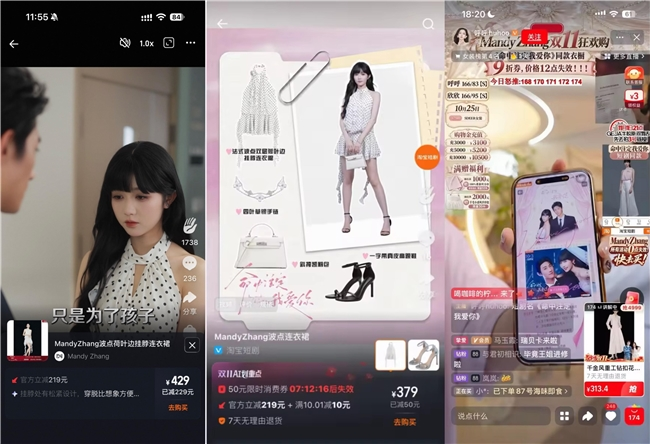
《命中注定我爱你》随着剧情发酵,剧中服装被不断拆成“男女主同款”“剧中穿搭”等内容。“剧中同款”占商品整体成交金额的40%以上。

从演员穿上商品,到“剧中同款”被用户搜索、点击,再到剧中角色重新回到直播间卖货,一部短剧的商业链路并没有在“剧终”时结束。

这也让《命中注定我爱你》成为一个值得观察的样本:当内容、人物和商品能够被连续使用,一部淘宝短剧究竟能把“同款生意”往后做多远?

01 商品开始更早进入内容生产

品牌与影视内容的合作并不新鲜。

冠名、植入、明星同款已经存在多年。传统模式里,剧组负责生产内容,品牌购买其中的曝光资源。内容热度过去之后,营销价值往往也随之下降。

《命中注定我爱你》的合作起点有所不同。

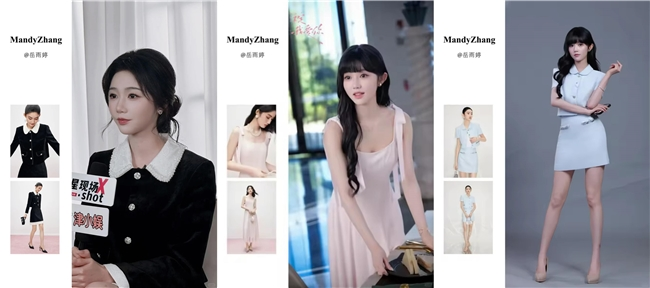
据业务负责人介绍,参与合作的服饰品牌MandyZhang,前期并没有直接以传统广告预算购买完整植入,而是先以货品支持的形式进入项目。剧中主要服装由品牌提供,正式拍摄之前,演员还同步完成了部分商品主图和传播素材的拍摄。

这意味着,商品进入内容的时间被提前了。商品、演员和后续传播素材从拍摄阶段就被放在一起考虑。演员既承担角色塑造,也参与商品素材生产。剧中造型服务剧情的同时,也天然具备后续转化为“同款”内容的条件。

对于品牌而言,这次合作更像是一次对新内容形式的试水。相比单纯购买一个植入位,品牌更关心的不只是衣服能不能出现在剧里,而是商品能否随着人物和剧情被记住,以及这些内容后续能否继续参与传播。

剧集上线后,“男女主同款”“剧中穿搭”等内容被陆续拆解,相关剧照、造型和演员素材也可以继续用于商品链接和品牌自有渠道。

这些素材随后可以用于商品展示、内容种草和引流,让“剧中同款”在正片播出之外继续发挥作用。

商品由此没有停在剧中。

而真正把这条链路继续向后推的,还来自另一条线索——人。

02 当剧中角色重新回到直播间

淘宝主播呼呼huhoo在《命中注定我爱你》中饰演女二号。

她在内容生产阶段就进入了故事。当短剧上线、人物关系逐渐建立认知后,她重新回到主播身份,通过两场“剧中同款”直播承接商品销售。

角色和主播两个身份,由此自然连接起来。对消费者来说,直播间中的商品不再陌生。剧情和人物提前完成了一轮认知,进入直播后,主播再进一步解释材质、尺码、价格和优惠。

对品牌而言,这意味着内容合作不必随着热度结束而结束。商品先进入剧情,人物和造型再被拆成更轻量的传播内容,最终由直播承接更明确的消费需求。

淘宝将这种协同概括为“短短直”模式。

短剧、短视频和直播

它的重点并不是简单叠加短剧、短视频和直播三个渠道,而是围绕同一批人物和商品不断延展内容价值。短剧负责建立人物关系和消费情境,短视频将其中适合传播的片段重新拆解,直播则承担更完整的商品信息和交易需求。

直播之后,短剧和直播切片还可以继续沉淀为短视频内容,为后续传播持续蓄水。

一部短剧由此从一次内容消费,延伸成一段更长的经营周期。

03 电商平台为什么做起了短剧?

如果只是把一部短剧拆成更多素材,还不足以构成新的商业逻辑。

真正的变量,在于短剧发生在电商平台。

在传统内容消费中,用户看到商品后,通常还要经历搜索、跳转甚至跨平台购买。从内容兴趣到最终交易,中间存在多个断点,品牌也很难完整观察这条路径。

淘宝的独特之处在于,短剧、短视频、商品、店铺和直播原本就处于同一个消费体系中。

用户因为剧情注意到一件商品,可以继续查看同款,进入店铺或者直播间。品牌也有机会进一步观察内容之后发生的搜索、点击、加购和成交。

电商短剧试图缩短的,并不是视频本身的长度,而是内容兴趣与消费行为之间的距离。

当然,交易基础设施只能解决“兴趣如何被承接”,短剧首先还得解决“为什么有人看”。

这也是淘宝短剧开始往内容和IP上游继续延伸的原因。目前9月,淘宝短剧联合爱奇艺、咪咕传媒、优酷、央广网等发起“电商短剧共创联盟·百亿精品计划”,推动优质IP与短剧、电商的融合。阿里体系内的优酷、书旗等内容与IP资源,也为长剧IP衍生、短剧改编供给提供更多可能。

前端拼的是IP、演员、制作和精品化能力,后端拼的是商品、店铺、直播和交易承接。对品牌真正有吸引力的,是两端开始被接在一起。

04 从一次植入,到更长的品牌经营周期

《命中注定我爱你》并不是从一开始,就按照一套成熟的“短剧+短视频+直播”产品来执行。

品牌先以货品进入项目,演员提前完成商品素材拍摄,随后有了“剧中同款”的传播,再到主播参演以及两场专场直播。这条链路是在一次具体合作中,一环一环延伸出来的。

它的意义,不在于提供一套可以照搬的模板,而在于让“一部短剧还能向后走多远”变得更加具体。

当商品点击、同款成交和直播回流都能够被量化,短剧的价值也就不再只是一组播放数字。

过去品牌购买的是一次曝光,现在更值得计算的是,内容之后还能留下多少素材、带来多少商品兴趣,又能不能继续进入直播和成交。

而这也回到了淘宝短剧最核心的价值。当内容兴趣与消费行为之间的距离被缩短,短剧的价值就不必停在播放量。它可以继续进入商品、店铺和直播,成为一段能够被承接、也能够被衡量的经营链路。

对淘宝短剧而言,真正要做长的不是内容时长,而是内容之后的生意。

注:文/龚作仁,文章来源:Laborer,本文为作者独立观点,不代表亿邦动力立场。

文章来源:Laborer

广告
微信
朋友圈

FAQ回顾

淘宝短剧的“短短直”模式是什么?

淘宝将短剧、短视频和直播的协同概括为“短短直”模式,核心是围绕同一批人物和商品延展内容价值:短剧建立人物关系和消费情境,短视频拆解适合传播的片段,直播承接完整商品信息与交易需求,直播切片再沉淀为短视频,形成更长的经营周期。

电商平台做短剧对品牌经营有什么价值?

品牌可以让商品更早进入内容生产,剧集上线后把“剧中同款”“男女主同款”用于商品链接、内容种草和引流,再通过直播间承接搜索、点击、加购与成交。内容兴趣与消费行为的距离被缩短,短剧价值不再只看播放量,而能形成可衡量的经营链路。

“剧中同款”如何从短剧内容转化为商品成交?

以《命中注定我爱你》为例,品牌MandyZhang以货品支持进入项目并提供剧中主要服装,演员拍摄前同步完成商品主图和传播素材;剧集上线后拆解“男女主同款”“剧中穿搭”引导搜索点击,参演主播呼呼huhoo再通过两场同款服饰专场直播承接销售,直播间78%用户此前看过短剧,同款占成交金额40%以上。

电商短剧与传统影视植入相比有什么优势?

传统模式是剧组生产内容、品牌购买曝光资源,内容热度过去后营销价值容易下降;电商短剧让商品更早进入内容生产,演员同步拍摄商品素材,播出后“剧中同款”可继续用于搜索、店铺和直播。淘宝把短剧、短视频、商品、店铺和直播放在同一消费体系,便于观察点击、加购和成交。

淘宝短剧在内容IP方面有哪些布局?

9月,淘宝短剧联合爱奇艺、咪咕传媒、优酷、央广网等发起“电商短剧共创联盟·百亿精品计划”,推动优质IP与短剧、电商融合;阿里体系内的优酷、书旗等内容与IP资源,也为长剧IP衍生、短剧改编供给提供更多可能。前端拼IP、演员、制作和精品化能力,后端拼商品、店铺、直播和交易承接。

这么好看,分享一下?

朋友圈 分享

APP内打开

赞 +1
+1
微信好友 朋友圈 新浪微博 QQ空间
关闭
收藏成功
发送
/140 0