广告
加载中

普渡机器人欧洲总部在德国正式启用 深化欧洲本地化运营布局

龚作仁 2026-10-30 15:40
龚作仁 2026/10/30 15:40

邦小白快读

EN
全文速览

总:文章核心信息是普渡机器人欧洲总部在德国诺伊斯启用,并以此完善欧洲本地化运营。

1.总部集办公运营、产品展示、销售、培训、仓储、售后服务及维修等功能,打通客户沟通、产品体验、项目交付与服务支持。

2.业务已覆盖欧洲20余个国家,过去两年20个市场年增长均超60%,服务16个行业。

3.案例是Denner部署超200台CC1系列清洁机器人,说明跨门店规模化需要适配布局流程和持续服务。

总:可复用的实操干货是本地化服务体系建设。

1.欧洲有近50名销售人员、近40名技术支持人员。

2.德国设服务中心,德国和荷兰布局仓储,用于整机库存和备件储备。

3.提供英语、德语、法语、西班牙语、意大利语等多语言支持,并与经销商、系统集成商、服务商合作。

总:品牌营销应围绕本地化服务能力展开,而不只是产品交付。

1.欧洲总部兼具产品展示、客户交流、经销商及合作伙伴培训功能,形成品牌体验与渠道赋能窗口。

2.客户需求从单一设备采购延伸到部署实施、持续运营和售后保障,品牌竞争点转向全周期服务。

3.客户评估机器人重视能否适应空间布局与作业流程、能否稳定融入日常业务、能否获得持续及时技术支持。

总:渠道建设与客户案例可支撑品牌信任。

1.业务覆盖欧洲20余国,20个市场过去两年年增长超60%,服务零售、餐饮、酒店、医疗、交通、教育等16个行业。

2.客户包括EDEKA、Albert Heijn、家乐福、万豪、Van der Valk、必胜客、Intermarché、Denner及巴黎戴高乐机场。

3.Denner部署超200台CC1系列清洁机器人,显示品牌通过跨门店部署和运营支持获得规模化应用。

总:欧洲是可关注的增长市场,机会集中在多行业规模化落地。

1.普渡业务覆盖欧洲20余国,过去两年德奥瑞士法荷挪英西意捷罗波等20个市场年增长均超60%,已服务16个行业。

2.需求从单一设备采购转向部署实施、持续运营和售后保障,卖家可关注全周期服务型机会。

3.客户案例包括Denner超200台CC1清洁机器人,以及零售、酒店餐饮和交通枢纽客户。

总:合作方式与运营支持值得学习,同时需注意落地门槛。

1.公司通过近50名欧洲销售人员、近40名技术支持人员,以及德国服务中心、德国和荷兰仓储形成支持网络。

2.与当地经销商、系统集成商及服务提供商合作,共同做市场开发、项目部署和后续维护。

3.风险与机会提示:机器人要从单店走向跨门店,需适配门店布局和流程并获得持续技术服务,不能只靠产品本身;多语言支持覆盖英德法西意。

总:产品设计需面向多场景适配和规模化部署。

1.Denner案例中,门店空间布局、清洁需求和作业流程存在差异,机器人需具备稳定自主清洁能力并适配具体运营环境。

2.客户不仅看单项任务完成,还看设备能否适应不同场所布局流程、稳定融入日常业务。

3.跨门店规模化应用要求产品与部署方案协同,制造端需考虑可适配性和后续服务支持。

总:商业机会与运营启示来自欧洲本地化体系。

1.普渡业务覆盖欧洲20余国、服务16个行业,过去两年20个市场年增长超60%,显示多行业需求。

2.德国和荷兰仓储用于整机库存及备件储备,德国服务中心和总部售后维修功能提示备件、交付、维护的重要性。

3.总部设产品展示、销售、培训、仓储、售后维修,形成从产品体验到服务支持的闭环;工厂可借鉴以本地服务网络支撑产品落地,降低客户协同成本。

总:行业趋势是商用机器人应用深入,客户需要全周期服务。

1.零售、餐饮、酒店、医疗、交通等行业应用不断深入,欧洲市场需求从单一设备采购延伸到部署实施、持续运营和售后保障。

2.客户痛点是设备能否适应不同场所空间布局与作业流程、稳定融入日常业务,以及能否获得持续及时技术支持。

3.多国家多语言市场还要求跨区域沟通协作效率。

总:解决方案是本地化团队、服务设施与合作伙伴协同。

1.欧洲总部集成办公运营、产品展示、销售、培训、仓储、售后服务和维修,连接客户需求、产品体验、伙伴培训和本地服务。

2.欧洲有近50名销售人员、近40名技术支持人员;德国设服务中心,德国和荷兰布局仓储用于整机库存和备件储备。

3.与当地经销商、系统集成商及服务提供商合作,提供英德法西意多语言支持,并以总部为枢纽协调销售、部署和售后。

总:文章体现的区域业务协同枢纽做法,可供平台运营管理参考。

1.欧洲总部不是单一办公场所,而是集成办公运营、产品展厅、仓储、培训、销售、售后服务及维修的综合设施。

2.总部承担区域业务协调职能,加强销售、项目部署及售后支持之间的协同,并与欧洲办事处、合作伙伴网络、德国和荷兰仓储形成互补。

3.这种以总部为枢纽、本地团队和合作伙伴为支撑的模式,为跨区域业务拓展提供基础设施与组织保障。

总:合作网络与风向规避值得平台商关注。

1.公司与当地经销商、系统集成商及服务提供商合作,共同支持市场开发、项目部署和后续维护;欧洲有近50名销售人员和近40名技术支持人员。

2.运营管理上建立本地化组织架构与运营目标,持续投入销售服务团队、仓储设施及本地服务网络,并提供英德法西意多语言支持。

3.风险规避提示:规模化落地不能只靠产品,还需与客户运营需求匹配的部署能力和长期服务保障;客户需求已从设备采购延伸到全周期服务。

总:产业新动向是商用机器人从设备销售走向全周期服务和本地化运营。

1.欧洲市场需求从单一设备采购延伸至部署实施、持续运营和售后保障,应用覆盖零售、餐饮、酒店、医疗、交通、教育等16个行业。

2.普渡业务覆盖欧洲20余国,20个市场过去两年年增长超60%,Denner部署超200台CC1清洁机器人,是可观察的规模化案例。

3.欧洲总部在德国诺伊斯启用,集办公运营、产品展示、销售、培训、仓储、售后维修等功能,形成区域运营枢纽。

总:新问题与商业模式启示在于规模化落地条件。

1.跨门店部署要求设备适配空间布局和作业流程、稳定融入日常业务,并获得持续及时技术支持。

2.商业模式是以总部为枢纽,结合近50名销售人员、近40名技术支持人员、德国服务中心、德国和荷兰仓储,以及经销商、系统集成商和服务商网络。

3.启示是将全球产品技术能力转化为贴近当地市场的服务能力,降低客户应用与运营协同成本;多语言支持覆盖英德法西意。

返回默认
声明:快读内容全程由AI生成,请注意甄别信息。如您发现问题,请发送邮件至 run@ebrun.com 。

我是 品牌商 卖家 工厂 服务商 平台商 研究者 帮我再读一遍。

Quick Summary

Summary: The core message is that Pudu Robotics has opened its European headquarters in Neuss, Germany, to complete its localized European operations.

1. The headquarters combines office operations, product display, sales, training, warehousing, after-sales service and maintenance, connecting customer communication, product experience, project delivery and service support.

2. Its business covers more than 20 European countries; over the past two years, annual growth in each of 20 markets exceeded 60%, serving 16 industries.

3. A case in point is Denner's deployment of more than 200 CC1-series cleaning robots, showing that cross-store scale-up requires adapting to store layouts and processes and providing ongoing service.

Summary: The reusable practical takeaway is the development of a localized service system.

1. Pudu has nearly 50 sales staff and nearly 40 technical support staff in Europe.

2. It has a service center in Germany and warehousing in Germany and the Netherlands for whole-machine inventory and spare-parts reserves.

3. It provides multilingual support in English, German, French, Spanish, Italian and other languages, and works with distributors, system integrators and service providers.

Summary: Brand marketing should center on localized service capability, not just product delivery.

1. The European headquarters also serves product display, customer communication, and training for distributors and partners, creating a window for brand experience and channel enablement.

2. Customer demand has extended from standalone equipment purchases to deployment, ongoing operations and after-sales support, shifting brand competition toward full-lifecycle service.

3. When evaluating robots, customers focus on whether the equipment can adapt to spatial layouts and workflows, integrate reliably into daily operations, and receive continuous and timely technical support.

Summary: Channel development and customer cases can support brand trust.

1. Its business covers more than 20 European countries; 20 markets grew more than 60% annually over the past two years, serving 16 industries including retail, food service, hotels, healthcare, transportation and education.

2. Customers include EDEKA, Albert Heijn, Carrefour, Marriott, Van der Valk, Pizza Hut, Intermarché, Denner and Paris Charles de Gaulle Airport.

3. Denner deployed more than 200 CC1-series cleaning robots, showing that the brand achieved scale application through cross-store deployment and operational support.

Summary: Europe is a growth market worth watching, with opportunities concentrated in scaled deployment across multiple industries.

1. Pudu's business covers more than 20 European countries; over the past two years, annual growth in each of 20 markets—including Germany, Austria, Switzerland, France, the Netherlands, Norway, the UK, Spain, Italy, the Czech Republic, Romania and Poland—exceeded 60%, and it already serves 16 industries.

2. Demand is shifting from standalone equipment purchases to deployment, ongoing operations and after-sales support; sellers can look for opportunities in full-lifecycle services.

3. Customer cases include Denner's deployment of more than 200 CC1 cleaning robots, as well as customers in retail, hospitality and food service, and transport hubs.

Summary: Cooperation models and operational support are worth studying, while deployment barriers need attention.

1. The company has built a support network with nearly 50 European sales staff, nearly 40 technical support staff, a service center in Germany, and warehousing in Germany and the Netherlands.

2. It works with local distributors, system integrators and service providers on market development, project deployment and ongoing maintenance.

3. Risk and opportunity note: to move from single stores to multiple stores, robots must adapt to store layouts and processes and receive ongoing technical service—product alone is not enough; multilingual support covers English, German, French, Spanish and Italian.

Summary: Product design must address multi-scenario adaptability and scaled deployment.

1. In the Denner case, store layouts, cleaning needs and workflows vary; robots need reliable autonomous cleaning capability and must adapt to specific operating environments.

2. Customers look beyond completion of individual tasks to whether equipment can adapt to different site layouts and processes and integrate reliably into daily operations.

3. Cross-store scale-up requires coordinated product and deployment solutions; manufacturing must consider adaptability and subsequent service support.

Summary: Commercial opportunities and operational implications come from the localized European system.

1. Pudu's business covers more than 20 European countries and serves 16 industries; over the past two years, annual growth in 20 markets exceeded 60%, indicating demand across multiple industries.

2. Warehousing in Germany and the Netherlands is used for whole-machine inventory and spare-parts reserves; the German service center and the headquarters' after-sales and maintenance functions highlight the importance of spare parts, delivery and maintenance.

3. The headquarters includes product display, sales, training, warehousing, after-sales service and maintenance, forming a closed loop from product experience to service support; factories can learn to support product rollout with local service networks and reduce customer coordination costs.

Summary: The industry trend is deeper adoption of commercial robots, and customers need full-lifecycle services.

1. Applications in retail, food service, hotels, healthcare and transportation are deepening; European demand is extending from standalone equipment purchases to deployment, ongoing operations and after-sales support.

2. Customer pain points are whether equipment can adapt to different site layouts and workflows, integrate reliably into daily operations, and receive continuous and timely technical support.

3. Multi-country, multilingual markets also require efficient cross-regional communication and coordination.

Summary: The solution is coordination among localized teams, service facilities and partners.

1. The European headquarters integrates office operations, product display, sales, training, warehousing, after-sales service and maintenance, connecting customer needs, product experience, partner training and local service.

2. In Europe there are nearly 50 sales staff and nearly 40 technical support staff; a service center in Germany and warehousing in Germany and the Netherlands for whole-machine inventory and spare-parts reserves.

3. It works with local distributors, system integrators and service providers, provides multilingual support in English, German, French, Spanish and Italian, and uses the headquarters as a hub to coordinate sales, deployment and after-sales service.

Summary: The article's approach of using a regional business coordination hub can serve as a reference for platform operations management.

1. The European headquarters is not a single office but an integrated facility combining office operations, product showroom, warehousing, training, sales, after-sales service and maintenance.

2. The headquarters undertakes regional business coordination, strengthening coordination among sales, project deployment and after-sales support, and complements European offices, the partner network, and warehousing in Germany and the Netherlands.

3. This model—headquarters as the hub, supported by local teams and partners—provides infrastructure and organizational support for cross-regional business expansion.

Summary: Partner networks and risk avoidance deserve platform operators' attention.

1. The company works with local distributors, system integrators and service providers to support market development, project deployment and ongoing maintenance; in Europe it has nearly 50 sales staff and nearly 40 technical support staff.

2. Operationally, it has established a localized organizational structure and operating targets, continues to invest in sales and service teams, warehousing facilities and a local service network, and provides multilingual support in English, German, French, Spanish and Italian.

3. Risk-avoidance note: scaled deployment cannot rely on products alone; it also requires deployment capability that matches customers' operational needs and long-term service guarantees. Customer demand has already extended from equipment purchases to full-lifecycle services.

Summary: The new industry development is that commercial robots are moving from equipment sales toward full-lifecycle services and localized operations.

1. European demand is extending from standalone equipment purchases to deployment, ongoing operations and after-sales support, with applications covering 16 industries including retail, food service, hotels, healthcare, transportation and education.

2. Pudu's business covers more than 20 European countries; 20 markets grew more than 60% annually over the past two years, and Denner's deployment of more than 200 CC1 cleaning robots is an observable scale-up case.

3. Pudu's European headquarters opened in Neuss, Germany, combining office operations, product display, sales, training, warehousing, after-sales service and maintenance into a regional operations hub.

Summary: New questions and business-model implications lie in the conditions for scaled deployment.

1. Cross-store deployment requires equipment to adapt to spatial layouts and workflows, integrate reliably into daily operations, and receive continuous and timely technical support.

2. The business model uses the headquarters as a hub, combined with nearly 50 sales staff, nearly 40 technical support staff, a service center in Germany, warehousing in Germany and the Netherlands, and a network of distributors, system integrators and service providers.

3. The implication is to translate global product and technology capabilities into service capabilities close to local markets, reducing customer application and operational coordination costs; multilingual support covers English, German, French, Spanish and Italian.

Disclaimer: The "Quick Summary" content is entirely generated by AI. Please exercise discretion when interpreting the information. For issues or corrections, please email run@ebrun.com .

I am a Brand Seller Factory Service Provider Marketplace Seller Researcher Read it again.

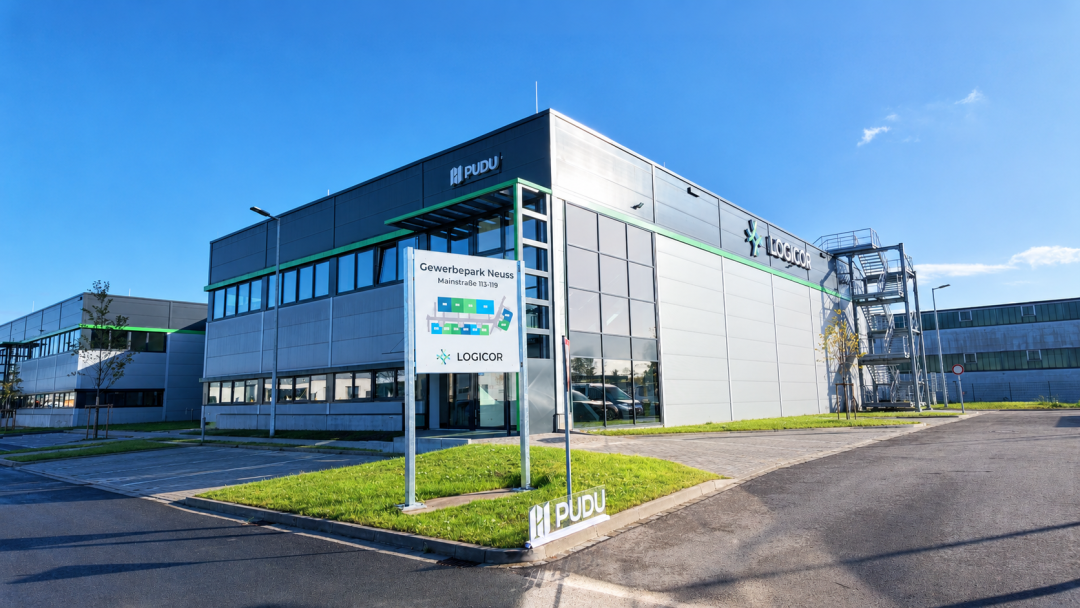
近日,普渡机器人欧洲总部在德国诺伊斯正式启用。作为普渡机器人深化欧洲市场布局、完善全球化运营体系的重要举措,新总部集办公运营、产品展示、销售、培训、仓储、售后服务及维修等功能于一体,进一步打通客户沟通、产品体验、项目交付与服务支持等关键环节。随着欧洲本地化运营能力持续完善,普渡机器人将为区域客户及合作伙伴提供更加全面的支持,助力机器人解决方案在欧洲市场的规模化落地与持续拓展。

图片

随着商用机器人在零售、餐饮、酒店、医疗、交通等行业的应用不断深入,欧洲市场对机器人解决方案的需求逐步从单一设备采购延伸至部署实施、持续运营和售后保障等全周期服务。欧洲总部的启用,是普渡机器人持续投入区域市场建设的重要举措,也标志着公司进一步整合本地团队、服务设施与合作伙伴资源,提升面向欧洲客户的综合服务能力。

欧洲业务持续增长

机器人加速进入多元商业场景

欧洲是普渡机器人全球业务布局的重要市场。目前,普渡机器人的业务已覆盖欧洲20余个国家。过去两年间,包括德国、奥地利、瑞士、法国、荷兰、挪威、英国、西班牙、意大利、捷克、罗马尼亚和波兰等在内的20个市场,年业务增长均超过60%,展现出机器人解决方案在欧洲市场持续拓展的势头。

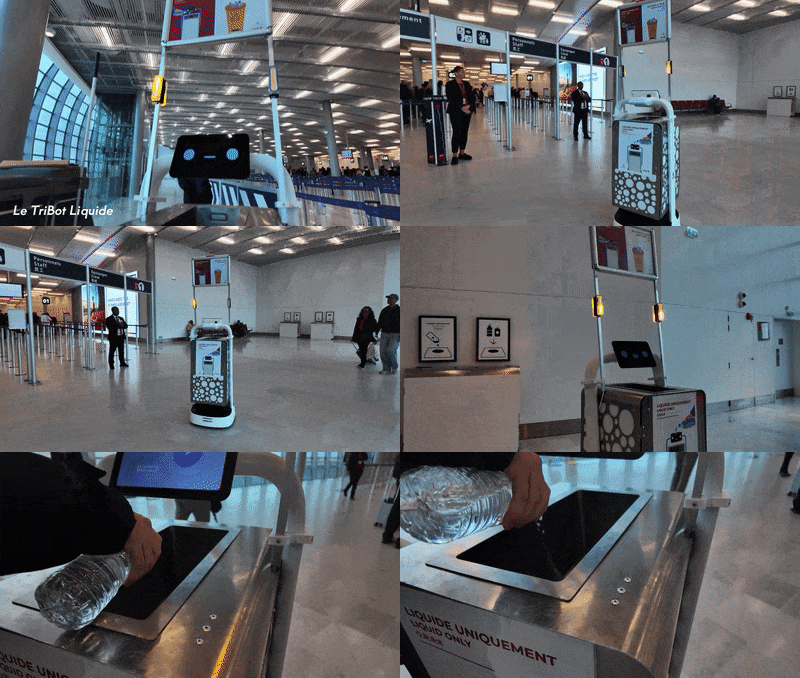
在应用层面,普渡机器人已服务于欧洲16个行业,覆盖零售、餐饮、酒店、医疗、交通、教育等多元场景。其欧洲客户包括EDEKA、Albert Heijn、家乐福、万豪、Van der Valk、必胜客、Intermarché、Denner等零售与酒店餐饮品牌,以及巴黎戴高乐机场等重要交通枢纽。

图片

随着应用场景不断拓宽,机器人在实际运营中的价值,也不再局限于完成单项任务。设备能否适应不同场所的空间布局与作业流程,能否稳定融入日常业务,以及能否获得持续、及时的技术支持,正成为客户评估机器人解决方案的重要因素。

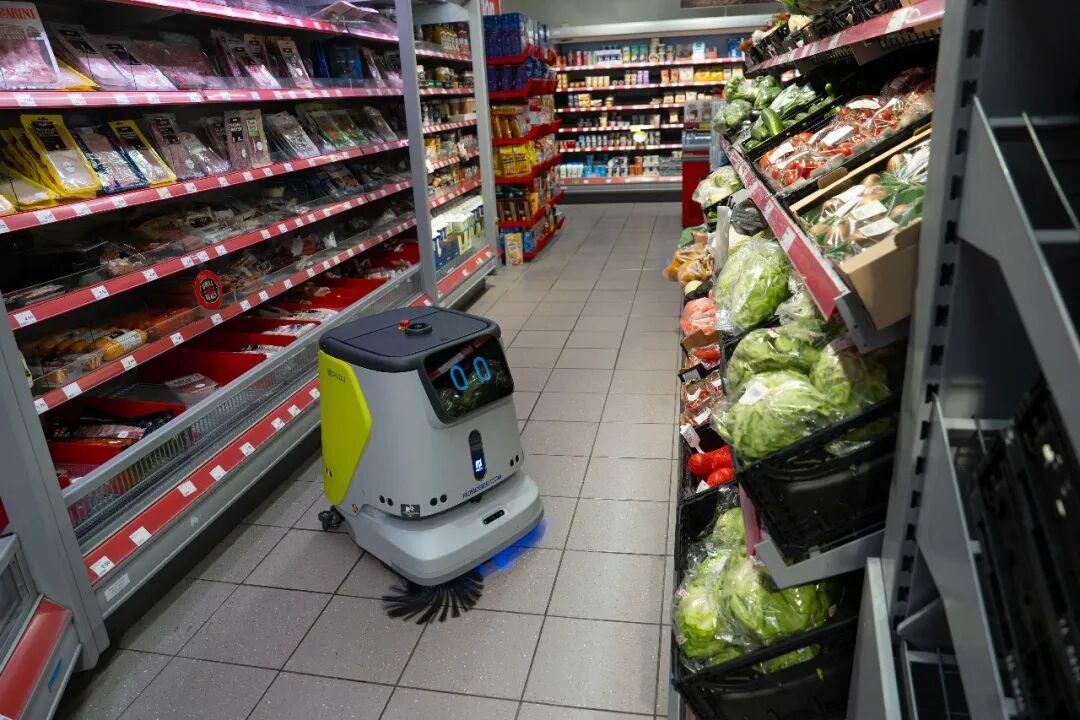
其中瑞士连锁超市Denner的规模化部署,是普渡机器人服务欧洲零售场景的一个典型案例。Denner已在其门店网络中部署超过200台CC1系列清洁机器人。对于连锁零售企业而言,门店分布广、运营节奏紧凑,各门店在空间布局、清洁需求和作业流程上也存在差异。机器人要从单店应用走向跨门店部署,不仅需要具备稳定的自主清洁能力,还需要能够适配具体运营环境,并获得持续的技术与服务支持。

图片

围绕此类需求,普渡机器人与客户协同制定部署方案,根据门店布局及运营特点进行适配,同时提供技术协助和持续运营支持,帮助机器人逐步融入日常清洁流程,并在更大范围内推广应用。

从单一场景应用到跨门店规模化部署,这类实践也体现出商用机器人落地的关键:真正支撑规模化应用的,不只是产品本身,还包括与客户运营需求相匹配的部署能力和长期服务保障。

从产品交付到全周期服务

完善欧洲本地化运营体系

面对欧洲市场不断增长的业务需求,普渡机器人正持续加强本地团队、区域合作伙伴及服务基础设施建设,逐步形成覆盖市场拓展、项目部署与后续维护的区域运营体系。

目前,普渡机器人在欧洲拥有近50名销售人员,为渠道合作伙伴及客户项目提供支持;同时配备近40名技术支持人员,服务于不同国家和市场的机器人部署项目。通过销售与技术团队的协同,公司能够更贴近当地客户及合作伙伴的实际需求,推动解决方案从前期沟通走向具体应用。

在服务设施方面,普渡机器人已在德国设立服务中心,并在德国和荷兰布局仓储设施,用于整机库存及备件储备,为交付协调、设备维护及服务响应提供支持。伴随欧洲总部正式启用,这些已有资源将与总部的销售、展示、培训及售后维修能力形成协同,进一步完善区域服务网络。

图片

与此同时,普渡机器人持续深化与当地经销商、系统集成商及服务提供商的合作,共同支持市场开发、项目部署和后续维护。在欧洲子公司层面,公司也已逐步建立本地化组织架构与运营目标,并持续投入销售与服务团队、仓储设施及本地服务网络建设。

针对欧洲多国家、多语言的市场特点,普渡机器人还提供英语、德语、法语、西班牙语、意大利语等多语言支持,以提升跨区域沟通与协作效率。

从市场拓展到项目交付,从产品培训到售后维修,从总部自有团队到当地合作伙伴,普渡机器人正在将分布于不同国家和地区的资源整合为更完整的区域运营体系。

这一体系建设的核心,是将全球产品与技术能力,转化为更贴近当地市场需求的服务能力。 通过结合本地市场经验、区域服务资源与全球技术支持,普渡机器人希望帮助客户降低机器人应用与运营中的协同成本,让机器人更有效地融入不同国家、不同行业的日常业务流程。

欧洲总部正式启用

打造区域业务协同枢纽

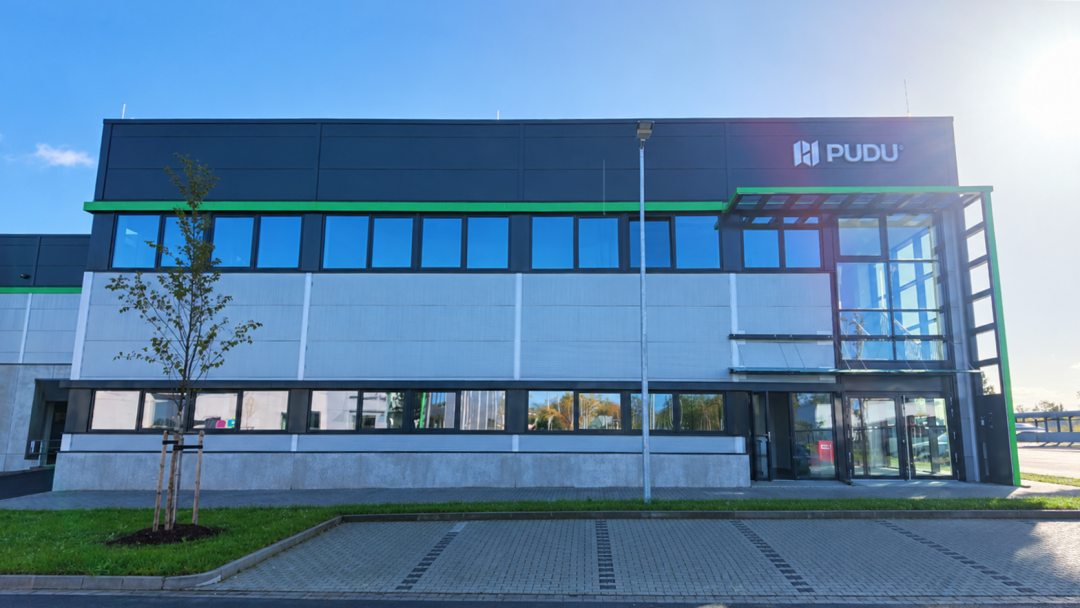
位于德国诺伊斯的欧洲总部,是普渡机器人进一步完善区域运营布局的重要支点。目前,新总部的办公运营、产品展厅、仓储、培训、销售、售后服务及维修等功能均已投入运营。依托这一综合设施,普渡机器人可以开展产品演示与客户交流,为经销商及合作伙伴提供培训,并支持本地服务交付。同时,总部也将承担区域业务协调职能,加强销售、项目部署及售后支持等环节之间的协同。

相较于单一办公场所,集成多项业务功能的欧洲总部能够更好地连接客户需求、产品体验、合作伙伴培训与本地服务资源,为区域业务开展提供更集中的支持平台。此外,欧洲总部将与普渡机器人现有的欧洲办事处、区域合作伙伴网络,以及布局于德国和荷兰的仓储设施形成互补,进一步加强跨区域业务协同。随着业务覆盖国家和客户项目不断增加,这种以总部为枢纽、以本地团队和合作伙伴为支撑的运营模式,将为欧洲市场的持续拓展提供更完善的基础设施与组织保障。

普渡机器人副总裁兼欧洲区总经理孙丽霞表示:“欧洲是普渡机器人重要的增长市场。随着机器人应用不断普及,客户需要的不仅是可靠的机器人解决方案,还需要本地化团队和服务能力,为项目部署及长期运营提供持续支持。位于德国诺伊斯的欧洲总部,将进一步增强我们与区域客户及合作伙伴紧密协作的能力,为公司下一阶段的业务增长提供支持。”

注:文/龚作仁,文章来源:Laborer,本文为作者独立观点,不代表亿邦动力立场。

文章来源:Laborer

广告
微信
朋友圈

FAQ回顾

普渡机器人欧洲总部在哪里,具备哪些功能?

普渡机器人欧洲总部位于德国诺伊斯,已正式启用。新总部集办公运营、产品展示、销售、培训、仓储、售后服务及维修等功能于一体,可开展产品演示与客户交流、为经销商及合作伙伴提供培训,并支持本地服务交付和区域业务协调。

普渡机器人在欧洲的业务覆盖哪些国家和行业?

普渡机器人业务已覆盖欧洲20余个国家,服务16个行业,包括零售、餐饮、酒店、医疗、交通、教育等场景。德国、奥地利、瑞士、法国、荷兰、挪威、英国、西班牙、意大利、捷克、罗马尼亚和波兰等20个市场,过去两年年业务增长均超过60%。

普渡机器人如何支持欧洲零售场景的规模化部署?

针对连锁零售门店分布广、空间布局和作业流程差异大的问题,普渡机器人与客户协同制定部署方案,根据门店布局及运营特点进行适配,并提供技术协助和持续运营支持。瑞士连锁超市Denner已在门店网络部署超过200台CC1系列清洁机器人,是跨门店规模化应用案例。

普渡机器人欧洲本地化运营体系包括哪些团队和设施?

普渡机器人在欧洲拥有近50名销售人员、近40名技术支持人员;在德国设立服务中心,并在德国和荷兰布局仓储设施,用于整机库存及备件储备。欧洲总部集成办公运营、产品展示、销售、培训、仓储、售后及维修功能,并提供英语、德语、法语、西班牙语、意大利语等多语言支持。

欧洲商用机器人市场为什么需要全周期服务和本地化支持?

随着商用机器人在零售、餐饮、酒店、医疗、交通等行业应用深入,欧洲市场需求正从单一设备采购延伸至部署实施、持续运营和售后保障等全周期服务。设备能否适应不同场所空间布局与作业流程、稳定融入日常业务,以及能否获得持续及时的技术支持,已成为客户评估机器人解决方案的重要因素。

这么好看,分享一下?

朋友圈 分享

APP内打开

赞 +1
+1
微信好友 朋友圈 新浪微博 QQ空间
关闭
收藏成功
发送
/140 0