广告
加载中

从航天黑科技到大众装备 看见国货运动科技新力量

廖紫琳 2026-10-30 16:15
廖紫琳 2026/10/30 16:15

邦小白快读

EN
全文速览

总1:核心是顶级运动科技下放日常,带来可感知功能升级与新品动向。

1.已落地关注:六度芯保暖科技由嫦娥六号月面国旗玄武岩纺纱技术转化,不到一年量产上市,销售规模达十亿级;FILA泰格鞋限量首发即售罄,是行业首双应用钛板科技的在售专业网球鞋。

2.选购关注:钛科技Plus源自冬奥钢架雪车鞋钛合金钉阵,强调防侧翻、抗扭转、减振,FILA泰格鞋10米折返冲刺约提速0.1秒;冰纱科技兼顾凉感、棉柔触感和持续干爽,适合跑步、通勤、健身;下一代超临界发泡中底有望从顶级竞速战靴下放大众跑者。

总2:未来科技继续向日常装备延伸。

1.折叠物理实验室研究航天级折纸工程学用于通勤跑鞋中底、鞋面可变形态和动态贴合。

2.科技普惠理念强调专业科技赋能大众,让实验室和国家队顶级科技成为运动爱好者日常可及。

总1:科技普惠给品牌带来产品研发与品牌向上机会。

1.产品研发:联合体发布钛科技Plus、冰纱科技、下一代超临界发泡中底、安踏膜、六度芯等,覆盖网球鞋、跑鞋、保暖、防水透湿面料;六度芯不到一年量产上市并做到十亿级销售。

2.品牌营销:FILA泰格鞋以行业首双钛板科技专业网球鞋限量首发、开售售罄,体现科技卖点与稀缺发售结合;安踏以科技普惠让奥运和航天科技走进大众,助推品牌价值向上。

总2:研发竞争和消费趋势已变化。

1.研发投入:安踏过去十年累计创新研发投入超200亿元,未来五年计划再投200亿元;行业过去重营销轻底层研发,联合体示范后越来越多本土品牌加大科研预算、搭建自有体系,沿擅长赛道沉淀技术资产。

2.消费趋势:专业科技下放大众,跑步、通勤、健身、网球等高频场景需求明确,凉感速干、棉柔、稳定敏捷、保暖是用户关注点。

总1:科技新品和量产案例带来市场机会。

1.案例信号:FILA泰格鞋限量首发售罄,钛板科技专业网球鞋有卖点;六度芯保暖科技量产上市后十亿级销售;冰纱科技走向跑步、通勤、健身,下一代超临界发泡中底有望下放大众跑者。

2.消费需求:网球急停变向需要稳定敏捷,日常穿着需要凉感与棉柔兼得、持续干爽,冬季需要保暖科技。

总2:联合体提供合作方式和风险提示。

1.合作方式:联合体从13家扩容至50家,汇聚高校、科研院所、上游材料供应商和制造工厂;机制为开放共享、利益共担,产业出题、生态解题、市场验证,供应链企业承接工艺打磨与量产落地。

2.可学习点:用真实运动场景提炼痛点,再以科技解决。

3.风险提示:行业长期存在关键材料、底层工艺瓶颈,企业若只重营销、跟随成熟方案做外观迭代,难形成技术资产。

总1:产品生产和设计需求集中在材料、3D打印和结构。

1.材料工艺:冰纱科技用双组份并列复合纺丝仿棉技术平台,以化纤工艺做出棉触感,兼顾凉感、速干、持续干爽和亲肤柔软;六度芯把玄武岩纺纱技术民用化。

2.设计与制造:钛科技Plus支持全3D打印专业网球鞋;折叠物理实验室攻关结构缓震、鞋面可变形态结构、动态贴合性能。

总2:商业机会与参与方式明确。

1.商业机会:联合体汇聚上游材料供应商和制造工厂,打通基础研究、应用开发到量产验证;供应链企业承接工艺打磨与量产落地;六度芯不到一年量产上市,说明航天技术民用化有量产红利。

2.参与方式:中小工厂熟悉制造但无力自主前沿研发,可通过联合体承接工艺打磨与量产落地。

3.升级启示:安踏未来布局九大科技方向,含智能制造、AI应用、智能可穿戴、颠覆式工艺,提示工厂关注新材料、3D打印和智能制造升级。

总1:行业科技化趋势和新技术清单值得关注。

1.趋势:行业从产品制造、规模领先走向科技引领、品牌向上,龙头牵头、产学研共生成为新范式。

2.新技术:钛科技Plus、全3D打印专业网球鞋、冰纱科技、下一代超临界发泡中底、安踏膜、六度芯、折叠物理实验室。

总2:客户痛点与解决方案清晰。

1.客户痛点:高校院所擅长基础理论但缺真实运动场景、量产工艺和市场检验通道;供应链中小工厂熟悉制造却无力自主前沿研发;行业受关键材料、底层工艺瓶颈掣肘,基础研究投入高、周期长、失败风险高。

2.解决方案:安踏牵头联合体,以产业出题、生态解题、市场验证打通基础研究、应用开发、量产验证;通过开放共享、利益共担、技术清单、转化路线和利益分配方案,推动规模化转化。

3.服务切入点:高性能材料、运动科学、功能性设计、奥运科技、环保可持续、智能制造、AI应用、智能可穿戴、颠覆式工艺九大方向。

总1:安踏牵头联合体提供了产业创新平台的组织样本。

1.聚合需求:平台需要汇聚高校、科研院所、上游材料供应商和制造工厂,打通基础研究、应用开发到量产验证。

2.吸纳资源:联合体由13家扩容至50家,程博闻院士加入资深科学顾问团队,显示平台持续吸纳科研与产业资源。

总2:运营管理和风向规避有参考。

1.机制:采用开放共享、利益共担;产业出题、生态解题、市场验证;梳理关键技术清单、制定技术转化路线、打磨兼顾各方诉求的利益分配方案。

2.运营节奏:短期夯实组织架构、理顺协同规则、推进首批科研项目立项落地。

3.风向规避:需正视核心技术掣肘、关键材料与底层工艺瓶颈,以及基础研究高投入长周期失败风险;避免重营销轻底层研发。

4.长期目标:打造全球领先体育产业创新研发平台,拥有参与制定全球技术标准的能力。

总1:产业新动向围绕科技普惠和联合体展开。

1.科技普惠:航天与奥运科技下放大众,如六度芯由月面国旗玄武岩纺纱技术转化,钛科技Plus源自冬奥钢架雪车鞋钛合金钉阵。

2.联合体成果:发布钛科技Plus、冰纱科技、下一代超临界发泡中底,成立折叠物理实验室;未来布局高性能材料、运动科学、功能性设计、奥运科技、环保可持续、智能制造、AI应用、智能可穿戴、颠覆式工艺九大方向,并谋求全球技术标准话语权。

总2:新问题与机制启示值得研究。

1.新问题:国内体育用品行业长期受核心技术掣肘,卡在关键材料、底层工艺,处于微笑曲线底端;高校缺场景、量产和市场检验,中小工厂无力前沿研发;基础研究高投入、长周期、高风险。

2.机制启示:安踏作为龙头组织者、链接者,联合体共享平台以产业出题、生态解题、市场验证运行,开放共享、利益共担,兼顾各方利益分配。

3.数据与代表:安踏过去十年累计创新研发投入超200亿元,未来五年再投200亿元;联合体从13家扩至50家,代表企业为安踏,代表人物包括陈科、朴哲范、程博闻。

返回默认
声明:快读内容全程由AI生成,请注意甄别信息。如您发现问题,请发送邮件至 run@ebrun.com 。

我是 品牌商 卖家 工厂 服务商 平台商 研究者 帮我再读一遍。

Quick Summary

Summary 1: The core is that top-tier sports technology is moving into everyday products, bringing perceptible functional upgrades and new product signals.

1. Already launched: Six-Degree Core thermal technology, converted from the basalt fiber spinning technology used in the Chang'e-6 lunar flag, reached mass production and market launch in under a year, with sales at the billion-yuan scale; FILA's Taige shoe sold out immediately in a limited first release and is the industry's first on-sale professional tennis shoe featuring titanium-plate technology.

2. Buying considerations: Titanium Technology Plus derives from the titanium-alloy stud array used in Winter Olympics skeleton shoes, emphasizing anti-rollover, torsion resistance, and vibration damping; FILA's Taige shoe improves 10-meter shuttle sprint time by about 0.1 seconds; Ice Yarn technology combines cooling sensation, cotton-like softness, and lasting dryness, suitable for running, commuting, and fitness; the next-generation supercritical foaming midsole is expected to move from elite racing shoes to mass runners.

Summary 2: Future technology will continue to extend into everyday equipment.

1. The Folding Physics Lab is studying aerospace-grade origami engineering for commuter running shoe midsoles, variable upper forms, and dynamic fit.

2. The technology-for-all concept emphasizes bringing professional technology to the public, making top lab and national-team technology accessible in daily life for sports enthusiasts.

Summary 1: Technology democratization creates opportunities for product R&D and brand elevation.

1. Product R&D: The consortium launched Titanium Technology Plus, Ice Yarn technology, next-generation supercritical foaming midsoles, ANTA membrane, Six-Degree Core, and others, covering tennis shoes, running shoes, thermal insulation, and waterproof-breathable fabrics; Six-Degree Core reached mass production and market launch in under a year and achieved billion-yuan-scale sales.

2. Brand marketing: FILA's Taige shoe was launched in a limited first release as the industry's first professional tennis shoe with titanium-plate technology and sold out at launch, combining a technology selling point with scarce release; ANTA uses technology democratization to bring Olympic and aerospace technology to the public, helping lift brand value.

Summary 2: R&D competition and consumer trends have changed.

1. R&D investment: ANTA has invested more than RMB 20 billion cumulatively in innovation R&D over the past decade and plans to invest another RMB 20 billion over the next five years; the industry previously emphasized marketing over underlying R&D, but after the consortium's demonstration, more local brands are increasing research budgets, building their own systems, and accumulating technology assets along their areas of strength.

2. Consumer trends: Professional technology is moving to the mass market, with clear demand in high-frequency scenarios such as running, commuting, fitness, and tennis; cooling quick-dry, cotton-like softness, stability and agility, and thermal insulation are key user concerns.

Summary 1: New technology products and mass-production cases create market opportunities.

1. Case signals: FILA's Taige shoe sold out in a limited first release, showing the selling point of professional tennis shoes with titanium-plate technology; Six-Degree Core thermal technology achieved billion-yuan-scale sales after mass production and launch; Ice Yarn technology is moving into running, commuting, and fitness, and the next-generation supercritical foaming midsole is expected to reach mass runners.

2. Consumer demand: Tennis requires stability and agility for sudden stops and direction changes; daily wear requires both cooling and cotton-like softness plus lasting dryness; winter requires thermal technology.

Summary 2: The consortium provides collaboration models and risk warnings.

1. Collaboration model: The consortium expanded from 13 to 50 members, bringing together universities, research institutes, upstream material suppliers, and manufacturing factories; the mechanism is open sharing and shared benefits, with industry posing questions, the ecosystem solving them, and the market validating them; supply-chain companies take on process refinement and mass-production implementation.

2. Lesson: Identify pain points from real sports scenarios, then solve them with technology.

3. Risk warning: The industry has long faced bottlenecks in key materials and underlying processes; companies that focus only on marketing and follow mature solutions for appearance iterations will struggle to build technology assets.

Summary 1: Product production and design needs center on materials, 3D printing, and structure.

1. Material processes: Ice Yarn technology uses a bicomponent side-by-side composite spinning cotton-like technology platform to create a cotton feel through chemical-fiber processes while combining cooling, quick-dry, lasting dryness, and skin-friendly softness; Six-Degree Core commercializes basalt fiber spinning technology for civilian use.

2. Design and manufacturing: Titanium Technology Plus supports fully 3D-printed professional tennis shoes; the Folding Physics Lab is working on structural cushioning, variable upper structures, and dynamic fit performance.

Summary 2: Business opportunities and participation methods are clear.

1. Business opportunities: The consortium brings together upstream material suppliers and manufacturing factories, connecting basic research, application development, and mass-production validation; supply-chain companies take on process refinement and mass-production implementation; Six-Degree Core's mass production and launch in under a year shows mass-production dividends from commercializing aerospace technology.

2. Participation: Small and medium-sized factories know manufacturing but cannot independently conduct frontier R&D; they can take on process refinement and mass-production implementation through the consortium.

3. Upgrade implications: ANTA's future layout covers nine technology directions, including smart manufacturing, AI applications, smart wearables, and disruptive processes, signaling that factories should focus on new materials, 3D printing, and smart-manufacturing upgrades.

Summary 1: The industry's technology trend and new technology list deserve attention.

1. Trend: The industry is moving from product manufacturing and scale leadership toward technology leadership and brand elevation; leadership by a leading company with industry-academia-research symbiosis is becoming a new paradigm.

2. New technologies: Titanium Technology Plus, fully 3D-printed professional tennis shoes, Ice Yarn technology, next-generation supercritical foaming midsoles, ANTA membrane, Six-Degree Core, and the Folding Physics Lab.

Summary 2: Client pain points and solutions are clear.

1. Client pain points: Universities and institutes are good at basic theory but lack real sports scenarios, mass-production processes, and market-validation channels; small and medium-sized supply-chain factories know manufacturing but cannot independently conduct frontier R&D; the industry is constrained by bottlenecks in key materials and underlying processes, while basic research involves high investment, long cycles, and high failure risk.

2. Solutions: ANTA leads a consortium that connects basic research, application development, and mass-production validation through industry posing questions, the ecosystem solving them, and the market validating them; it promotes scaled transformation through open sharing, shared benefits, technology lists, transformation roadmaps, and benefit-sharing plans.

3. Service entry points: Nine directions—high-performance materials, sports science, functional design, Olympic technology, environmental sustainability, smart manufacturing, AI applications, smart wearables, and disruptive processes.

Summary 1: The ANTA-led consortium provides an organizational sample for an industry innovation platform.

1. Aggregating demand: The platform needs to bring together universities, research institutes, upstream material suppliers, and manufacturing factories, connecting basic research, application development, and mass-production validation.

2. Absorbing resources: The consortium expanded from 13 to 50 members, and Academician Cheng Bowen joined the senior scientific advisory team, showing that the platform continues to absorb research and industry resources.

Summary 2: Operations management and trend avoidance offer references.

1. Mechanism: It adopts open sharing and shared benefits; industry poses questions, the ecosystem solves them, and the market validates them; it organizes key technology lists, sets technology transformation roadmaps, and refines benefit-sharing plans that balance the demands of all parties.

2. Operating rhythm: In the short term, consolidate the organizational structure, clarify collaboration rules, and advance the approval and implementation of the first batch of research projects.

3. Trend avoidance: It is necessary to confront core technology constraints, bottlenecks in key materials and underlying processes, and the high-investment, long-cycle, high-failure-risk nature of basic research; avoid overemphasizing marketing while neglecting underlying R&D.

4. Long-term goal: Build a globally leading sports-industry innovation R&D platform with the ability to participate in setting global technology standards.

Summary 1: New industry developments center on technology democratization and the consortium.

1. Technology democratization: Aerospace and Olympic technologies are moving to the mass market, such as Six-Degree Core, converted from the basalt fiber spinning technology used in the lunar flag, and Titanium Technology Plus, derived from the titanium-alloy stud array used in Winter Olympics skeleton shoes.

2. Consortium results: It launched Titanium Technology Plus, Ice Yarn technology, and next-generation supercritical foaming midsoles, and established the Folding Physics Lab; future layout covers nine directions—high-performance materials, sports science, functional design, Olympic technology, environmental sustainability, smart manufacturing, AI applications, smart wearables, and disruptive processes—and seeks a voice in global technology standards.

Summary 2: New questions and mechanism implications are worth studying.

1. New questions: China's sporting-goods industry has long been constrained by core technology and stuck at key materials and underlying processes, positioning it at the bottom of the smile curve; universities lack scenarios, mass production, and market validation; small and medium-sized factories cannot conduct frontier R&D; basic research involves high investment, long cycles, and high risk.

2. Mechanism implications: ANTA acts as a leading organizer and connector; the consortium's shared platform operates through industry posing questions, the ecosystem solving them, and the market validating them, with open sharing, shared benefits, and benefit distribution that balances all parties.

3. Data and representatives: ANTA has invested more than RMB 20 billion cumulatively in innovation R&D over the past decade and plans another RMB 20 billion over the next five years; the consortium expanded from 13 to 50 members; the representative company is ANTA, and representative figures include Chen Ke, Piao Zhefan, and Cheng Bowen.

Disclaimer: The "Quick Summary" content is entirely generated by AI. Please exercise discretion when interpreting the information. For issues or corrections, please email run@ebrun.com .

I am a Brand Seller Factory Service Provider Marketplace Seller Researcher Read it again.

打通产学研成果转化“最后一公里” ,引领中国体育产业向上突围

文丨廖紫琳      编辑丨石磊

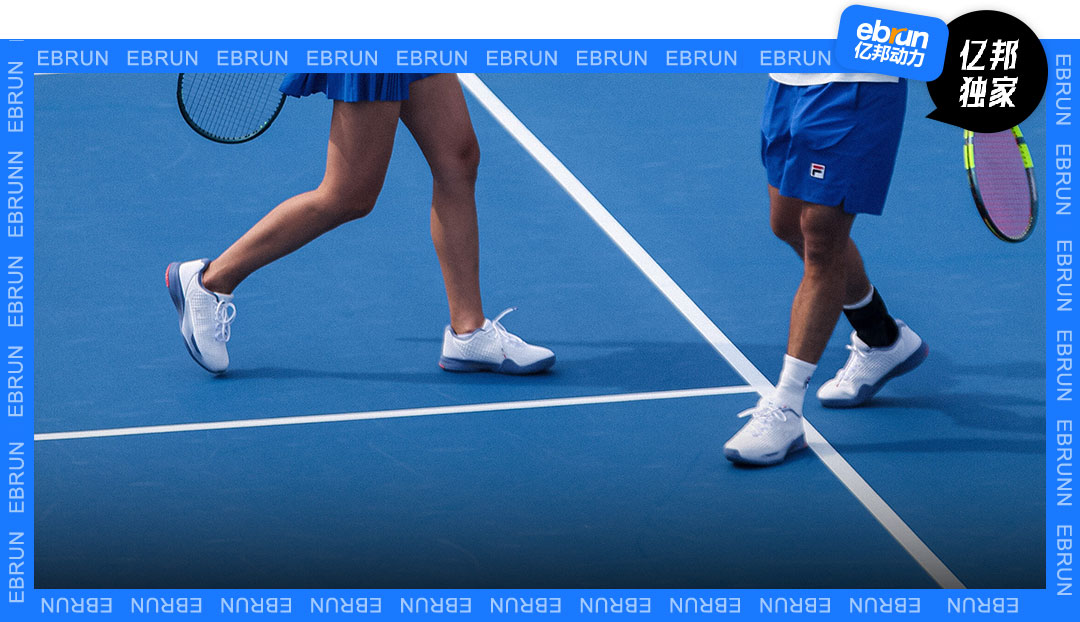
【亿邦原创】今年9月中网,FILA泰格鞋网球鞋限量首发,开售即被一购而空。只因这双鞋是行业首双应用钛板科技的在售专业网球鞋,代表着网球鞋稳定性与移动敏捷性的双向进阶之作。

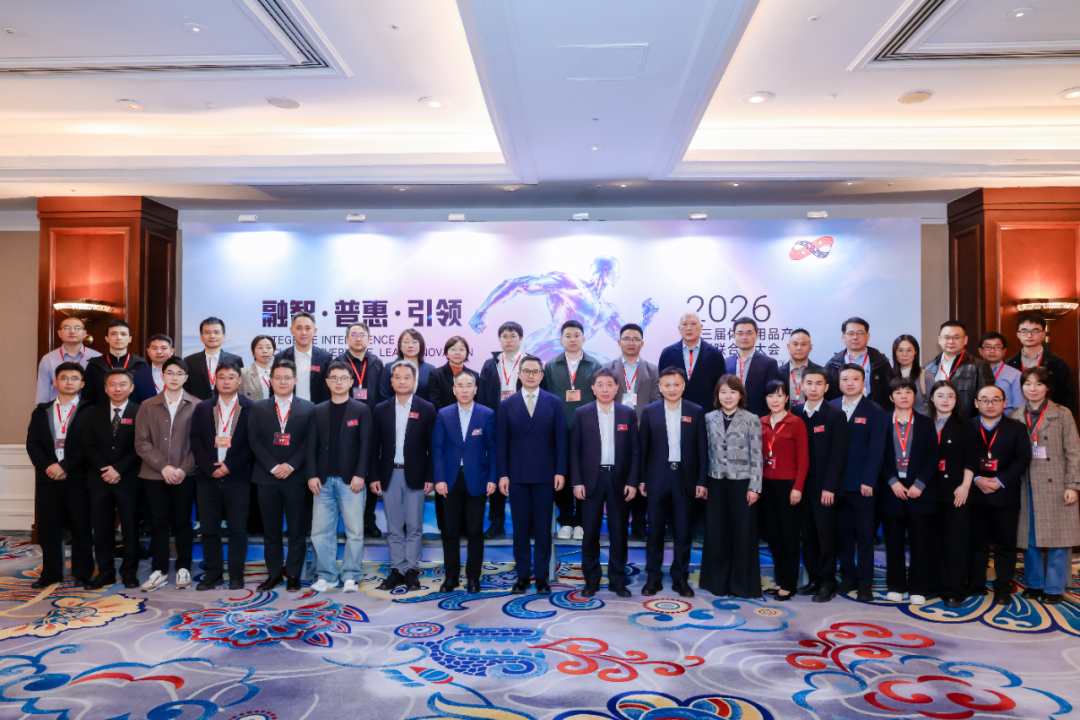
这一突破性科技的诞生,背后离不开的一个名字就是“体育用品产业创新联合体”。这是安踏集团在2024年聚合高校、科研院所与产业链各环节力量所创建的,如今已成为行业科技攻关的能力底座。就在一天前,在第三届体育用品产业创新联合体大会上,安踏集团已发布新一代科技“钛科技Plus”,可制造出全3D打印专业网球鞋,领航全行业科研奋进。

过去几年来,像这样的标志性科技创新成果还有很多。有在中国高性能防水透湿面料实现关键突破的安踏膜,还有把航天科技民用化的六度芯保暖科技等;今年除了带来“钛科技Plus”外,还成立“折叠物理实验室”,并宣布冰纱科技、下一代超临界发泡中底科技两项联合研发最新进展。

一场大会、一批成果,背后是龙头带动、产学研共生的产业创新新范式。回顾过去三年,安踏集团以体育用品产业创新联合体(以下简称“联合体”)为抓手,一步步带动中国体育产业从产品制造、规模领先走向科技引领、品牌向上。

01

顶级科技人人可用

从月球之上的嫦娥六号月面国旗,到普通人冬日身上的保暖装备,一条奇妙的技术转化链路正在发生。

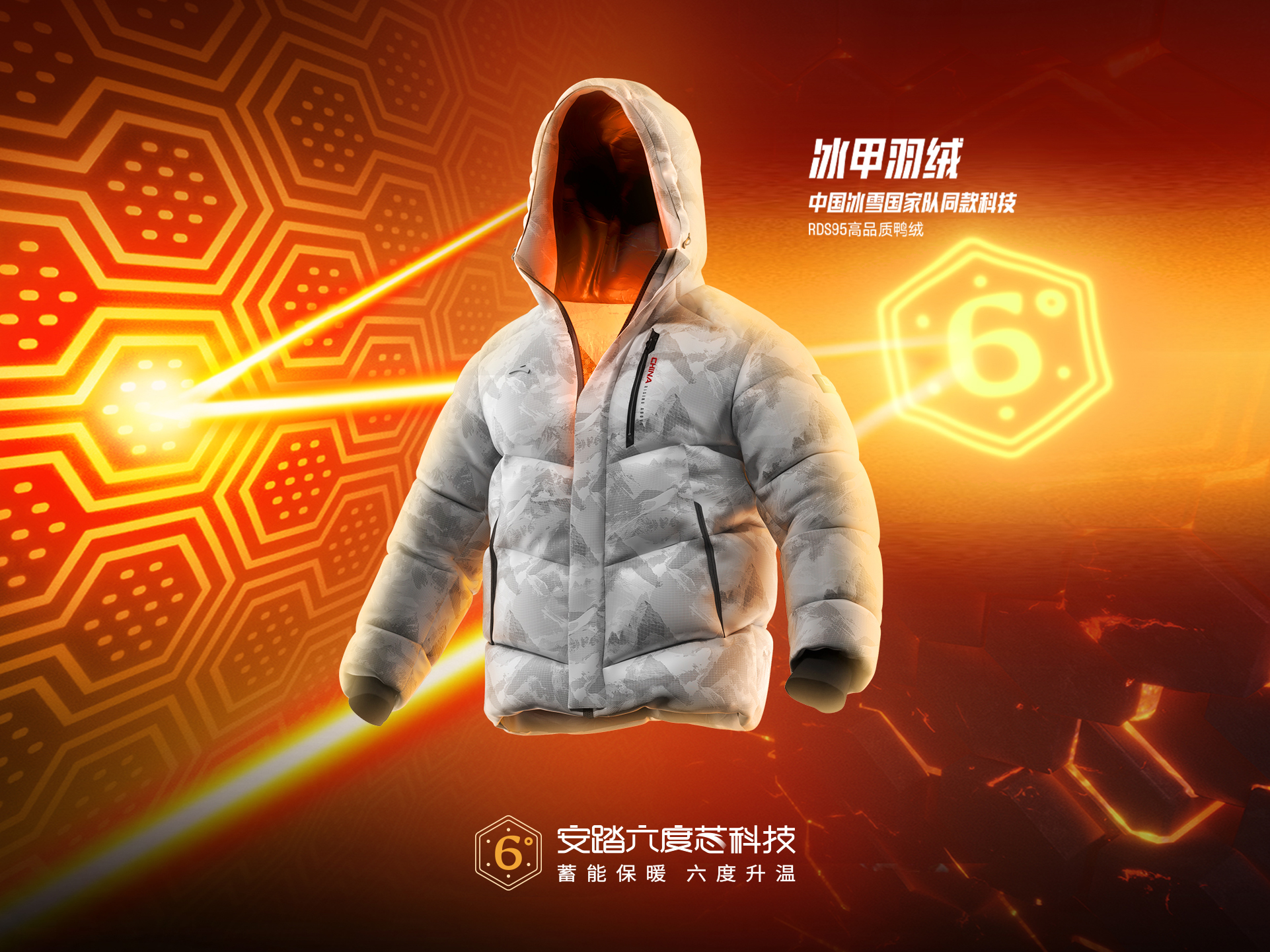
依托联合体的协同攻关,月面国旗所用的玄武岩纺纱技术,落地为安踏六度芯保暖科技。不到一年便完成量产上市,收获十亿级销售规模。这项航天黑科技,不再只停留于星辰探索,而是走进千家万户的冬季衣橱。

“科技普惠”,这正是联合体秉持的科研理念。即以专业科技赋能大众,持续满足消费者不断变化的运动需求,让实验室和国家队的顶级科技成为每位运动爱好者触手可及的日常。从联合体新发布的四大科技中,这一点都能得到印证。

钛科技Plus,正是航天级材料从奥运赛场走向大众运动的鲜活样本。

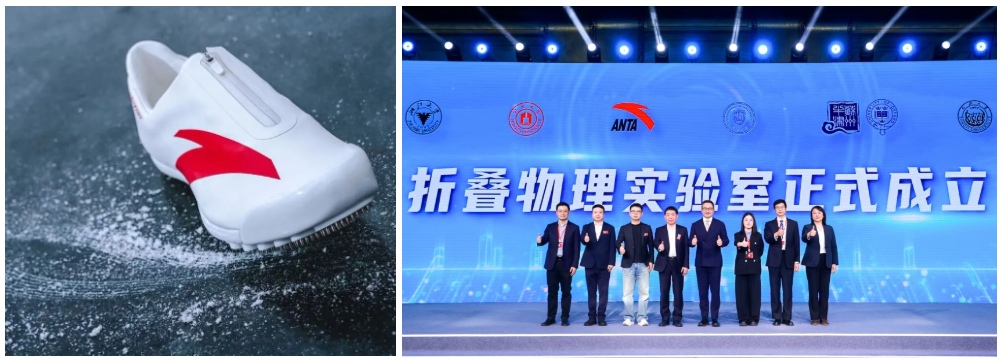
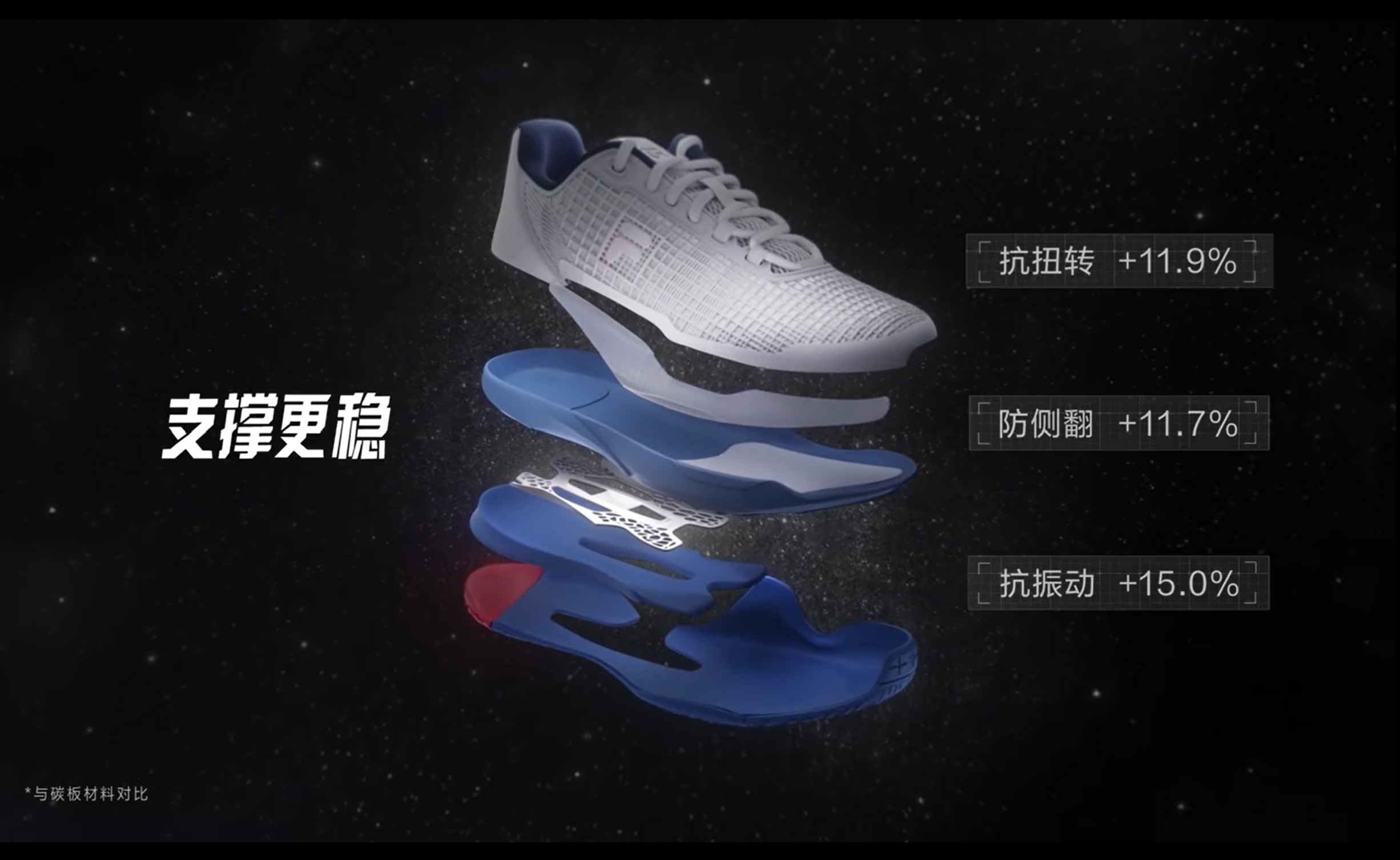
这项技术缘起于2022年北京冬奥会钢架雪车鞋的钛合金钉阵,由中科院金属所、同济大学等高校院所联合攻关,把航空航天材料的高强度、轻量化特性移植到球鞋中底系统,经过奥运级严苛赛场验证,在防侧翻、抗扭转、减振性能上全面进阶。

这样的钛科技与网球鞋天然适配。网球运动频繁急停变向,对鞋的稳定与敏捷性要求极高。不同于常见碳板鞋,前文提到的搭载钛板M-D-A多维敏捷系统的FILA泰格鞋,能做到10米折返冲刺可提速约0.1秒,成为赛场取胜的重要助力。如今钛科技不断迭代升级、持续下放,如大会上亮相的全3D打印专业网球鞋就采用了全新钛科技Plus技术。

除了这项黑科技,第三届体育用品产业创新联合体大会期间,下一代超临界发泡中底科技和冰纱科技也正式亮相。

前者由国际发泡技术领域顶尖专家、中国政府友谊奖获得者朴哲范院士领衔研发,未来有望将应用在顶级跑者竞速战靴的中底科技下放到大众跑者,带来跑鞋领域大变革。后者用前沿材料科技(双组份并列复合纺丝仿棉技术平台),破解行业长期无解的两个核心矛盾,即凉感与棉柔触感兼得,凉感与持续干爽兼容,让好科技从实验室走向大众市场。

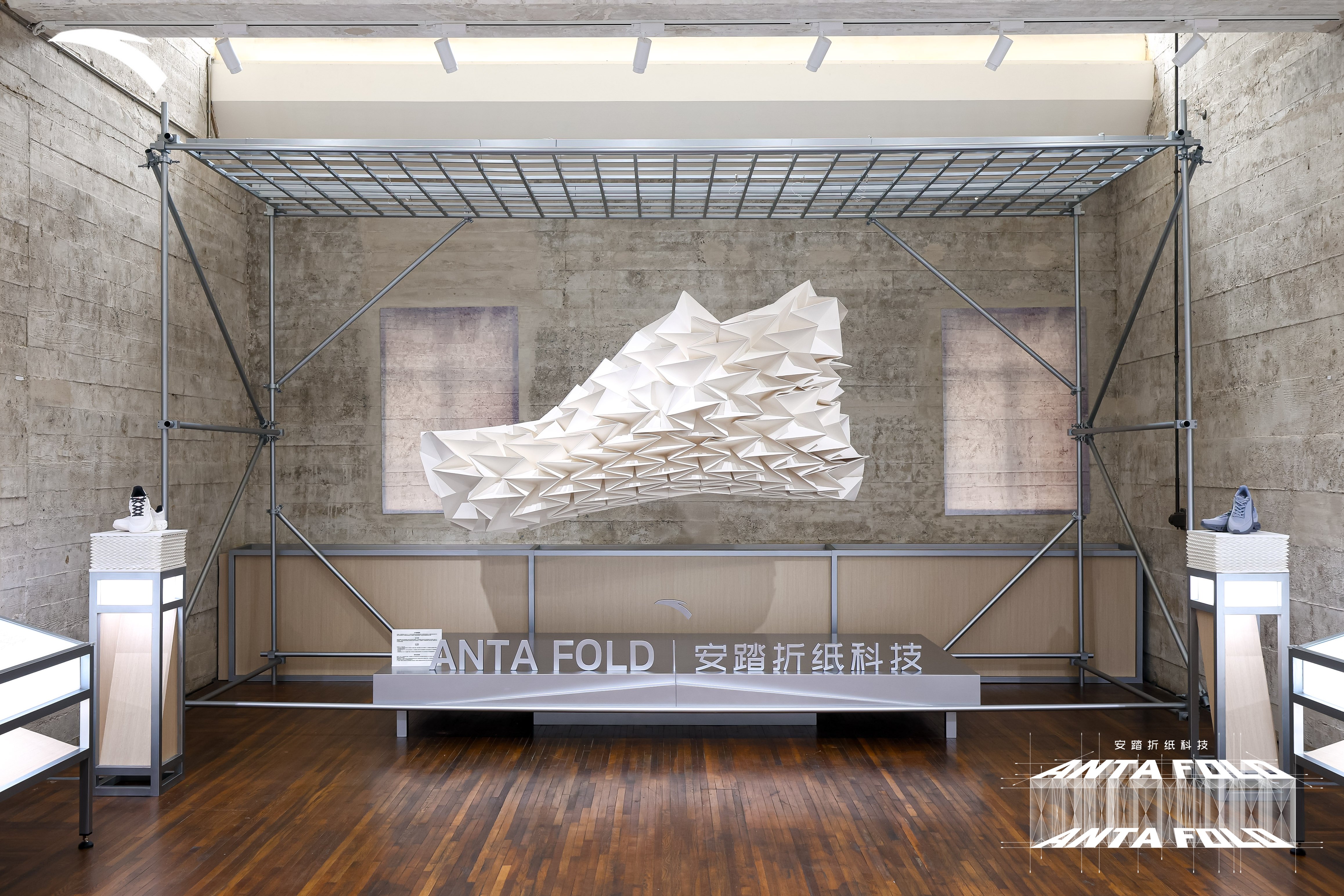
亿邦了解到,为了让更多顶级科技进入千家万户,安踏集团还联合牛津大学高等研究院、天津大学、浙江大学、同济大学、宁波大学等共建“折叠物理实验室”,专攻航天级折纸工程学在鞋服运动装备领域的应用研究。

这样的规划下,曾经只属于航天器的折纸工程学也能“折”进通勤跑鞋中底,聚焦结构缓震、鞋面可变形态结构(探索形态随动与自适应机制)和动态贴合性能(随运动状态实时调节的包裹支撑体系)三大核心技术攻关。

“创新的意义,在于人人可及。”如安踏集团COO、联合体执行理事长陈科所说,通过整合全球优质研发资源,集团致力于让顶级科技,或经奥运赛场检验走向大众,或从航天等高精尖领域下沉,走进消费者的日常生活。

02

安踏牵头,串联产学研力量

从“氮科技”,到“无氟安踏膜”、“六度芯保暖科技”,再到“钛科技Plus”、“冰纱科技”,一项项让人眼前一亮的运动科技接连涌现,背后都离不开安踏集团的身影。

作为联合体牵头方,安踏集团不只是成果的研发者,更是产业创新的组织者、链接者。它以龙头身份打通产学研壁垒,带动上下游科研力量抱团攻关,推动行业从单点创新走向体系化创新。

这要从联合体的成立开始说起。两年前,为了把散落各处的科研力量拧成一股绳,安踏集团牵头搭建起创新联合体这个共享平台,汇聚顶尖高校、科研院所、上游材料供应商和制造工厂,目的就是打通从基础研究、应用开发到量产验证的完整链条。

就在本次大会同步举行的联合体理事会上,一批新成员正式加入,联合体也从最初的13家单位,扩容至如今的50家。同时,程博闻院士加入资深科学顾问团队,有高水平智库加持让科研探索走得更稳、方向更清晰。

这套协同模式最特别之处,在于它始终跟着真实的产业需求走——产业出题、生态解题、市场验证。安踏集团扎根运动场景和一线市场,提炼行业里悬而未决的痛点,再由高校院所深耕基础研究,供应链企业承接工艺打磨与量产落地,冰纱科技就是这套机制生长出来的成果。

行内人都知道,传统运动服饰面料有两难:纯棉吸汗后湿冷粘身,普通化纤透气差、闷热难耐——无法满足“即时降温+持续干爽”的双重需求。而冰纱科技巧妙化解了这两大矛盾,即通过物理结构设计与特殊材料应用,用化纤的工艺做出棉的触感。

这样一来,面料既保留速干、凉感等功能性,又解决化纤不够亲肤柔软的痛点,而且经院士团队赋能沿“凉感、速干、环保”三大方向产业化延伸下去。如今这项技术正走向跑步、通勤、健身这些普通人高频使用的场景,让更多普通人也能享受专业运动装备的舒适体验。

有了平台和方向,长久稳定的协作规则同样不可或缺。

联合体的这套机制可以用“开放共享、利益共担”几个关键词来概括。在良性的科创生态中,大家一起梳理关键技术清单、制定清晰的技术转化路线,打磨兼顾各方诉求的利益分配方案,联合体正是在兼顾各方需求的机制与流程中,为中国体育用品产业打通技术成果规模化转化应用的链路。

面向更远的未来,安踏集团也有着清晰的规划,持续投入资源围绕高性能材料、运动科学、功能性设计、奥运科技、环保可持续、智能制造、AI应用、智能可穿戴、颠覆式工艺九大科技方向稳步布局。

短期联合体将进一步夯实组织架构,理顺协同创新的各项规则,推进首批科研项目立项落地;中期,期待孕育出一批能够带动行业变革的标志性成果;而更长远的愿景,则是打造一个全球领先的体育产业创新研发平台,拥有参与制定全球技术标准的能力,持续向外释放属于中国体育产业的创新影响力。

03

龙头示范,引领行业科技升级

此前,国内体育用品行业长期受困于核心技术掣肘,不少企业卡在关键材料、底层工艺的瓶颈之中,在全球分工的微笑曲线上居于底端,品牌价值难以向外突围。

在这样的行业背景下,安踏集团率先走出一条不一样的创新道路,慢慢形成可供全行业参考的示范样本。这份示范效应的根基,在于持续稳定的研发投入,其研发投入规模长期位居国内行业首位。安踏集团过去十年累计创新研发投入超200亿元,未来五年还计划再投入200亿元用于自主创新研发。

投入虽大,但行业科技升级依靠“独木”依然“难支”。尤其是许多前沿基础材料研究投入高昂、周期漫长,失败风险居高不下,仅凭单一企业很难独立承担,也无法带动全行业产业科技水准升级。

细看当下国内体育用品行业的产学研链条中,各方都有着一定的劣势。高校院所擅长基础理论探索,却缺少真实运动场景、量产工艺和市场检验的通道,而大量供应链中小工厂熟悉制造,却无力自主开展前沿研发。

因此,手握资金、产线与一线市场洞察的安踏集团,没有选择独自包揽全部研发,而是甘愿成为串联各方的创新枢纽,把散落的科研力量汇聚一处,合力攻克行业久攻不下的硬骨头,在筑牢自身技术护城河的同时,托举整条产业链共同成长。多项重磅级的科技成果连续发布,也证明安踏集团这条路走对了。

龙头的示范效应,也慢慢唤醒了整个行业的创新自觉。

过去行业普遍重营销、轻底层研发,不少品牌习惯于跟随成熟方案做外观迭代,而在安踏集团牵头搭建联合体、探索产学研协同的路径之后,越来越多本土品牌开始重新审视研发的价值,主动加大科研预算、搭建自有科研体系,沿着各自擅长的赛道沉淀独有的技术资产。

当各家结合自身定位开辟差异化的创新方向,行业便会逐步形成多点开花、各有专长的科研创新格局,持续向好。

以创新联合体为支点,安踏集团正推动中国体育用品行业从产品制造迈向技术引领。通过打通实验室到货架的全链路,持续释放头部企业的研发势能,带动更多国内品牌加大科技投入、深耕原创技术,共同推动行业技术含量迈上新台阶,以科技普惠重塑中国运动品牌的全球竞争力。

亿邦持续追踪报道该情报,如想了解更多与本文相关信息,请扫码关注作者微信。

本文首发于 亿邦动力 官方网站

文章来源:亿邦动力

广告
微信
朋友圈

FAQ回顾

体育用品产业创新联合体是什么?

体育用品产业创新联合体是安踏集团于2024年牵头创建的合作平台,聚合高校、科研院所、上游材料供应商和制造工厂,旨在打通基础研究、应用开发到量产验证的完整链条。联合体成员已从最初的13家单位扩容至50家,并组建资深科学顾问团队,成为行业科技攻关的能力底座。

安踏钛科技Plus是什么?有哪些应用特点?

钛科技Plus是安踏集团发布的新一代科技,可制造全3D打印专业网球鞋。它缘起于2022年北京冬奥会钢架雪车鞋的钛合金钉阵,由中科院金属所、同济大学等联合攻关,把航空航天材料的高强度、轻量化特性移植到球鞋中底系统,在防侧翻、抗扭转、减振性能上全面进阶。

六度芯保暖科技是如何把航天技术民用化的?

六度芯保暖科技依托联合体协同攻关,将嫦娥六号月面国旗所用的玄武岩纺纱技术转化为民用保暖科技,落地到大众冬季装备中。该技术不到一年便完成量产上市,并收获十亿级销售规模,让原本用于航天探索的材料技术进入普通消费者的冬季衣橱。

冰纱科技解决了运动面料的哪些核心矛盾?

冰纱科技重点破解运动面料长期存在的两个矛盾:凉感与棉柔触感兼得、凉感与持续干爽兼容。它通过物理结构设计与特殊材料应用,用化纤工艺做出棉的触感,既保留速干、凉感等功能性,又改善化纤不够亲肤柔软的痛点,并正向跑步、通勤、健身等高频场景延伸。

安踏集团如何带动体育用品行业科技升级?

安踏集团以体育用品产业创新联合体为支点,串联高校院所、供应链企业和制造工厂,按产业出题、生态解题、市场验证的模式协同攻关。其过去十年累计创新研发投入超200亿元,未来五年计划再投入200亿元,并围绕高性能材料、运动科学、奥运科技、智能制造等九大方向布局,推动行业从产品制造走向技术引领。

这么好看,分享一下?

朋友圈 分享

APP内打开

赞 +1
+1
微信好友 朋友圈 新浪微博 QQ空间
关闭
收藏成功
发送
/140 0