广告
加载中

阿迪耐克不香了?年轻人更喜欢国潮

廖紫琳 2026-09-09 16:15
廖紫琳 2026/09/09 16:15

邦小白快读

EN
全文速览

本文核心信息是耐克、阿迪等外资运动巨头在华持续失势,国产运动品牌实现集体崛起,未来国货全球化将成为核心增长趋势,核心干货整理如下

1. 当前市场现状:阿迪达斯大中华区市场份额从2021年的15%下滑至2025年的约9.5%,耐克业绩持续下滑即将被移出标普100指数;而国货表现亮眼,安踏2026年上半年营收435.1亿元同比增长12.9%,凯乐石年营收冲击百亿,伯希和三年营收涨幅超200%。

2. 背后原因:外资品牌存在渠道策略失误、产品不贴合国内新运动需求、营销不匹配本土文化等问题,国货抓住了新一代消费者需求,深耕本土市场、补齐技术短板,实现弯道超车。

3. 普通消费者参考:当前国货不管是专业技术、设计还是性价比都不输外资,很多细分品类更贴合国人运动需求,日常选购运动产品国货已经是更优选择。

本文梳理了当前国内运动服饰市场的发展现状与趋势,给各类运动品牌发展提供了多维度参考,核心干货如下

1. 消费与市场趋势:Z世代消费者不再迷信海外品牌光环,更看重品牌与本土文化的共鸣,国内运动需求已经转向羽毛球、露营、轻户外等细分新场景,专业户外、女性户外都是新增量市场,外资传统大牌份额持续下滑。

2. 可借鉴的成长经验:渠道端要改造低效门店,布局大店体验店,接入即时零售体系,适配内容电商、私域运营的新渠道逻辑;产品端要拓展细分品类,加大核心技术研发投入,打破海外技术垄断,可通过多品牌布局覆盖不同层级需求;营销端要深耕本土圈层,做贴合本土场景的内容运营。

3. 未来增长方向:全球化是新的增长主线,可通过球星深度合作、海外渠道布局、资本整合全球品牌资源等路径实现出海扩张。

本文梳理了运动服饰赛道的最新变化,明确了当前赛道的风险与新增机会,给各类运动品类卖家整理了核心干货如下

1. 当前市场风险:传统外资大牌因为渠道策略失误、产品本土化不足,在华份额持续下滑,原有合作经销商已经纷纷转做国货,长期依赖代理外资大牌、主打篮球足球等传统运动品类的卖家,会面临货品供给不稳定、客源流失的风险。

2. 新增增长机会:轻量化户外、露营、羽毛球、滑板等新细分运动场景需求爆发,女性户外消费、专业户外都是增量市场,抖音、小红书等内容电商、即时零售都是新的流量增长渠道,适合新品牌新卖家切入突围。

3. 可操作方向:可以优先对接国货品牌拿到代理权限,结合自身资源布局细分增量赛道,依托内容电商做场景化种草运营,接入即时零售体系提升用户转化,有拓展能力的卖家可以抓住国货出海风口布局跨境业务。

本文分析了运动服饰行业下游需求的变化,给运动用品生产制造工厂带来了多方面启示,核心干货整理如下

1. 产品生产设计需求变化:下游市场需求已经转向轻量化户外、露营、羽毛球等本土热门新运动场景,产品需要更贴合国人的使用习惯;同时下游国产品牌普遍在推进核心技术自研,打破海外品牌技术垄断,对本土技术配套生产的需求大幅提升,核心面料、高性能中底材料等领域需求缺口大。

2. 商业转型机会:原本做海外品牌代工的工厂,可以依托自身生产能力,借细分赛道风口孵化自主品牌,牧高笛就是从帐篷代工转型综合户外品牌实现爆发增长的典型案例,新锐国货品牌的快速崛起也给本土工厂带来了大量稳定的订单需求。

3. 转型启示:工厂可以依托国内完善的电商生态,抓住细分赛道需求,加大对核心技术生产能力的投入,打造差异化竞争优势,还可以依托本土供应链优势,参与国货品牌出海布局,获得更大增长空间。

本文梳理了运动服饰行业的最新发展趋势,总结了当前行业玩家的核心痛点,给相关服务商提供了明确的业务方向参考,核心干货如下

1. 行业整体发展趋势:耐克阿迪等传统外资大牌在华持续失势,国产运动品牌迎来集体崛起,细分场景布局、本土化运营、全球化扩张是未来行业的核心发展方向,内容电商、即时零售已经成为主流的渠道形态。

2. 品牌客户的核心痛点:传统国货品牌有旧渠道改造升级、门店数字化转型的需求;新锐国货品牌有内容运营、私域流量运营、品牌圈层打造的需求;准备出海的国货品牌有海外渠道对接、跨境运营配套的需求;所有品牌都有核心技术研发的配套服务需求。

3. 业务拓展机会:服务商可以针对不同品牌的需求,推出旧门店改造、体验型门店设计运营服务,针对内容电商提供场景化种草运营方案,为出海品牌提供海外渠道对接、跨境运营全链路解决方案,抓住国货品牌增长的行业红利。

本文分析了当前运动服饰品牌的需求变化,梳理了行业最新风向,给平台的招商、运营和风险规避提供了参考,核心干货整理如下

1. 品牌端的最新需求变化:传统国货品牌改造线下渠道后,需要接入平台即时零售体系,基于线下门店做小时达服务,对平台的门店数字化运营、即时配送能力提出了新要求;新锐国货品牌主打细分赛道,需要内容种草、流量转化的配套支持,内容电商平台的生态更适配这类品牌的成长需求。

2. 平台招商与增长机会:可以重点倾斜资源招商国产运动品牌,尤其是布局轻量化户外、专业户外、露营等细分赛道的新锐国货,这类品牌增长动力足,营销投入大,能给平台带来新的增长增量,同时可以对接出海国货品牌,拓展平台海外业务。

3. 风险规避方向:传统外资大牌增长乏力,流量投入的转化效率持续下滑,平台需要调整资源倾斜方向,避免过度依赖头部外资品牌,规避行业结构变化带来的增长风险。

本文呈现了中国运动服饰产业的最新发展动向,总结了行业出现的新变化、新商业模式,给产业研究提供了丰富的一手资料,核心内容整理如下

1. 产业最新动向:原本占据头部位置的全球化外资品牌,在中国市场出现了僵化不适应的问题,渠道、产品、营销多维度本土化适配失效,市场份额持续下滑;本土国货品牌经过数十年的供应链沉淀和本土市场深耕,已经实现集体崛起,完成弯道超车,全球化扩张成为当前国货品牌的核心增长主线。

2. 值得研究的新商业模式:除了传统的产品出海模式,国内头部国货品牌开创了新的全球化路径,即依托资本、运营、供应链能力,反向整合全球优质品牌资源,以国内市场为基本盘做大做强,这一模式和传统出海有明显差异,具备很高的研究价值;新锐国货依托内容电商从细分赛道突围的模式也值得深入研究。

3. 研究方向参考:可以围绕外资品牌本土化失败的教训、本土国货品牌升级路径、出海新模式展开研究,为中国制造业品牌升级提供参考案例和理论支撑。

返回默认

声明:快读内容全程由AI生成,请注意甄别信息。如您发现问题,请发送邮件至 run@ebrun.com 。

我是 品牌商 卖家 工厂 服务商 平台商 研究者 帮我再读一遍。

Quick Summary

This article focuses on the ongoing decline of foreign sportswear giants including Nike and Adidas in China, alongside the collective rise of domestic Chinese sportswear brands. Global expansion of domestic brands has emerged as the core growth trend for the future. Key takeaways are as follows:

1. Current market status: Adidas' market share in Greater China has dropped from 15% in 2021 to roughly 9.5% in 2025, while Nike is facing sustained revenue declines and is on track to be removed from the S&P 100 Index. By contrast, domestic brands are posting strong growth: Anta recorded 43.51 billion yuan in revenue in the first half of 2026, up 12.9% year-on-year; KAILAS is targeting 10 billion yuan in annual revenue; and Pelliot has seen its revenue surge by more than 200% over three years.

2. Root causes: Foreign brands have struggled with misaligned channel strategies, products that fail to meet China's evolving new sports demands, and marketing that does not resonate with local culture. Domestic brands, by contrast, have tapped into demand from the new generation of consumers, deepened their roots in the local market, closed technical gaps, and achieved an overtaking turn.

3. Guidance for general consumers: Today's domestic sportswear matches foreign offerings in professional technology, design, and cost-performance, and many niche product lines are even better aligned with Chinese consumers' sports needs. For general purchases, domestic brands are now the better choice.

This article maps out the current status and development trends of China's sportswear market, providing multi-dimensional insights for sportswear brands of all types. Key takeaways are as follows:

1. Consumer and market trends: Gen Z consumers no longer blindly favor foreign brands, and instead prioritize resonance between brands and local Chinese culture. Domestic sports demand has shifted to new niche scenarios such as badminton, camping, and light outdoor activities, creating new growth markets in professional outdoor and women's outdoor segments. Meanwhile, traditional leading foreign brands continue to lose market share.

2. Actionable growth lessons: On the channel front, brands should renovate low-efficiency physical stores, open large-format experience stores, integrate into on-demand retail systems, and adapt to the new logic of content e-commerce and private domain operations. On the product front, brands should expand into niche categories, increase R&D investment in core technologies to break foreign technical monopolies, and use multi-brand portfolios to cover consumer demand across different price tiers. On the marketing front, brands should deepen engagement with local niche communities and create content tailored for local scenarios.

3. Future growth direction: Globalization is the new core growth driver. Brands can expand overseas through deep partnerships with star athletes, layout of international distribution channels, and capital-fueled consolidation of global brand resources.

This article outlines the latest shifts in China's sportswear track, clarifies existing market risks and new growth opportunities, and organizes key takeaways for sportswear sellers of all types. Key insights are as follows:

1. Current market risks: Traditional foreign giants continue to lose market share in China due to misaligned channel strategies and insufficient product localization, leading most of their original authorized distributors to shift to carrying domestic brands. Sellers that have long relied on agency agreements with foreign brands and focus on traditional sports categories such as basketball and soccer face growing risks of unstable supply and customer churn.

2. New growth opportunities: Demand is booming in new niche sports scenarios such as light outdoor activities, camping, badminton, and skateboarding, with women's outdoor and professional outdoor segments standing out as high-growth markets. Content e-commerce platforms such as Douyin and Xiaohongshu, as well as on-demand retail, have emerged as new channels for traffic growth, creating ideal entry points for new brands and new sellers to break through.

3. Recommended actionable steps: Sellers should prioritize securing agency rights from domestic Chinese brands, leverage their existing resources to enter high-growth niche tracks, run scenario-based content marketing on content e-commerce platforms, integrate into on-demand retail systems to boost conversion, and expand into cross-border business to capitalize on the wave of Chinese sportswear brands going global where possible.

This article analyzes shifting downstream demand in the sportswear industry and provides multi-faceted insights for sportswear manufacturers. Key takeaways are as follows:

1. Shifts in product design and production demand: Downstream market demand has shifted to popular new local sports scenarios including light outdoor activities, camping, and badminton, requiring products better adapted to Chinese consumers' usage habits. At the same time, most domestic brands are advancing independent core technology development to break foreign technical monopolies, driving a sharp increase in demand for localized, technology-enabled manufacturing. There is particularly large unmet demand for core fabrics and high-performance midsole materials.

2. Opportunities for business transformation: Factories that originally produced OEM goods for foreign brands can leverage their existing manufacturing capabilities to incubate their own independent brands amid the boom in niche segments. Mobi Garden is a prominent example: it grew from a tent OEM to a comprehensive outdoor brand and achieved explosive growth. The rapid rise of emerging domestic brands has also brought large volumes of stable new orders to local factories.

3. Guidance for transformation: Factories can leverage China's mature e-commerce ecosystem to target demand in niche tracks, increase investment in core technology manufacturing to build differentiated competitive advantages, and tap into their local supply chain strengths to participate in domestic brands' global expansion plans for greater long-term growth.

This article summarizes the latest development trends of China's sportswear industry and the core pain points of current industry players, providing clear strategic guidance for relevant service providers. Key takeaways are as follows:

1. Overall industry trends: Traditional foreign giants including Nike and Adidas continue to lose ground in China, while domestic Chinese sportswear brands are experiencing a collective rise. Niche scenario layout, localized operations, and global expansion are the core development directions for the industry going forward, and content e-commerce and on-demand retail have become mainstream channel formats.

2. Core pain points of brand clients: Established domestic brands need support to upgrade old channels and achieve digital transformation for physical stores; emerging domestic brands need support for content operations, private domain traffic management, and niche community building; domestic brands preparing to expand overseas need support for international channel connections and cross-border operations; and all brands require supporting services for core technology R&D.

3. Business expansion opportunities: Service providers can tailor offerings to different brands' needs: they can develop old store renovation and experience store design and operation services, create scenario-based content marketing solutions for content e-commerce, and provide end-to-end cross-border operation and international channel connection services for brands going global, to capture the industry dividend driven by the growth of domestic Chinese brands.

This article analyzes shifting demand from sportswear brands and summarizes the latest industry trends, providing reference for platforms on merchant recruitment, operations, and risk mitigation. Key insights are as follows:

1. Latest shifts in brand demand: After renovating their offline channels, established domestic brands need to integrate into platforms' on-demand retail systems to offer 1-hour delivery based on physical store locations, raising new requirements for platforms' in-store digital operations and instant delivery capabilities. Emerging domestic brands focused on niche tracks need supporting services for content marketing and traffic conversion, and the ecosystem of content e-commerce platforms is particularly well-suited to support the growth of these brands.

2. Merchant recruitment and growth opportunities for platforms: Platforms should prioritize allocating resources to recruit domestic Chinese sportswear brands, especially emerging players focused on high-growth niche tracks such as light outdoor, professional outdoor, and camping. These brands have strong growth momentum and high marketing investment, which can bring new growth increments to platforms. Platforms can also partner with domestic brands expanding overseas to grow their own international business.

3. Risk mitigation guidance: Traditional foreign giants are facing stagnant growth and declining conversion efficiency for traffic investment. Platforms should adjust their resource allocation to avoid over-reliance on leading foreign brands, and mitigate growth risks brought by the ongoing industry restructuring.

This article presents the latest developments in China's sportswear industry, summarizes new industry changes and emerging business models, and provides rich first-hand insights for industry research. Key content is organized as follows:

1. Latest industry developments: Once-dominant global foreign brands have become rigid and failed to adapt to the Chinese market, with ineffective localization across channels, products, and marketing leading to sustained market share declines. After decades of supply chain accumulation and deep cultivation of the local market, domestic Chinese brands have achieved a collective rise and successfully overtaken foreign competitors. Global expansion has become the core growth priority for domestic brands today.

2. New business models worth studying: Beyond traditional product-focused overseas expansion, leading domestic Chinese brands have developed a new globalization path: leveraging their capital, operational, and supply chain capabilities to reverse-integrate high-quality global brand resources, while building their core business in the large Chinese domestic market. This model differs significantly from traditional going-out strategies and carries high research value. The model in which emerging domestic brands break out from niche tracks via content e-commerce is also worthy of in-depth study.

3. Recommended research directions: Researchers can focus on the lessons from foreign brands' localization failures, the upgrading path of domestic Chinese brands, and new globalization models, to provide reference cases and theoretical support for brand upgrading in China's manufacturing sector.

Disclaimer: The "Quick Summary" content is entirely generated by AI. Please exercise discretion when interpreting the information. For issues or corrections, please email run@ebrun.com .

I am a Brand Seller Factory Service Provider Marketplace Seller Researcher Read it again.

国内运动市场格局反转

文丨廖紫琳    编辑丨杨谭

【亿邦原创】耐克在经历中国区断臂之后,又将被移除标普100指数;阿迪达斯也在大中华区市场份额从2021年的15%,大幅下滑至2025年的约9.5%。曾经的外资运动巨头,正快速褪去光环。

而与之对应的,是国产运动品牌的集中性爆发。安踏2026年上半年营收435.1亿元,同比增长12.9%;361度上半年净利润同比提升8%;特步电商也表现突出,京东、抖音平台业务增速达20%。

同时,新锐户外品牌成长更为亮眼:凯乐石深耕专业户外赛道,年营收向百亿梯队冲刺;伯希和三年营收涨幅超200%,实现跨越式增长;牧高笛、思凯乐依托轻量化户外、露营消费热潮,快速抢占细分赛道市场。

如今来看,国货运动品牌崛起并非短期风口红利,而是长期能力沉淀的结果,未来全球化扩张也将成为品牌核心增长主线。

耐克阿迪失势,外资品牌光环褪色

事实上,耐克在华的溃败并不是突发式的市场翻车,而是一步步跌落的结果。

2017至2021年是耐克的巅峰期,其营收连续22个季度实现双位数增长,2021年中华区业绩更是创下82.9亿美元的历史峰值。

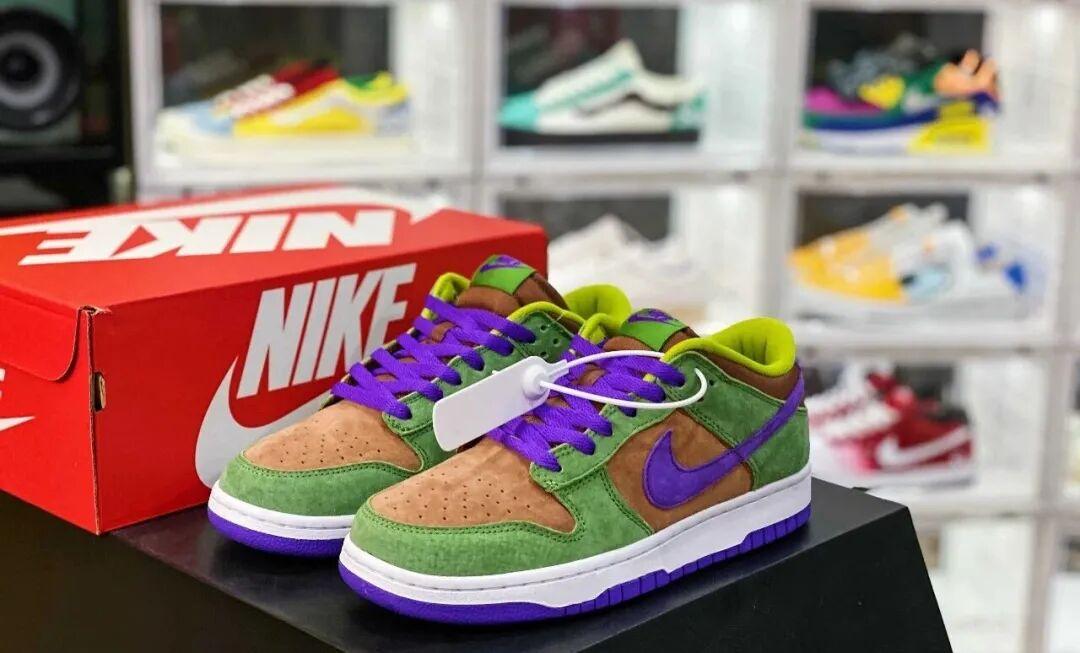
那时的耐克赚钱很轻松,总部只负责产品和批发,滔搏、宝胜等经销商来做执行和落地,轻资产模式红利拉满。彼时AJ、Dunk等潮鞋系列一鞋难求,限量发售时消费者通宵排队,二级市场溢价翻倍也成为常态。对于不少年轻人来说,穿到一双限量版耐克鞋,是潮流穿搭的符号。

图片

转折发生在2021年,耐克加重全球DTC直营战略,这和中国高度依赖经销商、快速迭代的零售业态发生碰撞,在产品、渠道、运营等层面出现了不少硬问题。

疫情恢复后,中国消费者的运动偏爱转向了羽毛球、露营、跑步、网球等带有户外性质的运动,但耐克资源依旧倾斜在篮球、足球等传统赛道,销售高度依赖AJ、Dunk等老款的复刻,本土化的新品开发相对较少。

而且,耐克常年沿用全球统一的营销素材与品牌叙事,极少参与本土户外社群运营(如城市团跑等),仅靠广告投放与明星代言拉动。但中国Z世代消费者已不再迷信海外品牌叙事与传统球星光环,更看重IP与本土文化的共鸣。

此外,渠道失利也是这一年,耐克不再把合作了二十多年的经销商视作长期共生伙伴,他们收缩经销商们的热门货品供给,不少限量款优先供给直营渠道。经销商被逼无奈,只能另谋出路,或代理国货品牌,或转而支持其他国际品牌。

在线业务方面,抖音、小红书等内容电商也是迅速崛起,中国市场的渠道逻辑发生了巨变。而耐克整套体系是面向传统批发的,私域运营、内容电商这些“琐事”都是交给以前的经销商在完成。到2026年,耐克激进地清退所有中国线上经销商,这就加速了耐克在华“失势”的局面。

相比耐克,阿迪达斯在华业绩虽然看起来好得多——今年上半年实现营收20.9亿欧元,同比增长15%,已连续13个季度实现同比增长——但这被分析人士认为是源于前几大财年基数较低。

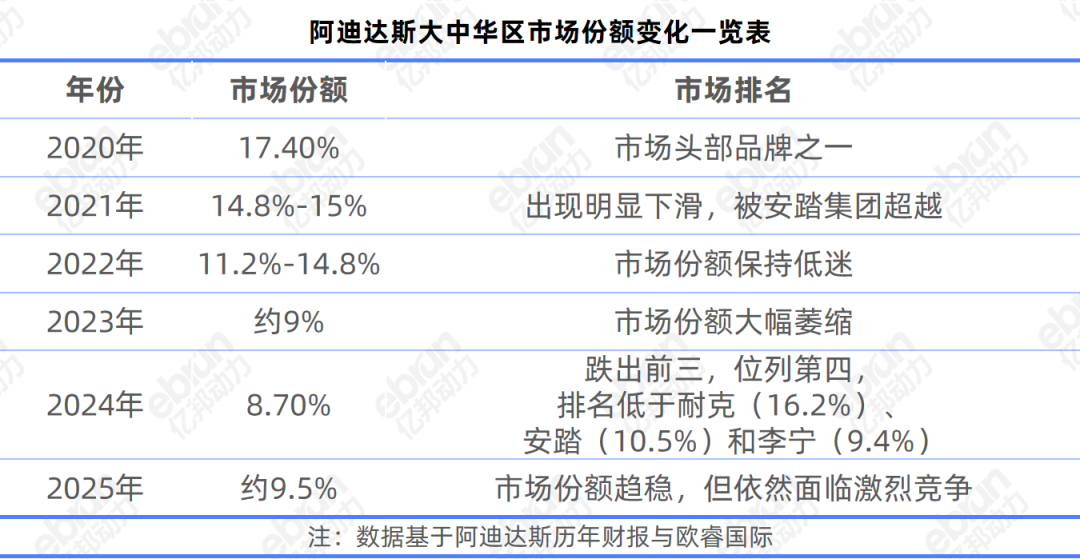
事实上,阿迪在国内市场份额已明显减少,从2020年的17.4%,到2025年的约9.5%。

图片

另外,其品牌还存在本土化运营短板,阿迪达斯约7500家中国门店中,大约1/10是中国品牌海澜之家在代理经营。比如双方合作的FCC未来城市概念店项目中,阿迪达斯负责下沉市场专属产品研发,海澜之家则输出加盟管理体系、终端运营经验与资源。

目前,海澜之家公司代理的阿迪达斯门店数量达723家,其中直营381家,加盟342家。海澜之家财报显示,上半年,包含阿迪达斯FCC业绩在内的所有其他品牌收入为19.4亿元,同比增长29.34%。

与此同时,越来越多国际运动户外品牌选择与国货品牌合作,共同开拓中国市场,而非依赖耐克、阿迪。安踏斥资15亿欧元收购彪马29.06%股权,成为其单一最大股东;比音勒芬与日本高端户外品牌SnowPeak达成深度战略合作,全权主导其中国大陆市场运营。

国产品牌集中崛起,多维度弯道超车

2022年,安踏营收首次超过耐克中国,成为中国运动鞋服市场第一,这让很多人感到意外。

在此之前,以安踏、李宁、特步等为代表的国货普遍逃不开两个标签:要么是下沉市场的平价跑量货,要么是靠国潮营销博眼球。消费者认可的高端品牌、专业运动品牌,只有耐克、阿迪达斯。

但在耐克失势的这几年里,国货们完成了一场漂亮的逆袭。安踏营收从2021年的493亿,近乎翻倍涨到2025年的802亿元;李宁在这5年里每年营收也有小幅增长,去年全年收入达295亿元;还有从渠道商转型为品牌的三夫户外,净利润由亏转盈,2025年营收接近10亿元。

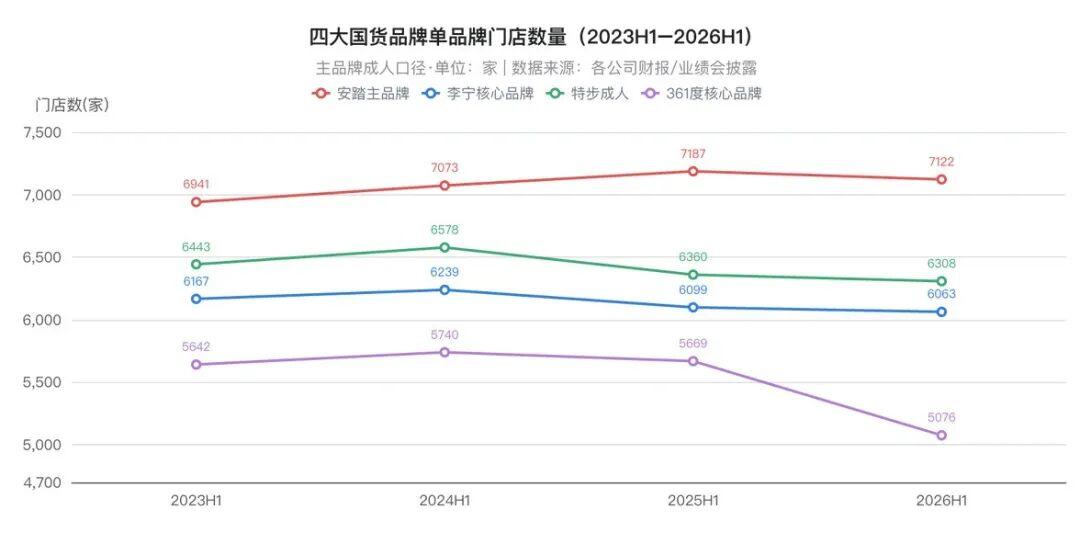
回溯过去几年,传统品牌逐步向内改造旧渠道,主动关闭大量低效店,转而把资源往大店、体验店倾斜。

图片

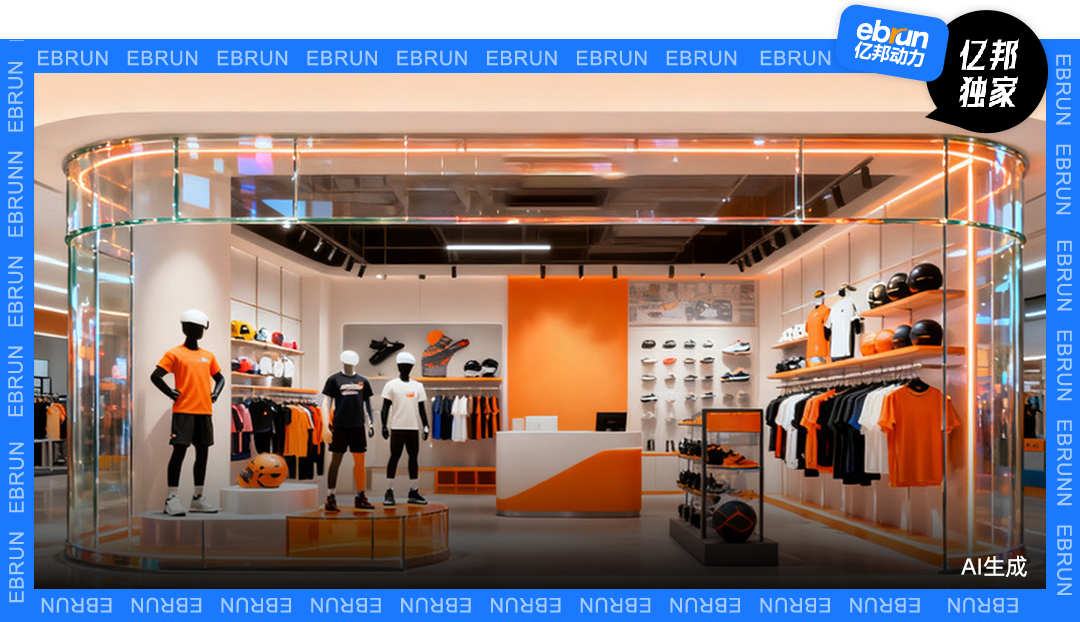
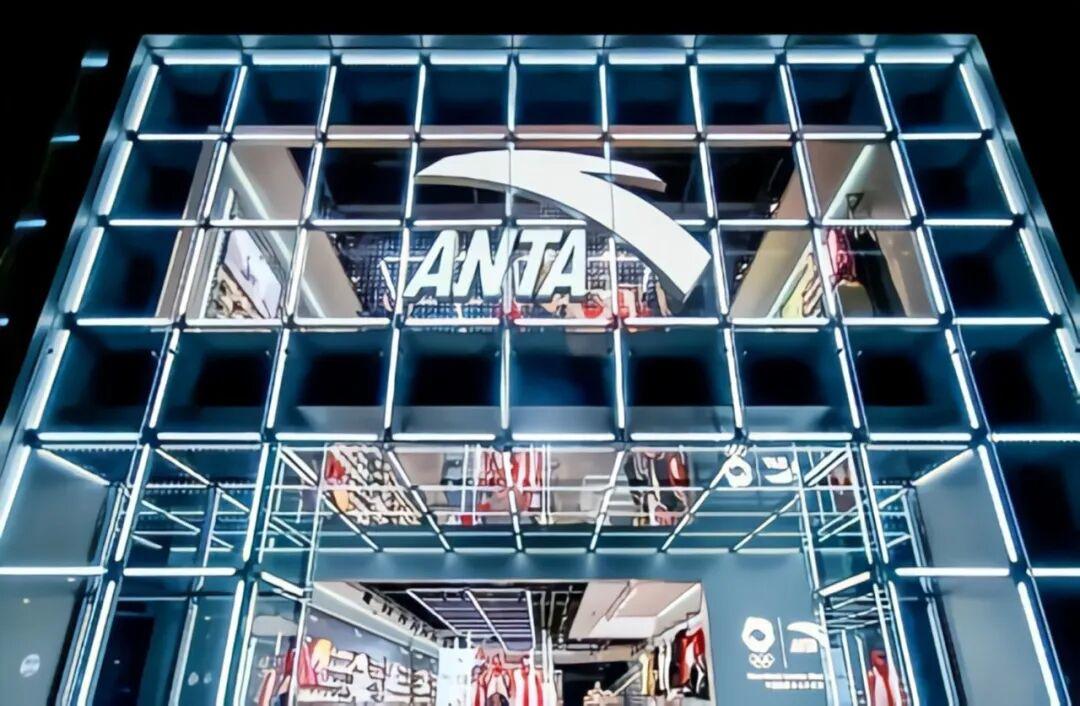
比如,安踏尝试“安踏市集”植入羽毛球场、咖啡轻食、宠物休憩区等体验空间;李宁探索户外独立店COUNTERFLOW溯、故宫文创特色专区李宁空间;361度也落地百余家千平超品店,打造一站式全场景运动消费空间。从去年起,他们还全面接入美团、京东、淘宝闪购即时零售体系,基于门店做“小时达”服务。

细分品类与高端能力上也在不断补齐。李宁全面拓展网球、乒乓球、羽毛球等品类;361度进军滑板运动、青少年跳绳等领域;安踏押注多品牌舰队,通过收购整合,把FILA、迪桑特、可隆收入囊中,分别覆盖时尚运动、高端滑雪、城市山系穿搭等。

而以凯乐石、伯希和、牧高笛为代表的国货新锐户外品牌,则抓住新增量运动场景,从电商生态里破土而出。凯乐石走硬核专业路线,不跟风纯流量营销,持续赞助国内各大越野跑赛事,服务国内登山、越野圈层,慢慢打破“专业户外只能买海外大牌”的固有认知。

伯希和则踩准大众轻户外的风口,大单品冲锋衣兼顾颜值与基础防水防风性能,抓住女性户外消费群体,在抖音、小红书大量做场景化种草,三年营收实现翻倍增长。

牧高笛最早靠帐篷代工起家,露营热潮到来时其自主品牌迎来爆发,同时其还加大徒步服饰、背包的研发,完成从“露营帐篷厂商”向综合户外品牌的转型。

值得一提的是,无论是传统品牌还是新锐品牌,支撑国货崛起的,都是日益成熟的运动科技供应链。

持续加大研发投入,让李宁有了䨻科技,支撑国产竞速跑鞋多次刷新国内马拉松纪录;安踏自研氮科技中底平台攻克超临界发泡量产难题、无氟安踏膜打破海外高端户外面料垄断;凯乐石迭代Filtertec自研防水面料,补齐了硬核户外装备的本土技术短板等。

国货扬帆出海,全球化增长进行时

出海,是运动国货们的共同目标。

一方面,他们把目光投向海外球星,合作跳出简单的logo代言,走向签名鞋开发、全球营销等深度共建。像李宁与库里达成十年长期合作,共建CurryBrand,同时签约巴特勒,借助球星影响力打通全球市场。

安踏则手握克莱·汤普森、凯里·欧文两大球星,KT、KAI签名鞋在国内销量亮眼的同时,也助推品牌在北美业务的发展。361°签约约基奇、戈登,匹克签下维金斯,锐步签约里夫斯等,各家都有推出专属签名球鞋,球星赛场曝光既能点燃国内球迷消费热情,也能为品牌国外市场做背书,成为国货出海的重要突破口。

另一方面,海外战绩离不开国际渠道商和跨境电商平台的助力。

今年上半年,安踏海外业务收入同比增长35%。这样的成绩源于:北美市场通过与FootLocker、DSG、JD Sports等头部渠道合作完成主流零售体系布局;在东南亚推进“千店计划”,并向中东、非洲扩展,还通过与Brandman Retail合作进入印度市场。

图片

特步上半年以马来西亚定为核心区,密集落地全新品牌形象店,同时发力Shopee、TikTok、Lazada等本土主流电商,海外业务收入同比翻倍;361度上半年海外零售流水同比大涨超80%,跨境电商流水更是飙升140%。

不止是产品和品牌出海,另一种全新全球化路径正在形成,即用资本、运营、渠道、供应链能力,反向整合全球优质品牌资源。他们通过战略合作,收购国际品牌,以国内市场为基本盘,做大做强本土市场,走出一种独有的国际化发展路径。

安踏就是典型案例,集团旗下已有八大国际品牌,还有特步收购索康尼、比音勒芬拿下SnowPeak、三夫户外运营X-BIONIC等。2026年上半年,安踏持股的亚玛芬营收达35.78亿美元,同比大涨32%,归母净利润2.72亿美元,同比增长78%;索康尼和迈乐所在的专业运动分部收入8.75亿元,同比增长11.4%,毛利率高达55.5%,显著高于特步主品牌。

如今,阿迪耐克的失势,不是短期流量波动,而是全球化品牌僵化、本土化适配失效的必然结果。国货品牌的集体崛起,是数十年供应链沉淀、深耕本土用户的综合实力体现。未来中国品牌是否能保持高势能,我们保持期待与乐观。

亿邦持续追踪报道该情报,如想了解更多与本文相关信息,请扫码关注作者微信。

本文首发于 亿邦动力 官方网站

文章来源:亿邦动力

广告
微信
朋友圈

FAQ回顾

耐克阿迪在华市场份额下滑的原因是什么?

耐克阿迪在华失势主要有三大原因:一是直营战略与中国依赖经销商的零售业态产生冲突;二是品类布局滞后,资源仍倾斜篮球、足球等传统赛道,未跟上露营、羽毛球等新兴运动需求;三是本土化运营不足,营销叙事未贴合Z世代消费偏好,渠道未能适配内容电商新玩法。

国货运动品牌崛起的核心支撑因素有哪些?

国货运动品牌崛起核心源于长期能力沉淀:主动优化线下渠道布局,打造体验式消费空间并接入即时零售体系;补齐细分品类与高端能力,抓住新兴运动场景需求;持续加大研发投入,成熟的运动科技供应链支撑产品竞争力不断提升。

国货运动品牌的全球化布局路径有哪些?

国货运动品牌全球化布局主要有三类路径:一是与海外球星深度合作,通过签名鞋开发、全球营销等方式提升国际影响力;二是布局海外线下渠道及跨境电商平台拓展市场;三是通过资本收购、战略合作整合全球优质品牌资源,打造多品牌矩阵。

国内新锐户外国货品牌有哪些代表?

国内代表性新锐户外国货品牌包括主打硬核专业路线、年营收冲刺百亿的凯乐石,踩中大众轻户外风口、三年营收涨幅超200%的伯希和,以及依托露营消费热潮快速增长、转型综合户外品牌的牧高笛,主打轻量化户外的思凯乐等。

这么好看,分享一下?

朋友圈 分享

APP内打开

赞 +1
+1
微信好友 朋友圈 新浪微博 QQ空间
关闭
收藏成功
发送
/140 0