广告
加载中

灵巧手真进厂干活了!72 道工序干完 只比人工慢 30 秒

龚作仁 2026-10-30 11:18
龚作仁 2026/10/30 11:18

邦小白快读

EN
全文速览

总:文章核心是一场灵巧手真实进厂干活的验证,看点集中在一次跨城产线直播和几组硬数据。

1. 产线直播:绍兴临界点卧龙联合生产制造基地,一只OmniHand灵巧手为另一只待出厂灵巧手做整手性能测试,上料、扫码、装夹、抓螺丝枪拧固、启动测试设备、卸螺丝、下料归位共72道工序全自主完成,无需人工介入。

2. 关键数据:一期POC任务成功率98%,单轮作业8.5分钟,仅比熟练人工的8分钟慢30秒,可连续不间断作业8小时,已初步具备并线上岗条件。

3. 难点与鲁棒性:螺丝锁固要求亚毫米级对位,螺丝本身有毫米级晃动公差,握持位置偏移1毫米就可能造成枪头末端3至4毫米偏差;现场主动施加推机械臂、错位工装底座、光照变化三类干扰,机器人全程未中断,靠视觉与触觉多模态反馈实时纠偏,失败时自动识别并回溯工序。

4. 配套进展:自研OmniGlove Pro数采手套,指尖定位精度0.1毫米、746个触觉感知点位、3毫米空间分辨率;截至2026年10月灵巧手累计量产突破15000台,故障率从接近10%降到0.5%以下。

总:对品牌商而言,文章的价值在产品矩阵布局、品牌叙事、成本定价逻辑和场景落地节奏。

1. 产品矩阵:临界点已形成覆盖高中低自由度的全档位灵巧手,搭配工业夹爪系列,覆盖科研、工业、服务多元场景;其中OmniHand 3已在珠海长隆乐园常态化运行,卧龙电驱灵巧手工位预计年内完成产线并线。

2. 品牌叙事:CEO乔天杰提出一双手在产线上装配出下一双手的未来图景,把卧龙工位落地定义为灵巧手从科技展示品转向真实生产力工具的标志性节点;公司定位不止硬件厂商,而是做让全球每一台机器人都能干活的公司。

3. 定价与成本:万台级量产被视为商用落地入场券,只有达到这一量级,供应链才能稳定交付、良率才能收敛、成本才能下探至客户可接受的商业化区间;可靠性则靠车规级研发体系,核心团队多来自汽车Tier1。

4. 用户场景观察:工业与商用两条真实部署线快速迭代,真实工况下的磨损、干扰、疲劳问题才能充分暴露;行业路线判断是夹爪与灵巧手互补分层,夹爪覆盖不了的20%至30%复杂工序正是灵巧手的核心阵地。

总:对卖家来说,文章给出的是市场阶段判断、可切入的机会点、风险提示和合作方式。

1. 市场窗口:具身灵巧操作正从开发态跨入部署态,2026至2027年被视为落地决战之年;截至2026年10月,临界点全年灵巧手累计量产突破15000台,接近2025年全国灵巧手全年出货总量的八成,规模放量信号明确。

2. 机会提示:夹爪已发展几十年、能做的基本落地,剩下20%至30%复杂工序是灵巧手阵地;工业侧卧龙工位预计年内并线,商用侧OmniHand 3已在珠海长隆乐园常态化运行;OmniGlove Pro数采手套同步开启量产交付。

3. 风险与门槛:部署态考核节拍、成功率、稳定性、ROI四项硬指标;过去灵巧手普遍只有两三周寿命,行业刚上整机时故障率接近10%属正常,可靠性是硬门槛;当前单轮8.5分钟仍比熟练人工8分钟慢30秒。

4. 合作方式:临界点明确向本体厂商、场景方、模型团队开放高质量数据、鲁棒模型与落地框架,共同跨越规模化部署的死亡谷,并把每一台落地灵巧手当作数据采集入口,形成数据、模型、部署的正向飞轮。

总:对工厂而言,最直接的是工序可行性验证、精度与设计门槛,以及产线改造和数字化启示。

1. 生产与设计需求:72道工序含上料、扫码、装夹、抓取螺丝枪拧固、启动测试设备、卸螺丝、下料归位;螺丝锁固最难,要求亚毫米级对位,螺丝本身有毫米级晃动公差,握持偏移1毫米可致枪头末端3至4毫米偏差,螺丝枪自重、线缆牵拉与反冲力还会造成姿态偏移。

2. 设备选型启示:传统夹爪方案遇反冲力极易工具脱手,把工具固定在机械臂末端又无法兼顾不规则工件抓取、仪表盘按钮操作等多元工序;灵巧手作为通用型末端执行器可覆盖多类工序,规避专机专用带来的高改造成本与低场景灵活性。

3. 效率与可靠性数据:任务成功率98%,单轮8.5分钟,仅比人工8分钟慢30秒,可连续作业8小时;故障率从接近10%降至0.5%以下,靠车规级研发体系和工业、商用两条真实部署线快速迭代。

4. 数字化路径:真机强化学习打磨单步技能,对位更直接、修正次数减少、速度较遥操作提升2至3倍;Omni-Maestro智能体框架以判定器、调度器、上下文管理实现工序校验、失败自动回溯与工站状态同步,每台部署设备都是数据入口。

总:对服务商来说,文章的痛点、方案与工具链链条清晰,最大瓶颈是高质量数据稀缺。

1. 客户痛点:大模型像缸中之脑,看过海量图文视频却从未真实触摸物理世界;训练被视觉霸权主导,缺真实物理交互的多模态数据,数字世界泛化强、进入真实场景就频繁失效,即规模化部署的死亡谷。真机遥操数据质量最高但成本昂贵、依赖专业操作人员;第一人称人手Ego数据易获取但精度不足、缺触觉、无法还原施力意图。

2. 数据方案:自研OmniGlove Pro可同时采集人手位置、姿态及触觉并统一打包输出,指尖用EMF磁场定位与IMU抗干扰融合,精度0.1毫米,配746个触觉感知点位、3毫米空间分辨率,经跨本体动作重定向后可在真机Replay,即真机Ready的Ego数据。

3. 算法与部署工具:真机强化学习打磨单步技能,受扰时能边拧边纠、速度较遥操作提升2至3倍;Omni-Maestro智能体框架负责全局调度,配套DUET 2.0具身接触智能架构与Omni-Symphony部署底座。

4. 趋势判断:2026至2027年是部署态决战期,考核节拍、成功率、稳定性、ROI,万台级量产是商用入场券,可靠性需靠真实工况迭代与车规级体系。

总:对平台商而言,文章的价值在生态位设计、开放策略、规模化供给基础与运营风控做法。

1. 平台化路径:临界点明确不只做硬件厂商,技术路径围绕数据、模型、部署的正向飞轮展开,每一台落地部署的灵巧手都是数据采集入口,数据回流持续迭代模型,更强模型再支撑更多场景规模化落地;配套Omni-Symphony部署底座、Omni-Maestro智能体框架和DUET 2.0具身接触智能架构。

2. 开放与招商式邀约:首席具身科学家黄碧丹公开邀请本体厂商、场景方和模型团队,愿意开放高质量数据、鲁棒模型与落地框架,共同跨越规模化部署的死亡谷;CEO乔天杰表示目标不是做全球最大灵巧手公司,而是做让全球每一台机器人都能干活的公司。

3. 供给与规模基础:截至2026年10月全年灵巧手累计量产突破15000台,接近2025年全国全年出货总量的八成;万台级量产被视为商用入场券,只有这一量级供应链才能稳定交付、良率收敛、成本下探。

4. 运营与风向规避:以节拍、成功率、稳定性、ROI四项硬指标验收;主动施加推机械臂、错位底座、光照变化等干扰验证鲁棒性;故障率从接近10%降至0.5%以下,靠车规级研发体系与真实部署线迭代。

总:对研究者来说,文章提供了产业阶段划分、评价体系、技术路线与待解问题清单。

1. 阶段与评价体系:开发态回答能不能做出来,比拼Demo精彩程度;部署态回答能不能用起来,考核节拍、成功率、稳定性、ROI四项硬指标,被视为灵巧手从科技产品变成工业品的成人礼;2026至2027年判断为落地决战之年。

2. 数据与模型议题:视觉霸权使模型数字世界泛化强、物理场景频繁失效;高质量多模态交互数据极度稀缺;真机遥操数据质量高但难规模化,Ego数据覆盖广但精度与触觉不足。OmniGlove Pro以0.1毫米定位、746个触觉点位、3毫米分辨率输出真机Ready数据,可跨本体重定向并在真机Replay。

3. 技术路线与商业逻辑:夹爪与灵巧手是互补分层而非替代,剩下20%至30%复杂工序是灵巧手阵地;真机强化学习使操作速度较遥操作提升2至3倍;智能体框架以判定器、调度器、上下文管理支撑工序校验与失败回溯;数据、模型、部署飞轮叠加开放合作姿态。

4. 圆桌议题:最后10厘米,谁来打通,由刘馨云主持,智源王鹏伟、北大杨耀东、非夕陈仙勇与临界点CTO熊坤围绕硬件可用性、数据金字塔结构、模型泛化路径、落地核心门槛四大议题展开讨论。

返回默认
声明:快读内容全程由AI生成,请注意甄别信息。如您发现问题,请发送邮件至 run@ebrun.com 。

我是 品牌商 卖家 工厂 服务商 平台商 研究者 帮我再读一遍。

Quick Summary

Summary: The article centers on validating whether dexterous hands can actually perform real work on a factory line, with its main hooks being a cross-city production-line livestream and several hard data points.

1. Production-line livestream: At the Wolong joint manufacturing base of Critical Point in Shaoxing, one OmniHand dexterous hand runs a full-hand performance test on another dexterous hand awaiting shipment. It autonomously completes all 72 steps—loading, scanning, clamping, grabbing a screw gun to tighten screws, starting test equipment, removing screws, and unloading and returning to position—without human intervention.

2. Key data: The phase-one POC task success rate is 98%, with an 8.5-minute cycle versus 8 minutes for a skilled human—only 30 seconds slower—and it can operate continuously for 8 hours, initially meeting the conditions for deployment on a parallel line.

3. Difficulties and robustness: Screw locking requires sub-millimeter alignment, while the screw itself has millimeter-level wobble tolerance; a 1 mm offset in grip position can cause 3–4 mm deviation at the gun tip. On site, three types of interference were actively introduced—pushing the robotic arm, misaligning the fixture base, and changing lighting—and the robot never stopped. It uses multimodal visual and tactile feedback for real-time correction and automatically identifies and backtracks steps upon failure.

4. Supporting progress: The in-house OmniGlove Pro data-collection glove offers 0.1 mm fingertip positioning accuracy, 746 tactile sensing points, and 3 mm spatial resolution. As of October 2026, cumulative dexterous-hand production has exceeded 15,000 units, with the failure rate reduced from nearly 10% to below 0.5%.

Summary: For brands, the article's value lies in product-matrix positioning, brand narrative, cost and pricing logic, and the pace of scenario deployment.

1. Product matrix: Critical Point has built a full range of dexterous hands spanning high, medium, and low degrees of freedom, paired with an industrial gripper series, covering research, industrial, and service scenarios. OmniHand 3 is already in routine operation at the Chimelong resort in Zhuhai, and the Wolong Electric Drive dexterous-hand workstation is expected to complete production-line integration within the year.

2. Brand narrative: CEO Qiao Tianjie proposes a future vision in which one pair of hands assembles the next pair on the production line, defining the Wolong workstation deployment as a landmark moment for dexterous hands moving from tech showcases to real productivity tools. The company positions itself not merely as a hardware vendor but as a company enabling every robot worldwide to do work.

3. Pricing and cost: 10,000-unit-scale mass production is viewed as the entry ticket to commercialization; only at this scale can the supply chain deliver stably, yields converge, and costs fall into a range acceptable for customer commercialization. Reliability relies on an automotive-grade R&D system, with core team members mostly from automotive Tier 1 suppliers.

4. User-scenario observations: Two real deployment lines—industrial and commercial—are iterating quickly; only under real operating conditions can wear, interference, and fatigue issues be fully exposed. The industry-route judgment is that grippers and dexterous hands are complementary layers: the 20%–30% of complex processes that grippers cannot cover are the core territory for dexterous hands.

Summary: For sellers, the article offers a read on the market stage, entry opportunities, risk warnings, and ways to collaborate.

1. Market window: Embodied dexterous manipulation is moving from the development phase into the deployment phase, with 2026–2027 seen as the decisive years for commercialization. As of October 2026, Critical Point's cumulative dexterous-hand production for the year has exceeded 15,000 units, close to 80% of China's total dexterous-hand shipments in 2025, a clear signal of scale ramp-up.

2. Opportunity signals: Grippers have evolved for decades and have largely covered what they can do; the remaining 20%–30% of complex processes are dexterous hands' territory. On the industrial side, the Wolong workstation is expected to be integrated into the line within the year; on the commercial side, OmniHand 3 is already in routine operation at the Chimelong resort in Zhuhai; the OmniGlove Pro data-collection glove has also begun mass-production delivery.

3. Risks and thresholds: Deployment-phase evaluation focuses on four hard metrics: cycle time, success rate, stability, and ROI. Historically, dexterous hands often lasted only two to three weeks; a failure rate near 10% when the industry first moved to complete machines is normal, and reliability is a hard threshold. The current 8.5-minute cycle is still 30 seconds slower than the 8 minutes of a skilled human.

4. Collaboration model: Critical Point explicitly opens high-quality data, robust models, and deployment frameworks to robot-body makers, scenario owners, and model teams, aiming to cross the valley of death in scaled deployment together and treat every deployed dexterous hand as a data-collection entry point, forming a positive flywheel of data, models, and deployment.

Summary: For factories, the most direct takeaways are process feasibility validation, precision and design thresholds, and implications for production-line retrofit and digitalization.

1. Production and design requirements: The 72 steps include loading, scanning, clamping, grabbing a screw gun to tighten screws, starting test equipment, removing screws, and unloading and returning to position. Screw locking is the hardest part: it requires sub-millimeter alignment, while the screw itself has millimeter-level wobble tolerance; a 1 mm grip offset can cause 3–4 mm deviation at the gun tip. The screw gun's own weight, cable pull, and recoil can also cause posture deviation.

2. Equipment-selection implications: Traditional gripper solutions can easily lose the tool under recoil, while fixing the tool to the end of the robotic arm cannot simultaneously handle irregular workpiece grasping, dashboard-button operation, and other diverse processes. As a general-purpose end effector, the dexterous hand can cover multiple process types, avoiding the high retrofit costs and low scenario flexibility of dedicated machines.

3. Efficiency and reliability data: Task success rate is 98%, with an 8.5-minute cycle—only 30 seconds slower than the 8 minutes for a human—and it can operate continuously for 8 hours. The failure rate has dropped from nearly 10% to below 0.5%, supported by an automotive-grade R&D system and rapid iteration across two real deployment lines, industrial and commercial.

4. Digitalization path: Real-machine reinforcement learning hones single-step skills, making alignment more direct, reducing the number of corrections, and increasing speed by 2–3x versus teleoperation. The Omni-Maestro agent framework uses a judge, scheduler, and context management to enable process verification, automatic failure backtracking, and workstation state synchronization; every deployed device is a data entry point.

Summary: For service providers, the article clearly lays out the pain points, solutions, and toolchain, with the biggest bottleneck being the scarcity of high-quality data.

1. Customer pain points: Large models are like brains in a vat—they have seen massive image, text, and video data but have never truly touched the physical world. Training is dominated by visual hegemony and lacks multimodal data from real physical interaction; models generalize well in the digital world but frequently fail upon entering real scenarios—the valley of death in scaled deployment. Real-machine teleoperation data has the highest quality but is expensive and depends on skilled operators; first-person human Ego data is easy to obtain but lacks precision and tactile sensing and cannot reproduce force intent.

2. Data solution: The in-house OmniGlove Pro can simultaneously collect human hand position, posture, and tactile data and output them in a unified package. Fingertips use EMF magnetic-field positioning fused with IMU for interference resistance, achieving 0.1 mm accuracy, with 746 tactile sensing points and 3 mm spatial resolution. After cross-embodiment motion retargeting, the data can be replayed on real machines—essentially real-machine-ready Ego data.

3. Algorithms and deployment tools: Real-machine reinforcement learning hones single-step skills, enabling adjustment while tightening under disturbance and increasing speed by 2–3x versus teleoperation. The Omni-Maestro agent framework handles global scheduling, supported by the DUET 2.0 embodied contact intelligence architecture and the Omni-Symphony deployment foundation.

4. Trend judgment: 2026–2027 is the decisive period for the deployment phase, with evaluation on cycle time, success rate, stability, and ROI. 10,000-unit-scale mass production is the entry ticket to commercialization, and reliability must be improved through iteration under real operating conditions and an automotive-grade system.

Summary: For marketplace and platform players, the article's value lies in ecosystem-positioning design, openness strategy, the basis for scaled supply, and operational risk-control practices.

1. Platformization path: Critical Point explicitly aims to be more than a hardware vendor; its technology path revolves around a positive flywheel of data, models, and deployment. Every dexterous hand deployed in the field is a data-collection entry point; data flows back to continuously iterate models, and stronger models in turn support scaled deployment in more scenarios. Supporting infrastructure includes the Omni-Symphony deployment foundation, the Omni-Maestro agent framework, and the DUET 2.0 embodied contact intelligence architecture.

2. Openness and partner invitation: Chief Embodied Scientist Huang Bidan publicly invites robot-body makers, scenario owners, and model teams, offering to open high-quality data, robust models, and deployment frameworks to jointly cross the valley of death in scaled deployment. CEO Qiao Tianjie says the goal is not to build the world's largest dexterous-hand company but to build a company that enables every robot worldwide to do work.

3. Supply and scale foundation: As of October 2026, cumulative dexterous-hand production for the year has exceeded 15,000 units, close to 80% of China's total shipments in 2025. 10,000-unit-scale mass production is regarded as the entry ticket to commercialization; only at this scale can the supply chain deliver stably, yields converge, and costs decline.

4. Operations and risk avoidance: Acceptance is based on four hard metrics: cycle time, success rate, stability, and ROI. Robustness is validated by actively introducing interference such as pushing the robotic arm, misaligning the base, and changing lighting. The failure rate has fallen from nearly 10% to below 0.5%, relying on an automotive-grade R&D system and iteration across real deployment lines.

Summary: For researchers, the article provides an industry-stage framework, an evaluation system, technical routes, and a list of open problems.

1. Stages and evaluation system: The development phase answers whether something can be built and competes on demo quality; the deployment phase answers whether it can be used and evaluates four hard metrics—cycle time, success rate, stability, and ROI—viewed as the coming-of-age ritual for dexterous hands becoming industrial products. 2026–2027 is judged to be the decisive years for commercialization.

2. Data and model issues: Visual hegemony makes models generalize well in the digital world but frequently fail in physical scenarios; high-quality multimodal interaction data is extremely scarce; real-machine teleoperation data is high-quality but hard to scale, while Ego data is broad in coverage but lacks precision and tactile sensing. OmniGlove Pro outputs real-machine-ready data with 0.1 mm positioning, 746 tactile points, and 3 mm resolution; it can retarget across embodiments and replay on real machines.

3. Technical routes and business logic: Grippers and dexterous hands are complementary layers rather than substitutes; the remaining 20%–30% of complex processes are dexterous hands' territory. Real-machine reinforcement learning increases operation speed by 2–3x versus teleoperation. The agent framework uses a judge, scheduler, and context management to support process verification and failure backtracking. The data, model, and deployment flywheel is combined with an open-collaboration posture.

4. Roundtable topics: The final 10 centimeters—who will bridge them?—moderated by Liu Xinyun, with Wang Pengwei of BAAI, Yang Yaodong of Peking University, Chen Xianyong of Flexiv, and Critical Point CTO Xiong Kun discussing four topics: hardware usability, data pyramid structure, model generalization paths, and core commercialization thresholds.

Disclaimer: The "Quick Summary" content is entirely generated by AI. Please exercise discretion when interpreting the information. For issues or corrections, please email run@ebrun.com .

I am a Brand Seller Factory Service Provider Marketplace Seller Researcher Read it again.

10月29日下午,2026智元创新日·灵巧操作分论坛如期举办。临界点以一场跨城产线实时连线、一款 “真机ready”的自研数采手套为核心载体,完整展示了从硬件本体迭代、多模态数据采集到算法模型升级、真实产线落地的全链路技术路径,为正处于 “演示验证到规模化落地” 关键关口的具身灵巧操作赛道,交出了一套可复现、可验证的产业实践答卷。

产线直播:72步全工序验证,灵巧手跑进真实生产节拍

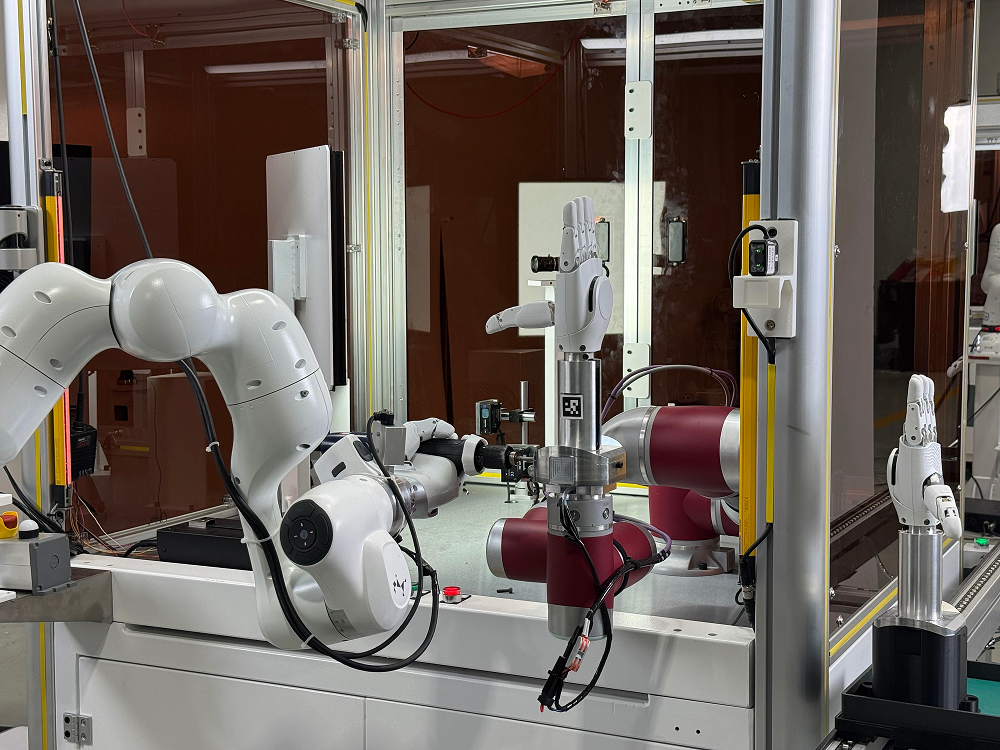
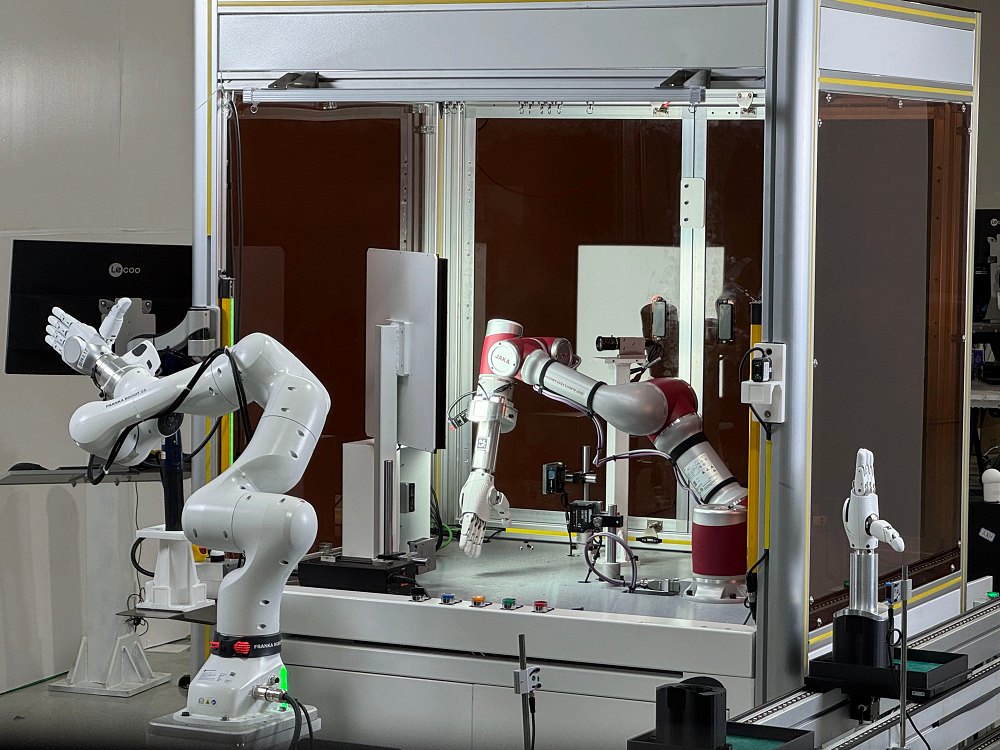
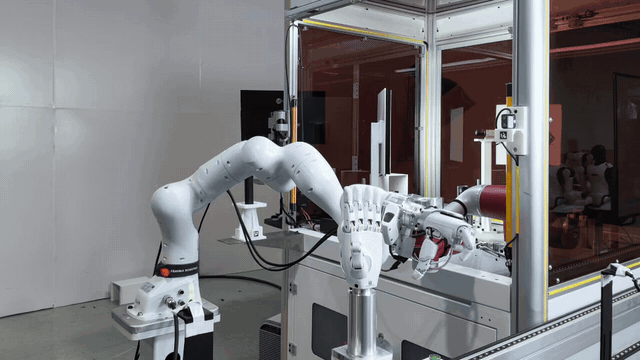
本次分论坛最具冲击力的环节,是现场连线绍兴临界点卧龙联合生产制造基地——在真实的生产测试工位上,一只OmniHand灵巧手正为另一只待出厂的灵巧手完成整手性能测试。

这不是单点动作演示,而是一套完整的生产工序:上料、扫码、装夹、抓取螺丝枪拧固、启动测试设备、卸螺丝、下料归位,前后共72个操作步骤,全自主完成,无需人工介入。

现场公布的一期POC验证数据,为灵巧手的落地能力给出了清晰的量化刻度:任务成功率达98%,单轮作业耗时8.5分钟,仅比熟练人工的8 分钟慢30秒;当前设备可连续不间断作业8 小时,已初步具备并线上岗的条件。

其中,螺丝锁固是整套工序中难度最高的环节,对亚毫米级对位精度提出了严苛要求。工位采用的可重复防脱螺丝本身存在毫米级晃动公差,加上螺丝枪自重与线缆牵拉的影响,拧紧过程中的反冲力会进一步造成握持姿态偏移 —— 手部握持位置偏移1 毫米,枪头末端就可能出现3-4毫米的对位偏差。

为验证方案在真实产线环境下的鲁棒性,测试人员现场主动施加了三类干扰:人为推动机械臂造成枪身偏移、调整工装底座导致螺丝孔位错位、叠加现场光照条件变化。

实时画面显示,机器人全程未中断作业:姿态偏移时,通过视觉与触觉的多模态实时反馈自主完成纠偏复位;拧入失败时,可自动识别异常、回溯工序步骤并重新对位完成操作;光照变化也未对最终对位精度造成影响。

“我们曾尝试传统夹爪方案,但作业反冲力极易导致工具脱手;如果将工具固定在机械臂末端,又无法同时兼顾不规则工件抓取、仪表盘按钮操作等多元工序。” 临界点模型算法总监吴铭东表示,灵巧手的核心价值,正是以通用型末端执行器覆盖多类生产工序,规避专机专用带来的高改造成本与低场景灵活性。

在分论坛后的媒体群访中,临界点CEO乔天杰进一步理清了行业普遍关注的路线定位:夹爪与灵巧手并非非此即彼的替代关系,而是互补的分层方案。“夹爪已经发展了几十年,能做的事基本都已经落地了,剩下20%—30% 夹爪覆盖不了的复杂工序,正是灵巧手的核心阵地。”

这套工站作业能力,由真机强化学习与Omni-Maestro工业部署态智能体框架共同支撑。其中,强化学习负责打磨单步操作技能:遥操作下的螺丝锁固往往需要反复试探、来回修正对位,经过真机强化学习后,对位动作更加直接、修正次数明显减少,受到扰动时也能边拧边纠,操作速度较遥操作提升2~3倍;智能体框架则承担全局调度职能,通过判定器、调度器与上下文管理三大模块,实现工序步骤校验、失败自动回溯与工站状态实时同步。

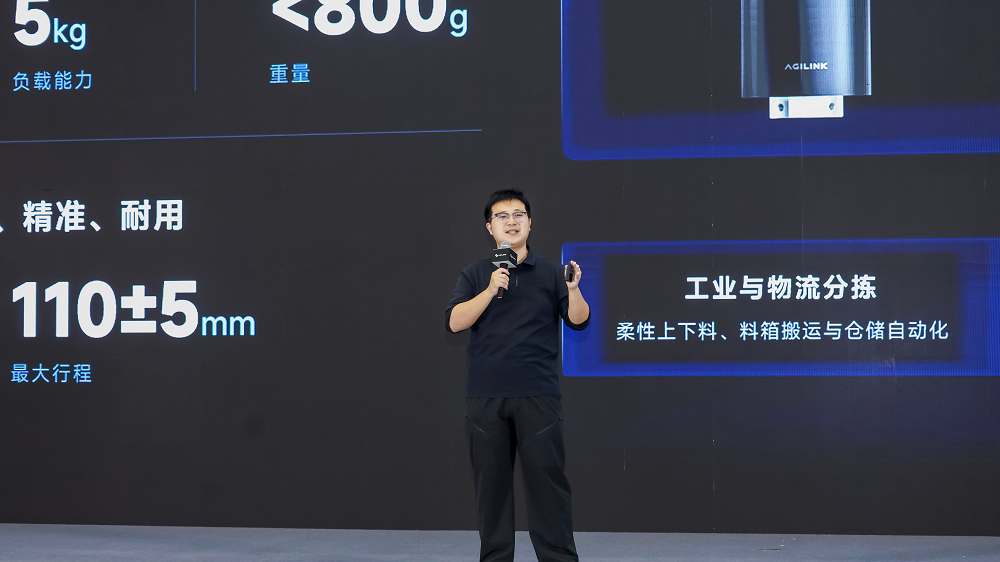
临界点CEO乔天杰在主题演讲中表示:“一双手在产线上装配出下一双手,这就是临界点的未来图景。” 在他看来,卧龙工厂的测试工位落地,是灵巧手从 “科技展示品” 转向 “真实生产力工具” 的标志性节点。

发布首款“真机Ready”数采手套,破局高质量数据荒漠

产线落地的背后是数据能力的支撑,而整个灵巧操作行业共同的瓶颈,也恰恰是数据。

“现在的大模型就像缸中之脑,看过海量图文与视频数据,却从未真实触摸过物理世界。” 临界点首席科学家黄碧丹在演讲中点出行业核心矛盾:当前模型训练被 “视觉霸权” 主导,普遍缺乏真实物理交互的多模态数据,导致模型在数字世界中泛化能力突出,一旦进入真实物理场景就频繁失效 —— 这正是具身智能规模化部署必须跨越的 “死亡谷”。

行业并非没有尝试解法:真机遥操数据质量最高,但成本昂贵、依赖专业操作人员,难以规模化;第一人称人手Ego数据易获取、场景覆盖广,但纯视觉跟踪精度不足、缺少触觉信息,无法还原施力意图,只能用于大规模预训练,难以直接落地到精细操作。

看似数据来源路径多元,但真正可用于落地部署的高质量多模态交互数据极度稀缺,这是全行业共同面对的 “数据荒漠” 困境。

针对这一行业痛点,临界点团队自研了数据采集手套OmniGlove Pro,并同步开启量产交付。

这款手套是行业少有能够同时采集人手的位置、姿态及触觉信息,并将其统一打包输出的方案。

具体来看,在动作采集方面,OmniGlove Pro每个指尖都有EMF磁场定位和IMU抗干扰融合技术,定位距离精度可达0.1mm!在触觉采集方面,这款手套配置了746个触觉感知点位,空间分辨率可达3mm,能够更准确地记录手部与物体的接触情况。

这些数据经过处理和跨本体动作重定向后,能够在机器人真机上Replay,完成与人类示范相同的任务。

临界点首席具身科学家黄碧丹将这类数据称为 “真机Ready” 的Ego数据。

这些数据,既有Ego数据的规模化优势,也有真机数据的高质量,更有人类操作的真实手感。三者的结合,有望显著加速具身大模型及灵巧操作规模化部署的落地进程。

迈入部署态决战期:万台量产打底,重新定义工业品考核标准

整场论坛贯穿的核心主线,是临界点对行业发展阶段的清晰判断:具身灵巧操作正从 “开发态” 全面跨入 “部署态”,2026至 2027年将是行业落地的决战之年。

乔天杰在演讲中明确划分了两个阶段的评价标准:

开发态回答“能不能做出来”,比拼的是Demo的精彩程度;部署态回答“能不能用起来”,考核的是四个硬指标——节拍、成功率、稳定性、ROI。“这四项,是灵巧手从科技产品变成工业品的成人礼。”

针对行业长期诟病的 “灵巧手寿命短、可靠性不足” 的痛点,乔天杰在群访中直面问题:过去灵巧手普遍只有两三周寿命,核心症结在于长期停留在实验室场景,真实工况下的磨损、干扰、疲劳等问题无法充分暴露,硬件迭代速度缓慢。

而临界点通过工业、商用两条真实部署线的快速迭代,已经实现了可靠性的量级跃升。“刚上整机的时候,我们的故障率接近10%,这在行业里其实很正常;但到今天,故障率已经降到了0.5% 以下。” 乔天杰将这一成果归功于车规级的研发体系 —— 核心研发团队多来自汽车Tier1,将成熟的可靠性工程、量产管控方法带入了灵巧手赛道。

支撑这份判断的,是临界点已跑通的规模化量产与落地基础:截至2026年 10月,临界点全年灵巧手累计量产突破15,000台,这一规模接近2025年全国灵巧手全年出货总量的八成。

乔天杰提出,万台级量产是商用落地的入场券 —— 只有达到这一量级,供应链才能实现稳定交付,产品良率才能逐步收敛,成本才能下探至客户可接受的商业化区间。

产品矩阵层面,临界点已形成覆盖高中低自由度的全档位灵巧手布局,搭配工业夹爪系列,可全面覆盖科研、工业、服务等多元场景。其中OmniHand 3已在珠海长隆乐园等场景实现常态化落地运行,卧龙电驱的灵巧手工位也预计于年内完成产线并线。

临界点的定位显然不止于一家硬件厂商。从灵巧手本体,到数据采集手套,再到DUET 2.0具身接触智能架构、Omni-Symphony部署底座、Omni-Maestro智能体框架,其技术路径始终围绕 “数据 - 模型 - 部署” 的正向飞轮展开:每一台落地部署的灵巧手都是数据采集入口,数据回流持续迭代模型能力,更强的算法模型再进一步支撑更多场景的规模化落地。

更值得注意的是其开放的行业合作姿态。黄碧丹在演讲中明确向全行业发出邀请:无论本体厂商、场景方还是模型团队,临界点都愿意开放高质量数据、鲁棒的模型与落地框架,共同跨越规模化部署的“死亡谷”。

“我们的目标不是做全球最大的灵巧手公司,而是做让全球每一台机器人都能干活的公司。” 乔天杰在演讲结尾如是表示。

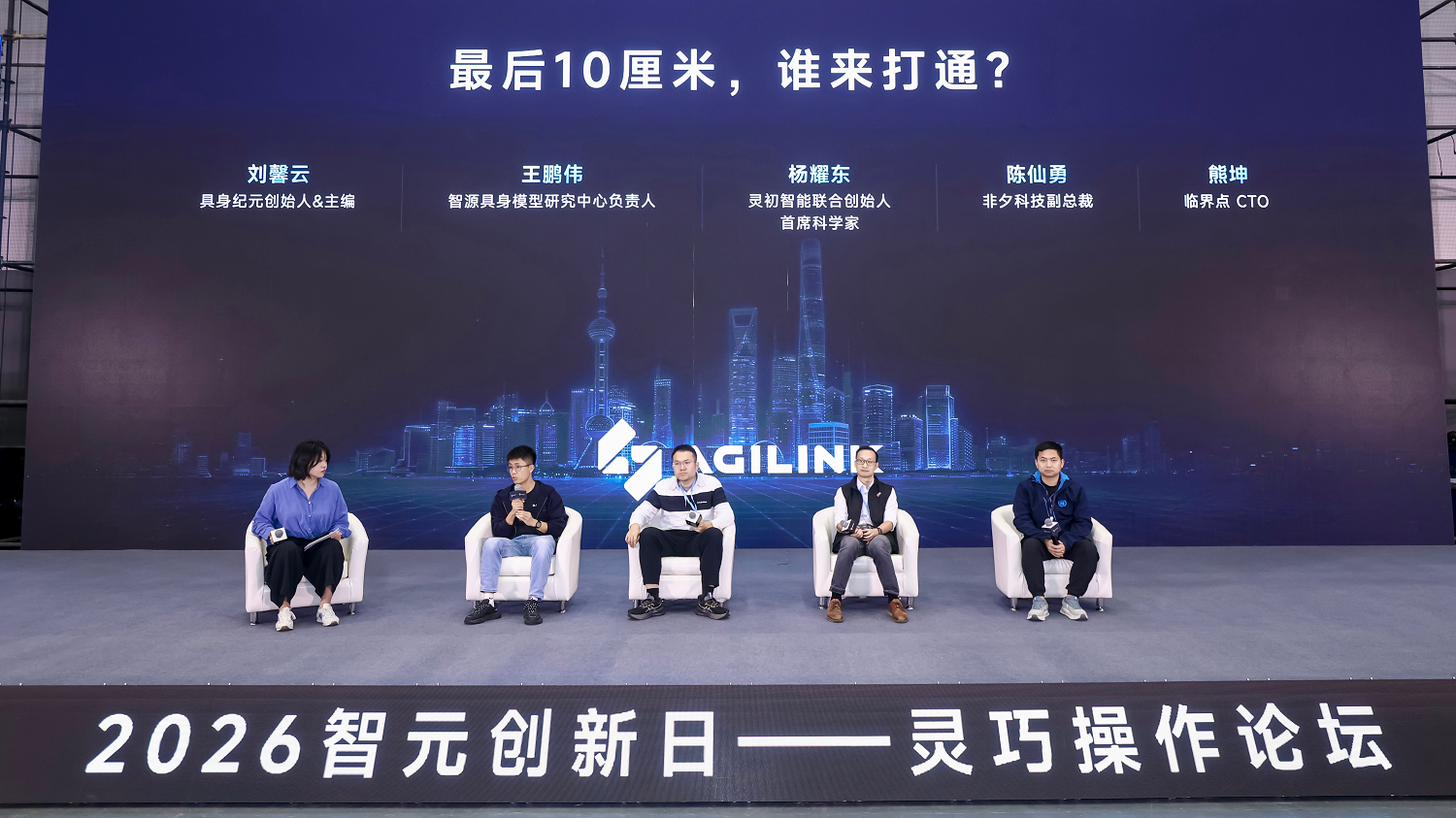
分论坛同期,临界点还举办了主题为 “最后10厘米,谁来打通?” 的圆桌对话。对话由具身纪元创始人兼主编刘馨云主持,邀请北京智源人工智能研究院具身模型研究中心负责人王鹏伟、北京大学人工智能研究院研究员兼灵初智能联合创始人兼首席科学家杨耀东、非夕科技副总裁陈仙勇,与临界点CTO熊坤共同参与,围绕硬件可用性、数据金字塔结构、模型泛化路径、落地核心门槛四大议题展开深度探讨,汇聚产学研视角共同思辨灵巧操作的落地路径。

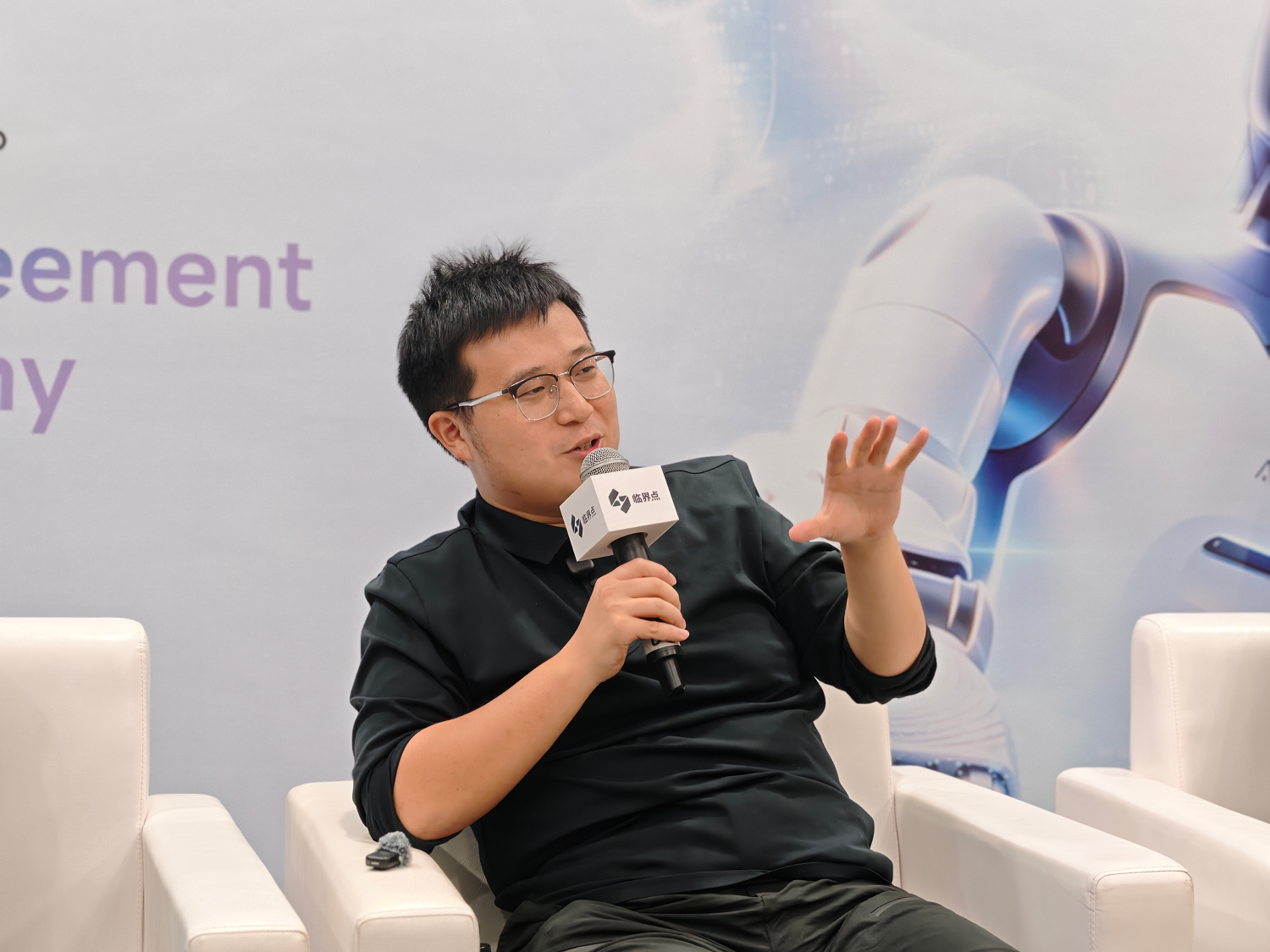
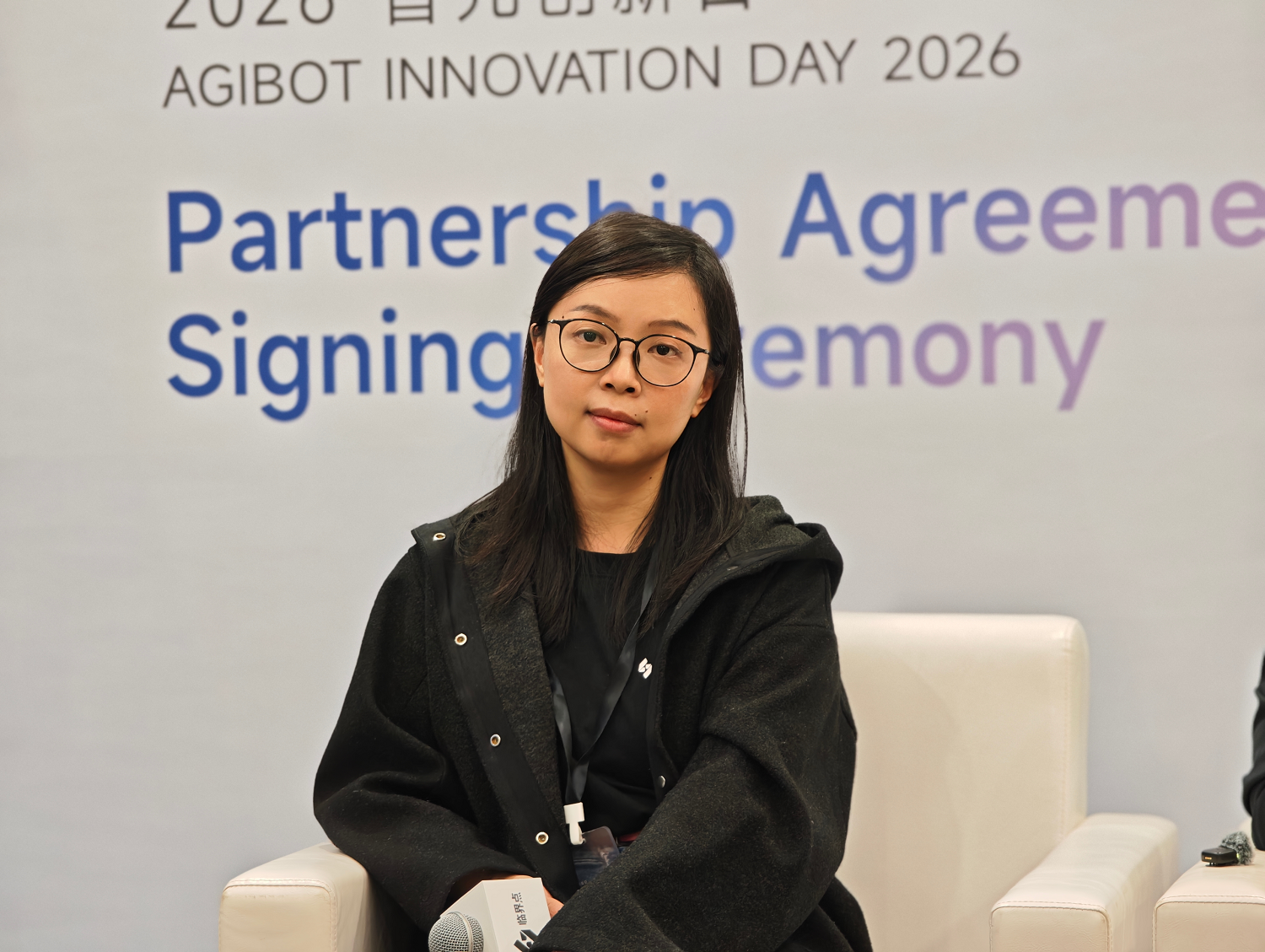
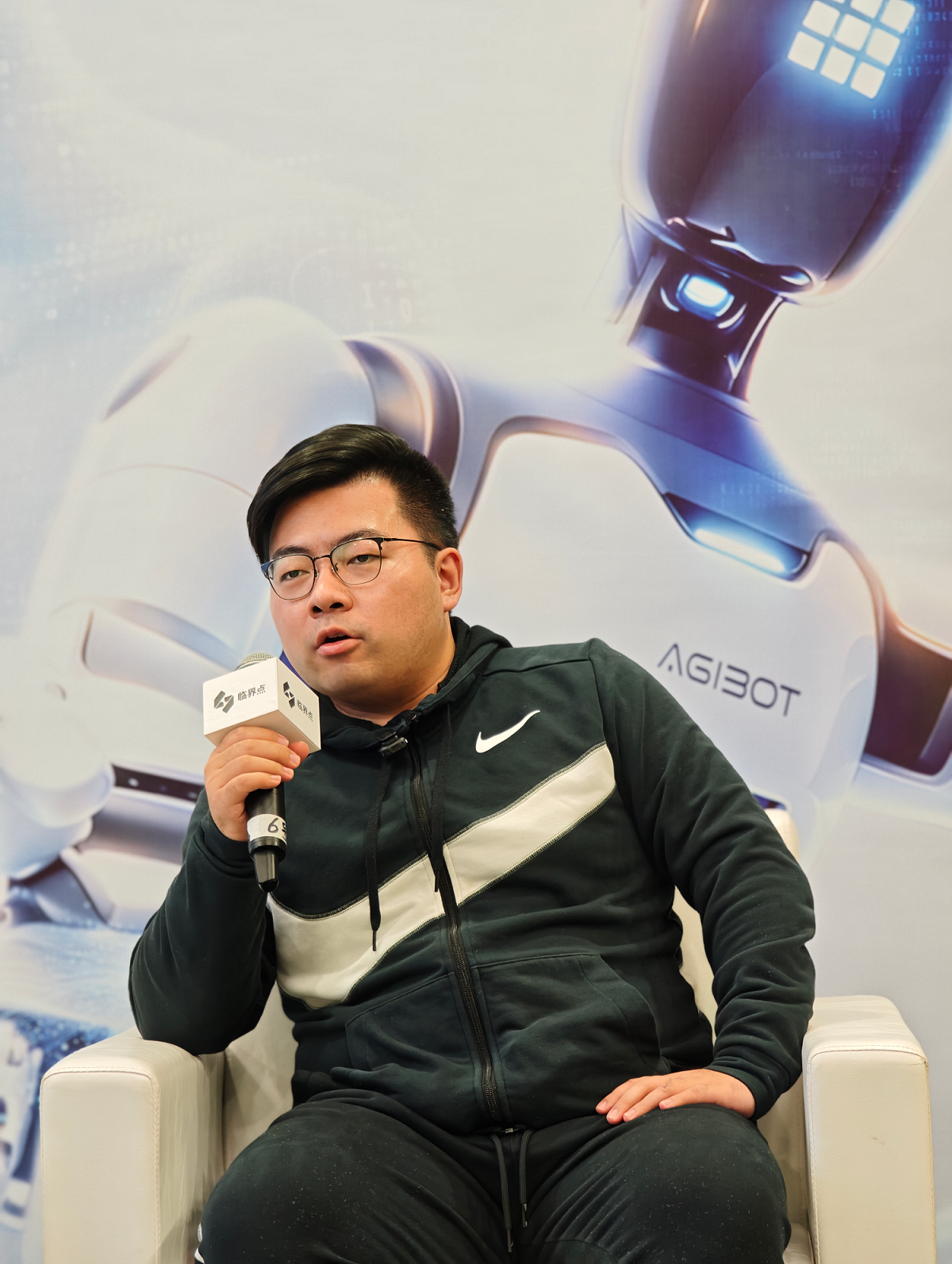
分论坛结束后,临界点CEO乔天杰、首席具身科学家黄碧丹、模型算法总监吴铭东三位核心负责人出席了媒体群访,就技术路线选择、成本下降节奏、市场竞争格局、公司独立发展战略等行业关注的焦点问题逐一回应,进一步拆解了灵巧操作从 “开发态” 迈向 “部署态” 的真实门槛与产业路径。

从卧龙工厂72道工序的 “部署态” 验证,到OmniGlove Pro打破数据瓶颈,再到万台量产筑牢商用底座,这场分论坛既是临界点成立9 个月全链路能力的集中亮相,也标志着中国灵巧操作产业正式跨过演示阶段,进入规模化落地的实战周期。

注:文/龚作仁,文章来源:Laborer,本文为作者独立观点,不代表亿邦动力立场。

文章来源:Laborer

广告
微信
朋友圈

FAQ回顾

灵巧手在工业产线能完成哪些工序?

临界点OmniHand灵巧手在绍兴卧龙联合生产制造基地完成上料、扫码、装夹、抓取螺丝枪拧固、启动测试设备、卸螺丝、下料归位等72个操作步骤,全自主完成;任务成功率达98%,单轮作业耗时8.5分钟,比熟练人工8分钟慢30秒,可连续不间断作业8小时。

灵巧手和工业夹爪是替代关系吗?

临界点CEO乔天杰表示,夹爪与灵巧手是互补的分层方案,并非非此即彼的替代关系。夹爪已覆盖大多数成熟场景,剩下20%—30%夹爪覆盖不了的复杂工序是灵巧手的核心阵地。灵巧手作为通用末端执行器,可覆盖不规则工件抓取、仪表盘按钮操作等多类工序,规避专机专用带来的高改造成本。

灵巧手从演示走向量产落地要考核哪些指标?

灵巧手从开发态进入部署态,需考核节拍、成功率、稳定性、ROI四个硬指标;万台级量产被视为商用落地入场券,可推动供应链稳定交付、良率收敛和成本下探。截至2026年10月,临界点全年灵巧手累计量产突破15,000台,接近2025年全国灵巧手全年出货总量的八成。

具身智能行业为什么缺高质量数据?临界点有什么方案?

具身智能模型缺乏真实物理交互的多模态数据:真机遥操数据质量高但成本高、难规模化;第一人称人手Ego数据缺少触觉和精度。临界点自研OmniGlove Pro数采手套,可同时采集人手位置、姿态及触觉,指尖采用EMF与IMU融合定位精度达0.1mm,配置746个触觉点位、空间分辨率3mm,处理后可在真机Replay。

灵巧手故障率和可靠性问题怎么解决?

过去灵巧手寿命短,核心原因是长期停留在实验室场景,真实工况下的磨损、干扰、疲劳无法充分暴露。临界点通过工业、商用两条真实部署线快速迭代,故障率从刚上整机时的接近10%降至0.5%以下;其车规级研发体系和来自汽车Tier1的核心团队支撑可靠性工程与量产管控。

这么好看,分享一下?

朋友圈 分享

APP内打开

赞 +1
+1
微信好友 朋友圈 新浪微博 QQ空间
关闭
收藏成功
发送
/140 0