广告
加载中

中石化易派客:搭建数字供应链 构建产业服务生态

亿邦智库 2026-10-10 15:00
亿邦智库 2026/10/10 15:00

邦小白快读

EN
全文速览

易派客是中石化打造的泛工业品电商平台,目前注册企业超19.5万家、在线商品超800万种、累计交易规模达2.5万亿元。对普通人来说,它的核心价值是解决工业品采购难、信息不透明等问题,并提供一套值得借鉴的数智化采购经验。

1. 工业品采购痛点:传统工业品存在一物多码、描述不一,易派客用标准体系对企业和产品进行精确评价,让采购更专业。

2. 实用工具:易竞拍可高价处置闲废物资,平均溢价率31%;易保理基于真实交易让中小企业更易融资;易物流提供智慧物流解决方案。

3. 对外数字化服务:可为其他企业提供SaaS商城、独立部署采购系统、物料主数据治理等服务,帮助上下游实现数智化转型。

4. 趋势方向:平台未来将用AI打造采购与供应链管理智慧大脑,并拓展国际业务,对中国制造出海有帮助。

品牌商最关心的是品牌如何在工业品电商中建立信任、拓展渠道、避免价格战,易派客的做法提供了重要参考。

1. 品牌背书与质量认证:易派客标准从法人信用、产品质量、履约动态、市场业绩四个维度评价企业和产品,通过高标准认证可增强品牌可信度;参与国际标准制定和升级团体标准也有利于提升品牌形象。

2. 渠道建设与资源互通:平台与中国石化框架协议内265万种商品资源集成,并与西域、震坤行等垂直平台和欧冶工业品互联互通,品牌商可借助这些渠道触达更多工业客户。

3. 价格竞争逻辑:平台用大数据分析提供市场洞察和寻源决策支持,强调专业和透明,品牌商应重点打磨产品标准化和履约口碑,而非单纯压价。

4. 消费趋势观察:工业品采购正走向阳光化、数智化,品牌商应重视交易透明、可追溯,在绿色低碳和供应链协同上提前布局。

对工业品卖家来说,易派客带来明确的增量机会,尤其在央企采购市场、金融服务和国际化方面。

1. 政策与市场增长:平台背靠中石化,累计交易2.5万亿元,覆盖80%以上工业品类;服务企业19.5万家,其中70%为中小企业,入驻后可对接央企及社会采购需求,增长空间大。

2. 获客与销售:平台支持产品上线拓客,提供框架协议、询价寻源、招标投标等采购服务,并与京东、西域、震坤行等渠道互通,增加流量入口。

3. 金融支持:易保理累计投放保理资金超500亿元,基于真实交易和信用画像,可有效缓解中小卖家融资难、融资贵问题。

4. 风险提示:平台坚持供应链阳光行动,要求交易透明、履约可信,卖家需规范经营、保障质量,避免违规风险。

5. 可学习点:易竞拍处置闲废物资溢价率高达31%,卖家可关注这类增值服务带来的额外收益。

工厂作为工业品生产端,可从易派客模式中获得产品标准化改造、数字化升级和资产处置的实用启示。

1. 产品研发与设计需求:平台用标准体系对工业品精确评价,倒逼工厂按统一规格和质量指标组织生产;同时通过大数据分析提供市场洞察,帮助工厂调整产品设计和方向。

2. 数字化采购与电商接入:工厂可复用易派客的独立部署采购系统、物料主数据治理和供应链管理咨询,快速搭建自己的数智化采购能力,降低信息化成本。

3. 商业机会:易派客共享中国石化框架协议内265万种优质商品资源,工厂有机会进入央企供应链;国际业务平台还支持中国制造出海,开辟新市场。

4. 资产盘活:工厂闲废物资可通过易竞拍处置,累计处置超40亿元,平均溢价率约30%,既实现绿色循环又可提升资产收益。

服务商从易派客案例中可以看到产业互联网的核心打法:标准+平台+资源+工具,并找到可复制的技术服务方向。

1. 行业趋势:工业品电商从简单交易转向数智化供应链服务,易派客SC2B模式强调供应链对企业赋能,提供采购、金融、物流、国际一体化服务。

2. 新技术应用:平台引入区块链保证交易透明,用物联网提升履约可信,未来将用AI构建采购与供应链管理智慧大脑,相关技术服务有广阔空间。

3. 客户痛点:工业品一物多码、数据标准不统一、供应链金融难、闲废物资处置效率低,这些都是服务商可切入的具体场景。

4. 解决方案借鉴:易派客提供SaaS商城、独立部署采购系统、物料主数据治理和供应链管理咨询,值得服务商产品化输出;其开放集成能力云平台、工业物联网平台和数据中台也可作为生态合作切入点。

对电商平台运营者,易派客展示了央企产业平台如何从内部走向开放,并提供了一套可参考的平台架构和运营规则。

1. 平台定位与模式:采用中国石化专属采购商城+对外开放SC2B平台双轮驱动,对内降本增效、对外输出能力;通过平台+资源+工具聚合供需双方。

2. 招商与资源互通:共享中石化框架协议内265万种商品资源,与垂直平台、央企平台以及京东、华为、科大讯飞等第三方平台连接,实现标准互通、资源互通、工具互通,可快速做大规模。

3. 运营管理:平台用易派客标准体系从法人信用、产品质量、履约动态等维度管理供应商,有助于保障平台信誉、减少恶性竞争。

4. 风险规避:推行供应链阳光行动,用区块链、物联网等技术让交易可追溯、可核验,降低数据造假和履约纠纷风险。

5. 对外赋能:为8家央企和多家民营企业提供SaaS或独立部署采购商城,说明平台化能力输出是可持续的商业模式。

易派客是央企数智化采购对外输出的典型样本,研究者可重点关注其商业模式、标准治理和产业生态构建。

1. 产业新动向:央企采购平台从内部系统转型为开放产业互联网平台,注册企业19.5万家、累计交易2.5万亿元,说明工业品电商正进入生态化竞争阶段。

2. 新问题与治理:工业品一物多码、描述不一是长期痛点;易派客用ES标准体系、国家技术标准创新基地和领跑者标准探索了标准治理路径;供应链阳光行动回应了采购透明度和廉洁风险问题。

3. 商业模式创新:SC2B模式强调供应链对企业的赋能,以平台+资源+工具提供采购、销售、金融、综合服务,并通过易竞拍、易保理等工具实现多元价值创造。

4. 政策与制度启示:可借鉴其标准输出、央企与第三方平台互联互通经验,推动工业品电商标准化和供应链数字化;同时应关注平台在缓解中小企业融资难、促进绿色循环方面的实际效果。

返回默认
声明:快读内容全程由AI生成,请注意甄别信息。如您发现问题,请发送邮件至 run@ebrun.com 。

我是 品牌商 卖家 工厂 服务商 平台商 研究者 帮我再读一遍。

Quick Summary

EPEC is an industrial goods e-commerce platform built by Sinopec, with over 195,000 registered companies, more than 8 million products online, and cumulative transaction volume of RMB 2.5 trillion. For the general public, its core value is to address pain points such as difficult procurement and information opacity in industrial goods, while offering a set of digitalized procurement practices worth emulating.

1. Pain points in industrial procurement: Traditional industrial products suffer from multiple codes for the same item and inconsistent descriptions. EPEC uses a standard system to precisely evaluate companies and products, making procurement more professional.

2. Practical tools: Yi Auction enables high-price disposal of idle and waste materials, with an average premium rate of 31%; Yi Factoring makes it easier for SMEs to obtain financing based on real transactions; Yi Logistics provides smart logistics solutions.

3. External digital services: It can offer other companies SaaS marketplace, independently deployed procurement systems, and material master data governance, helping upstream and downstream partners achieve digital transformation.

4. Trends: The platform will use AI to build a smart brain for procurement and supply chain management, and expand international business, which will facilitate the globalization of Chinese manufacturing.

Brands care most about how to build trust, expand channels, and avoid price wars in industrial e-commerce; EPEC's approach provides an important reference.

1. Brand endorsement and quality certification: The EPEC standard evaluates companies and products from four dimensions - legal person credit, product quality, fulfillment performance, and market track record. Passing high-standard certification enhances brand credibility; participating in international standards development and upgrading association standards also helps strengthen brand image.

2. Channel building and resource connectivity: The platform integrates product resources covering 2.65 million items under Sinopec framework agreements and interconnects with vertical platforms such as Xiyu and ZKH as well as Ouyeel Industrial. Brands can leverage these channels to reach more industrial customers.

3. Logic of price competition: The platform uses big-data analytics to provide market insights and sourcing decision support, emphasizing professionalism and transparency. Brands should focus on product standardization and fulfillment reputation rather than simply cutting prices.

4. Consumer trend observation: Industrial procurement is moving toward transparency and digitalization. Brands should attach importance to transaction transparency and traceability, and make early moves in green and low-carbon practices and supply chain collaboration.

For industrial goods sellers, EPEC brings clear incremental opportunities, especially in central SOE procurement markets, financial services, and internationalization.

1. Policy and market growth: Backed by Sinopec, the platform has cumulative transaction volume of RMB 2.5 trillion and covers over 80% of industrial product categories. It serves 195,000 companies, 70% of which are SMEs. After joining, sellers can tap into central SOE and social procurement demand, with significant room for growth.

2. Customer acquisition and sales: The platform supports product listing for customer acquisition and offers procurement services such as framework agreements, inquiry and sourcing, and bidding/tender. It also interconnects with channels like JD.com, Xiyu, and ZKH, adding traffic entry points.

3. Financial support: Yi Factoring has provided over RMB 50 billion in cumulative factoring funds. Based on real transactions and credit profiling, it effectively eases the financing difficulties and high financing costs faced by small and medium-sized sellers.

4. Risk alert: The platform upholds the Supply Chain Sunshine Initiative, demanding transaction transparency and credible fulfillment. Sellers must operate in a compliant manner and ensure quality to avoid violation risks.

5. Key takeaways: Yi Auction's premium rate for disposing idle and waste materials reaches as high as 31%; sellers should pay attention to the extra revenue that such value-added services can bring.

As the production end of industrial goods, factories can gain practical insights from the EPEC model on product standardization, digital upgrading, and asset disposal.

1. Product R&D and design needs: The platform uses a standard system to precisely evaluate industrial products, pushing factories to organize production according to unified specifications and quality indicators. At the same time, big-data analytics provide market insights to help factories adjust product design and direction.

2. Digital procurement and e-commerce access: Factories can reuse EPEC's independently deployed procurement systems, material master data governance, and supply chain management consulting to quickly build their own digital procurement capabilities and reduce informatization costs.

3. Business opportunities: EPEC shares 2.65 million high-quality product resources under Sinopec framework agreements, giving factories the opportunity to enter central SOE supply chains. Its international business platform also supports Chinese manufacturing expansion overseas, opening up new markets.

4. Asset revitalization: Factories can dispose of idle and waste materials through Yi Auction, which has processed over RMB 4 billion in cumulative transactions with an average premium rate of about 30%, achieving green recycling and improving asset returns.

Service providers can see from the EPEC case the core playbook of industrial internet: standards + platform + resources + tools, and find replicable directions for technology services.

1. Industry trend: Industrial e-commerce is shifting from simple transactions to digitalized supply chain services. EPEC's SC2B model emphasizes supply chain empowerment of businesses, providing integrated procurement, finance, logistics, and international services.

2. Application of new technologies: The platform uses blockchain to ensure transaction transparency and the Internet of Things to enhance fulfillment credibility. In the future, it will use AI to build a smart brain for procurement and supply chain management, creating broad space for related technology services.

3. Customer pain points: Industrial products suffer from multiple codes for the same item, inconsistent data standards, difficult supply chain financing, and inefficient handling of idle and waste materials - all concrete scenarios where service providers can enter.

4. Solution references: EPEC offers SaaS marketplace, independently deployed procurement systems, material master data governance, and supply chain management consulting, which are worth productizing and exporting by service providers. Its open integration cloud platform, Industrial IoT platform, and data platform can also serve as entry points for ecosystem collaboration.

For e-commerce platform operators, EPEC demonstrates how a central SOE industrial platform moves from internal use to openness, providing a reference architecture and operating rules.

1. Platform positioning and model: EPEC adopts a two-pronged approach combining Sinopec's dedicated procurement marketplace and an open SC2B platform - reducing costs and improving efficiency internally while exporting capabilities externally. It aggregates supply and demand through platform + resources + tools.

2. Merchant recruitment and resource connectivity: The platform shares 2.65 million product resources under Sinopec framework agreements, connects with vertical platforms, central SOE platforms, and third-party platforms such as JD.com, Huawei, and iFlytek, and achieves interoperability of standards, resources, and tools, enabling rapid scaling.

3. Operations management: EPEC uses its standard system to manage suppliers based on dimensions such as legal person credit, product quality, and fulfillment performance, helping safeguard platform reputation and reduce cutthroat competition.

4. Risk mitigation: It promotes the Supply Chain Sunshine Initiative and uses blockchain, IoT, and other technologies to make transactions traceable and verifiable, reducing risks of data fraud and fulfillment disputes.

5. External enablement: It has provided SaaS or independently deployed procurement marketplaces to eight central SOEs and many private enterprises, showing that platform capability export is a sustainable business model.

EPEC is a typical example of a central SOE's digitalized procurement capability exported to the broader market. Researchers should pay attention to its business model, standard governance, and industrial ecosystem building.

1. New industry trend: Central SOE procurement platforms are transforming from internal systems into open industrial internet platforms. With 195,000 registered enterprises and RMB 2.5 trillion in cumulative transaction volume, industrial e-commerce is entering a stage of ecosystem-based competition.

2. New problems and governance: Multiple codes for the same industrial item and inconsistent descriptions are long-standing pain points. EPEC has explored standard governance paths through its EPEC Standard (ES) system, a national innovation base for technical standards, and leader standards. The Supply Chain Sunshine Initiative responds to procurement transparency and integrity risks.

3. Business model innovation: The SC2B model emphasizes supply chain empowerment of businesses, providing procurement, sales, finance, and comprehensive services through platform + resources + tools, and creating diversified value through tools such as Yi Auction and Yi Factoring.

4. Policy and institutional implications: Its standards export and experience in connecting central SOEs with third-party platforms can inform efforts to standardize industrial e-commerce and digitize supply chains. Meanwhile, attention should be paid to the platform's actual effects in easing SME financing difficulties and promoting green and circular practices.

Disclaimer: The "Quick Summary" content is entirely generated by AI. Please exercise discretion when interpreting the information. For issues or corrections, please email run@ebrun.com .

I am a Brand Seller Factory Service Provider Marketplace Seller Researcher Read it again.

【亿邦原创】作为中国石化顺应“互联网+”国家发展战略、依托三十年采购管理实践打造的泛工业品电商平台,易派客(http://epec.toobiao.com/)自2016年4月正式投入商业运营以来,已从服务集团内部的采购窗口,成长为注册企业超19.5万家、在线商品超800万种、累计交易规模达2.5万亿元的产业互联网平台。秉承“让采购更专业”的理念,易派客创新推出SC2B(Supply Chain to Business)模式,以“平台+资源+工具”为核心,从“内部服务”走向“产业赋能”,成为央企数智化采购对外输出能力、构建产业生态的标杆[1]。

标准体系筑牢工业品电商专业护城河

工业品采购长期面临“一物多码、描述不一”的行业痛点,易派客的破题之道是标准先行。平台匠心打造易派客标准(ES,Epec Standard)体系,这是国内首个工业企业及产品综合评价标准,涵盖法人信用、产品质量、履约动态和市场业绩四大维度,对企业及工业品进行精确评价、精准画像和精挑细选[1]。

以此为基础,易派客获批建设全国电子商务领域唯一的国家技术标准创新基地(工业品电子商务),参与3项国际标准制定,将14项易派客标准升级为“领跑者”团体标准,以高标准引领行业高质量发展。平台还依托中国石化海量采购数据与行业知识,构建工业品标准体系(IES)与物料主数据治理平台,通过大数据分析为供应商提供市场洞察、为采购方提供寻源决策支持,从根本上解决了工业品“一物多码、描述不一”的老问题[1]。

在资源汇聚上,易派客不仅共享中国石化框架协议内265万种优质商品资源,更积极与西域、震坤行等垂直平台以及欧冶工业品等央企平台互联互通,构建了覆盖80%以上工业品类的资源池。平台引入区块链、物联网等技术,确保交易透明、履约可信,让供应链上的每一笔交易都可追溯、可核验。同时,易派客坚持推行“供应链阳光行动”,全面营造健康阳光的工业品电商生态,助力经济社会高质量发展[1]。

“易系列”工具箱激活存量、赋能生态

易派客精心打造了“易系列”服务工具箱,包括规范高效处置闲废物资的“易竞拍”、提供智慧物流解决方案的“易物流”、拓展全球市场的“易国际”、服务供应链金融的“易保理“等。“平台+资源+工具”的服务模式,将易派客从一个交易平台升级为赋能工业企业采购与供应链全链条数智化转型的综合服务商[1]。

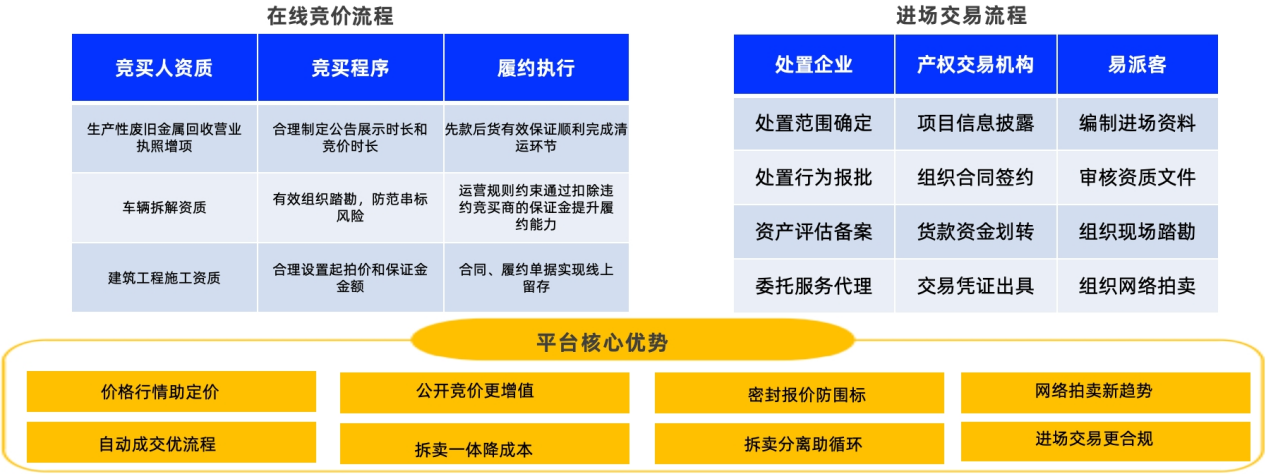
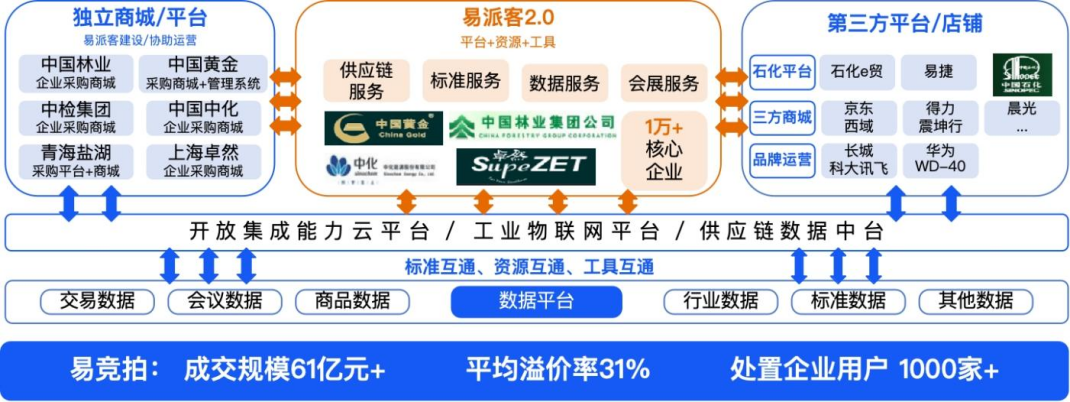
“易竞拍”是激活存量资产价值的市场化利器。该板块集聚了8000余家采购需求方,服务覆盖千余家企业,成交规模达61亿元以上,平均溢价率高达31%,充分体现了市场化竞价的价值发现功能。截至2025年11月,“易竞拍”累计处置闲废物资超40亿元,溢价率约30%,助力绿色循环转型发展。这一模式有效激活了存量资产价值,为央企盘活闲置资源、提升资产运营效率提供了市场化解决方案[1]。

在供应链金融领域,“易保理”累计投放保理资金超500亿元,基于平台真实交易数据与信用画像,为小微企业提供高效便捷的融资渠道,有效缓解了中小企业融资难、融资贵问题。“易物流”将供应链向物流领域延伸,提供智慧物流解决方案;“易国际”则支撑供应链国际化,建设物资国际贸易共享服务平台,助力中国制造出海。此外,平台还提供保险、商旅、劳保福利等多种增值服务,致力打造完整的工业品电商生态圈[1]。

SC2B双轮模式构建数智化供应链生态圈

在业务架构上,易派客打造中国石化专属采购商城和对外开放的SC2B平台双轮驱动模式:对内服务集团降本增效,对外输出管理能力。平台精心淬炼“采购、销售、金融、综合”四大服务——采购服务涵盖MRO询价寻源、招标投标、框架协议;销售服务助力工业企业产品上线拓客;金融服务通过保理、保险等工具为供应链上下游输血;综合服务则延伸至会展、竞拍、物流、商旅等场景,聚焦有效供给,满足用户需求,实现价值增值。平台还推出国际业务平台英语、俄语、西班牙语版,实现中文站与国际站资源同步展示,多语种在线无障碍交流,成为内外贸一站式服务的工业品电商平台[1]。

易派客的核心能力在于对外输出完整的信息化建设能力,可提供SaaS商城、独立部署采购管理系统、物料主数据治理、供应链管理咨询等全栈数字化服务,助力产业链上下游企业实现数智化转型。目前,平台已为包括中国中化、中林集团等在内的8家央企,以及中关村数链、白云电气等民营企业提供SaaS或独立部署的采购商城建设及供应链服务,构建了以易派客平台为支撑的数智化供应链生态圈[1]。

从生态版图看,易派客2.0以开放集成能力云平台、工业物联网平台和供应链数据中台为底座,向上支撑中国黄金、中国林业集团、中化、中检集团、SupZET等1万余家核心企业,向下连接石化电商平台、京东、西域、得力、震坤行、华为、科大讯飞等第三方平台与店铺,实现标准互通、资源互通、工具互通。平台还向供应链上游延伸实现原材料采购溯源管理,向供应链下游创新退役装置“拆卖一体/分离”处置模式,形成覆盖采购全链条的数字化能力[1]。

经过近十年发展,易派客交出了亮眼答卷:截至2025年11月底累计交易额超2.5万亿元,服务19.5万家企业,其中70%为中小企业;品牌价值连续多年超百亿元,先后被工信部列为“2020年大数据产业试点示范项目”,获评“十佳电子化采购平台”“2020年全国质量标杆企业”“全国供应链创新与应用示范企业”“互联网助力经济社会数字化转型特色案例”等数十项国家级荣誉[1][2]。

回顾发展历程,易派客从一个内部采购系统起步,2016年商运首年累计交易即达902亿元;到2020年底,注册企业达8.3万家、注册用户23.9万个、在线商品291万种、累计交易金额超过1.42万亿元;再到2025年底突破2.5万亿元、在线商品近800万种——近十年间,平台注册企业数增长超两倍,交易规模增长近一倍半,服务半径从中国石化内部延伸至19.5万家社会企业[2]。

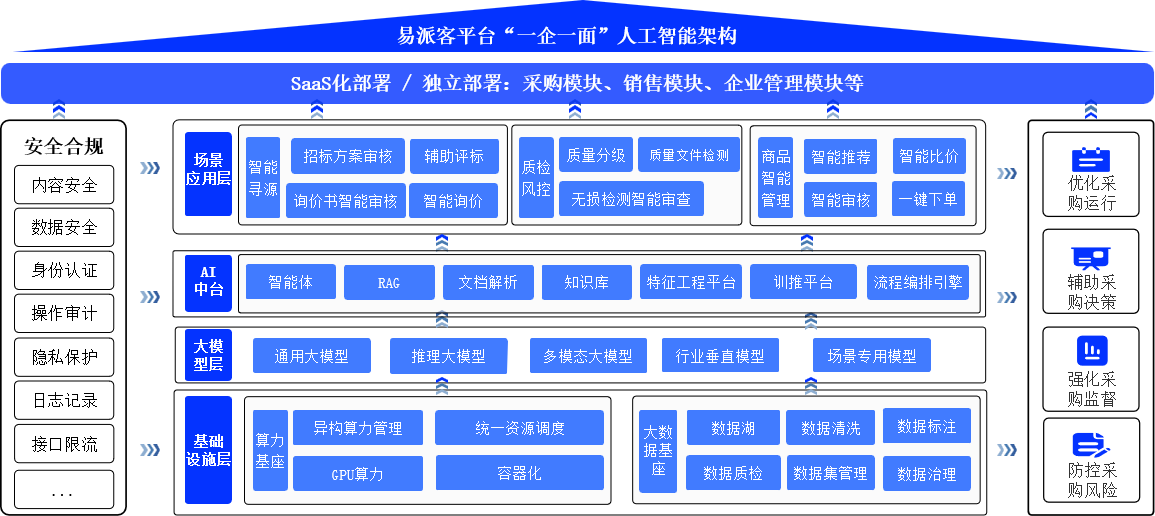
面向未来,易派客将围绕中国石化“打造世界领先洁净能源化工公司”愿景,持续深化品牌建设:数智融合方面,落实“十五五”规划,通过AI赋能构建“采购与供应链管理智慧大脑”,推动AI在需求预测、智慧寻源等场景落地,以技术驱动服务提质升级;国际布局方面,依托海外试点经验,复制境外采购与供应链数字化解决方案,将国际业务平台建成中国石化全球化经营支点与中国制造出海服务平台,增强品牌的全球竞争力;生态协同方面,深耕“平台+资源+工具”模式,联合央企及产业链伙伴共建共享标准、数据与服务,探索“市场协同”下的供应链增值,朝着“打造具有较强影响力的全球化工业品电商平台”愿景坚定迈进[1]。

信息来源

[1] 国务院国有资产监督管理委员会官网:《易派客:品牌建设赋能工业品电商高质量发展》http://www.sasac.gov.cn/n4470048/n35313464/n35373956/n35373978/c35378939/content.html

[2] 中国工业新闻网:《能源品牌周|付婧:易派客以数智为引擎,持续深耕绿色低碳供应链建设》https://h5.cinn.cn/davmu/share/holly/doc/2026/05/vrGlNY6D/index.html

亿邦智库持续关注央国企数字化采购领域的最新进展,如想了解更多与本文相关信息,请扫码关注作者微信或发送邮箱。联系邮箱:zhangjing@ebrun.com

作为TO B领域年度风向标,“2026第八届亿邦产业互联网年会暨首届产业智能体大会”将于11月20日在北京召开。主题定为“AI与出海带来的模态进化”,聚焦产业智能体落地、AI供应链价值重构、数据要素与TOKEN经济、产业出海新生态等前沿议题深度思辨。大会将集结学界权威、央国企标杆、产业龙头、投资机构、服务生态伙伴,汇聚产业核心力量、拆解产业数智化转型路径、分享前沿实战经验。同期还将发布年度产业互联网报告及标杆案例,举办决策人闭门会、“千峰奖”颁奖盛典。

本文首发于 亿邦动力 官方网站

文章来源:亿邦动力

广告
微信
朋友圈

FAQ回顾

易派客是什么?属于什么行业?

易派客是中国石化旗下泛工业品电商平台,2016年正式投入商业运营,采用SC2B模式,以“平台+资源+工具”服务工业企业采购与供应链。截至2025年11月底,平台注册企业超19.5万家,在线商品近800万种,累计交易规模达2.5万亿元。

易派客的SC2B模式是什么?有什么优势?

SC2B是易派客创新的Supply Chain to Business模式,核心是“平台+资源+工具”。对内服务中国石化降本增效,对外输出采购、销售、金融、综合等能力,并可为产业链企业提供SaaS商城、采购管理系统、物料主数据治理等全栈数字化服务。

工业品采购中“一物多码、描述不一”的问题如何解决?

易派客通过构建易派客标准(ES)体系和工业品标准体系(IES)及物料主数据治理平台,从法人信用、产品质量、履约动态、市场业绩等维度对企业和工业品进行评价,借助大数据分析为采购方和供应商提供寻源决策支持,有效解决这一行业痛点。

易派客的“易竞拍”和“易保理”分别是什么?

易竞拍是闲废物资处置平台,已集聚8000余家采购需求方,累计处置闲废物资超40亿元,溢价率约30%;易保理是基于平台真实交易数据为小微企业提供供应链金融服务,累计投放保理资金超500亿元,缓解中小企业融资难问题。

央企如何借助易派客实现数智化采购转型?

易派客对外输出完整的信息化建设能力,包括SaaS商城、独立部署采购管理系统、物料主数据治理、供应链管理咨询等全栈数字化服务。目前已帮助中国中化、中林集团等8家央企以及中关村数链、白云电气等民企建设采购商城,构建数智化供应链生态圈。

这么好看,分享一下?

朋友圈 分享

APP内打开

赞 +1
+1
微信好友 朋友圈 新浪微博 QQ空间
关闭
收藏成功
发送
/140 0