广告
加载中

半亩花田携三项科研成果亮相第36届IFSCC国际化妆品科学大会

龚作仁 2026-10-09 12:09
龚作仁 2026/10/09 12:09

邦小白快读

EN
全文速览

总:这篇文章围绕半亩花田在IFSCC大会发布的三项科研成果,能帮你提炼出几个实用护肤要点。

1. 防脱不能只看单一生理原因。研究显示有脱发困扰的都市人群,往往在作息、熬夜频率、情绪稳定和压力四个维度同时异常,所以改善脱发需要从睡眠、情绪和压力管理入手。

2. 头皮状态存在地域差异。品牌对141人做头皮数据测量后发现,角质层含水量、经皮水分流失率、pH值和皮脂分泌量等指标会因地域不同而不同,选洗护产品时应考虑所在地区和个人头皮状态。

3. 美白有两条通路。除了抑制黑色素生成,皮肤上的嗅觉受体闻到玫瑰香气后还能激活细胞自噬,让细胞主动清除已沉积的黑色素。选购美白产品时,可关注是否持有国家药监局美白特证以及是否有权威数据支撑。

4. 科研成果已落到具体产品。比如文中提到的美白身体乳2.0,就是基于信号级美白研究开发,且持有美白特证。

总:这篇文章对品牌商最有启发的不是单纯原料故事,而是一套把科研、产品和品牌定位打通的打法。

1. 科研背书是品牌资产。登上IFSCC这类国际大会,能提升品牌专业形象,也能让花植成分与功效验证成为差异化的传播素材。

2. 产品研发要紧扣消费者痛点。防脱研究证明压力性脱发是多因素问题,因此产品采用多靶点干预和一洗一护一养的进阶方案;美白则从细胞机制找到双通路,为消费者提供更可信的功效故事。

3. 原料基地和研发体系是壁垒。从济南玫瑰、菏泽牡丹到广西茉莉,覆盖全国的种植基地配合济南、上海、广州三大研发中心,构成从原料到成品的品牌护城河。

4. 科研合作应延伸到前沿领域。与东南大学共建类器官芯片产学研基地,能推动产品开发从经验驱动转向精准科学,也可作为品牌长期的技术叙事。

5. 消费者洞察需要数据支撑。240人行为心理评估和141人头皮数据测量说明,品牌对消费趋势的研究可以更细、更定量。

总:对卖家而言,这篇文章指向功效个护的确定性机会,但选品和经营方式要跟着科研含量走。

1. 增长市场值得关注。防脱和美白仍是高关注度需求,尤其是压力性脱发细分人群,以及不同地域头皮护理需求,对应商品有明确卖点。

2. 选品可参考科学含金量。能拿出多维度人群研究、自研成分和国际会议论文的产品,更容易做内容种草和转化;有国家药监局美白特证的产品,在平台推广时也更稳妥。

3. 可学习其场景化产品逻辑。品牌用一洗一护一养和一洗一护一沐的全场景矩阵覆盖消费者日常环节,卖家也可以围绕同一需求搭配组合销售,提升客单价。

4. 合作机会会增加。拥有原料基地、三大研发中心和高校共建实验室的品牌,会持续推出新成分新产品,卖家可提前关注其新品发布机会,尤其是美白身体乳2.0等已有数据支撑的爆款衍生品。

5. 风险提示是合规。国际大会和论文是宣传素材,但对外传播功效时必须严格使用特证允许的说法,不能跨出备案宣称边界。

总:对工厂来说,这篇文章提供了产品代工和研发方向上的重要信号:功效洗护和花植成分将成为下一个生产发力点。

1. 原料端应关注有科研价值的特色花植。半亩花田用16年布局玫瑰、牡丹、茉莉等种植基地,并通过选育培育高黄酮含量原料,说明上游原料品质和可溯源能力是产品差异化的基础。

2. 生产研发需要接入功效验证体系。品牌通过细胞分子验证、3D类皮肤模型和类器官芯片来做配方筛选,工厂若具备或联动这类评价能力,更能承接高客单订单。

3. 产品设计要适应多步骤洗护趋势。从一洗一护一养到一洗一护一沐,意味着代工订单可能是洗、护、沐多条产品线联动,工厂需要做好不同剂型、工艺和花植提取物的配套生产。

4. 数字化和精准科学是长期启示。类器官芯片让功效成分机制可量化、可视化,生产端要更重视配方数据库、功效数据沉淀和标准化流程,从而向精准研发生产升级。

总:这篇文章展示了个护行业从营销驱动转向科学驱动的动向,服务商可以从中看到新的服务切口。

1. 行业趋势明确:国际顶会与可持续美妆成焦点,防脱、美白等功效细分的科学门槛在提高,客户更需要能帮他们讲清成分、机制、数据、功效之间关系的服务团队。

2. 新技术值得跟进:类器官芯片、3D类皮肤模型、细胞自噬、多靶点干预等,正在变成化妆品研发的新工具和传播素材,服务商可围绕这些技术提供内容策划、视频化表达和知识营销方案。

3. 客户痛点更复杂:中国消费者脱发问题并非单一因素,而是作息、情绪、压力等多维度交织;头皮数据又存在地域差异,所以客户需要更精准的消费者洞察和区域性策略。

4. 解决方案要从证据链入手:科研成果若只停留在论文,无法触达消费者。服务商可帮品牌把240人行为研究、141人头皮测量、细胞实验和产品特证转成通俗、可信、可传播的内容,形成从研发到销售的科学证据闭环。

总:平台商可以从这篇文章捕捉到功效个护的招商和运营风向:拥有科研实力、原料资产和权威背书的品牌会成为内容电商的新供给。

1. 招商方向:重点关注有国际会议论文、高校合作和自研花植成分的品牌,这类品牌能补充平台在高端功效个护类目下的专业内容,提升平台调性。

2. 运营管理:防脱、美白是搜索和内容消费高发需求,但功效宣称风险高。平台应要求商家上传美白特证和检测报告,并规范商品页表述,避免因夸大功效引发售后和监管问题。

3. 商品结构机会:消费者越来越接受一洗一护一养和一洗一护一沐的全场景套装。平台可用头皮护理、压力防脱、身体美白等场景标签组货,并鼓励商家以套装形式提高客单价。

4. 用户需求洞察:研究显示脱发与压力、熬夜、情绪相关,且头皮状态存在地域差异。平台可根据这些人群行为标签优化推荐和搜索,比如向熬夜、高压人群推荐修护头皮产品。

5. 风向规避:平台要留意科研大会、国际论文类宣传词与实际证明材料是否一致,防止商家拿奖项和论文做模糊背书。

总:这篇文章反映了个护领域值得关注的科研与产业动向,可作为产学研结合和功效化妆品开发的研究案例。

1. 产业新动向:国货个护品牌开始主动参与IFSCC国际大会,并以美白、防脱、洗护等细分领域的人群研究、机制研究和产品落地来建立科研形象,说明中国品牌正从供应链优势走向研发输出。

2. 研究方法可借鉴:半亩花田联合高校对240名都市人群做行为心理与头皮生理参数追踪,对141人做头皮数据测量,这类多维度、定量化的人群证据值得作为消费者研究的方法参考。

3. 科学发现与产品机制:研究提出皮肤存在功能性嗅觉受体,玫瑰香气可启动细胞自噬主动清除黑色素;防脱则通过牡丹花肽等多靶点干预改善压力性脱发,这些都为功效成分的作用机制研究提供了新方向。

4. 产学研模式出现升级:品牌与东南大学江北研究院共建个护行业首个类器官芯片产学研合作基地,推动功效评价从经验驱动走向精准科学,未来或带动行业研发标准与评价规范的更新。

5. 政策法规建议:功效宣称需要更多可量化证据和第三方检测体系,特证管理与新技术评价方法结合,或能促进行业建立更严谨的科技成果转化和宣称规范。

返回默认
声明:快读内容全程由AI生成,请注意甄别信息。如您发现问题,请发送邮件至 run@ebrun.com 。

我是 品牌商 卖家 工厂 服务商 平台商 研究者 帮我再读一遍。

Quick Summary

Overview: This article looks at three skin-care studies released by Banmuhuatian at the IFSCC congress and distills a few practical takeaways.

1. Anti-hair-loss care cannot rely on a single physiological cause. Research shows urban residents with hair loss concerns typically have simultaneous abnormalities in sleep schedule, late-night habits, emotional stability, and stress, so improvement requires addressing sleep, emotional well-being, and stress management.

2. Scalp conditions vary by region. After measuring scalp data from 141 people, the brand found differences in stratum corneum hydration, transepidermal water loss, pH, and sebum output across regions. Choosing hair-care products should factor in the local environment and one's own scalp state.

3. Skin brightening involves two pathways. In addition to inhibiting melanin production, olfactory receptors on the skin activated by rose fragrance can stimulate autophagy, prompting cells to actively remove existing melanin. When selecting brightening products, look for the NMPA special whitening certificate and authoritative data support.

4. The research has already been translated into concrete products. For instance, the whitening body lotion 2.0 cited in the article was developed from signal-level brightening research and holds the special whitening certificate.

Overview: For brand owners, the most valuable part of this article is not a simple ingredient story but a playbook that connects science, product development, and brand positioning.

1. Scientific endorsement builds brand assets. Presenting at international conferences such as IFSCC elevates a brand's professional image and turns botanical ingredients and efficacy validation into differentiated communication assets.

2. Product development should be anchored to consumer pain points. The anti-hair-loss study proves stress-related hair loss is a multifactorial issue, so the brand adopted a multi-target intervention and a step-up regimen of cleanse, treat, and nourish; for whitening, it identified a dual pathway in cellular mechanisms to offer a more credible efficacy narrative.

3. Ingredient bases and R&D systems form entry barriers. From roses in Jinan, peonies in Heze, to jasmine in Guangxi, nationwide cultivation bases plus three R&D centers in Jinan, Shanghai, and Guangzhou create a brand moat from raw materials to finished goods.

4. Research collaboration should extend to frontier fields. Co-building an organoid chip industry-university-research base with Southeast University can shift product development from experience-driven to precision science and serve as a long-term technological narrative.

5. Consumer insight requires data support. The 240-person behavioral and psychological assessment and the 141-person scalp measurement show that consumer trend research can be more granular and quantitative.

Overview: For sellers, this article points to a clear opportunity in functional personal care, but product selection and operations should follow the weight of scientific evidence.

1. High-interest growth segments are worth watching. Hair-loss control and brightening remain top-demand categories, particularly stress-related hair loss subgroups and region-specific scalp care needs, giving products distinct selling points.

2. Selection can be guided by scientific credibility. Products backed by multi-dimensional population studies, self-developed ingredients, and international conference papers are easier to promote through content marketing; products with the NMPA special whitening certificate also run more safely in platform promotion.

3. Learn from the brand's scenario-based logic. The brand uses a full-scenario matrix of cleanse-treat-nourish and cleanse-treat-moisturize to cover daily consumer routines; sellers can similarly bundle products around one need to increase average order value.

4. Cooperation opportunities will expand. Brands with their own ingredient bases, three R&D centers, and university joint labs will continue releasing new ingredients and products. Sellers should watch for new launches, especially data-backed derivative bestsellers like the whitening body lotion 2.0.

5. Risk reminder: compliance. International conferences and papers are promotional assets, but efficacy claims must strictly follow the wording allowed by the special certificate and must not go beyond the registered claim boundaries.

Overview: For factories, this article sends important signals for product OEM and R&D: functional wash-and-care products and botanical ingredients will become the next production battleground.

1. Raw material sourcing should focus on specialty botanicals with scientific value. Banmuhuatian spent 16 years developing rose, peony, and jasmine planting bases and breeding raw materials with high flavonoid content, showing that upstream material quality and traceability are the basis for product differentiation.

2. Production and R&D need to plug into efficacy validation systems. The brand carries out formula screening through cellular and molecular validation, 3D skin models, and organoid chips. Factories that own or connect with such evaluation capabilities are more likely to win high-value orders.

3. Product design should adapt to the multi-step wash-care trend. From cleanse-treat-nourish to cleanse-treat-moisturize, OEM orders may cover multiple product lines across wash, care, and moisturize categories, requiring factories to support different formulations, processes, and botanical extract production.

4. Digitalization and precision science are the long-term implication. Organoid chips make the mechanisms of active ingredients quantifiable and visible. Production should strengthen formula databases, efficacy data accumulation, and standardized workflows to upgrade toward precision R&D and manufacturing.

Overview: This article shows the personal care industry moving from marketing-driven to science-driven, and service providers can find new service opportunities in this shift.

1. Industry trend is clear: international top conferences and sustainable beauty are becoming focus points, while the scientific threshold for efficacy segments such as anti-hair-loss and brightening is rising. Clients increasingly need service teams that can articulate the relationships among ingredients, mechanisms, data, and efficacy.

2. New technologies deserve attention: organoid chips, 3D skin models, autophagy, and multi-target interventions are becoming new tools and communication materials in cosmetics R&D. Service providers can build content planning, video expression, and knowledge-marketing solutions around these technologies.

3. Client pain points are more complex: Chinese consumers' hair loss is not a single-factor issue but is tangled with sleep, emotion, and stress; scalp data also varies by region. Clients need more precise consumer insights and regional strategies.

4. Solutions should start from the evidence chain. Research remains inaccessible if it stays only inside papers. Service providers can help brands translate the 240-person behavioral study, 141-person scalp measurements, cell experiments, and product certifications into plain, credible, and shareable content, forming a closed loop of scientific evidence from R&D to sales.

Overview: Platform operators can see new sourcing and operations directions in this article: brands with scientific strength, raw-material assets, and authoritative endorsements will become a fresh supply pool for content e-commerce.

1. Sourcing direction: focus on brands that have international conference papers, university partnerships, and self-developed botanical ingredients. Such brands can enrich the platform's professional content in the premium functional personal care category and lift the platform's image.

2. Operations management: anti-hair-loss and brightening are high-frequency search and content consumption demands, but efficacy claim risks are high. Platforms should require merchants to upload the NMPA special whitening certificate and testing reports, and standardize product page wording to prevent after-sales and regulatory problems from exaggerated claims.

3. Product structure opportunity: consumers are increasingly accepting full-scenario sets such as cleanse-treat-nourish and cleanse-treat-moisturize. Platforms can use scenario tags like scalp care, stress-related hair loss, and body brightening to curate assortments, and encourage merchants to sell bundles to lift average order value.

4. User insight: studies show hair loss is correlated with stress, late nights, and mood, and scalp conditions vary by region. Platforms can optimize recommendation and search using these behavioral labels—for example, pushing scalp-repair products to users with high stress or late-night habits.

5. Risk avoidance: platforms should verify whether promotional language about scientific conferences and international papers matches the actual evidence, preventing merchants from leveraging awards and papers as vague endorsements.

Overview: This article reflects noteworthy scientific and industrial trends in personal care, and can serve as a research case for industry-university collaboration and functional cosmetics development.

1. New industry trend: domestic personal care brands are beginning to actively join international conferences such as IFSCC, using population research, mechanism studies, and product implementation in whitening, anti-hair-loss, and wash-care segments to build a scientific brand image. This indicates that Chinese brands are moving from supply-chain advantage to R&D output.

2. Research methods are instructive: Banmuhuatian collaborated with universities to track 240 urban individuals on behavioral psychology and scalp physiological parameters, and measured scalp data from 141 people. This kind of multi-dimensional, quantitative population evidence offers a methodological reference for consumer research.

3. Scientific findings and product mechanisms: the research proposes that the skin has functional olfactory receptors, and rose fragrance can trigger autophagy to actively remove melanin; for anti-hair-loss, multi-target interventions such as peony flower peptide improve stress-related hair loss. These provide new directions for studying the mechanisms of functional ingredients.

4. Industry-university-research model is upgrading: the brand co-built the personal care industry's first organoid chip research collaboration base with Southeast University Jiangbei Research Institute, pushing efficacy evaluation from experience-driven to precision science. This may drive updates in industry R&D standards and evaluation norms in the future.

5. Policy and regulation recommendations: efficacy claims require more quantifiable evidence and third-party testing systems. Combining special certificate management with new evaluation methods could help the industry establish more rigorous standards for science-to-market translation and claim governance.

Disclaimer: The "Quick Summary" content is entirely generated by AI. Please exercise discretion when interpreting the information. For issues or corrections, please email run@ebrun.com .

I am a Brand Seller Factory Service Provider Marketplace Seller Researcher Read it again.

近日,有“化妆品界诺贝尔奖”之称的第36届IFSCC国际化妆品科学大会在澳大利亚珀斯圆满落幕,这场国际盛典汇聚来自全球的科学家、行业领袖与创新先锋,共同探索化妆品科学的前沿突破与未来趋势。国货个护品牌半亩花田携三项前沿研究成果再次亮相IFSCC大会,向国际顶尖化妆品科学大会呈现国货的科研探索成果。

锚定功效洗护,自研防脱新成分突破亮相国际

本届IFSCC大会以“求解可持续美妆方程式(Solving the Sustainable Beauty Equation)”为主题,吸引了来自世界各地的高水平论文与研究成果投稿。作为再次登陆IFSCC国际舞台的中国个护品牌,半亩花田的三项前沿科研成果能一举通过了大会严格的评审流程,其含金量不言而喻。

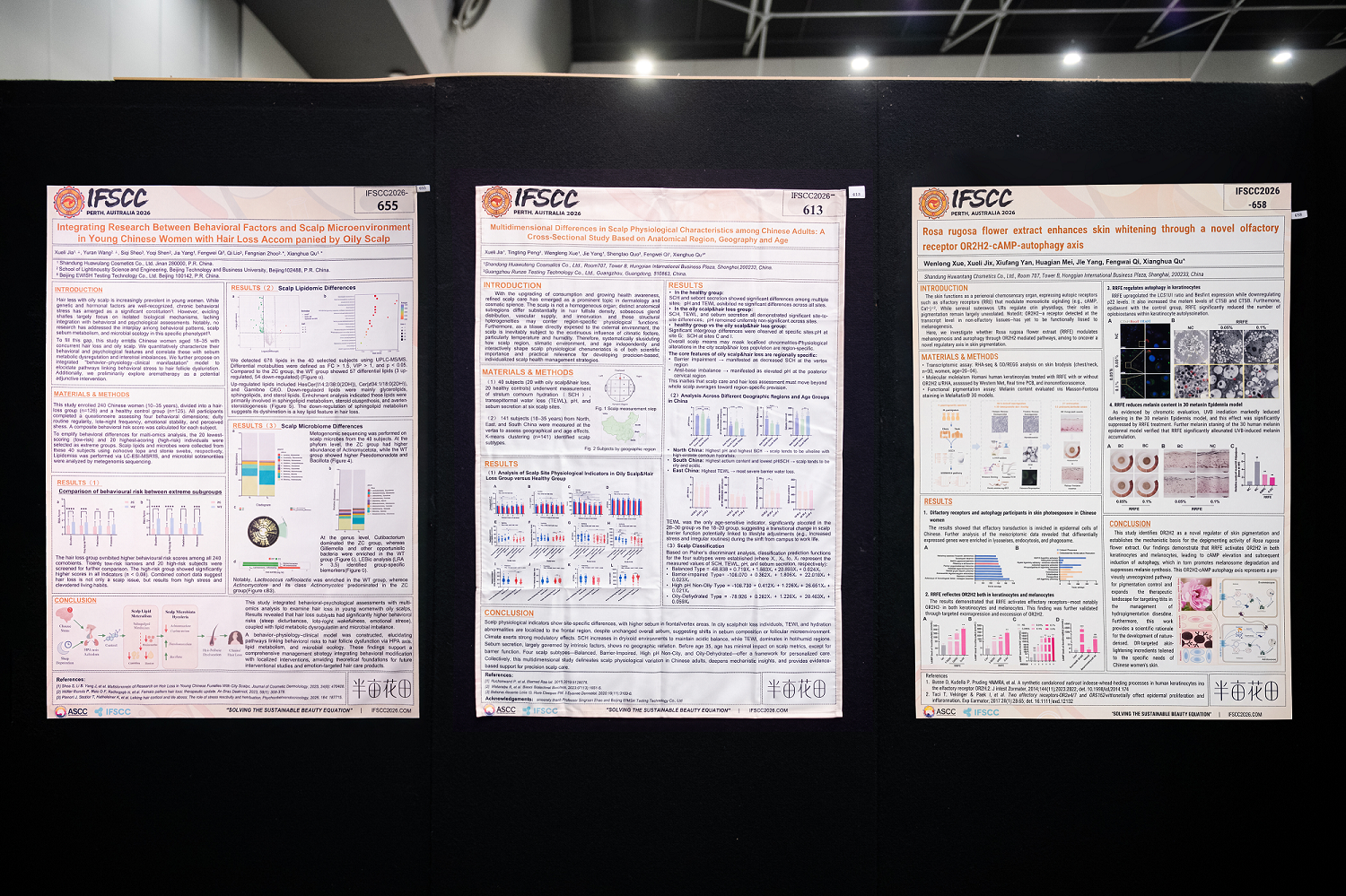
半亩花田入选IFSCC大会的美白、防脱、洗护三大领域前沿科研成果

比如,针对中国消费者关注的脱发话题,半亩花田联合北京工商大学从行为心理评估、头皮生理参数等5 个维度对240名都市人群进行追踪、评估,发现其中有脱发困扰的受试者,在作息、熬夜频率、情绪稳定程度、受压力程度四个维度上同时出现异常,表现明显差于健康人群。这项成果从科学层面印证了压力性脱发不是单点问题导致,而是多因素交织,为防脱洗护研究带来了产品研创新思路。因此,半亩花田首个压力防脱专研系列选择了多靶点干预的方案,不仅针对压力脱发的根源,唤醒毛囊年轻「肽」,更在脱发形成链路的多个关键节点进行干预,以“一洗一护一养”的进阶逻辑,打通全场景防脱洗护通路。

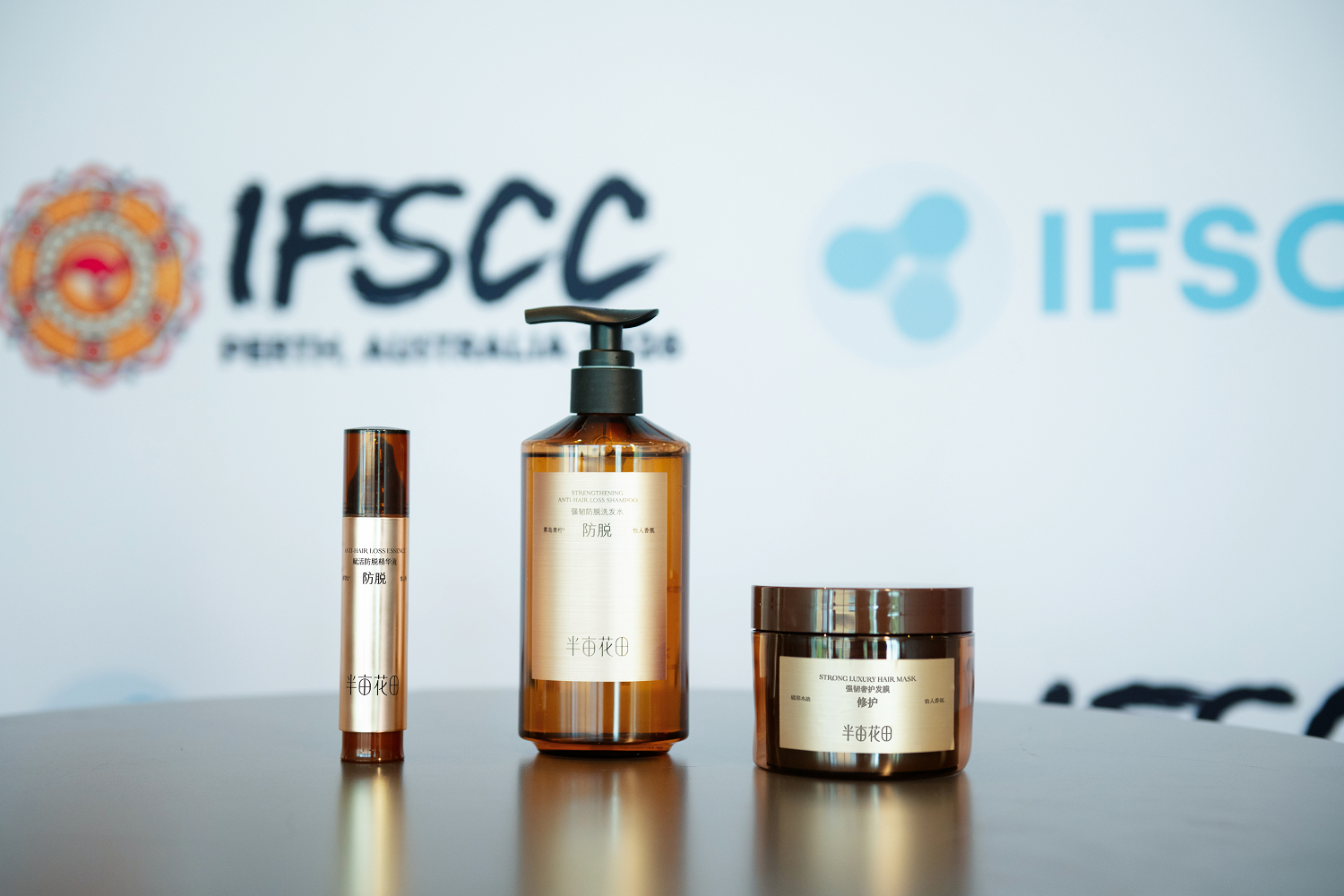
半亩花田首个压力防脱专研系列亮相IFSCC大会

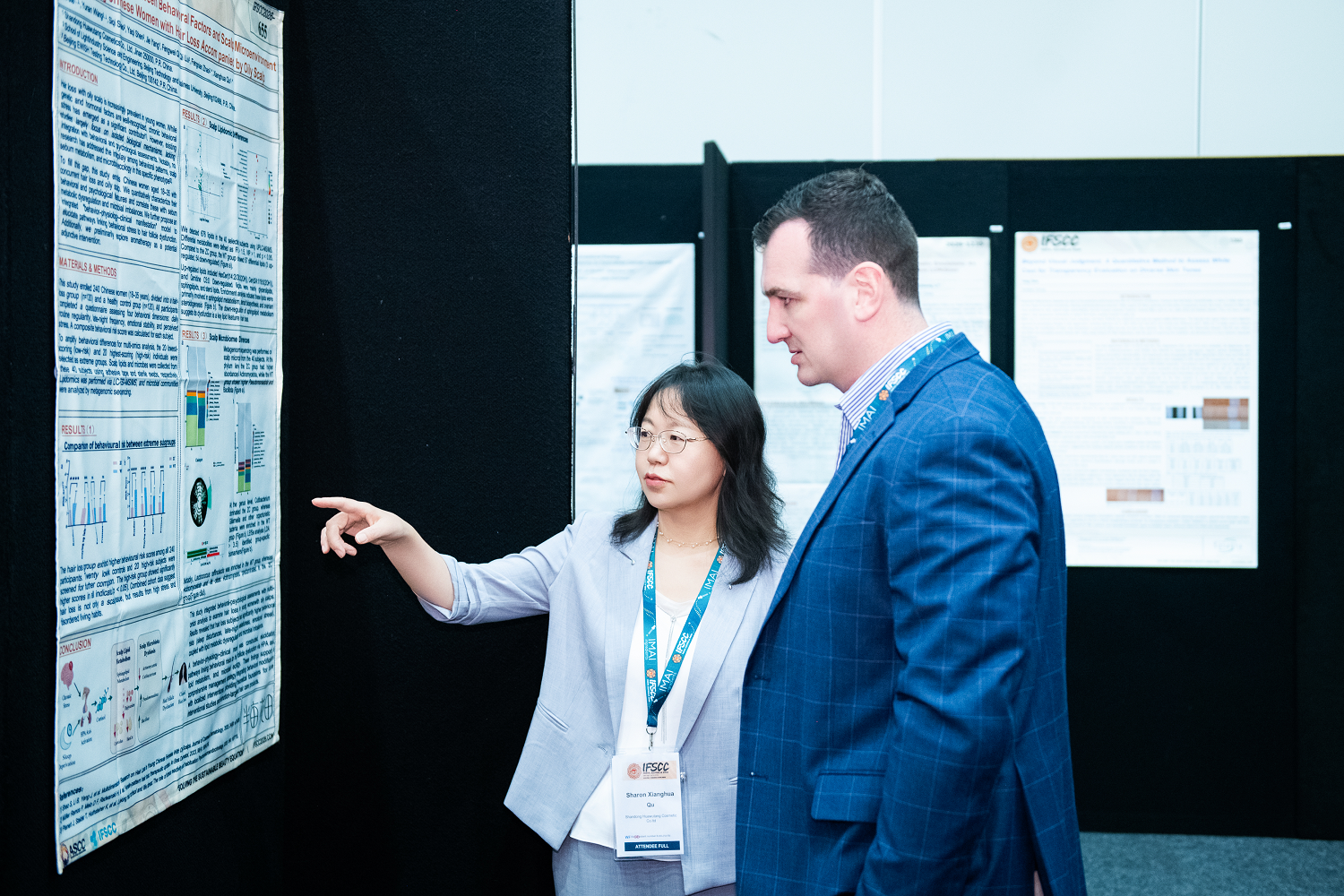
除此之外,半亩花田对141名都市人群做了全方位头皮数据测量,通过对角质层含水量、经皮水分流失率、pH值、皮脂分泌量等核心数据探究,得出不同地域人群的头皮数据差异所带来的地域肤质特征,为开发“适合中国人头皮”的洗护产品提供了科学起点。此项研究吸引了2026-2027 IFSCC国际化妆品科学大会主席Robert McPherson先生的关注,半亩花田研发总监曲向华博士向他展示了半亩花田自研花植成分「牡丹花肽」,验证有效改善脱发的创新突破,双方就全球个护科研发展趋势、行业前沿原料的研发思路进行了深入探讨。

半亩花田研发总监曲向华博士向大会主席介绍自研花植成分「牡丹花肽」

深耕科研创新,让世界看到东方花植养肤力量

此次半亩花田再次亮相IFSCC大会,不仅是对半亩花田研发创新的肯定,更意味着中国个护品牌科研成果站上国际舞台,让世界看见了中国原料创新。半亩花田依然以高质高产的科研成果和强大坚实的研发能力备受行业瞩目,而这离不开半亩花田董事长亓云吉坚持以“花植为本、科学为证、功效为实、体验可感”的行动准则,将东方花植的科研布局落到实处的决心。

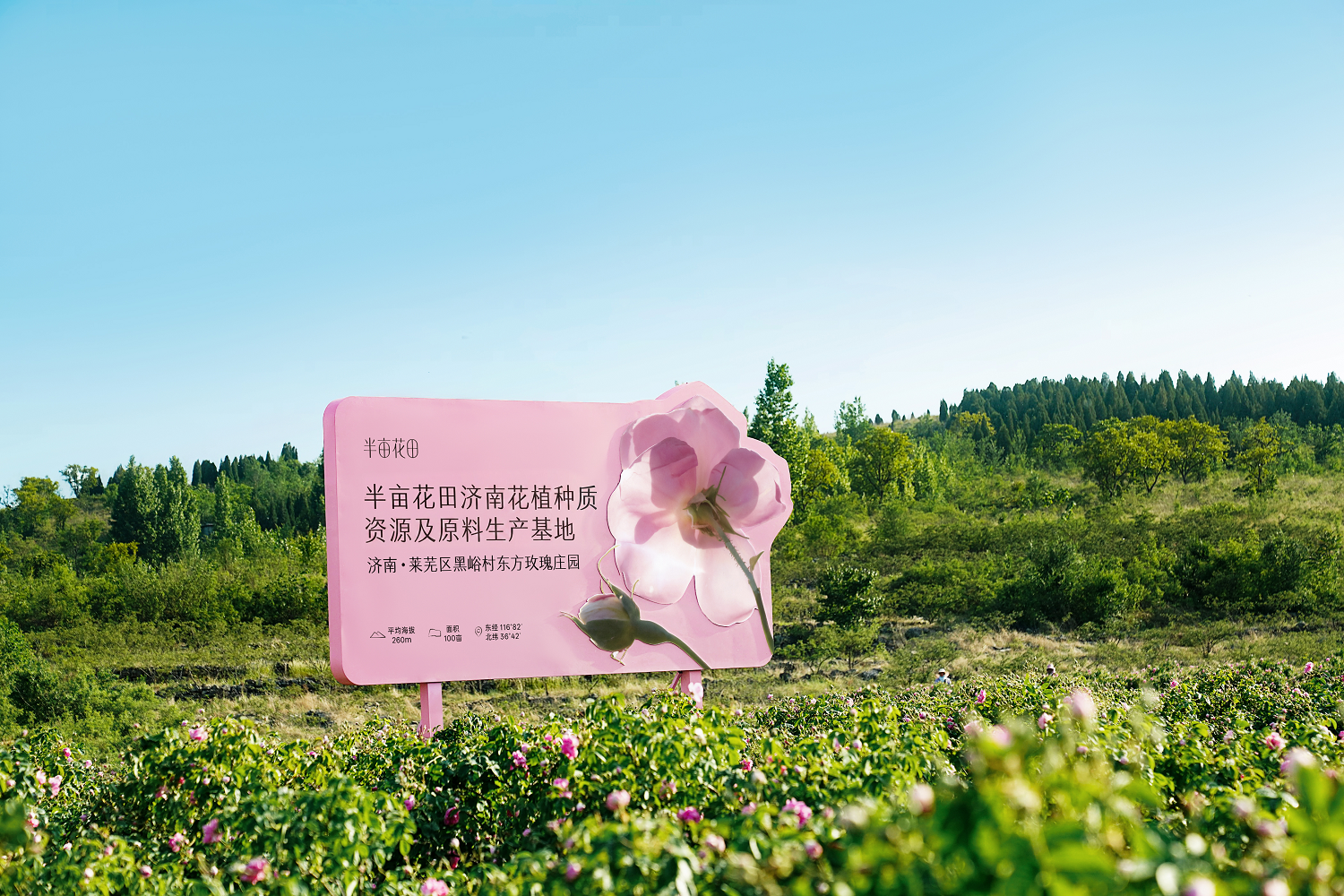
位于济南的半亩花田花植种质资源及原料生产基地

当一朵花被科学真正读懂,它便不再只是浪漫的象征,而是有据可循的功效答案。以花植为本,半亩花田为了保障原料的品质,从济南玫瑰到菏泽牡丹再到广西茉莉,用16年时间布局了覆盖全国的东方花植种植基地版图。以位于济南的半亩花田花植种质资源及原料生产基地为例,品牌引进法国格拉斯玫瑰,培育出总黄酮含量远超普通品种的珍贵花萃,从源头保障了核心成分的高效与活性,为品牌科研团队的研究工作打下了坚实基础。

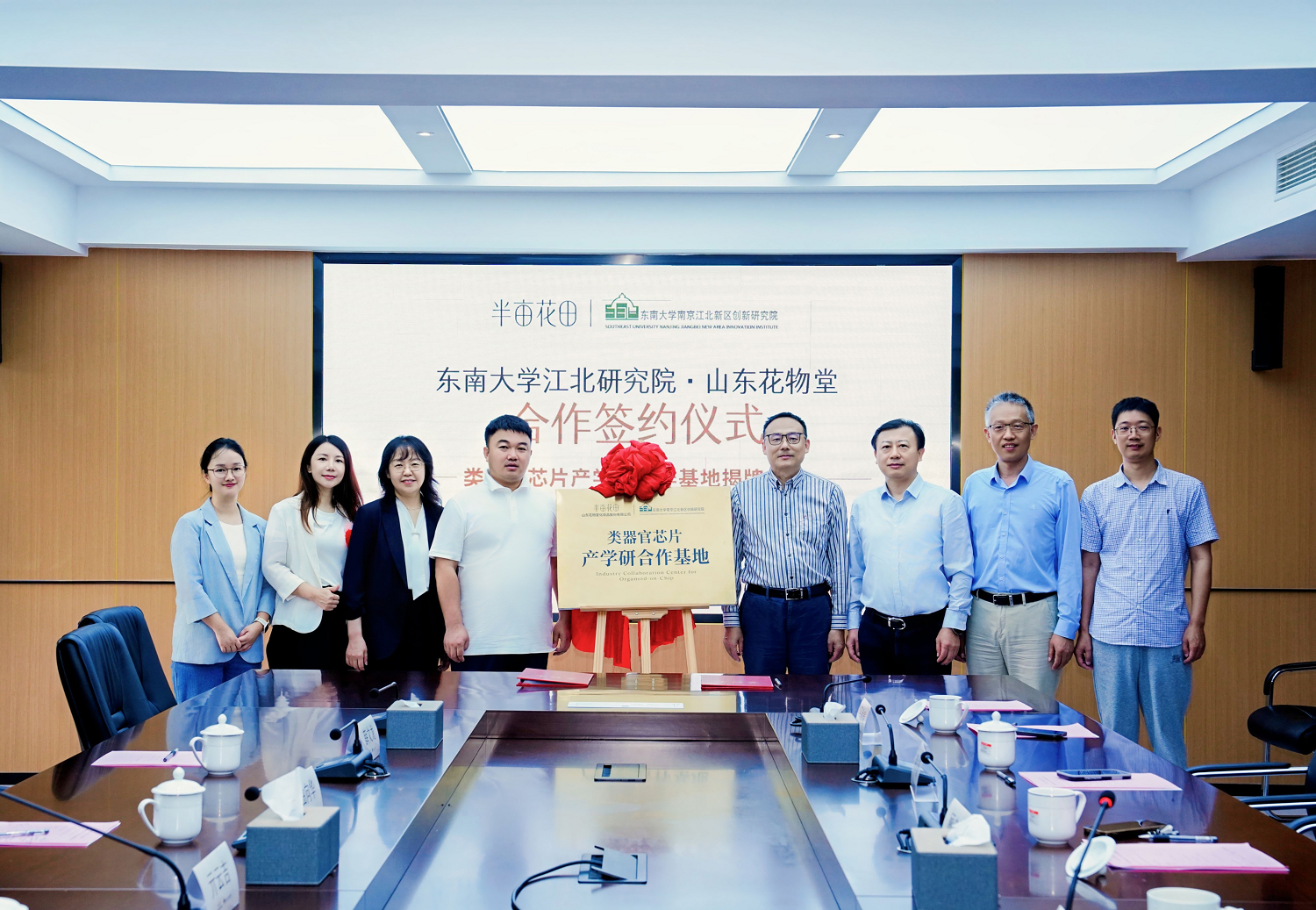
另一方面,品牌坚持以科学为证构建庞大的科研体系,在济南、上海、广州建立了三大研发中心,从防脱洗护到美白焕亮,半亩花田科研团队不断研究归纳中国消费者的肌肤特征,寻找更高效的个护解决方案。值得一提的是,今年9月半亩花田更宣布与国内顶尖高校东南大学南京江北新区创新研究院强强联合,共建个护行业首个类器官芯片产学研合作基地,双方合作将开发不同类型的皮肤芯片模型,实现功效成分作用机制的可视化与定量化解析,引领行业产品研发体系从“经验驱动”迈向“精准科学”的类器官时代。

半亩花田携手东南大学江北研究院成立行业首个类器官芯片产学研合作基地

以当下中国女性最关注的美白话题为例,半亩花田研发团队通过细胞分子验证和3D类皮肤模型实验,发现皮肤细胞竟然也有功能性嗅觉受体,这意味着皮肤能闻到令人愉悦的玫瑰香气,同时启动独特的信号通路激活细胞自噬,让细胞自己“吃掉”已经生成的黑色素。半亩花田以玫瑰提取物起点,发现了从源头减少黑色素合成以及主动清除已沉积黑色素的双机制,为中国女性开辟了新的美白通路。

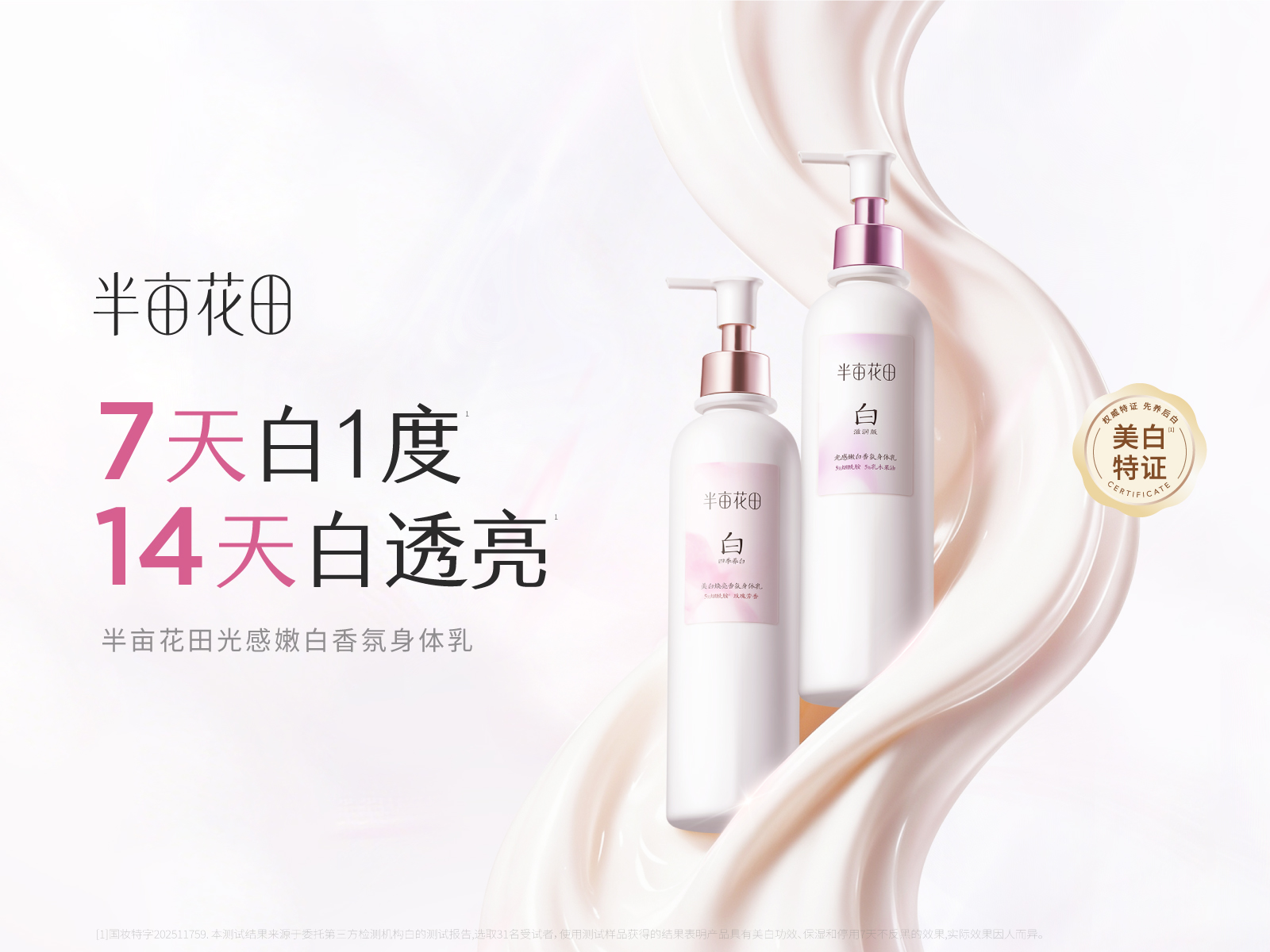
持有国家药监局美白特证的半亩花田养白瓶

更令人振奋的是,多个科研成果已被品牌应用于产品研发指导环节中,比如信号级美白研究成果就指导研发了大热单品——美白身体乳2.0,该产品持有国家药监局美白特证且拥有多个来自权威机构的数据支撑,这些正是消费者对产品美白效果给出肯定的科学依据。这也再次证明,品牌对科研的投入绝不是白费力气,每一项科研成果的落地,都是对消费者需求的精准洞察与回应。

半亩花田率先提出用现代科技解锁每一株花的活性密码,不断突破科研边界,将这份对“以花悦肤,科学养护”的执着转化为扎实的产品力。其全新构建的一洗一护一沐全场景产品矩阵,正是品牌将东方花植的科研成果惠及消费者的最佳佐证。这种从代表性的中国自研成分到中国科研创新建立强品牌辨识度,正是国货品牌从“国货领先”走向“全球值得信赖的个人护理领导品牌”的关键抓手。未来,半亩花田将继续坚持科学自研,走在行业最前沿,以更加坚实的步履闪耀更广阔的世界舞台。

注:文/龚作仁,文章来源:Laborer,本文为作者独立观点,不代表亿邦动力立场。

文章来源:Laborer

广告
微信
朋友圈

FAQ回顾

半亩花田是做什么的?

半亩花田是国货个护品牌,深耕功效洗护领域,以花植为本、科学为证,布局美白、防脱、洗护等方向。品牌建有济南、上海、广州三大研发中心及覆盖全国的花植种植基地,并多次亮相IFSCC国际化妆品科学大会。

半亩花田的核心科研成果有哪些?

半亩花田的科研方向聚焦美白、防脱、洗护等功效领域,入选IFSCC大会的成果包括:针对240名都市人群的压力性脱发多维研究;针对141名都市人群头皮数据的地域差异研究;发现皮肤细胞存在功能性嗅觉受体、玫瑰香气可激活细胞自噬清除黑色素的美白机制研究。

压力性脱发应该怎么改善?

半亩花田联合北京工商大学对240名都市人群的5维度追踪发现,压力性脱发由作息、熬夜、情绪、压力等多因素交织所致。半亩花田据此推出首个压力防脱专研系列,采用多靶点干预方案,以“一洗一护一养”的进阶逻辑打通全场景防脱洗护通路。

半亩花田美白身体乳2.0有效吗?

半亩花田美白身体乳2.0持有国家药监局美白特证,并有多个权威机构数据支撑。其研发基于信号级美白成果:通过3D类皮肤模型发现皮肤细胞存在功能性嗅觉受体,玫瑰香气能激活细胞自噬、主动清除已生成的黑色素,同时还可减少黑色素合成。

半亩花田与东南大学在类器官芯片方面有哪些合作?

2026年9月,半亩花田与东南大学南京江北新区创新研究院共建个护行业首个类器官芯片产学研合作基地,将开发不同类型的皮肤芯片模型,实现功效成分作用机制的可视化与定量化解析,推动行业从经验驱动转向精准科学。

这么好看,分享一下?

朋友圈 分享

APP内打开

赞 +1
+1
微信好友 朋友圈 新浪微博 QQ空间
关闭
收藏成功
发送
/140 0