广告
加载中

小品类跑出大市场:石头如何用技术重塑迷你洗烘?

韩笑 2026-09-16 16:23
韩笑 2026/09/16 16:23

邦小白快读

EN
全文速览

这篇文章梳理了当前洗衣机市场的分化趋势,以及迷你洗烘品类的真实价值与选购参考,是普通消费者了解洗护消费新趋势、避坑选购的实用参考。

1. 市场趋势层面,当前传统洗衣机市场已经进入存量下滑阶段,但迷你洗衣机逆势增长,2026年一季度全渠道销售额同比提升23.7%,其中滚筒迷你洗烘线上、线下同比分别大涨110%、673.2%,适配小户型、母婴家庭、独居人群、养宠家庭的专衣专洗需求,正从可选补充品变为家庭常见配置。

2. 选购避坑层面,迷你洗衣机先后经历三代迭代,单筒波轮款无法脱水烘干、需手动给排水;壁挂款必须安装在承重墙、有脱落风险且噪音大、无烘干功能;老款台式洗烘存在烘干容量小、烘后衣物起皱有异味的问题,同时市售迷你洗衣机抽检不合格率高达50%,不少低价款减配核心部件、虚标除菌效果,选购时需要注意甄别。

3. 靠谱产品判断标准:好的迷你洗烘产品不需要为小体积妥协性能,要达到1级能效的专业洗净能力、不伤面料的柔烘效果、有权威机构认证的除菌能力、安装不受地漏位置限制,才能真正实现省心的精细化洗护。

本文呈现了成熟家电存量竞争环境下,细分品类的品牌破局路径与行业发展逻辑,对品牌开展市场布局有较强参考价值。

1. 消费趋势层面,当前国内洗衣机市场保有量接近饱和,2026年上半年零售额365亿元同比下滑4.5%,增长完全依赖更新换代;但迷你洗衣机赛道逆势高增,2025年市场规模达42.3亿元,增速是整体行业近3倍,核心驱动来自小户型居住形态普及、母婴人群对衣物卫生的高要求、独居人群增长、宠物经济兴起,家庭洗护正从“一台洗所有”转向“专衣专护、分区分洗”的精细化模式。

2. 跨界破局的研发逻辑参考:石头科技从扫地机器人赛道跨界布局,将导航感知算法、AI场景识别、核心部件技术复用到洗衣机的水流控制、负载检测、烘干温控环节,针对前三代迷你洗的功能、安装、性能痛点,将洗净、除菌、烘干、安装能力拉到专业洗护标准,打破“迷你必减配”的用户认知,截至2026年7月其迷你洗产品全网累计销量突破27万台,验证了细分赛道的增量空间。

3. 竞争方向提示:当前迷你洗市场良莠不齐,靠减配、虚标功能、低价抢市场的模式不可持续,未来品类竞争核心不再是体积更小,而是在有限空间内实现大洗衣机级别的专业洗护能力。

文章明确了当前家电零售赛道的高增长细分机会、选品方向与风险提示,对卖家经营决策有直接参考意义。

1. 增长机会层面,当前洗衣机整体大盘承压下滑,但迷你洗衣机是确定性增量赛道,2026年一季度全渠道销售额6.3亿元同比提升23.7%,其中滚筒迷你洗烘线上同比大涨110%、线下同比大涨673.2%,目标客群集中在一二线城市的小户型住户、母婴家庭、独居青年、养宠群体,需求核心是满足分区分洗的精细化洗护要求,未来该品类会从可选补充项升级为家庭标配,市场空间持续扩大。

2. 经营风险提示:当前迷你洗衣机市场合规风险较高,上海市监局抽检显示10批次产品中有5批次不合格,不合格率达50%,不少低价产品通过压缩核心元器件成本、夸大杀菌除螨效果的方式抢占市场,这类产品不仅售后问题多,还可能存在合规风险,选品时需要注意规避。

3. 爆品参考逻辑:市场真正认可的产品是能解决用户核心痛点的款式,比如石头的爆款迷你洗,针对性解决了前代产品洗烘性能弱、安装受限、除菌无保障的问题,打破迷你产品性能妥协的刻板印象,这类能重构品类认知的产品更容易获得高转化。

文章梳理了迷你洗护赛道的增量空间、真实产品需求与技术落地思路,对工厂的产能布局、产品设计有明确参考价值。

1. 商业机会层面,传统洗衣机市场已经接近饱和,2024年我国城镇居民每百户洗衣机保有量达99.2台,2026年一季度整体零售额同比下滑,增长完全依赖更新;但迷你洗衣机赛道增速是行业近3倍,核心客群覆盖一二线城市小户型、母婴、独居、养宠群体,未来将从补充型产品升级为家庭标配,存在充足的增量空间。

2. 产品设计与生产的明确方向:此前三代迷你洗衣机始终存在未被解决的痛点,单筒波轮无脱水烘干功能、需手动给排水;壁挂滚筒对安装墙面要求高、有脱落风险、噪音大且无烘干功能;现有台式洗烘普遍存在烘干容量小、烘后衣物易皱留味的问题,同时市场上半数产品存在核心元器件减配、除菌功能虚标的问题,无法满足用户需求。

3. 技术落地参考:可参考石头的技术迁移思路,将智能感知、精准控温等技术应用到洗护产品上,实现1级能效的专业洗净能力、35℃低温柔烘、全流程权威认证除菌、内置排水泵支持免地漏上排水,在小体积内实现大洗衣机级别的洗护能力,构建产品核心竞争力。

文章梳理了迷你洗护赛道的发展趋势、产业链各方痛点与解决方案方向,为服务商拓展业务提供了清晰参考。

1. 行业发展趋势层面,传统洗衣机已经进入存量饱和阶段,家庭洗护需求正向专衣专护的精细化方向升级,迷你洗烘一体机是核心增长赛道,2026年一季度滚筒迷你洗烘线上、线下同比分别增长110%、673.2%,未来该品类将从可选补充品变为多类家庭的标配产品,赛道扩容速度快,服务需求持续增长。

2. 行业现存核心痛点:消费者端存在明显的选购决策难问题,市场上半数迷你洗衣机抽检不合格,普遍存在核心部件减配、洗烘性能差、安装受限、除菌效果虚标等问题,用户对“迷你产品必减配”的刻板印象较深;品牌端存在技术落地痛点,需要在小体积内平衡洗净、烘干、除菌、安装的多重性能要求,破解用户认知偏见。

3. 服务机会方向:可围绕智能浊度检测、精准控温洗烘、高效除菌等技术方向为品牌提供技术解决方案支持,也可面向消费者提供权威测评、资质认证背书类服务,帮助优质产品建立用户信任,打通转化路径。

文章呈现了洗衣机品类的赛道分化规律、消费需求变化与行业现存问题,为平台开展品类运营、招商管理、风险防控提供了参考。

1. 品类运营方向层面,当前传统洗衣机大盘进入存量下滑阶段,迷你洗烘是确定性的高增长赛道,2026年一季度全渠道销售额同比提升23.7%,其中滚筒迷你洗烘线上同比大涨110%,核心客群覆盖一二线城市小户型住户、母婴家庭、独居青年、养宠群体,平台可针对性倾斜流量、活动资源扶持该品类发展,匹配用户精细化洗护的消费升级需求。

2. 品控与风向规避提示:当前迷你洗衣机市场处于格局未定阶段,产品良莠不齐,上海市监局抽检显示该品类不合格率高达50%,部分商家通过减配核心元器件、夸大除菌除螨效果、低价倾销的方式抢占市场,极易引发消费投诉、损害平台口碑,平台需加强该品类的资质审核、入仓抽检力度,及时清退不合格产品。

3. 招商与商家运营参考:可重点引入具备技术研发实力、能真正解决前代迷你洗烘产品痛点的品牌,比如石头这类通过跨领域技术复用重构品类标准的品牌,打造平台在细分增长品类上的用户心智。

文章呈现了成熟家电产业的细分增长新动向、行业现存问题与创新商业模式,为产业研究提供了鲜活的现实样本。

1. 产业新动向层面,白电巨头盘踞的洗衣机市场已经进入存量饱和阶段,2024年城镇居民每百户洗衣机保有量达99.2台,2026年上半年行业零售额同比下滑4.5%,增长完全依赖更新需求;但在家庭结构小型化、独居人口增长、母婴精细洗护需求、宠物经济的多重驱动下,迷你洗烘细分赛道逆势高增,2025年市场规模达42.3亿元,增速是整体行业近3倍,其中滚筒迷你洗烘2026年一季度线下增速达673.2%,未来有望从补充型产品成为家庭标配。

2. 行业现存新问题:迷你洗衣机赛道目前尚未形成稳定格局,先后经历三代产品迭代,但始终未完全解决功能、安装、性能层面的核心痛点,同时市场乱象突出,抽检不合格率达50%,存在核心部件减配、功能虚标、低价恶性竞争的问题,行业统一标准有待进一步完善。

3. 商业模式创新参考:石头科技依托家庭清洁生态的整体定位,将扫地机器人领域积累的感知算法、AI识别、核心部件技术跨品类迁移到洗护赛道,以技术重构细分品类标准,产品上市后累计销量突破27万台,为成熟存量市场中的跨界破局提供了生态化布局的新路径。

返回默认

声明:快读内容全程由AI生成,请注意甄别信息。如您发现问题,请发送邮件至 run@ebrun.com 。

我是 品牌商 卖家 工厂 服务商 平台商 研究者 帮我再读一遍。

Quick Summary

This article breaks down the ongoing divergence in the washing machine market, the real value of mini washer-dryer units, and practical purchasing guidance, serving as a useful reference for general consumers to understand new laundry care trends and avoid common buying pitfalls.

1. On market trends: The traditional washing machine market has entered a phase of declining sales amid stock saturation, yet mini washers are posting growth against the broader downtrend. In the first quarter of 2026, all-channel sales of mini washers rose 23.7% year over year; drum-type mini washer-dryer sales surged 110% online and 673.2% offline. Catering to the dedicated, separated laundry needs of small apartment dwellers, families with infants, solo residents, and pet owners, these units are shifting from an optional add-on to a common household fixture.

2. On purchasing pitfalls: Mini washers have gone through three generations of iteration, each with notable flaws: single-tub pulsator models cannot spin or dry clothes and require manual water supply and drainage; wall-mounted units must be installed on load-bearing walls, carry a risk of falling, generate high noise levels, and lack drying functions; older countertop washer-dryer models have small drying capacities and leave clothes wrinkled and odorous after drying. Worse, market sampling shows a non-compliance rate as high as 50% for commercially available mini washers: many low-cost models cut corners on core components and overstate their sterilization performance, requiring careful screening by buyers.

3. Criteria for evaluating reliable products: A high-quality mini washer-dryer should not sacrifice performance for compact size. It needs to deliver professional-grade washing performance meeting Tier 1 energy efficiency standards, gentle fabric-friendly drying performance, sterilization capability certified by authoritative institutions, and installation flexibility independent of floor drain locations, to deliver truly hassle-free, precision laundry care.

This article outlines breakthrough pathways for brands in subcategories and underlying industry logic amid stock competition in the mature home appliance market, offering strong reference value for brands planning market positioning.

1. On consumption trends: China’s domestic washing machine market is approaching saturation, with retail sales reaching 36.5 billion yuan in the first half of 2026, down 4.5% year over year, where growth relies entirely on replacement demand. Against this backdrop, the mini washer segment is surging: its market size hit 4.23 billion yuan in 2025, growing nearly three times faster than the overall industry. Core drivers include the prevalence of small-unit housing, heightened hygiene requirements for infant and children’s clothing, the growing solo population, and the booming pet economy. Household laundry care is shifting from a “one machine for all loads” model to a precision model of dedicated care and separated washing for different garment types.

2. R&D reference for cross-category breakthrough: Roborock expanded from the robot vacuum sector into laundry care, repurposing its navigation and perception algorithms, AI scene recognition, and core component technologies for water flow control, load detection, and drying temperature management in washers. Addressing the functional, installation, and performance pain points of the first three generations of mini washers, the brand brought washing, sterilization, drying, and installation capabilities up to professional laundry care standards, overturning the consumer perception that “compact size inevitably means downgraded performance.” As of July 2026, cumulative sales of its mini washer products across all online channels exceeded 270,000 units, validating the incremental potential of this subcategory.

3. Competition direction guidance: The current mini washer market features mixed product quality, and business models relying on cost-cutting, inflated performance claims, and low-price competition are unsustainable. Future category competition will center not on smaller form factors, but on delivering professional, full-sized washer-level performance within a compact footprint.

This article identifies high-growth niche opportunities, product selection directions, and risk warnings in the home appliance retail track, offering direct reference for sellers’ operational decision-making.

1. On growth opportunities: While the overall washing machine market faces downward pressure, mini washers represent a high-certainty incremental segment. In Q1 2026, all-channel sales of mini washers reached 630 million yuan, up 23.7% year over year; drum-type mini washer-dryer sales jumped 110% online and 673.2% offline. Target customer groups are concentrated among small-apartment residents, families with infants, young solo dwellers, and pet owners in first- and second-tier cities, whose core demand is separated, precision laundry care. The category will evolve from an optional add-on to a standard household fixture, with sustained market expansion ahead.

2. On operational risk warnings: The current mini washer market carries high compliance risks. Sampling by the Shanghai Municipal Administration for Market Regulation found 5 out of 10 tested batches non-compliant, marking a 50% failure rate. Many low-cost products compete by cutting costs on core components and exaggerating sterilization and mite-removal effects. These products not only lead to high after-sales complaint volumes, but also pose compliance risks, requiring careful screening during product selection.

3. On hit product logic: Products that gain real market traction are those that solve core user pain points. For example, Roborock’s hit mini washer targeted and resolved the shortcomings of previous-generation products: weak washing and drying performance, installation restrictions, and unproven sterilization, overturning the stereotype that compact products require performance tradeoffs. Products that reshape category perceptions tend to deliver higher conversion rates.

This article outlines the incremental potential, real product demand, and technology implementation pathways in the mini laundry care track, offering clear reference for factories’ capacity planning and product design.

1. On business opportunities: The traditional washing machine market is approaching saturation, with ownership reaching 99.2 units per 100 urban households in China in 2024; overall retail sales declined year over year in Q1 2026, with growth driven solely by replacement demand. By contrast, the mini washer segment is growing nearly three times faster than the overall industry, serving core customer groups including small-apartment residents, families with infants, solo dwellers, and pet owners in first- and second-tier cities. The category will evolve from a supplementary product to a standard household fixture, presenting substantial incremental space.

2. Clear direction for product design and production: Three generations of mini washers to date have left unresolved pain points: single-tub pulsator models lack spinning and drying functions and require manual water supply and drainage; wall-mounted drum models have strict requirements for wall load-bearing capacity, carry fall risks, generate high noise, and lack drying functions; existing countertop washer-dryer models generally suffer from small drying capacity, and leave clothes wrinkled and odorous after cycles. Additionally, half of the products on the market cut corners on core components and overstate sterilization performance, failing to meet user needs.

3. Reference for technology implementation: Factories can draw on Roborock’s cross-category technology transfer approach, applying smart sensing and precise temperature control technologies to laundry care products, to deliver Tier 1 energy efficiency-rated professional washing performance, 35°C low-temperature gentle drying, end-to-end authoritative sterilization certification, and built-in drainage pumps that support upper-drain installation without reliance on floor drains. Achieving full-sized washer-level performance in a compact form factor will build core product competitiveness.

This article sorts out development trends, cross-value-chain pain points, and solution directions in the mini laundry care track, providing a clear reference for service providers exploring business expansion.

1. On industry development trends: Traditional washing machines have entered a stage of stock saturation, and household laundry demand is shifting toward dedicated, precision care for different garment types. Mini washer-dryer combos represent a core growth segment: in Q1 2026, online and offline sales of drum-type mini washer-dryers grew 110% and 673.2% year over year, respectively. The category will evolve from an optional add-on to a standard fixture for multiple household types, driving rapid track expansion and growing demand for related services.

2. Core industry pain points: Consumers face significant decision-making difficulties when purchasing, as half of mini washers on the market fail quality inspections, with widespread issues including core component downgrades, poor washing and drying performance, installation restrictions, and overstated sterilization effects. The consumer stereotype that “mini products always cut corners on performance” is deeply entrenched. On the brand side, players face technical implementation challenges: they need to balance washing, drying, sterilization, and installation performance within a compact footprint to overcome consumer cognitive biases.

3. Service opportunity directions: Providers can offer technical solutions for brands covering areas such as smart turbidity detection, precision temperature control for washing and drying, and high-efficiency sterilization. They can also provide authoritative evaluation and third-party certification services for consumers, helping high-quality products build user trust and smooth conversion pathways.

This article presents category divergence patterns, shifting consumer demand, and existing industry issues in the washing machine market, offering reference for platforms’ category operation, merchant management, and risk control.

1. On category operation direction: The traditional washing machine segment has entered a stage of stock decline, while mini washer-dryers represent a high-certainty high-growth track. In Q1 2026, all-channel sales of mini washer-dryers rose 23.7% year over year, with online sales of drum-type models surging 110%. Core customer groups include small-apartment residents, families with infants, young solo dwellers, and pet owners in first- and second-tier cities. Platforms can allocate targeted traffic and campaign resources to support the category’s development, to match consumers’ upgraded demand for precision laundry care.

2. On quality control and risk avoidance: The mini washer market is currently in an unconsolidated stage with mixed product quality. Sampling by the Shanghai Municipal Administration for Market Regulation shows a non-compliance rate as high as 50%: some merchants compete by downgrading core components, exaggerating sterilization and mite-removal effects, and engaging in low-price dumping, which can easily trigger consumer complaints and damage platform reputation. Platforms need to strengthen qualification review and inbound inspection for this category, and promptly remove non-compliant products.

3. On merchant recruitment and operation reference: Platforms can prioritize introducing brands with strong R&D capabilities that can effectively resolve the pain points of previous-generation mini washer-dryers—such as Roborock, which restructured category standards through cross-domain technology reuse—to build strong user mindshare for the platform in high-growth niche categories.

This article presents new niche growth trends, existing industry issues, and innovative business models in the mature home appliance industry, providing a vivid real-world sample for industrial research.

1. On new industry dynamics: The washing machine market, long dominated by major white goods players, has entered a stock saturation stage, with urban ownership reaching 99.2 units per 100 households in 2024. Industry retail sales fell 4.5% year over year in the first half of 2026, with growth driven entirely by replacement demand. However, propelled by the shrinking average household size, growing solo population, rising demand for precision infant laundry care, and the booming pet economy, the mini washer-dryer subcategory is growing rapidly against the trend: its market size reached 4.23 billion yuan in 2025, growing nearly three times faster than the overall industry. Drum-type mini washer-dryers posted offline sales growth of 673.2% in Q1 2026, and are expected to evolve from a supplementary product to a standard household fixture.

2. On emerging industry issues: The mini washer segment has not yet formed a stable competitive landscape. Despite three generations of product iteration, core pain points related to function, installation, and performance remain unresolved. Market misconduct is prominent, with a 50% non-compliance rate in random inspections, including core component downgrades, overstated functionality, and vicious low-price competition, indicating that unified industry standards need further improvement.

3. On business model innovation reference: Leveraging its positioning in the whole-home cleaning ecosystem, Roborock transferred perception algorithms, AI recognition, and core component technologies accumulated in its robot vacuum business across categories to the laundry care track, restructuring niche category standards through technology. Its products have surpassed 270,000 units in cumulative sales since launch, offering a new ecosystem-based pathway for cross-segment breakthrough in mature stock markets.

Disclaimer: The "Quick Summary" content is entirely generated by AI. Please exercise discretion when interpreting the information. For issues or corrections, please email run@ebrun.com .

I am a Brand Seller Factory Service Provider Marketplace Seller Researcher Read it again.

【亿邦原创】曾经与冰箱、电视并称“三大件”的洗衣机,正在经历一场冰火两重天的行业分化。

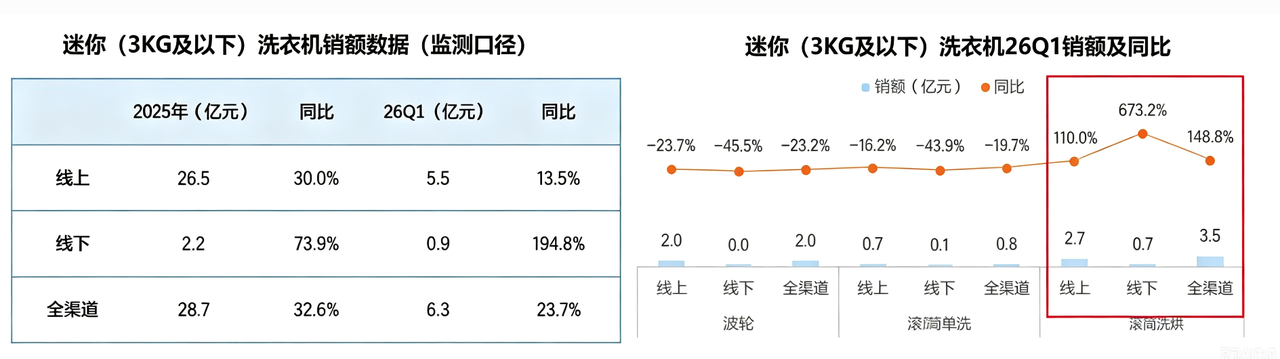
一方面,今年上半年国内洗衣机零售额规模达365亿元,同比下滑4.5%,进入存量竞争阶段。另一方面,迷你洗衣机却在逆势增长。奥维云网监测数据显示,今年一季度迷你洗衣机全渠道销售额达6.3亿元,同比提升23.7%。其中,滚筒迷你洗烘机成为了核心增长引擎,一季度线上和线下同比分别大涨110%和673.2%。

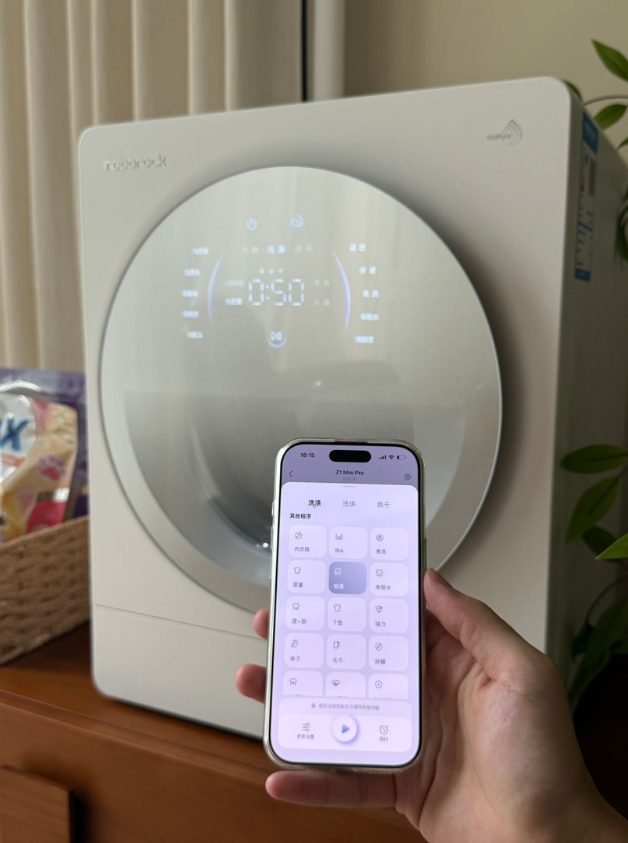
石头科技的迷你洗烘一体机Z1 Mini Pro的热销正是这一趋势最好的映衬。截至2026年7月,石头迷你洗衣机全网累计销量突破27万台,在洗衣机大盘承压的背景下证明了细分品类完全有能力在存量市场中开辟出真正的增量空间。

当小户型成为主流居住形态,母婴人群对衣物卫生提出更高标准,以及独居人群持续增长,家庭洗护正在从“一台洗衣机洗所有”走向“专衣专护、分区分洗”的精细化时代,而这正是家庭生活方式的结构性跃迁的写照。

01

清洁生态的降维打击:从扫地机器人到迷你洗衣机

石头科技以扫地机器人起家,把“清洁”这件小事做成了高速增长的大生意。而这一次,它把目光投向了洗衣机这个早已巨头盘踞的成熟市场。一家做扫地机器人的公司,为何要闯入这片红海?

但如果将视野拉高到“家庭清洁生态”的维度,这一跨界便不难理解。扫地机器人解决的是地面清洁,洗衣机解决的是衣物清洁,本质都是在解决家庭场景下的“清洁与健康”问题——把家务交给机器,把人从繁琐劳动中解放出来。

而这份跨界的底气,写在石头科技在扫地机器人赛道的最新成绩单上。

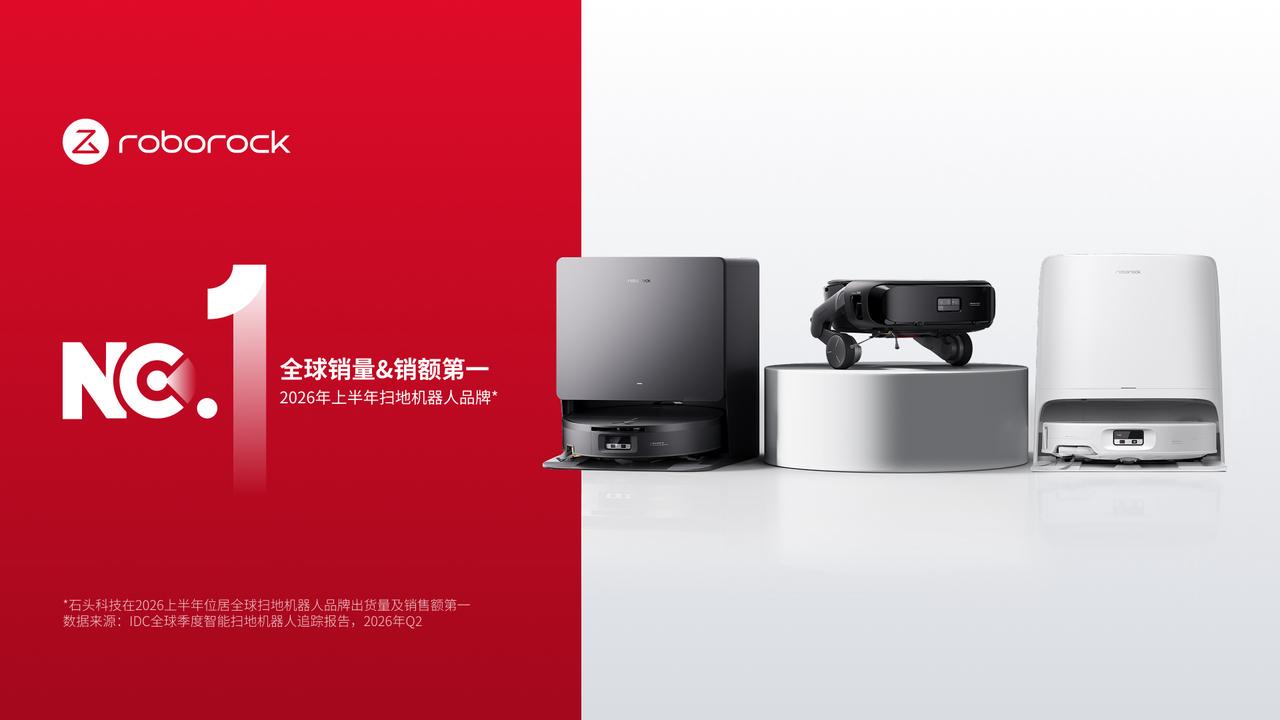
国际数据公司(IDC)最新季度报告显示,2026年上半年,石头科技在全球扫地机器人市场实现出货量、销售额双登顶。

这份成绩单的背后,是石头科技在导航感知算法、AI场景识别、核心执行部件等底层技术领域长达数年的深耕与积累。扫地机器人依赖的核心技术能力可以从地面清洁迁移到衣物洗护上,在洗衣机的水流控制、负载检测、烘干温控等环节中被复用。

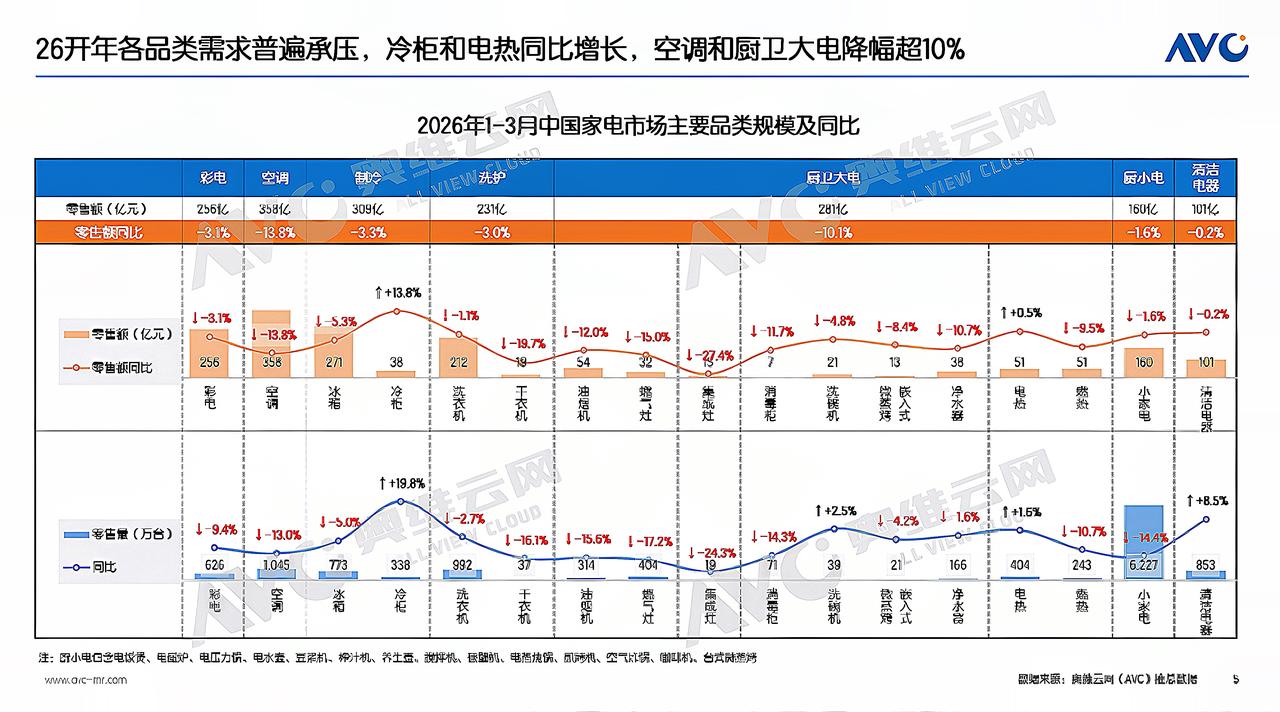
事实上,洗衣机市场已进入存量与更新阶段。国家统计局数据显示,2024年我国城镇居民每百户洗衣机保有量已达99.2台,接近饱和;奥维云网数据显示,2026年一季度整体洗衣机零售额同比下降1.1%,市场增长完全依赖更新换代。

另有数据显示,2025年中国迷你洗衣机市场规模达42.3亿元,增速是整体行业的近3倍,其购买人群集中在一二线城市小户型、母婴家庭和独居青年。

伴随家庭结构的小型化、独居人口的持续增长,以及二胎家庭的精细喂养需求与宠物经济的兴起,一个巨大的“增量市场”——精细化洗护应运而生。在巨头盘踞的白电市场,石头科技凭借对用户需求的敏锐洞察,精准切入了这片蓝海赛道。Z1 Mini Pro上市后的热销,也印证了这一战略判断的前瞻性。

02

迷你洗衣机的三代演进:从单筒波轮、壁挂滚筒到洗烘一体机

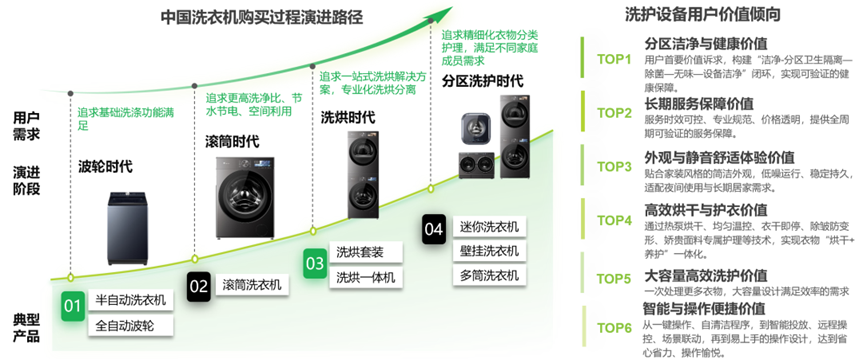
在石头Z1 Mini Pro出现之前,迷你洗衣机经历了单筒波轮→壁挂滚筒→台式洗烘一体机的三代演进,从只能洗不能烘,到必须挂墙,再到洗烘都有但性能打折,功能、安装、性能三大难题始终未被彻底解决。

第一代迷你洗衣机的形态是单筒波轮迷你洗衣机。它的突破在于可移动、不占固定空间,能实现少量衣物的快速洗涤。但短板同样明显:只能洗、不能脱水、更不能烘干,需要手动进水和排水,而且清洁力弱,本质上只是缩小版的老式波轮洗衣机。

第二代壁挂滚筒迷你洗衣机的出现,一度被视作开创性的产品。滚筒摔打式洗涤比波轮清洁力更强,可以自动上下水,而且不占地面空间,符合补充性产品的定位。但壁挂式的问题在于安装和防脱落,必须装在足够厚的承重墙上,再通过加固安装和传感器控制的方式防止脱落。再加上不能烘干和震动噪音问题,壁挂滚筒形态终究未能成为理想解法。

第三代台式洗烘一体机,是目前最接近理想形态的一代。免打孔安装,可放置在台面或叠放在大洗衣机上,大大降低了安装门槛。洗烘一体也免去了晾晒的烦恼。但在烘干效果、清洁力和容量上仍有不足。

比如不少产品烘干容量小,洗完还得分批烘,而又因为桶内空间小导致烘干后衣物也容易出现起皱、有异味等问题,离真正省心的洗烘体验还有不小差距。

产品层面的不完美,给部分不规范产品留下了市场空间。当前迷你洗衣机市场存在良莠不齐的情况:一些产品为压缩成本,在关键元器件上降低标准,同时对杀菌、除螨等功能的实际效果进行夸大渲染,凭借低价策略抢占市场。上海市市场监管局一则抽检结果显示,10批次迷你洗衣机中竟有5批次不合格,不合格率高达50%。

在行业格局未定之际,石头Z1 Mini Pro的推出,正是试图用专业洗护能力重新定义迷你洗衣机行业的标准。

03

以技术破解行业偏见:Z1 Mini Pro如何重构品类标准?

过去,迷你洗衣机更多被视作大洗衣机之外的补充品。行业标准往往停留在“能洗、够用”的层面,消费者也默认迷你机型必然在性能上做出妥协。而Z1 Mini Pro的出现,彻底打破了这一刻板印象。它将洗净、除菌、烘干、安装等核心能力全部拉回到专业洗护的标准线上,让迷你不再意味着性能妥协。

很多人对迷你洗衣机的第一印象是体积小了,能洗的东西也少了。Z1 Mini Pro给出了“小而不缩水”的行业范本,它采用2kg洗涤+1kg烘干的设计,搭配301mm大直径内筒,一次可清洗约9件婴童连体衣。

清洁能力一直也是迷你洗衣机被诟病的短板。Z1 Mini Pro打破了“迷你洗衣机洗不干净”的行业偏见,用实力证明小体积同样可以拥有专业级清洁力。

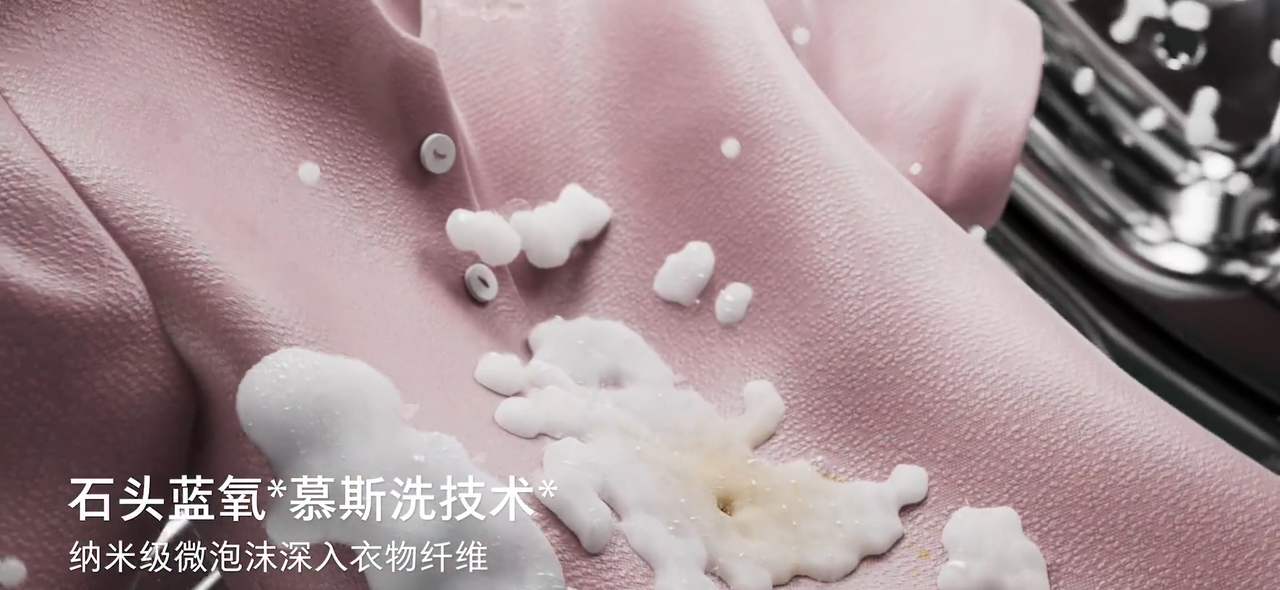
Z1 Mini Pro搭载了石头载蓝氧慕斯洗3.0技术,将清洁液、空气与电解水预混加压成慕斯喷淋。配合浊度传感器智能判污系统,实现1.08能效洗净比和2.49蛋白布洗净比,达到1级能效标准。无论是生理期血渍、母婴奶渍还是运动汗湿,Z1 Mini Pro都能轻松应对。

烘干能力上,此前迷你洗烘一体产品普遍采用简单加热烘干,极易损伤面料。Z1 Mini Pro配备冷凝云柔烘技术,可实现全程内循环不外排湿,针对真丝等娇贵面料也能精准控温,达到35℃柔烘效果。

除菌是消费者最难验证效果的环节之一,除菌率、除菌方式全凭厂商自说自话,消费者很难辨别。而Z1 Mini Pro凭借权威机构的背书,保证除菌效果经得起检验。蓝氧+UV双重除菌覆盖其洗漂全流程,除菌率达99.99%且零化学残留,通过了中国家用电器研究院母婴级与静音双认证。

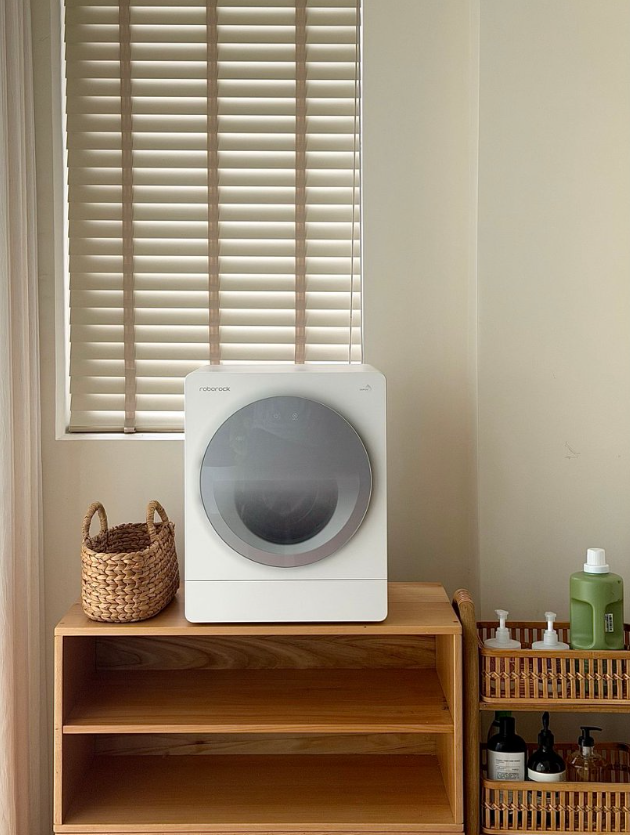
安装便捷性同样是Z1 Mini Pro的一大优势。它内置排水泵,支持免地漏上排水,摆脱了对地漏位置的依赖。用户可以将它放在台面上、嵌入柜体中,或直接叠放在原有的大洗衣机上,还能与大洗衣机共用上下水。

Z1 Mini Pro改变的不只是产品尺寸,更是把清洁、烘干、除菌、安装能力拉回专业洗护的标准,重新定义了迷你洗衣机这个品类的价值坐标。 销售的火热不止是“精细化洗护时代”到来的注脚,更是石头科技成功跨界洗衣机品类的证明。

迷你洗衣机的未来,比拼的将不再是谁做得更小,而是谁能在有限空间里,做出大洗衣机级别的洗护能力。可以预见,随着家庭洗护观念的持续升级,迷你洗烘一体机将从可选补充项成为更多家庭的标配。

本文首发于 亿邦动力 官方网站

文章来源:亿邦动力

广告
微信
朋友圈

FAQ回顾

迷你洗烘品类为什么能在洗衣机存量市场实现逆势增长?

国内洗衣机市场已进入存量饱和阶段,随着小户型成为主流居住形态、母婴人群洗护标准提升、独居群体规模扩大,家庭洗护向“专衣专护、分区分洗”的精细化方向发展,迷你洗烘机成为核心增长引擎,2026年一季度线上、线下销售额同比分别大涨110%、673.2%。

石头科技切入迷你洗衣机赛道的核心底气是什么?

石头科技依托在扫地机器人赛道积累的导航感知算法、AI场景识别、核心部件研发等底层技术,相关能力可迁移复用至洗衣机的水流控制、负载检测、烘干温控等环节,2026年上半年其全球扫地机器人市场出货量、销售额已实现双登顶。

当前迷你洗衣机行业普遍存在哪些问题?

迷你洗衣机历经单筒波轮、壁挂滚筒、台式洗烘一体机三代演进,始终未彻底解决功能、安装、性能三大核心痛点,存在清洁力不足、安装受限、烘干效果差、除菌效果虚标等问题,上海市监局抽检显示迷你洗衣机不合格率达50%,市场良莠不齐。

石头Z1 Mini Pro迷你洗烘一体机的核心性能优势是什么?

石头Z1 Mini Pro将洗净、除菌、烘干、安装能力拉至专业洗护标准,搭载蓝氧慕斯洗3.0技术达1级能效,搭配冷凝云柔烘支持35℃娇贵面料柔烘,蓝氧UV双重除菌率达99.99%,通过中国家电研究院母婴级、静音双认证,安装灵活无需打孔。

这么好看,分享一下?

朋友圈 分享

APP内打开

+1
+1
微信好友 朋友圈 新浪微博 QQ空间
关闭
收藏成功
发送
/140 0