广告
加载中

IFA 2026收官:战略聚焦后 追觅重回技术主线

龚作仁 2026-09-09 10:34
龚作仁 2026/09/09 10:34

邦小白快读

EN
全文速览

本次IFA 2026柏林国际消费电子展上,完成战略聚焦的追觅正式重回技术主线,对外展示了全链路产品与技术成果,核心重点信息如下

1. 展出成果:追觅共展示16个品类的百余款产品、数十项全球首创技术,有6款产品获得国际奖项,产品覆盖智能家庭、户外庭院、智能出行、具身智能四大主营业务,形成了从成熟迭代产品到前沿研发项目的完整技术链路。

2. 战略与技术调整:追觅将九年积累整合为全域感知系统、家庭通用模型、智能控制系统三大可复用技术底座,减少跨品类重复研发,提升技术转化效率。

3. 现有市场成绩:截至2026年上半年,追觅扫地机器人全球销量、销售额份额均位居全球第一,洗地机欧洲市场营收同比增长超50%,目前产品覆盖全球190个国家和地区,累计服务家庭超4200万。

追觅本次IFA亮相的战略调整与成果,对消费电子品牌有多方面的参考干货,具体如下

1. 战略规划参考:追觅通过战略聚焦明确四大主营业务分工,智能家庭做基本盘,户外庭院、智能出行做新场景延伸,具身智能留作长期技术探索,核心资源向有技术积累、市场基础、协同价值的业务集中,这套逻辑适合多品类品牌梳理业务方向。

2. 研发模式参考:追觅将多年技术积累抽象整合为三大可复用技术底座,实现跨品类技术复用,减少重复研发投入,形成“成熟产品拿用户反馈-共性技术沉淀-前沿研发探应用边界”的研发路径,始终贴合真实场景需求。

3. 出海参考:追觅依托顶级国际展会完成品牌技术亮相,后续推进全球本地化运营,目前已经拿下多个海外市场的份额第一,给出海品牌提供了可参考的样本。

针对做智能硬件、消费电子的出海卖家,本次追觅IFA亮相释放了不少市场机会和可借鉴经验,核心干货如下

1. 增长市场提示:当前欧洲市场对高端智能清洁产品需求旺盛,追觅数据显示2026年上半年追觅洗地机欧洲营收同比增长超50%,在德国、意大利等多个欧洲国家拿下市场份额第一,同时全球范围内智能家庭服务机器人、户外庭院智能设备、智能出行辅具都有明确增长空间,是值得布局的赛道。

2. 可借鉴经营经验:追觅依托成熟品类积累供应链、用户规模和市场反馈,以此为基础推进新品类研发,降低新品试错风险,同时借助国际顶级展会提升品牌影响力,配合本地化渠道和售后服务运营,这套模式适合出海卖家参考。

3. 长期方向提示:具身智能落地家庭服务场景是未来长期风口,卖家可提前做好相关布局准备。

对于做智能硬件的生产工厂来说,追觅本次展示的成果和战略方向,带来了不少干货信息,具体如下

1. 产品生产设计需求变化:当前智能硬件行业走向技术平台化、产品模块化,追觅的三大通用技术底座可跨品类复用,这要求工厂提升模块化生产能力,重点在感知硬件、马达、关节减速器等核心零部件领域,提升生产精度和规模化供应能力,才能适配品牌方的多品类快速迭代需求。

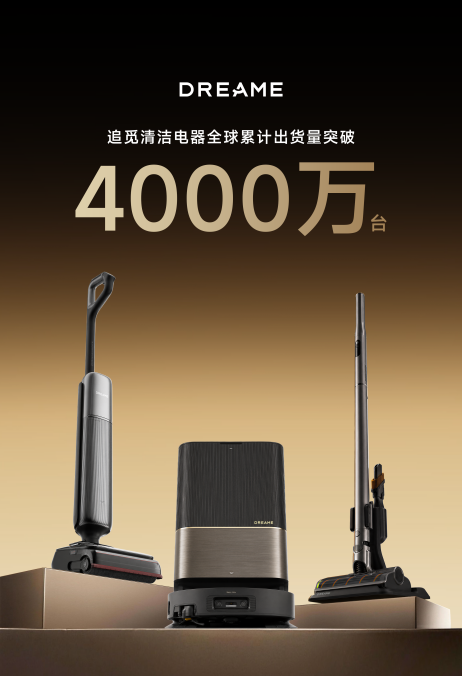
2. 商业合作机会:追觅目前清洁电器累计出货量突破4000万台,产品覆盖全球190个国家和地区,后续还会持续加大四大主营业务的资源投入,对稳定、高品质的供应链有长期需求,具备技术能力的零部件工厂、整机组装工厂都有机会获得长期合作。

3. 数字化转型启示:追觅依托成熟产品的用户数据和规模化验证迭代技术,工厂也可以借助数字化手段积累生产数据,提升交付稳定性,适配品牌方的研发节奏。

针对服务智能硬件行业的各类服务商,本次追觅的展示释放了很多行业信号,核心干货如下

1. 行业发展趋势:当前智能硬件行业已经从早期的单品类创新,转向平台化技术创新阶段,具身智能落地家庭、户外等真实场景是未来核心发展方向,头部品牌普遍加速国际化布局,出海品牌对本地化运营服务的需求会持续增长。

2. 新技术方向:全域感知系统、融合多类大模型的通用任务模型、智能动作控制系统是当前智能机器人产品的核心技术方向,相关技术开发、配套软件服务的需求会持续提升。

3. 市场机会:头部品牌目前普遍面临多品类研发重复投入的痛点,需要可复用的技术平台解决方案,同时出海品牌需要本地化渠道、售后、供应链配套服务,服务商可以针对性开发对应解决方案,抓住市场机会。

对于消费电子展会、电商这类平台商来说,追觅的发展路径带来了不少运营启示,核心干货如下

1. 品牌对平台的需求:当前头部智能品牌走技术平台化发展路线,不仅需要平台支持成熟产品的展示售卖,也需要支持前沿技术的发布对接,出海品牌需要依托国际化平台对接全球渠道和用户,提升自身品牌的国际影响力。

2. 平台运营方向参考:像IFA这类国际顶级消费电子展,是品牌展示技术、对接全球资源的核心渠道,平台可以进一步细分不同发展阶段产品的展示区域,满足品牌成熟产品推广、前沿技术验证的多元需求。

3. 风险规避提示:电商平台可以针对智能清洁、户外智能设备、具身智能这些高增长类目开展定向招商,同时要注意,当前不少前沿智能产品还处于技术验证阶段,需要引导品牌循序渐进落地,避免过度营销带来的市场风险,同时要支持品牌开展本地化运营适配不同区域市场。

对于智能硬件产业的研究者来说,追觅本次在IFA的展示,反映了国内智能硬件出海行业的最新动向,有不少研究价值,核心内容如下

1. 产业新动向:国内头部智能清洁品牌已经完成早期出海的市场积累,开始从多元化扩张转向战略聚焦,将核心资源集中在有协同效应的主营业务上,技术研发也从单品类创新转向平台化整合,通过打造通用技术底座实现跨品类复用,提升研发效率,这是当前行业的最新发展趋势。

2. 行业新问题的探索:追觅的战略路径回答了多品类智能品牌如何平衡短期业绩增长和长期前沿研发投入的问题,形成了“成熟业务做基本盘-共性技术降本提效-前沿研发保留探索空间”的研发投入结构,对解决行业共性问题有参考价值。

3. 商业模式研究:追觅依托技术创新打造高端产品,出海抢占全球市场份额,形成了“技术研发-市场验证-技术沉淀-前沿拓展”的正向循环,为中国智能硬件出海提供了新的商业模式样本。

返回默认
声明:快读内容全程由AI生成,请注意甄别信息。如您发现问题,请发送邮件至 run@ebrun.com 。

我是 品牌商 卖家 工厂 服务商 平台商 研究者 帮我再读一遍。

Quick Summary

At IFA 2026 Berlin, Dreame, having completed its strategic refocusing, has returned to its core technology-focused development track, and showcased its end-to-end product and technology achievements. Key takeaways are as follows:

1. Exhibition highlights: Dreame presented over 100 products across 16 categories, as well as dozens of globally pioneering technologies. Six of its products won international innovation awards. Its product portfolio covers four core business segments: smart home, outdoor and garden, smart mobility, and embodied intelligence, forming a complete technology pipeline ranging from iterated mature products to cutting-edge R&D projects.

2. Strategic and technological adjustment: Dreame has consolidated nine years of technical accumulation into three reusable technology pillars: a full-domain perception system, a general-purpose home model, and an intelligent control system. This adjustment reduces redundant R&D across categories and improves technology conversion efficiency.

3. Existing market performance: As of the first half of 2026, Dreame ranks first globally in both unit sales and market share of robotic vacuum cleaners. Its wet-dry vacuum cleaner revenue in the European market grew over 50% year-over-year. Today, Dreame products are available in 190 countries and regions worldwide, serving more than 42 million households globally.

Dreame's strategic adjustment and showcase at IFA 2026 delivers actionable takeaways for consumer electronics brands, outlined below:

1. Insights for strategic planning: Through strategic refocusing, Dreame clarified the role of its four core business segments: smart home as its core revenue base, outdoor & garden and smart mobility as new scenario extensions, and embodied intelligence as long-term technological exploration. It concentrates core resources on businesses with existing technical foundations, market traction, and cross-business synergies—a framework that can help multi-category brands sort out their business priorities.

2. Insights for R&D model: Dreame abstracted and consolidated years of technical accumulation into three reusable technology pillars to enable cross-category technology sharing and cut redundant R&D investment. It has formed an R&D path of "user feedback from mature products → common technology precipitation → cutting-edge R&D to explore application boundaries", which keeps development aligned with real-world scenario demands.

3. Insights for global expansion: Dreame leveraged a top-tier international trade show to showcase its brand and technology strengths, followed by localized global operations, and has now captured the top market share in multiple overseas markets. This provides a replicable blueprint for brands going global.

For cross-border sellers of smart hardware and consumer electronics, Dreame's IFA showcase reveals notable market opportunities and actionable经验, as follows:

1. High-growth market hints: The European market currently sees strong demand for high-end smart cleaning products. Dreame's data shows its wet-dry vacuum revenue in Europe grew over 50% year-over-year in H1 2026, and it has taken the top market share in multiple European countries including Germany and Italy. Globally, smart home service robots, smart outdoor & garden equipment, and smart mobility assistance devices all demonstrate clear growth momentum, making them promising tracks for expansion.

2. Replicable operational经验: Dreame built up its supply chain, user base and market traction through mature core categories, then leveraged those foundations to develop new categories, reducing the risk of new product trial-and-error. It also uses top international trade shows to boost brand influence, paired with localized channel and after-sales operations. This model is highly referenceable for cross-border sellers.

3. Long-term direction hints: Embodied intelligence for home service scenarios will be a long-term growth wind direction, and sellers can make early preparations for related布局.

For smart hardware manufacturing factories, Dreame's showcase and strategic direction brings valuable industry insights, outlined below:

1. Shifts in product manufacturing and design requirements: The smart hardware industry is now moving toward technology platformization and product modularization. Dreame's three general technology pillars enable cross-category reuse, which requires factories to upgrade their modular manufacturing capabilities. Specifically, factories need to improve production precision and large-scale supply capacity for core components including perception hardware, motors, and joint reducers, to adapt to brand clients' demand for fast iteration across multiple categories.

2. Business cooperation opportunities: Dreame's cumulative shipment of cleaning appliances has exceeded 40 million units, with a presence in 190 countries and regions. It will continue increasing investment in its four core business segments, creating long-term demand for stable, high-quality supply chains. Both component factories and complete product assembly factories with strong technical capabilities have opportunities to secure long-term cooperation.

3. Insights for digital transformation: Dreame iterates its technology based on user data and large-scale validation from mature products. Similarly, factories can leverage digital tools to accumulate production data, improve delivery stability, and align with brands' R&D schedules.

For service providers serving the smart hardware industry, Dreame's showcase sends clear industry signals and highlights key opportunities, as follows:

1. Industry development trends: The smart hardware industry has shifted from early-stage single-category innovation to platform-based technological innovation. The application of embodied intelligence in real-world scenarios such as homes and outdoor spaces is the core future development direction. Leading brands are accelerating their global布局, so demand for localized operation services from cross-border brands will continue growing.

2. Key new technology directions: Full-domain perception systems, general task models integrating multiple large language models, and intelligent motion control systems are the core technology directions for current smart robot products. Demand for related technology development and supporting software services will continue to rise.

3. Market opportunities: Leading brands generally face the pain point of redundant R&D investment across categories, and need reusable technology platform solutions. Meanwhile, cross-border brands require localized channels, after-sales, and supply chain supporting services. Service providers can develop targeted solutions to capture these market opportunities.

For platform operators including consumer electronics trade shows and e-commerce platforms, Dreame's growth path delivers valuable operational insights, outlined below:

1. Brands' demands for platforms: Today's leading smart brands are pursuing technology platformization. They not only need platforms to support the display and sales of mature products, but also to support the release and matching of cutting-edge technologies. Cross-border brands rely on international platforms to connect with global channels and users, and boost their international brand influence.

2. Insights for platform operation: Top international consumer electronics shows like IFA serve as core channels for brands to showcase technology and connect with global resources. Platforms can further subdivide exhibition zones for products at different development stages, to meet brands' diverse demands for promoting mature products and validating cutting-edge technologies.

3. Risk mitigation guidance: E-commerce platforms can carry out targeted recruitment for high-growth categories including smart cleaning, smart outdoor equipment, and embodied intelligence. At the same time, it should be noted that many cutting-edge smart products are still in the technology validation stage. Platforms should guide brands to roll out products gradually to avoid market risks caused by over-marketing, and support brands to carry out localized operations to adapt to different regional markets.

For researchers of the smart hardware industry, Dreame's showcase at IFA 2026 reflects the latest trends in China's cross-border smart hardware industry, with high research value, as follows:

1. New industry trends: Leading Chinese smart cleaning brands have completed market accumulation in the early stage of global expansion, and are now shifting from diversified expansion to strategic refocusing. They are concentrating core resources on core businesses with synergistic effects, and R&D has also shifted from single-category innovation to platform-based integration. By building general technology pillars to enable cross-category reuse and improve R&D efficiency, this is the latest development trend of the industry.

2. Exploration of common industry problems: Dreame's strategic path answers the question of how multi-category smart brands can balance short-term revenue growth and long-term cutting-edge R&D investment. It has formed an R&D investment structure of "mature business as core base → common technology to reduce costs and improve efficiency → cutting-edge R&D retains exploration space", which provides a reference for solving common industry problems.

3. Business model research: Dreame builds high-end products through technological innovation, expands globally to capture global market share, and has formed a positive cycle of "technology R&D → market validation → technology precipitation → cutting-edge expansion". This provides a new business model sample for Chinese smart hardware brands going global.

Disclaimer: The "Quick Summary" content is entirely generated by AI. Please exercise discretion when interpreting the information. For issues or corrections, please email run@ebrun.com .

I am a Brand Seller Factory Service Provider Marketplace Seller Researcher Read it again.

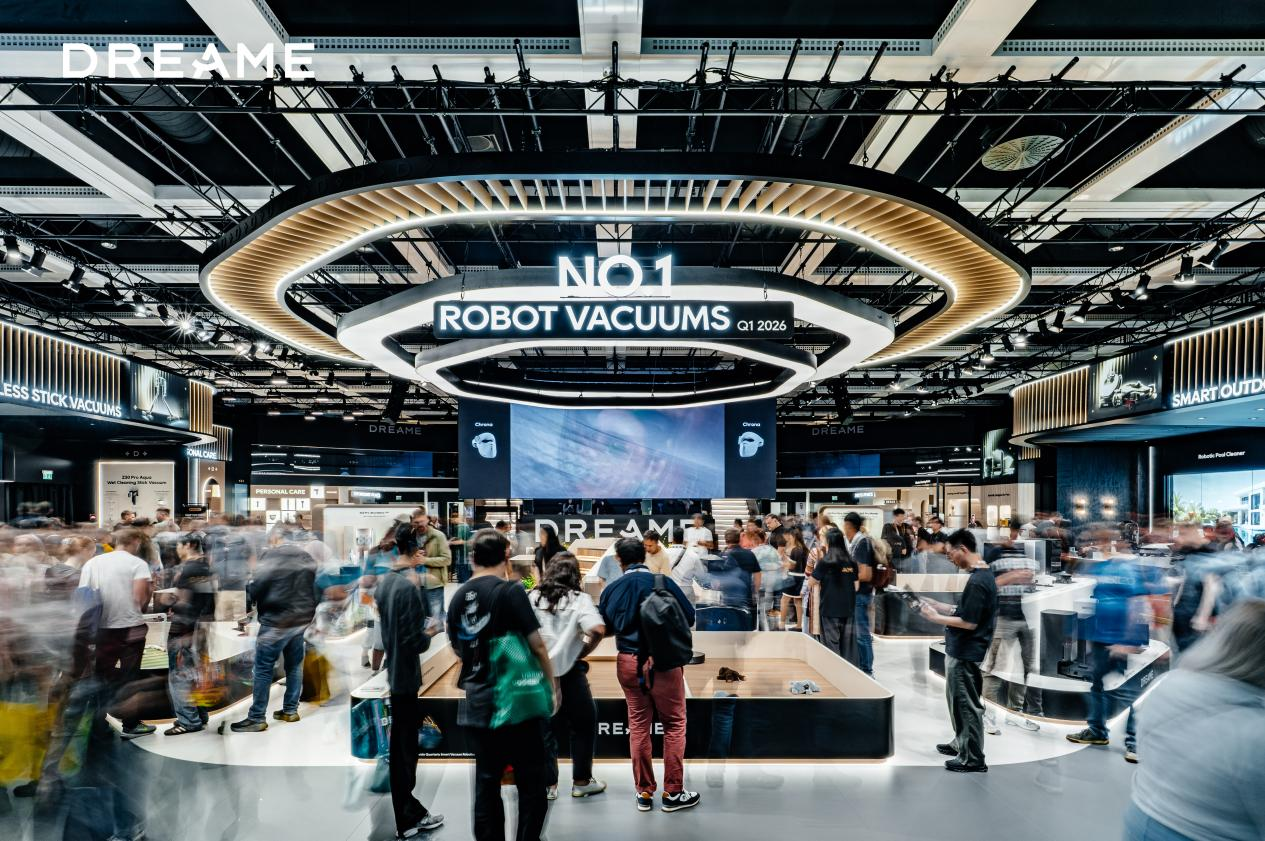
9月8日,为期五天的德国柏林国际消费电子展览会(IFA 2026)落下帷幕。展会期间,追觅集中展示了超过16个品类的百余款产品及数十项全球首创技术,来自扫地机、吹风机、生活环境电器、擦窗机器人和割草机器人等品类的6款产品获得国际奖项。

这是追觅明确聚焦智能家庭、户外庭院、智能出行和具身智能四大主营业务后的一次重要国际亮相。五天展期集中呈现了三项阶段性结果:成熟产品基本盘仍在持续迭代,共性技术进一步整合为三大技术底座,家庭服务机器人等长期研发方向继续推进。

这些结果进一步明确了战略聚焦后的发展路径:核心资源向具备技术积累、市场基础和协同价值的主营业务集中;全域感知系统、家庭通用模型和智能控制系统在不同产品之间复用;前沿研发继续建立在现有技术与产业能力之上。

对追觅而言,IFA 2026的收官不是一次产品发布的结束,而是技术、产品与经营能力完成集中呈现后,进入市场持续检验的下一阶段。

一、从五天展期看成果,产品与技术集中呈现

此次IFA,追觅更值得关注的是不同展品所处的发展阶段,既有已经进入市场并持续迭代的成熟产品,也有用于验证跨空间移动、复杂环境感知和机械操作能力的新形态产品与研发项目。

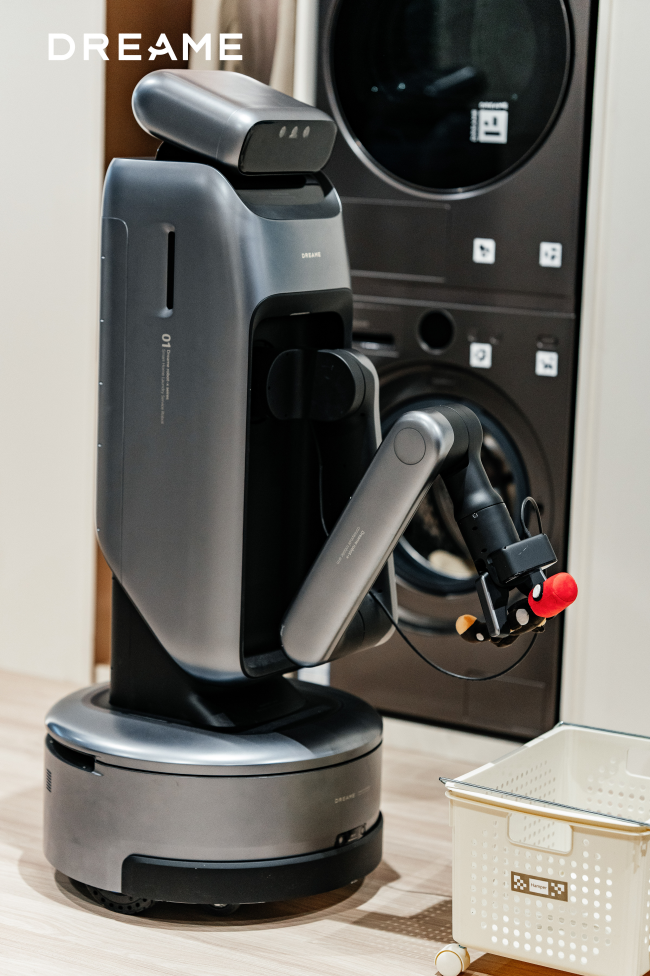
智能家庭板块,追觅围绕边角、低矮空间、不同地面材质及跨空间移动等长期存在的清洁难题,展示了180℃蒸汽、18厘米外扩、SmartSwap™干湿滚刷自动切换、TriForm™三形态洗地机器人、RollExtend™外扩探洗滚刷等多项创新技术。处于研发阶段的ECHO S1单臂轮式服务机器人和ECHO P1轮式人形服务机器人,则围绕衣物处理、收纳整理和物品搬运等复杂家庭任务开展技术验证。

户外庭院板块,追觅旗下生态品牌MOVA首发AstraX机械臂割草机,并展示融合3D激光雷达、多目视觉与ToF的UltraView™4.0感知方案,以及预研搭载Knot 80仿人机械臂的机器人形态,持续提升庭院环境中的识别、修边与操作能力。

智能出行板块,追觅旗下生态品牌NAVEE推出EXO S Pro外骨骼机器人和Eagle F1X智能高尔夫球包车,分别围绕人体动作识别、步态辅助、自动跟随和自主避障等场景展开探索。

具身智能板块,追觅旗下生态品牌魔法原子集中展示MagicBot X1、D1、MagicDog T1及Magic-VLA K02大模型,并通过衣物整理、物流分拣等任务,呈现多形态机器人在统一智能系统下的感知、决策与协同执行能力。

从成熟产品到前沿研发,此次IFA呈现出一条相互衔接的技术链路:成熟产品提供真实场景、用户反馈和规模化验证,共性技术在多品类研发中持续沉淀,前沿机器人研发则进一步探索相关能力在复杂任务中的应用边界。

五天展期内,追觅共有6款产品获得国际奖项,覆盖清洁、个护、生活环境电器、擦窗和庭院等不同场景。奖项分布于多个品类,也从侧面反映出,追觅正在将从真实需求出发、依靠系统能力解决具体问题的创新方法延伸至不同业务。

变化的是产品形态,不变的是技术始终要回到真实需求、进入具体场景,并接受用户和市场的持续检验。

二、战略聚焦后,追觅明确技术主线

此次IFA给出的阶段性结论,是战略聚焦之后,如何把已有技术和产业能力组织得更加集中。智能家庭构成产品与市场基本盘,户外庭院和智能出行承接具有协同基础的新场景,具身智能则保留长期技术探索。四大主营业务的分工由此更加明确。

与业务聚焦相对应,追觅将过去九年在智能硬件、算法模型和运动控制等领域的积累,整合为全域感知系统、家庭通用模型和智能控制系统三大技术底座。三者分别承担感知环境、理解任务和执行动作的功能,并围绕物理AI“感知—决策—执行—反馈”的链路形成协同。

其中,全域感知系统由感知硬件和感知算法共同构成,是机器获取真实世界信息的入口;家庭通用模型融合MLLM、VLM和VLA三类基础模型,用于理解空间环境、设备状态、用户需求和任务目标,并协调设备执行任务;智能控制系统将马达、关节、减速器与控制能力结合起来,把智能判断转化为具体动作。

三大技术底座并非脱离现有产品重新搭建一套技术体系,而是把已经在扫地机、洗地机、割草机器人等产品中验证过的感知、算法、马达和机械能力进一步抽象、复用和系统化。其价值不只在于支持单款新品,也在于减少跨品类重复研发,提高技术积累向产品能力转化的效率。

此次展出的ECHO S1单臂轮式服务机器人和ECHO P1轮式人形服务机器人,呈现了三大技术底座向复杂家庭任务延展的研发方向。ECHO S1围绕衣物识别、分类、洗涤和收纳等连续任务开展验证;ECHO P1则探索收纳整理、智能照护和物品搬运等家庭服务场景。

战略聚焦并未中断追觅的技术路线,而是让研发投入与主营业务之间建立更清晰的关系:成熟产品负责形成市场与经营基础,共性技术支撑跨品类复用,前沿研发保留长期空间。

三、回归市场,持续推动技术成果落地

展会可以集中呈现技术和产品,但战略聚焦的实际成效,最终仍要由产品、交付和市场结果检验。对追觅而言,IFA结束后的重点,便是让已经明确的技术主线更有效地服务四大主营业务。

截至2026年7月,追觅清洁电器全球累计出货量已突破4000万台。IDC最新数据显示,2026年上半年,追觅旗下扫地机器人业务(追觅与MOVA)全球销量份额和销售额份额均位居全球第一。同期,据追觅内部统计,追觅洗地机在欧洲市场的营收同比增长超过50%,并在德国、意大利、瑞士、波兰等多个国家取得市场份额第一。成熟业务所积累的用户规模、供应链能力和市场反馈,构成追觅持续推进技术研发与产品迭代的重要基础。

截至2026年8月,追觅产品与服务已覆盖全球190个国家和地区,全球实体门店超过12000家,累计服务家庭超过4200万。展会之后,相关产品和技术还需要进入不同区域的真实环境,并通过本地渠道、售后服务和供应链体系完成长期运营。

下一阶段,追觅将继续把研发、人才、制造、渠道和服务资源向四大主营业务集中,围绕三大技术底座推进能力复用,同时持续完善全球本地化经营。技术平台化解决的是研发协同问题,规模制造和全球经营回答的则是技术如何转化为长期价值。

从柏林展台回到全球市场,真正的检验仍在经营本身。战略聚焦给出了方向,技术与产品构成了路径,接下来需要用持续的产品迭代、稳定交付和市场表现给出答案。

注:文/龚作仁,文章来源:Laborer,本文为作者独立观点,不代表亿邦动力立场。

文章来源:Laborer

广告
微信
朋友圈

FAQ回顾

追觅的主营业务有哪些?

追觅当前明确聚焦四大主营业务,分别为智能家庭、户外庭院、智能出行和具身智能。其中智能家庭为产品与市场基本盘,户外庭院和智能出行承接具备协同基础的新场景,具身智能保留长期技术探索方向。

2026年上半年追觅扫地机器人全球市场表现如何?

据IDC最新数据显示,2026年上半年,追觅旗下扫地机器人业务(含追觅与MOVA品牌)全球销量份额和销售额份额均位居全球第一,成熟业务积累的能力为技术研发提供了重要支撑。

追觅的三大技术底座分别是什么?

追觅将多年技术积累整合为全域感知系统、家庭通用模型和智能控制系统三大技术底座,三者分别承担感知环境、理解任务、执行动作的功能,可实现跨品类复用,有效提升研发效率。

截至2026年追觅的全球业务覆盖情况如何?

截至2026年8月,追觅产品与服务已覆盖全球190个国家和地区,全球实体门店超过12000家,累计服务家庭超过4200万,清洁电器全球累计出货量已突破4000万台。

这么好看,分享一下?

朋友圈 分享

APP内打开

赞 +1
+1
微信好友 朋友圈 新浪微博 QQ空间
关闭
收藏成功
发送
/140 0