广告
加载中

国内首个! Vbot维他动力共建空天具身智能北京市重点实验室

龚作仁 2026-09-03 19:22
龚作仁 2026/09/03 19:22

邦小白快读

EN
全文速览

这篇文章核心信息是国内首个聚焦空天具身智能的北京市重点实验室正式获批,该实验室由北京航空航天大学牵头,Vbot维他动力等三家企业共同共建,以下是核心干货内容

1. 实验室聚焦空天任务智能化需求,主攻三个核心研究方向:空天具身智能大模型与世界模型、自主学习与演化机制、虚实结合的仿真与验证体系,针对在轨维护、月面建造等场景攻关,未来机器人可承担地外探测、建设、运维等工作。

2. Vbot依托自研的具身基因组模型体系参与攻关,走“科研向上突破星空、产业向下扎根民生”双向路径,一边攻关空天前沿技术,一边在商业商圈、园区服务、公共服务、特色体育等地面场景落地验证,积累的数据反哺空天技术研发。

3. 未来将打通基础研究到成果转化的完整链路,推动技术落地服务我国航天任务。

本文对布局智能机器人、空天科技领域的品牌商有多维度的参考价值,核心干货如下

1. 研发布局方面,可参考Vbot的双向研发路径:一方面锚定国家战略级前沿赛道布局核心技术,争取官方资质认定,积累强技术背书,提升品牌行业认可度;另一方面扎根民用场景落地,用高频应用积累数据反哺研发,形成正向循环。

2. 品牌建设与合作方面,可借鉴产学研协同模式,对接高校头部科研资源和行业核心伙伴共建重点实验室,整合各方资源拿下官方认定,既能提升技术实力,也能强化品牌的专业影响力。

3. 趋势判断方面,空天领域已经从观测转向建设,具身智能机器人是明确的风口方向,前沿技术还可向下转化到民用场景,拓展品牌的市场空间。

本文给智能机器人领域相关卖家透露了行业新机会与发展参考,核心干货内容如下

1. 机会层面,空天产业已经进入新发展阶段,从观测太空转向建设利用太空,在轨维护、月面建造、深空探测等场景对智能具身机器人有明确的市场需求,是全新的增量赛道;同时空天前沿技术可转化落地到民用场景,商业商圈、园区服务、公共服务、特色体育等领域都有新的应用需求可挖掘。

2. 发展路径层面,可参考产学研合作模式,对接高校科研力量参与重点项目,获取技术和官方背书,降低自主研发的门槛与风险,同时扎根民用场景积累数据和工程经验,反向迭代技术能力,形成良性循环。

3. 风险提示:切入前沿领域要结合自身能力,先通过民用场景验证技术沉淀能力,再逐步拓展前沿赛道,提升项目成功率。

本文给智能机器人相关工厂带来了新的商业机会与发展启示,核心干货内容如下

1. 商业机会层面,空天具身智能机器人的发展,对机器人本体生产、定制化设计提出了新的需求:不同空天场景比如在轨维护、月面建造等,对机器人感知、移动、操作、载荷配置的要求各不相同,需要工厂围绕具体任务完成针对性生产设计,带来了新的订单增量机会。

2. 能力升级启示,可参考Vbot的双向发展模式:一边对接前沿科研项目,提升自身的技术和生产设计能力,一边扎根民用市场做规模化落地,积累工程经验,沉淀可复用的生产设计能力,同时服务前沿项目和民用市场,扩大业务边界。

3. 数字化升级启示,工厂可以依托不同场景积累的真实运行数据,优化产品设计和生产流程,提升产品适配不同任务的能力,推动自身产品迭代升级,更好契合市场需求变化。

本文给智能机器人、航天领域相关服务商指明了行业方向,梳理了核心痛点与可参考方案,干货内容如下

1. 行业发展趋势方面,空天领域已经进入从观测到建设的新阶段,空天具身智能是官方认定的核心发展方向,产学研协同攻关是当前的主流创新模式,围绕空天具身智能的仿真验证、工程化落地、成果转化等配套服务需求会快速增长,市场空间广阔。

2. 客户核心痛点方面,空天场景属于复杂未知的特殊环境,传统机器人只能按地面指令执行任务,无法满足自主作业、跨任务动态适配的需求,同时前沿技术研发缺少验证场景和数据积累,研发周期长风险高。

3. 可参考解决方案方面,可依托产学研平台整合技术资源,采用大模型加世界模型的技术路线,同时打通前沿研发和民用落地的双向循环,用民用高频场景积累数据验证技术,降低研发风险,加快成果转化速度。

本文对布局智能科技、空天领域的平台商有多方面的参考价值,核心干货内容如下

1. 市场需求方面,当前空天具身智能领域快速发展,业内企业需要平台提供产学研资源对接、官方资质申报对接、成果转化对接、民用场景落地对接等配套服务,平台可针对性推出相关服务,满足企业需求,打造自身核心竞争力。

2. 平台运营与招商方面,可重点引入符合国家战略方向的前沿科技项目,对接高校、头部企业共建创新平台,打造从基础研究、仿真验证到工程化落地、成果转化的完整创新链路,吸引更多优质企业入驻,提升平台的行业影响力。

3. 风险规避方面,前沿技术研发不确定性高,平台可引导入驻企业走“前沿科研+民用落地”的双向发展路径,用民用场景的现金流和数据反哺研发,降低研发风险,提升入驻企业存活率,同时提前布局未来赛道,抢占行业先发优势。

本文透露了我国空天智能领域的最新产业动向,提出了新的研究方向,干货内容如下

1. 产业新动向方面,国内首个聚焦空天具身智能的省级重点实验室正式获批,标志着我国空天产业已经完成从观测太空到建设太空的阶段转变,空天具身智能已经成为官方认可的重点研究方向,产学研协同攻关成为该领域核心的创新模式。

2. 新研究问题方面,针对复杂未知、强约束的空天应用环境,当前需要重点突破三个核心方向:空天具身智能大模型与世界模型、空天具身智能自主学习与演化机制、虚实结合的仿真与验证体系,核心解决机器人在空天环境的自主作业、跨任务动态适配问题。

3. 创新模式参考方面,本文提出的“科研向上突破星空、产业向下扎根民生”双向循环模式,打通了从基础研究到成果转化的完整创新链路,前沿研发牵引技术突破,民用场景积累数据反哺研发,实现技术与产业协同演进,对相关领域研究有重要参考价值。

返回默认
声明:快读内容全程由AI生成,请注意甄别信息。如您发现问题,请发送邮件至 run@ebrun.com 。

我是 品牌商 卖家 工厂 服务商 平台商 研究者 帮我再读一遍。

Quick Summary

This article covers the official approval of China's first Beijing Key Laboratory focused on aerospace embodied intelligence, led by Beihang University and co-established by three enterprises including Vbot. Key takeaways are as follows:

1. The lab targets intelligent demand for aerospace missions, focusing on three core research areas: large aerospace embodied intelligence models and world models, autonomous learning and evolution mechanisms, and a VR-AR integrated simulation and verification system. It will conduct research and development for scenarios including in-orbit maintenance and lunar construction, to enable future robots to undertake extraterrestrial exploration, construction and operation tasks.

2. Vbot will participate in the project relying on its self-developed embodied genome model system, following a two-way approach of "advancing cutting-edge aerospace research while rooting industrial applications in public needs". While working on breakthrough aerospace technologies, the company is also validating its technologies in ground-based scenarios including commercial districts, park services, public services and niche sports, with accumulated data feeding back into aerospace technology R&D.

3. The lab will eventually build a complete pipeline from basic research to commercialization, to advance technology deployment that supports China's aerospace missions.

This article offers multi-dimensional insights for brands operating in intelligent robotics and aerospace technology. Key takeaways are as follows:

1. For R&D strategy, brands can learn from Vbot's two-way development approach: on one hand, lay out core technologies aligned with national strategic frontier tracks, pursue official accreditation to build strong technical credibility and boost brand recognition in the industry; on the other hand, root solutions in civilian scenarios to accumulate data from high-frequency applications to feed back into R&D, forming a positive innovation cycle.

2. For brand building and partnership, brands can adopt the industry-university-research collaboration model: partner with top-tier university research resources and core industry players to co-establish key laboratories, integrate resources to obtain official accreditation. This approach both improves technical strength and strengthens the brand's professional influence.

3. For trend forecasting, the aerospace sector has shifted from observation-focused to construction-focused, and embodied intelligent robots are a clear high-growth area. Frontier aerospace technologies can also be translated to civilian applications, expanding brands' total addressable market.

This article outlines new industry opportunities and development references for sellers in the intelligent robotics space. Key takeaways are as follows:

1. On opportunities: The aerospace industry has entered a new development stage, shifting from space observation to space construction and utilization. Scenarios including in-orbit maintenance, lunar construction and deep space exploration have clear demand for embodied intelligent robots, representing an entirely new incremental track. At the same time, frontier aerospace technologies can be adapted for civilian scenarios, unlocking new application demand across commercial districts, park services, public services and niche sports.

2. On development paths: Sellers can leverage the industry-university-research collaboration model by partnering with university research teams to participate in key projects, obtain technical and official endorsements, and lower the threshold and risk of independent R&D. Meanwhile, sellers can root solutions in civilian scenarios to accumulate data and engineering experience, iterating technical capabilities in reverse to form a virtuous cycle.

3. Risk warning: When entering frontier fields, players should align expansion with their existing capabilities. First validate technologies and build capabilities through civilian scenarios, then gradually expand into frontier tracks to improve project success rates.

This article outlines new business opportunities and development insights for intelligent robotics manufacturers. Key takeaways are as follows:

1. On business opportunities: The development of aerospace embodied intelligent robots has created new demand for robot body manufacturing and customized design. Different aerospace scenarios, such as in-orbit maintenance and lunar construction, have distinct requirements for robot perception, mobility, operation and load configuration. This creates new order increment opportunities for manufacturers that can deliver task-specific design and production.

2. On capability upgrading: Manufacturers can learn from Vbot's two-way development model: partner with cutting-edge research projects to upgrade technical, production and design capabilities, while scaling up applications in the civilian market to accumulate engineering experience and build reusable production and design capabilities. Serving both frontier aerospace projects and the civilian market helps expand business boundaries.

3. On digital upgrading: Manufacturers can leverage real-world operational data accumulated across different scenarios to optimize product design and production processes, improve product adaptability for diverse tasks, drive product iteration, and better align with evolving market demand.

This article clarifies industry direction, core pain points and reference solutions for service providers operating in intelligent robotics and aerospace. Key takeaways are as follows:

1. On industry trends: The aerospace sector has entered a new stage shifting from observation to construction, and aerospace embodied intelligence is an officially recognized core development direction. Industry-university-research collaborative R&D is now the mainstream innovation model. Demand for supporting services around aerospace embodied intelligence, including simulation verification, engineering implementation and technology commercialization, will grow rapidly, creating broad market space.

2. On core customer pain points: Aerospace scenarios are complex, unknown and highly constrained. Traditional robots can only perform tasks following pre-programmed ground instructions, and cannot meet demand for autonomous operation and dynamic cross-task adaptation. Meanwhile, frontier R&D lacks testing scenarios and data accumulation, leading to long R&D cycles and high innovation risk.

3. On reference solutions: Service providers can leverage industry-university-research platforms to integrate technical resources, adopt the technical route combining large models and world models, and build a two-way cycle linking frontier R&D and civilian application. Leveraging high-frequency civilian scenarios to accumulate data and validate technologies reduces R&D risk and accelerates technology commercialization.

This article offers multi-dimensional insights for platform operators active in intelligent technology and aerospace. Key takeaways are as follows:

1. On market demand: The rapid development of the aerospace embodied intelligence sector has created clear demand from industry players for supporting services including industry-university-research resource matching, official accreditation application support, technology commercialization matchmaking, and civilian scenario landing connections. Platforms can launch targeted services to meet enterprise demand and build core competitiveness.

2. On platform operation and investment recruitment: Platforms can prioritize onboarding frontier technology projects aligned with national strategic directions, partner with universities and leading enterprises to build co-established innovation platforms, and develop a complete innovation chain from basic research, simulation verification, engineering implementation to technology commercialization. This attracts more high-quality enterprises to onboard and boosts the platform's industry influence.

3. On risk mitigation: Frontier technology R&D carries high uncertainty. Platforms can guide onboarding enterprises to adopt the "frontier research + civilian application" two-way development path, using cash flow and data from civilian scenarios to feed R&D, reduce innovation risk, and improve the survival rate of onboarding enterprises. This approach also allows platforms to lay out future tracks early and capture first-mover advantage.

This article covers the latest industry developments in China's aerospace intelligent sector and proposes new research directions. Key takeaways are as follows:

1. On new industry developments: The official approval of China's first provincial-level key laboratory focused on aerospace embodied intelligence marks that China's aerospace industry has completed its transition from a space observation focus to a space construction focus. Aerospace embodied intelligence is now an officially recognized key research direction, and industry-university-research collaborative R&D has become the core innovation model for the field.

2. On new research priorities: To adapt to the complex, unknown and highly constrained aerospace application environment, three core areas require breakthroughs: large aerospace embodied intelligence models and world models, autonomous learning and evolution mechanisms for aerospace embodied intelligence, and VR-AR integrated simulation and verification systems. The core goal is to solve challenges related to autonomous operation and dynamic cross-task adaptation for robots operating in aerospace environments.

3. On innovation model reference: The two-way cycle model of "advancing cutting-edge aerospace research while rooting industrial applications in public needs" introduced in this article builds a complete innovation chain from basic research to commercialization. Frontier research drives technical breakthroughs, while civilian scenarios accumulate data to feed R&D, enabling synergistic evolution of technology and industry. This model offers important reference value for research in related fields.

Disclaimer: The "Quick Summary" content is entirely generated by AI. Please exercise discretion when interpreting the information. For issues or corrections, please email run@ebrun.com .

I am a Brand Seller Factory Service Provider Marketplace Seller Researcher Read it again.

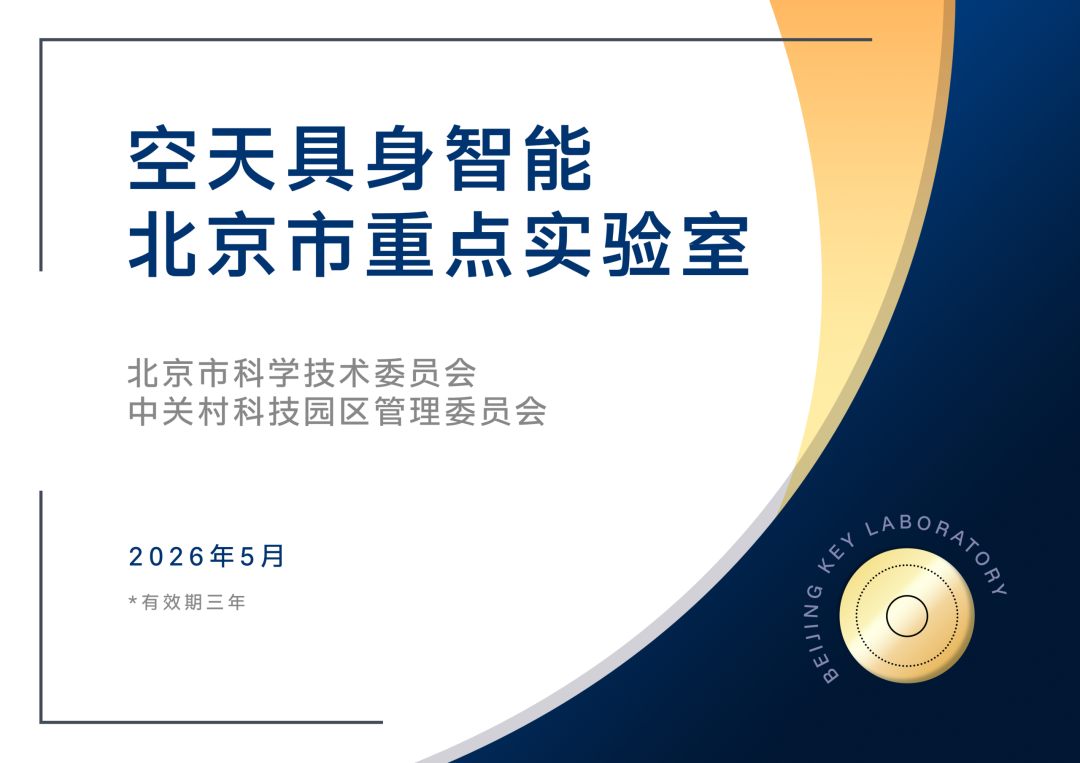
近日,由北京航空航天大学牵头、Vbot维他动力与遨博(北京)智能科技股份有限公司、北京紫微宇通科技有限公司共同建设的“空天具身智能北京市重点实验室”,经北京市科学技术委员会、中关村科技园区管理委员会认定,正式获批。

图片

作为国内首个聚焦空天具身智能的北京市重点实验室,本实验室聚焦于空天任务智能化发展重大需求,面向复杂未知、动态演化、强物理约束的应用环境,主要研究空天具身智能大模型与世界模型、空天具身智能自主学习与演化机制、虚实结合的仿真与验证体系,并面向在轨维护、月面建造等典型空天场景开展技术攻关与工程化验证。

在这些研究与验证基础上,机器人有望在轨道、月面等不同空天环境中逐步积累自主作业能力,并在面向月球、火星的深空探测任务中,承担地外环境勘察、设施建设与长期运维等工作,为后续科学探测与长期作业提供支持。

作为实验室核心共建单位,Vbot将依托自研具身智能模型体系所形成的跨本体、跨任务能力,以及机器人产品与工程化落地经验,参与空天具身智能关键技术攻关,推动地面具身智能技术向太空环境迁移迭代,探索面向在轨服务、深空探测与太空制造的机器人技术体系。实验室此次正式获批,既是对Vbot既有技术与产业实践的认可,也标志着Vbot携手国家战略科技力量与航天产业伙伴,在我国空天智能前沿开展协同攻关与成果转化迈出关键一步。

图片

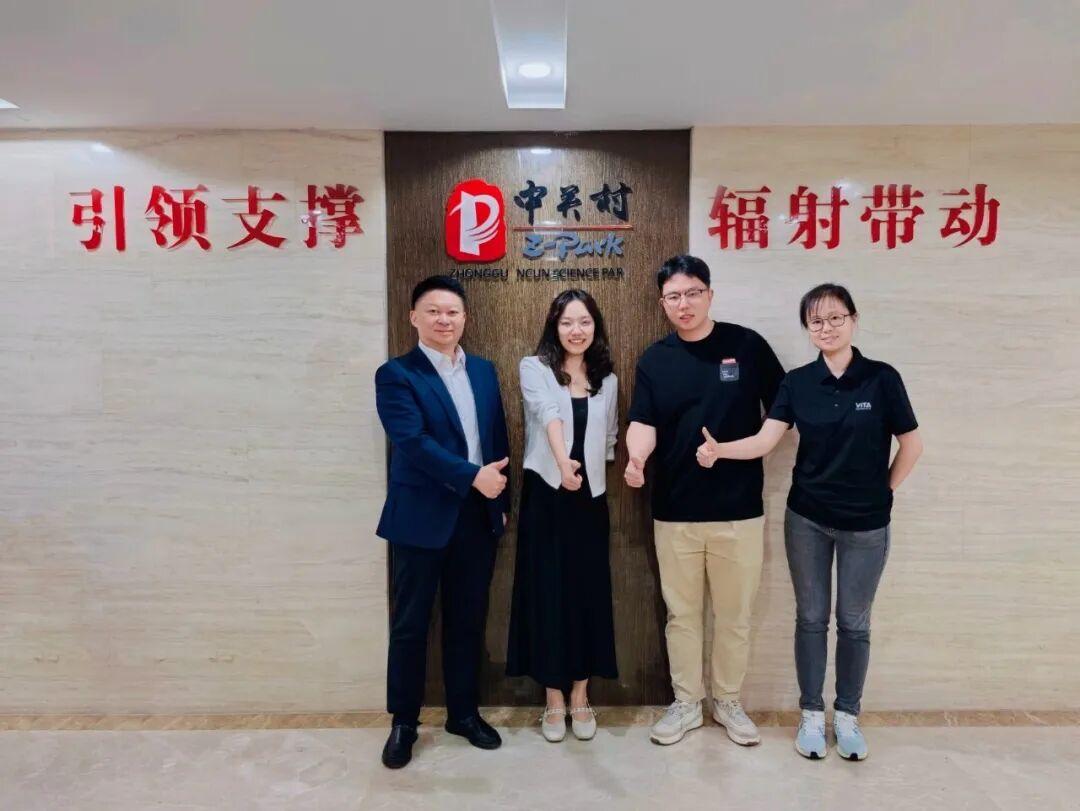
实验室获批现场:(左起)紫微宇通创始人兼CEO张晓敏,北航人工智能学院刘偲教授,Vbot联创兼研发副总裁秦海龙,Vbot AI研发负责人周思雨

从“观测太空”到“建设太空”,机器人走向自主作业

传统航天任务更多围绕感知、传输与指令执行展开,卫星和探测器主要解决“看得清、传得回”。当人类的目标从观测太空进一步走向利用太空、建设太空,任务也将从信息获取、指令执行延伸至在轨维护、月面建造等更复杂的主动干预与物理作业。机器人需要从接受地面指令的工具,升级为能够“看得清、想得清、做得到”的智能体,在复杂环境中持续感知、理解任务、形成决策并完成操作。

在轨维护与月面建造等任务面对的环境条件、作业对象和载荷要求各不相同,机器人系统需要围绕具体任务,在感知、移动、操作与载荷配置等方面完成针对性适配。

因此,空天具身智能的关键,不只是让机器人能够自主作业,还要依托空天具身智能大模型与世界模型、自主学习与演化机制、虚实结合的仿真与验证体系,使智能体能够理解环境、评估行动、适配任务并持续演化。将Vbot已有的模型体系与工程化经验应用于具体空天课题,并在实践中持续适配和验证,是Vbot参与实验室协同攻关的重要切入点。

Vbot以“具身基因组”模型体系,参与空天智能关键能力建设

面向空天任务的多样化需求,Vbot参与实验室共建的核心价值,在于依托Vbot Embodied Genome具身基因组,以统一模型体系推动智能能力跨本体、跨任务迁移,并将其与机器人系统及工程化能力结合起来。产品化让智能进入真实系统,迭代化让任务数据持续回流,规模化则推动共性能力在不同机器人与任务平台之间复用、适配和持续演进。

图片

机器人执行深空探测与地外作业概念图

具身基因组的核心,在于让共性智能实现跨本体、跨任务迁移。其中,Vbot-EvoMorph通过共享策略骨干与任务适配机制,推动共性能力在不同机器人和作业平台之间迁移,并根据任务要求持续适配;Vbot-WorldModel则为系统提供未来状态预测与行动评估能力,帮助机器人在执行前比较不同策略。相关能力统一纳入具身基因组体系,在不同任务需求和工程约束下协同发挥作用。

科研向上突破星空,产业向下扎根民生

从地面走向太空,既需要极端任务牵引技术上限,也离不开真实场景持续验证工程能力。Vbot坚持“科研向上突破星空、产业向下扎根民生”的双向发展路径。一方面,以空天任务推动具身智能模型、本体与系统能力向更高水平突破,并促进前沿成果向商业商圈、企业及园区服务、公共服务、特色体育等地面场景转化;另一方面,通过地面场景中的高频运行、数据回流与产品迭代,将模型能力转化为稳定产品、将单点能力沉淀为跨场景共性能力,反哺未来空天机器人的研发与验证。

目前,Vbot已围绕商业商圈、企业及园区、公共服务、特色体育等场景持续推进应用探索。

在商业商圈和公共服务空间,机器人通过导览咨询、讲解答疑与巡检等任务,持续适应复杂人流与开放环境,检验意图理解、环境感知和动态避障能力;在企业及园区场景,通过会议辅助、物资转运和日常巡检等高频任务,进一步验证系统稳定性、流程执行与异常处置能力;在特色体育场景,则以运动陪练等动态交互任务,强化机器人在快速变化环境中的实时决策与全身协同。

不同场景形成的真实运行数据与工程经验,也将持续沉淀为可配置、可迁移的产品能力,为地面规模化落地和未来空天任务迭代提供支撑。

产学研协同,以机器智能服务深空探测与太空制造

空天具身智能北京市重点实验室正式获批,是Vbot维他动力参与空天具身智能前沿研究的重要里程碑,也是“科研向上突破星空、产业向下扎根民生”战略的进一步落地。

未来,Vbot将携手北京航空航天大学及其他共建单位,围绕实验室重点研究方向展开协同,逐步贯通“基础研究—仿真验证—原型迭代—工程化验证—成果转化”的创新链路,推动具身智能的科研突破、工程验证与产业实践协同演进,为在轨维护、月面建造等任务持续积累技术和工程能力,推动相关成果在深空探测与太空制造等前沿场景中逐步验证和应用。

Vbot创始人兼CEO余轶南博士表示:空天是具身智能的重要前沿场景,也是检验机器人智能自主性、鲁棒性与工程适应能力的极端环境验证平台。未来,Vbot将持续深耕空天具身智能前沿,以通用机器人智能能力服务我国商业航天发展和深空探测、太空制造等任务,推动相关技术通过产学研协同攻关与工程验证,加快实现从前沿探索到工程应用的跨越,为我国空天智能技术创新与产业发展贡献力量。

注:文/龚作仁,文章来源:Laborer,本文为作者独立观点,不代表亿邦动力立场。

文章来源:Laborer

广告
微信
朋友圈

FAQ回顾

空天具身智能北京市重点实验室是什么?

它是国内首个聚焦空天具身智能的市级重点实验室,由北京航空航天大学牵头、Vbot维他动力等单位共同建设,经北京市科委、中关村管委会认定获批,面向在轨维护、月面建造等空天场景开展技术攻关与工程化验证。

Vbot维他动力参与共建空天具身智能实验室有哪些优势?

Vbot维他动力拥有自研的具身基因组模型体系,具备跨本体、跨任务的智能能力,积累了成熟的机器人产品研发与工程化落地经验,可推动地面具身智能技术向太空环境迁移迭代,支撑空天智能技术攻关。

空天具身智能技术可以应用在哪些场景?

空天场景下可应用于在轨维护、月面建造、地外环境勘察、深空探测、太空制造等领域;相关技术也可转化应用到商业商圈、企业园区、公共服务、特色体育等地面场景,覆盖多类作业需求。

Vbot维他动力的具身基因组模型有什么作用?

具身基因组的核心作用是实现共性智能跨本体、跨任务迁移,其中Vbot-EvoMorph可推动共性能力在不同作业平台迁移适配,Vbot-WorldModel可提供未来状态预测与行动评估能力,支撑多场景机器人作业。

这么好看,分享一下?

朋友圈 分享

APP内打开

+1
+1
微信好友 朋友圈 新浪微博 QQ空间
关闭
收藏成功
发送
/140 0