广告
加载中

成立12年的一家法律科技公司,为什么在大模型时代能获得资本关注?

亿邦动力 2026-09-03 17:31
亿邦动力 2026/09/03 17:31

邦小白快读

EN
全文速览

本文介绍了深耕法律领域12年的法律科技公司智合,在大模型时代获得数千万元A轮融资的发展历程与核心信息,干货内容如下:

1. 核心背景信息:智合2014年由有近十年行业经验的资深法律从业者洪祖运创立,创业初衷是解决国内法律服务供需错配问题,当前行业数据显示国内98%的企业没有聘请常年法律顾问,最高法数据显示全国法院一审案件中78%的自然人未委托律师,大量中小主体难以获得低成本持续法律服务。

2. 发展路径与现状:智合早期未盲目跟风做AI,先从法律媒体、行业活动、律师培训切入,积累用户、场景与行业认知,大模型普及后才转向AI研发,目前智合AI日活接近3万,日均使用量12万至15万次。

3. 核心启示:大模型时代垂直领域创业,提前深耕行业积累场景认知,比单纯追求技术参数更容易建立长期竞争壁垒。

本文给布局相关业务的品牌商提供了多方面干货参考,核心内容如下:

1. 消费趋势与需求洞察:当前国内专业法律服务存在明显供需错配,大量中小企业和个人有常态化法律需求,但无力承担传统高端法律服务成本,面向中小主体的低成本、可触达的日常法律服务存在巨大市场缺口,品牌商拓展相关业务可瞄准这一长尾市场。

2. 产品研发逻辑参考:智合没有盲目跟风技术热点,而是先深耕行业积累用户需求和场景认知,再结合新技术落地产品,这种路径能够避免技术脱离实际需求的问题,对品牌商研发新品更稳妥。

3. 长期品牌价值塑造:大模型时代技术逐渐普及,品牌真正的壁垒是长期积累的用户基础和对行业场景的理解,这是资本和市场都认可的长期价值,值得品牌商借鉴。

本文给布局法律服务或AI相关领域的卖家提供了干货内容,核心包括机会、经验与风险提示:

1. 市场机会与需求变化:当前法律服务市场存在巨大缺口,98%的中小企业没有常年法律顾问,大量个人用户也得不到常态化法律服务,大模型降低了法律能力规模化的门槛,面向中小主体的轻量化、低成本法律服务是新的增长市场,符合中小商家对经营风险管控的需求变化。

2. 可借鉴的发展经验:不要盲目跟风热点,可先深耕行业积累用户和场景资源,再结合新技术落地,更容易建立竞争优势;可借鉴智合“智能体+律师”的混合服务模式,兼顾AI的低成本和人工专业能力,有效覆盖长尾需求。

3. 风险提示:未来大模型大厂大概率会进入垂直法律领域,单纯依靠技术很难建立壁垒,卖家需要抓住当前的时间窗口,提前积累行业认知和用户基础构建护城河。

本文给工厂带来的干货集中在数字化转型启示与商业机会层面,核心内容如下:

1. 数字化转型启示:大模型时代工厂推进数字化转型,不需要盲目追求最顶尖的技术参数,核心是要结合自身生产、管理的实际流程场景,提前沉淀业务认知,再结合大模型技术落地升级,智合先积累场景再做AI的路径,可避免数字化项目脱离实际需求的问题,非常值得参考。

2. 经营层面的商业机会:当前绝大多数中小企业都没有常年法律顾问,工厂经营从合同签署到合规管理都存在大量未被满足的法律需求,工厂可借助大模型法律AI工具,低成本获得常态化的法律支持,有效降低自身经营风险。

3. 拓展业务的方向:如果是面向中小制造企业提供服务的相关企业,也可以对接成熟的法律AI能力,拓展自身服务边界,挖掘新的增长点。

本文给专业服务领域的服务商提供了干货内容,涵盖行业趋势、客户痛点与落地方案,核心如下:

1. 行业发展趋势:大模型时代通用模型能力逐渐普及成为基础能力,垂直领域服务商的核心竞争力已经从技术能力,转向对行业场景的理解,以及将AI嵌入真实工作流程的能力,这类有长期场景积累的垂直服务商更受资本认可,这是当前垂直AI服务领域的核心发展趋势。

2. 客户痛点梳理:法律服务领域的核心痛点是供需错配,大量中小企业和C端用户有常态化法律需求,但传统服务成本高、触达难,行业缺口极大,这是服务商切入市场的核心机会。

3. 可参考的解决方案:可以走先积累用户和场景、再结合新技术落地的路径,采用“智能体+律师”的混合服务模式,兼顾规模化低成本与专业度,这一模式可复制到多个专业服务领域。

本文给AI平台、法律服务平台等平台商提供的干货内容如下:

1. 市场需求梳理:当前大模型生态下,平台用户对贴合垂直场景的AI应用需求强烈,纯通用大模型无法满足法律这类专业领域的实际使用需求,用户需要能够嵌入真实工作流程的垂直AI服务,平台需要引入这类有场景积累的垂直玩家丰富自身生态。

2. 平台布局与运营方向:可以抓住当前垂直领域玩家的发展时间窗口,提前布局引入有长期行业积累的垂直AI项目,这类项目相比纯技术创业项目更易落地,更有长期壁垒;可参考智合“智能体+律师”的模式,搭建平台的律师合作网络,对接AI能力和专业服务资源,覆盖长尾用户需求。

3. 风险规避提示:不要单纯迷信技术参数,未来大厂进入垂直领域是必然趋势,只有掌握行业场景认知和用户基础的项目才能建立壁垒,平台布局时要优先选择这类项目,降低合作风险。

本文给产业领域研究者提供的干货内容集中在大模型时代垂直AI产业的新动向、新问题与商业模式创新,核心如下:

1. 产业新动向:大模型改变了垂直AI公司的估值逻辑,过去垂直AI公司的核心价值是技术能力,大模型普及后,模型能力成为基础公共能力,真正稀缺的是对垂直行业场景的理解,以及将AI嵌入真实工作流程的能力,有多年行业积累的垂直玩家重新获得资本认可,这是大模型时代产业发展的新变化。

2. 值得研究的新问题:通用大模型厂商未来必然会下沉到垂直领域,垂直AI公司如何建立自身壁垒是行业核心问题,本文提出深耕场景积累而非比拼参数的方向,为研究提供了新的思路。

3. 新商业模式参考:智合提出的“智能体+律师”混合服务模式,以及做法律服务智能基础设施的定位,区别于传统律所和纯AI法律公司,是专业服务领域大模型应用的新商业模式,值得深入研究。

返回默认
声明:快读内容全程由AI生成,请注意甄别信息。如您发现问题,请发送邮件至 run@ebrun.com 。

我是 品牌商 卖家 工厂 服务商 平台商 研究者 帮我再读一遍。

Quick Summary

This article introduces the development journey and key information of Zhihe, a legal tech firm with 12 years of industry focus that recently secured tens of millions of RMB in Series A funding amid the generative AI boom. Key takeaways are as follows:

1. Core background: Founded in 2014 by Hong Zuyun, a seasoned legal practitioner with nearly a decade of industry experience, Zhihe was launched to address the supply-demand mismatch in China’s legal services market. Current industry data shows 98% of Chinese enterprises do not retain full-time in-house legal counsel, and Supreme People’s Court data indicates 78% of individual litigants in first-instance court cases proceed without legal representation. A large number of small and medium-sized entities lack access to affordable, ongoing legal services.

2. Development path and current status: Zhihe did not rush to develop AI in its early stages. Instead, it started with legal media, industry events and lawyer training to build its user base, map out use cases, and accumulate industry expertise. It only shifted to AI R&D after large language models became widely available. Currently, Zhihe’s AI product has nearly 3,000 daily active users, with 120,000 to 150,000 usage sessions per day on average.

3. Key takeaway: For vertical sector startups in the generative AI era, deep industry expertise and accumulated domain knowledge create stronger long-term competitive moats than chasing cutting-edge technical specifications alone.

This article offers actionable insights for brands looking to enter the legal tech space, as outlined below:

1. Consumer trend and demand insight: China’s professional legal services market faces a clear supply-demand mismatch. A large volume of small and medium-sized enterprises (SMEs) and individual users have recurring legal needs but cannot afford the cost of traditional high-end legal services. There is a huge unmet market gap for affordable, accessible routine legal services targeting small and medium-sized entities, which brands can target as a large long-tail market when expanding into this sector.

2. Product development reference: Instead of blindly chasing technology hype, Zhihe prioritized deep industry immersion to map user needs and build domain expertise before rolling out AI-powered products. This approach avoids the pitfall of building technology disconnected from real market needs, making it a more reliable path for brands developing new products.

3. Building long-term brand value: As generative AI technology becomes increasingly commoditized, a brand’s true competitive moat lies in its long-built user base and deep understanding of industry use cases. This long-term value is widely recognized by both investors and the market, and serves as a valuable lesson for brands.

This article provides key insights for sellers operating in legal services or AI-related sectors, covering market opportunities, actionable experience and risk warnings:

1. Market opportunity and shifting demand: There is a massive unmet gap in China’s legal services market: 98% of SMEs do not retain permanent legal counsel, and a large share of individual users also lack access to routine legal services. Large language models have lowered the barrier to scaling legal capabilities, making lightweight, low-cost legal services for small and medium-sized entities a new growth market that aligns with SMEs’ growing demand for operational risk management.

2. Actionable development lessons: Avoid blindly chasing hype. First build industry depth, user base and domain resources before integrating new technology to build sustainable competitive advantage. Sellers can adopt Zhihe’s "AI agent + lawyer" hybrid service model, which combines AI’s low-cost advantage with human lawyers’ professional expertise to effectively serve long-tail demand.

3. Risk warning: Large generalist model providers will most likely enter the vertical legal sector in the future. Pure technology-focused players will struggle to build defensible moats. Sellers need to capitalize on the current window of opportunity to build industry expertise and user base as early as possible to form their competitive moat.

This article offers key insights for manufacturing factories, focusing on digital transformation lessons and business opportunities:

1. Digital transformation takeaway: For factories pursuing digital transformation in the generative AI era, there is no need to blindly chase the most cutting-edge technical specifications. The core priority is to align AI deployment with actual production and management workflows, accumulate in-house business expertise first, and then integrate large model technology for upgrades. Zhihe’s path of building domain expertise before AI development avoids the common pitfall of digital projects disconnecting from actual business needs, making it a highly valuable reference.

2. Operational business opportunity: The vast majority of Chinese SMEs do not retain permanent legal counsel, and factories face a large volume of unmet legal needs across contract signing, compliance management and other core operational processes. Factories can leverage large model-powered legal AI tools to access affordable ongoing legal support and effectively reduce operational risk.

3. New business expansion direction: For service providers that serve small and medium-sized manufacturers, integrating mature legal AI capabilities allows them to expand their service scope and unlock new growth opportunities.

This article shares key insights for professional service providers, covering industry trends, client pain points and go-to-market strategies:

1. Core industry trend: In the generative AI era, general model capabilities are increasingly commoditized into baseline infrastructure. The core competitiveness of vertical sector service providers is no longer technical capability, but rather their understanding of industry use cases and ability to embed AI into real-world workflows. Vertical service providers with long-term domain accumulation are increasingly favored by investors, which defines the core development trend of the current vertical AI services industry.

2. Key client pain points: The core pain point in the legal services sector is the supply-demand mismatch. A large number of SMEs and end consumers have recurring legal needs, but traditional legal services are costly and hard to access, leaving a massive market gap that is a core entry opportunity for new service providers.

3. Actionable solution reference: Providers can follow the path of first building user base and domain expertise, then integrating new technology to launch products. Adopting the "AI agent + lawyer" hybrid service model balances scalable low-cost delivery with professional expertise, and this model can be replicated across many professional service sectors.

This article provides key insights for platform operators including AI platforms and legal service platforms:

1. Unpacking market demand: In the current generative AI ecosystem, platform users have strong demand for vertical AI applications tailored to specific use cases. Pure general-purpose large models cannot meet the actual needs of professional sectors like law, and users require vertical AI services that can integrate directly into real workflows. Platforms need to onboard vertical players with deep domain accumulation to enrich their ecosystem.

2. Platform strategy and operational direction: Platforms should capitalize on the current window of opportunity for vertical players to proactively onboard vertical AI projects with long-term industry accumulation. These projects are more likely to deliver on product-market fit and build sustainable moats than pure technology-focused startups. Platforms can also reference Zhihe’s "AI agent + lawyer" model to build cooperative lawyer networks, connect AI capabilities with professional service resources, and serve long-tail user demand.

3. Risk mitigation guidance: Do not put undue faith in technical specifications alone. Large generalist tech firms will inevitably enter vertical sectors in the future. Only projects with deep domain expertise and an established user base can build defensible moats. Platforms should prioritize these types of projects when expanding their ecosystem to reduce cooperation risk.

This article shares key insights for industry researchers focused on new trends, open questions and business model innovation in the vertical AI industry amid the generative AI boom:

1. New industry trends: Generative AI has reshaped the valuation logic for vertical AI companies. Previously, the core value of vertical AI companies lay in their technical capabilities. After large model commoditization, model capabilities have become basic public infrastructure. What is truly scarce now is deep understanding of vertical industry use cases and the ability to embed AI into real workflows. Vertical players with years of industry accumulation have regained favor from capital, which marks a key new shift in industry development in the generative AI era.

2. New research questions: General large model providers will inevitably expand downstream into vertical sectors in the future, and how vertical AI companies can build sustainable moats is a core industry question. This article puts forward the direction of prioritizing deep domain accumulation over technical parameter competition, which opens up new avenues for research.

3. New business model reference: Zhihe’s "AI agent + lawyer" hybrid service model, as well as its positioning as an intelligent infrastructure provider for legal services, differs from both traditional law firms and pure-play AI legal companies. It represents a new business model for generative AI application in professional services that merits further in-depth research.

Disclaimer: The "Quick Summary" content is entirely generated by AI. Please exercise discretion when interpreting the information. For issues or corrections, please email run@ebrun.com .

I am a Brand Seller Factory Service Provider Marketplace Seller Researcher Read it again.

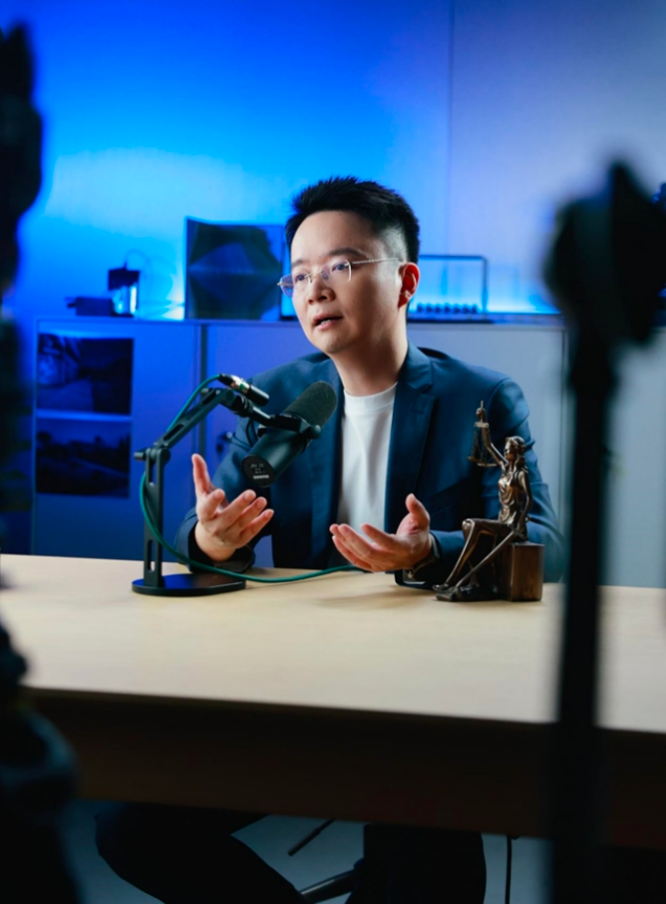
2023年,大模型浪潮席卷全球。对于许多创业者而言,这意味着寻找AI时代新机会的起点。但对智合创始人洪祖运来说,这并不是一次重新开始。

2026年8月,成立12年的法律科技公司智合完成数千万元人民币A轮融资,由达泰资本领投,上海闵行金融投资发展有限公司等机构跟投。成立于2014年的智合,比这一轮大模型热潮早了近十年。

洪祖运创立智合时,“Agent”“智能体”“大模型”这些今天频繁出现的技术概念尚未进入行业视野,“法律科技”也还不是一个成熟的创业方向。他当时关注的问题很简单:为什么中国有数千万企业,却只有少部分企业能够获得稳定、日常化的专业法律服务?

这个问题,成为智合发展的起点。

从法律服务需求出发 智合12年的慢积累

在创业之前,洪祖运已经在法律行业深耕了近十年。他曾在国际律所工作7年,接触的是法律服务行业最复杂的一端:大型企业客户、复杂商业交易、跨境并购等高价值业务。

在这些业务之外,他也看到另一面。对于大型企业而言,这套体系成熟有效;但大量中小企业和个人,往往只有在发生纠纷时才被动寻找律师,很难获得持续性的法律支持,专业法律服务仍然存在较高门槛。有法律需求,却找不到合适的律师;需要长期支持,却无法承担传统法律服务成本。行业数据显示,中国约98%的企业没有聘请常年法律顾问。最高人民法院数据显示,全国法院一审案件中,78%的自然人未委托律师代理诉讼。

在洪祖运看来,这并不是单纯的效率问题,而是法律服务供给体系与市场需求之间长期存在错配。一边是大量未被满足的法律需求,另一边是高度依赖专业人士个人经验的服务模式。于是到了2014年,他决定创业。

智合最初并没有直接开发AI产品,而是从法律媒体和行业服务切入。公司早期业务包括内容生产、行业研究、举办法律行业活动以及律师培训。表面上看,这些业务与今天的AI并没有直接关系,但它们帮助智合逐渐建立起对法律行业的理解。

通过长期服务律师群体,智合慢慢跑通了商业模式,开始积累AI时代重要的资源:用户关系、行业场景,以及对法律工作流程和用户需求的理解。

这些积累,在当时并没有立即转化为一家AI公司的优势,直到大模型出现。

大模型改变了垂直领域AI公司的估值逻辑

2023年,大模型进入大众视野。对于许多AI创业公司而言,大模型打开了一条新的技术路径。但对于智合而言,大模型带来的意义并不只是让AI能够生成文本,而是让过去长期沉淀在行业专家经验中的知识、流程和判断,有机会被结构化,并转化为可以被调用的能力。

过去12年在法律行业积累的用户、场景和行业理解,也因此第一次具备被规模化释放的可能。也正是在这一刻,洪祖运12年前想解决的问题——让更多企业和个人能够获得稳定、可触达的专业法律服务——有了新的实践路径。

在过去,科技公司的竞争优势更多来自技术能力;在大模型时代,模型能力逐渐成为行业竞争的基础条件,而真正影响垂直AI公司长期价值的,是对行业场景的理解,以及将AI嵌入真实工作流程的能力。大模型改变的不只是产品形态,也改变了资本市场判断一家垂直AI公司的方式。

2024年,智合把核心资源转向AI产品研发。2025年8月,智合AI上线,开始进入用户验证阶段。2026年8月完成第三轮融资。在投资机构看来,智合的价值并不只是进入AI赛道,更在于它在法律行业长期积累的用户基础和场景经验。

这也让资本市场开始重新审视垂直AI公司的价值,随着模型能力快速普及,真正稀缺的不只是技术本身,而是对行业场景的理解,以及将AI融入真实工作流程的能力。

垂直赛道玩家的时间窗口与护城河

但窗口期不会无限持续。

洪祖运不否认,大模型厂商进入垂直领域是必然趋势。目前通用智能体仍处于快速竞争阶段,垂直行业玩家仍有时间建立行业入口。

洪祖运认为,未来几年,智合需要完成三件事:扩大AI产品覆盖范围,建立律师合作网络跑通“智能体+律师”的服务模式;并进一步探索面向企业的产品,覆盖更多长尾需求。

投资机构也在关注另一个问题:如果未来大型科技公司进入法律AI领域,垂直公司如何建立壁垒?

洪祖运认为,答案不在模型本身。基础模型能力会快速迭代,单纯依靠技术参数建立优势越来越困难。法律AI真正的难点,是理解复杂的行业流程,并知道AI应该如何进入其中。

这也是智合过去12年积累开始体现价值的地方。它不是先有技术再寻找场景,而是在法律行业长期服务过程中,逐渐形成了对律师工作方式的理解。据智合提供的数据,目前智合AI日活接近3万,日均使用量12万至15万次。这些真实使用场景,成为产品持续优化的重要依据。

从AI法律助手到基础设施

长期来看,洪祖运不认为法律AI的终点只是一个律师助手。在他的设想中,法律AI可能成为企业和个人调用法律能力的一层基础设施——当法律能力可以低成本、随时被调用时,法律服务体系本身也会发生变化。

智合希望成为的,不是一家替代律师的公司,而是法律服务体系背后的智能基础设施。对洪祖运而言,大模型时代不是重新开始,而是让12年前开始积累的东西,在新的技术周期里重新获得价值。

本文首发于 亿邦动力 官方网站

文章来源:亿邦动力

广告
微信
朋友圈

FAQ回顾

智合是一家什么类型的公司?

智合是成立于2014年的法律科技企业,早期从法律媒体、行业研究、律师培训等业务切入,积累了深厚的法律行业场景认知与用户资源,大模型时代转向AI产品研发,目标是打造法律服务体系背后的智能基础设施,2026年完成数千万元A轮融资。

大模型时代垂直AI公司的核心竞争力是什么?

大模型时代模型能力逐渐成为行业竞争的基础条件,垂直AI公司的长期核心竞争力并非单纯的技术参数优势,而是对所属行业场景的深度理解,以及将AI技术嵌入真实工作流程的能力。

当前国内法律服务市场存在哪些供需痛点?

国内约98%的企业未聘请常年法律顾问,全国法院一审案件中78%的自然人未委托律师代理诉讼,大量中小企业和个人难以负担传统法律服务成本,法律服务供给与市场需求存在长期错配。

智合的AI产品目前运营数据如何?

智合AI于2025年8月上线进入用户验证阶段,当前日活接近3万,日均使用量达12万至15万次,这些来自真实场景的使用数据,已成为产品持续优化的重要参考依据。

这么好看,分享一下?

朋友圈 分享

APP内打开

+1
+1
微信好友 朋友圈 新浪微博 QQ空间
关闭
收藏成功
发送
/140 0