广告
加载中

易海创腾2026江苏智造品牌出海增长峰会成功举办

龚作仁 2026-09-02 10:48
龚作仁 2026/09/02 10:48

邦小白快读

EN
全文速览

本文记录了2026江苏智造品牌出海增长峰会的核心内容,整理了AI时代B2B品牌出海的重点信息与实操干货,具体内容如下:

1. 本次峰会由易海创腾主办,苏州市跨境电商工作专班指导,谷歌、领英等多个平台与机构协办,汇聚近300名政府、平台、企业相关从业者,核心探讨B2B品牌出海的增长新路径,会上还完成了跨境人才培育合作备忘录的三方签约,将为苏州跨境出海行业持续输送专业人才。

2. 峰会总结的核心实操方向包括:AI已经重构海外获客逻辑,传统渠道的获客规则发生根本变化,企业要重点布局GEO(生成式引擎优化),产出真实专业的结构化品牌内容,沉淀全球数字资产,提升品牌在AI搜索中的可见度;同时要搭建从市场洞察到客户运营的全链路营销体系,针对不同区域市场做好本地化运营,配套解决合规与人才问题。

本次峰会围绕B2B智造品牌出海,输出了大量贴合品牌商需求的趋势判断与实操干货,具体如下:

1. 趋势与环境层面:当前全球贸易已经进入数字化变革阶段,海外市场竞争从产品价格比拼延伸为品牌塑造与本土化运营能力的综合竞争,苏州有扎实的制造业基础,当地政府也在持续完善品牌出海生态,从政策、资源、服务多方面为企业赋能,从产品出海转向品牌出海是外贸高质量发展的核心路径。

2. 营销竞争新逻辑:AI重构了B2B采购决策链,94%的采购团队会在和销售沟通前用AI研究方案,获客核心已经变成能否被AI识别推荐,出海竞争本质是“被AI选择”的竞争。

3. 落地方向:品牌商要尽快布局GEO优化,沉淀权威可信的品牌内容,提升在AI搜索结果中的可见度与被引用概率;拓展俄语区等新兴市场时要做好本地化网站建设,提升响应效率,强化客户信任,可借助谷歌、领英、Yandex等平台的生态工具实现全链路增长。

本次峰会梳理了AI时代品牌出海的新机会、应对方法和配套支持,给出海卖家明确了发展方向,具体内容如下:

1. 市场机会:AI重构营销入口带来新的增长空间,当下新能源储能、工业机器人、智能制造都是热门出海赛道,俄语区等新兴市场已经进入品牌深耕阶段,竞争从产品延伸到品牌服务,提前布局品牌的卖家更容易建立长期优势。

2. 风险应对与实操方法:卖家要改变传统营销思路,重构适配AI时代的增长体系,重点布局GEO优化,生产可被AI引用的权威内容,搭建覆盖获客到转化的全链路营销体系;拓展俄语市场要做好本地化网站建设,提升俄语沟通响应效率;出海过程中遇到支付、融资、汇率、合规等问题,可以参考泰隆银行提供的一体化合规金融方案降低风险。

3. 可对接资源:苏州当地有政策扶持,易海创腾可提供一站式出海营销服务,还有年均200余场的免费直播学习平台,三方跨境人才培育项目也能帮助卖家解决人才缺口问题。

本次峰会针对江苏智造工厂出海转型,明确了商业机会与数字化转型方向,具体内容如下:

1. 发展机会:当前全球贸易竞争已经从产品价格竞争转向品牌能力竞争,中国工厂从“产品出海”转向“品牌出海”是外贸高质量发展的必然路径,苏州以及苏州工业园区已经搭建了完善的出海全链条服务体系,在政策、资源对接、人才培育等方面都有支持,AI营销变革也给工厂带来了新的增长机遇。

2. 数字化与电商转型启示:工厂不能只关注生产技术,还要同步布局品牌营销的数字化升级,要把技术实力转化为品牌竞争力,需要主动适配AI时代的营销规则,布局GEO优化,沉淀品牌全球数字资产,构建全链路营销体系,逐步建立海外用户的品牌信任。

3. 配套支持:目前苏州已经有三方机构合作开展跨境出海专业人才培育,能够解决工厂出海人才不足的问题,工厂也可以对接专业的第三方出海营销服务商,借助全球头部平台的资源快速打开海外市场。

本次峰会梳理了当前出海服务行业的发展趋势,明确了出海企业的核心痛点,指明了服务商的发展方向,具体内容如下:

1. 行业发展趋势:中国出海已经从产品出海进入品牌出海的新阶段,AI深度重构了B2B品牌出海的营销逻辑,采购决策路径大幅前移,获客入口从传统搜索转向AI推荐,越来越多的企业需要适配AI趋势的全链路出海服务,市场需求空间较大。

2. 出海企业的核心痛点:制造类企业出海普遍存在营销链路断裂,品牌曝光、线索承接与数据运营脱节,不会布局AI时代的营销体系,跨境专业人才不足,支付融资汇率管理难度大,合规风险高等痛点。

3. 服务商发展方向:可以联动政府、全球平台、金融机构、人才机构等生态伙伴,围绕GEO布局、全链路营销搭建、AI营销基础设施建设、人才输出、合规金融服务等方向打造配套解决方案,针对不同区域市场的特点开发本地化服务,共同构建完善的品牌出海服务生态。

本次峰会透露出出海企业对平台服务的新需求,也分享了头部平台的成熟做法,给平台商的发展提供了参考,具体内容如下:

1. 出海企业对平台的核心需求:当前企业已经从过去只需要流量,转向需要适配AI营销趋势,能帮助品牌提升在AI搜索中的可见度与被引用概率,覆盖全球不同区域市场,提供从品牌曝光到线索转化全链路支持的平台服务。

2. 头部平台的可借鉴做法:领英打造了专业可信的品牌内容库,已经成为大模型回答专业问题引用频次最高的平台之一,精准契合了AI时代企业的需求;谷歌依托多模态大模型和搜索、YouTube等多元生态,开发了多款智能营销工具,帮助企业实现全触点覆盖;Yandex打造了覆盖俄语区90余项业务的本地数字生态,能支撑企业做本地化洞察与营销。

3. 运营发展方向:平台商可以联动政府、营销服务商、金融机构、人才机构等生态伙伴,共同完善出海全链条服务体系,深化对不同区域市场的适配,对接企业需求,做好招商与资源对接,同时跟进AI趋势优化自身产品服务,帮助企业解决增长痛点。

本次峰会展现了中国B2B智造品牌出海的最新产业动态,提出了行业新问题与新的商业模式,具备较高的研究参考价值,具体内容如下:

1. 产业新动向:全球贸易数字化变革下,中国出海已经完成从产品出海到品牌出海的阶段转型,AI技术重构了B2B采购决策链与营销获客入口,生成式搜索与AI推荐成为新的核心获客入口,由此催生了GEO(生成式引擎优化)这一全新的营销方向,成为品牌出海新的竞争点。

2. 行业新问题:传统的营销渠道与获客逻辑已经无法适配AI时代的用户决策习惯,传统制造企业出海普遍存在营销链路断裂、跨境专业人才供给不足、资金合规风险高、配套服务不完善等新问题,等待行业给出解决方案。

3. 创新商业模式:诞生了以易海创腾为代表的一站式出海数字营销服务新模式,该模式联动全球头部平台、政府机构、各类生态伙伴,为企业提供从市场洞察、品牌定位到本地化营销落地的全链路服务,同时搭建常态化直播知识平台赋能行业,构建全球化服务网络,这种创新模式对产业发展的影响值得深入研究。

返回默认
声明:快读内容全程由AI生成,请注意甄别信息。如您发现问题,请发送邮件至 run@ebrun.com 。

我是 品牌商 卖家 工厂 服务商 平台商 研究者 帮我再读一遍。

Quick Summary

This article summarizes key takeaways from the 2026 Jiangsu Smart Manufacturing Brand Global Growth Summit, compiling key insights and actionable insights for B2B brands going global in the AI era. Key points are as follows:

1. Organized by Eihai Capital, with guidance from the Suzhou Cross-Border E-commerce Working Group and co-hosted by platforms and institutions including Google and LinkedIn, the summit gathered nearly 300 practitioners from government, platforms and enterprises to discuss new growth paths for B2B brands expanding overseas. A tripartite memorandum on cross-border talent cultivation was also signed during the event to continuously supply professional talent for Suzhou's cross-border industry.

2. Core actionable takeaways from the summit include: AI has fundamentally restructured the rules for customer acquisition via traditional channels. Businesses should prioritize building out Generative Engine Optimization (GEO) to produce authentic, professional structured brand content, accumulate global digital assets, and improve brand visibility in AI-powered search results. Companies should also build end-to-end marketing systems covering market insight to customer operation, implement localized strategies for different regional markets, and address compliance and talent gaps proactively.

Focused on B2B smart manufacturing brands expanding overseas, the summit delivered trend analysis and actionable insights tailored to the needs of brand owners. Key points are as follows:

1. Trend and market landscape: Global trade has entered an era of digital transformation, and competition in overseas markets has shifted from product price competition to comprehensive competition in brand building and localized operation capabilities. With a solid manufacturing foundation, Suzhou benefits from ongoing government efforts to improve the brand globalization ecosystem, supporting enterprises through policy, resource and service enablement. Shifting from exporting products to exporting brands has become the core path to high-quality foreign trade development.

2. New logic for marketing competition: AI has restructured the B2B purchasing decision chain: 94% of procurement teams now use AI to research solutions before engaging with sales, meaning the core of customer acquisition now hinges on whether a brand can be identified and recommended by AI. Global competition is essentially a competition to 'be chosen by AI'.

3. Implementation steps: Brands should start building GEO as soon as possible to accumulate authoritative, trustworthy brand content, and improve visibility and citation probability in AI search results. When expanding into emerging markets such as the Russian-speaking region, brands should build localized websites to improve response efficiency and build customer trust, leveraging ecosystem tools from platforms including Google, LinkedIn and Yandex to achieve end-to-end growth.

The summit sorted out new opportunities, response strategies and supporting resources for brands going global in the AI era, clarifying development directions for cross-border sellers. Key points are as follows:

1. Market opportunities: AI's restructuring of marketing entry points opens new growth space. Right now, new energy storage, industrial robotics, and smart manufacturing are high-potential verticals for global expansion. Emerging markets including the Russian-speaking region have entered a stage of deep brand cultivation, where competition extends beyond products to brand services. Sellers that build their brands early are more likely to establish long-term competitive advantages.

2. Risk management and actionable strategies: Sellers need to abandon traditional marketing mindsets and rebuild growth systems adapted to the AI era, prioritizing GEO optimization to produce authoritative content that can be cited by AI, and building end-to-end marketing systems covering customer acquisition to conversion. When expanding into Russian-speaking markets, sellers should build localized websites and improve response efficiency for Russian-language communication. For issues related to payment, financing, exchange rates and compliance encountered during expansion, sellers can reference Tailong Bank's integrated compliant financial solutions to mitigate risks.

3. Accessible resources: Suzhou offers local policy support, while Eihai Capital provides one-stop cross-border marketing services and a free live learning platform with over 200 annual sessions. The tripartite cross-border talent cultivation program also helps sellers address talent gaps.

For Jiangsu smart manufacturing factories pursuing global expansion and transformation, the summit clarified business opportunities and directions for digital transformation. Key points are as follows:

1. Development opportunities: Global trade competition has shifted from product price competition to brand capability competition. For Chinese manufacturing factories, shifting from 'exporting products' to 'exporting brands' is the inevitable path to high-quality foreign trade development. Suzhou and Suzhou Industrial Park have built a complete end-to-end service system for global expansion, offering support in policy, resource matching and talent cultivation. The AI-driven marketing transformation also brings new growth opportunities for factories.

2. Insights for digital and e-commerce transformation: Factories cannot focus solely on production technology; they must also pursue digital upgrades for brand marketing in parallel. To convert technical strength into brand competitiveness, factories need to proactively adapt to AI-era marketing rules, invest in GEO optimization, accumulate global digital brand assets, build end-to-end marketing systems, and gradually build brand trust among overseas users.

3. Supporting resources: A tripartite cross-border talent cultivation program has been launched in Suzhou to address the talent shortage for factories expanding overseas. Factories can also partner with professional third-party cross-border marketing service providers to leverage resources from leading global platforms and enter overseas markets quickly.

The summit sorted out current development trends for the global expansion service industry, clarified core pain points of enterprises expanding overseas, and outlined development directions for service providers. Key points are as follows:

1. Industry trends: China's global expansion movement has entered a new stage of exporting brands, rather than just exporting products. AI has deeply restructured the marketing logic for B2B brands going global: purchasing decision-making has shifted significantly earlier, and customer acquisition entry points have moved from traditional search to AI recommendation. A growing number of enterprises need end-to-end global expansion services adapted to AI trends, creating substantial market demand.

2. Core pain points of global enterprises: Manufacturing enterprises expanding overseas commonly face disconnected marketing funnels, with gaps between brand exposure, lead nurturing and data operation. Most lack the know-how to build AI-era marketing systems, and also struggle with insufficient cross-border professional talent, difficulties in payment, financing and exchange rate management, and high compliance risks.

3. Development directions for service providers: Service providers should partner with ecosystem players including governments, global platforms, financial institutions and talent organizations to build integrated solutions centered on GEO deployment, end-to-end marketing system building, AI marketing infrastructure development, talent output and compliant financial services. They should also develop localized services tailored to the characteristics of different regional markets to jointly build a robust brand globalization service ecosystem.

The summit revealed new demand from global expansion enterprises for platform services, shared best practices from leading platforms, and provided references for platform developers. Key points are as follows:

1. Core demand from enterprises for platforms: Unlike previous eras when enterprises only needed traffic, today they require platform services adapted to AI marketing trends that help brands improve visibility and citation probability in AI search, cover different regional markets globally, and provide end-to-end support from brand exposure to lead conversion.

2. Best practices from leading platforms for reference: LinkedIn has built a library of professional, credible brand content, making it one of the most frequently cited platforms for large language models answering professional questions, perfectly aligning with enterprise needs in the AI era. Google has leveraged its multimodal large models and diverse ecosystem (including Search and YouTube) to develop multiple intelligent marketing tools that help enterprises cover all customer touchpoints. Yandex has built a local digital ecosystem covering more than 90 business verticals in Russian-speaking regions, supporting enterprises in localized market insight and marketing.

3. Development and operation directions: Platforms should partner with ecosystem players including governments, marketing service providers, financial institutions and talent organizations to jointly improve the end-to-end global expansion service system, deepen adaptation for different regional markets, match enterprise demand for investment attraction and resource connection, and continuously optimize products and services in line with AI trends to help enterprises address growth pain points.

The summit presented the latest industry dynamics of Chinese B2B smart manufacturing brands expanding overseas, proposed new industry challenges and innovative business models, and offers high research reference value. Key points are as follows:

1. New industry trends: Amid the digital transformation of global trade, China's global expansion has completed its phase shift from exporting products to exporting brands. AI technology has restructured the B2B purchasing decision chain and customer acquisition entry points, with generative search and AI recommendation emerging as the new core customer acquisition channels. This has given rise to Generative Engine Optimization (GEO), an entirely new marketing vertical that has become the new competitive focal point for brands going global.

2. New industry challenges: Traditional marketing channels and customer acquisition logic can no longer adapt to user decision-making habits in the AI era. Traditional manufacturing enterprises expanding overseas commonly face new pain points including disconnected marketing funnels, insufficient supply of cross-border professional talent, high capital compliance risk, and underdeveloped supporting services, all of which await industry-wide solutions.

3. Innovative business models: A new one-stop digital marketing service model for global expansion has emerged, represented by Eihai Capital. This model partners with leading global platforms, government agencies and various ecosystem partners to provide enterprises with end-to-end services from market insight and brand positioning to localized marketing implementation. It also builds a regular live knowledge platform to empower the industry and build a global service network. The impact of this innovative model on industrial development is worthy of in-depth research.

Disclaimer: The "Quick Summary" content is entirely generated by AI. Please exercise discretion when interpreting the information. For issues or corrections, please email run@ebrun.com .

I am a Brand Seller Factory Service Provider Marketplace Seller Researcher Read it again.

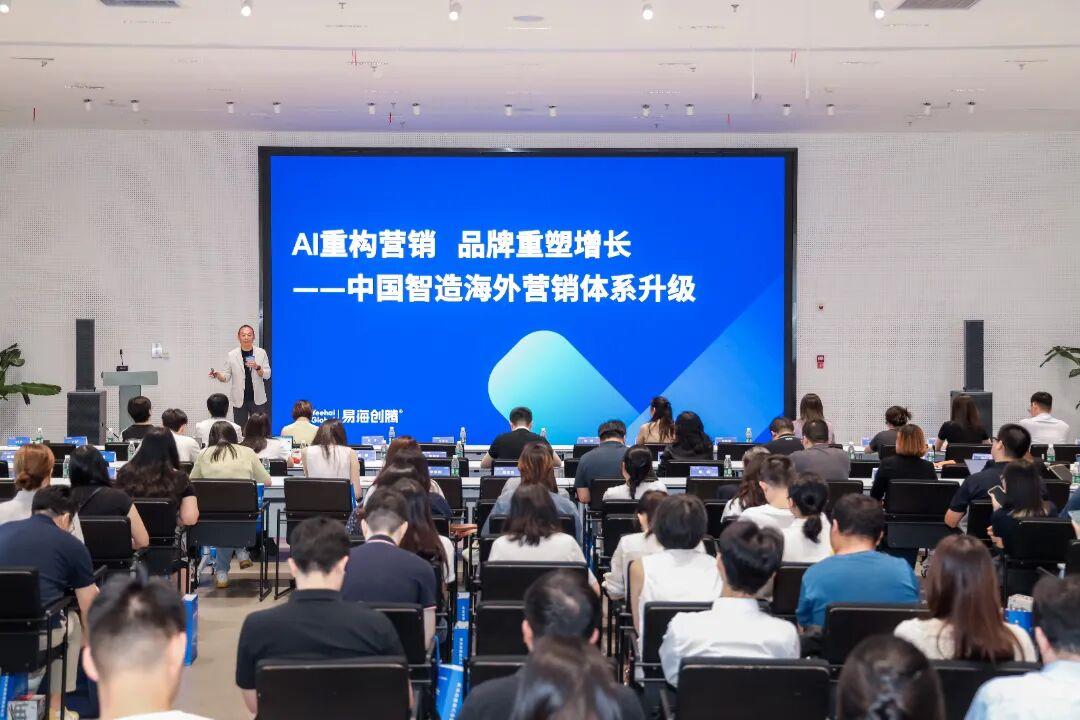
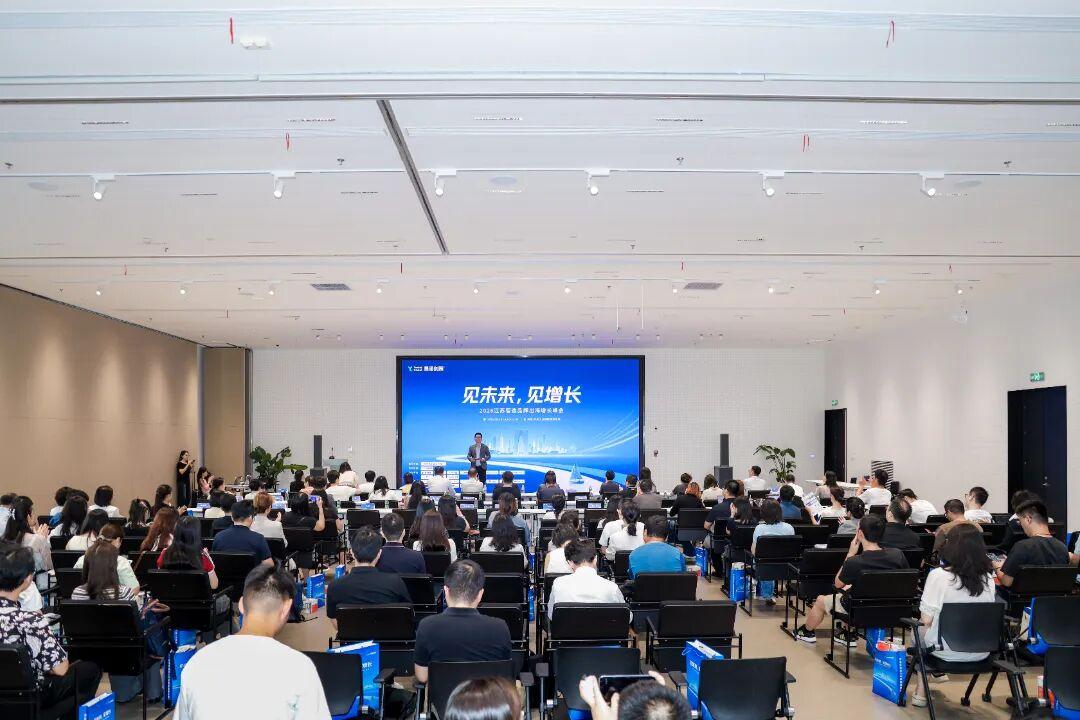
8月28日,由苏州市跨境电商工作专班指导、易海创腾主办的“见未来,见增长——2026江苏智造品牌出海增长峰会”在苏州圆满举办。本次峰会由苏州工业园区城市重建有限公司、Google Ads(谷歌)、Yandex(央捷科斯)、LinkedIn(领英)、苏州跨境电商卖家俱乐部、苏州市跨境电商产业发展有限公司、径硕科技、泰隆银行、连连支付等单位共同协办,汇聚政府机构、全球头部平台、服务生态伙伴及江苏智造企业代表等近300人到场参会,共同探讨B2B品牌出海的增长新路径。

YOUN9403.jpg

图:见未来,见增长——2026江苏智造品牌出海增长峰会现场

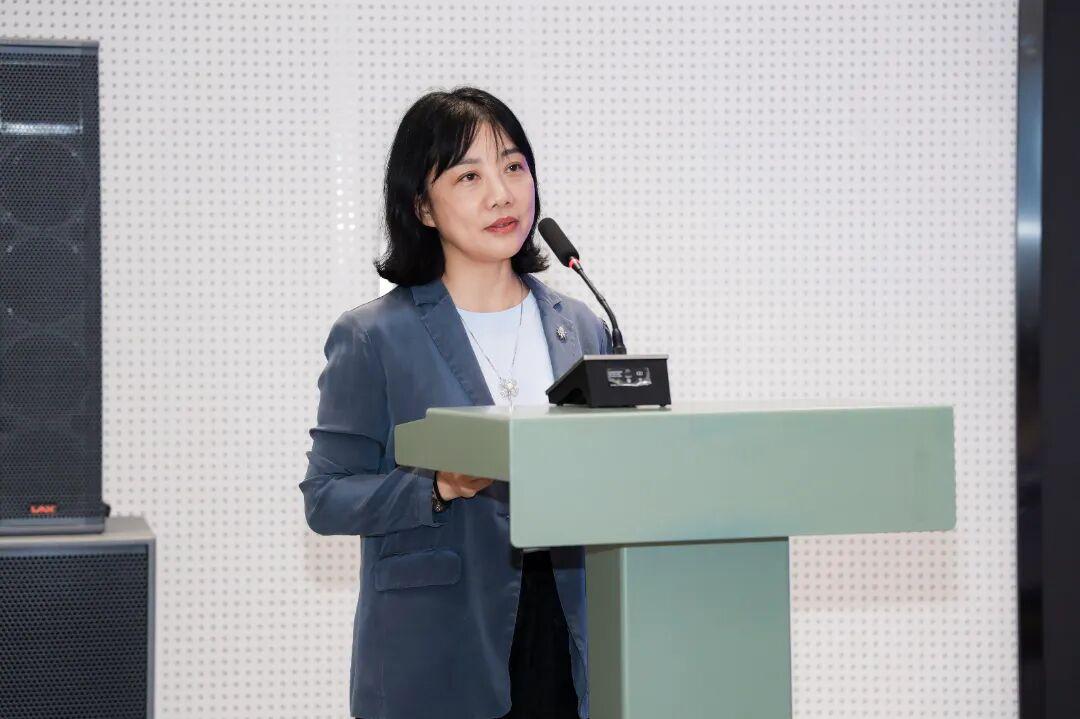
活动开场,苏州市商务局副局长周晴在致辞中指出,当前全球贸易正经历数字化变革,海外市场竞争已从产品和价格比拼,延伸至品牌塑造与本土化运营能力的综合较量。苏州制造业基础扎实,推动企业从“产品出海”迈向“品牌出海”,是外贸高质量发展的重要路径。近年来,苏州持续完善品牌出海产业生态,在政策支持、资源对接、生态搭建与服务保障等方面为企业赋能。周晴表示:“希望广大企业把握AI全球化机遇,用好数字化工具,深耕目标市场,讲好中国智造、苏州制造的品牌故事;苏州市商务局将进一步优化服务供给、集聚优质资源,支持企业运用数字化工具深耕海外市场,推动更多苏州企业提升全球品牌影响力。”

图片

图:苏州市商务局副局长周晴

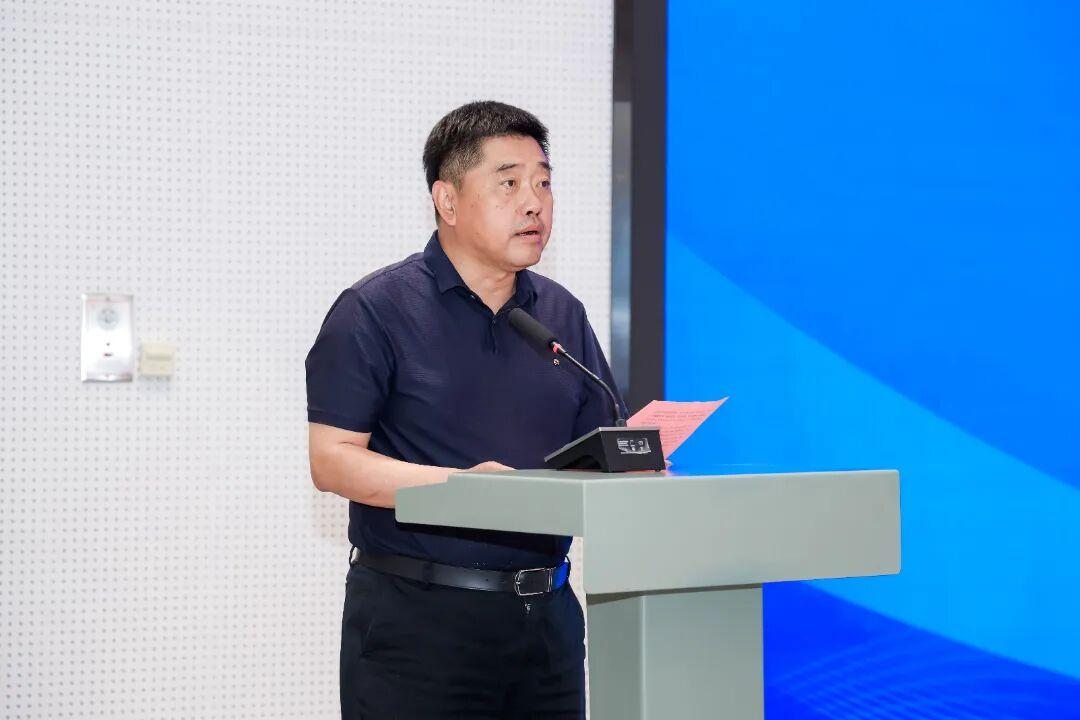
苏州工业园区党工委委员、管委会副主任沈磊在致辞中表示:“苏州工业园区正依托‘2+4+1’现代产业体系,加快推动本土智造企业从‘产品出海’向‘品牌出海’迈进。下一步,园区将持续完善跨境电商和企业出海全链条服务体系,深化产教融合、强化人才培育,联动优质生态伙伴打通市场、技术、人才与资源通道,为企业全球化发展筑牢底座,推动全球资源与企业需求精准对接,助力更多江苏智造品牌把握AI机遇、深耕海外市场、实现更高质量发展。”

图片

苏州工业园区党工委委员、管委会副主任沈磊

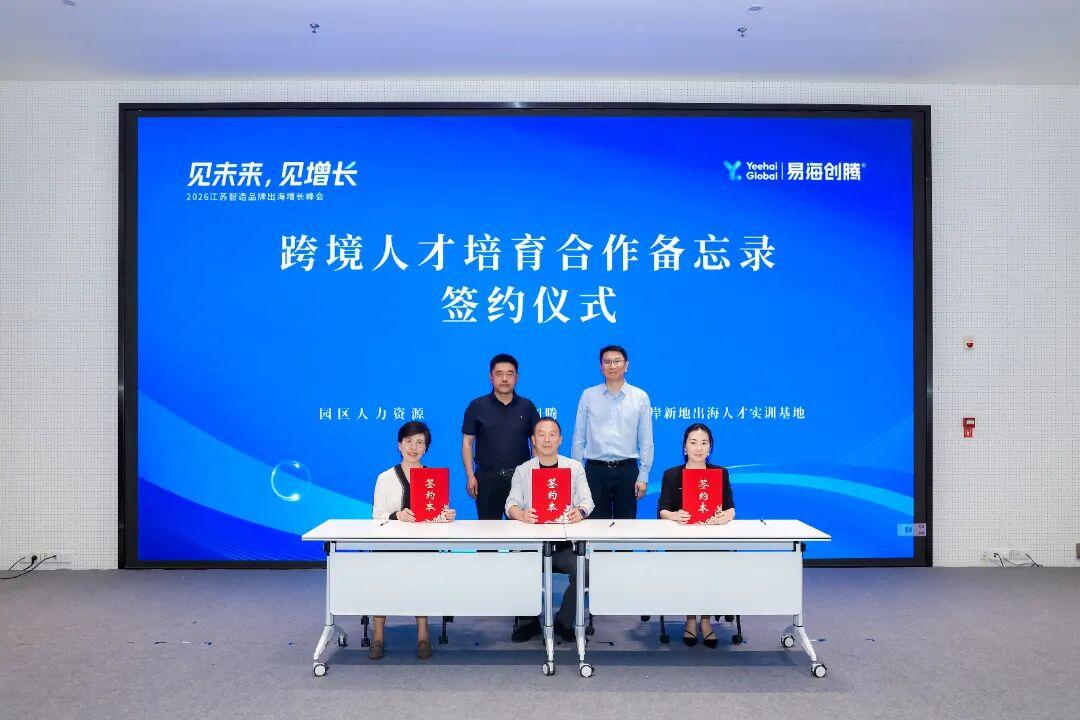
峰会现场举行了“跨境人才培育合作备忘录”签约仪式。苏州工业园区人力资源开发有限公司、易海创腾与南岸新地出海人才实训基地三方携手签约,将围绕跨境B2B行业人才培养、实践训练及就业服务开展合作,为苏州企业全球化发展持续输送专业人才,进一步夯实区域跨境人才基础。

图片

图:跨境人才培育合作备忘录签约仪式

在主题分享环节,易海创腾创始人兼CEO王志龙带来《AI重构营销,品牌重塑增长——中国智造企业海外营销体系升级》主题演讲。王志龙认为,AI正在重构B2B采购决策链与营销入口,企业面临的并非传统渠道失效,而是客户的搜索入口与品牌推荐规则发生了根本变化。从关键词搜索、人工筛选,到AI场景对话、信任推荐,品牌能否被AI识别、理解并主动推荐,正成为影响海外获客与增长的关键。围绕这一趋势,王志龙提出企业应加快海外布局GEO(生成式引擎优化),通过真实、专业、结构化的品牌内容和多渠道信任背书,持续沉淀全球数字资产,提升品牌在AI搜索与全球数字生态中的可见度与可信度。

王志龙表示:“AI时代的品牌出海,不是简单追逐一次流量红利,而是重构一套能够被全球市场持续看见、信任和选择的增长体系。中国智造既要凭借产品与技术走向世界,更要通过系统化品牌建设,成为全球客户心中值得信赖的选择。”他还强调,企业需从单一产品推广迈向全链路营销,打通市场洞察、品牌定位、内容营销、精准获客与客户运营,构建面向长期增长的全球营销体系。易海创腾也将持续探索GEO在品牌出海中的应用,帮助中国企业积累长期的全球品牌资产,在生成式搜索与AI推荐成为重要信息入口的背景下,建立更稳定、更具持续性的海外品牌认知。

图片

图:易海创腾创始人兼CEO王志龙

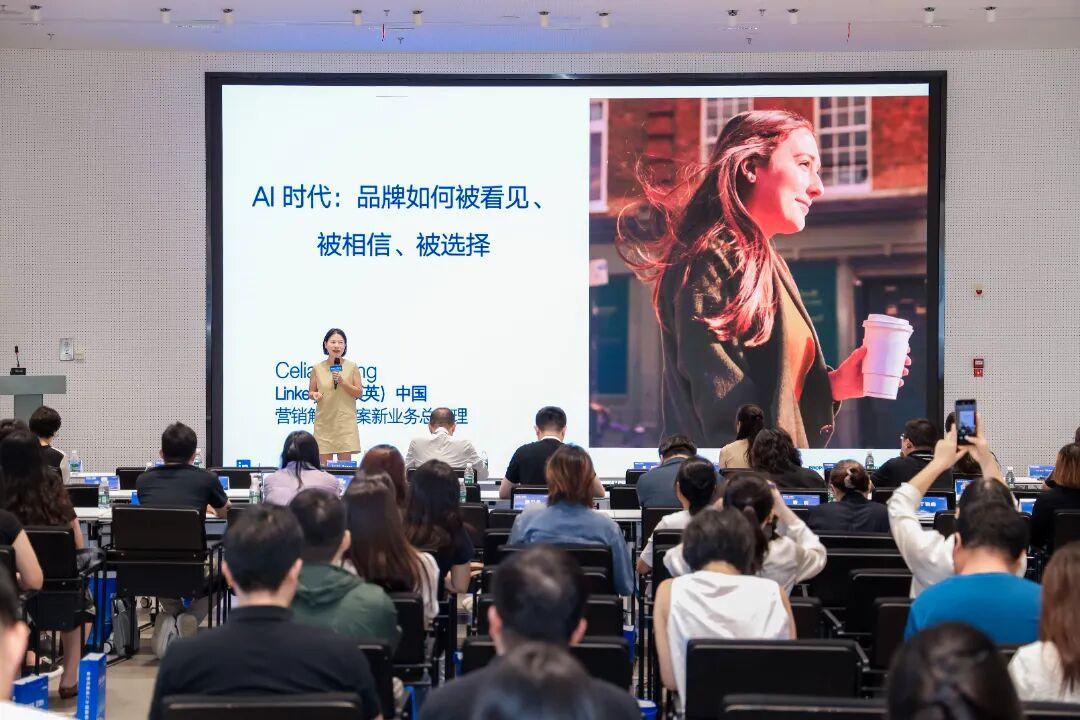
LinkedIn(领英)中国营销解决方案新业务总经理黄浩以《AI时代,品牌如何被看见,被相信,被选择》为题,分享了AI时代B2B品牌信任建设的新逻辑。黄浩表示:“B2B买家的决策路径正在经历前移:根据LinkedIn(领英)相关研究显示,高达94%的采购团队在与销售沟通前,已开始使用大语言模型(LLMs)研究解决方案,B2B买家采用AI搜索的速度是消费者的3倍。传统的‘搜索结果’正快速向‘AI推荐’转变。”

针对“零点击搜索”趋势,黄浩强调:“AI引用谁,谁就代表行业答案。” 品牌须提升在大模型中的“被引用概率”。数据显示,LinkedIn(领英)已成为主流AI平台在回答专业类问题时引用频次最高的网站之一,是AI眼中最值得信任的“品牌可信内容库”。黄浩总结道,AI时代出海竞争的本质,是“被AI选择”的竞争。中国企业需布局AI可引用内容、强化品牌权威,并借助领英平台的精准营销生态,方能构建起长期的全球获客闭环。

图片

图:LinkedIn营销解决方案新业务总经理黄浩

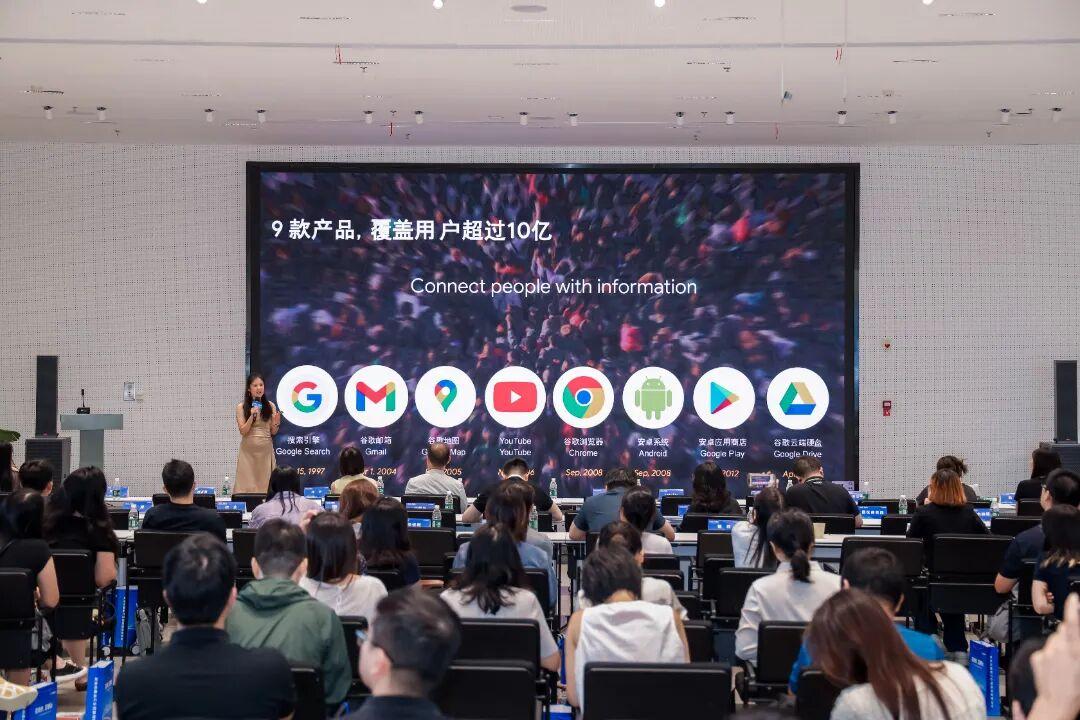
谷歌大中华区新客户业务部华东负责人樊纾带来《Google赋能中国企业利用AI提效增收》主题分享。樊纾提到,随着Gemini等多模态大模型持续升级,AI正深度重塑用户搜索、信息获取与商业决策路径。依托搜索、YouTube、Gmail、Google Maps等丰富生态,Google正帮助企业更早识别用户需求,以更精准的方式连接全球潜在客户。

针对新能源储能、工业机器人与智能制造等出海趋势,樊纾认为,中国出海企业应把握AI带来的营销变革,一方面通过海外GEO(生成式引擎优化)沉淀品牌权威与可信内容,提升在AI搜索答案中的可见度;另一方面借助AI Max、PMax、Demand Gen等智能营销工具,覆盖搜索、视频、展示等多元触点,实现从品牌曝光到线索转化的协同增长。她表示:“Google AI+ You,就是企业增长的放大器。”未来,AI将帮助更多中国企业降低创意生产与营销运营门槛,在全球市场实现高质量提效增收。

图片

图:谷歌大中华区新客户业务部华东负责人樊纾

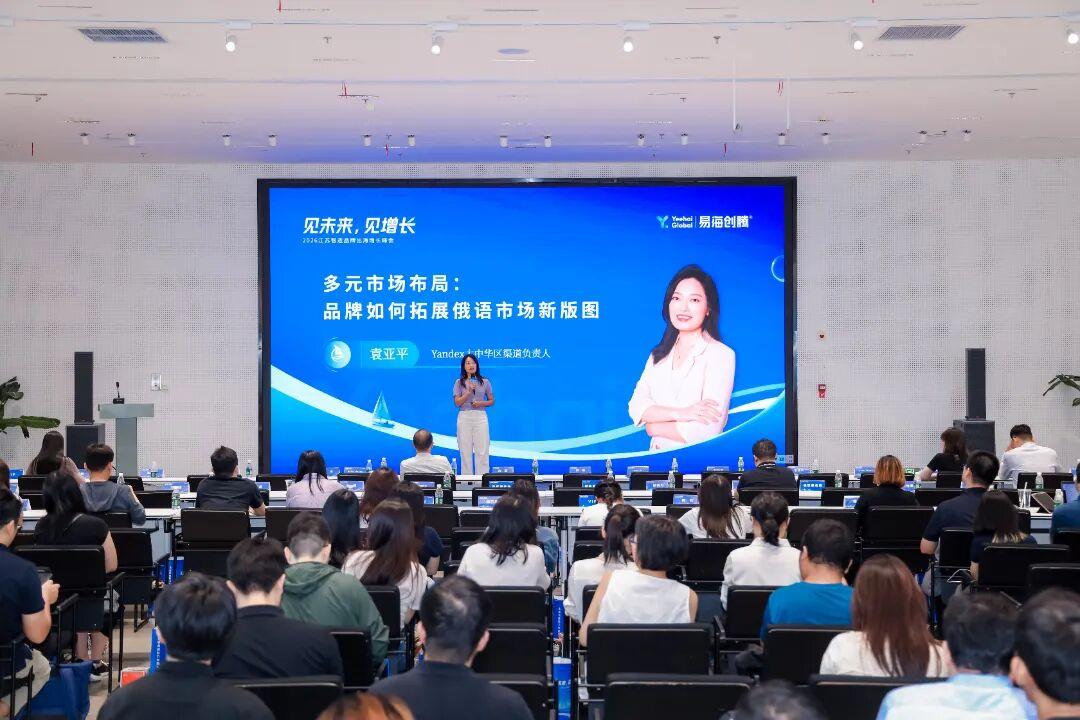
Yandex大中华区渠道负责人袁亚平以《多元市场布局:品牌如何拓展俄语市场新版图》为题,分享了俄语市场的机会与本地化经营思路。基于Yandex覆盖俄罗斯及中亚地区的本地化生态数据,她围绕平台生态、市场趋势及采购行为展开分享。袁亚平介绍,Yandex已不仅是搜索平台,更是覆盖搜索、地图、出行、资讯、邮件等90余项业务的数字生态,可为企业洞察本地市场、开展精准营销提供数据支撑。俄语地区B2B买家普遍重视供应商可信度,采购过程中往往经历多轮咨询与比价。

袁亚平表示:“随着俄罗斯市场进入品牌深耕阶段,企业竞争正从产品竞争延伸至品牌与服务能力的综合竞争。本地化网站建设、俄语沟通能力与响应效率,均是影响客户信任和成交转化的关键因素。中国企业可借助Yandex网盟、搜索广告、再营销及数据分析工具,构建覆盖品牌曝光、需求获取与线索转化的全链路营销体系,在俄语市场建立长期竞争优势。”

图片

图:Yandex大中华区渠道负责人袁亚平

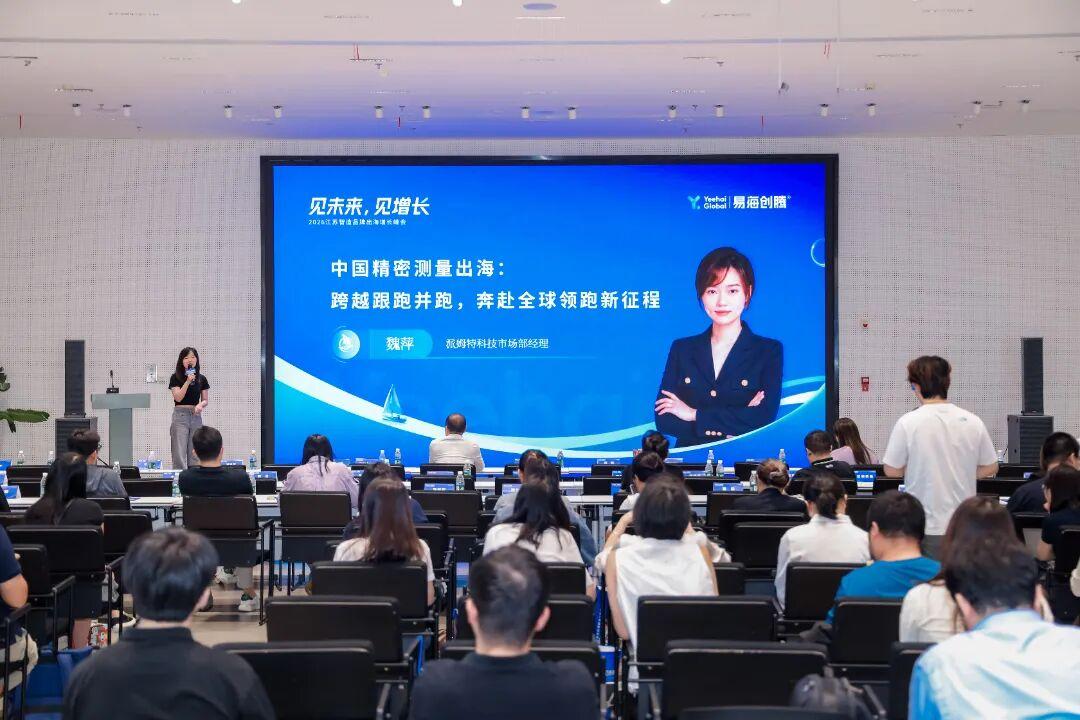
派姆特科技市场部经理魏萍带来《中国精密测量出海:跨越跟跑并跑,奔赴全球领跑新征程》主题分享。魏萍结合派姆特在三维测量领域的全球化实践表示,技术自主只是出海的起点,品牌全球化还需要系统化的本地化营销与服务能力支撑。企业应从本地化独立站建设出发,协同布局SEO与GEO,通过专业内容、权威信源及LinkedIn等渠道沉淀品牌影响力,并完善服务响应与客户运营机制,让技术实力真正转化为长期的全球竞争力。

图片

图:派姆特科技市场部经理魏萍

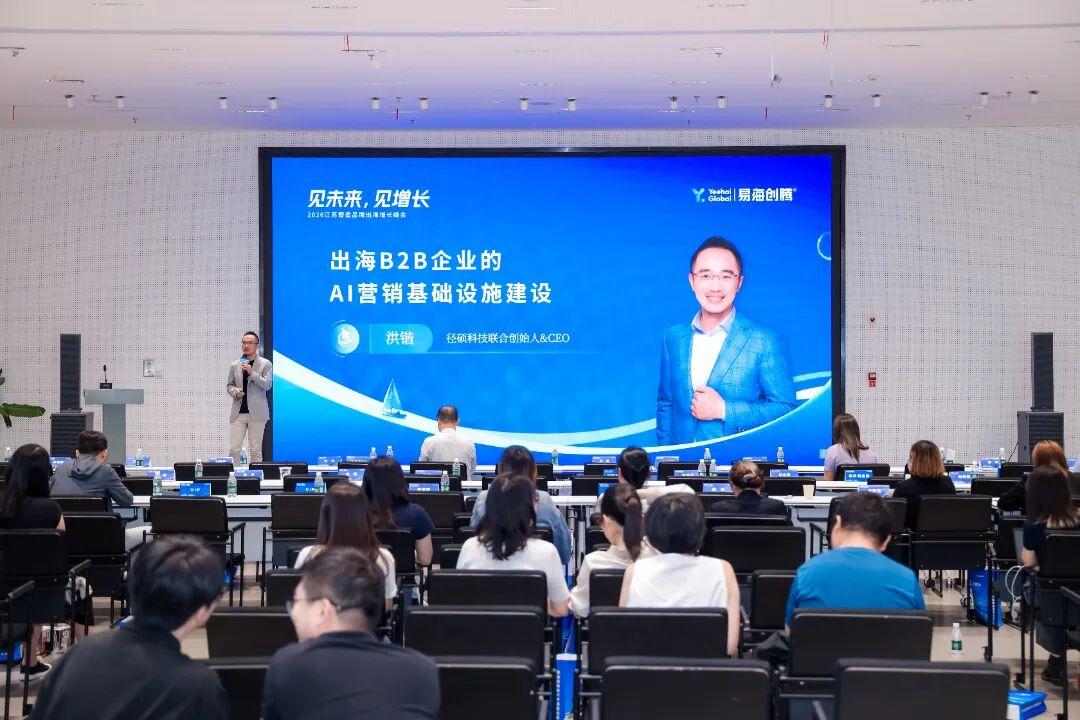
径硕科技联合创始人兼CEO洪锴带来《出海B2B企业的AI营销基础设施建设》主题分享。他认为,制造企业出海的核心挑战,在于品牌曝光、线索承接与数据运营之间的链路断裂。企业应构建“品牌门面、全渠道触点、AI智能承接”三位一体的营销基础设施:以获客型官网、LinkedIn运营和GEO提升品牌可见度,以营销自动化实现线索分层培育,并借助AI智能体提供多语言、跨时区的即时响应,推动营销与销售协同,形成可持续优化的增长闭环

图片

图:径硕科技联合创始人兼CEO洪锴

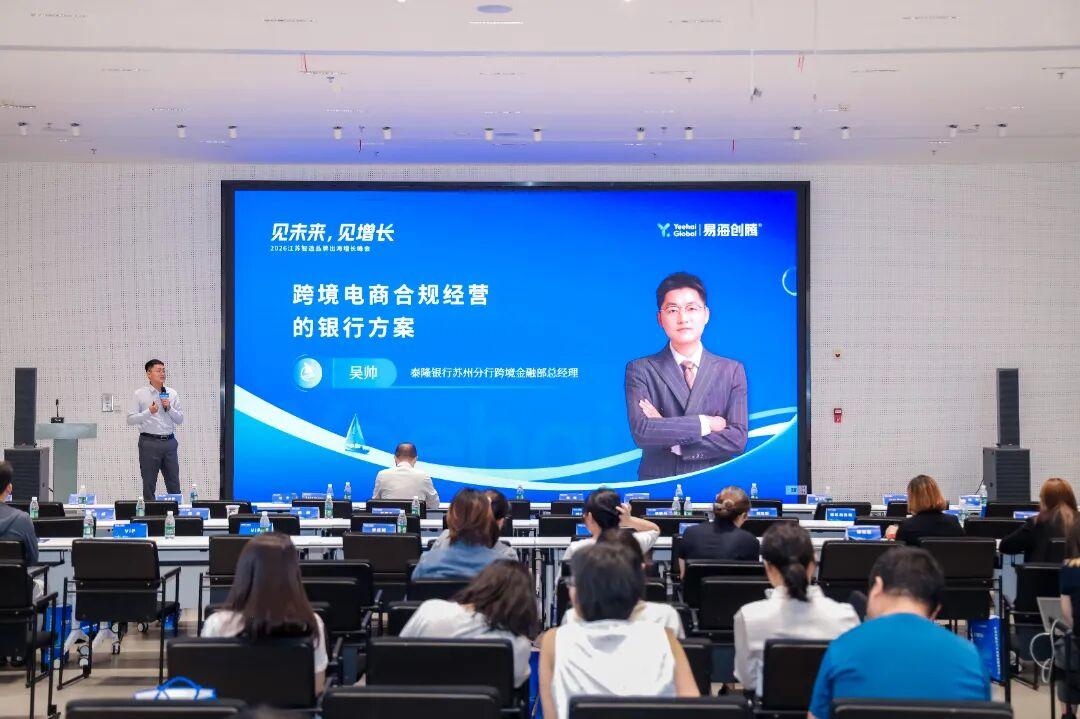
泰隆银行苏州分行跨境金融部总经理吴帅带来《跨境电商合规经营的银行方案》主题分享。他表示,跨境电商企业在出海过程中普遍面临支付、融资及汇率管理等难题,同时还需应对税务与资金合规要求。针对这些痛点,他从一体化收付汇、合规架构及金融服务等方面,分享银行支持跨境企业稳健经营的实践思路,帮助企业完善资金管理、降低经营风险,更好应对海外市场拓展中的挑战。

图片

图:泰隆银行苏州分行跨境金融部总经理吴帅

从全球平台的趋势洞察,到企业一线的实战经验;从AI营销技术的落地应用,到跨境人才与金融服务的生态配套,本次峰会为江苏智造企业搭建了一个链接资源、交流方法、共谋增长的高价值平台,也进一步凝聚了江苏智造企业品牌出海的共识。作为一家专注于赋能中国企业出海的数字营销专业咨询机构,易海创腾长期深耕出海营销领域,致力于为中国出海企业提供涵盖海外广告投放、海外品牌站营销、海外社媒营销、泛俄语区与小语种营销、SEO与GEO等一站式出海数字营销解决方案。同时,易海创腾持续通过“创腾出海大讲堂”直播栏目,链接全球平台与行业专家,分享出海趋势与实战经验。自2024年推出以来,栏目已形成常态化直播模式,年均开展200+场直播,累计观看人次超过150万,成为业内具有广泛影响力的出海营销实战学习平台。

目前,易海创腾已成功助力超过4000家中国企业在海外市场树立独特品牌形象,实现可持续增长,服务覆盖中国头部电商、文旅、OTA、新能源、3C电子、智能制造、汽车等多元赛道,并在全球布局包括广州、深圳、杭州、上海、香港、中山、佛山、厦门、武汉、苏州、无锡、南昌、青岛、金华、台州、加拿大多伦多、美国亚特兰大、美国洛杉矶以及德国汉诺威在内的20个办公室,构建起 “深入本地、融入全球” 的国际化服务网络。

见未来,方能把握增长;见增长,更需长期深耕。未来,易海创腾将持续聚焦企业出海营销,围绕不同行业、不同发展阶段企业的实际需求,不断完善从全球市场洞察、品牌定位到本地化营销落地的全链路服务能力,联动全球头部平台与生态伙伴,助力更多中国智造被世界看见、被市场相信、被全球选择,实现更加稳健、更具韧性的全球化发展。

注:文/龚作仁,文章来源:Laborer,本文为作者独立观点,不代表亿邦动力立场。

文章来源:Laborer

广告
微信
朋友圈

FAQ回顾

AI时代B2B品牌出海的核心关键是什么?

AI时代B2B采购决策链与营销入口正被重构,客户搜索入口与品牌推荐规则发生根本变化,品牌能否被AI识别、理解并主动推荐成为海外获客增长的核心。企业应加快布局GEO(生成式引擎优化),沉淀结构化品牌内容与信任背书,提升在AI搜索生态中的可见度与可信度。

易海创腾是做什么的?

易海创腾是专注赋能中国企业出海的数字营销专业咨询机构,提供海外广告投放、品牌站营销、社媒营销、小语种营销、SEO与GEO等一站式出海数字营销解决方案,已助力超4000家中国企业在海外树立品牌,目前在全球布局20个办公室,服务覆盖多个出海赛道。

俄语市场B2B出海要注意什么?

俄语地区B2B买家普遍重视供应商可信度,采购会经历多轮咨询比价,当前市场已进入品牌深耕阶段,企业竞争已延伸至品牌与服务能力的综合比拼。企业需重视本地化网站建设、俄语沟通能力与响应效率,可借助Yandex生态的营销工具构建全链路营销体系,建立长期竞争优势。

B2B出海企业面临的核心营销挑战是什么?

制造类B2B出海企业核心挑战在于品牌曝光、线索承接与数据运营之间的链路断裂,可构建“品牌门面、全渠道触点、AI智能承接”三位一体的营销基础设施,以GEO等方式提升品牌可见度,以营销自动化实现线索分层培育,借助AI智能体实现跨时区响应,形成可持续增长闭环。

这么好看,分享一下?

朋友圈 分享

APP内打开

赞 +1
+1
微信好友 朋友圈 新浪微博 QQ空间
关闭
收藏成功
发送
/140 0