广告
加载中

从进入俄罗斯到全域履约:Ozon中国区Charles将出席2026品牌供应链创新私董会

亿邦会展 2026-08-26 15:12
亿邦会展 2026/08/26 15:12

邦小白快读

EN
全文速览

本文核心是预告Ozon中国区高管将出席2026品牌供应链创新私董会,分享中国企业进入俄语区电商市场的实操干货,核心信息整理如下:

1. 活动信息:8月28日该私董会将在杭州举办,Ozon中国区高级品牌招商经理Charles将做主题演讲,分享俄罗斯市场机会、平台规则和物流履约模式。

2. 市场基础信息:俄罗斯有约1.46亿人口,2025年电商渗透率约24%,预计2027年还会进一步提升,加上周边哈萨克斯坦等国,整个区域电商发展空间较大。

3. 实操干货:Ozon给中国卖家提供自发货、FBP半托管两种履约模式,自发货适合测款降低备货压力,FBP适合稳定经营提升交付时效,2026年平台还将扩展仓网开放退货二次销售能力。

本文针对想要出海的中国品牌,梳理了俄语区市场的发展机会和品牌运营相关干货,具体总结如下:

1. 消费与市场趋势:俄罗斯及周边俄语区电商仍保持增长,消费需求集中在电子产品、时尚美妆、家居用品、母婴玩具四大类目,正好匹配中国品牌的供应链优势,给中国品牌提供了不同于欧美市场的出海新选择。

2. 渠道与营销支持:Ozon2026年将重点发展上述四大类目,针对中国原创品牌,平台会提供整合营销方案,帮助品牌拓展俄语区市场,打开新的增长空间。

3. 运营提示:品牌进入新市场不能直接照搬国内模式,需要根据当地消费者偏好调整选品、定价,结合自身发展阶段选择适配的履约模式,逐步从商品销售转向品牌建设,获得长期稳定增长。

本文给布局跨境的中国卖家梳理了俄语区的增长机会和Ozon最新平台政策,提示了机会与风险,具体内容如下:

1. 增长机会:当前欧美成熟市场竞争激烈,俄罗斯及周边俄语区电商仍处于增长阶段,市场供给缺口大,中国卖家在电子、服装、家居、汽摩配、母婴等多个品类具备完整产业链优势,可获得新的增量空间。

2. 最新平台政策:Ozon2026年将扩展FBP仓和退货仓,向中国卖家开放退货及二次销售能力,同时要求部分电子产品新卖家先走FBP模式入库销售,保障合规性和消费者权益。

3. 实操提示:新手卖家可以选择自发货模式,减少前期备货压力测试市场需求,稳定经营后可转FBP模式提升物流时效,获得更多曝光,同时要注意和供应链配合,控制库存和物流成本,应对市场变化。

本文给中国产业带工贸工厂,提供了出海新的商业机会和数字化电商转型的启示,具体总结如下:

1. 商业机会:俄罗斯及周边俄语区电商市场快速增长,当地对电子、家居、工具、汽摩配、服装等多种品类需求旺盛,中国工厂在这些品类已经形成完整的产能和供应链优势,Ozon2026年深入对接中国产业带,直接连接工厂和俄语区市场,给工厂带来新的业务方向。

2. 生产经营启示:工厂出海不能直接把国内商品搬到线上,需要结合当地消费者需求调整产品设计和定价,同时根据自身业务阶段选择履约模式,初期用自发货测试市场需求,降低库存风险,业务稳定后转FBP半托管提升交付体验。

3. 转型启示:工厂做跨境出海,需要和平台、供应链服务商紧密协同,配合完成备货、仓储、运输、履约全链路环节,在控制成本的同时提升消费者体验,才能实现稳定经营。

本文梳理了俄语区跨境电商的发展趋势,以及中国卖家出海的核心痛点,给跨境服务商指明了新的业务方向,具体总结如下:

1. 行业发展趋势:当前中国出海企业纷纷开拓新市场,俄罗斯等俄语区成为新的增长热点,大量中国品牌、工贸工厂都有布局需求,带动了跨境仓储、物流、履约相关服务的需求增长,行业整体还有较大发展空间。

2. 客户核心痛点:中国卖家进入俄语区市场,核心痛点集中在物流履约环节,不同发展阶段的卖家需求不同,新手怕备货压力,成熟卖家需要稳定的交付时效,同时卖家还需要解决退货、库存管控相关问题。

3. 解决方案方向:服务商需要针对卖家不同阶段的需求,提供灵活的服务,对接平台的自发货和半托管模式,提供适配的备货、跨境运输、仓储、订单履约、退货处理服务,和平台、卖家形成全链路协同,帮助卖家控制成本提升消费者体验。

本文分享了Ozon针对中国卖家出海的最新平台策略,给跨境平台的招商、运营提供了参考经验,具体总结如下:

1. 商家核心需求:不同类型中国商家需求差异明显,原创品牌需要市场拓展和营销支持,工贸工厂需要直接对接市场的渠道,初创商家需要降低入门风险,成熟商家需要稳定运营的支持,平台需要匹配不同需求提供差异化服务。

2. Ozon最新运营做法:2026年Ozon明确重点招商品类为电子产品、时尚美妆、家居、母婴,针对不同商家提供不同支持,扩展FBP仓和退货仓,开放退货二次销售能力,针对电子产品新卖家要求FBP入库,保障合规和消费者权益。

3. 运营管理启示:平台需要联动品牌和供应链服务商,打造协同的全链路服务体系,覆盖商家从测款出单到品牌建设的全周期需求,解决商家遇到的履约、流量、合规问题,才能提升商家的经营稳定性和平台吸引力。

本文呈现了当前中国跨境电商产业的新动向,以及俄语区出海的新商业模式,给产业研究提供了新的内容,具体总结如下:

1. 产业新动向:在欧美成熟市场竞争加剧、不确定性增加的背景下,俄罗斯等俄语区成为中国出海企业的新选择,该区域电商渗透率仍在提升,市场空间大,需求结构正好匹配中国的供应链优势,已经成为中国跨境出海新的增长点。

2. 新商业模式探索:当前针对中国商家出海俄语区,已经探索出差异化的履约服务模式,通过自发货满足新手商家测款降本的需求,通过FBP半托管满足成熟商家稳定运营的需求,同时平台针对不同类型商家提供差异化支持,联动供应链服务商形成全链路协同。

3. 需要进一步研究的问题:中国企业进入俄语区市场,仍然需要解决产品适配、定价竞争力、物流履约稳定性、合规经营等问题,如何打通平台、品牌、供应链三方的协同,保障企业稳定经营,是后续产业研究需要关注的方向。

返回默认
声明:快读内容全程由AI生成,请注意甄别信息。如您发现问题,请发送邮件至 run@ebrun.com 。

我是 品牌商 卖家 工厂 服务商 平台商 研究者 帮我再读一遍。

Quick Summary

This article is centered on announcing that an Ozon China executive will speak at the 2026 Private CEO Meeting on Brand Supply Chain Innovation, where he will share practical insights for Chinese businesses entering the Russian-speaking e-commerce market. Key takeaways are as follows:

1. Event details: The private meeting will be held in Hangzhou on August 28. Charles, Senior Brand招商 Manager of Ozon China, will deliver a keynote speech covering market opportunities in Russia, platform rules and logistics fulfillment models.

2. Basic market data: Russia has a population of around 146 million, with e-commerce penetration projected to reach 24% in 2025, and expected to grow further by 2027. Including neighboring markets like Kazakhstan, the entire region offers substantial room for e-commerce growth.

3. Practical insights: Ozon offers Chinese sellers two fulfillment models: cross-border self-delivery and FBP semi-consignment. Self-delivery is ideal for product testing to reduce inventory pressure, while FBP suits established operations to boost delivery speed. In 2026, the platform will expand its warehouse network and open up returns and resale capabilities.

This article summarizes growth opportunities and practical operational insights for Chinese brands looking to expand into Russian-speaking markets, as below:

1. Consumer and market trends: E-commerce in Russia and surrounding Russian-speaking regions continues growing, with consumer demand concentrated in four major categories: electronics, beauty and fashion, home goods, and mother and baby products. These categories align perfectly with the supply chain advantages of Chinese brands, offering a new alternative overseas market distinct from Europe and North America.

2. Channel and marketing support: Ozon will prioritize developing the four categories mentioned above in 2026. For original Chinese brands, the platform provides integrated marketing solutions to help brands enter the region and unlock new growth.

3. Operational tips: Brands cannot directly replicate their domestic business models when entering a new market. They need to adjust product selection and pricing to match local consumer preferences, select a fulfillment model aligned with their growth stage, and gradually shift from product sales to brand building to achieve long-term, stable growth.

This article outlines growth opportunities in Russian-speaking regions and the latest platform policies from Ozon for cross-border Chinese sellers, highlighting both opportunities and risks:

1. Growth opportunities: Mature markets in Europe and North America are already highly competitive, while e-commerce in Russia and surrounding Russian-speaking regions is still growing with large unmet supply gaps. Chinese sellers hold full industrial chain advantages across categories including electronics, apparel, home goods, automotive parts, and mother and baby products, allowing them to capture new incremental growth.

2. Latest platform policies: In 2026, Ozon will expand its FBP warehouses and return warehouses, opening up returns and resale capabilities for Chinese sellers. It will also require new electronics sellers to use the FBP model for warehousing and sales to ensure compliance and protect consumer rights.

3. Practical tips: New sellers can start with the self-delivery model to cut inventory pressure when testing market demand, and switch to the FBP model once operations stabilize to improve delivery speed and gain more platform exposure. Sellers should also coordinate closely with their supply chains to control inventory and logistics costs to adapt to market changes.

This article outlines new cross-border business opportunities and insights for digital e-commerce transformation for Chinese manufacturing and trading factories in industrial clusters:

1. Business opportunities: The e-commerce market in Russia and surrounding Russian-speaking regions is growing rapidly, with strong local demand for electronics, home goods, tools, automotive parts, apparel and other categories where Chinese factories already have established production capacity and supply chain advantages. In 2026, Ozon will deepen partnerships with Chinese industrial clusters, directly connecting factories to Russian-speaking markets and opening up new business lines for manufacturers.

2. Production and operation insights: Factories cannot simply upload their existing domestic products to sell online. They need to adjust product design and pricing to match local consumer demand, and select a fulfillment model based on their business stage: start with self-delivery to test market demand and reduce inventory risk, then switch to FBP semi-consignment to improve customer experience once operations stabilize.

3. Transformation insights: For factories going cross-border, close collaboration with the platform and supply chain service providers is required to cover the full process of stock preparation, warehousing, shipping and order fulfillment. This allows factories to control costs while improving customer experience, enabling stable long-term operations.

This article summarizes growth trends of cross-border e-commerce in Russian-speaking regions and core pain points for Chinese sellers going overseas, pointing to new business opportunities for cross-border service providers:

1. Industry growth trends: As more Chinese overseas businesses look to expand into new markets, Russian-speaking regions have emerged as a new hotspot for growth. A large number of Chinese brands and industrial factories are looking to enter the region, driving rising demand for cross-border warehousing, logistics, and fulfillment services. The industry still has substantial room for development.

2. Core seller pain points: The biggest pain point for Chinese sellers entering Russian-speaking markets lies in logistics and fulfillment, and needs vary by business stage: new sellers are concerned about inventory pressure, while established sellers need stable delivery speed. Sellers also need solutions for returns and inventory management.

3. Solution direction: Service providers should offer flexible services tailored to sellers at different growth stages, adapt to the platform's self-delivery and semi-consignment models, and provide matching services for stock preparation, cross-border shipping, warehousing, order fulfillment, and returns processing. By building full-link collaboration with platforms and sellers, service providers can help sellers control costs and improve end customer experience.

This article shares Ozon's latest platform strategy for Chinese sellers, offering reference insights for business recruitment and operation for cross-border platforms:

1. Core merchant needs: Different types of Chinese merchants have distinct needs: original brands need market expansion and marketing support, industrial factories need direct access to the market, new entrants need to lower entry barriers, and established sellers need support for stable operations. Platforms need to provide differentiated services to match these varied needs.

2. Ozon's latest operational strategy: In 2026, Ozon will prioritize recruiting sellers in four core categories: electronics, beauty and fashion, home goods, and mother and baby products. It provides tailored support for different merchants, expands FBP warehouses and return warehouses to open up returns and resale capabilities, and requires new electronics sellers to use FBP warehousing to ensure compliance and protect consumer rights.

3. Operational management insights: Platforms need to partner with brands and supply chain service providers to build a collaborative full-link service system, covering the entire merchant lifecycle from product testing to brand building. By solving merchants' pain points around fulfillment, traffic and compliance, platforms can improve merchant operating stability and boost their own attractiveness to new sellers.

This article outlines new trends in China's cross-border e-commerce industry and new business models for expansion into Russian-speaking regions, offering new insights for industry research:

1. New industry trends: Against the backdrop of intensifying competition and growing uncertainty in mature European and North American markets, Russian-speaking regions have become a new destination for Chinese overseas businesses. E-commerce penetration in the region is still rising, with large market potential, and its demand structure perfectly matches China's supply chain advantages, making it a new growth engine for China's cross-border e-commerce sector.

2. Exploration of new business models: A differentiated fulfillment model has been developed for Chinese merchants entering Russian-speaking regions: self-delivery meets the needs of new merchants for product testing and cost reduction, while FBP semi-consignment meets the needs of established merchants for stable operations. The platform also provides differentiated support for different merchant types and builds full-link collaboration with supply chain service providers.

3. Topics for further research: Chinese businesses entering Russian-speaking markets still face unresolved challenges around product adaptation, pricing competitiveness, logistics fulfillment stability and compliance operation. How to build effective collaboration between platforms, brands and supply chains to support stable business operations remains a key direction for future industry research.

Disclaimer: The "Quick Summary" content is entirely generated by AI. Please exercise discretion when interpreting the information. For issues or corrections, please email run@ebrun.com .

I am a Brand Seller Factory Service Provider Marketplace Seller Researcher Read it again.

对中国品牌而言,俄罗斯市场正在提供一种不同于欧美成熟市场的出海选择。

当地电商市场保持增长,消费者对电子产品、时尚美妆、家居用品和母婴玩具等品类的线上需求不断释放,中国品牌与产业带企业也具备相应的产品和供应链基础。

但进入一个新市场,并不只是把国内商品搬到海外平台。市场环境、平台规则、消费者偏好和物流基础设施都在发生变化。品牌既要判断哪些商品适合当地市场,也要重新考虑定价、运营、备货和履约方式。

如何把市场机会转化为稳定经营,正在成为中国企业布局俄语区时需要回答的问题。

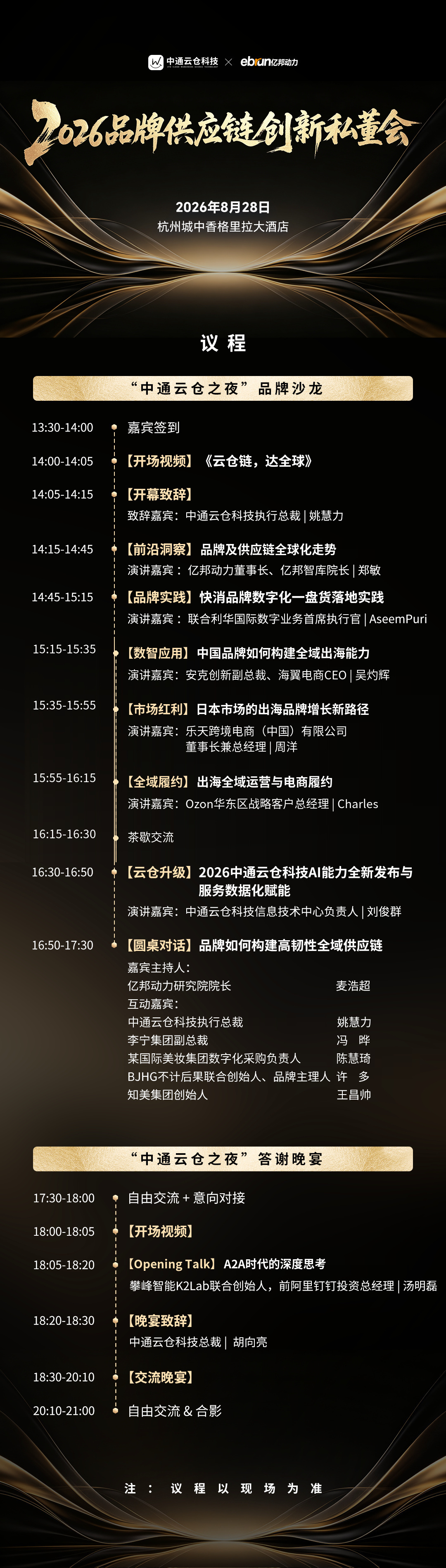
8月28日,由亿邦动力与中通云仓科技联合主办的“2026品牌供应链创新私董会暨‘中通云仓之夜’答谢晚宴”将在杭州城中香格里拉大酒店举行。Ozon中国区高级品牌招商经理Charles将在现场带来《奔赴俄系新征程 解锁跨境新增长》主题演讲。

他将结合俄罗斯电商市场变化、Ozon平台运营政策与中国品牌发展策略,介绍中国企业进入俄语区市场需要关注的经营机会、平台规则和物流履约模式。

01

俄罗斯市场的增长机会,来自怎样的消费与电商环境?

资料显示,俄罗斯拥有约1.46亿人口。2025年,俄罗斯电商渗透率约为24%,预计到2027年仍将进一步提升。

除俄罗斯外,哈萨克斯坦、白俄罗斯、乌兹别克斯坦等国的电商市场也处于不同的发展阶段。整个区域在人口规模、消费需求和电商基础设施方面呈现出较大的发展空间。

对中国企业而言,这一市场的吸引力不仅来自线上消费规模的增长,也来自产品供给与当地需求之间的连接机会。

从智能手机、电脑及消费电子产品,到服装、家居、工具、汽摩配和儿童用品,中国企业在相关品类中已经形成较为完整的产业链与商品供给能力。俄罗斯市场的渠道扩展,为中国原创品牌、国际品牌货盘以及产业带工贸企业提供了新的业务选择。

不过,市场空间并不等于经营结果。企业仍然需要判断自身产品是否符合当地需求,价格是否具备竞争力,以及商品能否通过稳定的物流方式及时送达消费者。

02

不同阶段的出海业务如何适配不同的履约模式?

物流履约是中国卖家进入俄罗斯市场时无法回避的环节。

目前,Ozon面向跨境商家提供自发货和FBP半托管两种主要模式。在自发货模式下,商家根据订单完成备货,并通过物流服务商将商品送往俄罗斯;在FBP模式下,商家提前将商品备入相应仓库,消费者下单后由Ozon完成后续履约。

两种模式对应不同的经营需求。

自发货能够减少前期备货压力,适合测试商品需求,但物流时效和单件运输成本需要重点评估;FBP则需要企业提前进行销量判断与库存准备,同时有助于缩短本地交付时间,为店铺的稳定经营提供支持。

Ozon在2026年继续扩展FBP仓和退货仓,并向中国卖家开放相关退货及二次销售能力。针对部分电子产品的新卖家,平台还要求先通过FBP模式完成实际商品入库和销售,以提高商品可追溯性,并维护消费者和合规商家的权益。

这些变化说明,跨境履约已经不只是把商品运送到消费者手中,还会直接影响商品曝光、价格竞争力、消费者评价及店铺的长期表现。

03

从商品出海到品牌经营,平台与供应链如何形成协同?

围绕中国业务,Ozon在2026年提出以商品丰富度与价格竞争力为主要发展方向,重点关注电子产品、时尚美妆、家居日用和母婴玩具四大类目。

对于不同类型的中国企业,平台也在探索相应的支持方式:帮助中国原创品牌拓展俄语区市场,为品牌提供整合营销方案;继续深入产业带,连接具备产品和制造能力的工贸企业;同时通过自发货与半托管等模式,为不同发展阶段的商家提供履约选择。

品牌进入俄语区之后,需要解决的问题也会从“如何卖出第一件商品”,逐步转向“如何获得稳定流量、保持价格竞争力、缩短物流时间并建立品牌认知”。

这要求平台、品牌与供应链服务商之间建立更紧密的协同关系。

平台提供市场入口、运营工具和本地消费者连接能力;品牌负责商品、价格与市场策略;供应链服务商则需要根据销售变化,支持备货、仓储、跨境运输和订单履约。只有这些环节形成配合,企业才能在控制库存和物流成本的同时,提升消费者体验。

在本次主题演讲中,Charles将基于Ozon的市场数据、平台政策和品牌发展计划,进一步介绍俄罗斯电商市场的机会,并分享中国企业如何选择运营与履约模式,逐步建立面向俄语区市场的经营能力。

8月28日,Ozon中国区高级品牌招商经理Charles将在2026品牌供应链创新私董会现场,与品牌企业及供应链伙伴共同探讨俄语区跨境业务的增长路径。

本文首发于 亿邦动力 官方网站

文章来源:亿邦动力

广告
微信
朋友圈

FAQ回顾

中国品牌出海俄罗斯市场有哪些机遇?

俄罗斯电商市场规模持续增长,2025年电商渗透率约24%,2027年仍将提升,哈萨克斯坦等俄语区国家电商也有较大发展空间。当地消费者对电子产品、时尚美妆、家居用品、母婴玩具等品类需求旺盛,中国相关品类产业链成熟,适配当地供给需求。

中国卖家在Ozon平台经营可选的履约模式有哪些?

Ozon面向跨境商家提供自发货和FBP半托管两种主要模式。自发货可减少前期备货压力,适合测试商品需求;FBP模式需商家提前备货入相应仓库,消费者下单后由Ozon完成后续履约,可缩短本地交付时间,助力店铺稳定经营。

Ozon2026年针对中国卖家的发展方向是什么?

Ozon2026年针对中国业务以商品丰富度与价格竞争力为核心发展方向,重点关注电子产品、时尚美妆、家居日用和母婴玩具四大类目,为不同发展阶段的商家提供自发货、半托管等多元履约选择,支持中国品牌拓展俄语区市场。

企业布局俄语区跨境电商要解决哪些核心问题?

企业布局俄语区跨境电商首先要判断商品是否适配当地消费需求、定价是否具备竞争力,再选择适配的运营及履约模式,后续还要解决稳定流量获取、物流时效提升、品牌认知建立等问题,需要平台、品牌、供应链三方协同配合才能实现长效经营。

这么好看,分享一下?

朋友圈 分享

APP内打开

+1
+1
微信好友 朋友圈 新浪微博 QQ空间
关闭
收藏成功
发送
/140 0