广告
加载中

淘宝闪购签约上海交大等多所高校 启动“登云工程”共建数字校园

龚作仁 2026-08-21 16:43
龚作仁 2026/08/21 16:43

邦小白快读

EN
全文速览

本文核心内容是淘宝闪购发力高校校园数字化服务,发布了全新战略,普通读者可从中了解校园服务升级的最新动向,以及自身能获得的实际利好。

1. 核心战略信息:8月淘宝闪购在杭州高校生态峰会上启动“登云工程”,未来3年投入10亿元资源,联合上海交通大学等多所高校推进校园信息化建设,同时推出“1+N”多元校园服务模式,配套发布“星火计划”赋能生态合作伙伴。

2. 落地成果与用户利好:目前平台已有4800万学生用户,经营权覆盖全国2000余所高校,多个模式已经跑通,学生不仅能获得更快更有保障的外卖服务,还能享受品牌便利店购物、勤工俭学岗位等多元服务,未来校园全场景服务会更加完善。

本文披露了高校校园消费市场的最新动向和全新渠道机会,品牌商可从中挖掘校园市场的布局方向,核心干货如下。

1. 市场潜力与渠道基础:第三方数据显示2030年高校校园消费市场空间预计超万亿元,校园是即时零售渗透率最高的场景之一,目前淘宝闪购已覆盖4800万学生用户、2000余所高校,用户心智保持行业领先,是品牌商布局校园市场的优质渠道。

2. 业态对接与政策支持:淘宝闪购的“1+N”模式开放了淘宝便利店、商业化营销、智能硬件等多元业态,品牌商可依托平台数字底座覆盖学生吃住行学多元需求;同时平台推出“星火计划”加大对伙伴的赋能力度,未来3年有10亿资源投入,品牌商可借力拓展校园用户。

本文给想要布局校园市场的卖家提供了明确的市场机会、平台政策和可参考的成熟模式,核心干货如下。

1. 市场与政策红利:高校校园消费市场未来规模预计超万亿元,是即时零售渗透率最高的场景,政策层面教育部等五部门推动“人工智能+教育”,加速后勤社会化智能化发展,赛道红利明确。

2. 平台扶持政策:淘宝闪购将高校业务作为长期战略方向,未来3年投入10亿元资源推进“登云工程”,还发布“星火计划”对生态合作伙伴加大投入和系统化赋能,开放AI技术、阿里生态等资源支持业务落地。

3. 成熟可复制模式:“1+N”模式已经在多所高校跑通,卖家可依托外卖底座拓展多元业务,降低落地风险。

本文为想要对接校园市场的工厂提供了新的商业机会和数字化转型方向,核心干货如下。

1. 明确的市场机会:高校校园消费市场未来规模将超万亿元,学生需求覆盖吃住行学全场景,非食快消、百货、智能硬件等需求旺盛,比如杭州滨江大学城淘宝便利店非食快消和百货占比高达40%,给对应品类工厂提供了稳定的校园渠道入口。

2. 清晰的合作方向:淘宝闪购推进“1+N”多元业态,开放联营食堂、智能硬件、淘宝便利店等场景,工厂可以对接平台校园生态,参与中央厨房建设、校园智能硬件供应等项目,拓展校园业务。

3. 数字化转型方向:校园场景要求生产运营全链路可追溯,比如哈尔滨工程大学联营食堂要求后厨操作全程可追溯,推动工厂提升数字化生产管理能力。

本文披露了校园服务数字化领域的行业发展趋势、核心客户痛点和成熟解决方案,核心干货如下。

1. 行业发展趋势:政策端教育部推动“人工智能+教育”,加速高校后勤社会化智能化升级,市场端校园消费规模未来将突破万亿元,校园数字化升级需求旺盛,淘宝闪购将高校作为长期战略投入方向,赛道增长潜力巨大。

2. 行业核心痛点:当前校园服务大多停留在单一外卖等基础场景,既无法满足学生全场景多元化需求,也无法解决学校后勤数字化升级的整体需求,行业需要全链路的生态整合服务。

3. 成熟解决方案与合作机会:目前已经跑通“1+N”多元业态模式,以校园外卖为数字化底座,延伸出全场景综合解决方案,服务商可加入生态享受平台赋能,共同落地项目。

本文介绍了淘宝闪购布局高校校园数字化的最新做法,给其他平台商提供了行业参考和布局方向,核心内容如下。

1. 校园市场的核心需求:当前高校需要从单一消费场景升级为全场景、多业态的数字化服务体系,需要外部平台提供技术和资源支持,实现产教融合和后勤升级,政策层面也明确支持社会力量参与校园数字化建设。

2. 可参考的平台运营玩法:淘宝闪购采用“1+N”模式,以基础外卖服务作为连接学校的数字化底座,再延伸多元业态,同时通过“登云工程”投入10亿资源、“星火计划”赋能合作伙伴,快速推进全国规模化布局。

3. 风向提示:目前头部平台已经占据行业先发优势,覆盖超2000所高校、4800万学生用户,后进入者需要打造差异化优势,贴合政策要求深耕场景才能获得增长。

本文披露了即时零售领域布局校园场景的最新产业动向和创新商业模式,对相关领域研究有较高参考价值,核心干货如下。

1. 产业新动向:即时零售头部平台开始全面布局校园数字化服务,响应国家“人工智能+教育”政策,推动高校后勤社会化升级,目前头部平台已经完成初步用户覆盖,赛道进入规模化扩张阶段,未来市场规模预计突破万亿元。

2. 创新商业模式:行业首创“1+N”多元校园生态模式,以校园外卖作为基础数字化底座,搭建连接学校、用户、合作伙伴的开放生态,延伸出覆盖吃住行学的全场景服务,既满足学校数字化升级需求,也满足学生多元需求,通过开放赋能合作伙伴实现快速规模化。

3. 研究参考价值:该模式已经多个校园项目验证可行性,展现了互联网平台参与公共服务数字化升级、推进产教融合的新路径,为数字校园建设研究提供了全新的实践样本。

返回默认
声明:快读内容全程由AI生成,请注意甄别信息。如您发现问题,请发送邮件至 run@ebrun.com 。

我是 品牌商 卖家 工厂 服务商 平台商 研究者 帮我再读一遍。

Quick Summary

This article focuses on Taobao Flash Sale’s new strategic push to digitize campus services for Chinese universities. General readers can learn about the latest trends in campus service upgrades and tangible benefits for students.

1. Core strategic update: In August, Taobao Flash Sale launched the "Dengyun Project" at the Hangzhou University Ecological Summit. It will allocate 1 billion yuan in resources over the next three years to partner with institutions including Shanghai Jiao Tong University to advance campus informatization. The company also rolled out a "1+N" diversified campus service model and the "Spark Program" to empower ecosystem partners.

2. Delivered results and user benefits: Taobao Flash Sale currently has 48 million student users and operation rights covering more than 2,000 universities across China, with multiple business models already proven viable. Students already gain access to faster, more reliable food delivery, plus additional services including branded convenience store shopping and work-study positions, with plans to expand full-scenario campus services further.

This article outlines the latest trends and new channel opportunities in China’s university campus consumer market, helping brands identify layout strategies for this segment.

1. Market potential and channel fundamentals: Third-party data projects that China’s campus consumer market will exceed 1 trillion yuan by 2030. Campuses are one of the highest-penetration scenarios for instant retail, and Taobao Flash Sale already reaches 48 million students across more than 2,000 universities, with leading brand mindshare among users, making it a high-quality channel for brands looking to enter the campus market.

2. Business alignment and policy support: Taobao Flash Sale’s "1+N" model opens up multiple business verticals including Taobao convenience stores, commercial marketing, and smart hardware. Brands can leverage the platform’s digital infrastructure to meet students’ diverse needs across daily life, dining, accommodation and academics. The platform’s 1-billion-yuan, three-year "Spark Program" also provides enhanced support for partners, helping brands expand their campus user base.

This article outlines clear market opportunities, platform policies and proven business models for sellers looking to enter the campus market.

1. Market and policy dividends: China’s campus consumer market is projected to exceed 1 trillion yuan in size, and is one of the highest-penetration scenarios for instant retail. Policy-wise, five central departments including the Ministry of Education have promoted the "AI + Education" initiative, accelerating the intelligent and socialized development of campus logistics. Clear industry dividends exist for entrants.

2. Platform support: Taobao Flash Sale has designated campus business as a long-term strategic priority. It is allocating 1 billion yuan over three years for the "Dengyun Project", and launched the "Spark Program" to increase investment and provide systematic enablement for ecosystem partners, opening access to AI technology and Alibaba Group ecosystem resources to support business launch.

3. Proven replicable model: The "1+N" model has already been validated at multiple universities. Sellers can expand into diversified businesses based on the existing food delivery infrastructure to reduce launch risks.

This article outlines new business opportunities and digital transformation directions for factories looking to reach the campus market.

1. Clear market opportunity: China’s campus consumer market will exceed 1 trillion yuan in size, with student demand covering all daily scenarios, and strong demand for non-food fast-moving consumer goods (FMCG), general merchandise and smart hardware. For example, non-food FMCG and general merchandise account for 40% of sales at Taobao convenience stores in Hangzhou’s Binjiang University Town, creating a stable campus channel entry for factories in these categories.

2. Clear cooperation paths: Taobao Flash Sale is advancing its "1+N" diversified business model, opening access to scenarios including joint-venture cafeterias, smart hardware and Taobao convenience stores. Factories can partner with the platform’s campus ecosystem to participate in projects such as central kitchen construction and smart hardware supply, expanding their campus-focused business.

3. Digital transformation direction: Campus operations require full traceability across the entire production and operation chain. For example, the joint-venture cafeteria at Harbin Engineering University requires full traceability of back-of-house operations, pushing factories to upgrade their digital production and management capabilities.

This article outlines industry trends, core client pain points and proven solutions for digital campus services, with key takeaways below.

1. Industry growth trends: On the policy side, the Ministry of Education is promoting "AI + Education" to accelerate the intelligent and socialized upgrade of campus logistics. On the market side, campus consumption is set to exceed 1 trillion yuan, creating strong demand for digital campus upgrades. With Taobao Flash Sale designating campus as a long-term strategic investment priority, the sector holds strong growth potential.

2. Core industry pain points: Most current campus services are limited to basic use cases such as food delivery, failing to meet students’ demand for diversified full-scenario services, or universities’ overall demand for digital logistics upgrades. The industry needs end-to-end integrated ecosystem services.

3. Proven solutions and cooperation opportunities: The "1+N" diversified business model has already been validated, using campus food delivery as a digital foundation to build out a full-scenario integrated solution. Service providers can join the ecosystem to access platform enablement and co-develop on-campus projects.

This article outlines Taobao Flash Sale’s latest approach to digital campus services, providing industry reference and layout guidance for other platform players, with key insights below.

1. Core demand of the campus market: Chinese universities currently need to upgrade from single-scenario consumer services to a full-scenario, multi-vertical digital service system, requiring external platforms to provide technology and resource support to achieve industry-education integration and logistics upgrades. Policy also explicitly supports social players participating in campus digital construction.

2. Actionable platform operation model for reference: Taobao Flash Sale adopts the "1+N" model, using basic food delivery service as the digital foundation to connect with universities, before expanding into multiple verticals. It also accelerates national scaled expansion through the 1-billion-yuan "Dengyun Project" and partner enablement via the "Spark Program".

3. Industry outlook: Leading players have already secured first-mover advantage, covering more than 2,000 universities and 48 million students. Late entrants will need to build differentiated advantages, align with policy priorities and deepen scenario penetration to drive growth.

This article discloses the latest industry developments and innovative business models for instant retail players entering the campus scenario, offering high reference value for relevant research, with key takeaways below.

1. New industry developments: Leading instant retail platforms are now rolling out comprehensive digital campus service布局, aligning with China’s national "AI + Education" policy to advance the socialized upgrade of university logistics. Leading players have already completed initial user coverage, and the sector is entering a phase of scaled expansion, with total market size projected to exceed 1 trillion yuan.

2. Innovative business model: The industry-first "1+N" diversified campus ecosystem model uses campus food delivery as a foundational digital infrastructure to build an open ecosystem connecting universities, users and partners, expanding into full-scenario services covering all aspects of student life. This model meets both universities’ demand for digital upgrades and students’ demand for diversified services, enabling rapid scaled expansion through open enablement of partners.

3. Research value: The model’s feasibility has been validated by multiple campus projects, demonstrating a new path for internet platforms to participate in the digital upgrade of public services and advance industry-education integration, providing an entirely new practical case for research on digital campus construction.

Disclaimer: The "Quick Summary" content is entirely generated by AI. Please exercise discretion when interpreting the information. For issues or corrections, please email run@ebrun.com .

I am a Brand Seller Factory Service Provider Marketplace Seller Researcher Read it again.

8月20日,淘宝闪购2026高校生态峰会在杭州举行。会上,淘宝闪购发布《“1+N”多元业态白皮书》,并正式启动“登云工程”:计划未来3年投入10亿元规模资源,全力推动全国校园信息化建设和产业升级。同时,淘宝闪购还与上海交通大学、东北大学、西南大学等多所高校签署战略合作协议,共同探索校园服务数字化建设。

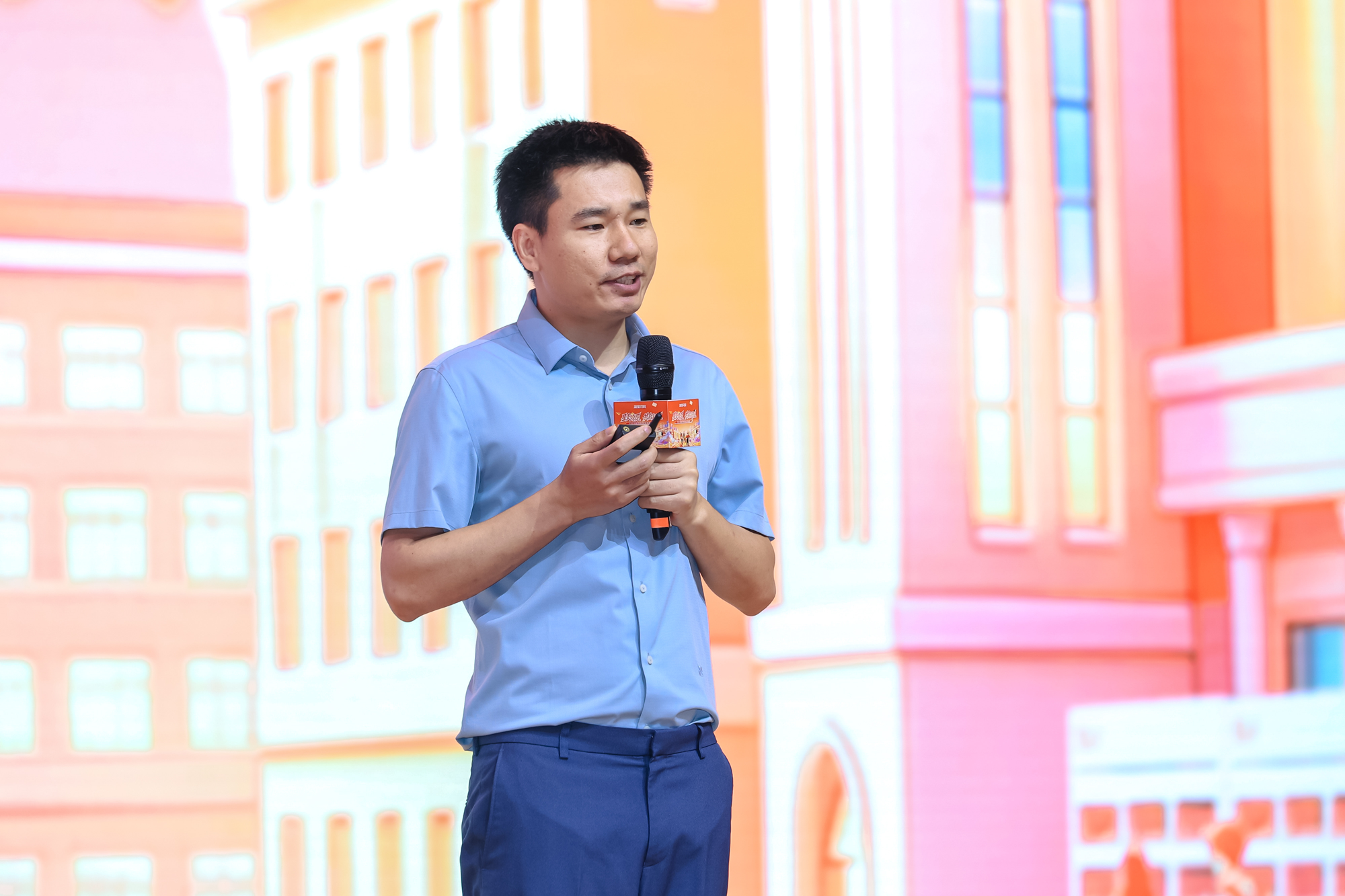
淘宝闪购CEO雷雁群在大会致辞中表示:“过去一年,高校业务规模快速增长,多元业务全面铺开。未来,平台会继续坚定投资高校业务、重视生态共建,以AI能力等资源为武器,为大家的经营成长保驾护航,共同推动校园消费市场健康增长。”

(图:淘宝闪购CEO雷雁群)

校园是即时零售渗透率最高的场景之一。淘宝闪购高校业务负责人郭朋在分享中披露,平台学生用户已突破4800万,经营权合作覆盖全国2000余所高校,高校业务心智保持行业领先。

第三方数据显示,2030年社会消费品总额预计达60万亿元,高校校园消费市场空间预计超万亿元。今年4月,教育部等五部门联合发布《“人工智能+教育”行动计划》,加速推动后勤社会化与智能化发展,AI赋能也成为高校后勤转型的重要战略工具。

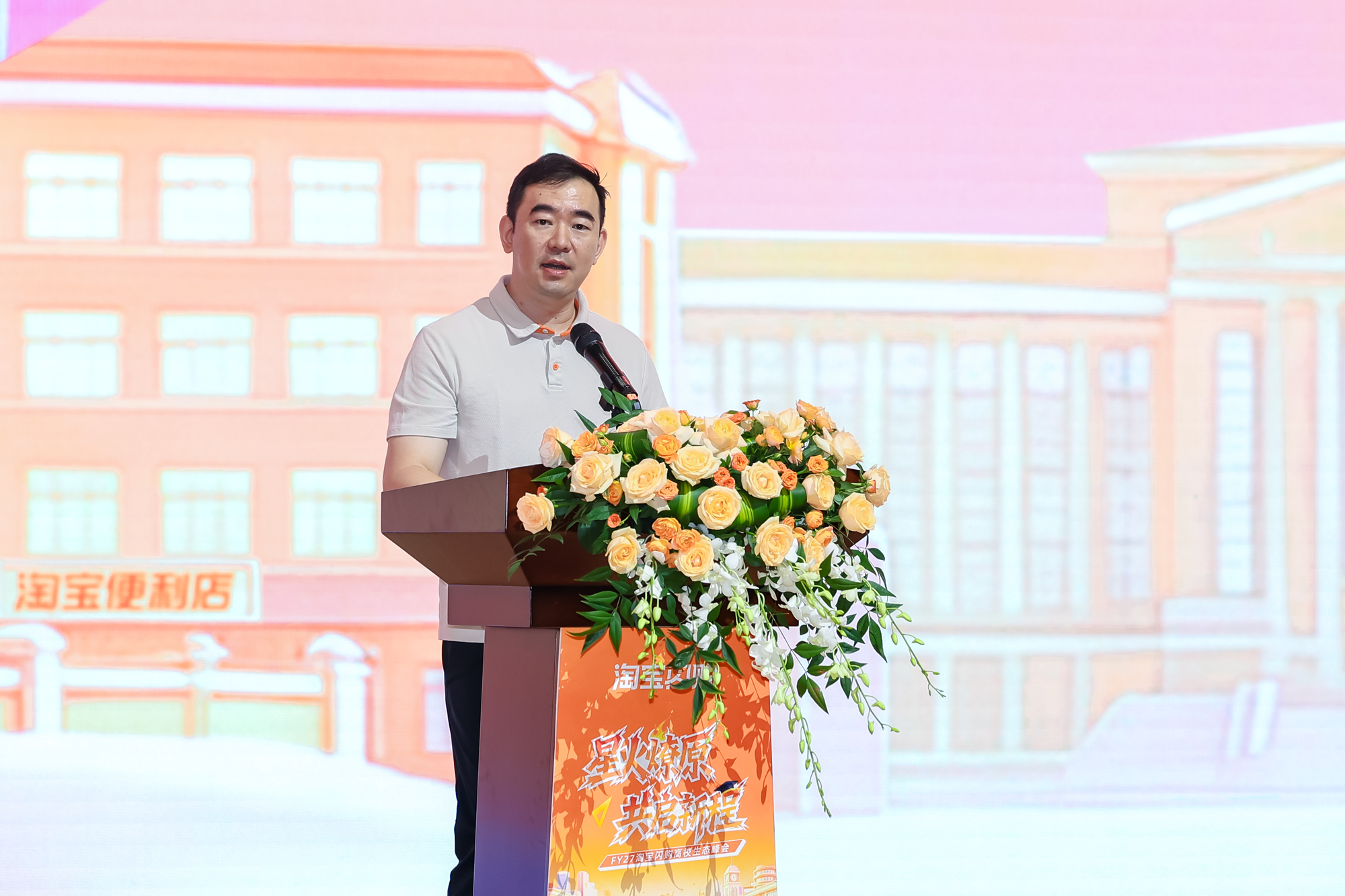
“学生的需求远不止一份外卖,学校的痛点也远不止一个食堂。”郭朋介绍,“未来的校园服务绝不仅仅是单一的生活消费,而是涵盖餐饮、交通、实习实训、校企合作等全场景的数字化生态。因此,我们发布了《‘1+N’多元业态白皮书》,提出多元校园服务模式,希望通过平台的技术沉淀与资源整合能力,为高校信息化建设铺设高标准的‘数字底座’。”

(图:淘宝闪购高校业务负责人 郭朋)

具体来看,“1”指校园外卖服务:对学生,意味着餐食送达更快、品质更有保障;对学校,平台围绕产教融合构建校企合作新模式,推动校园送服务在规模、效率、质量上持续提升,是平台与学校连接的数字化底座。“N”则指在这一底座上生长出的校园综合解决方案,包含联营食堂、淘宝便利店、高校联盟、商业化营销、智能硬件等解决方案,搭建校园多元化服务业态,让学生获得更丰富的吃、住、行、学服务。

这套模式已在多地校园跑通。哈尔滨工程大学通过联营食堂与中央厨房方案,让后厨操作全程可追溯,实现食品安全数字化监管;淘宝便利店(杭州滨江大学城店)拥有3300个SKU,毕业季日均订单超过250单,非食快消和百货占比高达40%;杭州下沙大学城落地暑期兼职用工平台,已累计帮助2000名学生勤工俭学。

以白皮书为蓝本,淘宝闪购在会上正式发布“登云工程”:计划未来3年围绕淘小橙食堂、淘宝便利店、AI智能硬件等校园“1+N”综合服务落地,完成10亿元规模资源投入。通过向高校开放AI技术、数字服务、智能硬件和阿里生态资源,帮助学校从单一外卖场景向“全场景、多业态、全方位”的数字化校园服务体系升级,推动教育与产业的数字化深度融合。

面向校园服务领域的生态合作伙伴,淘宝闪购还同步发布了“星火计划”,加大合作投入和系统化赋能力度,加速“1+N”模式在全国高校的规模化落地。

淘宝闪购方面表示,高校市场是平台长期战略投入方向。未来将持续深耕校园场景,以信息化基础设施建设为抓手,为高校师生提供更高效、更安全、更多元的校园服务体验。

注:文/龚作仁,文章来源:Laborer,本文为作者独立观点,不代表亿邦动力立场。

文章来源:Laborer

广告
微信
朋友圈

FAQ回顾

淘宝闪购的登云工程是什么?

登云工程是淘宝闪购推出的校园数字化建设项目,计划未来3年投入10亿元规模资源,围绕淘小橙食堂、淘宝便利店、AI智能硬件等校园“1 N”综合服务落地,开放AI技术、数字服务等阿里生态资源,助力高校搭建全场景数字化校园服务体系。

淘宝闪购高校业务当前覆盖情况如何?

目前淘宝闪购学生用户已突破4800万,经营权合作覆盖全国2000余所高校,高校业务心智保持行业领先,其多元业态模式已在哈尔滨工程大学、杭州滨江大学城、杭州下沙大学城等多地校园落地验证。

淘宝闪购的1 N多元业态模式是什么?

“1”指作为数字化底座的校园外卖服务,可实现餐食配送提质、产教融合校企合作;“N”指底座上延伸的校园综合解决方案,涵盖联营食堂、淘宝便利店、智能硬件、兼职平台等,覆盖学生吃住行学全场景服务。

高校校园消费市场发展前景怎么样?

校园是即时零售渗透率最高的场景之一,第三方数据显示2030年我国社会消费品总额预计达60万亿元,高校校园消费市场空间预计超万亿元,在政策推动数字化后勤建设的背景下,增长潜力巨大。

这么好看,分享一下?

朋友圈 分享

APP内打开

赞 +1
+1
微信好友 朋友圈 新浪微博 QQ空间
关闭
收藏成功
发送
/140 0