广告
加载中

蛋白质焦虑 带来了多少新生意

卜晚乔 2026-08-11 17:17
卜晚乔 2026/08/11 17:17

邦小白快读

EN
全文速览

本文核心围绕大众蛋白质补充整理相关干货,帮助你了解如何合理补蛋白,具体内容如下:

1. 摄入量参考:我国膳食指南推荐成年男性每日摄入65克蛋白质,成年女性55克;按体重算每公斤体重推荐1.0~1.2克,运动人群1.5~2.0克,老年人为1.2~1.5克。多数人日常饮食很难吃够蛋白质,国内蛋白质摄入整体存在缺口。

2. 性价比参考:单纯按每克蛋白的成本计算,性价比从高到低依次为乳清蛋白粉、纯牛奶、液体蛋白饮品、蛋白水、星巴克高蛋白拿铁,蛋白粉和纯牛奶是性价比最高的选择。

3. 注意事项:蛋白质摄入并非越多越好,60公斤体重人群摄入超过120克蛋白质,会增加肾脏负担,超过需求的蛋白质不会产生额外营养价值。

蛋白赛道当前处于发展初期,属于长期增长赛道,是企业可布局的新增长点,今年正是抢占市场的窗口期,相关干货如下:

1. 消费与市场趋势:补蛋白已经从健身人群刚需转向全民营养需求,渗透进咖啡、零食、乳品等多个日常消费领域,国内存在580-2300亿元的潜在增量需求,还有GLP-1减重药等变量持续拉动蛋白质消费。

2. 产品研发方向:要抓住普通牛奶和专业补剂之间的空白市场,做比牛奶蛋白含量高、比专业补剂方便口感好的大众产品;国内消费者更认可原生蛋白,做饮品添加蛋白粉需要长时间心智培育,优先开发原生蛋白产品更容易打开市场。

3. 竞争与发展提示:当前头部品牌入局本质是共同培育市场,未来要在价格优化、口味迭代和消费者沟通上持续投入,才能把热点产品做成国民单品。

蛋白赛道是当前的高增长潜力市场,有明确的机会也有需要规避的风险,干货整理如下:

1. 市场机会:国内居民蛋白质摄入整体未达标,存在580-2300亿元的潜在增量市场,大众对便捷日常补蛋白的需求持续增长,新品牌依托抖音、小红书等新渠道,主打年轻人群、差异化配方和场景创新,增速普遍在30%-300%之间,远超行业平均10%-20%的水平。

2. 产品方向建议:可以瞄准普通牛奶与专业补剂之间的空白地带,面向大众消费者开发产品;也可以结合咖啡、饮水等高频日常消费场景,将补蛋白需求融入现有高频场景,降低用户接受门槛。

3. 风险提示:高蛋白产品的高质量原料、专用加工设备推高了生产成本,产品零售价远高于传统饮品,价格敏感群体接受度低,同时国内消费者对蛋白粉类补充产品的心智尚未完全建立,需要较长培育周期,要提前做好成本和市场培育规划。

蛋白赛道的兴起给生产端带来了新的商业机会,也指明了转型方向,核心干货如下:

1. 产品生产与设计需求:当前蛋白产品整体向日常化、大众化方向发展,需要适配普通消费者对便捷性、口感的需求,工艺层面对技术要求更高:透明蛋白水需要膜过滤工艺处理分离乳清蛋白,原生液体蛋白需要低温物理膜分离、生牛乳物理浓缩等技术,才能在保证蛋白含量的同时保留活性、改善口感。

2. 商业机会:目前蛋白赛道处于发展初期,乳企、饮料企业、零售渠道自有品牌都在扎堆布局,新品类层出不穷,覆盖咖啡、乳品、水饮、零食等多个领域,对符合新工艺要求的生产服务需求大幅增长,市场空间广阔。

3. 转型启示:工厂可以提前布局蛋白相关新工艺的研发,跟进头部品牌的技术方向,对接品牌的新品研发需求,抓住高蛋白品类普及的风口,推动自身生产工艺升级,挖掘新的增长空间。

国内蛋白赛道处于快速增长的初期阶段,衍生出大量新的服务需求,核心干货如下:

1. 行业发展趋势:补蛋白需求已经从专业健身、术后康复等垂直场景,转向大众日常健康补充场景,品类不断细分,已经渗透进咖啡、乳品、水饮等多个日常消费领域,根据相关报告,全球蛋白质饮料市场预计从2026年的53亿美元增长至2034年的107亿美元,年复合增长率为9.1%,长期增长空间明确。

2. 客户核心痛点:一是中小品牌缺乏新工艺研发能力,原生高蛋白、透明蛋白水等产品对技术要求高,研发投入大,中小品牌难以独立完成;二是消费者心智培育难度大,国内消费者对添加蛋白粉的接受度低,需要长期的市场教育;三是成本控制难,高质量原料和专用设备推高成本,品牌难以平衡品质和价格。

3. 市场机会:服务商可以针对品牌痛点,提供蛋白加工工艺研发、成本优化、消费者心智营销等对应服务,抓住赛道增长的红利。

蛋白赛道的崛起给平台带来了新的增长机会,也需要注意相关风险,核心干货如下:

1. 市场需求:当前蛋白赛道吸引了乳企、老牌企业、新兴品牌、零售渠道等多方主体入局,新品类层出不穷,从蛋白粉、高蛋白牛乳到蛋白水、蛋白咖啡,大量新品牌依托抖音、小红书等新渠道崛起,增速远超行业平均,这些品牌都需要平台提供流量、渠道支持,对接消费者。

2. 平台运营机会:平台可以针对蛋白赛道开设专属招商通道,吸引各类品牌入驻,抓住千亿级潜在增量市场;也可以围绕补蛋白的不同场景做品类整合,给消费者提供清晰的选择路径,提升用户转化,打造新的品类增长极。

3. 风险规避:当前赛道处于发展初期,产品质量参差不齐,部分品牌可能存在夸大补蛋白功效、虚标蛋白含量等问题,平台需要提前完善品控管理,规范商家宣传,避免行业乱象影响平台口碑。

蛋白赛道的兴起是国内消费升级背景下出现的新产业动向,有诸多新内容值得研究,核心整理如下:

1. 产业新动向:我国居民蛋白质摄入长期存在缺口,随着健康认知升级,补蛋白已经从专业健身人群的专属需求,转变为大众日常的健康需求,赛道不断细分,补蛋白已经渗透进咖啡、零食、乳品、水饮等多个日常消费领域,诞生了蛋白水、原生液体蛋白等多个新品类,新老品牌纷纷布局,新品牌依托新渠道增速远超行业平均,行业整体处于发展初期。

2. 本土化市场特征:和海外市场不同,国内消费者对蛋白粉仍有保健品、专业补剂的刻板印象,更认可原生牛乳蛋白的心智,头部乳企依托原有蛋白产业基础和用户心智,优先布局原生蛋白新品类,当前阶段行业以共同培育市场做大蛋糕为主,同质化竞争次之。

3. 商业模式创新:行业出现了结合咖啡、饮水等原有高频消费场景切入补蛋白需求,填补普通食品和专业补剂之间空白市场的新模式,未来增长空间大,是值得持续追踪研究的新产业方向。

返回默认
声明:快读内容全程由AI生成,请注意甄别信息。如您发现问题,请发送邮件至 run@ebrun.com 。

我是 品牌商 卖家 工厂 服务商 平台商 研究者 帮我再读一遍。

Quick Summary

This article compiles key practical insights on daily protein supplementation to help readers understand how to consume protein properly:

1. Recommended intake: China's Dietary Guidelines recommend 65g of protein per day for adult men and 55g for adult women. Calculated by body weight, the recommendation is 1.0-1.2g per kg of body weight, 1.5-2.0g for people who exercise regularly, and 1.2-1.5g for older adults. Most people struggle to hit their protein target through diet alone, and overall protein intake across China falls short of recommendations.

2. Cost-effectiveness ranking: Calculated by cost per gram of protein, the ranking from most to least cost-effective is: whey protein powder, plain milk, liquid protein drinks, protein water, and Starbucks high-protein lattes. Protein powder and plain milk are the most cost-effective options.

3. Key note: More protein is not always better. For a person weighing 60kg, consuming more than 120g of protein per day increases kidney strain, and any protein exceeding the body's needs provides no additional nutritional value.

The protein category is still in its early development stage as a long-term growth track, representing a new growth opportunity for businesses to explore. This year marks a critical window to capture market share. Key insights are as follows:

1. Consumer and market trends: Protein supplementation has shifted from a necessity for fitness enthusiasts to a mainstream nutritional need for the general public, and has penetrated into multiple daily consumer categories including coffee, snacks and dairy. There is 580 billion to 2.3 trillion RMB in incremental untapped demand in China, and factors including GLP-1 weight loss drugs are continuing to drive protein consumption growth.

2. Product development direction: Brands should target the white space between regular milk and professional supplements, creating mass-market products that have higher protein content than milk, and are more convenient and better-tasting than professional supplements. Chinese consumers prefer native protein over added protein powder, which requires long-term consumer education. Prioritizing native protein products makes market entry much easier.

3. Competition and growth guidance: The current entry of leading brands into the market is essentially about joint market cultivation. To turn a trending product into a household staple, brands must continue investing in price optimization, flavor iteration, and consumer engagement.

The protein track is a high-growth potential market with clear opportunities and notable risks to avoid. Key takeaways are as follows:

1. Market opportunities: Overall protein intake among Chinese residents still falls short of recommendations, representing a 580 billion to 2.3 trillion RMB incremental potential market. Demand for convenient daily protein supplementation continues to grow. New brands that target young consumers, feature differentiated formulas and scenario innovation via new channels like Douyin and Xiaohongshu commonly see growth rates between 30% and 300%, far outpacing the industry average of 10% to 20%.

2. Product direction advice: Sellers can target the white space between regular milk and professional supplements to develop products for mass consumers; they can also integrate protein supplementation into existing high-frequency daily scenarios such as coffee and drinking water, lowering the barrier to consumer acceptance.

3. Risk warnings: High-quality raw materials and specialized processing equipment for high-protein products push up production costs, leading to retail prices far higher than traditional beverages, which limits acceptance among price-sensitive consumers. At the same time, Chinese consumer awareness of protein powder-based supplements is not yet fully established, requiring a long cultivation period. Sellers should plan for upfront costs and market education in advance.

The rise of the protein track has brought new business opportunities and clarified transformation directions for manufacturing players. Core insights are as follows:

1. Product manufacturing and design requirements: Protein products are trending toward daily, mass-market use, requiring adaptation to general consumers' demand for convenience and flavor, which raises technical requirements for production processes. Clear protein water requires membrane filtration to process isolated whey protein, while native liquid protein requires technologies such as low-temperature physical membrane separation and raw cow milk physical concentration to preserve protein activity and improve flavor while meeting protein content targets.

2. Business opportunities: The protein track is still in its early development stage. Dairy companies, beverage makers, and private labels for retail channels are all rushing to enter the space, spawning a steady stream of new product categories across coffee, dairy, water beverages, snacks and other segments. This has driven a sharp increase in demand for manufacturing services that meet new process requirements, creating broad market space.

3. Transformation takeaways: Factories can invest in R&D for new protein-related production processes in advance, align with the technical direction of leading brands, and partner with brands on new product development. By catching the wave of high-protein category adoption, factories can upgrade their production processes and unlock new growth.

China's protein track is in the early stage of rapid growth, which has generated a large number of new service demands. Core insights are as follows:

1. Industry development trends: Protein supplementation has expanded from niche scenarios such as professional fitness and post-surgery recovery to daily health supplementation for the general public. The category continues to segment and has penetrated into multiple daily consumer sectors including coffee, dairy and water beverages. According to industry reports, the global protein beverage market is projected to grow from $5.3 billion in 2026 to $10.7 billion in 2034, with a compound annual growth rate of 9.1%, indicating clear long-term growth potential.

2. Core pain points for clients: First, small and medium-sized brands lack the capacity for new process R&D. Products such as native high-protein and clear protein water have high technical requirements and require large R&D investment that most SMEs cannot afford independently. Second, cultivating consumer awareness is challenging: Chinese consumers have low acceptance of added protein powder, requiring long-term market education. Third, cost control is difficult: high-quality raw materials and specialized equipment push up costs, making it hard for brands to balance quality and price.

3. Market opportunities: Service providers can address these brand pain points by offering targeted services including protein processing R&D, cost optimization and consumer awareness marketing to capture the growth dividend of the expanding track.

The rise of the protein track has brought new growth opportunities for platforms, while also requiring attention to related risks. Core insights are as follows:

1. Market demand: The protein track has attracted entrants across dairy companies, established enterprises, emerging brands and retail channels, leading to a wave of new product categories ranging from protein powder and high-protein milk to protein water and protein coffee. A large number of new brands have grown rapidly via new channels such as Douyin and Xiaohongshu, with growth rates far exceeding the industry average. All these brands require platforms to provide traffic, channel support and consumer connections.

2. Operational opportunities for platforms: Platforms can launch dedicated recruitment channels for the protein track to attract a wide range of brands and capture the hundreds-of-billions RMB incremental market. They can also integrate product categories by different protein supplementation scenarios to provide consumers with clear selection paths, improve conversion, and build a new category growth driver.

3. Risk mitigation: The track is still in its early stage, so product quality varies widely. Some brands may engage in misleading practices such as exaggerating protein benefits or misreporting protein content. Platforms need to improve quality control management and standardize merchant promotion in advance to avoid industry chaos damaging the platform's reputation.

The rise of the protein track is a new industry trend emerging against the backdrop of China's consumption upgrading, with many new areas worthy of research. Key insights are as follows:

1. New industry trends: Chinese residents have long faced a protein intake gap. As health awareness rises, protein supplementation has shifted from an exclusive need for professional fitness enthusiasts to a daily health need for the general public. The track continues to segment, with protein supplementation penetrating multiple daily consumer categories including coffee, snacks, dairy and water beverages, giving rise to new categories such as protein water and native liquid protein. Both established and new brands are entering the market, with new brands growing far faster than the industry average via new channels. The industry as a whole is still in its early development stage.

2. Localized market characteristics: Unlike overseas markets, Chinese consumers still hold a stereotype that protein powder is a health product or professional supplement, and prefer native cow milk protein. Leading dairy companies leverage their existing industrial foundation and consumer awareness to prioritize the layout of native protein new categories. At this stage, the industry focuses on joint market cultivation to expand the overall pie, rather than intense homogeneous competition.

3. Business model innovation: The industry has seen a new model that taps protein demand by integrating it into existing high-frequency consumption scenarios such as coffee and drinking water, filling the gap between regular food and professional supplements. This model has large future growth potential and is a new industry direction worth continued tracking and research.

Disclaimer: The "Quick Summary" content is entirely generated by AI. Please exercise discretion when interpreting the information. For issues or corrections, please email run@ebrun.com .

I am a Brand Seller Factory Service Provider Marketplace Seller Researcher Read it again.

什么方式补充蛋白质性价比最高?


文丨卜晚乔    编辑丨张睿

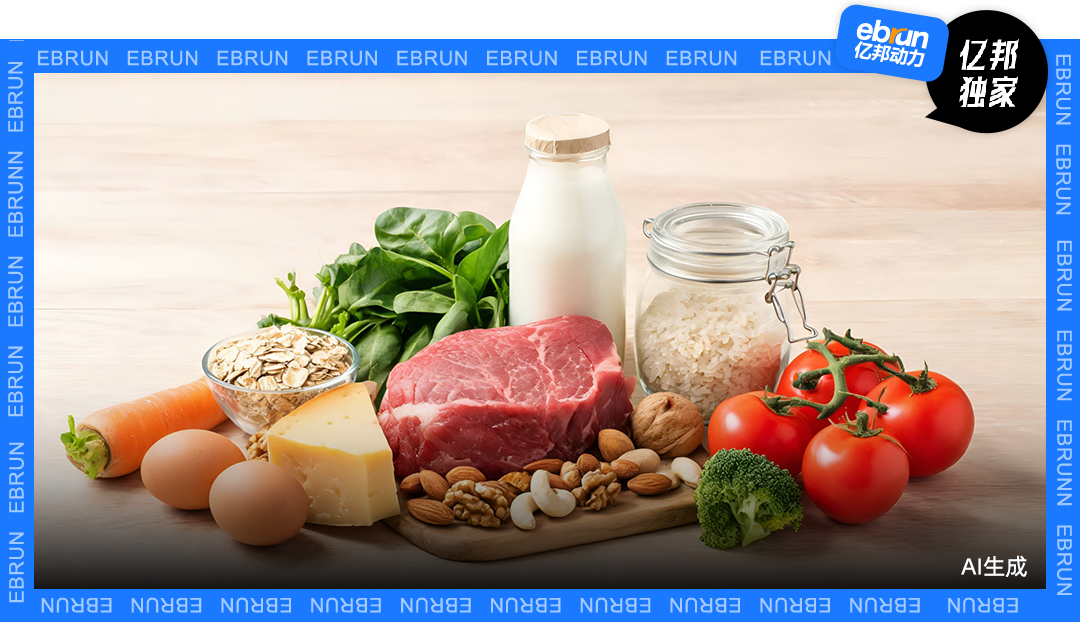
【亿邦原创】社交媒体上,“补蛋白”似乎已成为一种新型焦虑。

营养科普博主在计算日常食材的蛋白质含量,运动博主在强调蛋白质对于肌肉合成的作用,美容博主在宣扬蛋白质对于抗衰的重要性……

这种讨论代表着大众营养认知的转向:过去认为三餐菜、肉、主食都有,营养不缺,现在发现必须有意识多吃肉蛋奶,才能保证蛋白质足够;过去认为蛋白补充剂是老年人或者大块头健身达人才需要,现在发现普通人日常也需要。

蛋白补充正在渗透咖啡、零食、乳品等各个日常消费角落,比如最近半年陆续上市的新产品:蒙牛、伊利的蛋白水,星巴克的蛋白咖啡,圣元旗下品酷的液体蛋白,优诺的5.0高蛋白牛乳。

与发达国家相比,国内的蛋白质相关产品还不够丰富,对于相关企业来说,高蛋白产品将是一个可预见的新增长点,而今年正是乳企、饮料企业创新产品、抢占市场先机的窗口期。

从“健身刚需”到“全民营养”,蛋白质的需求正在带来更大生意。

今天你吃够蛋白质了吗?

根据《中国居民膳食指南》,成年男性每日推荐摄入65克蛋白质,成年女性为55克。按照体重计算,每公斤体重推荐摄入1.0~1.2克蛋白质,如果有运动健身习惯,推荐摄入量为每公斤体重1.5~2.0克,如果是老年人,为了防治肌少症,推荐摄入量为每公斤体重1.2~1.5克。

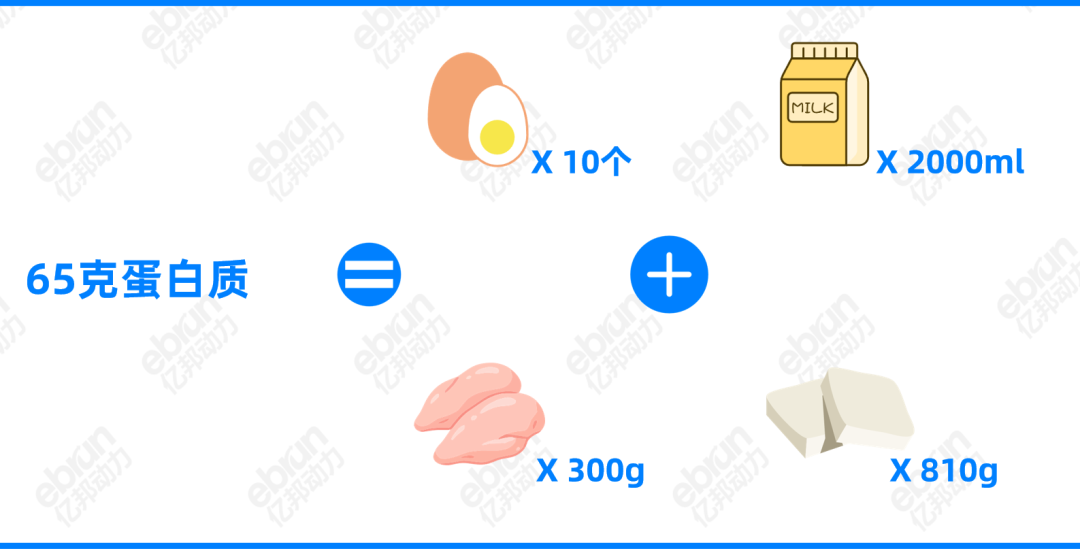
65克蛋白质是多少?

换算成日常食物,相当于10个鸡蛋,2000ml纯牛奶,300g鸡胸肉,810g豆腐。注册营养师、小红书博主“营养师黑皮”在他的视频中直言,很多人对蛋白质摄入有错觉,以为正常饮食已经吃够了蛋白质,实际上,“除非你刻意去做这件事,否则根本吃不够”。

图片

一项行业数据显示,2025年全国人均每日蛋白摄入量为62.3克,较2020年的53.7克提升16.0%,但仍未达到《中国居民膳食指南(2022)》推荐的摄入量,存在约4.2%–16.9%的缺口空间,对应潜在增量需求约580–2300亿元规模。

如果由于饮食习惯固定、做饭时间有限、胃口不大等原因,无法从食物中获取足够蛋白质,蛋白粉可以作为相对高效的补充方案。在传统认知中,蛋白粉是健身人群和中老年人的专属。但实际上,随着补蛋白的观念普及,人群已经广泛触及到上班族等年轻人。

蛋白粉品牌康比特董事长白厚增曾公开表示,公司正在调整经营策略,推出小包装、袋装产品,降低入门门槛,吸引更多非专业用户。过去5年,康比特的营收规模从4.9亿元增长至11.59亿元,翻了一倍多。

此外,蛋白粉赛道还涌现了一批高增长新品牌,主要依托抖音、小红书等新渠道,主打年轻人群、差异化配方和场景创新,增速普遍在30%-300%之间,远超行业平均10%-20%的增速。比如,西子健康旗下的FoYes,2024年3月上线,仅用15个月销售额就突破5亿元,2025年前三季度收入为5.9亿元,同比增长达到364%。

但是如果每天因为吃不够蛋白质而焦虑,也没有必要。北京协和医院临床营养科主任于康教授在视频中表示:“对于60公斤的体重,如果吃得蛋白质过多,比如120克以上,会增加肾脏负担,而且,蛋白质超过人体需要以后,不产生额外的营养价值。”

也就是说,希望在日常饮食之外补充蛋白质,又不需要补充太多,不愿意冲泡蛋白粉、或者不喜欢蛋白粉口感的普通人,基数在扩大,需求在增长,为蛋白质产品创新提供了土壤。

补充蛋白质,用喝的

在三餐的肉蛋奶及蛋白粉之外,以饮品形式补充蛋白质,如咖啡、水、蛋白饮等,开始成为新趋势。

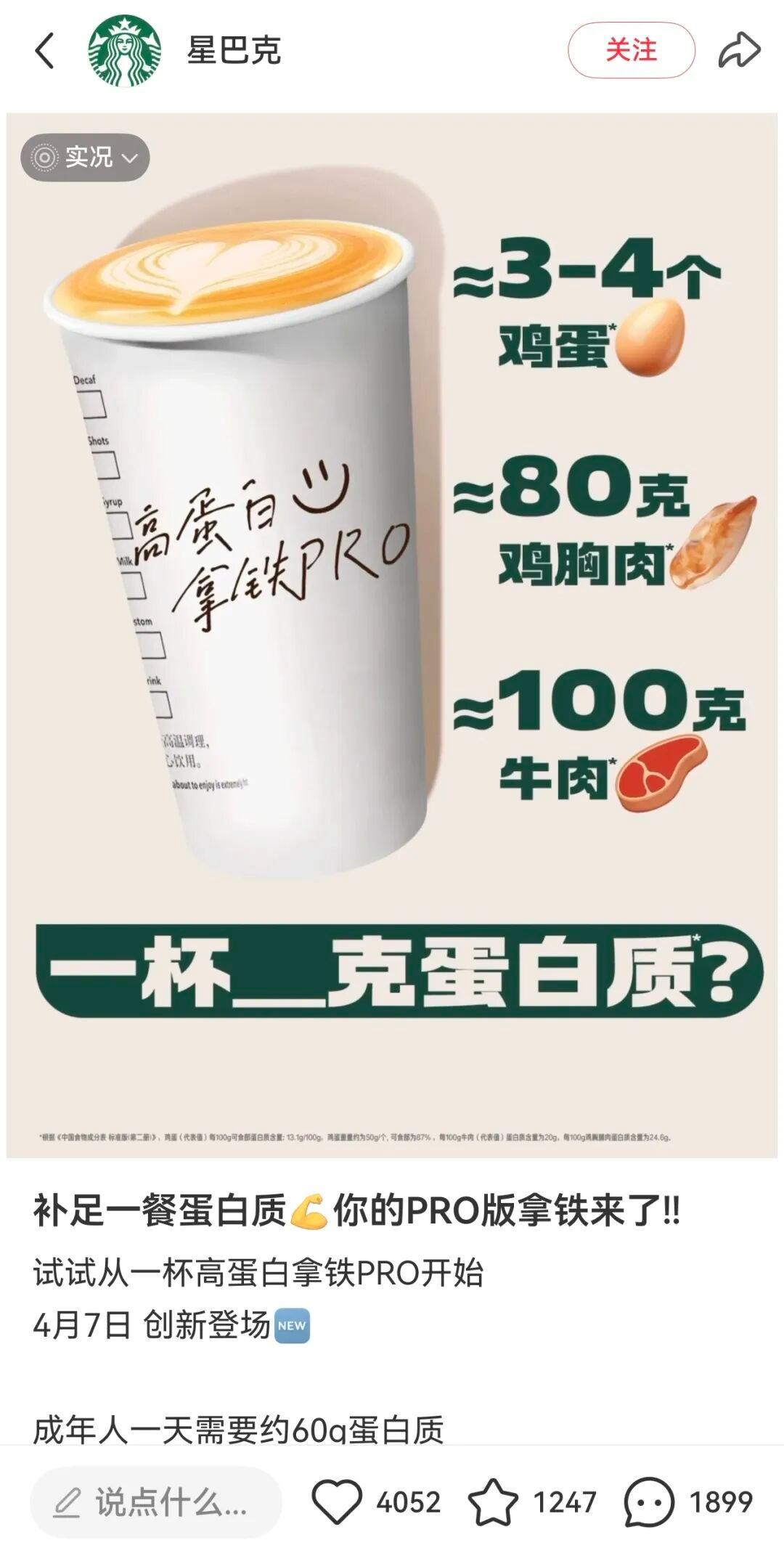
今年4月7日,星巴克中国在全国所有门店上线“高蛋白拿铁PRO系列”,核心思路是用“6.0高蛋白牛奶”代替普通牛奶,大杯热饮约含20g优质蛋白,相当于3个鸡蛋左右。

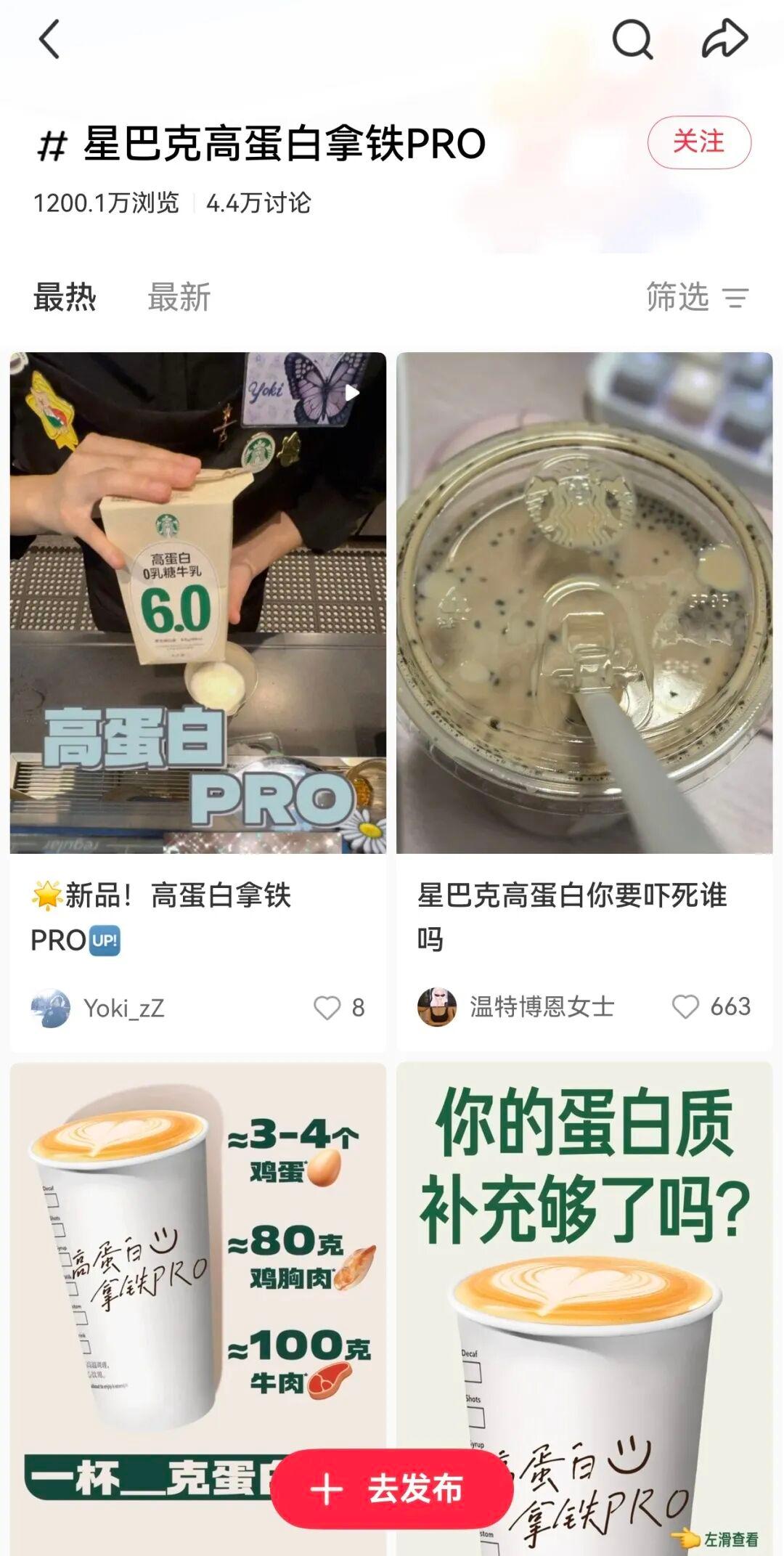
该产品上线后迅速成为现象级产品,小红书“星巴克高蛋白拿铁PRO”话题下笔记累计讨论量到5月14日达4.3万;到8月,小红书相关话题总浏览量突破1200万。

图片

图片

图:小红书截图

值得一提的是,星巴克在美国和加拿大推出的版本走的是另一条路——在2%牛奶里混入乳清蛋白分离物制成"Protein-boosted Milk",并且这种方法可以几乎加在任何饮品上。

在2026年4月27日的FBIF2026乳品研发创新分论坛上,星巴克中国产品创新部门品类总监施钦解释了该产品背后的逻辑:问顾客对什么营养元素感兴趣,几乎100%都会提到蛋白质,忙碌上班族很难保持规律蛋白质摄入,把蛋白质装在咖啡里,是将咖啡的“唤醒场景”和蛋白质的“续航场景”合并成一个高频消费动作。

至于星巴克中国为何选择“高蛋白牛奶”而非“牛奶+蛋白粉”,施钦表示,在美国市场,蛋白粉有深厚大众认知基础,消费者普遍接受在饮品、食品中添加蛋白粉,并默认这是一种健康升级方式;而在中国市场,蛋白粉仍带明显“保健品、运动补剂”属性,“要让大众接受咖啡里加蛋白粉,还需要漫长的市场教育周期,甚至可能需要五年时间才能真正建立心智关联。”

施钦道出了中国市场大众更普遍的共识:相比于蛋白粉,人们更相信“牛奶=优质蛋白”,而这个心智来自于中国乳企多年的培育。实际上,星巴克在高蛋白拿铁中使用的“6.0高蛋白0乳糖牛乳”来自于同蒙牛的共创。

在高蛋白这片蓝海赛道,自然少不了乳企的身影。而在牛奶之外,乳企把目光投向了更新颖的产品形式。

4月26日,蒙牛在大连马拉松赛事上发布分离乳清蛋白水,该产品于4月30日全面上市;5月,伊利Puritime透明蛋白水正式量产;而光明乳业在2025年3月公布了“一种透明蛋白电解质运动饮料及其制备方法”的发明专利,并于2026年4月正式获得授权,为后续入场做了技术储备。

一时间,分离乳清蛋白水迅速成为风口,全家、盒马等零售渠道也推出自有品牌蛋白水。

蛋白水在中国是新事物,在欧美市场却已不是新鲜概念。这个品类的技术核心在于“透明化”——通过膜过滤等工艺将分离乳清蛋白处理成清澈液体,再辅以水果风味改善口感,让蛋白质补充变得像喝果汁一样轻松。

英国Myprotein、美国Rule One Proteins、德国All Stars及运动营养头部品牌ON均已推出各自的即饮蛋白水产品,定位运动后修复与日常补水场景。整体来看,海外蛋白水市场已进入多品牌、多技术路线并存的成熟阶段。

时间线上的巧合,折射出共同的战略判断。一位乳业从业者对亿邦动力表示,第一,乳企在“蛋白”这个核心原料上拥有天然认知优势和产业基础,能够迁移到蛋白水品类;第二,蛋白水并非简单的“水”,而是功能性饮品,过去蛋白补充集中在健身、术后康复等垂直场景,如今正向日常化、大众化渗透。饮水是最高频的消费场景之一,将蛋白补充与饮水场景结合,能够打破蛋白产品的场景壁垒,覆盖更广泛的消费人群。

实际上,考虑到国内消费者对蛋白粉的接受程度,在将非蛋白粉原料加工为高蛋白饮品这件事上,国内乳企绞尽脑汁,使足了力气。

老牌奶粉企业圣元集团旗下新品牌品酷今年5月推出了液体鲜萃蛋白饮品。创始人张梦也告诉亿邦动力,传统蛋白饮的做法是:用水或者牛奶冲蛋白粉,再灌装到瓶子里。这是目前市面上绝大多数同行在做的方式。

但品酷的产品“鲜萃蛋白”,是将牛奶经过低温物理膜分离技术,把乳糖、细菌、微生物等非蛋白成分去除掉,得到蛋白质含量10%-15%液体蛋白,直接灌装,全程不经过“喷粉再复原”的过程,能更大程度保留原生乳蛋白和乳源钙的活性。

蒙牛也在2026年6月12日(2026美加墨世界杯开幕日)发布了类似的品牌“M-PLUS每日蛋白”,首款产品为“15g原生高蛋白牛乳”。蒙牛总裁高飞在发布会上直言,高蛋白、原生营养、出众口感,三者很难兼得,为了不添加外源蛋白,全部通过工艺从生牛乳中物理浓缩,蒙牛耗时8年、上千次试验,形成三项核心技术。

在对外宣传中,蒙牛表示“M-PLUS每日蛋白”面向有跑步、骑行等规律运动习惯,但还没到“举铁+蛋白粉”阶段的轻中度运动人群,或者关注蛋白质摄入、希望“喝一杯顶一顿加餐”的健康管理人群。

换句话说,品酷和M-PLUS这两个新上市的产品,正好卡在“普通牛奶”和“专业补剂”中间的空白地带——比牛奶蛋白多一倍,比补剂方便、口感好,更适合有补充蛋白质需求的大众消费者。

此外,蒙牛旗下还有运动营养品牌“迈胜”,其旗舰款液体蛋白PRO定位高强度耐力运动场景,是中国铁人三项国家队的指定运动营养品,近年来,迈胜也推出了面向日常健身、减脂塑形人群的蛋白补充产品。

乳企都不愿意错过营养健康赛道,伊利高级执行总裁刘春喜曾对外表示,公司将持续发力水饮等非乳新业务孵化,构建涵盖乳制品、功能营养、健康食品及饮品的多元生态。

谁是性价比之选?

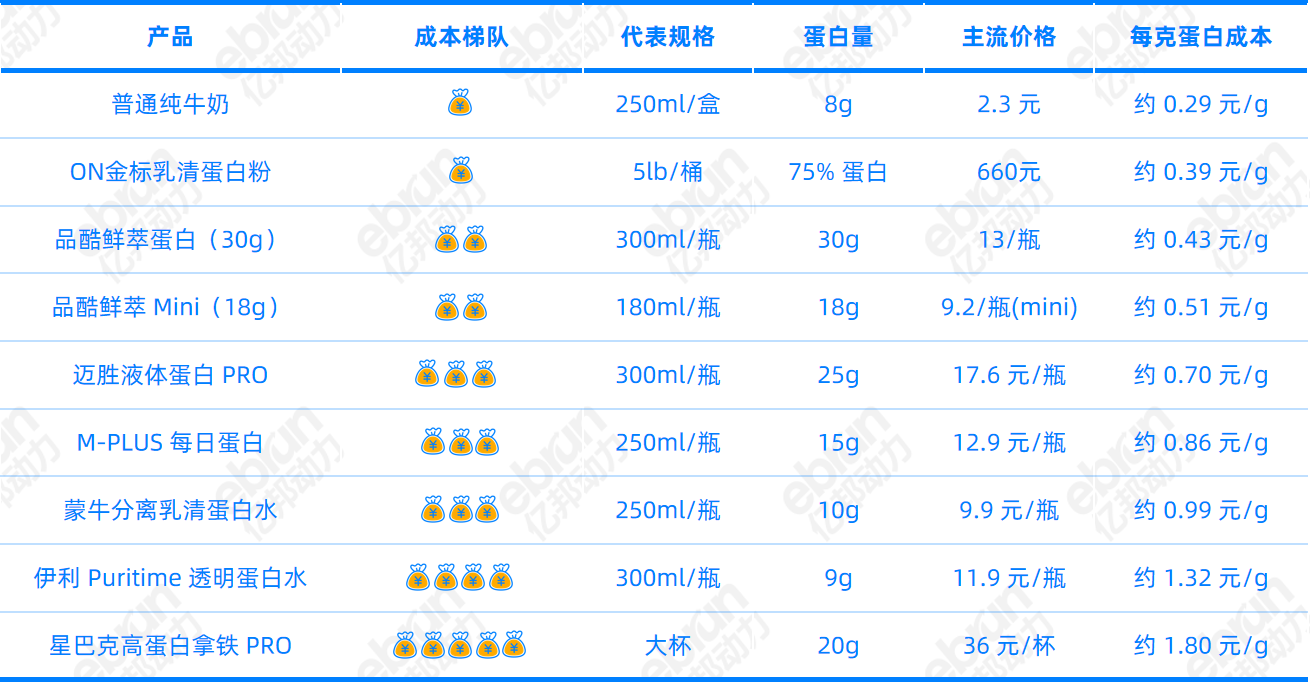
蒙牛和伊利的蛋白水(300ml)折合单瓶约9.9元,品酷单瓶(300ml)定价为9-16元(蛋白质含量不同),M-PLUS单瓶(250ml)约12.9元。

单纯从蛋白质补充性价比的角度,可以算这么一笔账:每克蛋白成本,纯牛奶约0.4-0.6元;蛋白水约0.99-1.32元;乳清蛋白粉约0.39元;液体蛋白饮品约0.71-0.86元;高蛋白拿铁约1.8元——性价比最高的选择依然是蛋白粉和纯牛奶。

据Stratistics MRC《Protein Beverages Market》(SMRC35692,2026)报告,全球蛋白质饮料市场预计将从2026年的53亿美元增长至2034年的107亿美元,CAGR为9.1%。报告同时指出,蛋白质饮料的溢价限制了价格敏感消费群体的市场可及性——高质量蛋白原料、专用加工设备和营养检测要求导致零售价远高于传统软饮,这在发展中市场延缓了市场渗透,并使该类产品被视为主要面向富裕人群或有可支配收入健身人群的高端健康产品。

一位行业人士对这条赛道的判断,或许可以概括当下的局面:当前蛋白赛道尚处于发展初期,吸引了乳企、饮料企业、零售自有品牌等多方主体入局,这恰恰说明高蛋白日常消费的市场价值得到了全行业的广泛认可。头部乳企先后布局,本质上是共同培育市场、做大蛋白日常补充的整体蛋糕,推动品类的快速普及,而非单纯的同质化竞争。

他判断是蛋白并非是一时的风口,而是一个长期赛道。依据在于第一,高蛋白健康理念正在快速渗透大众日常消费市场;第二,中国蛋白质摄入量低且结构不均衡是长期存在的结构性问题;第三,GLP-1减重药等新兴变量正在持续拉动蛋白质消费。

无论是蛋白水还是液体蛋白,这些新品类爆发有其必然性——健康趋势、品类空白、场景需求共同推高了赛道热度。但从行业热点变成“国民单品”,还需要品牌在价格优化、口味迭代和消费者沟通上持续投入。未来入局的企业必然要在专业运动营养补剂与大众饮品之间找到平衡点——既匹配产品的专业价值,也让更多消费者能够尝试和接受。

蛋白赛道正在从“一瓶水”的想象,裂变成一张涵盖不同人群、不同场景、不同技术路线的细分图谱。蛋白补充正在渗透咖啡、零食、乳品等各个日常消费角落。

蛋白赛道的热闹,本质上是消费升级在“吃”这件事上的又一次细化,从一个模糊的“吃好”,变成精准的“吃对”。当“补蛋白”从健身人群的专属需求变成大众日常的健康习惯,蛋白补充这门生意的天花板将远不止于此。

亿邦持续追踪报道该情报,如想了解更多与本文相关信息,请扫码关注作者微信。

文章来源:亿邦动力

广告
微信
朋友圈

FAQ回顾

成年人每日需要摄入多少蛋白质?

根据《中国居民膳食指南》,成年男性每日推荐摄入65克蛋白质,成年女性为55克;按体重计算每公斤推荐1.0~1.2克,运动人群、老年人可适当提升,摄入过量会增加肾脏负担,无额外营养价值。

国内蛋白消费赛道有哪些热门产品?

目前蛋白补充已渗透咖啡、乳品、饮料等日常消费场景,热门产品包括蛋白水、高蛋白牛乳、液体蛋白饮品、高蛋白咖啡等,蒙牛、伊利、星巴克等企业均已推出相关产品。

补充蛋白质选什么产品性价比最高?

按每克蛋白成本计算,乳清蛋白粉约0.39元、纯牛奶约0.4-0.6元,是性价比最高的选择;蛋白水、液体蛋白饮品、高蛋白拿铁的单位蛋白成本依次更高。

国内蛋白消费赛道发展前景怎么样?

当前国内蛋白赛道尚处于发展初期,存在4.2%-16.9%的摄入缺口,对应潜在需求580-2300亿元,属于长期增长赛道,多方企业入局共同培育市场,未来还需优化价格、口味提升大众接受度。

这么好看,分享一下?

朋友圈 分享

APP内打开

赞 +1
+1
微信好友 朋友圈 新浪微博 QQ空间
关闭
收藏成功
发送
/140 0