广告
加载中

汇通达网络与可好便利达成战略合作 强强联手共拓“零食+”融合便利店新赛道

龚作仁 2026-08-11 15:56
龚作仁 2026/08/11 15:56

邦小白快读

EN
全文速览

本文核心信息是汇通达网络与山东头部连锁品牌可好便利达成战略合作,共同开拓“零食+”融合便利店新赛道,以下是核心干货:

1. 合作双方背景:可好便利是山东便利店行业龙头,截至2025年底有1500余家门店,拥有自建鲜食工厂和三大物流中心,日均服务近50万人次;汇通达深耕下沉市场15年,覆盖全国21个省2.5万个乡镇,2025年营收超500亿元,拥有全栈AI赋能体系。

2. 核心合作内容:双方成立合资公司运营品牌,联合开发“零食+便利店”融合新店型,可好负责产品定位、门店运营,汇通达输出AI选品、数字化运营和下沉网络资源,同时整合双方供应链。

3. 行业背景:当前便利店行业增速远超传统商超,“零食+”融合是破局同质化的核心方向,本次合作目标是打造行业可复制的新发展范式。

本文为品牌商传递了便利店行业的最新发展趋势与市场机会,核心干货总结如下:

1. 消费趋势层面:当前国内便利店行业增速远超超市、百货等传统业态,2025年全国行业销售额同比增长8.7%,山东市场增速更是达到17.03%领跑全国;“零食+”融合已经成为便利店突破增长天花板、摆脱同质化的核心方向,消费者更偏好高质价比、多场景融合的社区零售服务。

2. 渠道机遇层面:汇通达与可好将联合拓展下沉市场新店型,整合汇通达全国头部品牌供应链网络与可好的区域供应能力,品牌商可依托该新渠道进入山东及北方下沉市场,获得新的增量空间。

3. 产品研发方向:新店型将扩充散装零食、鲜食、高频刚需品类,同时会布局自有品牌,品牌商可围绕该需求调整产品研发与供给布局,匹配新渠道需求。

本次战略合作给线下零售卖家释放了新的增长信号与发展参考,核心干货如下:

1. 增长市场机会:当前便利店行业是零售领域的高增长赛道,增速远超传统商超百货,山东区域市场增速更是远超全国平均,下沉市场的“零食+”融合便利店是新的蓝海赛道,增长空间十分广阔。

2. 可借鉴的合作模式:区域本土零售卖家可以借鉴本次“区域品牌+全国产业平台”的合作模式,发挥自身区域运营、市场洞察的优势,对接平台的数字化、AI、供应链资源,解决自身规模化扩张难、效率低的问题,实现优势互补共赢。

3. 机会与风险提示:新店型对散装零食、鲜食、高频刚需品需求大,周边相关品类卖家可以对接合作获得订单;同时AI赋能数字化运营是未来门店提升效率的核心方向,卖家可提前布局相关能力,跟上行业变化。

本次合作给零售相关生产工厂带来了新的需求方向与商业机会,核心干货如下:

1. 产品生产设计需求变化:本次合作推出的“零食+便利店”融合新店型,会扩大门店面积,优化商品结构,增加散装零食、鲜食、高频刚需消费品的占比,对应品类的生产工厂可根据该新需求调整产品的配方、规格、包装设计,匹配新渠道的消费需求。

2. 商业拓展机会:本次合作计划在山东及北方区域快速规模化复制新店型,会开放整合供应链资源,汇通达有覆盖全国的头部品牌供应链网络,可好有区域化的鲜食供应体系,符合要求的工厂可以接入该新渠道,获得批量稳定订单,打开下沉市场的销路。

3. 数字化转型启示:本次合作以AI赋能、数字化运营为核心支撑,工厂也可以参考该方向,引入AI工具匹配生产端与消费端需求,提升供应效率,降低库存风险。

本文透露出便利店行业的最新发展趋势,给零售服务商带来了明确的方向,核心干货如下:

1. 行业发展趋势:当前传统便利店正在向“零食+”融合型便利店转型升级,下沉市场是连锁零售的核心增长极,AI赋能、数字化运营已经成为行业发展的核心驱动力,行业对相关服务的需求会持续增长。

2. 行业客户核心痛点:当前便利店行业普遍存在同质化竞争严重、增长天花板显现、区域品牌规模化复制效率低、供应链协同能力不足的问题;区域本土头部品牌拥有运营和区域洞察优势,但缺乏数字化、AI、全国供应链资源,全国性平台则缺乏区域落地能力,双方都存在未被满足的服务需求。

3. 服务解决方案方向:服务商可以围绕行业痛点,针对不同玩家的需求,开发AI智能选品、数字化门店运营系统、供应链对接整合等服务,帮助行业玩家打造融合店型,提升运营效率,抓住新赛道的增长机会。

本次合作为零售平台商的下沉市场布局提供了新的思路与经验参考,核心干货如下:

1. 线下零售行业对平台的核心需求:区域本土零售品牌想要抓住“零食+”新赛道的增长机会,普遍需要平台提供AI赋能、数字化运营系统、全国性供应链资源、下沉市场网络支撑,解决自身规模化扩张难的痛点;而全国性平台想要切入区域市场,也需要本土品牌提供区域运营、市场洞察的支持。

2. 平台最新布局方向:下沉市场的“零食+”融合便利店是新的高增长赛道,平台可以依托自身的AI、供应链、网络优势,和区域头部本土零售品牌达成战略合作,通过合资的方式共同打造新品牌、新店型,快速切入区域市场,完成布局。

3. 运营与风险提示:平台需要明确分工,输出核心的AI、数字化能力,做好供应链整合,和本土品牌优势互补,先验证模式再规模化复制,逐步拓展市场,降低试错风险,探索可复制的行业范式。

本文记录了国内便利店行业最新的产业合作事件,为零售产业研究提供了新的案例与研究方向,核心干货如下:

1. 产业发展新动向:当前国内便利店行业正经历从传统便利店向“零食+”融合便利店的转型变革,行业整体增速远超超市、百货等传统零售业态,下沉市场以及北方区域市场增长速度领先,融合化、场景化是行业突破同质化瓶颈的核心方向。

2. 创新商业模式探索:本次合作探索了“全国性产业互联网平台+区域本土头部零售品牌”的协同发展新模式,平台输出AI技术、数字化运营能力、全国供应链资源与下沉网络,本土品牌输出区域运营经验、市场洞察与落地能力,双方合资运营打造新品牌,共同探索融合便利店的可复制发展路径。

3. 研究启示:该模式有望解决区域零售品牌规模化扩张难、全国平台区域落地难的行业痛点,后续可跟踪该模式的落地效果,研究其对下沉零售市场转型升级的推动作用,以及对全国区域零售品牌发展的借鉴价值。

返回默认
声明:快读内容全程由AI生成,请注意甄别信息。如您发现问题,请发送邮件至 run@ebrun.com 。

我是 品牌商 卖家 工厂 服务商 平台商 研究者 帮我再读一遍。

Quick Summary

This article covers the strategic partnership between Huitongda Network and Shandong's leading convenience store chain Kehao Convenience, which will jointly explore the new "snack+" integrated convenience store track. Key takeaways are as follow:

1. Background of the two parties: Kehao Convenience is the leading convenience store operator in Shandong. By the end of 2025, it operates more than 1,500 stores, with a self-owned fresh food factory and three logistics centers, serving nearly 500,000 consumers daily. Huitongda has focused on China's lower-tier markets for 15 years, with a footprint covering 25,000 towns and townships across 21 provinces. It posted over 50 billion yuan in revenue in 2025 and boasts a full-stack AI empowerment system.

2. Core cooperation details: The two parties will establish a joint venture to operate the new brand and co-develop the integrated "snack+convenience store" format. Kehao will take charge of product positioning and in-store operations, while Huitongda will contribute AI-powered product selection, digital operations, and its lower-tier market network, and the two will integrate their respective supply chains.

3. Industry context: The convenience store industry is currently growing far faster than traditional supermarkets, and "snack+" integration is the core direction to break out of homogenized competition. The partnership aims to build a replicable new development model for the industry.

This article outlines the latest development trends and market opportunities in the convenience store industry for brand owners, with key takeaways as follows:

1. Consumption trends: China's convenience store industry is growing far faster than traditional formats including supermarkets and department stores. In 2025, the industry's national sales grew 8.7% year-on-year, with Shandong's market leading the country at a growth rate of 17.03%. "Snack+" integration has become the core direction for convenience stores to break growth ceilings and escape homogenization, as consumers increasingly prefer high-quality, cost-effective, multi-scenario community retail services.

2. Channel opportunities: Huitongda and Kehao will jointly develop new store formats in lower-tier markets, integrating Huitongda's national leading brand supply chain network with Kehao's regional supply capacity. Brand owners can leverage this new channel to enter Shandong and other lower-tier markets in northern China, unlocking new incremental growth.

3. Product R&D direction: The new format will expand its assortment of bulk snacks, fresh food and high-frequency necessity categories, and will also develop private labels. Brand owners can adjust their R&D and supply layouts to align with this new demand and match the needs of the new channel.

This strategic partnership sends a new growth signal and provides development insights for offline retail sellers, with key takeaways as follows:

1. Growth opportunities: The convenience store industry is currently the highest-growth track in retail, with growth far outpacing that of traditional supermarkets and department stores. The Shandong market is growing much faster than the national average, and "snack+" integrated convenience stores in lower-tier markets represent a new blue ocean with enormous growth potential.

2. A replicable cooperation model: Local regional retail sellers can learn from this "regional brand + national industrial platform" cooperation model. They can leverage their own strengths in regional operations and market insight, while accessing the platform's digital, AI and supply chain resources to solve the pain points of difficult scaled expansion and low operational efficiency, achieving complementary, win-win cooperation.

3. Opportunity and risk notes: The new format has strong demand for bulk snacks, fresh food and high-frequency necessities, so sellers of related categories can pursue partnership to secure new orders. At the same time, AI-powered digital operations are the core direction for future operational efficiency improvement, so sellers should build relevant capabilities in advance to keep up with industry changes.

This partnership brings new demand directions and business opportunities for retail-related manufacturing factories, with key takeaways as follows:

1. Shifts in product design and manufacturing demand: The "snack+" integrated convenience store format launched through this partnership will feature larger store footprints, optimized product mix, and a higher share of bulk snacks, fresh food and high-frequency daily necessities. Manufacturers in corresponding categories can adjust their product formulas, specifications and packaging to match the consumption needs of this new channel.

2. Business expansion opportunities: The partnership plans to rapidly scale the new format across Shandong and northern China, and will open up and integrate supply chain resources. Huitongda has a national supply chain network for leading brands, while Kehao runs a regional fresh food supply system. Qualified factories can access this new channel to secure stable bulk orders and expand their sales reach in lower-tier markets.

3. Insights for digital transformation: This partnership is anchored by AI empowerment and digital operations. Factories can also follow this direction by adopting AI tools to align production with consumer demand, improve supply efficiency and reduce inventory risk.

This article reveals the latest development trends in the convenience store industry and clarifies the direction forward for retail service providers, with key takeaways as follows:

1. Industry development trends: Traditional convenience stores are currently transforming into "snack+" integrated formats, and lower-tier markets are the core growth engine for chain retail. AI empowerment and digital operations have become the core drivers of industry development, and industry demand for related services will continue to grow.

2. Core pain points of industry clients: The convenience store industry currently faces widespread issues including severe homogenized competition, visible growth ceilings, low scaling efficiency for regional brands, and insufficient supply chain collaboration. Leading local regional brands hold advantages in operations and regional insight, but lack digital, AI and national supply chain resources; while national platforms lack on-the-ground regional execution capabilities. Both parties have unmet service needs.

3. Direction for service solutions: Service providers can develop solutions targeted at industry pain points and the needs of different market players, including AI-powered product selection, digital store operation systems, and supply chain connection and integration services. These offerings can help industry players build integrated store formats, improve operational efficiency, and capture growth opportunities in the new track.

This partnership provides new insights and experience references for retail platform operators looking to expand into lower-tier markets, with key takeaways as follows:

1. Core demands of offline retail for platforms: To capture growth opportunities in the "snack+" track, regional local retail brands generally need platforms to provide AI empowerment, digital operation systems, national supply chain resources and lower-tier market network support to solve the pain point of difficult scaled expansion. For national platforms looking to enter regional markets, they also need local brands to provide regional operations and market insight support.

2. New layout direction for platforms: "Snack+" integrated convenience stores in lower-tier markets are a new high-growth track. Platforms can leverage their own advantages in AI, supply chain and network reach to form strategic partnerships with leading local regional retail brands, jointly build new brands and new store formats through a joint venture structure, and quickly enter regional markets to complete their layout.

3. Operational and risk notes: Platforms should clarify division of labor, output their core AI and digital capabilities, lead supply chain integration, complement local brands' strengths, validate the model before scaling up, expand gradually to reduce trial-and-error risk, and develop a replicable industry model.

This article documents the latest industry cooperation event in China's convenience store industry, providing a new case and research direction for retail industry research, with key takeaways as follows:

1. New industry development trends: China's convenience store industry is currently undergoing a transformation from traditional formats to "snack+" integrated models. The overall industry growth rate far outpaces that of traditional retail formats including supermarkets and department stores, with growth in lower-tier markets and northern regional markets leading the country. Integration and scenario-based offerings are the core direction for the industry to break through homogenization bottlenecks.

2. Exploration of an innovative business model: This cooperation explores a new collaborative development model of "national industrial internet platform + leading local regional retail brand". The platform contributes AI technology, digital operation capabilities, national supply chain resources and lower-tier market network, while the local brand contributes regional operation experience, market insight and on-the-ground execution capabilities. The two parties operate the new brand through a joint venture to jointly explore a replicable development path for integrated convenience stores.

3. Research insights: This model has the potential to solve long-standing industry pain points: the difficulty of regional retail brands scaling up, and the difficulty of national platforms establishing a regional footprint. Future research can track the implementation results of this model, analyze its role in promoting the transformation and upgrading of lower-tier retail markets, and assess its reference value for the development of regional retail brands across China.

Disclaimer: The "Quick Summary" content is entirely generated by AI. Please exercise discretion when interpreting the information. For issues or corrections, please email run@ebrun.com .

I am a Brand Seller Factory Service Provider Marketplace Seller Researcher Read it again.

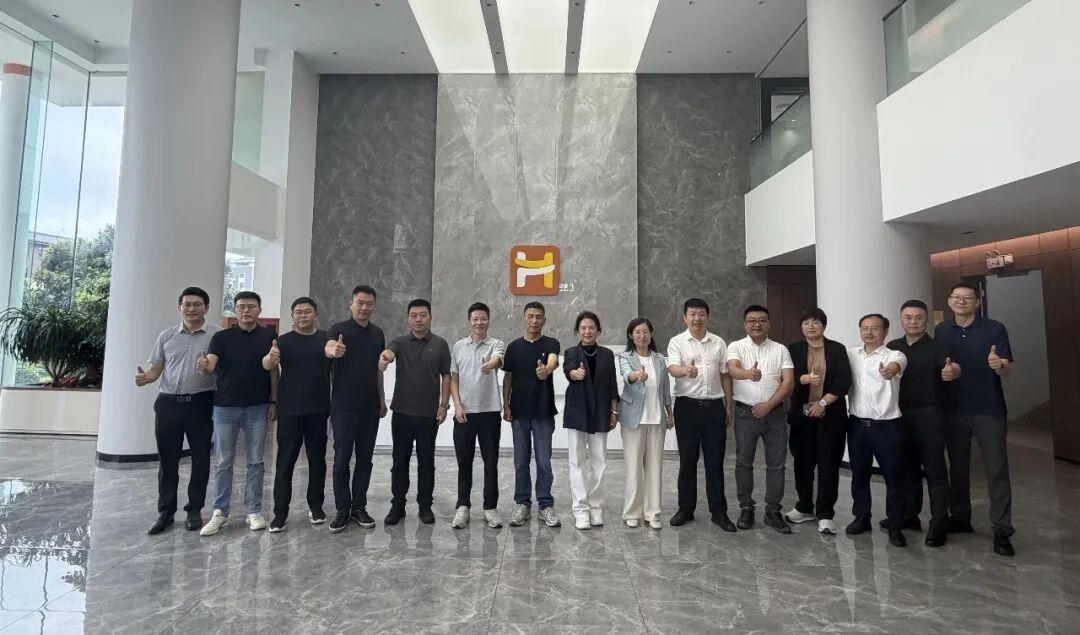
8月11日,汇通达网络(9878.HK)与青岛可好便利店管理有限公司在南京签署战略合作协议。双方宣布,将本着“平等互利、优势互补、长期合作、共同发展”的原则,围绕零售行业“零食+”融合便利店的新零售趋势,在新店型打造、供应链整合、数字化运营等领域展开深度合作,共同探索融合便利店型的创新发展路径。

汇通达网络总裁徐秀贤、高级副总裁兼COO杨盼,可好便利创始人王后虎、创始人兼副董事长姜德香等双方高管出席签约仪式。

可好便利创立于1996年,2002年打造青岛首家24小时便利店,现已发展成为山东便利店行业领军企业。截至2025年底,可好便利门店总数达1500余家,连续多年蝉联山东“便利店一哥”。公司业务覆盖山东全境并向周边省份延伸,拥有300余人的专业管理团队、200万核心会员、三大物流中心和自建鲜食工厂,以“便利店+餐饮店+水果店+咖啡店+服务中心”的多元融合模式,日均服务近50万人次。

汇通达网络深耕下沉市场十五年,构建了覆盖全国21个省、2.5万个乡镇、25.5万家会员店的平台网络,2025年营业收入超500亿元。近年来,汇通达以下沉市场AI赋能为核心,在零售连锁、量贩零食、社区硬折扣等领域加速布局,并以AI赋能为核心驱动力,打造了从AI算力、行业垂直大模型到Agent应用层的全栈AI赋能体系。

双方的战略合作将围绕“零食+便利”的核心方向加速布局,并共同推出连锁新品牌、新店型。

图片

趋势引领,重塑便利店新场景

当前,中国便利店行业正在经历从“传统便利店”向“零食+”融合便利店的新一轮零售变革。2025年,全国便利店行业销售额约5033亿元,同比增长8.7%,远超超市、百货等传统业态增速。

山东便利店市场更是以17.03%的年增长率逆势领跑,增速明显高于全国平均水平。在消费分级、场景融合的零售趋势下,“零食+”正成为便利店行业突破同质化、打开增长天花板的重要方向。

图片

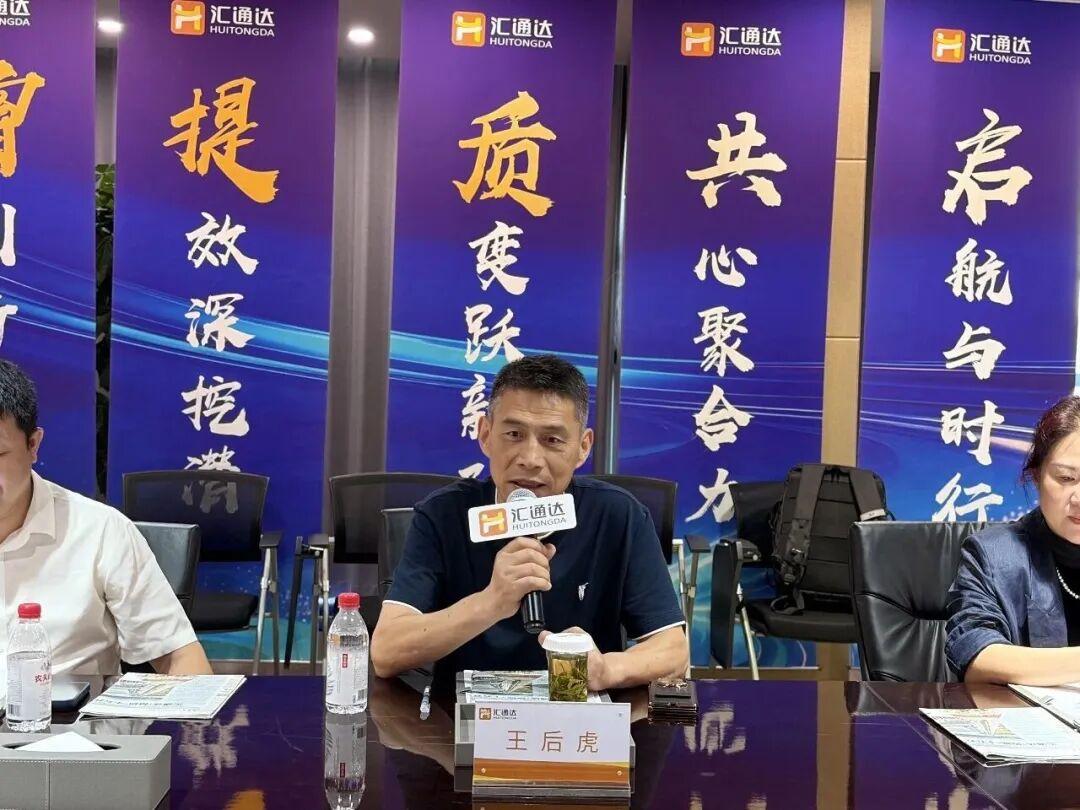
展望此次合作,可好便利创始人王后虎认为,在便利店与众多新业态深化融合的行业发展新档口,双方优势互补,将在山东乃至北方市场打造出更具竞争力的新消费主体。

图片

汇通达总裁徐秀贤表示,双方目标一致、协同高效、共创共赢,合作模式具有创新价值,将打造行业发展的新范式。

据悉,可好便利凭借在山东市场的深厚积累和先进的融合店型探索,有望以“零食+”为切入点,引领便利店从“买东西的地方”进化为消费者省钱又便利的新场景,提供质价比的商品和服务。

根据战略协议,双方将以合资公司作为“可好”品牌唯一运营主体,联合开发“零食+便利店”融合新店型,通过扩大门店面积、丰富商品结构、引入散装零食、鲜食和高频刚需品类,打造更适应消费需求的新型社区零售场景。

可好便利将发挥其在便利店融合业态上的先发优势和区域市场洞察,负责新店型的产品定位、门店运营和品牌落地;汇通达将输出下沉市场网络、AI智能选品和数字化运营能力,为新店型的规模化复制和效率提升提供底座支撑。

同时,双方将共享供应链资源,将汇通达覆盖的头部品牌供应链网络与可好自建鲜食工厂的区域化供应能力深度对接,在商品采购、仓储物流、鲜食研发等环节形成协同效应,进一步提升合作伙伴的商品竞争力和经营效益。

图片

优势互补,共拓下沉市场零售新版图

此次战略合作将充分整合双方核心能力,在山东及周边区域形成更强的品牌影响力。汇通达则将以可好便利为重要支点,进一步深化在山东及周边区域的零售连锁布局,以AI和供应链能力赋能便利店行业转型升级。

双方将共同探索区域便利店品牌与全国性产业平台协同发展的新模式,为行业探索“零食+”融合便利店的可复制路径。

图片

可好便利董事长庄续强表示:“可好与汇通达有共同的行业纽带,在探索市场的过程中文化、理念十分契合。未来在新店型、供应链整合、自有品牌发展和AI赋能等方面,将每一个小的里程碑落地,转化成让合作伙伴、消费者共惠的企业成长红利。”

图片

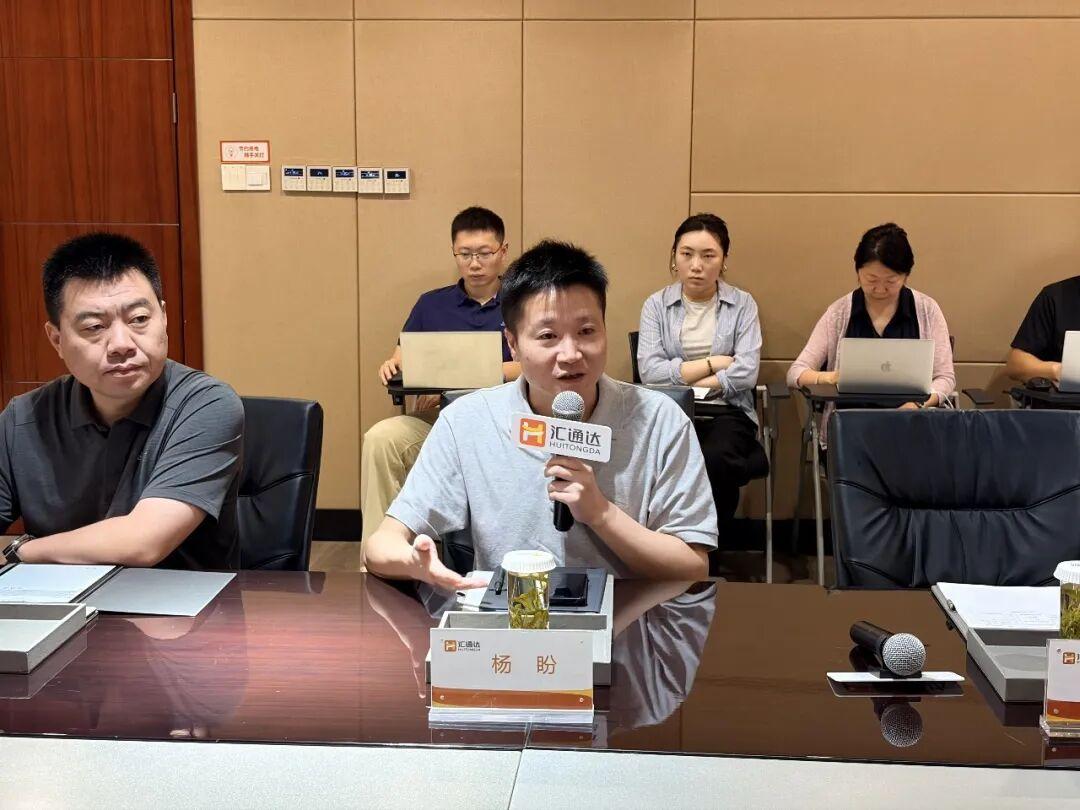
汇通达网络高级副总裁兼COO杨盼表示:“汇通达和可好的结合,将着重围绕商品端的智慧供应链升级、新消费趋势下的融合店打造、AI驱动的门店效率提升与智能体应用,实现与行业上下游、消费市场的‘共创价值、共享成长’。”

双方表示,将以此次战略合作为契机,秉持“共创价值、共享成长”的理念,持续深化合作领域,共同推动中国便利店行业高质量发展,为广大消费者带来更优质的商品和服务体验。

注:文/龚作仁,文章来源:Laborer,本文为作者独立观点,不代表亿邦动力立场。

文章来源:Laborer

广告
微信
朋友圈

FAQ回顾

零食+融合便利店为什么成为便利店行业的发展方向?

当前中国便利店行业正经历从传统便利店向零食+融合便利店的零售变革,零食+是行业突破同质化、打开增长天花板的重要方向。2025年全国便利店销售额约5033亿元,同比增长8.7%,远超超市、百货等传统业态增速,山东市场年增速更是达17.03%领跑全国。

汇通达网络与可好便利的战略合作包含哪些核心内容?

双方将以合资公司作为可好品牌唯一运营主体,联合开发零食+便利店融合新店型,在供应链整合、AI智能选品、数字化运营、鲜食研发等领域深度协同,共同推出连锁新品牌,探索可复制的融合便利店发展路径。

可好便利在山东便利店行业的实力如何?

可好便利是山东便利店行业领军企业,创立于1996年,截至2025年底门店总数达1500余家,拥有300余人专业管理团队、200万核心会员、三大物流中心和自建鲜食工厂,多元融合模式日均服务近50万人次。

汇通达网络在零售赋能领域有哪些核心优势?

汇通达深耕下沉市场十五年,构建覆盖全国21个省、2.5万个乡镇、25.5万家会员店的平台网络,2025年营业收入超500亿元,打造了从AI算力、行业垂直大模型到Agent应用层的全栈AI赋能体系,可输出智能选品、数字化运营等能力。

这么好看,分享一下?

朋友圈 分享

APP内打开

赞 +1
+1
微信好友 朋友圈 新浪微博 QQ空间
关闭
收藏成功
发送
/140 0