广告
加载中

旺季来了 糖水凉了

沥金 2026-07-29 14:43
沥金 2026/07/29 14:43

邦小白快读

EN
全文速览

本文梳理了2026年夏季糖水行业旺季遇冷的全图景,分析了行业失速的核心原因,也给出了普通人入局糖水生意可参考的实操方向。

1. 糖水行业遇冷并非只是消费降级、气候反常等宏观因素导致,本质是品类基因错位、供应链过度同质化内卷、加盟生态畸形的系统性问题,照搬新茶饮万店模式的糖水品牌大多已经陷入困境。

2. 普通人如果想要入局糖水生意,有三个可参考的方向:一是放弃核心商场大店,选择社区街边开20-30平米的小店,压缩租金人力成本,降低盈亏平衡点;二是不做独立门店,转型给火锅店、烧烤店等提供糖水产品赚B端钱;三是产品回归清爽低糖,放弃堆料逻辑,符合当下消费者需求。

当前新式糖水赛道集体失速,本文分析了背后的核心问题,能给糖水品牌经营者提供多方面的参考。

1. 消费趋势层面,当下消费者营养过剩,需要清爽、低糖、无负担的甜品,过度堆料的高碳水糖水已经不符合需求,产品研发要跳出淡基底加排列组合小料的堆料逻辑,回归糖水消暑解渴的本质。

2. 渠道建设层面,糖水属于坐食品类,不要盲目对标新茶饮削尖脑袋进核心商场开大店做精装修,这种模式拉高固定成本后,受翻台率低、客流波动大的影响,大多难以实现盈亏平衡,可转向社区街边做小店压缩成本,也可转型做B端供应链。

3. 加盟运营层面,要先打磨好单店盈利模型,不能靠画饼割加盟商韭菜,靠以罚代管维持现金流只会最终爆发信任危机。

本文揭露了新式糖水加盟赛道的诸多陷阱,也给想要做糖水生意的卖家提示了风险与潜在机会。

1. 风险提示:多数开放加盟的网红糖水品牌,都会向加盟商描绘70%高毛利、半年回本的美好前景,但这只是理想状态,实际扣除品牌物料加价、平台抽成、促销成本后,真实毛利只有45%-50%,核心商场大店模式多数日营业额不足三千,难以盈亏平衡,部分品牌靠高额罚款收割加盟商,一定要警惕这类品牌。

2. 机会提示:当前可以选择轻模式开店,压缩门店面积选社区街边店,极大降低固定成本;也可以和本地火锅店、烧烤店合作,给门店提供糖水配套,不用单独承担门店运营成本;产品主打清爽低糖,适配当下消费者的需求,更容易获得稳定客流。

本文分析了当前糖水行业的发展现状与转型方向,给糖水供应链工厂指明了新的商业机会与发展方向。

1. 产品需求层面,越来越多的线下餐饮门店需要糖水作为解腻配套,独立糖水门店也普遍使用标准化预制原料,工厂可以进一步优化标准化预制原料的生产,开发适配B端餐饮需求的模块化糖水成品,对接更多B端客户。

2. 产品开发方向,当下消费者偏好清爽低糖无负担的糖水,工厂可以针对性开发低糖、低热量的原料产品,替代传统高碳水重糖的原料,适配新的产品趋势。

3. 发展机会层面,当前传统糖水的配方壁垒已经被工业化生产击穿,工厂可以依托自身的标准化生产优势,直接对接B端客户,拓展新的增长空间,摆脱对C端网红品牌的依赖。

本文梳理了糖水行业的现存问题与转型趋势,暴露了行业各参与方的核心痛点,能给餐饮相关服务商指明业务方向。

1. 行业发展趋势:糖水赛道当前正处于洗牌期,旧的资本催熟万店加盟模式已经走到尽头,未来行业会向轻小店、B端供应链、清爽产品方向转型,行业转型过程中催生了大量新的服务需求。

2. 客户核心痛点:想入局的加盟商难辨别靠谱品牌,容易踩割韭菜的坑;转型中的品牌缺乏轻模式运营和B端拓客的经验;同质化竞争中的供应链工厂也缺乏拓客渠道。

3. 解决方案方向:服务商可以开展糖水品牌测评、开店咨询服务,帮助加盟商避坑;也可以为品牌提供轻模式运营咨询、B端客户对接服务,助力品牌完成转型;还可以搭建供需对接平台,帮助工厂对接B端餐饮客户,缓解同质化拓客难的问题。

本文揭露了当前糖水加盟赛道的种种乱象,给涉及糖水品类招商、运营的平台商提示了风险,也指明了运营优化的方向。

1. 当下行业对平台的核心需求,是提供真实透明的品牌信息,保障品牌和加盟商双方的权益,此前很多平台放任网红糖水品牌虚假宣传,夸大毛利率和回本周期,最终加盟商维权也会影响平台的信誉。

2. 平台运营管理优化方向,要加强对入驻糖水品牌的资质审核,核查品牌单店盈利模型的真实数据,禁止品牌发布虚假的盈利预期宣传,规范品牌的加盟管理行为。

3. 风险规避与业务升级方向,要对极速扩张、以罚代管的问题品牌及时预警清退,避免卷入维权纠纷;同时可以引入符合行业新趋势的轻模式糖水品牌、B端供应链项目,优化平台的供给结构,抓住行业转型的机会。

本文以2026年糖水行业旺季失速为研究样本,分析了传统品类资本化扩张过程中的各类问题,对餐饮产业研究有较多参考价值。

1. 产业新动向:传统糖水品类近年被资本介入后,照搬新茶饮的万店加盟模式快速扩张,2026年集体出现失速,大量品牌关店、加盟商维权,行业正处于淘汰旧模式的洗牌阶段,新的商业模式正在探索中。

2. 产业新问题:暴露了当前新餐饮赛道的三个核心问题,一是不同餐饮品类有自身的基因属性,盲目套用其他品类的规模化模式会出现严重水土不服;二是供应链工业化高度发达后,餐饮行业很容易陷入同质化内卷,品牌难以建立产品壁垒;三是加盟模式容易变形,品牌方在资本压力下会沦为收割加盟商的工具,引发行业信任危机。

3. 商业模式研究启示:餐饮品类的规模化扩张必须尊重品类本身的特性,不能脱离生意本质盲目追求规模,资本介入传统餐饮品类需要坚持长期主义,先打磨盈利模型再扩张。

返回默认
声明:快读内容全程由AI生成,请注意甄别信息。如您发现问题,请发送邮件至 run@ebrun.com 。

我是 品牌商 卖家 工厂 服务商 平台商 研究者 帮我再读一遍。

Quick Summary

This article maps out the 2026 summer cooling of the sweet soup industry’s peak season, analyzes the core reasons behind the sector’s slowdown, and outlines practical entry strategies for everyday people looking to start a sweet soup business.

1. The industry’s downturn is not merely driven by macro factors such as consumption downgrading and abnormal weather. Fundamentally, it stems from systemic issues: mismatched category positioning, excessive homogenization and cutthroat competition across the supply chain, and a dysfunctional franchise ecosystem. Most sweet soup brands that blindly copied the 10,000-store model of new-style tea drinks are now trapped in trouble.

2. For individuals entering the space, three practical paths are recommended: First, abandon large stores in core shopping malls, and instead open 20-30 square meter small outlets in community street locations to cut rent and labor costs and lower the break-even threshold. Second, forgo independent retail stores and shift to supplying sweet soup products to hot pot restaurants, barbecue shops and other B-end clients for steady revenue. Third, reformulate products to return to a light, low-sugar profile and abandon the "pile-on toppings" strategy, to align with current consumer demands.

This article analyzes the core issues behind the current widespread slowdown in the new-style sweet soup track, and provides multi-dimensional insights for brand operators in the sector.

1. On consumption trends: Today’s consumers face overnutrition and demand light, low-sugar, no-guilt desserts. Heavy, high-carb sweet soups loaded with toppings no longer meet market needs. Product R&D must move beyond the formula of a plain base with assorted pre-made toppings, and return to sweet soup’s original core function of cooling and quenching thirst.

2. On channel development: Sweet soup is a category focused on on-premise consumption. Brands should not blindly follow the new-style tea drink playbook of fighting for locations in core shopping malls and building large, heavily decorated outlets. This model inflates fixed costs, and most brands fail to break even due to low table turnover and volatile foot traffic. Brands can cut costs by shifting to small street-side outlets in communities, or pivot to become a B-end supplier.

3. On franchise operations: Brands must first refine a proven profitable unit economics model before expanding. They cannot rely on overpromising to exploit franchisees; relying on heavy fines to maintain cash flow will only trigger a full-blown信任危机.

This article exposes the many pitfalls of the new-style sweet soup franchise track, and outlines risks and potential opportunities for sellers looking to enter the sweet soup business.

1. Risk warning: Most viral open-franchise sweet soup brands promise franchisees attractive outcomes like 70% gross margins and payback within six months, but these only exist in ideal scenarios. After deducting brand markup on raw materials, platform commission and promotion costs, the actual gross margin is only 45% to 50%. Most large stores in core shopping malls record daily revenue under 3,000 yuan, making it hard to break even. Some brands even rely on heavy fines to exploit franchisees, so sellers must stay alert to these bad actors.

2. Opportunity outlook: Aspiring sellers can adopt a lean store model, cutting fixed costs significantly by opening small outlets in community street locations. They can also partner with local hot pot and barbecue restaurants to supply sweet soup as a menu add-on, avoiding the standalone cost of store operation. Focusing product offerings on light, low-sugar options that align with current consumer preferences will also make it easier to secure steady foot traffic.

This article analyzes the current development status and transformation direction of the sweet soup industry, and outlines new business opportunities and growth paths for sweet soup supply chain factories.

1. On product demand: A growing number of offline food and beverage outlets now offer sweet soup as a greasy-cutting side dish, and independent sweet soup stores generally use standardized pre-made ingredients. Factories can further optimize production of standardized pre-made materials, develop modular finished sweet soup products tailored for B-end catering clients, and expand their B-end customer base.

2. On product development: Consumers today prefer light, low-sugar, no-guilt sweet soup. Factories can develop targeted low-sugar, low-calorie ingredients to replace traditional high-carb, high-sugar raw materials, adapting to the new product trend.

3. On growth opportunities: The formulation barrier of traditional sweet soup has already been broken down by industrialized production. Factories can leverage their advantages in standardized production, directly connect to B-end clients to open up new growth space, and reduce reliance on C-end viral brands.

This article sorts out the existing problems and transformation trends of the sweet soup industry, exposes core pain points of all industry participants, and clarifies business directions for catering-related service providers.

1. Industry development trend: The sweet soup track is currently in a consolidation phase. The old capital-matured 10,000-store franchise model has reached the end of its life. The industry will transform in the future toward small lean outlets, B-end supply chains, and light-profile products. This transformation is generating a large number of new service demands.

2. Core client pain points: Aspiring franchisees struggle to identify reliable brands and easily fall into exploitative schemes; brands in transformation lack experience in lean operation and B-end customer acquisition; homogenized supply chain factories also lack channels to reach new clients.

3. Solution directions: Service providers can offer sweet soup brand evaluation and store opening consulting to help franchisees avoid pitfalls. They can also provide lean operation consulting and B-end client matching services to help brands complete transformation. They can also build supply-demand matching platforms to connect factories with B-end catering clients, and ease the customer acquisition difficulties caused by homogenization.

This article exposes the current chaos in the sweet soup franchise track, flags risks for platforms engaged in sweet soup category recruitment and operation, and clarifies directions for operation optimization.

1. Core industry demand from platforms: The industry currently needs platforms to provide authentic, transparent brand information, and protect the rights and interests of both brands and franchisees. Many platforms have previously allowed viral sweet soup brands to publish false advertising that overstates gross margins and payback periods, and subsequent franchisee rights disputes end up damaging the platform’s own reputation.

2. Directions for operation management optimization: Platforms need to strengthen qualification checks for settled sweet soup brands, verify the real unit economic data of brands’ stores, ban brands from publishing false profit expectation claims, and standardize brands’ franchise management practices.

3. Directions for risk mitigation and business upgrading: Platforms should issue early warnings and remove problematic brands that expand extremely quickly and rely on fines to manage franchisees, to avoid getting involved in rights disputes. At the same time, platforms can onboard lean-model sweet soup brands and B-end supply chain projects that align with new industry trends, optimize their supply structure, and seize opportunities from industry transformation.

This article takes the 2026 peak-season slowdown of the sweet soup industry as a research sample, analyzes the various problems arising from the capital-driven expansion of traditional categories, and offers multiple insights for catering industry research.

1. New industry dynamics: After capital entered the traditional sweet soup category in recent years, brands expanded rapidly by copying the 10,000-store franchise model from new-style tea drinks. In 2026, the entire sector slowed down, with a large number of brand closures and franchisee rights claims. The industry is now in a consolidation phase that is phasing out the old model, while new business models are still being explored.

2. New core industry problems: The slowdown exposes three core problems in today’s new catering track. First, different catering categories have their own inherent characteristics; blindly applying scaling models from other categories leads to severe misalignment with market realities. Second, after the industrialization of the supply chain reached its current level of maturity, the catering industry easily falls into homogenized cutthroat competition, and brands struggle to build product barriers. Third, franchise models are prone to distortion: under capital pressure, brand owners easily become tools for exploiting franchisees, triggering industry-wide trust crises.

3. Implications for business model research: The scaling of catering categories must respect the inherent characteristics of the category, cannot pursue growth blindly while deviating from the fundamental nature of the business. When capital invests in traditional catering categories, it must adhere to long-term thinking, and refine a proven profitable model before expanding.

Disclaimer: The "Quick Summary" content is entirely generated by AI. Please exercise discretion when interpreting the information. For issues or corrections, please email run@ebrun.com .

I am a Brand Seller Factory Service Provider Marketplace Seller Researcher Read it again.

2026年的夏天,糖水市场透露着一股寒气。

按理说,气温逼近35度,糖水品牌本该迎来一年的高光时刻,肩负超过60%的全年营收预期。

但若看真实客流情况,会发现糖水们不仅没能乘风破浪,反而集体踩了急刹车。各大品牌不约而同放慢了拓店速度,曾经占据商场C位的门店开始悄然撤铺。

而近期闹得沸沸扬扬的麦记牛奶公司加盟商集体维权风波,正是糖水急刹车的一个切面。在不到一年时间里,品牌将门店数从不足百家直接拉到一千家,随后便迅速陷入盈利受阻、高压罚款、信任质疑的泥潭。

糖水到底怎么了?为什么这门在中国有着数百年历史、毛利极高且拥有深厚群众基础的传统生意,一旦被现代资本和千店万店的规模化野心催熟,就迅速走进了死胡同?

抛开消费降级、气候反常这些等宏观背景,糖水市场放缓,本质是一场品类基因错位、供应链过度工业化内卷,以及加盟生态畸形的系统性失灵。

而这不仅是糖水品类的悲剧,更是整个新餐饮赛道在盲目追求规模化过程中,必须咽下的苦果。

糖水与茶饮不同

单店模型被高估

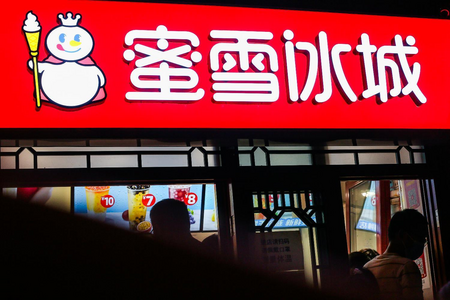
过去三年,几乎所有开放加盟的糖水品牌,都在讲同一个故事——做糖水界的霸王茶姬或蜜雪冰城。包括麦记在内的众多品牌,都希望复制新茶饮的万店模式,却低估了两者在品类基因上的天壤之别。

第一个是“走食”与“坐食”的消费场景差异,这直接决定了坪效的上限。

奶茶的本质是快消饮品,一根吸管解决所有问题,天然契合逛街、通勤、看电影等所有动态场景。

一个仅有15平米的新茶饮档口,在极简的动线和标准化的SOP下,日出杯量可以轻易突破500杯。但糖水是传统甜品,高度依赖碗、勺子以及一张能够让人坐下来的桌子。

一旦脱离了堂食空间,糖水的情绪价值和体验感就会大打折扣。这意味着,糖水店无法像奶茶店那样靠极小的面积实现高频输出,它必须承担沉重的空间成本。

为对标新茶饮的品牌势能,新式糖水铺在选址上削尖脑袋挤进核心商场。一家标准门店往往在70-120平米之间,追求国潮、新中式或极简风的高级装修,单店的前期资本支出动辄60-100万起步。

在核心商场,租金和物业费是极度刚性的运营支出,而糖水的客单价普遍只能维持在15-25元。因为是“坐食”,即便在周末下午的黄金时段,门店看着人声鼎沸,但实际翻台率极低。

消费者点一碗20元的糖水,可以吹着空调坐着聊两个小时。单店坪效被极其有限的座位数和超长的滞店时间制约。而到了工作日,商场客流断崖式下跌,高昂的固定成本更是掣肘本就微薄的利润。

第二个是成瘾性与强饱腹感的差异,这直接影响复购率。

咖啡和茶饮自带咖啡因,具有成瘾性,且液体的饱腹感极弱,对于重度消费者而言,一天两杯是维持日常运转的常态,复购率极高。

反观糖水,无论是绵密的芋泥、扎实的糯米、Q弹的麻薯,还是传统的红豆、莲子,本质都是扎实的碳水炸弹。这种强烈的饱腹感,注定了它只能是一顿下午茶轻餐。这使得消费者很难一天吃两碗糖水,一周吃一次都显得过于甜腻。

为了对标新茶饮的品牌势能,新式糖水铺削尖脑袋挤进核心商场,追求大店面和精装修。官方往往会向加盟商描绘出70%左右的极高堂食毛利率,但这仅仅是理想状态。

现实中,扣除外卖平台抽成和频繁的促销,实际毛利往往在45%-50%徘徊。在商场高昂租金的重压下,加之周末极低的翻台率和工作日的客流断崖,大量像麦记这样的门店,日营业额不到三千元,连盈亏平衡线都摸不到。

低频、重资产、吃面积,是糖水改不掉的品类底色。用高频的新茶饮逻辑去套低频的糖水生意,从起步那一刻就已经埋下了地雷。

商家无限堆料

产品越来越同质化

如果说品类模型脆弱是外伤,那产品同质化就是糖水难治的内伤。

如今的糖水生意,早就脱离了传统手艺人的范畴,本质已经蜕变成了一场极其简单的堆料游戏。其万能的产品研发套路无非是:淡味道基底 + 差异化小料 = 所谓的新品。

基底部分,无非是广东水牛奶、潮汕银耳羹、三亚椰奶,或者是近年来风靡的植物基米浆;小料部分,则是木薯、草粿、阿达子、鸡屎藤等地域性食材的排列组合。

在过去,这种组合的护城河在于老字号耗时耗力的手工熬煮和秘而不宣的地域配方。但在今天中国极度成熟且内卷的餐饮供应链面前,这些所谓的壁垒早已经被高度发达的食品工业体系击穿。

消费者坐在精致的门店里,以为后厨正在文火慢熬银耳,其实店员只是剪开了一包冷链鲜炖银耳的即用包;消费者以为阿达子是品牌从闽南深山里寻来的独家特产,其实上游供应链工厂早就通过标准化复配,将其做成了开袋即食、保质期长达半年的标准SKU。

甚至近年来在社交媒体上大火的药食同源概念,把一整根人参、新会陈皮、茯苓、罗汉果做成晶莹剔透的凝胶冻,在供应链端也毫无秘密可言,无非是向代工厂下达一个几吨起步的定制生产单。

这种供应链的极度透明化,导致了A品牌和B品牌之间几乎没有任何产品差异。

只要A品牌跑通了一款陈皮绿豆沙配马蹄爆珠,B品牌的研发总监打个电话给供应商,最快一周之内,口味相似度高达95%的平替产品就能铺到全国门店。

大家都在共用同样的基底,堆砌同样的小料,整个赛道陷入了无尽的微创新和极其低效的同质化内卷。

当口味拉不开差距,品牌失去了产品的定价权,就只能在视觉分量上找补。

为了让消费者觉得这二十几块钱花得物超所值,也为了迎合社交媒体上“料多到溢出来”的打卡需求,店家开始陷入疯狂的堆料逻辑。半碗厚重的芋泥打底,加上三大勺麻薯,铺上一层马蹄爆珠,最后浇上厚椰乳。

这早就不是一碗用来消暑解渴的糖水了,而是一碗让人吃半碗就撑得发慌的八宝粥。

这种做法不仅大幅拉高了食材成本,进一步挤压了单店利润,更是在反向驱赶消费者。本来就低频的消费,因为过度甜腻和极端饱腹感,让消费者的肠胃负担极重,最终彻底沦为几个月才会硬着头皮去吃一次的边缘选择。

管理动作变形

加盟商沦为买单人

单店盈利模型跑不通,产品端又陷入堆料内卷,品牌的商业动作必然会严重变形。

在这个阶段,狂飙突进的规模化不再是品牌的护城河,反而成了彻底压垮加盟生态的催命符。麦记牛奶公司的集体维权事件,正是这一商业病态演化的标准样本。

在不到一年的时间里,麦记凭借激进的招商策略,将门店数强行拉升至1000家。支撑这种恐怖增速的,是招商团队向加盟商画出的高毛利、快回本的完美大饼。

品牌们往往会向加盟商描绘出高达70%左右的极高堂食毛利率,但这仅仅是停留在表格上的理想状态。

现实中,扣除供应链端品牌方的高昂加价、外卖平台的巨额抽成、以及为了引流不得不参与的低价团购和频繁促销,加盟商手里的实际毛利往往在45%-50%之间苦苦挣扎。

在商场高昂租金和居高不下的人力成本重压下,大量单店日营业额仅千元出头,持续处于净亏损状态,所谓的半年回本纯属天方夜谭。

当单店不赚钱时,真正具有长期主义的品牌方会选择停下脚步,与加盟商共渡难关,重新打磨盈利模型。但在极速扩张的资本压力和对赌协议面前,后端的精细化运营往往会彻底脱节。为了维持品牌方自身财务报表的光鲜,管理动作开始走向极端,取而代之的是严苛到近乎病态的稽查制度。

冰箱胶条出现肉眼难以察觉的轻微破损、操作台物料摆放角度的一厘米偏差、甚至切片水果的厚度不达标,动辄面临数百至上千元的重罚,甚至直接扣除高额保证金。

这种被加盟商咬牙痛斥的“以罚代管”机制,其实折射出的是品牌方深层的利润焦虑。在前端卖不出糖水的情况下,品牌方只能通过变相向存量加盟商施压,利用各种名目的罚款来维持公司的现金流和营收数据。

这彻底扯下了当下许多网红糖水品牌的遮羞布:当单店模型无法支撑终端盈利时,这场生意的本质就已经发生了根本性的偏移。

品牌方赚的早就不是零售端消费者买糖水的钱,而是加盟商买设备、买装修、买高价物料以及交罚款的钱。

在这场击鼓传花的游戏中,供应链和加盟权变成了一把锋利的镰刀,而满怀创业梦想的加盟商,则成了这个商业闭环中真正的、也是最终的“消费者”。

一旦加盟商的现金流断裂,回本预期遥遥无期,品牌与门店之间的信任链条就会瞬间崩解,曾经吹捧的万店幻梦便会在维权横幅和恐慌性关店中轰然倒塌。

沥金点评

旺季失速,意味着糖水赛道正在经历一场必要的行业洗牌。

作为一个有着深厚历史底蕴和独特味觉记忆的传统品类,糖水绝不会消亡。但那种依靠开大店、重装修、高客单、狂堆料、割加盟的资本催熟模式,已经彻底走到了死胡同。

未来的糖水,必须挤干水分,回归生意本质。

首先,告别大店执念,把模式做轻。放弃昂贵的核心商铺,退回社区和街边。把门店面积压缩至20-30平米,甚至探索纯档口模式,极致压缩租金和人力成本,把盈亏平衡点降下来。

其次,从红花退居绿叶。如今市面上好吃的糖水,往往藏在火锅店、烧烤店里。作为重口味餐饮的解腻补充,糖水的体验感极佳。与其死磕独立门店,不如转型做优质的供应链方案商,把模块化的糖水嵌进大型餐饮店的菜单里,去赚B端的钱。

最后,给糖水减负,回归清爽。扔掉八宝粥式的堆料内卷,在这个营养过剩的时代,消费者需要的是一碗清爽、低糖、无负担的甜品,而不是一碗沉甸甸的碳水怪兽。

高温还在继续,但糖水赛道的虚火终于降了下来。当潮水退去,只有那些愿意慢下来、重新打磨盈利模型的品牌,才能熬过凛冬。

注:文/沥金,文章来源:沥金,本文为作者独立观点,不代表亿邦动力立场。

文章来源:沥金

广告
微信
朋友圈

FAQ回顾

糖水品类为什么难以复制新茶饮的万店规模化模式?

糖水与新茶饮品类基因差异极大,一是消费场景不同,糖水是坐食品类,高度依赖堂食空间,坪效、翻台率极低,固定成本高;二是属性不同,糖水饱腹感强、无成瘾性,复购率远低于带咖啡因的茶饮,套用新茶饮万店模式从一开始就存在逻辑缺陷。

当前糖水赛道陷入发展困境的核心原因是什么?

本质是品类基因错位、供应链过度工业化内卷、加盟生态畸形的系统性失灵:一是用高频新茶饮逻辑套低频糖水生意,单店盈利模型不成立;二是产品高度同质化,堆料内卷挤压利润、反向驱赶消费者;三是品牌方盲目扩张,靠收割加盟商获利。

糖水品牌未来有哪些可行的破局发展方向?

首先要做轻模式,放弃核心商圈大店,转向社区、街边小店或档口,压缩固定成本;其次可转型B端供应链服务商,将糖水作为解腻产品嵌入火锅、烧烤等餐饮门店菜单;最后回归品类本质,推出清爽低糖、无负担的产品,避免堆料内卷。

加盟新式糖水品牌常见的盈利陷阱有哪些?

品牌方往往向加盟商宣传70%左右的理想堂食毛利率,实际扣除品牌方供应链加价、外卖抽成、促销成本后,加盟商实际毛利仅45%-50%;加上核心商圈高租金、低翻台率,大量门店难以盈亏平衡,部分品牌还会以严苛稽查制度“以罚代管”收割加盟商。

这么好看,分享一下?

朋友圈 分享

APP内打开

赞 +1
+1
微信好友 朋友圈 新浪微博 QQ空间
关闭
收藏成功
发送
/140 0