广告
加载中

“全村的希望”珂谧另类突围

胡芳洁 2026-07-20 13:24
胡芳洁 2026/07/20 13:24

邦小白快读

EN
全文速览

本文主要介绍福瑞达旗下新美妆品牌珂谧的快速崛起过程以及背后存在的问题,核心干货和消费提示如下:

1. 核心品牌信息:珂谧2023年创立,主打差异化穿膜胶原卖点,是福瑞达化妆品板块的第二增长曲线,业绩增长速度极快,2025年实现收入1.55亿元,同比增长258%,2026年第一季度收入0.82亿元,同比大涨861%。

2. 消费提示:珂谧目前高度依赖抖音线上渠道,线下渠道覆盖极差,线下门店几乎很难找到该产品;其定价对标头部成熟胶原产品,价格远高于福瑞达旗下其他同类型产品;目前业内专业医师对涂抹胶原蛋白透皮补充的效果存疑,已有多位用户反馈使用后出现眼睛红肿等严重过敏问题,品牌暂未回应安全疑问,消费者购买前需充分考量。

本文梳理了新品牌珂谧的突围路径,可为美妆品牌商提供经验参考和风险警示,核心干货如下:

1. 可借鉴的经验:避开竞争已经十分激烈的成熟玻尿酸赛道,切入差异化的重组胶原蛋白领域,主打穿膜胶原的独家技术卖点,通过清晰的技术叙事解决胶原不吸收的行业痛点,锚定高客单价抗衰人群,获得了可观的溢价空间;初期依托抖音达人投放快速起量,通过技术发布会、跨界联名放大品牌声量,短时间实现业绩爆发。

2. 需要警惕的问题:长期高度依赖线上达人投放,线下渠道渗透严重不足,渠道结构单一,抗风险能力弱;主打新功效技术未充分公开验证安全性,出现用户过敏反馈后未及时回应,容易引发品牌信任危机,高溢价的可持续性存疑。

本文梳理了珂谧的增长路径和现存问题,能给美妆赛道卖家带来启示和风险提示,核心干货如下:

1. 市场机会层面:当前美妆成分叙事同质化严重,主打差异化技术卖点的新品牌仍有突围机会,重组胶原蛋白赛道技术门槛高、产品同质化低、溢价空间可观,整体竞争强度低于成熟的玻尿酸赛道,适合新品牌切入。

2. 可参考的玩法:新品牌创立初期,聚焦抖音内容渠道,通过高密度达人投放可以实现快速起量,搭配技术发布会、跨界异业合作可以有效放大品牌声量,短时间拉动业绩增长。

3. 风险提示:单一依赖线上达人投放,渠道结构不健康,增长容易碰到天花板;主打功效性产品一定要提前做好安全性验证,及时响应用户负面反馈,否则容易引发品牌信任危机,冲动消费带来的增长不可持续。

本文反映了美妆行业的产品需求变化和新商业机会,能给美妆相关工厂带来启示,核心干货如下:

1. 产品生产设计需求层面:当下美妆品牌越来越追求差异化功效,重组胶原蛋白赛道成为新的增长热点,品牌对差异化技术的需求很高,具备穿膜肽技术整合能力、重组人源化胶原蛋白生产能力的工厂,会获得更多新品牌的合作订单。

2. 数字化与电商转型启示:当前新美妆品牌大多选择先线上起量的路径,对小批量、多频次的柔性生产需求更高,工厂需要调整传统大规模生产的模式,适配品牌线上快速试错、快速迭代的节奏,才能抓住新品牌的合作机会。

3. 风险提示:功效护肤对安全性要求极高,工厂在提供新技术相关生产服务时,要提前做好安全性验证,尤其是跨界应用的新技术,要协助品牌做好风险检测,避免出现安全问题波及自身品牌口碑。

本文反映了当前美妆行业的发展趋势和品牌痛点,能给美妆相关服务商带来方向参考,核心干货如下:

1. 行业发展趋势:当前国货美妆已经从早期的流量竞争转向技术竞争,差异化功效技术成为新品牌突围的核心竞争力,重组胶原蛋白赛道成为新的热门增长赛道,越来越多传统美妆企业和新品牌会切入这个领域。

2. 客户核心痛点:新美妆品牌普遍存在快速起量后渠道结构失衡的问题,大多高度依赖线上达人投放,线下拓展能力不足;同时很多主打新功效技术的新品牌,缺乏第三方安全性背书,应对公关危机的能力不足,出现负面反馈后无法及时处理,容易引发信任危机。

3. 业务机会:服务商可以针对新品牌推出全渠道布局服务,帮助新品牌快速下沉线下渠道;还可以推出功效技术第三方安全性验证背书服务,同时配套危机公关响应服务,解决新品牌的核心痛点。

本文反映了当前美妆品牌对平台的需求,也指出了平台运营需要注意的方向,核心干货如下:

1. 品牌对平台的核心需求:当前很多新美妆品牌高度依赖内容电商平台的达人投放生态,对平台的达人对接、流量扶持、内容曝光支持的需求很高,新品牌希望借助平台公域流量快速起量,打出品牌声量。

2. 平台运营和招商方向:内容电商平台可以针对主打差异化功效的新美妆品牌推出专项扶持计划,吸引珂谧这类有增长潜力的新品牌入驻,丰富平台的品牌矩阵,提升平台在美妆赛道的竞争力。

3. 风险规避方向:平台需要加强对功效型护肤品的准入审核,尤其是主打新技术的产品,要求品牌提供完整的安全性验证报告,及时跟进处理用户的过敏投诉,规避行业风险,维护平台用户权益;也可以拓展线下美妆渠道资源,为线上起家的新品牌提供线下布局对接服务,挖掘新的营收增长点。

本文呈现了当前国货美妆产业的新动向和新问题,对产业研究有较高的参考价值,核心干货如下:

1. 产业新动向:传统玻尿酸美妆龙头福瑞达,在原有主力品牌颐莲、瑷尔博士增长乏力、整体业务下滑的背景下,推出新品牌珂谧切入重组胶原蛋白赛道,打造第二增长曲线,反映了传统美妆龙头企业寻找新增量的普遍方向,也说明差异化技术路线已经成为当前新品牌突围的主流选择。

2. 产业新问题:原本在医药领域都未能实现商业化落地的穿膜肽技术,直接被应用到护肤品领域,其长期安全性缺乏公开验证,已经出现多起用户过敏案例但品牌未作出回应,暴露了当前功效护肤领域存在新技术滥用、安全标准缺失、品牌风险回应机制不完善的问题。

3. 研究启示:后续可以围绕国货美妆功效叙事的商业逻辑、新技术跨界应用到护肤品领域的安全标准、新品牌线上起量后的可持续增长路径等方向展开深入研究。

返回默认
声明:快读内容全程由AI生成,请注意甄别信息。如您发现问题,请发送邮件至 run@ebrun.com 。

我是 品牌商 卖家 工厂 服务商 平台商 研究者 帮我再读一遍。

Quick Summary

This article outlines the rapid rise of Comé, a new beauty brand owned by China-based Shandong Freda Biopharmaceutical, along with key risks for consumers:

1. Core brand overview: Founded in 2023, Comé focuses on a differentiated "membrane-permeable collagen" value proposition as Freda’s second growth driver in its cosmetics division. It has posted explosive growth: revenue hit 155 million yuan in 2025, up 258% year-on-year, and reached 82 million yuan in Q1 2026, surging 861% year-over-year.

2. Consumer alerts: Comé is heavily reliant on Douyin (China’s TikTok) for sales, with extremely limited offline distribution—consumers can rarely find the product in physical stores. Its pricing matches that of leading mature collagen skincare brands, and is far higher than other collagen-based products from Freda. Medical professionals remain skeptical of the effectiveness of transdermal collagen supplementation via topical products. Multiple users have reported severe adverse reactions including eye swelling and redness after use, and the brand has yet to address safety concerns. Consumers are advised to do thorough research before purchasing.

This article analyzes Comé’s breakthrough strategy to provide actionable insights and risk warnings for beauty brand owners:

1. Key takeaways: Comé avoided the crowded, highly competitive hyaluronic acid sector to enter the differentiated recombinant collagen space, leaning into its exclusive membrane-permeable collagen technology narrative to address the longstanding industry pain point of poor collagen absorption. By targeting high-value anti-aging consumers, it captures strong price premiums. The brand scaled rapidly in its early stage via influencer partnerships on Douyin, and boosted brand awareness through technology press conferences and cross-industry co-branding to deliver explosive growth in a short timeframe.

2. Key risks to watch: Long-term over-reliance on online influencer marketing and extremely limited offline penetration leave Comé with an imbalanced channel structure and low risk resilience. The safety of its novel efficacy claim has not been fully publicly verified, and the brand’s failure to respond promptly to user allergy reports puts it at high risk of a major brand trust crisis, while the sustainability of its high price premium remains uncertain.

This article breaks down Comé’s growth trajectory and existing challenges, offering key insights and risk warnings for beauty sellers:

1. Market opportunity: As beauty ingredient marketing becomes increasingly homogeneous, new brands built around differentiated technology claims still have strong potential to break through. The recombinant collagen category has higher technology barriers, lower product homogeneity, greater premium potential, and lower overall competition than the mature hyaluronic acid sector, making it well-suited for new brand entrants.

2. Actionable go-to-market strategy: In the early stage of a new brand, focusing on Douyin’s content ecosystem and running high-density influencer campaigns can deliver rapid scale. Pairing this with technology press events and cross-industry partnerships effectively boosts brand visibility and drives fast revenue growth.

3. Risk warnings: Over-reliance on online influencer marketing creates an unhealthy channel structure that will eventually hit a growth ceiling. For efficacy-focused skincare brands, safety verification must be completed in advance, and negative user feedback must be addressed promptly; otherwise, a brand trust crisis is likely, and growth driven by impulse purchases cannot be sustained.

This article outlines shifting product demand and new business opportunities in the beauty industry, offering key insights for cosmetics manufacturers:

1. Product design and production demand: Beauty brands are increasingly prioritizing differentiated efficacy, and recombinant collagen has emerged as a high-growth hotspot, with strong demand for differentiated technology capabilities. Manufacturers with expertise in membrane-permeable peptide integration and recombinant humanized collagen production will secure far more合作订单 from new brands.

2. Digital and e-commerce transformation insights: Most new beauty brands now scale online first, and have higher demand for flexible small-batch, high-frequency production. Manufacturers need to adjust their traditional large-scale production models to adapt to new brands’ pace of rapid online testing and iteration to capture new合作 opportunities.

3. Risk warnings: Efficacy skincare has extremely high safety requirements. When providing manufacturing services for products using new technologies, especially cross-industry adapted technologies, manufacturers must complete safety verification in advance and assist brands with risk testing to avoid safety incidents that damage their own brand reputation.

This article outlines current industry trends and core pain points for beauty brands, providing directional guidance for beauty industry service providers:

1. Industry trends: Domestic Chinese beauty brands have shifted from early-stage competition for traffic to competition based on technology. Differentiated efficacy technology has become the core competitive advantage for new brands breaking through, and recombinant collagen has become a popular high-growth sector, with increasing numbers of traditional beauty companies and new brands planning to enter the space.

2. Core client pain points: Most new beauty brands face channel imbalance after rapid online scaling, with heavy over-reliance on influencer marketing and limited capabilities for offline expansion. Additionally, many new brands built around novel efficacy claims lack third-party safety certification, have weak PR crisis response capabilities, and cannot address negative feedback promptly, leaving them exposed to trust crises.

3. New business opportunities: Service providers can develop omni-channel expansion services tailored for new brands to help them quickly penetrate offline retail channels. They can also offer third-party safety certification services for efficacy technologies paired with PR crisis response services to solve new brands’ most pressing pain points.

This article outlines new beauty brands’ needs for platforms and points for platform operations improvement:

1. Core brand needs on platforms: Many new beauty brands rely heavily on the influencer ecosystem of content e-commerce platforms, with strong demand for influencer matching, traffic support and content exposure. New brands aim to leverage platform public traffic to scale quickly and build brand awareness.

2. Platform operations and merchant recruitment direction: Content e-commerce platforms can launch dedicated support programs for new beauty brands centered on differentiated efficacy to attract high-growth potential brands like Comé to their platforms, enrich their brand matrix, and strengthen competitiveness in the beauty category.

3. Risk mitigation: Platforms should strengthen access review for efficacy skincare products, especially products built on new technologies, requiring brands to submit complete safety verification reports. Platforms also need to follow up promptly on user allergy complaints to mitigate industry risk and protect user interests. They can also expand offline beauty channel resources to offer offline expansion matching services for online-born new brands and unlock new revenue growth.

This paper presents new trends and emerging challenges in China’s domestic beauty industry, offering high-value reference for industry research:

1. New industry trends: Against the backdrop of slowing growth at its established core brands颐莲 and瑷尔博士 and overall business decline, traditional hyaluronic acid beauty leader Freda launched the new brand Comé to enter the recombinant collagen sector and build a second growth curve. This reflects the common strategy of traditional beauty incumbents searching for new growth, and confirms that differentiated technology positioning has become the mainstream approach for new brands seeking to break through.

2. New industry challenges: Membrane-permeable peptide technology, which has not achieved commercial success even in the pharmaceutical sector, is being directly applied to skincare products. Its long-term safety lacks public verification, multiple user allergy cases have been reported with no response from the brand, which exposes widespread problems in the current efficacy skincare space: overuse of untested new technologies, lack of clear safety standards, and incomplete brand risk response mechanisms.

3. Research implications: Future in-depth research can focus on the commercial logic of efficacy marketing in Chinese domestic beauty, safety standards for cross-industry application of new technologies in skincare, and sustainable growth paths for new brands after initial online scaling.

Disclaimer: The "Quick Summary" content is entirely generated by AI. Please exercise discretion when interpreting the information. For issues or corrections, please email run@ebrun.com .

I am a Brand Seller Factory Service Provider Marketplace Seller Researcher Read it again.

6月3日,福瑞达旗下胶原蛋白护肤品牌珂谧与今年热度暴增的追觅科技达成合作,联合推出“追觅美肤面罩+珂谧穿膜胶原次抛”联名礼盒,并发布居家美容无创透皮技术突破白皮书。

2023年创立的珂谧,曾是一个默默无闻的新品牌,在确立穿膜胶原这一核心卖点后,便借助直播间等渠道,频频出现在大众视野中。而此次与追觅的跨界合作,将品牌的扩张意图进一步放大。

早在今年4月26日,珂谧发布“穿膜胶原2.0”。这是继2025年4月18日发布“穿膜胶原”后的一次升级迭代,品牌宣称实现从“皮肤渗透”到“穿透细胞膜”的跨越。

珂谧的业绩数字同样可观。2025年,珂谧品牌实现收入1.55亿元,同比增长258%;2026年第一季度,珂谧单季收入已攀升至0.82亿元,同比增长861%。

在高歌猛进的珂谧背后,是母公司福瑞达持续承压的化妆品板块——颐莲品牌增速下滑,而瑷尔博士已陷入负增长,珂谧俨然成为“全村的希望”。福瑞达能靠珂谧成功突围吗?

1

“全村的希望”

珂谧的诞生,与其说是一次品牌创新,不如说是一场突围。

福瑞达的前身是鲁商置业,以房地产业务起家。2018年,公司进行重大资产重组,置入山东福瑞达医药集团有限公司100%股权,正式进入化妆品和医药领域。

2023年,公司确立化妆品为主业方向,并推出以重组胶原蛋白成分为核心的新品牌珂谧,进入“二次创业”阶段。

但这份新希望,背负着沉重的现实压力。

2023年之后,福瑞达化妆品业务增速显著下滑,从2023年的22.71%降至2024年的2.46%。2025年增速跌至-9.27%,实现收入22.46亿元,也不及2023年的24.16亿元。

作为福瑞达旗下两大核心美妆品牌,2025年,瑷尔博士收入大跌27%至9.47亿元,跌出10亿元阵营;颐莲增速从2024年12.36%,下滑至8.26%。

主力品牌增长乏力,新品牌能否快速顶上,变得尤为重要。福瑞达生物股份董事长、总经理高春明明确将珂谧定位为“继玻尿酸之后的第二增长曲线”。

与颐莲所处的成熟玻尿酸市场相比,重组胶原蛋白领域虽然技术门槛高,但产品同质化程度相对较低,溢价空间也更为可观。

更重要的是,在成分叙事已经成为美妆行业标配的当下,谁能讲出一个更具科技感、更具差异化的故事,谁就掌握了定价权。

因此,在技术路线上,珂谧选择了一条与巨子生物、锦波生物截然不同的路径——穿膜胶原。

据公开资料,珂谧穿膜胶原的核心是在重组Ⅲ型胶原蛋白的基因序列中嵌入专属的穿膜肽片段,相当于为胶原蛋白装上“引擎”,实现高效透皮。实验数据显示,其24小时皮下渗透率较普通重组胶原蛋白提高了27.5倍。

2026年4月,珂谧在北京举办穿膜胶原2.0发布会,宣称实现从“透皮”到“入细胞”的突破。据发布会披露的数据,穿膜胶原比非穿膜胶原穿透细胞膜的效率提高了36.16%。

从技术叙事来看,这一策略逻辑完整、路径清晰,先用“27.5倍渗透率”解决胶原涂了不吸收的行业痛点,再用入细胞级抗衰锚定高客单价人群。

但是对于新品牌而言,独特的技术叙事仅仅是一方面,高效地触达消费者,依然是关键一环。

2

线上依赖与线下失语

珂谧的崛起路径,高度依赖抖音渠道,尤其是合作直播间的销量爆发。

有米有数显示,珂谧抖音官方旗舰店最近一个月销售额为1000万元-2500万元,依次推算,三个月的销售额就是3000万元-7500万元。

对比福瑞达财报披露数据,今年一季度珂谧实现收入0.82亿元。依次粗略估算,珂谧抖音旗舰店贡献了品牌总收入的37%-91%。

有米有数还显示,珂谧抖音官方旗舰店自播收入占比仅31.95%。这也意味着大量销量来自达人投放等渠道,近一个月,其合作达人数165人,平均每天合作5.5个达人。

而据公开信息,今年5月8日,珂谧与媒体合作的直播专场,GMV就突破1000万元,相当于官方旗舰店一个月的销售额。

与众多美妆品牌近年来加强线下渠道布局不同,珂谧在线下渠道渗透力微弱。

福瑞达在财报中披露,线下销售方面,公司已入驻屈臣氏、银泰百货等传统商超,KKV、调色师等新零售渠道以及化妆品连锁专营店等渠道。

但「创业最前线」于近日走访北京某屈臣氏发现,店员对“珂谧”品牌十分陌生。当顾客问店内是否有珂谧精华次抛,店员露出疑惑的表情,向顾客询问产品外包装颜色及特征,最终店员也没有找到这款产品。

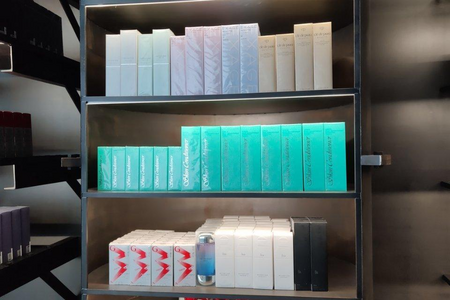
「创业最前线」在淘宝闪购、美团上搜索“珂谧”,仅各有4家店铺上架产品,且均为5只装次抛,未见30支正装在售。

对比同赛道的竞品,初出茅庐的珂谧在价格定位上并没有“客气”。

可复美胶原棒2.0在天猫平台售价377元/30支,丸美小金针381元/30支,而珂谧穿膜胶原次抛则是369元/30支,定价和上述两个成熟竞品不相上下。

在福瑞达体系内,珂谧更是遥遥领先。以福瑞达另一成熟品牌瑷尔博士为例,其287修护次抛、闪充次抛30支售价仅176元、约100元,只有珂谧的一半,甚至三分之一。

一个不到三岁的品牌,在流量投放上高举高打,在定价上更是直逼头部竞品,急于成名的珂谧,品牌的技术故事是否足够性感,直播间的冲动消费又能持续买单吗?

在品牌创立初期,聚焦线上渠道实现快速起量,是合理的战略选择,但当品牌逐渐进入规模化发展阶段,渠道单一、增长依赖线上投放的打法能否持续,高溢价能否持续站住脚,或许还需要打个问号。

3

穿膜胶原的“红与黑”

在热闹的直播带货之外,外界更关心的问题是:珂谧的穿膜胶原到底是什么?如何实现穿透皮肤和细胞膜?

“涂抹式的胶原蛋白产品,我觉得不太行(不太能透皮)。”某公立整形外科医院整形科医师对「创业最前线」表示。

“因为胶原蛋白是一种蛋白,分子量很大。本来蛋白分子透过皮肤的可能性就很小,即使有极少量透过去,能不能生成胶原纤维,就更难说了。就我个人来看,不管是外用还是口服的胶原蛋白,它们直接补充皮肤胶原蛋白的效果都是有待考量的。”她进一步解释道。

但同时,她也强调化妆品不透皮也能发挥护肤作用。

而另一位整形美容医生,也表达了同样的观点,认为胶原蛋白因为分子量过大,很难穿透角质层。

据公开信息,珂谧核心单品穿膜胶原次抛中,不仅有重组胶原蛋白,还添加了超分子蜂王胶原脂质体(构建肌底防护盾)、愈胶原ECM蛋白组(改善细胞微环境)、PDRN(启动新生供给)等,来实现抗皱修护功效。

更为关键的是,该款产品还有两项专利加持,来实现“不止于真皮,更要直抵细胞”。

「创业最前线」查询发现,一项由山东福瑞达生物股份有限公司于2024年10月提交申请的“一种具有透皮效果的重组胶原蛋白及其制备方法和应用”专利显示,在重组胶原蛋白的制备过程中,在序列氨基端引入穿膜肽,由此制备出来的重组胶原蛋白,具备更佳的透皮性能。

而另一项名为“一种维持皮肤细胞渗透压的组合物及应用”专利,则通过将糖类同分异构体和D-泛醇以一定的比例组合,来调节皮肤细胞渗透压。该项技术由上海交通大学医学院附属第九医院提交申请。

据了解,穿膜肽技术的应用,并非珂谧首创。

国家知识产权局专利公布公告信息显示,早在2003年,四川大学就提交申请“钟蛋白穿膜肽药物载体”发明专利,该药物载体能携带药物直接穿过血脑屏障、细胞膜屏障,直达病变部位,从而提高药物疗效,可用于乳腺癌等肿瘤治疗领域。

多项涉及“穿膜肽”应用的发明专利,指向肿瘤、牛皮癣等疾病治疗。

但「创业最前线」查询公开信息发现,穿膜肽作为药物递送工具已经研究了几十年,但其转化之路却十分漫长。

泰格医药微信公众号于2025年4月21日发布的文章显示,“迄今为止尚无CPP(穿膜肽)单一药物或CPP/药物组合疗法获得FDA(美国食品药品监督管理局)批准”,而关键原因,“可能与天然CPP缺乏靶向性有关”。

也就是说,天然穿膜肽通常非特异性地进入所有接触细胞,易导致脱靶效应。

在医药领域迟迟未能落地的穿膜肽技术,以涂抹的方式在护肤品领域应用,降低了相关风险。但作为一种“强力”穿透工具,是否可能因为穿膜肽将相关成分带入皮肤深层而增加刺激或敏感风险、干扰正常细胞功能?长期使用是否存在潜在风险?

就此,「创业最前线」联系福瑞达(珂谧)进一步求证,但截至发稿尚未获得回复。

此外,国内某生物科技公司研发人员对「创业最前线」表示,穿膜胶原产品还需要考虑的一点是,使用的是不是人源化重组胶原蛋白。如果不是,进了细胞内,则存在排异反应可能。

「创业最前线」查询珂谧产品详情页并询问客服得知,珂谧穿膜胶原次抛使用的是重组人源化三型胶原蛋白。但其引入的穿膜肽,是否为人源化的?「创业最前线」联系福瑞达(珂谧)求证,但截至发稿尚未回复。

与此同时,社交媒体平台的用户使用反馈,同样值得关注。

目前,小红书平台有多个使用珂谧穿膜胶原次抛后的严重过敏案例,其中尤其以眼睛红肿、过敏等症状最为突出。

品牌是否有关注到相关用户反馈、后续处理方案是什么,「创业最前线」也联系了福瑞达(珂谧),截至发稿同样未获得回复。

新功效护肤技术的突破,是国货美妆超越外资美妆品牌的关键依托。但在追求强功效的同时,安全性依然是不容忽视的底线。

注:文/胡芳洁,文章来源:创业最前线(公众号ID:chuangyezuiqianxian),本文为作者独立观点,不代表亿邦动力立场。

文章来源:创业最前线

广告
微信
朋友圈

FAQ回顾

珂谧是什么品牌?

珂谧是福瑞达2023年推出的胶原蛋白护肤品牌,核心卖点为穿膜胶原,被定位为福瑞达玻尿酸之后的第二增长曲线,2025年品牌收入1.55亿元,同比增长258%,2026年第一季度收入0.82亿元,同比增长861%。

珂谧穿膜胶原技术有什么特点?

珂谧穿膜胶原核心是在重组Ⅲ型胶原蛋白基因序列中嵌入专属穿膜肽片段,24小时皮下渗透率较普通重组胶原蛋白提高27.5倍;升级后的穿膜胶原2.0比非穿膜胶原穿透细胞膜的效率提高36.16%,主打入细胞级抗衰。

珂谧的销售渠道有什么特点?

珂谧当前高度依赖抖音渠道,抖音旗舰店收入占品牌总收入的37%-91%,其中仅31.95%收入来自官方自播,其余多来自达人投放;线下渠道渗透力微弱,多数线下网点暂未上架其相关产品。

穿膜肽技术应用在护肤领域有什么争议?

穿膜肽作为药物递送工具研究多年尚无相关疗法获FDA批准,存在脱靶效应风险,应用于护肤品领域是否会增加皮肤刺激敏感风险、干扰正常细胞功能、长期使用是否安全等问题尚存疑问,目前已出现多起用户使用相关产品过敏案例。

这么好看,分享一下?

朋友圈 分享

APP内打开

+1
+1
微信好友 朋友圈 新浪微博 QQ空间
关闭
收藏成功
发送
/140 0